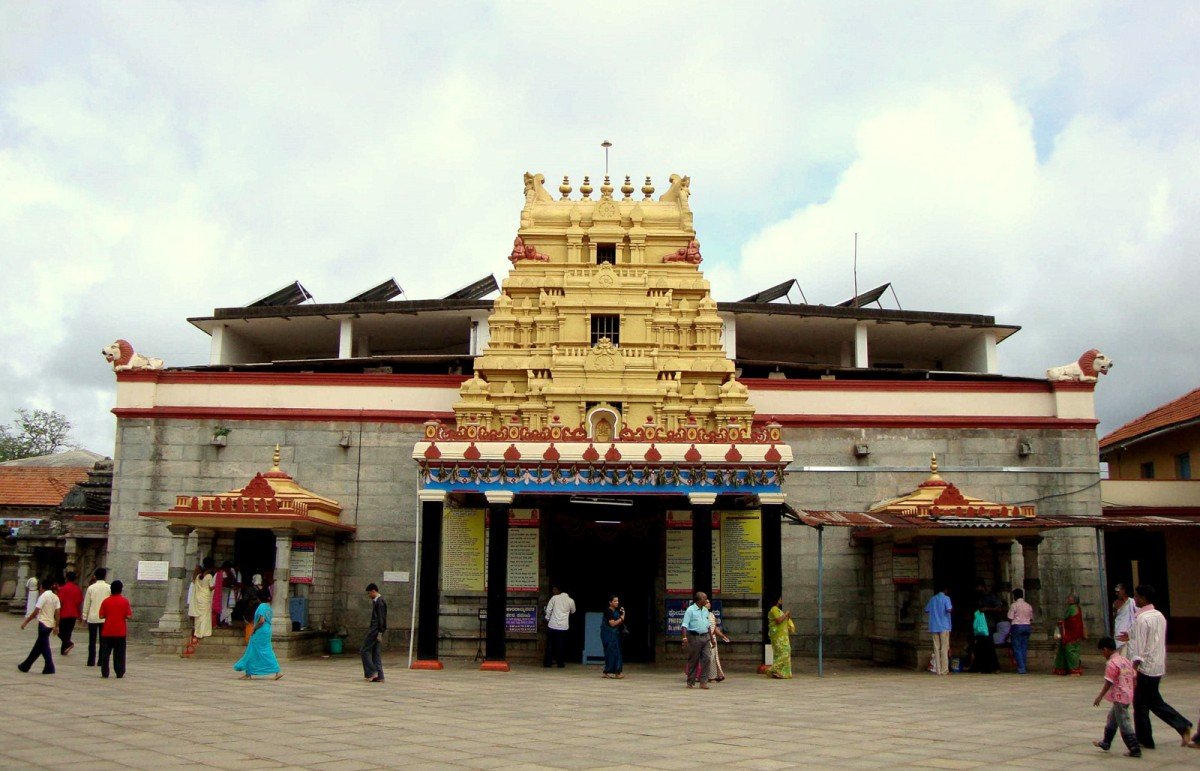
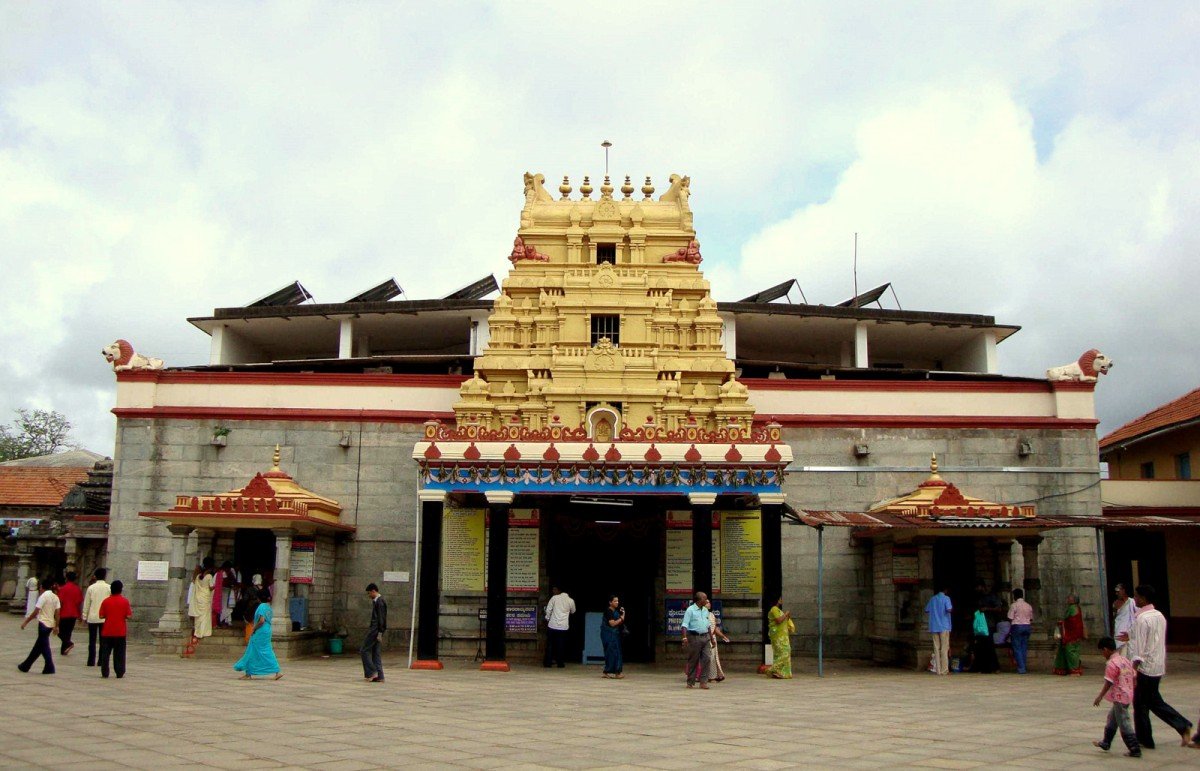
Sri Malayala Brahma Temple
General information
-
Ideal Duration:
15-30 minutesPlace Type:
Guardian Deity Shrine:
Temple:Entry Fees:
No Entry Fee: The temple is part of the Sringeri Sharada Peetham complex and has No Entry Fee for general public viewing.
Seva Fees and Offerings: Fees are applicable only for specific devotional services (sevas) like Archana or the Drishti r...No Entry Fee: The temple is part of the Sringeri Sharada Peetham complex and has No Entry Fee for general public viewing.
Seva Fees and Offerings: Fees are applicable only for specific devotional services (sevas) like Archana or the Drishti removal pooja, which are entirely voluntary. The most common offering is the Dadhyonna (curd rice) which has a nominal cost. All proceeds go to the temple Matha.Timing:
Regular Timings: The temple is generally open during the main Sharadamba Temple hours, typically from 6:00 AM to 2:00 PM and from 4:00 PM to 9:00 PM. As it is a small shrine, its hours are flexible around the main temple's schedule.
Ideal Visit ...Regular Timings: The temple is generally open during the main Sharadamba Temple hours, typically from 6:00 AM to 2:00 PM and from 4:00 PM to 9:00 PM. As it is a small shrine, its hours are flexible around the main temple's schedule.
Ideal Visit Time: The ideal time is immediately upon entering or leaving the main temple complex, in the early morning or late evening, as it requires only a brief visit. Visit before the main crowd arrives (7:00 AM to 9:00 AM).
Ritual Time: Check with the local priest for the time of the main daily pooja to the Kshetra Palaka for a more meaningful visit.Special Events:
Annual Kshetra Palaka Festival: A special day is set aside each year for the annual festival dedicated to the Kshetra Palaka, marked by elaborate Abhishekam and Poojas that celebrate the protective energy of the deity. The day is generally determined by the Matha calendar a...Annual Kshetra Palaka Festival: A special day is set aside each year for the annual festival dedicated to the Kshetra Palaka, marked by elaborate Abhishekam and Poojas that celebrate the protective energy of the deity. The day is generally determined by the Matha calendar and is marked by greater ritualistic fervor.
Navaratri Festival: During the major Navaratri festival (September or October), special protective rituals are performed here as the guardian deity is invoked for the nine days to ensure the smooth and safe conduct of the grand festival in the main temple.Best Photo Spots:
The Doorway and Idol Shot: The best photograph is a simple, straight-on shot of the idol (if permitted from the Mandapa entrance) that clearly shows the deity's unique features—the mace and the sandals—emphasizing his protective role.
The Ent...The Doorway and Idol Shot: The best photograph is a simple, straight-on shot of the idol (if permitted from the Mandapa entrance) that clearly shows the deity's unique features—the mace and the sandals—emphasizing his protective role.
The Entrance Frame: Capturing the small shrine framed by the grander entrance area of the main Sharadamba Temple complex provides an excellent contrast shot between the protector and the main protected deity.
Architectural Detail: A close-up of the simple stone carvings or inscription around the small sanctum, highlighting the traditional craftsmanship, is a good photo opportunity for detail-oriented photographers.Photo Gallery
Things To Do
-
Seeking Blessings for Safe Travel: An essential activity is offering prayers to the Malayala Brahma for protection from obstacles, safe travel, and a successful spiritual journey.
Offering Dadhyonna (Curd Rice): Participating in the sevas that include the offering of Dadhyonna is a specific and recommended devotional act.
Praying for Protection from Drishti (Evil Eye): Devotees specifically come here to perform poojas to ward off negative energy and the evil eye.
Observing the Rituals: Quietly observing the specific, simple rituals performed by the priest for the Kshetra Palaka.
Combining with the Sharadamba Temple Visit: Since it is right near the entrance, a visit to this temple is mandatory before or after visiting the main Sharad...Seeking Blessings for Safe Travel: An essential activity is offering prayers to the Malayala Brahma for protection from obstacles, safe travel, and a successful spiritual journey.
Offering Dadhyonna (Curd Rice): Participating in the sevas that include the offering of Dadhyonna is a specific and recommended devotional act.
Praying for Protection from Drishti (Evil Eye): Devotees specifically come here to perform poojas to ward off negative energy and the evil eye.
Observing the Rituals: Quietly observing the specific, simple rituals performed by the priest for the Kshetra Palaka.
Combining with the Sharadamba Temple Visit: Since it is right near the entrance, a visit to this temple is mandatory before or after visiting the main Sharadamba shrine.
Learning the Legend: Engaging with the priest to learn more about the fascinating legend of the Brahmana from Kerala is a great cultural activity.
Information
-
Why Famous:
Its Role as Sringeri's Protector: The temple's primary fame comes from the belief that the deity, Malayala Brahma, is the official and powerful protector (Kshetra Palaka) of the entire Sringeri Sharada Peetham and all its assets, devotees, and spiritual heritage. Pilgrims c...Its Role as Sringeri's Protector: The temple's primary fame comes from the belief that the deity, Malayala Brahma, is the official and powerful protector (Kshetra Palaka) of the entire Sringeri Sharada Peetham and all its assets, devotees, and spiritual heritage. Pilgrims consider it essential to seek his blessing for a safe and successful pilgrimage.
The Unique Legend and Seva: The fascinating legend of the cursed Brahmana scholar from Kerala who was redeemed by Sri Vidyaranya and appointed as the guardian gives the temple a unique history. It is also famous for the specific sevas offered here, especially those to dispel evil eyes and fear, and the special offering of Dadhyonna (curd rice) which is believed to be the deity's favorite. -
Architecture:
Simple and Traditional Temple Style: The architecture is simple, functional, and small-scale, befitting the role of a Kshetra Palaka shrine. It is not designed for grand ceremonies but for the daily worship of the guardian deity. The structure is built from strong, local g...Simple and Traditional Temple Style: The architecture is simple, functional, and small-scale, befitting the role of a Kshetra Palaka shrine. It is not designed for grand ceremonies but for the daily worship of the guardian deity. The structure is built from strong, local granite and stone.
Deity Placement and Symbolism: The shrine is strategically located near the entrance of the main temple, symbolizing the deity's protective function over the main temple and the entire spiritual center. The idol, with its mace and sandals, is a unique iconographic representation of a protective spirit turned benevolent guardian. The dimensions are modest, essentially a small sanctum (Garbhagriha) with a minimal porch. The architecture focuses on the spiritual and protective energy of the deity rather than ornate carving. The shrine is a contrast to the grander neighboring temples. -
How To Reach:
By Air: Nearest airport is Mangaluru International Airport (IXE) (111 KMS). From there, take a cab or bus to Sringeri town.
By Train: Nearest major railway stations are Shivamogga (SMET) (90 KMS) and Udupi (UD) (96 KMS). From the station, t...By Air: Nearest airport is Mangaluru International Airport (IXE) (111 KMS). From there, take a cab or bus to Sringeri town.
By Train: Nearest major railway stations are Shivamogga (SMET) (90 KMS) and Udupi (UD) (96 KMS). From the station, take a cab or bus to Sringeri.
By Road: Being located right inside the Sringeri Sharada Peetham complex, it is easily accessible by road from all major cities. The temple complex is the final destination.
By Local Transport: Within Sringeri town, the complex is centrally located and a short walk or auto-rickshaw ride from the bus stand. The shrine is just to the right of the main Sharadamba Temple door. -
Weather and Best Time to Visit:
The Seasons: Winter (October to March) is the most comfortable, with cool weather ideal for temple hopping. Monsoon can bring heavy rain, but the temple is fully covered and easily accessible. Summer can be hot, making morning or evening ideal.The Seasons: Winter (October to March) is the most comfortable, with cool weather ideal for temple hopping. Monsoon can bring heavy rain, but the temple is fully covered and easily accessible. Summer can be hot, making morning or evening ideal.
Different Parts of the Day: Morning (7:00 AM to 10:00 AM) is best, as part of the main Sharadamba Temple darshan routine. The cool hours make the granite floor more comfortable to walk on. Evening (Aarti time, around 7:30 PM) is also spiritually uplifting. -
Near Tourist Places:
Sri Sharadamba Temple (0 KM), Torana Ganapati Temple (0 KM), Sri Vidyashankara Temple (0 KM), Adi Shankara Temple (0 KM), Kere Anjaneya Temple (1 KMS), Narasimhavanam (2 KMS), Kigga (Rishyasringeshwara Temple) (9 KMS), Sirimane Falls (15 KMS), Agumbe (30 KMS), Horanadu Annapoorneshwari Temple (54 KMS).
Tourism Tips
-
Health & Safety: The floor can be wet and slippery during Abhishekam or in the Monsoon; walk carefully. Wear modest, traditional clothing.
Packing: A small prayer book or a shawl is useful. Since it is inside the main complex, all essentia...Health & Safety: The floor can be wet and slippery during Abhishekam or in the Monsoon; walk carefully. Wear modest, traditional clothing.
Packing: A small prayer book or a shawl is useful. Since it is inside the main complex, all essential amenities are close by. Footwear must be removed well outside the temple area.
Accommodation: Plan to stay at the Sringeri Matha guesthouses or hotels in Sringeri town.
Other Topics: Always pay your respects here before leaving the main temple complex, as is the tradition when leaving a protected spiritual center. Curd rice (Dadhyonna) is the special offering here.
Reviews
FAQs
Sringeri Itineray And Cost:-
Sri Malayala Brahma Temple Tourism:-
Other Places In Sringeri :-
Other States In India :-
Information about New and Updated Locations() of Karnataka Has Been Added :-
Card subtitle
Note:-
Information provided here in good Faith and for reference only.
Near Places
Adi Shankara Temple
Some quick example text to build on the card title and make up the bulk of the card's content.
Go somewhere
Agumbe Rainforest Research Station
Some quick example text to build on the card title and make up the bulk of the card's content.
Go somewhere
Barkana Falls
Some quick example text to build on the card title and make up the bulk of the card's content.
Go somewhere
Bhadra River Lakya Confluence Point
Some quick example text to build on the card title and make up the bulk of the card's content.
Go somewhere
Hanumana Gundi Falls
Some quick example text to build on the card title and make up the bulk of the card's content.
Go somewhere
Horanadu Annapoorneshwari Temple
Some quick example text to build on the card title and make up the bulk of the card's content.
Go somewhere
Kadambi Falls
Some quick example text to build on the card title and make up the bulk of the card's content.
Go somewhere
Kere Anjaneya Temple
Some quick example text to build on the card title and make up the bulk of the card's content.
Go somewhere
Kigga
Some quick example text to build on the card title and make up the bulk of the card's content.
Go somewhere
Koppa
Some quick example text to build on the card title and make up the bulk of the card's content.
Go somewhere
Kudremukh National Park
Some quick example text to build on the card title and make up the bulk of the card's content.
Go somewhere
Lakya Dam
Some quick example text to build on the card title and make up the bulk of the card's content.
Go somewhere
Mallikarjuna Temple
Some quick example text to build on the card title and make up the bulk of the card's content.
Go somewhere
Narasimhavanam
Some quick example text to build on the card title and make up the bulk of the card's content.
Go somewhere
Sirimane Falls
Some quick example text to build on the card title and make up the bulk of the card's content.
Go somewhere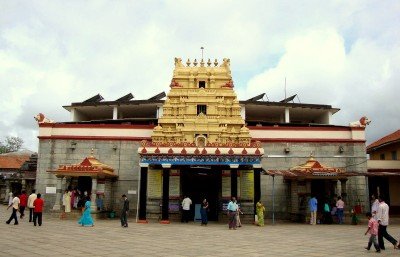
Sri Malayala Brahma Temple
Some quick example text to build on the card title and make up the bulk of the card's content.
Go somewherein Other Cities