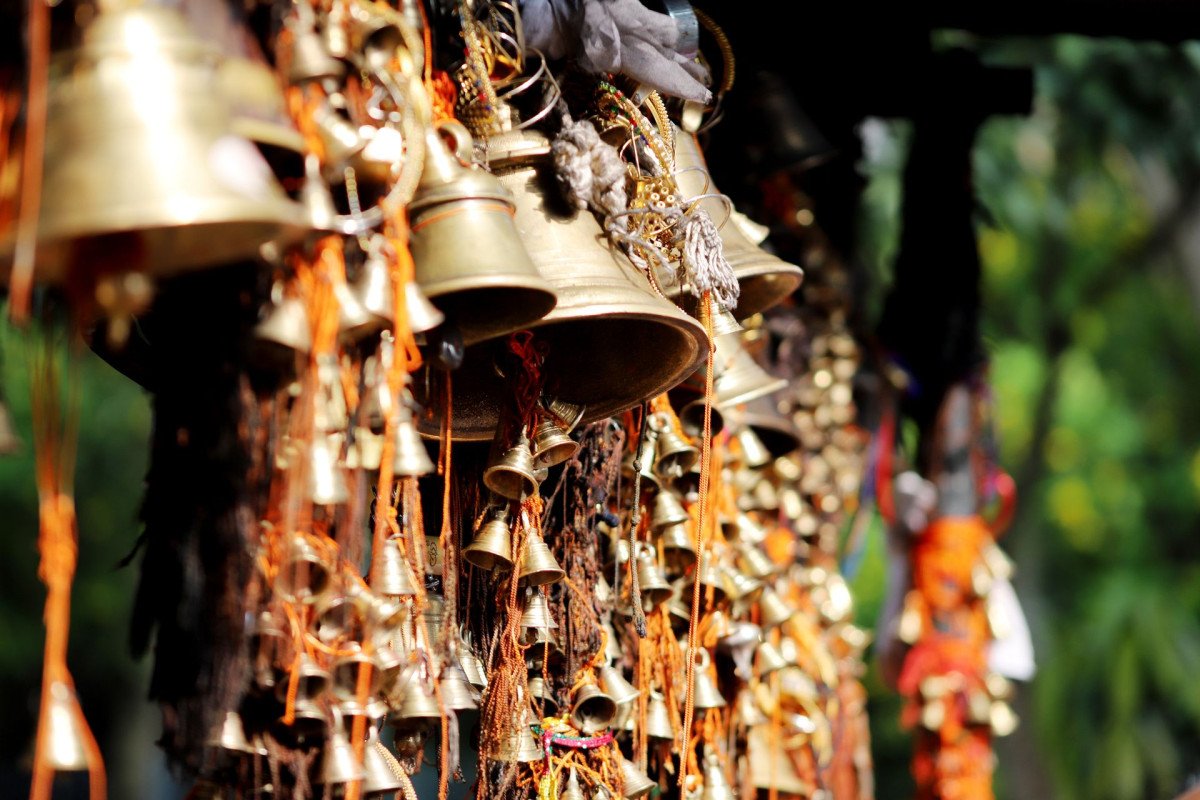
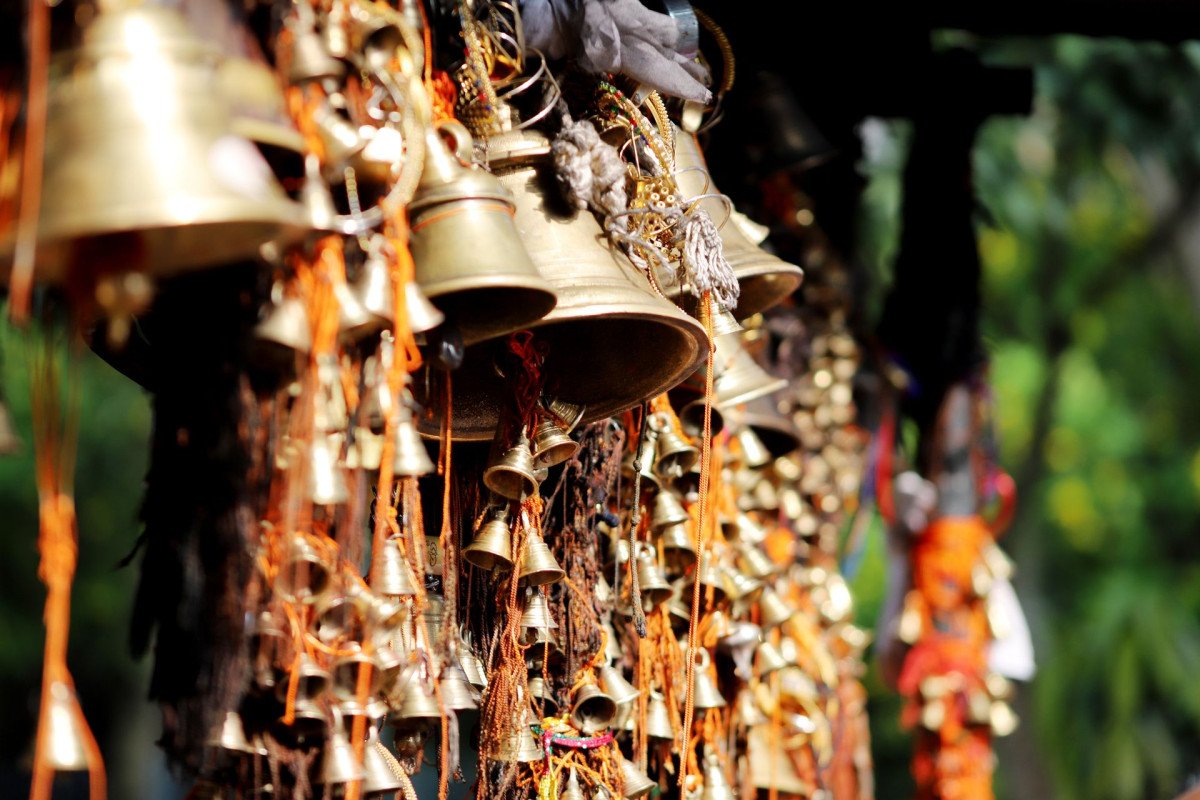
Sui Mata Temple
General information
-
Ideal Duration:
1-2 Hours (Plus Walking Time):Place Type:
Pilgrimage and Historical Landmark:Entry Fees:
The Shrine of the People's Queen:
No Entry Fee: As a revered Hindu temple and a monument to a queen's sacrifice, there is absolutely no entry fee to the Sui Mata Temple complex or to walk up the steps. It is freely open to all.The Shrine of the People's Queen:
No Entry Fee: As a revered Hindu temple and a monument to a queen's sacrifice, there is absolutely no entry fee to the Sui Mata Temple complex or to walk up the steps. It is freely open to all.
Donations: Voluntary donations towards the upkeep of the temple, the maintenance of the stone steps, and the cost of the annual Sui Mela are highly welcomed and encouraged.
Mela Costs: Attending the annual Sui Mela is free, but you will need to buy the offerings (flowers, sweets, etc. ) if you wish to participate in the rituals.
Photography/Filming: Standard tourist photography is free. Given the religious and cultural sensitivity, commercial filming, especially during the Mela or of the devotees, requires special, respectful permission from the local temple committee and the district administration, which may involve a fee.
Guided Tour Fee: A local guide can be hired from Chamba town to explain the complete legend and history during the ascent, which involves a personal service fee. The ascent is self-guided and requires no payment.Timing:
Morning Hike for Best Views:The timing is determined by daylight and the physical challenge of the ascent.
Regular Timings: The temple is open to visitors from dawn to dusk, typically from 6:00 AM to 6:00 PM (until sunset), as the path is no...Morning Hike for Best Views:The timing is determined by daylight and the physical challenge of the ascent.
Regular Timings: The temple is open to visitors from dawn to dusk, typically from 6:00 AM to 6:00 PM (until sunset), as the path is not lit at night.
Ideal Visit Time: The best time to visit is early morning (6:00 AM to 8:00 AM). This is when the air is cool, making the steep ascent much easier, and the morning light is perfect for panoramic photography of the valley below.
Mela Timings: During the Sui Mela (March-April), the temple remains active throughout the day, with peak crowds in the late morning when the main procession arrives.
Avoiding Midday Heat: The ascent is exposed to the sun and should be strictly avoided during the hottest part of the day (12:00 PM to 3:00 PM), especially in the Summer months.
Safety: Plan to start the descent well before sunset, as the steep stone steps are difficult and dangerous to navigate in the dark.Special Events:
The Sui Mata Mela (Women's Fair):The annual Sui Mata Mela is the sole and most significant special event at the temple.
Timing and Focus: The fair is held for several days, usually in the month of Chait (March-April), and is uniquely dedicat...The Sui Mata Mela (Women's Fair):The annual Sui Mata Mela is the sole and most significant special event at the temple.
Timing and Focus: The fair is held for several days, usually in the month of Chait (March-April), and is uniquely dedicated to women and children, celebrating the sacrifice of the queen.
The Procession: The key event is the religious procession, which starts from the town and makes its way up the steps to the main temple. Women and girls are dressed in their finest traditional attire and sing devotional folk songs (Sui songs) in praise of the queen.
Cultural Significance: The fair is a major cultural event, highlighting the traditional songs, attire, and deep reverence for the feminine aspect of divinity and sacrifice in Chamba culture. It is a highly localized and emotionally charged event.
Procession Route: The procession usually begins at the old palace/town center and culminates at the shrine, involving a massive, celebratory walk up the difficult path, symbolizing the queen's last journey.
Offerings: During the Mela, special offerings and rituals are performed at the temple and the small pavilions along the steps, often involving traditional food and ceremonial items.Best Photo Spots:
The Valley Panorama and the Staircase Line:The location on the hill makes the view its greatest asset for photography.
The Town and Valley View: The absolute best photo spot is the main viewpoint next to the temple, offering a sweeping, unob...The Valley Panorama and the Staircase Line:The location on the hill makes the view its greatest asset for photography.
The Town and Valley View: The absolute best photo spot is the main viewpoint next to the temple, offering a sweeping, unobstructed panoramic shot of the entire Chamba valley, the winding Ravi River, and the distant, often snow-covered mountains.
Framing the Pilgrimage Stairs: A shot taken from the bottom or an intermediary pavilion, using the long, steep flight of stone steps as a powerful leading line, drawing the viewer's eye up to the small temple at the top. This captures the essence of the pilgrimage.
Golden Hour Photography: Sunrise or sunset (Golden Hour) offers spectacular, warm light that dramatically highlights the curves of the Ravi River and the slate roofs of the town below, making the colors vivid and deep.
Candid Shots of Devotees: During the Sui Mela, candid photographs of the women and children in their traditional attire, singing as they climb the steps, capture the rich cultural and human element of the shrine's story.
The Temple Silhouette: Photograph the simple, elegant silhouette of the temple shrine against a dramatic sky (sunset or clear blue) for a spiritually evocative photograph. Use a wide-angle lens to capture the sense of height and expanse.Photo Gallery
Things To Do
-
Undertake the Pilgrimage Walk:The most important thing to do is to complete the pilgrimage walk up the steep stone steps to the temple. Take your time, rest at the small pavilions, and reflect on the legend of Queen Sui as you climb.
Pray at the Main Shrine:Spend a few minutes in the small main shrine, offering quiet prayers or simply soaking in the spiritual atmosphere of the place dedicated to a queen's selfless act.
Enjoy the Panoramic View:The top of Shah Madar Hill offers arguably the best panoramic view of Chamba town, the complete expanse of the Chaugan, the flowing Ravi River, and the snow-capped Dhauladhar range. This is the reward for the climb.
Photograph the Viewpoint:The vantage point is one of the best photo spots in Chamba. Take wide-angle shots...
Information
-
Why Famous:
Legend of Sacrifice and Women's Festival:The temple's fame is entirely based on the powerful legend of Queen Sunayana's self-sacrifice.
The Foundation Legend: It is famous because it is the site where Queen Sui sacrificed her life to bring w...Legend of Sacrifice and Women's Festival:The temple's fame is entirely based on the powerful legend of Queen Sunayana's self-sacrifice.
The Foundation Legend: It is famous because it is the site where Queen Sui sacrificed her life to bring water to Chamba town in the 10th century. This legendary act of selfless devotion is the very foundation of the town’s spiritual belief.
The Sui Mela (Fair): It is the main venue for the annual Sui Mata Mela (usually in March or April), which is one of Chamba's most unique festivals. This fair is primarily attended by women and children, making it a culturally distinct event that celebrates female sacrifice and resilience.
Pilgrimage Trek: The steep flight of stone steps leading to the temple is a well-known pilgrimage trek. Successfully completing this ascent is seen as an act of devotion and earns the temple a reputation as a site of physical and spiritual challenge.
Panoramic View: The location on Shah Madar Hill offers the best panoramic view of the entire Chamba valley, the winding Ravi River, and the surrounding snow-capped peaks.
A Symbol of Devotion: The temple is a constant symbol of moral virtue, selflessness, and the founding history of the Chamba state, constantly retelling the sacrifice to new generations. -
Architecture:
Simple Hill-Style Stone Structure:The architecture of the Sui Mata Temple is modest and functional, with a strong emphasis on the pilgrimage pathway rather than grand ornamentation.
Style and Material: The main shrine is built in the traditi...Simple Hill-Style Stone Structure:The architecture of the Sui Mata Temple is modest and functional, with a strong emphasis on the pilgrimage pathway rather than grand ornamentation.
Style and Material: The main shrine is built in the traditional Himachali hill-style architecture, a simple, unicellular structure primarily using local stone masonry and perhaps some wooden elements for the roof and verandah. Its design blends into the rugged hill environment.
The Pilgrim Path: The 'architecture' of the complex includes the steep, long flight of stone steps leading from the Saho road up to the main temple on the hill's elevation. This pilgrimage path, or staircase, is the most distinctive physical feature of the site, marking the historical route of the queen's procession.
The Pavilions (Mandaps): There are smaller pavilions or rest points along the staircase, sometimes featuring gargoyles (gargoyles) with running water (historically linked to the aqueduct's flow), which serve as crucial architectural stops for pilgrims.
Dimension Details: The main shrine is small, perhaps only a few meters in length and width, as its importance is spiritual and legendary, not structural. The emphasis is on the journey up the hill, symbolizing the queen's ascent to her sacrifice.
The Site's Layout: The three-part spread of the temple site (lower pavilion, steps, upper main shrine) is an architectural layout designed to accommodate the devotional journey of the pilgrims, especially during the Sui Mela. -
How To Reach:
The Uphill Pilgrimage Walk:The temple is an uphill trek from the main town center.
By Air: Nearest is Gaggal Airport (Dharamshala - 170 KMS). From there, take a taxi or pre-booked cab to Chamba town.
By Train:<... -
Near Tourist Places:
Chaugan (3 KMS, Downhill), Laxmi Narayan Temple Complex (3. 5 KMS, Downhill), Rang Mahal (2. 5 KMS, Downhill), Bhuri Singh Museum (3 KMS, Downhill), Hari Rai Temple (3. 5 KMS, Downhill), Champavati Temple (3. 5 KMS, Downhill), Saho Village (Chandrashekhar Temple) (15 KMS), Chamera Lake (33 KMS), Khajjiar (45 KMS), Dalhousie (55 KMS):
Tourism Tips
-
Climbing Safety and Cultural Respect:
Health & Safety: The walk is steep and physically demanding. Wear non-slip, comfortable walking shoes. Carry plenty of water. If you have heart or knee issues, climb slowly and carefully.
Reviews
Chamba Itineray And Cost:-
Information about New and Updated Locations() of Himachal Pradesh Has Been Added :-
Card subtitle
Note:-
Information provided here in good Faith and for reference only.
All information and pictures will be updated soon, please keep visiting.
Near Places

Akhand Chandi Palace
Some quick example text to build on the card title and make up the bulk of the card's content.
Go somewhere
Bharmour
Some quick example text to build on the card title and make up the bulk of the card's content.
Go somewhere
Bhuri Singh Museum
Some quick example text to build on the card title and make up the bulk of the card's content.
Go somewhere
Chamera Lake/Dam
Some quick example text to build on the card title and make up the bulk of the card's content.
Go somewhere
Champavati Temple
Some quick example text to build on the card title and make up the bulk of the card's content.
Go somewhere
Chamunda Devi Temple
Some quick example text to build on the card title and make up the bulk of the card's content.
Go somewhere
Chaugan
Some quick example text to build on the card title and make up the bulk of the card's content.
Go somewhere
Chhatrari Village
Some quick example text to build on the card title and make up the bulk of the card's content.
Go somewhere
Church of Scotland
Some quick example text to build on the card title and make up the bulk of the card's content.
Go somewhere
Jhamwar
Some quick example text to build on the card title and make up the bulk of the card's content.
Go somewherein Other Cities