Sultanpur National Park
General information
-
Ideal Duration:
3-4 Hours:Place Type:
National Park/Bird Sanctuary:Entry Fees:
Entry Fee for Indians: The entry fee is very nominal, typically around Rs.5 per person for Indians.
Entry Fee for Foreigners: The fee for foreign nationals is slightly higher, usually around Rs.40 per person.
Camera...Entry Fee for Indians: The entry fee is very nominal, typically around Rs.5 per person for Indians.
Entry Fee for Foreigners: The fee for foreign nationals is slightly higher, usually around Rs.40 per person.
Camera Charges: There are additional charges for carrying a camera: a still camera fee is around Rs.25, and a video camera fee is about Rs.500.
Parking and Other Charges: Parking a car or two-wheeler outside the main gate incurs a small fee, typically between Rs.10 and Rs.50. All fees are collected to support park maintenance and conservation activities, ensuring the park's environment remains protected. The fee structure is designed to be highly affordable for public access. ()Timing:
Regular Timings: The park is open from 7:00 AM to 4:
30 PM (Note: it is generally closed on Tuesdays). Visitors must exit before sunset.
Ideal Visit Time: The best time to visit is either at sunrise (around 7...Regular Timings: The park is open from 7:00 AM to 4:
30 PM (Note: it is generally closed on Tuesdays). Visitors must exit before sunset.
Ideal Visit Time: The best time to visit is either at sunrise (around 7:00 AM) or just before sunset (around 4:00 PM). Birds are most active during these cooler periods, offering the best viewing and photography opportunities. Weekdays are recommended to avoid weekend crowds.
Migratory Season Timings: During the peak migratory season (November to February), arriving early is crucial to witness the large flocks. ()Special Events:
World Migratory Bird Day Celebration: The park observes World Migratory Bird Day (usually in May and October), organizing special guided walks, educational programs, and photography competitions to raise awareness about bird conservation.
Annual...World Migratory Bird Day Celebration: The park observes World Migratory Bird Day (usually in May and October), organizing special guided walks, educational programs, and photography competitions to raise awareness about bird conservation.
Annual Bird Census/Ringing Events: The forest department occasionally conducts bird census drives or bird ringing camps, which are special events that allow a limited number of enthusiasts to participate in the scientific study of the bird population.
Seasonal Photography Exhibitions: The park management or local wildlife clubs may host small exhibitions of bird and nature photography within the interpretation center, particularly during the peak migratory season (November to February). ()Best Photo Spots:
The Central Jheel Vista: The best overall spot is from the various viewpoints along the lake, especially with the sun low (sunrise/sunset). The water surface reflecting the sky and the silhouettes of hundreds of birds is breathtaking.
From the ...The Central Jheel Vista: The best overall spot is from the various viewpoints along the lake, especially with the sun low (sunrise/sunset). The water surface reflecting the sky and the silhouettes of hundreds of birds is breathtaking.
From the Observation Towers: Each of the four watchtowers provides a unique, elevated perspective, ideal for long-range bird photography and getting a sense of the wetland's expanse.
Near the Water Hides: The hides, strategically placed closer to the water's edge, are perfect for capturing close-up shots of birds wading or feeding in their natural habitat without disturbing them. ()Photo Gallery
Things To Do
-
Bird Watching and Photography: The main activity is spotting and photographing the rich avian life. Use the four watchtowers for elevated views and the hides for concealed viewing. Key species to look for are the Greater Flamingo, Spot-billed Duck, and Siberian Crane (in season).
Nature Trails and Walking: Walk along the designated paths that loop around the Jheel. The paths are about 2-3 KMS long, perfect for a leisurely walk in nature, enjoying the peaceful environment and observing the diverse plant life.
Educational Visit: Spend time at the interpretation center to learn about the different bird species, the park's history, and conservation efforts through displays and informational materials.
Picnicking (Designated Area): While not encouraged near the lak...Bird Watching and Photography: The main activity is spotting and photographing the rich avian life. Use the four watchtowers for elevated views and the hides for concealed viewing. Key species to look for are the Greater Flamingo, Spot-billed Duck, and Siberian Crane (in season).
Nature Trails and Walking: Walk along the designated paths that loop around the Jheel. The paths are about 2-3 KMS long, perfect for a leisurely walk in nature, enjoying the peaceful environment and observing the diverse plant life.
Educational Visit: Spend time at the interpretation center to learn about the different bird species, the park's history, and conservation efforts through displays and informational materials.
Picnicking (Designated Area): While not encouraged near the lake, the park usually has designated areas where visitors can enjoy a packed lunch amidst nature. Always ensure to leave no trash behind.
Photography Workshops: On weekends, the park often serves as a spot for nature and bird photography workshops hosted by local photography groups. Join one for expert tips.
Wildlife Observation: Apart from birds, look out for small mammals like the Blackbuck, nilgai, and various types of reptiles and amphibians that inhabit the ecosystem.
Sunrise and Sunset Views: The shallow lake offers stunning reflections, making sunrise and sunset spectacular times for photography and quiet contemplation. ()
Information
-
Why Famous:
Major Stop for Migratory Birds: The park's primary fame comes from its role as a crucial resting and feeding ground for a large number of diverse migratory birds during the winter, attracting ornithologists and bird lovers globally.
Proximity to...Major Stop for Migratory Birds: The park's primary fame comes from its role as a crucial resting and feeding ground for a large number of diverse migratory birds during the winter, attracting ornithologists and bird lovers globally.
Proximity to Delhi and Gurugram: Being one of the few National Parks and wetland habitats close to the metropolitan areas, it offers an easily accessible nature retreat for city dwellers.
Conservation Success Story: Its designation and successful maintenance as a National Park since 1991 is a significant achievement in regional conservation efforts. () -
Architecture:
Architectural Style and Design Focus: The park's architecture is primarily functional and eco-conscious, designed to facilitate bird watching and minimize human impact on the ecosystem. The core structures are simple observation hides and four watchtowers. The emphasis is ...Architectural Style and Design Focus: The park's architecture is primarily functional and eco-conscious, designed to facilitate bird watching and minimize human impact on the ecosystem. The core structures are simple observation hides and four watchtowers. The emphasis is on blending into the natural environment.
Materials and Dimensions: The watchtowers are multi-level structures, typically made of concrete and steel, reaching a height of about 10-15 meters for a clear view over the trees and the lake. Observation hides are simple, low-lying structures (maybe 2 meters high, 4 meters wide) made of natural materials like wood or mud plaster, with slit openings. The park's boundaries and internal walkways are clearly defined but unobtrusive. The entire area is about 1. 42 square kilometers (142 hectares), centered around the Sultanpur Jheel. () -
How To Reach:
By Air: The nearest airport is Indira Gandhi International Airport (DEL), which is about 35-40 KMS away. From the airport, hire a pre-paid taxi or book a ride-share service directly to the park. The journey takes about 1 to 1. 5 hours.
By Trai...By Air: The nearest airport is Indira Gandhi International Airport (DEL), which is about 35-40 KMS away. From the airport, hire a pre-paid taxi or book a ride-share service directly to the park. The journey takes about 1 to 1. 5 hours.
By Train: The nearest railway station is Garhi Harsaru Junction, which is only about 15 KMS away. From here, one can hire a taxi or an auto-rickshaw. The main Gurugram Railway Station (GGN) is about 16 KMS away and offers more frequent train connections.
By Road: The park is well-connected by road and is located on the Gurugram-Farrukhnagar road. From Gurugram city center, a drive of about 30-45 minutes is necessary. State-run buses and private buses from the Gurugram Bus Stand that go toward Farrukhnagar or Jhajjar can drop you near the park. Hiring a taxi is the easiest option.
By Local Transport: Local buses run from Gurugram towards the park area. Auto-rickshaws can be hired, but finding one for the return journey can sometimes be a challenge, so it's best to arrange a return trip or use a ride-share service. () -
Weather and Best Time to Visit:
Different Types of Seasons: The best time to visit is during the Winter season, from November to February. This is the peak migratory season when the park is teeming with both resident and thousands of foreign birds. The weather is also very pleasant for outdoor walking an...Different Types of Seasons: The best time to visit is during the Winter season, from November to February. This is the peak migratory season when the park is teeming with both resident and thousands of foreign birds. The weather is also very pleasant for outdoor walking and photography. Monsoon (July to September) brings greenery but fewer migratory birds. Summer (April to June) is extremely hot and best avoided.
Different Parts of the Day: Early Morning is the absolutely ideal time for birding, between 7:00 AM and 10:00 AM, when the birds are most active in feeding and calling. This timing also provides the best light for photography. () -
Near Tourist Places:
1. Pataudi Palace, Pataudi (Approx. 20 KM) 2. Farrukhnagar Fort (Approx. 10 KM) 3. Basai Wetland (Approx. 15 KM) 4. Leisure Valley Park, Gurugram (Approx. 20 KM) 5. Ambience Mall, Gurugram (Approx. 25 KM) 6. Cyber Hub, Gurugram (Approx. 27 KM) 7. Sheetla Mata Mandir (Approx. 18 KM) 8. Kingdom of Dreams (Approx. 23 KM) 9. Tau Devi Lal Bio Diversity Park (Approx. 25 KM) 10. Heritage Transport Museum (Approx. 30 KM)
Tourism Tips
-
Health & Safety: Wear neutral-colored clothing that blends with the environment to avoid scaring the birds. Apply mosquito repellent, especially during the early morning or late evening. Carry a small first-aid kit.
Packing: Bring binocula...Health & Safety: Wear neutral-colored clothing that blends with the environment to avoid scaring the birds. Apply mosquito repellent, especially during the early morning or late evening. Carry a small first-aid kit.
Packing: Bring binoculars or a spotting scope for best viewing. A telephoto lens is a must for bird photography. Carry sufficient drinking water and light snacks, as internal vendors are limited. Wear comfortable walking shoes, preferably waterproof.
Accommodation: Accommodation options are sparse near the park itself. It is strongly recommended to stay in Gurugram city in one of the many hotels/resorts and visit the park as a morning or day trip. Other Different Topics heading (Wildlife Etiquette): Maintain complete silence or speak in very low voices to avoid disturbing the birds. Do not feed the birds or leave any trash behind. Follow all park rules and stay on designated paths. ()
Reviews
FAQs
Gurugram Itineray And Cost:-
Sultanpur National Park Tourism:-
Other Places In Gurugram :-
Other States In India :-
Information about New and Updated Locations() of Haryana Has Been Added :-
Card subtitle
Note:-
Information provided here in good Faith and for reference only.
Near Places

AapnoGhar Amusement and Water Park
Some quick example text to build on the card title and make up the bulk of the card's content.
Go somewhere
Aravali Retreat
Some quick example text to build on the card title and make up the bulk of the card's content.
Go somewhere
Aravalli Biodiversity Park
Some quick example text to build on the card title and make up the bulk of the card's content.
Go somewhere
Badshahpur Fort Baoli
Some quick example text to build on the card title and make up the bulk of the card's content.
Go somewhere
Bharat Yatra Kendra
Some quick example text to build on the card title and make up the bulk of the card's content.
Go somewhere
Camp Tikkling
Some quick example text to build on the card title and make up the bulk of the card's content.
Go somewhere
Cyber Hub
Some quick example text to build on the card title and make up the bulk of the card's content.
Go somewhere
Damdama Lake
Some quick example text to build on the card title and make up the bulk of the card's content.
Go somewhere
DLF CyberHub
Some quick example text to build on the card title and make up the bulk of the card's content.
Go somewhere
F9 Go Karting
Some quick example text to build on the card title and make up the bulk of the card's content.
Go somewhere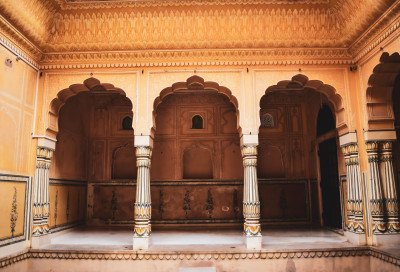
Farrukh Nagar Fort
Some quick example text to build on the card title and make up the bulk of the card's content.
Go somewhere
Galleria Market
Some quick example text to build on the card title and make up the bulk of the card's content.
Go somewhere
Heritage Transport Museum
Some quick example text to build on the card title and make up the bulk of the card's content.
Go somewhere
Kingdom of Dreams
Some quick example text to build on the card title and make up the bulk of the card's content.
Go somewhere
Leisure Valley Park
Some quick example text to build on the card title and make up the bulk of the card's content.
Go somewhere
Leopard Hills
Some quick example text to build on the card title and make up the bulk of the card's content.
Go somewherein Other Cities