Swayambhu Ganpati Temple
General information
-
Ideal Duration:
1 to 2 Hours (Including Pradakshina)Place Type:
Pilgrimage/Temple/HistoricalEntry Fees:
Temple Entry Fee: The Swayambhu Ganpati Temple has No Entry Fee for devotees and general visitors. Access to the main temple complex and the sanctum sanctorum for Darshan (viewing the deity) is entirely free, as is traditional for places of worship in India. This makes the...Temple Entry Fee: The Swayambhu Ganpati Temple has No Entry Fee for devotees and general visitors. Access to the main temple complex and the sanctum sanctorum for Darshan (viewing the deity) is entirely free, as is traditional for places of worship in India. This makes the spiritual experience accessible to everyone, regardless of their financial status.
Pradakshina Path Fee: The access to the 1 KM long circumambulation (Pradakshina) path around the hill is also free of charge. There are no tickets or fees required to perform this ritualistic walk, promoting it as a sacred and open spiritual practice for all pilgrims.
Charges for Optional Rituals and Offerings: While entry is free, there are optional charges for specific religious services and offerings. Devotees may pay a small fee for special Pujas (worship rituals), Abhishek (ritual bathing of the idol), or to reserve a slot for a particular Aarti. The cost of purchasing offerings like Modak, flowers, and coconuts are separate and bought from vendors outside the temple premises.
Donations and Hundi: The temple relies on voluntary Donations (Hundi) from devotees, which are entirely optional. These funds are used for the temple's maintenance, daily rituals, and charitable activities like the distribution of Khichdi Prasad. There is usually no mandatory minimum amount for these offerings.Timing:
Regular Timings: The Swayambhu Ganpati Temple maintains extensive daily hours to accommodate the large influx of devotees. The general temple Darshan (viewing) time is from 5:00 AM (for the morning Aarti) until approximately 9:00 PM (after the last evening rituals). This l...Regular Timings: The Swayambhu Ganpati Temple maintains extensive daily hours to accommodate the large influx of devotees. The general temple Darshan (viewing) time is from 5:00 AM (for the morning Aarti) until approximately 9:00 PM (after the last evening rituals). This long operating period provides flexibility for pilgrims to visit at their convenience.
Aarti Timings:
The most critical timings are the Aarti times: Morning Aarti at 5:00 AM, Noon Aarti at 12:00 PM, and Evening Aarti at 7:00 PM. Devotees are encouraged to visit during these times for the most spiritual experience.
Prasad Timing: The complimentary Khichdi Prasad is distributed daily between approximately 12:30 PM and 2:00 PM. Devotees planning to partake in the holy meal should schedule their visit accordingly.
Ideal Visit Time - Spiritual Focus: The Ideal Time to Visit for a deeply spiritual experience is during the Morning Aarti at 5:00 AM. This is the most sacred time, with minimal crowds, allowing for focused prayer and reflection. Alternatively, the Evening Aarti at 7:00 PM is also very popular.
Ideal Visit Time - Crowd Avoidance: To avoid large crowds while still having a good spiritual experience, the late morning (9:00 AM to 11:00 AM) or late evening (8:00 PM to 9:00 PM) are the best times to visit on a regular day. The temple is most crowded after the Noon Aarti and on weekends/festivals.Special Events:
Magh Chaturthi and Temple Fair: This is the most special and largest annual event. The Magh Chaturthi festival (usually in February or March) sees the temple become the epicenter of a massive religious fair (Jatra). The highlight is the procession of Lord Ganesha on a deco...Magh Chaturthi and Temple Fair: This is the most special and largest annual event. The Magh Chaturthi festival (usually in February or March) sees the temple become the epicenter of a massive religious fair (Jatra). The highlight is the procession of Lord Ganesha on a decorated chariot around the village and the hill. Devotees participate in large numbers, performing Pradakshina and special Pujas. The atmosphere is charged with spiritual energy, making it the most significant time of the year to visit for a complete cultural and spiritual experience.
Ganesh Chaturthi Grandeur: Being a major Ganpati temple, the 10-day festival of Ganesh Chaturthi (usually in August or September) is a special event marked by elaborate decorations, continuous chanting, cultural programs, and special prayers for the deity. The spiritual fervor is palpable, and the temple sees a massive influx of local and out-of-state devotees, celebrating the birth of Lord Ganesha with great enthusiasm and devotion.
The Sun Ray Phenomenon Rituals: The days in November and February when the setting sun’s rays align to touch the idol are marked as extremely special ritualistic events by the temple priests. Special Pujas and prayers are often organized to coincide with this rare, natural phenomenon, which is believed to be a direct divine blessing. Witnessing this celestial alignment is a unique, unadvertised spiritual experience for those lucky enough to be present.Best Photo Spots:
The West-Facing Deity in the Sanctum: The most sacred photo spot (where photography is usually allowed, though check current rules) is of the Swayambhu idol in the sanctum. Capturing the simplicity and the sheer spiritual power of the self-manifested, unadorned, reddish-pin...The West-Facing Deity in the Sanctum: The most sacred photo spot (where photography is usually allowed, though check current rules) is of the Swayambhu idol in the sanctum. Capturing the simplicity and the sheer spiritual power of the self-manifested, unadorned, reddish-pink idol facing West is the most significant photographic opportunity, embodying the temple's core identity. Focus on the atmosphere of devotion and the dim lighting.
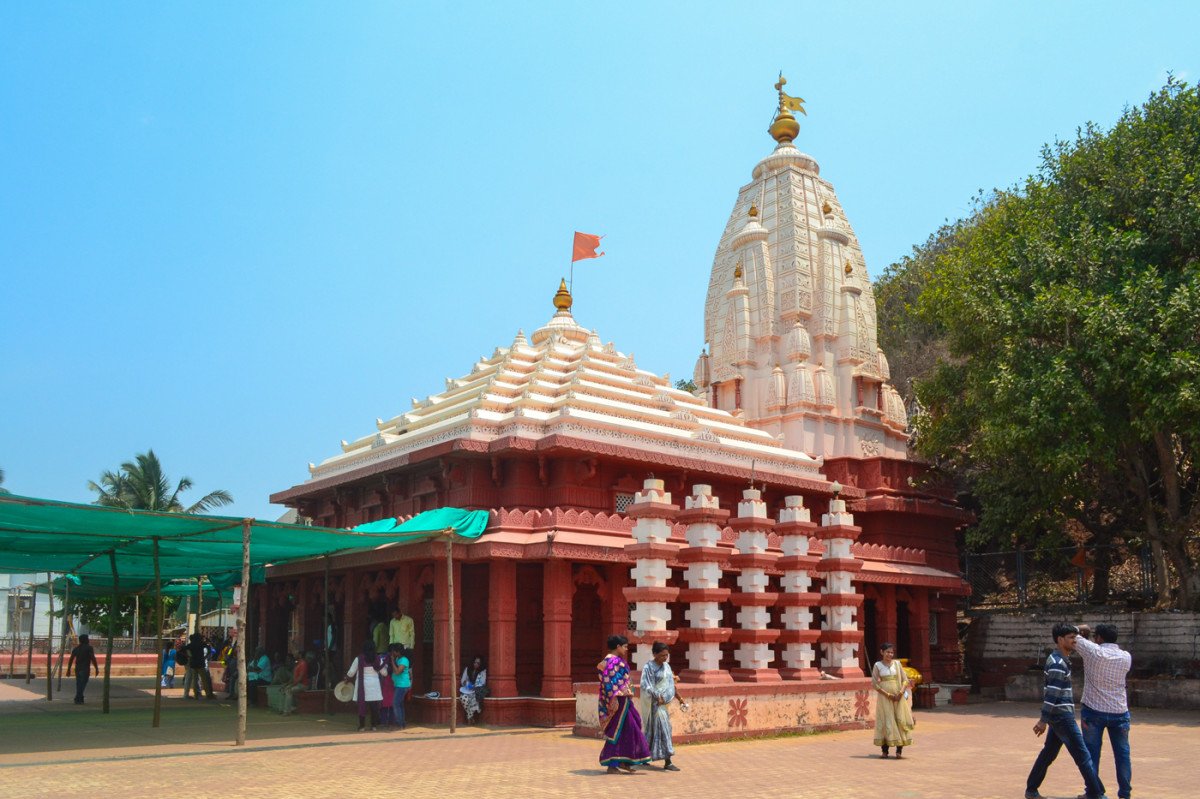
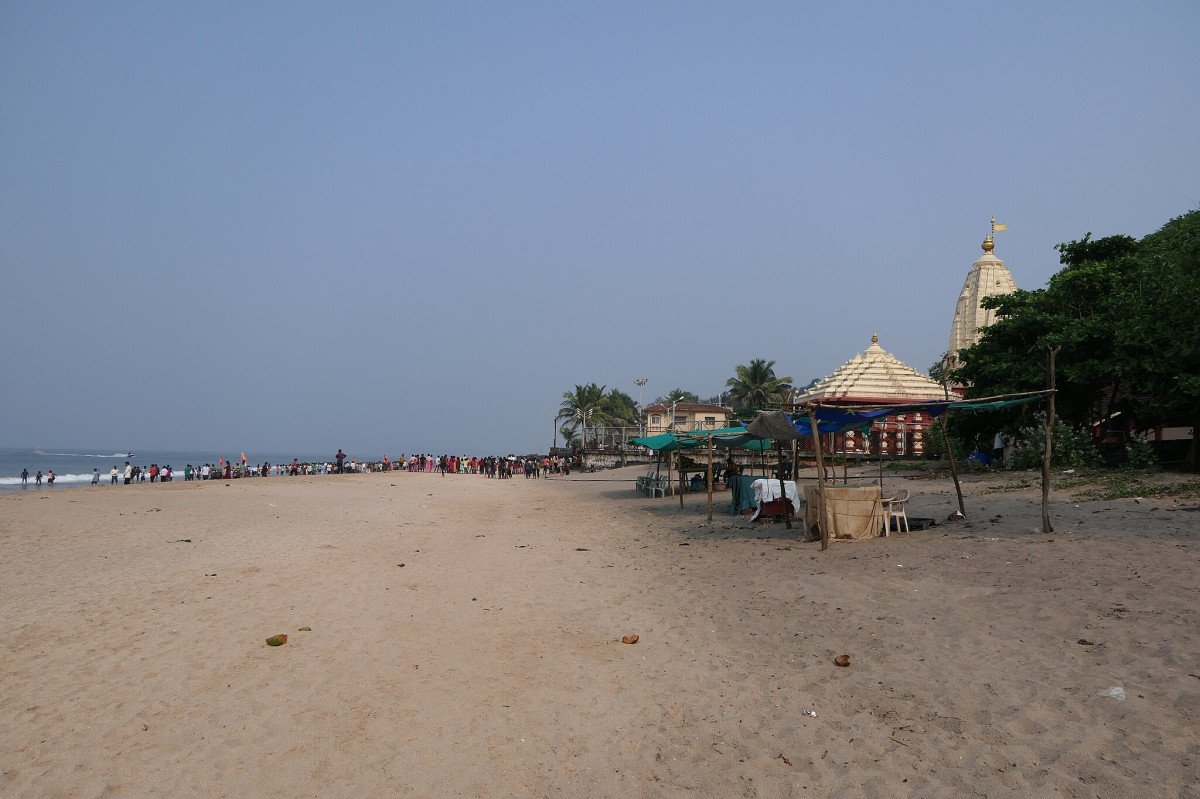
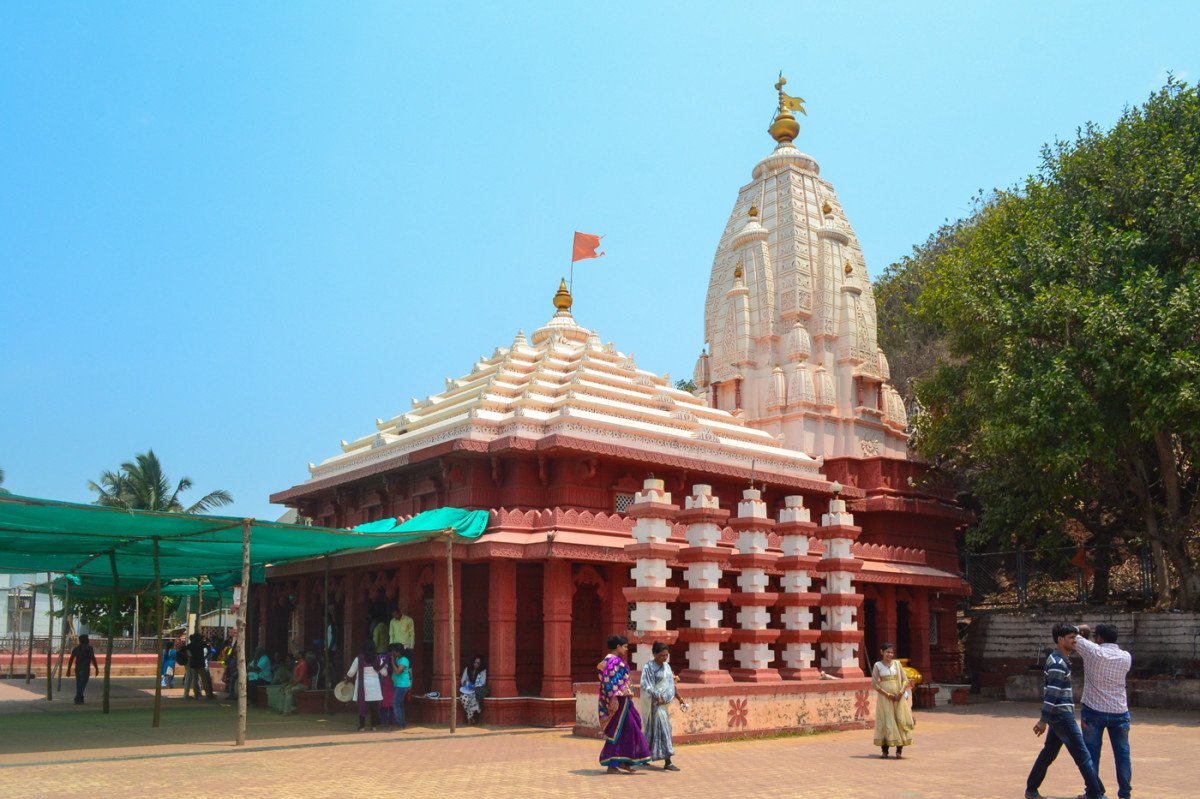
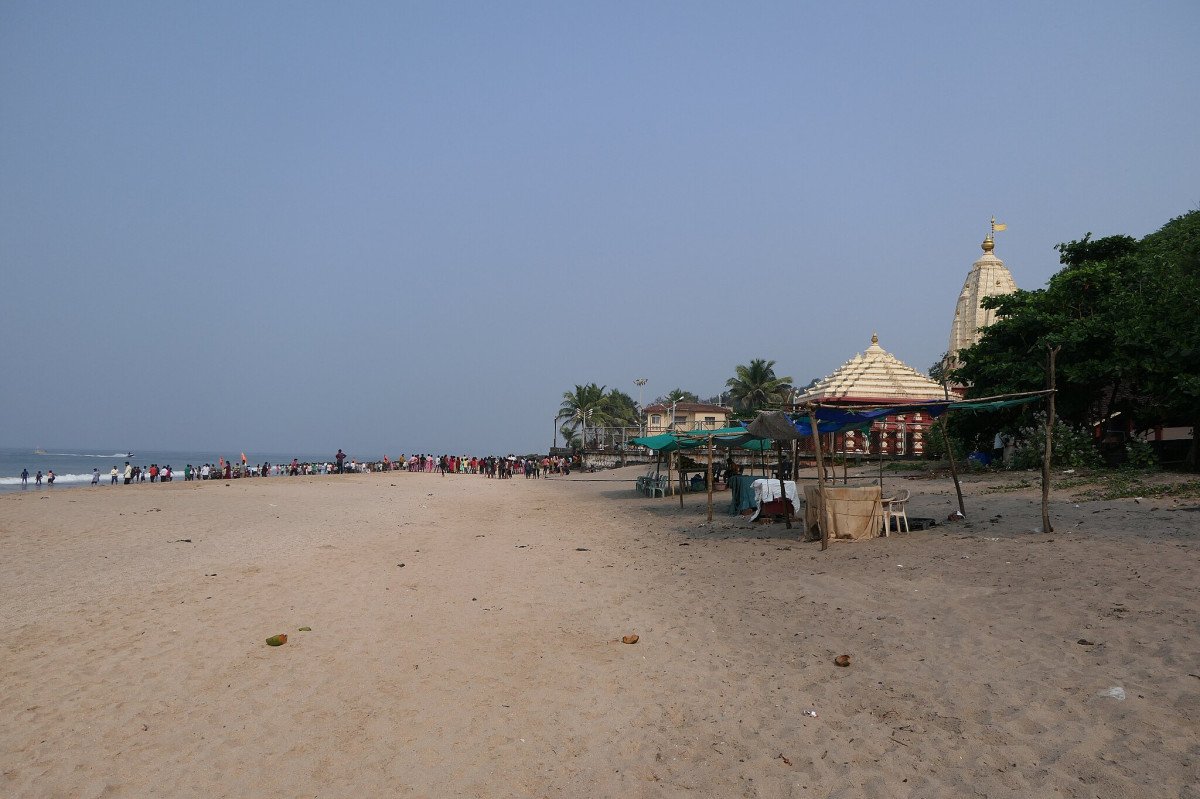
The Temple on the Beach: For an iconic landscape shot, stand on Ganpatipule Beach at a distance to capture the entire temple complex, with its distinctive Shikhara and colorful flags, set against the backdrop of the white sand and the blue Arabian Sea. This shot is best taken during the early morning or late afternoon light to enhance the colors and textures.
The Bronze Mouse (Mooshak Raj): A great photo spot for a unique ritual is the large bronze mouse idol at the main gate. Capture a close-up of a devotee whispering a wish into its ear, or a focused shot of the meticulously carved details of the mouse itself. This image captures the unique local tradition and a key hidden gem of the temple.
View from the Pradakshina Path: The beginning of the circumambulation path offers a high-angle photo spot of the main temple complex and the beachfront market. This perspective allows you to capture the architectural layout of the entire compound from above, providing a great overview shot of the spiritual center of Ganpatipule.Photo Gallery
Things To Do
-
Performing the Hill Pradakshina: The most significant and unique thing to do is the 1 KM long circumambulation (Pradakshina) around the sacred hill behind the temple. This well-defined path, paved with laterite stone, is a spiritual journey believed to be equivalent to circumambulating the deity itself. It also serves as a beautiful scenic walk, offering the best vantage points for viewing the temple, the town, and the Arabian Sea.
Attending the Aarti Rituals:
Participate in the main daily Aarti ceremonies: the morning Aarti at 5:00 AM, the noon Aarti at 12:00 PM, and the evening Aarti at 7:00 PM. The chanting and the devotional atmosphere during these times are deeply moving and provide the most profound spiritual experience of the temple.
Whispering to Mooshak Ra...
Information
-
Why Famous:
The West-Facing Swayambhu Deity: The Swayambhu Ganpati Temple is famous globally for its primary deity, Lord Ganesha, being a self-manifested idol (emerged naturally from the rock/soil) and, most notably, for facing West, towards the Arabian Sea. This orientation is extreme...The West-Facing Swayambhu Deity: The Swayambhu Ganpati Temple is famous globally for its primary deity, Lord Ganesha, being a self-manifested idol (emerged naturally from the rock/soil) and, most notably, for facing West, towards the Arabian Sea. This orientation is extremely rare and is considered highly auspicious, leading to the epithet 'Paschim Dwar Dewata' (Western Sentinel God). This unique feature makes it a critical pilgrimage site.
Sacred Coastal Location: The temple’s location, built directly on the pristine white-sands of Ganpatipule Beach, is another key reason for its fame. It offers a spectacular setting where the roar of the ocean waves blends with the devotional chants, creating a deeply spiritual and sensory experience. The fact that the sea waves historically touch the temple's thresholds during high tide in the monsoon season adds to its mystical aura.
The Pradakshina Hill: The practice of circumambulating the entire 1 KM hill behind the temple is a defining ritual and contributes significantly to its fame. This devotional walk, paved with local laterite stone, is considered as potent as walking around the deity itself and is a major reason for the influx of pilgrims. The path offers a blend of spiritual exercise and scenic trekking. -
Architecture:
The architecture is a seamless blend of natural and man-made elements, dominated by its expansive, 6-kilometer-long shoreline. Ganpatipule Beach is distinguished by its white sand, which is a rare geological characteristic in the region.
Coastal Dimensions and Layout:<...The architecture is a seamless blend of natural and man-made elements, dominated by its expansive, 6-kilometer-long shoreline. Ganpatipule Beach is distinguished by its white sand, which is a rare geological characteristic in the region.
Coastal Dimensions and Layout: The beach's significant length and relatively gentle gradient into the sea make it a safe zone for various activities. Its layout is anchored by the Swayambhu Ganpati Temple on the southern end, which is the key architectural marker.
The Temple's Influence: The presence of the temple complex (discussed in detail separately) significantly shapes the atmosphere and usage of the beach, creating a unique pilgrimage-cum-leisure space.
The Pradakshina Hill: The hillock directly behind the temple, which serves as the path for the 1 KM long Pradakshina (circumambulation) route, is a crucial architectural and religious element. This well-paved pathway, carved into the hillside, functions as a natural gallery, offering elevated views of the beach and the sea, connecting the spiritual journey with the surrounding natural beauty.
Commercial Integration: The mid-section of the beach is characterized by temporary or semi-permanent shacks and stalls that cater to tourists, a functional 'architecture' that supports local commerce and recreational activities. The surrounding landscape of lush green coconut and betel nut groves acts as a soft, natural frame for the beach. -
How To Reach:
By Air: To reach the Swayambhu Ganpati Temple, the nearest major air facility is Chhatrapati Shivaji International Airport in Mumbai (BOM), approximately 343 KM away. The nearest regional airport is Ratnagiri Airport (RTC), about 30 KM away. From the airports, the journey ... -
Near Tourist Places:
1. Ganpatipule Beach (Adjacent/0. 1 KM) 2. Prachin Konkan Museum (0. 6 KM) 3. Malgund Beach (3 KM) 4. Kavi Keshavsoot Smarak, Malgund (3 KM) 5. Bhandarpule Beach (4 KM) 6. Aare Ware Beach (5 KM) 7. Jaigad Fort and Lighthouse (15 KM - by road) 8. Ratnagiri City (35 KM) 9. Ratnadurg Fort (36 KM) 10. Thiba Palace, Ratnagiri (36 KM) 11. Pawaskhind (Pavas) Ashram (40 KM) 12. Velneshwar Temple & Beach (70 KM)
Tourism Tips
-
Health & Safety: The Swayambhu Ganpati Temple is a major spiritual site, so Safety includes being mindful of large crowds, especially during Aarti times and major festivals like Magh Chaturthi. Keep valuables secure. For Health, the Pradakshina walk can be physically deman...
Reviews
Swayambhu Ganpati Temple Tourism:-
Information about New and Updated Locations(608+) of Maharashtra Has Been Added :-
Card subtitle
Note:-
Information provided here in good Faith and for reference only.
All information and pictures will be updated soon, please keep visiting.
Near Places

Ambolgad Beach
Some quick example text to build on the card title and make up the bulk of the card's content.
Go somewhere
Anjarle Beach
Some quick example text to build on the card title and make up the bulk of the card's content.
Go somewhere
Arey Ware Beach
Some quick example text to build on the card title and make up the bulk of the card's content.
Go somewhere
Bhandarpule Beach
Some quick example text to build on the card title and make up the bulk of the card's content.
Go somewhere
Chiplun
Some quick example text to build on the card title and make up the bulk of the card's content.
Go somewhere
Dabhol
Some quick example text to build on the card title and make up the bulk of the card's content.
Go somewhere
Dapoli
Some quick example text to build on the card title and make up the bulk of the card's content.
Go somewhere
Ganeshghule Beach
Some quick example text to build on the card title and make up the bulk of the card's content.
Go somewhere
Ganpatipule Beach
Some quick example text to build on the card title and make up the bulk of the card's content.
Go somewhere
Guhagar Beach
Some quick example text to build on the card title and make up the bulk of the card's content.
Go somewherein Other Cities