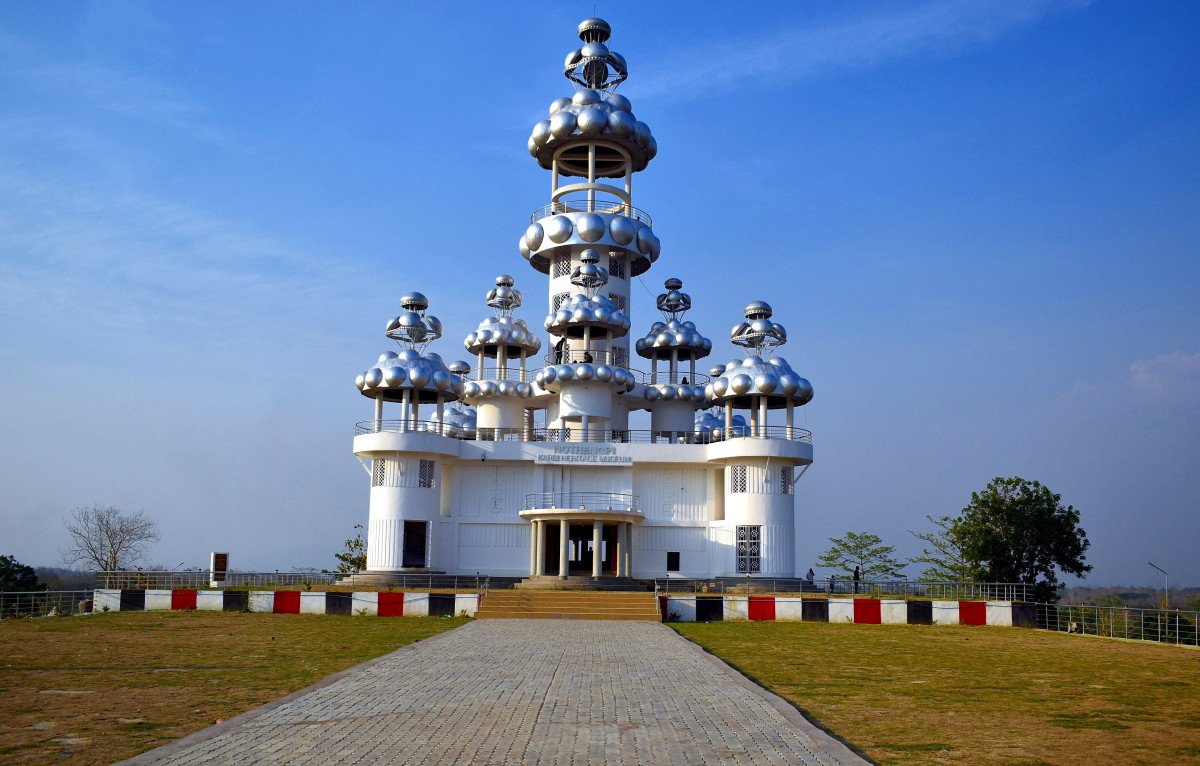
Taralangso Cultural Centre
General information
-
Ideal Duration:
2 to 4 hours for a quick visit (Museum & Eco-Park). 4-5 days if attending the annual Karbi Youth Festival.Place Type:
Cultural Centre, Heritage Site, Festival Ground, EEntry Fees:
General Entry Fee (Off-Season): During the non-festival period (most of the year), general entry to the outer complex and the Eco-Park is typically minimal or even free, consistent with many community-managed public spaces in the region. There might be a nominal maintenance...General Entry Fee (Off-Season): During the non-festival period (most of the year), general entry to the outer complex and the Eco-Park is typically minimal or even free, consistent with many community-managed public spaces in the region. There might be a nominal maintenance fee of Rs.10 to Rs.30 per person for the Eco-Park area.
Karbi Heritage Museum Fee: The museum within the complex usually charges a separate, small entry fee for its upkeep and preservation work. Expect a fee of approximately Rs.50 for general Indian visitors and potentially a higher fee (e. g. , Rs.200 to Rs.300) for foreign tourists, which is a common practice to sustain cultural institutions. Children and students may receive reduced rates.
Karbi Youth Festival (KYF) Entry Pass: The primary cost comes during the Karbi Youth Festival in February. The entrance fee for the entire festival is a major revenue source for the organizers, the Karbi Cultural Society. This fee can range from Rs.100 to Rs.200 per day, or a slightly higher amount for a full festival pass covering all four to five days. This pass gives access to all stages, exhibitions, and competition grounds.
Vehicle Parking Fees: Given the vast space, there is usually a structured parking area. Parking fees are applicable and are mandatory for vehicles, typically around Rs.20 for two-wheelers and Rs.50 for four-wheelers. During the KYF, these fees may increase due to high demand. Visitors should keep cash handy for these smaller transactions as digital payments might not be universally accepted, particularly at smaller stalls or for parking. It is crucial to check the official Karbi Cultural Society website or local announcements before visiting during February for the precise festival pricing.Timing:
Regular Timings (Off-Season): The Karbi People's Hall complex, being a vast cultural ground, is often considered open 24 Hrs for access to the public spaces and the Eco-Park. However, specific facilities have set hours. The Karbi Heritage Museum and administration offices ...Regular Timings (Off-Season): The Karbi People's Hall complex, being a vast cultural ground, is often considered open 24 Hrs for access to the public spaces and the Eco-Park. However, specific facilities have set hours. The Karbi Heritage Museum and administration offices generally operate during standard daytime hours, typically from 10:00 AM to 4:30 PM or 5:00 PM, from Monday to Saturday. Visitors must confirm the museum timings locally, as they can be flexible.
Ideal Visit Time: The best time to visit Taralangso for a calm, educational experience (outside the festival) is between 10:00 AM and 12:00 PM in the morning or from 3:00 PM to 5:00 PM in the late afternoon. This avoids the harsh midday sun and ensures that the museum is open. The late afternoon is especially pleasant for exploring the Eco-Park and watching the sunset over the hills.
KYF Timings (During February): During the Karbi Youth Festival (KYF) in February, the complex is operational almost round the clock. Events begin as early as 8:00 AM with processions, games, and competitions running throughout the day. The cultural nights and music festivals (Mang Sing Rongphar Cultural Nite) usually run into the late evening, often past 10:00 PM. Visitors should plan to spend the whole day to catch the diversity of events, as the festival is a continuous, dynamic affair.
Seasonal Variation: The shorter, milder days of winter (November to February) are the most comfortable for long hours of exploration. The monsoon season (June to September) can make outdoor walking and exploration difficult due to heavy rainfall and muddy grounds.Special Events:
Karbi Youth Festival (KYF): This is the most significant event held annually at the Taralangso Cultural Centre, usually running from February 15th to February 19th. The festival is a monumental effort by the Karbi Cultural Society to celebrate and revive the cultural essenc...Karbi Youth Festival (KYF): This is the most significant event held annually at the Taralangso Cultural Centre, usually running from February 15th to February 19th. The festival is a monumental effort by the Karbi Cultural Society to celebrate and revive the cultural essence of the Karbi tribe, attracting participants and visitors from across Northeast India and beyond.
Inauguration and Ceremonies: The first day, February 15th, is often marked by ceremonial events, including the inauguration of artists' camps and hostels, the arrival and registration of participants, and the hoisting of the Karbi Cultural Society's flag.
Rongketong Traditional Cultural Procession: This is the major highlight, where thousands of artists, delegates from various zones, and invited cultural troupes from other communities participate in a colorful and grand procession, showcasing traditional Karbi costumes, ornaments, and musical instruments.
Cultural Competitions and Performances: The subsequent days feature intense competitions across four simultaneous stages, covering everything from traditional folk songs (Lunse Keplang), instrumental playing (like flute and Chengburup), and group dances (Nimso Kerung Dance, Hachakan Dance) to modern genres like Rap Battles and rock band performances.
Traditional Games and Sports: A strong focus is placed on reviving indigenous Karbi sports. Events include Hambi Kapathu (a traditional game), Kengdongdang Race, Karan Kapathu, and wrestling. The Thong Nokbe Kekat (Marathon) is a major sporting draw.
Exhibitions and Workshops: The festival hosts extensive exhibitions of traditional art, craft (weaving, woodwork, bamboo craft), literature, and a 'Slow Food' cooking competition, turning the area into a massive temporary ethnic village for visitors to explore and engage with Karbi life firsthand.Best Photo Spots:
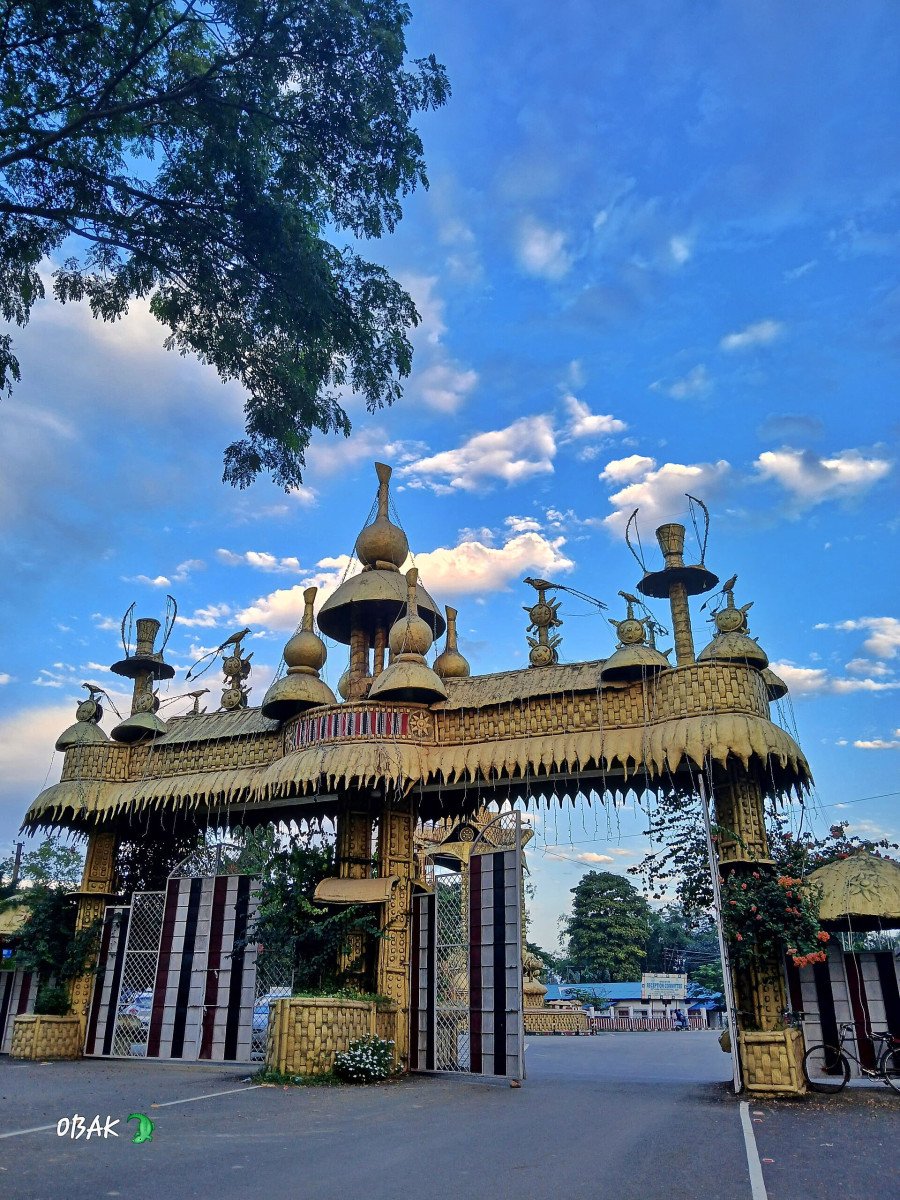
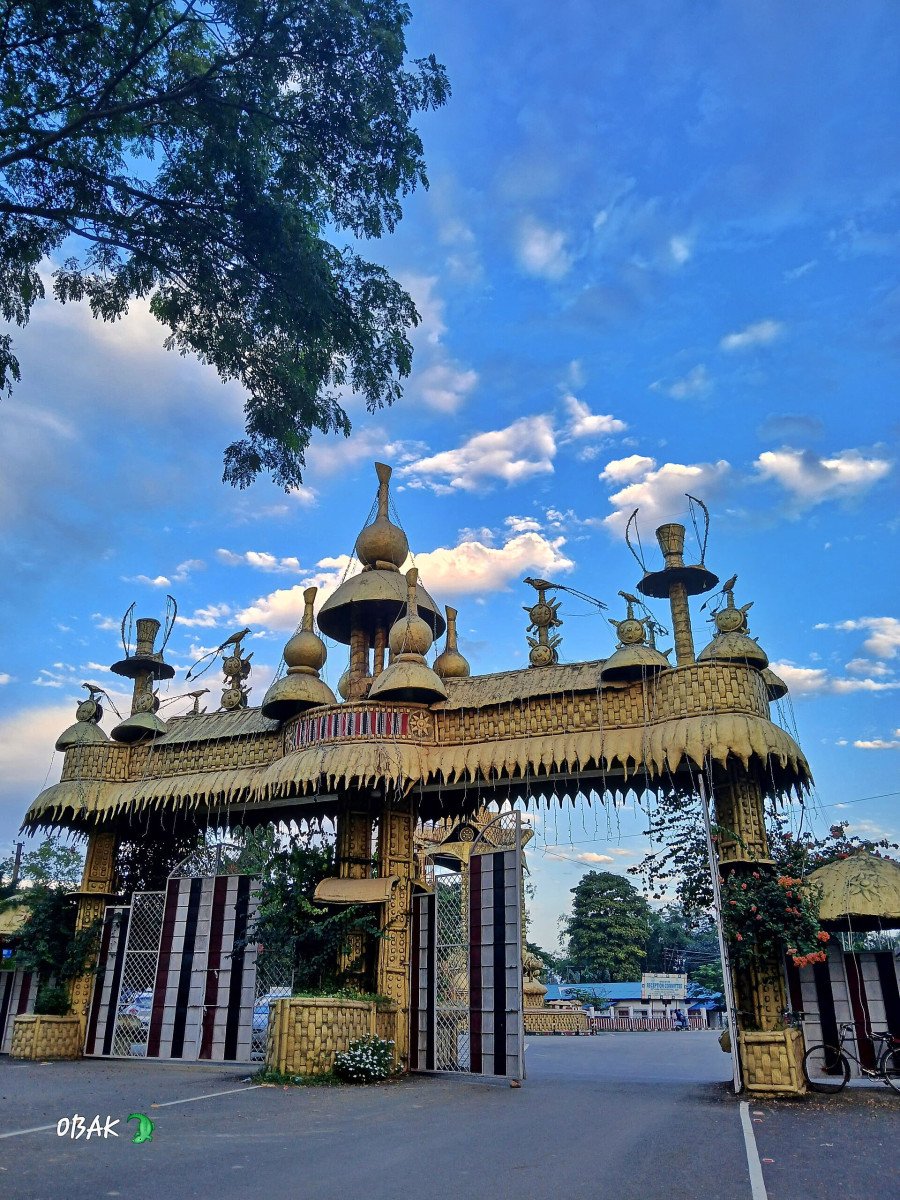
Grand Entrance Gate: The monumental, traditionally styled entrance gate to the Karbi People's Hall is a mandatory first photo spot. Its intricate Karbi motifs and large scale provide a dramatic introduction and a beautiful backdrop for a group or solo shot, especially durin...Grand Entrance Gate: The monumental, traditionally styled entrance gate to the Karbi People's Hall is a mandatory first photo spot. Its intricate Karbi motifs and large scale provide a dramatic introduction and a beautiful backdrop for a group or solo shot, especially during the festive season when it is heavily decorated.
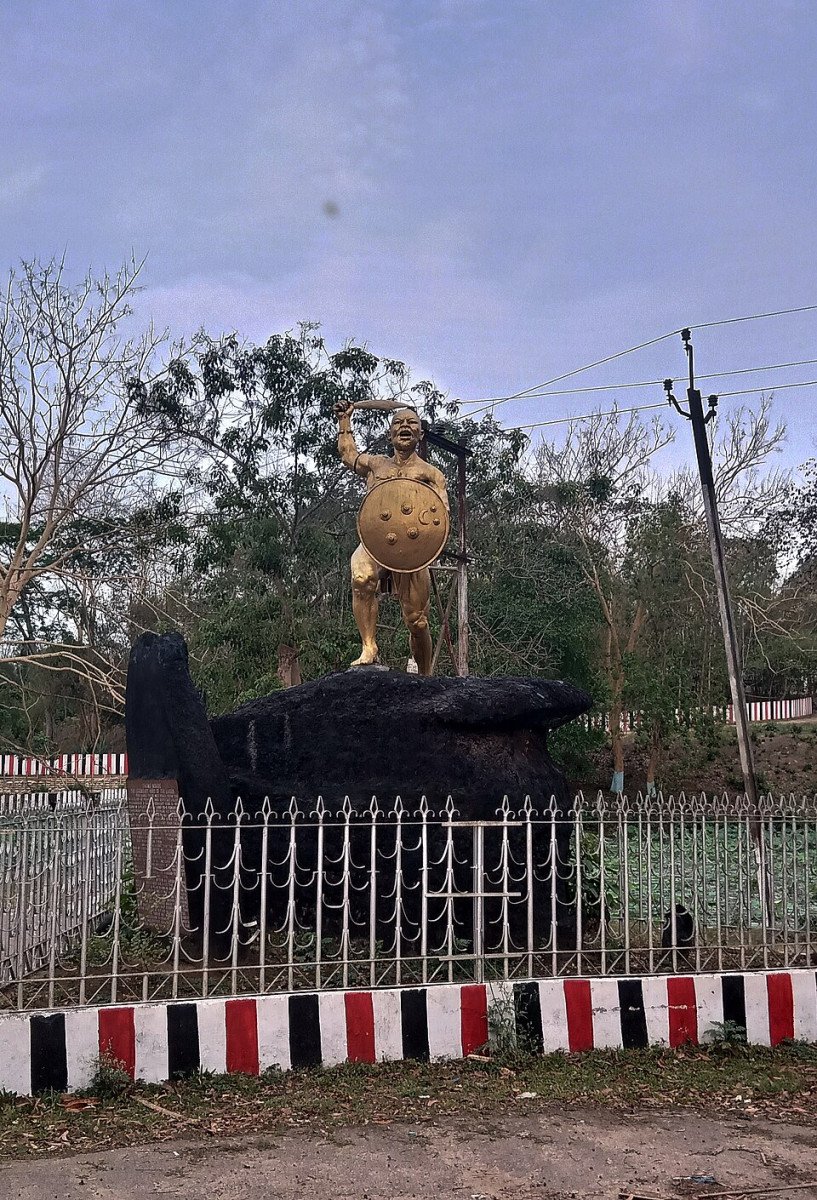
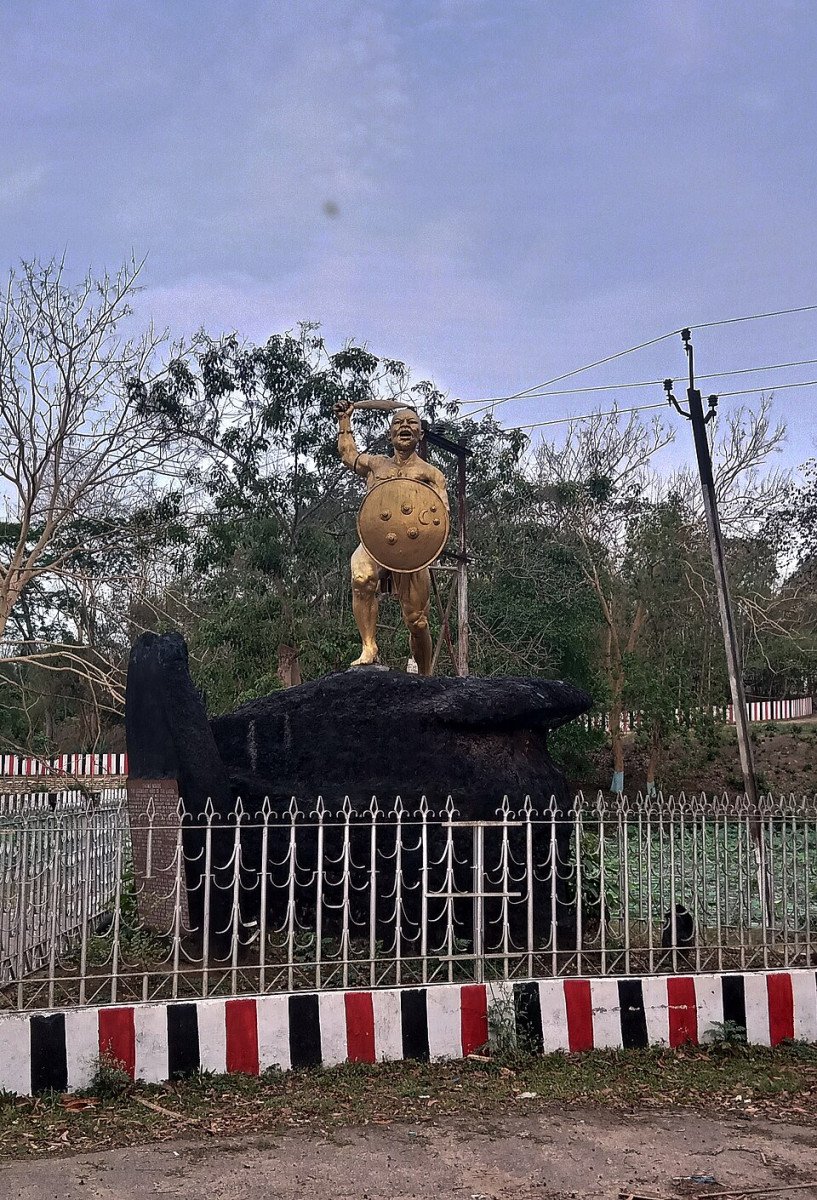
Statue of Rangsina Sarpo: The statue dedicated to Rangsina Sarpo, the revered divine Guru of music and culture in Karbi mythology, is a significant landmark. It is usually set in a prominent location, often with beautiful landscaping, making it a powerful and respectful photo opportunity.
The Traditional Karbi Houses (Ethnic Village): During the Karbi Youth Festival, the temporary or permanent ethnic village set up with traditional Karbi stilt houses offers an unparalleled photo backdrop. These houses, constructed using authentic materials like bamboo and thatch, provide an excellent opportunity to capture the traditional Karbi way of life and architecture.
Performances on the Open Stages: The four open stages (Sing Mirjeng Stage, Semsonsing Ingti Stage, etc. ) become vibrant hubs of activity during February. Capturing the cultural troupes performing traditional dances like Hachakan or Nimso Kerung in their colourful, distinct attire offers dynamic, memorable photos of the living culture.
Scenic Eco-Park Views: For nature photography, the viewpoint over the Eco-Park and the hanging bridge (if accessible) provides wide, panoramic shots of the lush Diphu valley and the sprawling complex. The greenery and the contrast between the traditional structures and the hills make for peaceful, scenic compositions, particularly in the soft light of the early morning or late afternoon.Photo Gallery
Things To Do
-
Explore the Karbi Heritage Museum: Dedicate time to wander through the Karbi Heritage Museum. Study the unique Karbi jewellery, such as the Nothengpi and Rup-anothengpi, and learn about the significance of traditional musical instruments like the drum and flute. Read the historical texts and look at the archived photographs to gain a deeper understanding of the Karbi tribe’s history, social structure, and evolution. This provides the essential cultural grounding for your visit.
Immerse in the Eco-Park Tranquility: The surrounding Eco-Park offers a refreshing escape. Take a leisurely stroll along its scenic trails, breathe in the fresh air, and enjoy the beautiful natural landscapes. If available, enjoy a peaceful boat ride on the lake or walk across the charming hanging bridge. This area is perfect for relaxation, picnics...Explore the Karbi Heritage Museum: Dedicate time to wander through the Karbi Heritage Museum. Study the unique Karbi jewellery, such as the Nothengpi and Rup-anothengpi, and learn about the significance of traditional musical instruments like the drum and flute. Read the historical texts and look at the archived photographs to gain a deeper understanding of the Karbi tribe’s history, social structure, and evolution. This provides the essential cultural grounding for your visit.
Immerse in the Eco-Park Tranquility: The surrounding Eco-Park offers a refreshing escape. Take a leisurely stroll along its scenic trails, breathe in the fresh air, and enjoy the beautiful natural landscapes. If available, enjoy a peaceful boat ride on the lake or walk across the charming hanging bridge. This area is perfect for relaxation, picnics, and unwinding after exploring the built structures. The lush environment makes it an excellent place for nature photography.
Attend the Karbi Youth Festival (KYF): If your visit aligns with February 15th to 19th, attending the KYF is mandatory. Experience the full spectrum of Karbi culture. Watch the grand Rongketong (traditional cultural procession) featuring thousands of artists in traditional attire. Attend competitions like the Chengpi (drum) beating, traditional games like Hambi Kapathu, and cultural performances on the four open stages. The evening Mang Sing Rongphar Cultural Nite and various music concerts are particularly engaging.
Taste Ethnic Karbi Cuisine: During the festival, make sure to visit the numerous food stalls set up, especially those participating in the slow food cooking competitions. Sample authentic Karbi dishes, which are often prepared with minimal oil and focus on natural ingredients, like various bamboo shoot preparations, rice beer (Hor Alank), and local meats. This is a culinary journey into the heart of the community.
Visit the Craft Centers: Look for the weaving and craft centers (Kephir Kethak and Kesoi Keret). Here you can observe the intricate process of traditional weaving and the skillful art of wood and bamboo crafting. You can purchase authentic, handcrafted items, supporting local Karbi artisans directly.
Capture Sunset Views from the Viewpoint: The elevated location of Taralangso often provides a beautiful vantage point. Visit in the late afternoon or early evening to witness a spectacular sunset over the Karbi Anglong hills, providing a dramatic backdrop for the cultural complex.
Engage with Local Culture Enthusiasts: The centre is often frequented by members of the Karbi Cultural Society or local youth. Engaging in respectful conversation with them can offer profound personal insights into their cultural preservation efforts and stories that are not found in any guide book.
Photography of Traditional Statues: Take time to photograph the statues of important figures like Rangsina Sarpo, the revered divine Guru of Music and Culture, and Thong Nokbe, heroes of the Karbi people, which stand as monuments across the complex.
Explore the Literature and Publications: Look for the KCS library or bookstalls (especially during KYF) selling publications related to the Karbi language, history, and folklore. Collecting a book can be a meaningful takeaway.
Information
-
Why Famous:
The Karbi Youth Festival: The primary reason for Taralangso’s fame is its role as the permanent venue for the Karbi Youth Festival (KYF). This festival is widely recognized as the oldest ethnic festival in Northeast India, drawing over 1. 5 lakh (150,000) visitors daily d...The Karbi Youth Festival: The primary reason for Taralangso’s fame is its role as the permanent venue for the Karbi Youth Festival (KYF). This festival is widely recognized as the oldest ethnic festival in Northeast India, drawing over 1. 5 lakh (150,000) visitors daily during its annual run in February. It serves as a monumental celebration and showcase of Karbi culture, attracting participants and cultural troupes not only from the Karbi community but also from other tribes across the region. The festival is a massive exercise in cultural preservation.
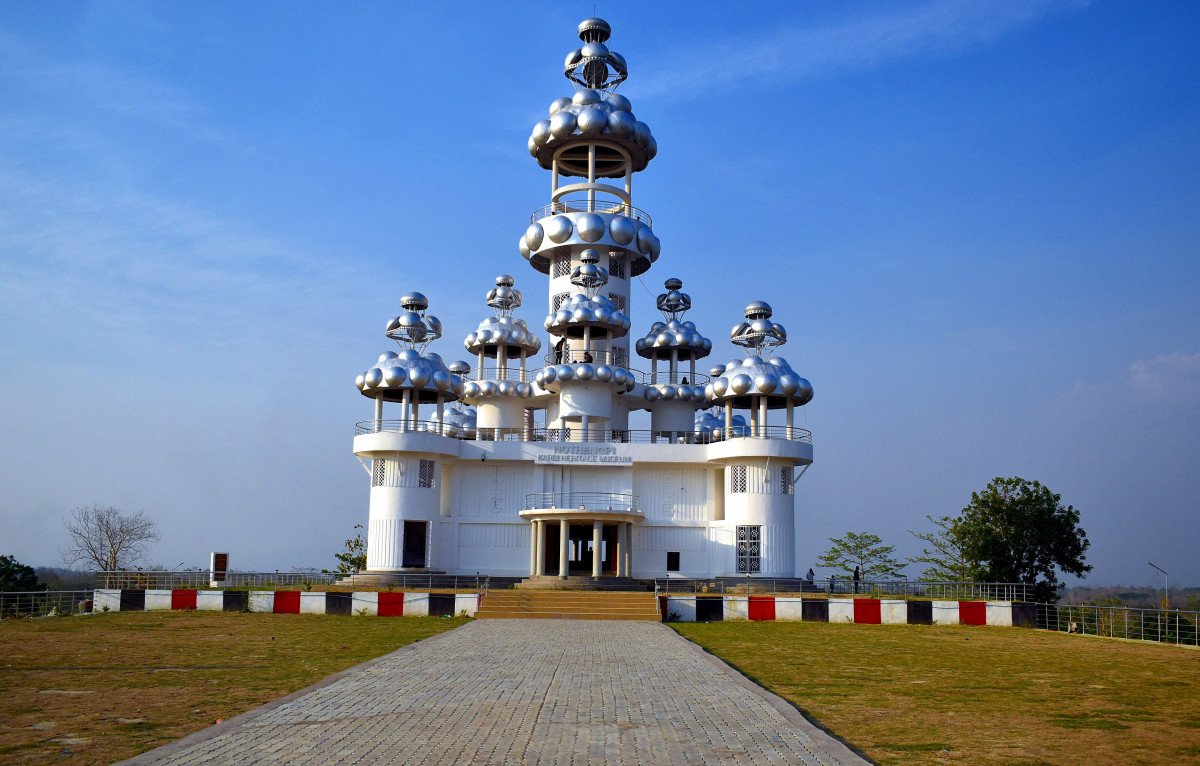
Epicenter of Karbi Identity: Beyond the festival, the centre is the physical and spiritual headquarters of the Karbi Cultural Society (KCS). It acts as a permanent hub for cultural documentation, research, and propagation. It hosts the Karbi Heritage Museum which provides a deep dive into the tribal history, social customs, and material culture of the Karbi people, making it an essential pilgrimage site for anyone seeking to understand the region's indigenous roots. This dedicated focus on preserving a rich, unique culture in a large, modern setting elevates its status far beyond a simple community hall. It is a beacon of indigenous pride.
Massive Scale and Infrastructure: The sheer size of the complex (over 672 acres) and the infrastructure developed—including multiple stages, accommodation for thousands of artists, and exhibition spaces—makes it famous as a powerful venue capable of hosting events of national significance. Its infrastructure development is a testament to the community's dedication to its heritage, distinguishing it from smaller regional cultural centers. -
Architecture:
Traditional Karbi Influence: The architecture of the Taralangso Cultural Centre complex is a deliberate blend of modern structural needs and traditional Karbi design philosophies, aiming to reflect the community's aesthetic and cultural values. Most buildings, particularly ...Traditional Karbi Influence: The architecture of the Taralangso Cultural Centre complex is a deliberate blend of modern structural needs and traditional Karbi design philosophies, aiming to reflect the community's aesthetic and cultural values. Most buildings, particularly the Karbi People's Hall and the structures within the artisan village, heavily feature indigenous materials like bamboo, thatch, and wood, evoking the look of traditional Karbi dwelling houses (known as Karbi Jong). The rooflines often incorporate traditional triangular gables, and the structural supports might be visible, reflecting the common stilt-house design found across the region, though adapted for large public use. The complex design is not about a single building, but a large cultural ecosystem.
Dimension and Scale: The entire cultural campus, including the Karbi People's Hall and surrounding areas like the fields and Eco-Park, spans a massive area of approximately 672 acres (about 2. 7 square kilometers). This huge size makes it one of the largest ethnic festival venues in Northeast India. The main Karbi People's Hall itself is a large assembly structure, built to accommodate thousands of attendees for indoor performances, while the four main open stages are strategically placed across the grounds to allow multiple events, such as cultural performances and traditional games, to run concurrently during the Karbi Youth Festival. The main entrance gate is a grand, traditionally-themed structure, often featuring intricate Karbi patterns and symbols, serving as a ceremonial welcome point for all visitors. The use of natural wood finish and earthy colours dominates the structural palette, making the complex harmonize beautifully with the surrounding lush, hilly landscape of Diphu. -
How To Reach:
By Air: The nearest major airport is Dimapur Airport (DMU) in Nagaland, which is approximately 100 KMs away from Diphu. Another viable option is Guwahati's Lokpriya Gopinath Bordoloi International Airport (LGBI, GAU), which is about 250 KMs from Diphu. From Dimapur, you ca...By Air: The nearest major airport is Dimapur Airport (DMU) in Nagaland, which is approximately 100 KMs away from Diphu. Another viable option is Guwahati's Lokpriya Gopinath Bordoloi International Airport (LGBI, GAU), which is about 250 KMs from Diphu. From Dimapur, you can hire a taxi or take a shared cab directly to Diphu, which takes about 3-4 hours. From Guwahati, the journey is longer (around 5-7 hours by road or train) but offers more flight connectivity across India.
By Train: Diphu has its own railway station, Diphu Railway Station (DPU), which is well-connected on the Lumding-Dibrugarh section of the Northeast Frontier Railway. It serves as a crucial stop, especially for those traveling from major cities like Guwahati, Kolkata, or Delhi. This is often the most convenient and picturesque way to reach the town. From the railway station, the Taralangso Cultural Centre is a short ride away.
By Road: Diphu is located on National Highway 27 (NH 27, formerly NH 36) and has good road connectivity. The journey from Guwahati to Diphu by bus or car takes about 5-7 hours, depending on road conditions. Regular State Transport buses (ASTC) and private bus operators run services between Guwahati and Diphu. The drive itself offers scenic views of the surrounding hills of Karbi Anglong.
By Local Transport (Within Diphu): Once in Diphu, reaching the Taralangso Cultural Centre is straightforward. The centre is about 7 KMs from the town center. You can easily hire auto-rickshaws or local taxis (sumo or private cars) to take you directly to the Karbi People's Hall complex. During the Karbi Youth Festival in February, the local transport services are highly frequent and easily available due to the massive influx of visitors, though they might be more expensive. Ensure you negotiate the fare beforehand, as auto-rickshaws may not use meters. -
Weather and Best Time to Visit:
Different Types of Seasons:
Winter (October to March): This is the absolute best time to visit Taralangso. The weather is cool, dry, and pleasant, with daytime temperatures ranging from 10°C to 25°C. This comfortable climate is ideal for ...Different Types of Seasons:
Winter (October to March): This is the absolute best time to visit Taralangso. The weather is cool, dry, and pleasant, with daytime temperatures ranging from 10°C to 25°C. This comfortable climate is ideal for extensive outdoor exploration, walking through the Eco-Park, and attending cultural events without the humidity and heat. Specifically, February is the most crucial month as it hosts the Karbi Youth Festival (KYF), which offers the most vibrant and comprehensive cultural experience.
Monsoon (June to September): This is the least advisable time. The area receives heavy rainfall, leading to muddy paths and potential travel disruptions. While the landscape is lush green, outdoor activities are severely restricted.
Summer (April to May): Summers can be hot and humid, with temperatures reaching up to 35°C. Visits during this time are manageable but should be restricted to the early mornings and late afternoons to avoid the midday heat.
Different Parts of the Day: Morning (9:00 AM - 12:00 PM) This is the most pleasant part of the day for exploring the museum, walking the grounds, and enjoying the fresh air. If you visit during the KYF, the morning features traditional games and the ceremonial processions. Late Afternoon (3:00 PM - 5:00 PM) The heat subsides, and the light is perfect for photography, particularly around the Eco-Park and the traditional architectural structures. Evening (5:
00 PM onwards): Only recommended during the Karbi Youth Festival in February, as this is when the cultural nights, music festivals, and major performances take place, offering a spectacular, lively atmosphere. -
Near Tourist Places:
Diphu Aquacentric Park: 5 KMs, Lt.
Semson Sing Engti Memorial Park:
6 KMs, Sing Ronghang Memorial Tumpreng Park:
8 KMs, Recreation Park & Medicinal Plants Garden:
8 KMs, Khorsing Bey Children'S Park:
9 KMs, Matipung Park Diphu:
9 KMs, Dellai Park:
10 KMs, Kath Timung Cultural Complex:
10 KMs, Lover's Point Park:
12 KMs, Langvoku Waterfall: 25 KMs (requires separate road travel).
Tourism Tips
-
Health & Safety:
Hydration and Sun Protection: Even in winter, the sun can be intense. Carry sufficient water, wear a wide-brimmed hat, and use sunscreen, especially when spending long hours outdoors during the KYF.
Read MoreHealth & Safety:
Hydration and Sun Protection: Even in winter, the sun can be intense. Carry sufficient water, wear a wide-brimmed hat, and use sunscreen, especially when spending long hours outdoors during the KYF.
Mosquito Repellent: Due to the lush green environment of the Eco-Park and surrounding areas, carry and use an effective insect and mosquito repellent, particularly during the early morning and evening hours.
Footwear: Wear sturdy, comfortable walking shoes. The complex is spread over a vast, uneven terrain, and you will be walking long distances, especially during the festival.
Packing:
Layered Clothing: Pack light to moderate woolens for the winter months (November to March), as mornings and evenings can be quite chilly, but be prepared for warmer daytime temperatures. Layering is key.
Cash: While Diphu town has digital payment options, many smaller stalls, especially during the KYF, will only accept cash. Carry enough small denomination notes for entry fees, food, and craft purchases.
Accommodation:
Book Ahead (Especially February): If visiting during the Karbi Youth Festival (KYF) in February, accommodation in Diphu town is extremely scarce and must be booked several months in advance. Look for guest houses or the Inspection Bungalow near the cultural complex, or hotels in Diphu town.
Other Different Topics:
Respect Cultural Norms: Taralangso is a sacred cultural site for the Karbi people. Always ask permission before photographing people, especially those in traditional attire, and dress respectfully when visiting the museum or attending cultural events.
Learn Basic Phrases: Learning a few basic phrases in Karbi or Assamese will greatly enhance interaction and show respect to the local community members.
Stay Updated on KYF: If you plan to attend the festival, check the official Karbi Cultural Society schedules daily, as event timings and locations can sometimes shift on short notice.Reviews
FAQs
Diphu Itineray And Cost:-
Taralangso Cultural Centre Tourism:-
Information about New and Updated Locations() of Assam Has Been Added :-
Card subtitle
Note:-
Information provided here in good Faith and for reference only.
All information and pictures will be updated soon, please keep visiting.
Near Places
Akashi Ganga Picnic Spot
Some quick example text to build on the card title and make up the bulk of the card's content.
Go somewhere
Amreng Tourist Centre
Some quick example text to build on the card title and make up the bulk of the card's content.
Go somewhere
Arboretum Cum Craft Centre
Some quick example text to build on the card title and make up the bulk of the card's content.
Go somewhere
Bhelughat Waterfall
Some quick example text to build on the card title and make up the bulk of the card's content.
Go somewhere
Botanical Gardens
Some quick example text to build on the card title and make up the bulk of the card's content.
Go somewhere
Deopani Durga Mandir
Some quick example text to build on the card title and make up the bulk of the card's content.
Go somewhere
District Museum
Some quick example text to build on the card title and make up the bulk of the card's content.
Go somewhere
Garampani Wildlife Sanctuary
Some quick example text to build on the card title and make up the bulk of the card's content.
Go somewhere
Hurnatpi Waterfalls
Some quick example text to build on the card title and make up the bulk of the card's content.
Go somewhere
Kangthilangso Waterfall
Some quick example text to build on the card title and make up the bulk of the card's content.
Go somewherein Other Cities