
.jpg target=)

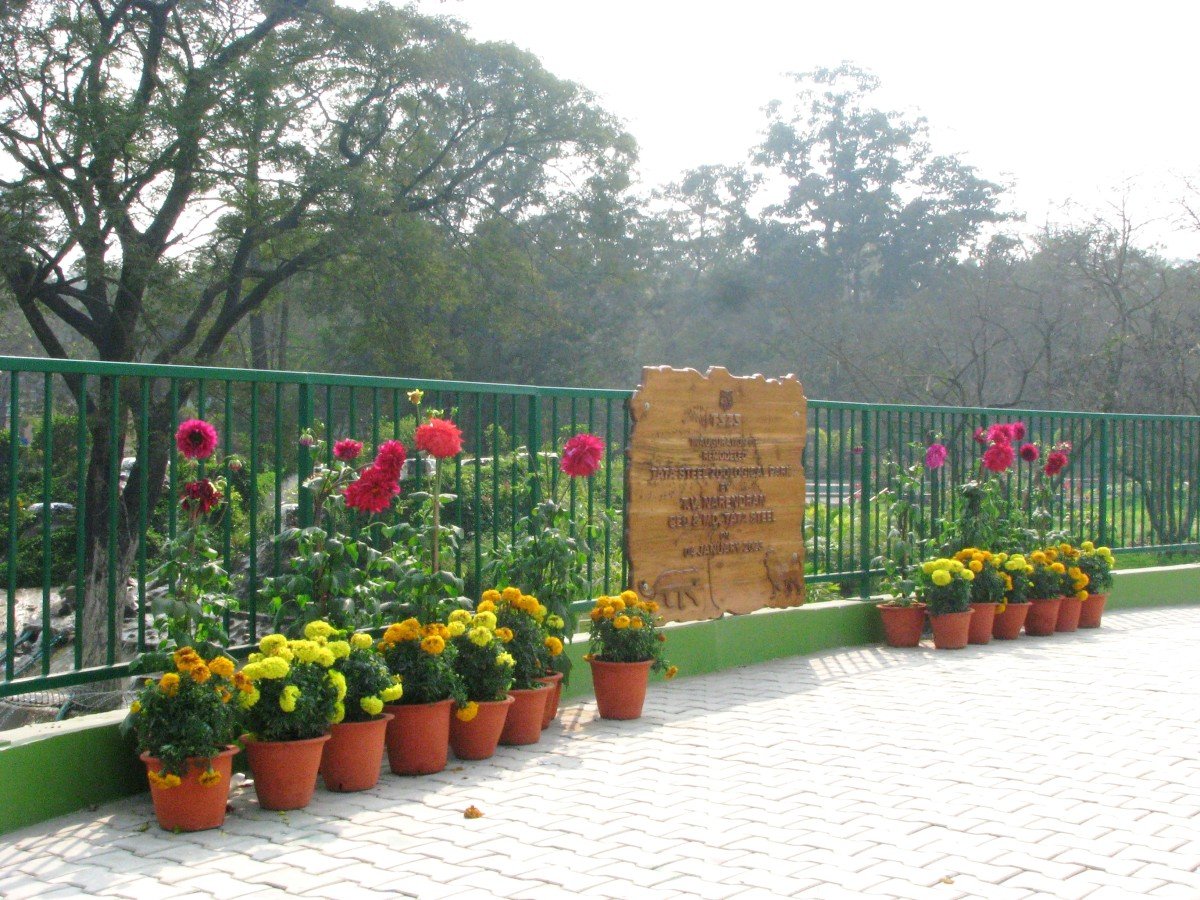
Tata Steel Zoological Park
General information
-
Ideal Duration:
3 to 4 hours (to cover the zoo thoroughly, including the safari and lake area).Place Type:
Zoological Park / Wildlife Conservation CenterEntry Fees:
Adults: Approximately Rs.30 per person.
Children (Ages 3 to 12 or similar range): Approximately Rs.20 per person.
Handicapped Persons: Often, Free Entry is provided.
Group Concessio...Adults: Approximately Rs.30 per person.
Children (Ages 3 to 12 or similar range): Approximately Rs.20 per person.
Handicapped Persons: Often, Free Entry is provided.
Group Concessions: Concessional rates are typically available for School/College Groups, offering discounts (e. g. , 10% for groups up to 100, and 15% for larger groups) upon prior intimation and approval from the zoo society.
Battery Operated Vehicle (Safari): An additional fee is charged for the use of the battery car, which is optional for those who prefer not to walk the entire park. The price varies but is usually around Rs.30 to Rs.50 per person.
Boating Charges: There is a separate fee for the boating facility on Jayanti Sarovar, which depends on the type of boat (pedal boat, rowboat) and the duration. The fees are nominal and are subject to change by the management. It is advisable to check the latest rates at the ticket counter upon arrival.Timing:
Regular Timings: The park is typically open from 9:00 AM to 4:30 PM or 10:00 AM to 5:00 PM (confirm exact timings before visit). The park remains Closed on Mondays for maintenance.
Ideal Visit Time: The Best Time to Visit is during the earl...Regular Timings: The park is typically open from 9:00 AM to 4:30 PM or 10:00 AM to 5:00 PM (confirm exact timings before visit). The park remains Closed on Mondays for maintenance.
Ideal Visit Time: The Best Time to Visit is during the early morning hours, shortly after the park opens (around 9:00 AM to 12:00 PM). Animals are most active and visible during this cooler period, making for better viewing. The late afternoon, from 3:00 PM until closing, is also pleasant, especially for enjoying the lake area and the cool breeze. Visiting mid-day (12:00 PM to 3:00 PM) can be very hot, especially in the Summer months. The winter season (November to February) offers the most comfortable temperature for an all-day visit. The peak tourist season is typically the Winter, especially December and January, and during the school holidays.Special Events:
Wildlife Week Celebrations: Typically held in the first week of October every year, this event involves special exhibitions, quizzes, drawing competitions, and nature walks aimed at raising awareness about wildlife conservation among students and the public.Wildlife Week Celebrations: Typically held in the first week of October every year, this event involves special exhibitions, quizzes, drawing competitions, and nature walks aimed at raising awareness about wildlife conservation among students and the public.
World Environment Day: Celebrated on June 5th, the zoo organizes tree plantation drives, awareness campaigns, and educational talks, emphasizing the importance of environmental stewardship.
Birthday Celebrations of Zoo Animals: On certain occasions, particularly for popular animals like Tigers or Leopards, the zoo may host small, public-facing events to mark their birthdays, often involving cake-cutting ceremonies (for display, not feeding to animals) and awareness campaigns.Best Photo Spots:
The New Entrance Gate: The grand, modern entrance gate often features the zoo's logo and is a classic starting point for a memorable photo.
Jayanti Sarovar Shoreline: The banks of the Jayanti Sarovar, especially the parts with lush trees and...The New Entrance Gate: The grand, modern entrance gate often features the zoo's logo and is a classic starting point for a memorable photo.
Jayanti Sarovar Shoreline: The banks of the Jayanti Sarovar, especially the parts with lush trees and a clear view of the water, are perfect for scenic landscape photography. The view of the lake at sunset is particularly stunning.
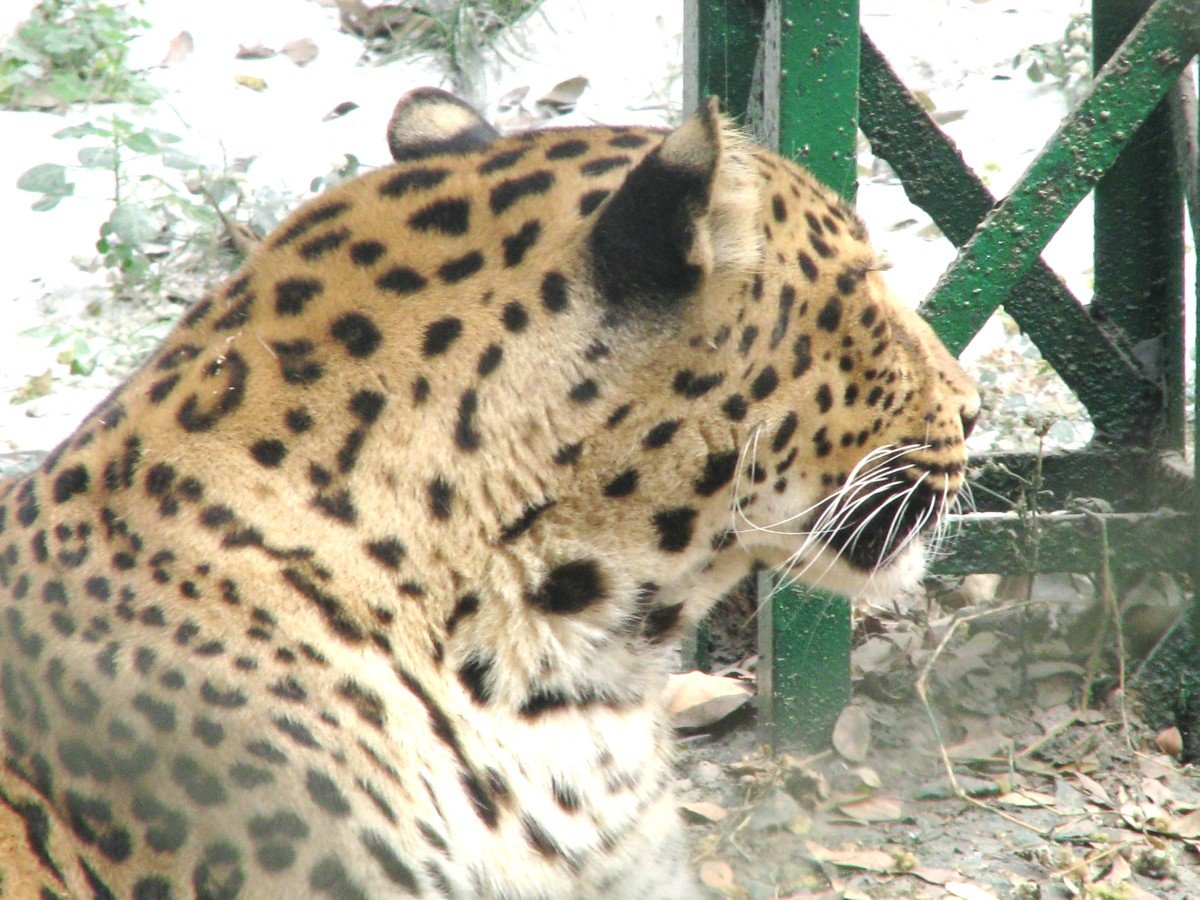
Tiger and Lion Enclosures: The large, open-air enclosures for the major carnivores, designed to resemble their natural setting, provide excellent opportunities for dramatic wildlife shots (while maintaining a safe distance).
Statues of Freedom Fighters (Near Tribal Centre): Though slightly outside the zoo, the statues of tribal heroes like Birsa Munda near the Tribal Cultural Centre (often visited in conjunction) offer a powerful, cultural photography subject.
Near the Butterfly House: The colorful flowers and delicate butterflies in the Butterfly House are ideal for close-up and macro photography.Photo Gallery

Things To Do
-
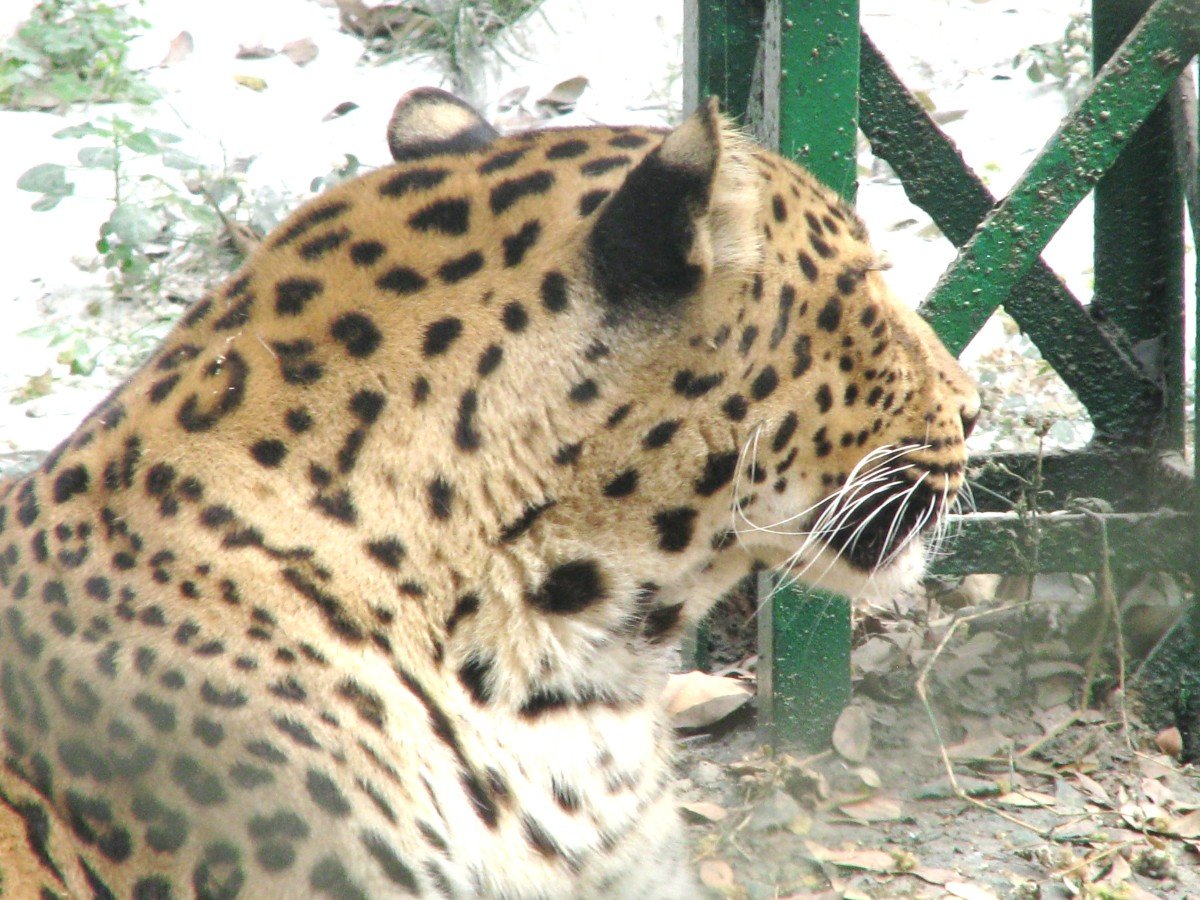
Wildlife Viewing and Safari: The primary activity is walking or taking the battery-operated vehicle safari to view the extensive collection of mammals (like Tiger, Leopard, Sambar, Sloth Bear, and Blackbuck), reptiles (like Marsh Crocodile, Gharial, and King Cobra), and birds (like Emu, Ostrich, and various parakeets).
Boating in Jayanti Sarovar: Visitors can enjoy a serene boating experience on the vast Jayanti Sarovar lake, offering a unique perspective of the park and the aquatic life. This is a relaxing and scenic activity, especially during the late afternoon.
Educational Visit to the Nature Centre: Spend time at the Nature Education Centre to learn about conservation strategies, the different species housed, and the zoo's research work. This is particularly valuable for students and those...Wildlife Viewing and Safari: The primary activity is walking or taking the battery-operated vehicle safari to view the extensive collection of mammals (like Tiger, Leopard, Sambar, Sloth Bear, and Blackbuck), reptiles (like Marsh Crocodile, Gharial, and King Cobra), and birds (like Emu, Ostrich, and various parakeets).
Boating in Jayanti Sarovar: Visitors can enjoy a serene boating experience on the vast Jayanti Sarovar lake, offering a unique perspective of the park and the aquatic life. This is a relaxing and scenic activity, especially during the late afternoon.
Educational Visit to the Nature Centre: Spend time at the Nature Education Centre to learn about conservation strategies, the different species housed, and the zoo's research work. This is particularly valuable for students and those interested in ecology.
Photography and Bird Watching: The lush greenery, the scenic lake, and the variety of birds make the zoo an excellent spot for photography and bird watching. Look out for species like the Darter, Purple Sunbird, and Golden Oriole.
Picnicking and Relaxation: Utilize the designated Picnic Zones and extensive Lawn Area for a family day out. The well-maintained grounds and quiet benches provide ample space for relaxation and enjoying the fresh air.
Animal Adoption Program: Visitors can inquire about the 'Adopt an Animal' program, which allows individuals or groups to financially support the care of an animal, offering a tangible way to contribute to conservation.
Exploring the Butterfly House: Visit the Butterfly House to observe the life cycle and diverse species of butterflies, a delightful and educational experience for all ages.
Information
-
Why Famous:
Conservation and Breeding Programs: The zoo is highly regarded for its commitment to wildlife conservation and captive breeding programs, especially for threatened and rare species. It actively works to maintain a healthy environment for the animals to breed and flourish, c...Conservation and Breeding Programs: The zoo is highly regarded for its commitment to wildlife conservation and captive breeding programs, especially for threatened and rare species. It actively works to maintain a healthy environment for the animals to breed and flourish, contributing to regional faunal diversity.
Located in Jubilee Park: Its location within the iconic and sprawling Jubilee Park—the heart of Jamshedpur's recreational space—adds significantly to its fame. The combination of a world-class zoo and the beautiful park environment makes it a key attraction.
Home to Jayanti Sarovar: The picturesque Jayanti Sarovar is an integral part of the zoo, offering serene views and recreational activities like boating, enhancing the visitor experience beyond just animal viewing.
Educational Outreach: The Tata Steel Zoological Park is well-known for its educational programs and the Nature Education Centre, actively engaging students and the public in understanding wildlife, conservation, and sustainable development. -
Architecture:
Simulated Natural Habitat Design: The zoo's architecture is centered around the concept of creating enclosures that simulate the natural habitat of the animals. This means prioritizing green cover, natural terrain, and adequate space, rather than traditional concrete cages....Simulated Natural Habitat Design: The zoo's architecture is centered around the concept of creating enclosures that simulate the natural habitat of the animals. This means prioritizing green cover, natural terrain, and adequate space, rather than traditional concrete cages. The enclosures for animals like the Tiger, Leopard, and Sloth Bear are meticulously designed to provide enrichment and encourage natural behavior, utilizing dense bush areas and varying topography.
Educational and Visitor Infrastructure: The park also incorporates necessary visitor infrastructure, which includes well-laid metal and katchha roads for easy movement. Visitor facilities like shelters, benches, toilets, and a dedicated Information Centre and Nature Education Centre are structurally integrated to support the zoo's educational mission. The presence of a Restaurant and food & refreshment stalls caters to visitor needs.
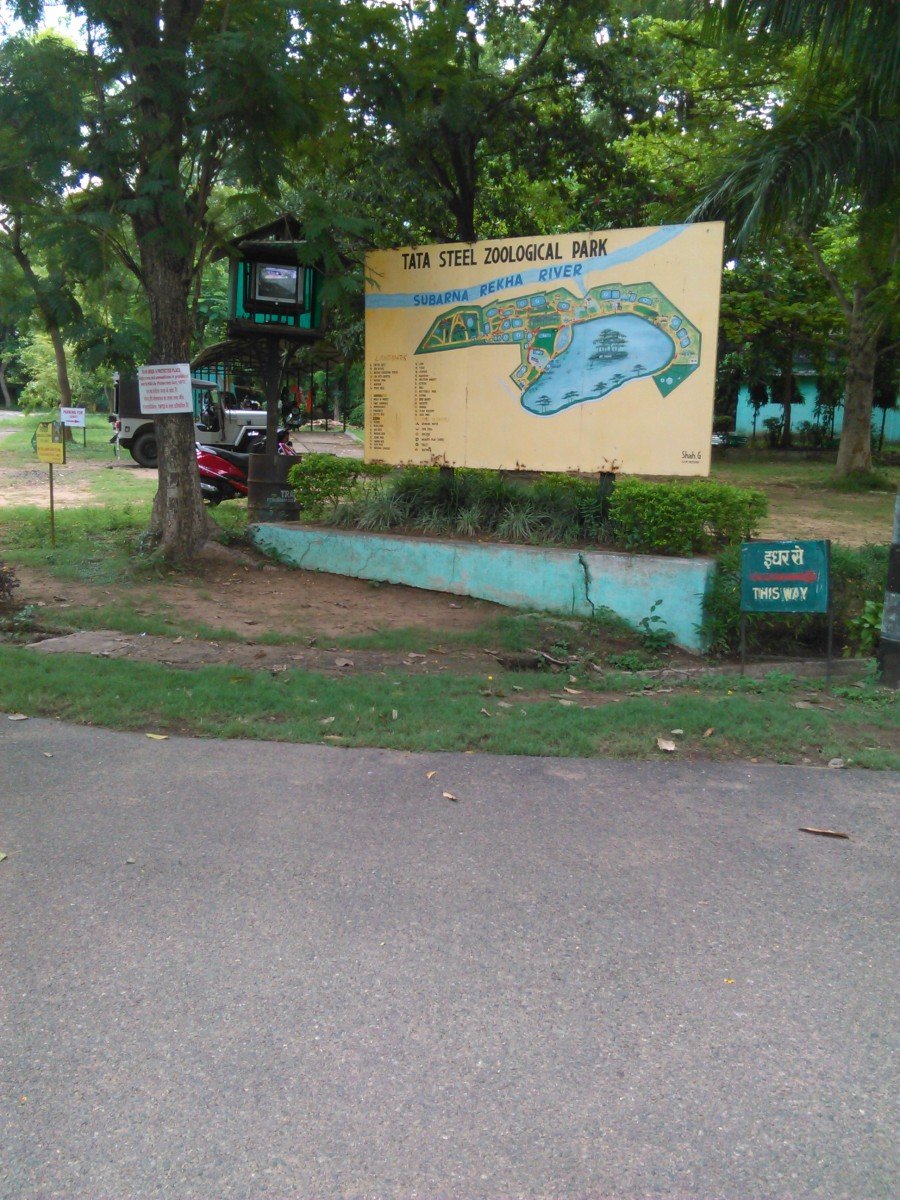
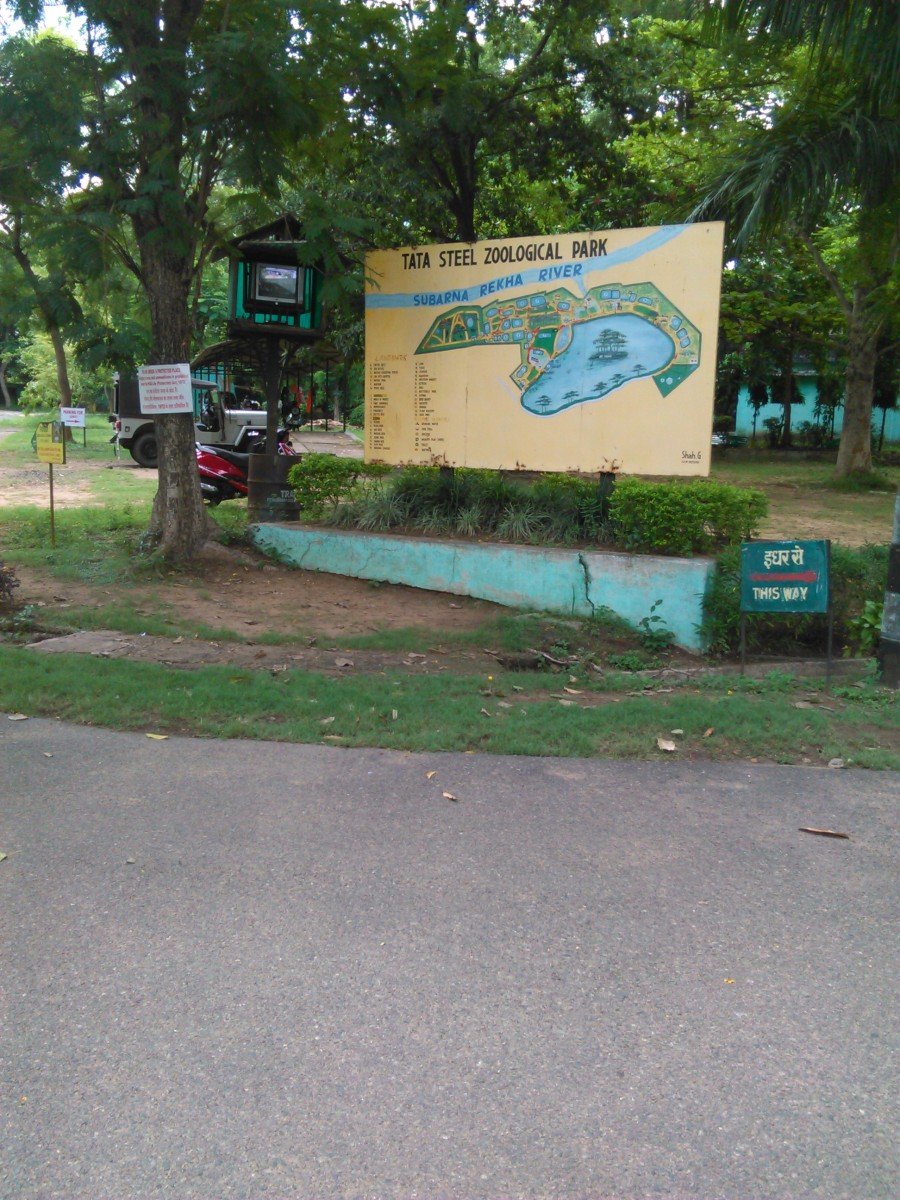
Dimension and Layout: The total area of the park is approximately 30 hectares or 74 acres. A significant feature is the large Jayanti Sarovar lake, covering around 14. 622 Hectares (146218 SqMt), which is central to the layout, offering boating facilities and serving as a habitat for aquatic life and birds. The enclosure sizes vary significantly based on the animal's needs; for instance, the Tiger enclosure is around 0. 226 Hectares (2258 SqMt). The perimeter is defined by a Zoo Boundary Wall to ensure safety and demarcation from the surrounding Jubilee Park. -
How To Reach:
By Air: The nearest major airport is Birsa Munda Airport (IXR) in Ranchi, the capital of Jharkhand, which is approximately 145 KMs away. From Ranchi, you can hire a private taxi or take a state-run bus to reach Jamshedpur (a 3-4 hour journey). Alternatively, for better con...By Air: The nearest major airport is Birsa Munda Airport (IXR) in Ranchi, the capital of Jharkhand, which is approximately 145 KMs away. From Ranchi, you can hire a private taxi or take a state-run bus to reach Jamshedpur (a 3-4 hour journey). Alternatively, for better connectivity, the Netaji Subhas Chandra Bose International Airport (CCU) in Kolkata (about 250 KMs) is another option, followed by a train or road journey to Jamshedpur.
By Train: The city is extremely well-connected by rail via Tatanagar Junction Railway Station (TATA), which is a major railway hub. The station is only about 5 KMs from the Tata Steel Zoological Park and the city center. You can easily find auto-rickshaws, pre-paid taxis, or cab services like Ola and Uber from the station.
By Road: Jamshedpur is well-connected by National and State Highways. The nearest Inter-State Bus Terminus (ISBT) is approximately 3 KMs away. Regular bus services (both private and state-run) connect Jamshedpur to major cities like Ranchi, Kolkata, Patna, and Bhubaneswar. You can drive or hire a taxi from these cities.
By Local Transport: Within Jamshedpur, the zoo is easily accessible. You can hire an auto-rickshaw (shared or private), a cycle-rickshaw, or a local taxi from any part of the city. The zoo's location inside Jubilee Park makes it a well-known landmark, simplifying navigation. -
Weather and Best Time to Visit:
Different Types of Seasons The Winter Season (Late October to early March) is the Best Time to Visit. The weather is cool and pleasant, with temperatures ranging from 10°C to 25°C, making it ideal for walking around the large park and viewing the animals, which are more active. The Summer Season...Different Types of Seasons The Winter Season (Late October to early March) is the Best Time to Visit. The weather is cool and pleasant, with temperatures ranging from 10°C to 25°C, making it ideal for walking around the large park and viewing the animals, which are more active. The Summer Season (April to June) is hot and humid, with temperatures soaring above 40°C; visits during this time should be restricted to early mornings. The Monsoon Season (July to September) brings heavy rainfall, which, while making the park lush green, can disrupt outdoor activities like boating and walking. Different Parts of the Day The Morning (9:00 AM to 12:00 PM) is the most advantageous part of the day, as the animals are typically fed and most active. This is the prime time for wildlife viewing. The late Afternoon (3:00 PM to 4:30 PM) is also a good, cooler time to visit, especially for enjoying the Jayanti Sarovar area and the park's overall greenery before closing time. -
Near Tourist Places:
Jubilee Park:
Surrounding the zoo (Distance: 0 KM)
Jayanti Sarovar:
Inside the zoo (Distance: 0 KM)
Russi Modi Centre for Excellence (RMCE): A historical building and archive center (Distance: 1 KM)
Sir Dorabji Tata Park:
A beautifully maintained garden (Distance: 2 KMs)
Keenan Stadium:
A famous cricket venue (Distance: 2. 5 KMs)
Tribal Cultural Society/Centre:
Showcasing local tribal heritage (Distance: 3 KMs)
Dimna Lake:
A popular picnic spot and reservoir (Distance: 13 KMs)
Dalma Wildlife Sanctuary:
A reserve forest, known for elephants (Distance: 15 KMs)
Bhatia Park:
Near the Subarnarekha River (Distance: 4 KMs)
Rivers Meet (Domohani): Confluence of the Subarnarekha and Karkai rivers (Distance: 10 KMs)
Tourism Tips
-
Health & safety:
Always adhere to the zoo's rules: Do not feed the animals, do not cross barriers, and maintain a safe distance. Carry a small First Aid Kit with essentials like band-aids and antiseptic. Use mosquito repellent, especially i...Health & safety:
Always adhere to the zoo's rules: Do not feed the animals, do not cross barriers, and maintain a safe distance. Carry a small First Aid Kit with essentials like band-aids and antiseptic. Use mosquito repellent, especially if visiting near the lake. Stay hydrated, particularly during the warmer Summer and Monsoon months.
Packing: Wear comfortable walking shoes as the park is vast. Carry a hat or cap and sunglasses to protect from the sun. A camera or phone for photography, binoculars for better bird and animal viewing, and a reusable water bottle are highly recommended.
Accommodation: Jamshedpur offers a wide range of accommodation options, from luxury hotels (like The Sonnet Jamshedpur or Ramada Jamshedpur Bistupur) to budget stays, primarily concentrated in the Bistupur and Sakchi areas, which are close to the zoo and city center. Book well in advance if traveling during peak season (December and January). Other Different Topics heading (Photography & Logistics): Be prepared for a significant amount of walking; if mobility is an issue, opt for the battery-operated vehicle right after entering. Carry cash for the entry fees, safari tickets, and food stalls, as card payments might not be universally accepted. Always respect the natural environment by using designated dustbins and avoiding littering.
Reviews
FAQs
Jamshedpur Itineray And Cost:-
Tata Steel Zoological Park Tourism:-
Information about New and Updated Locations() of Jharkhand Has Been Added :-
Card subtitle
Note:-
Information provided here in good Faith and for reference only.
All information and pictures will be updated soon, please keep visiting.
Near Places

Amadubi Rural Tourism Centre
Some quick example text to build on the card title and make up the bulk of the card's content.
Go somewhere
Bada Banki Dam
Some quick example text to build on the card title and make up the bulk of the card's content.
Go somewhere
Bhatia Park
Some quick example text to build on the card title and make up the bulk of the card's content.
Go somewhere
Bhuneswari Temple
Some quick example text to build on the card title and make up the bulk of the card's content.
Go somewhere
Centre for Excellence Exhibition
Some quick example text to build on the card title and make up the bulk of the card's content.
Go somewhere
Chandil Dam
Some quick example text to build on the card title and make up the bulk of the card's content.
Go somewhere
Dalma Wildlife Sanctuary
Some quick example text to build on the card title and make up the bulk of the card's content.
Go somewhere
Dimna Lake
Some quick example text to build on the card title and make up the bulk of the card's content.
Go somewhere
Domuhani
Some quick example text to build on the card title and make up the bulk of the card's content.
Go somewhere
Ganesh Puja Maidan
Some quick example text to build on the card title and make up the bulk of the card's content.
Go somewherein Other Cities