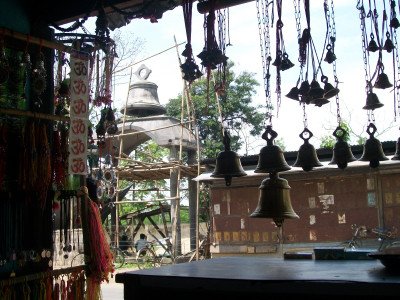
Travel Tips Of Tilinga Mandir
Tourism Tips
Hydration and Sun Protection: Even during pleasant weather, carry a water bottle to stay hydrated. In summers, use sunscreen and a hat, as the temple complex is largely open.
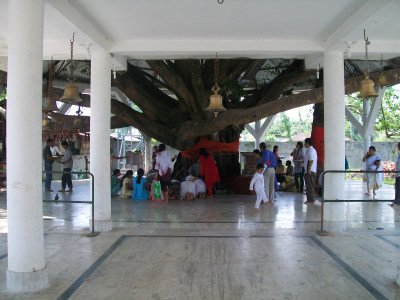
Footwear: You will be required to remove your footwear before entering the main temple premises. Wear slip-on shoes or sandals for ease.
Insect Repellent: Given the temple's location near tea gardens and natural areas, especially during monsoons, carrying a basic insect repellent, particularly for mosquitoes, is advisable.
Respect and Quiet: Maintain a respectful demeanor inside the temple complex. Avoid loud conversations and do not disrupt the prayers of the devotees.
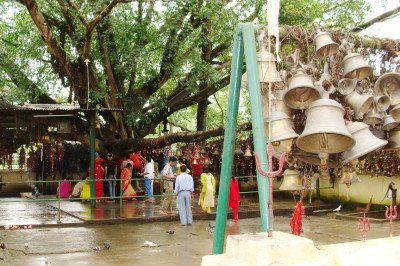
Watch Your Step: Be cautious while walking, as the sheer number of bells and tridents may occasionally be speared or piled near pathways.
Packing:
Modest Clothing: As a religious site, dress modestly. While there is no strict dress code, clothes that cover the shoulders and knees are recommended for both men and women as a sign of respect.
Camera/Phone: Don't forget your camera to capture the unique spectacle of the bells. Carry extra batteries or a power bank.
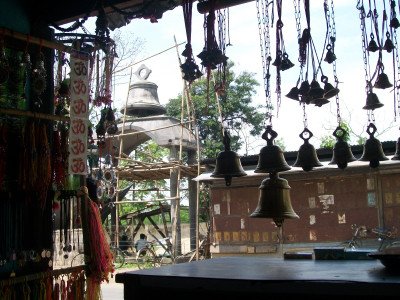
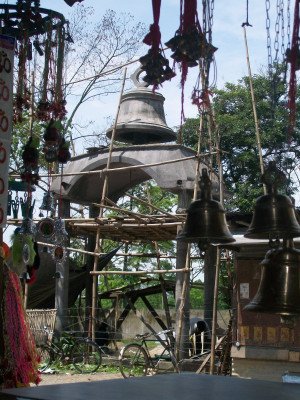
Bells for Offering: While you can buy them at the site, you might consider carrying a small bell in advance if you want to be fully prepared for the ritual.
Accommodation:
Stay in Tinsukia: The best accommodation options are available in the main Tinsukia town, about 7 km away. You can find a range of hotels, from budget-friendly guesthouses to more comfortable lodgings. Book in advance, especially if traveling during the peak season (November to March) or a major festival like Maha Shivaratri.
Consider Dibrugarh: For more premium accommodation options, the city of Dibrugarh is about a 1.5 to 2-hour drive away and can serve as a base for exploring Upper Assam.
Other Different Topics:
Local Transport Negotiation: When hiring an auto-rickshaw or a local taxi from Tinsukia, always negotiate the fare beforehand, or insist on a meter if available, to avoid being overcharged.
Respectful Photography: While photography is generally allowed, be mindful and respectful of the devotees and do not photograph anyone without their consent.
Learn a Few Assamese Words: Learning simple phrases like "Dhuniyade" (thank you) or "Kimaan" (how much) can enhance your interaction with the local people.
Try Local Tea: Given the region's fame for tea, make sure to sample the strong, aromatic local brew from one of the small stalls outside the temple.
Tinsukia Itineray And Cost:-
Information about New and Updated Locations() of Assam Has Been Added :-
Card subtitle
Note:-
Information provided here in good Faith and for reference only.
Near Places

Bherjan-Borajan-Padumoni Wildlife Sanctuary
Some quick example text to build on the card title and make up the bulk of the card's content.
Go somewhere
Chauldhuwa Pukhuri
Some quick example text to build on the card title and make up the bulk of the card's content.
Go somewhere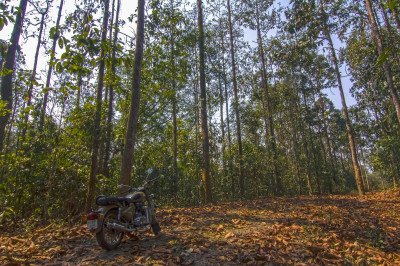
Dehing Patkai National Park
Some quick example text to build on the card title and make up the bulk of the card's content.
Go somewhere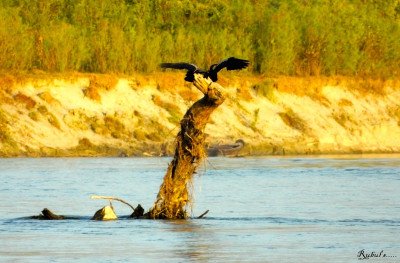
Dibru-Saikhowa National Park
Some quick example text to build on the card title and make up the bulk of the card's content.
Go somewhere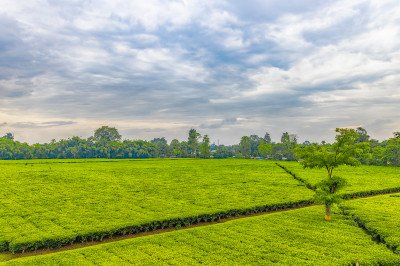
Doomdooma
Some quick example text to build on the card title and make up the bulk of the card's content.
Go somewhere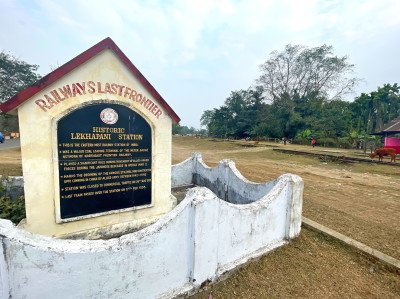
Historic Lekhapani Station Tomb
Some quick example text to build on the card title and make up the bulk of the card's content.
Go somewhere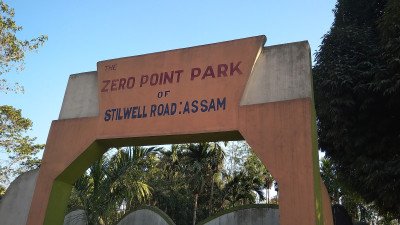
Ledo
Some quick example text to build on the card title and make up the bulk of the card's content.
Go somewhere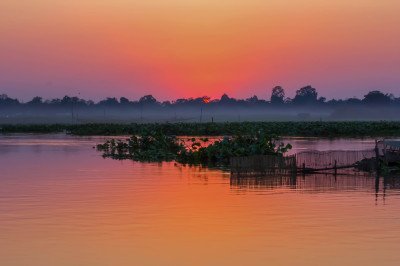
Maguri Motapung Beel
Some quick example text to build on the card title and make up the bulk of the card's content.
Go somewhere
Margherita Sunset Point
Some quick example text to build on the card title and make up the bulk of the card's content.
Go somewhere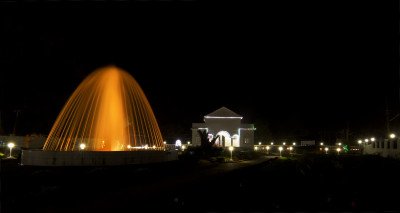
Margherita
Some quick example text to build on the card title and make up the bulk of the card's content.
Go somewhere
Na-Pukhuri
Some quick example text to build on the card title and make up the bulk of the card's content.
Go somewhere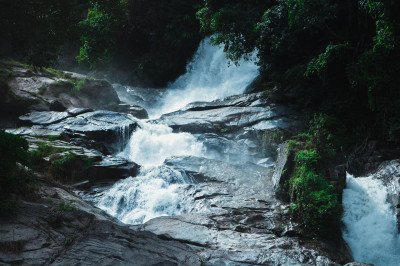
Paklongkam Waterfalls
Some quick example text to build on the card title and make up the bulk of the card's content.
Go somewhere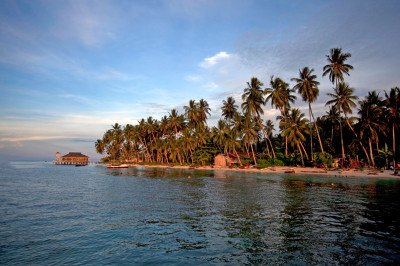
Rukmini Island
Some quick example text to build on the card title and make up the bulk of the card's content.
Go somewhere
Sadiya
Some quick example text to build on the card title and make up the bulk of the card's content.
Go somewhere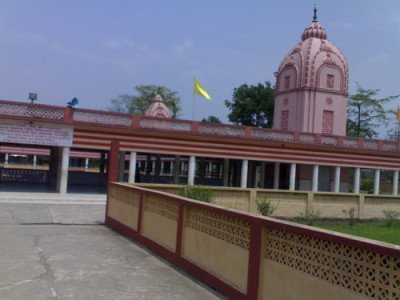
Shiv Dham
Some quick example text to build on the card title and make up the bulk of the card's content.
Go somewhere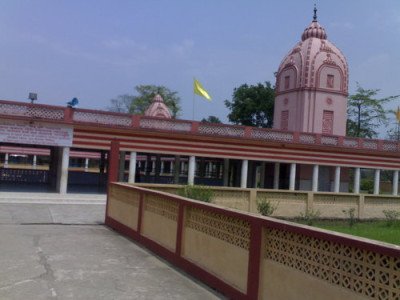
Shiv Dham Tinsukia
Some quick example text to build on the card title and make up the bulk of the card's content.
Go somewhere