Travel Tips Of Tinikunia Pukhuri
Tourism Tips
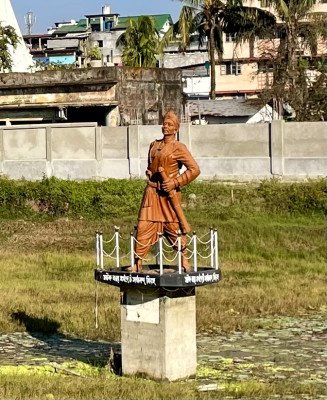
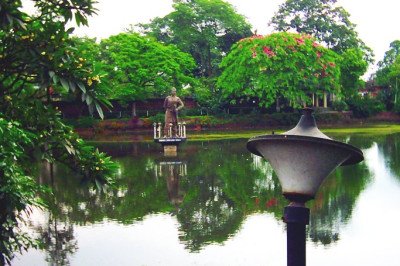
Packing Essentials: Since the visit is short, you won't need much. Pack light clothing (cotton) for summer and warm clothing (jackets, sweaters) for the winter months of December and January. Bring a hat or cap and sunglasses for sun protection. A good camera is a must for capturing the unique triangular shape. For the monsoon season (June to September), a raincoat or umbrella is essential. Comfortable walking shoes are recommended, even for the short walk around the pond.
Accommodation: Tinsukia is a major town and offers a wide range of accommodation options. Since the pond is centrally located, staying at any hotel near the Tinsukia Junction or the main GNB Road will place you within walking distance or a short auto-rickshaw ride of the landmark. Options range from budget guest houses to mid-range and premium hotels. It is best to book in advance, especially if traveling during the peak tourist season (October to March) or during major local festivals like Bihu.
Cultural Etiquette & Other Tips: Remember that this is a historical and cultural landmark. Show respect for the site and the local environment by ensuring you do not litter and keeping noise levels low. Engaging with local people is often rewarding; they are usually helpful and can share interesting local stories about the pond. Learn a few basic Assamese phrases like Namaskar (Hello) and Dhoniyabad (Thank you). Since Tinsukia is a major commercial hub, most people understand Hindi and English to some extent. Combine the visit with the nearby local market exploration for a complete cultural experience.
Tinsukia Itineray And Cost:-
Tinikunia Pukhuri Tourism:-
Other Places In Tinsukia :-
Other States In India :-
Information about New and Updated Locations() of Assam Has Been Added :-
Card subtitle
Note:-
Information provided here in good Faith and for reference only.
Near Places

Bherjan-Borajan-Padumoni Wildlife Sanctuary
Some quick example text to build on the card title and make up the bulk of the card's content.
Go somewhere
Chauldhuwa Pukhuri
Some quick example text to build on the card title and make up the bulk of the card's content.
Go somewhere
Dehing Patkai National Park
Some quick example text to build on the card title and make up the bulk of the card's content.
Go somewhere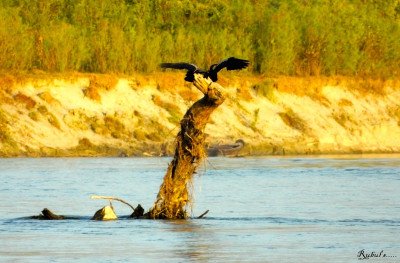
Dibru-Saikhowa National Park
Some quick example text to build on the card title and make up the bulk of the card's content.
Go somewhere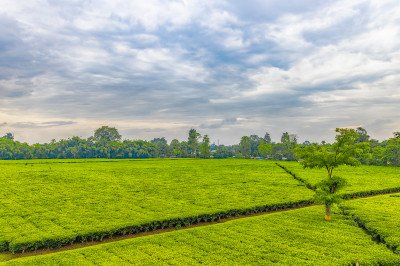
Doomdooma
Some quick example text to build on the card title and make up the bulk of the card's content.
Go somewhere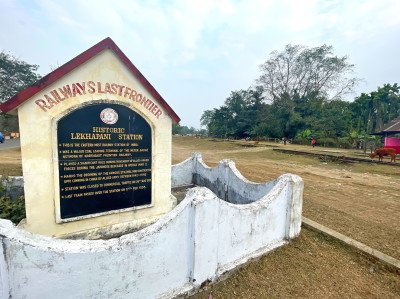
Historic Lekhapani Station Tomb
Some quick example text to build on the card title and make up the bulk of the card's content.
Go somewhere
Ledo
Some quick example text to build on the card title and make up the bulk of the card's content.
Go somewhere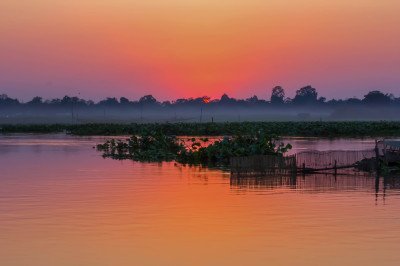
Maguri Motapung Beel
Some quick example text to build on the card title and make up the bulk of the card's content.
Go somewhere
Margherita Sunset Point
Some quick example text to build on the card title and make up the bulk of the card's content.
Go somewhere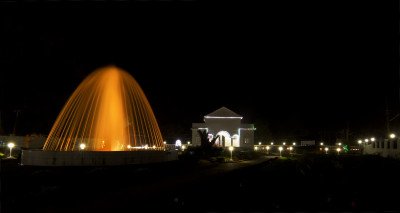
Margherita
Some quick example text to build on the card title and make up the bulk of the card's content.
Go somewhere
Na-Pukhuri
Some quick example text to build on the card title and make up the bulk of the card's content.
Go somewhere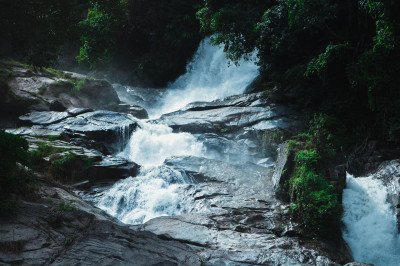
Paklongkam Waterfalls
Some quick example text to build on the card title and make up the bulk of the card's content.
Go somewhere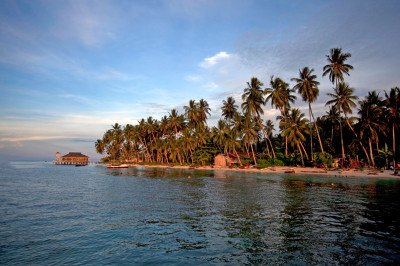
Rukmini Island
Some quick example text to build on the card title and make up the bulk of the card's content.
Go somewhere
Sadiya
Some quick example text to build on the card title and make up the bulk of the card's content.
Go somewhere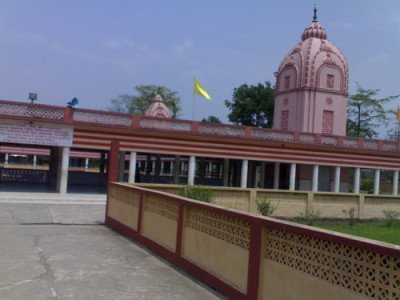
Shiv Dham
Some quick example text to build on the card title and make up the bulk of the card's content.
Go somewhere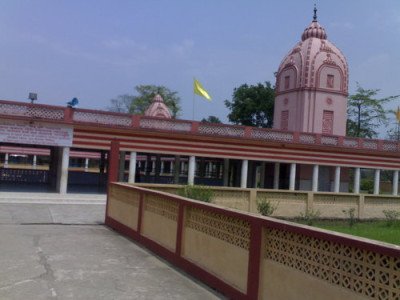
Shiv Dham Tinsukia
Some quick example text to build on the card title and make up the bulk of the card's content.
Go somewhere