

Veeramma Kali Mandir
General information
-
Ideal Duration:
1-2 HoursPlace Type:
Religious Site and Hindu Temple:Entry Fees:
No General Entry Fee: There is no entry fee to visit the Veeramma Kali Mandir and seek the darshan of the deity. Like most Hindu temples, it is open to all devotees without charge.
Donation and Prasad Fees: Devotees may choose to make volunt...No General Entry Fee: There is no entry fee to visit the Veeramma Kali Mandir and seek the darshan of the deity. Like most Hindu temples, it is open to all devotees without charge.
Donation and Prasad Fees: Devotees may choose to make voluntary donations (Dakshina) towards the temple's maintenance or charitable activities (like annadanam). There may be a small, fixed charge for special pooja offerings or for receiving a special prasad (consecrated food) from the temple counter.
Special Services/Rituals: A fee is often applicable for arranging personalized poojas or rituals (Archana or Homa) on behalf of a devotee. The amount for these services depends on the complexity and type of ritual requested. Check the temple notice board or inquire with the temple office for the official rate list.Timing:
Morning Darshan: 6:00 AM – 11:
00 AM: This slot is ideal for the early morning darshan and meditation, offering a peaceful and less crowded atmosphere. The morning poojas are often short but spiritually uplifting.
Read MoreMorning Darshan: 6:00 AM – 11:
00 AM: This slot is ideal for the early morning darshan and meditation, offering a peaceful and less crowded atmosphere. The morning poojas are often short but spiritually uplifting.
Evening Darshan: 5:00 PM – 8:
30 PM: This period is usually more crowded, especially on Tuesdays and Fridays, as it accommodates working devotees. The evening Aarti (lamp ceremony) is a visually and spiritually vibrant event, which is a must-witness.
Ideal Visit Time: Tuesdays, Fridays, and Amavasya (New Moon Days) are the most auspicious and energetically vibrant times for a visit, though they are also the most crowded. For a peaceful darshan, visit during the weekdays in the early morning.
Heading for Ideal Time:
Auspicious Days and Evening Aarti: The temple is most lively and spiritually charged on specific days, with the evening ceremony offering a powerful devotional experience.Special Events:
Annual Festival in July: The most important and grand event is the temple’s Annual Festival, which typically takes place in the month of July. This is a massive celebration featuring elaborate rituals, extended poojas, cultural performances, and large-scale annadanam. It...Annual Festival in July: The most important and grand event is the temple’s Annual Festival, which typically takes place in the month of July. This is a massive celebration featuring elaborate rituals, extended poojas, cultural performances, and large-scale annadanam. It draws thousands of devotees from all over Tripura and neighboring states, offering a 'once-in-a-lifetime' experience of high divine energy and celebration.
Amavasya (New Moon Day) Special Poojas: Regular special poojas are held on every Amavasya night. These are considered particularly powerful times for worshiping Maa Kali and are highly recommended for devotees seeking profound spiritual transformation, protection, and clarity through the founder's guidance.
Tuesdays and Fridays: Special daily poojas are observed on Tuesdays and Fridays, considered auspicious days for the worship of the Goddess. The crowd is often larger on these days, and the devotional atmosphere is more intense and vibrant.Best Photo Spots:
The Temple Entrance and Gopuram: The main temple entrance, often featuring intricate carvings and a brightly colored tower-like structure (Gopuram), is a fantastic spot to capture the unique blend of South and North Indian architectural styles against the clear Tripura sky. ...The Temple Entrance and Gopuram: The main temple entrance, often featuring intricate carvings and a brightly colored tower-like structure (Gopuram), is a fantastic spot to capture the unique blend of South and North Indian architectural styles against the clear Tripura sky.
The Main Deity's Illumination: While one cannot photograph the forbidden deity, a well-framed shot of the main sanctum's doorway, especially when the main deity, Sri Veeramaa Kali, is fully illuminated, can capture the intense, mystical atmosphere. Use natural light and focus on the deep devotional mood.
The Sculpture Garden: The outdoor areas around the main shrine, featuring the numerous, vibrant sculptures of the various deities and mythological figures, offer excellent opportunities for detailed, colorful, and unique photography, reflecting the temple's artistic style. Focus on the expressions and the intricate details of the figures.Photo Gallery
Things To Do
-
Attending the Amavasya and Friday Poojas: Plan your visit to coincide with Tuesdays, Fridays, or Amavasya (New Moon Days) to witness the special poojas and rituals performed for Maa Veeramaa Kali. These are considered the most powerful and spiritually charged times for darshan and seeking blessings. The special poojas are a highlight of the temple's devotional life.
Participating in Annadanam: The temple trust regularly organizes annadanam (free food service). Devotees are encouraged to participate, either by contributing or by serving the food, which is a key part of the temple’s spiritual service and a deeply fulfilling experience. This is a chance to participate in local charity work.
Meditation and Spiritual Reflection: The temple environment is designed to be conducive to spiritual intro...Attending the Amavasya and Friday Poojas: Plan your visit to coincide with Tuesdays, Fridays, or Amavasya (New Moon Days) to witness the special poojas and rituals performed for Maa Veeramaa Kali. These are considered the most powerful and spiritually charged times for darshan and seeking blessings. The special poojas are a highlight of the temple's devotional life.
Participating in Annadanam: The temple trust regularly organizes annadanam (free food service). Devotees are encouraged to participate, either by contributing or by serving the food, which is a key part of the temple’s spiritual service and a deeply fulfilling experience. This is a chance to participate in local charity work.
Meditation and Spiritual Reflection: The temple environment is designed to be conducive to spiritual introspection. Spend time in the main hall or a quiet corner for meditation or simple reflection. The powerful energy of the deity, as believed by devotees, is said to facilitate inner peace and clarity.
Observing the Sculptures and Iconography: Take a slow walk around the temple premises and carefully observe the numerous, brightly colored sculptures of various Hindu deities. Each sculpture is a piece of art with a story; try to read any available descriptions or ask a local for details about the meaning and significance of the different forms.
Seeking Blessings and Guidance: Many visitors come to seek the blessings and guidance of the founder, Shri Thirumeni Veeramani (or the priests). If you have specific personal or spiritual questions, inquire about the possibility of a private meeting. Devotees often light a ghee lamp and make a heartfelt wish.
Photography (External Only): While the Piriyachi Kali sculpture is off-limits, the temple’s exterior and the surrounding devotional atmosphere are suitable for respectful photography. Capture the blend of South-North architecture and the vibrant colors.
Interacting with Devotees: Engage in a respectful conversation with fellow devotees, especially those from the South Indian community, to learn about their experiences and the history of the temple.
Information
-
Why Famous:
The Unique Deity of Ashtadasa Bhuja Mahalakshmi Durga Saraswathi Kali: The primary fame of the temple lies in its unique and powerful deity, Sri Veeramaa Kali, who is revered as the supreme, unified form of the Divine Mother. This form, encompassing 32 aspects of the Goddess, is rare and considered...The Unique Deity of Ashtadasa Bhuja Mahalakshmi Durga Saraswathi Kali: The primary fame of the temple lies in its unique and powerful deity, Sri Veeramaa Kali, who is revered as the supreme, unified form of the Divine Mother. This form, encompassing 32 aspects of the Goddess, is rare and considered highly potent for spiritual transformation and the removal of obstacles. Devotees travel long distances to witness the darshan of this specific manifestation of Shakti.
A Blend of North-South Indian Spiritualism: The temple is famous for successfully bridging the gap between South Indian and North-East Indian devotional practices. The Tamil Nadu origin of the founder, Shri Thirumeni Veeramani, and the vibrant spiritual programs (poojas and annadanam) attract a diverse following, creating a unique cultural and spiritual melting pot in Tripura.
The Power of Amavasya (New Moon Days): The temple has become renowned for the special poojas and spiritual guidance provided by the founder, especially on Amavasya (new moon days) and Fridays. Many devotees report transformative and healing outcomes after seeking blessings or guidance during these specific periods, enhancing the temple's reputation as a 'Jagrat Devi' shrine. -
Architecture:
A Fusion of Regional Styles: The temple exhibits a fascinating architectural blend, primarily influenced by South Indian temple styles (known for their intricate sculptures and vibrant colors) and some elements of North-East Indian temple aesthetics. This fusion reflects th...A Fusion of Regional Styles: The temple exhibits a fascinating architectural blend, primarily influenced by South Indian temple styles (known for their intricate sculptures and vibrant colors) and some elements of North-East Indian temple aesthetics. This fusion reflects the origin of its founder and the local spiritual landscape.
Focus on Sculpture and Iconography: The temple structure features a large number of sculptures of various Hindu deities around the main shrine. These figures are often painted in vibrant colors, a hallmark of many South Indian temples, and each has a specific name and significance as part of the overall iconography. The main idol of Sri Veeramaa Kali is highly detailed, depicting her Ashtadasa Bhuja (18-armed) form, a complex representation of the Divine Feminine.
Inner Sanctum Dimension: The inner sanctum (Garbhagriha) housing the principal deity is built to focus spiritual energy. Its dimensions, while not publicly detailed, are designed according to traditional Hindu Vastu Shastra principles to maximize the darshan and meditative experience for the devotees. The shrine structure itself is modern, built primarily of concrete and masonry, with a focus on durability and elaborate artistic ornamentation.
Unique Deity Form: The most defining architectural/sculptural feature is the unique form of the main deity, a rare representation of the unified Shakti encompassing all major forms of the Goddess. -
How To Reach:
By Air: The nearest major airport is Maharaja Bir Bikram Airport (IXA) in Agartala, approximately 55 KM away. The airport is well-connected to major cities. From the airport, a taxi or private car can be hired directly to the Rangmura locality in Melaghar. The drive takes...By Air: The nearest major airport is Maharaja Bir Bikram Airport (IXA) in Agartala, approximately 55 KM away. The airport is well-connected to major cities. From the airport, a taxi or private car can be hired directly to the Rangmura locality in Melaghar. The drive takes about 90 minutes to 2 hours, making it the fastest way for long-distance visitors.
By Train: The nearest major railway station is Agartala Railway Station (AGTL), about 57 KM away, which is connected to the Indian railway network. A closer option is Udaipur Tripura Railway Station (UDPU), roughly 18 KM away. From these stations, a taxi or a local auto-rickshaw can be hired to reach the temple premises in Melaghar. The road transport is generally reliable.
By Road: Melaghar is well-connected by state and national highways from Agartala (around 55 KM) and Udaipur (around 18 KM). Regular state transport buses and shared auto-rickshaws (Tempos) operate between these towns and Melaghar. The temple is located in the Rangmura area, which is easily accessible from the main Melaghar town via the Thakurpara Road. Hiring a private taxi is the most convenient option.
By Local Transport: Within Melaghar, local auto-rickshaws and cycle-rickshaws are the best way to reach the temple from the town center or bus stand. The temple's specific address (Thakurpara Rd, Rangmura) is well-known to all local transport providers. -
Weather and Best Time to Visit:
Different Seasons: Winter (October to March) is the Best Time to Visit. The weather is cool and pleasant, which is perfect for a temple visit and avoiding the heat. The temple is open year-round. Monsoon (June to September) makes the surrounding area muddy, and the freque...Different Seasons: Winter (October to March) is the Best Time to Visit. The weather is cool and pleasant, which is perfect for a temple visit and avoiding the heat. The temple is open year-round. Monsoon (June to September) makes the surrounding area muddy, and the frequent rain can be an inconvenience. Summer (April to May) is hot and humid, so it is best to visit during the cooler morning or evening hours.
Different Parts of the Day: Early Morning (6:00 AM to 9:00 AM) is the most peaceful time for a quiet darshan, meditation, and avoiding the crowd. Evening (5:00 PM to 8:30 PM) is a highly recommended time to witness the Aarti and experience the vibrant devotional atmosphere, which is particularly strong on Fridays. -
Near Tourist Places:
Neermahal Water Palace (2 KM), Rudrasagar Lake (2 KM), Pagli Masi Temple (1 KM), Melaghar Market (Bazaar) (2 KM), Tripureswari Temple, Udaipur (18 KM), Matabari (18 KM), Jagannath Bari, Udaipur (19 KM), Tepania Eco Park (25 KM), Sepahijala Wildlife Sanctuary (28 KM), Agartala City (55 KM).
Tourism Tips
-
Health & Safety: The temple is on high ground, but be careful when walking on wet surfaces during the monsoon. Since the temple is located in a rural setting, mosquito repellent is a must. Maintain personal hygiene and avoid touching any unauthorized objects. Dress modest...Health & Safety: The temple is on high ground, but be careful when walking on wet surfaces during the monsoon. Since the temple is located in a rural setting, mosquito repellent is a must. Maintain personal hygiene and avoid touching any unauthorized objects. Dress modestly as a sign of respect for the religious site.
Packing: Carry a shawl or light covering as a mark of respect for the temple, although it is not strictly mandatory. Wear simple, conservative attire. Carry extra water, especially during the hot summer months. Keep your valuables secure, as the crowd can be thick on special pooja days.
Accommodation: Limited good accommodation is available directly in Melaghar. It is recommended to stay in Udaipur or Agartala for better lodging options. The temple trust may also offer simple, clean, and basic accommodation for devotees (Yatri Niwas), but this should be inquired about and booked in advance.
Other Tips: Respect the rules of the temple, especially the photography ban near the Piriyachi Kali sculpture. Participate respectfully in the Aarti and Annadanam if possible. The temple is a sanctuary; maintain silence and reverence inside the main hall. Confirm the Amavasya dates before planning a special visit.
Reviews
FAQs
Melaghar Itineray And Cost:-
Veeramma Kali Mandir Tourism:-
Other Places In Melaghar :-
Other States In India :-
Information about New and Updated Locations() of Tripura Has Been Added :-
Card subtitle
Note:-
Information provided here in good Faith and for reference only.
Near Places
Bhubaneswari Temple
Some quick example text to build on the card title and make up the bulk of the card's content.
Go somewhere
Charilam Picnic Spot
Some quick example text to build on the card title and make up the bulk of the card's content.
Go somewhere
Chaturdasha Temple
Some quick example text to build on the card title and make up the bulk of the card's content.
Go somewhere
Chowddo Devotar Mandir
Some quick example text to build on the card title and make up the bulk of the card's content.
Go somewhere
Gomati Tea Estate
Some quick example text to build on the card title and make up the bulk of the card's content.
Go somewhere
Green Island
Some quick example text to build on the card title and make up the bulk of the card's content.
Go somewhere
Jampuijala Tribal Museum
Some quick example text to build on the card title and make up the bulk of the card's content.
Go somewhere
Kali Temple
Some quick example text to build on the card title and make up the bulk of the card's content.
Go somewhere
Kalyanpur River View Point
Some quick example text to build on the card title and make up the bulk of the card's content.
Go somewhere
Laxmilunga Tea Garden
Some quick example text to build on the card title and make up the bulk of the card's content.
Go somewhere
Melaghar Boat Festival Area
Some quick example text to build on the card title and make up the bulk of the card's content.
Go somewhere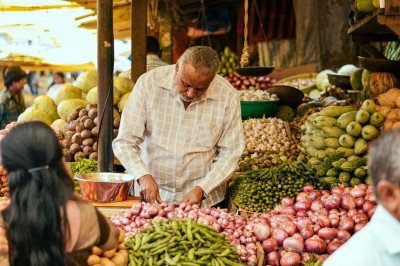
Melaghar Market
Some quick example text to build on the card title and make up the bulk of the card's content.
Go somewhere
Nabinagar Lake
Some quick example text to build on the card title and make up the bulk of the card's content.
Go somewhere
Neermahal Local Jetty Point
Some quick example text to build on the card title and make up the bulk of the card's content.
Go somewhere
Neermahal Water Festival Site
Some quick example text to build on the card title and make up the bulk of the card's content.
Go somewhere
Neermahal Water Palace
Some quick example text to build on the card title and make up the bulk of the card's content.
Go somewherein Other Cities