Agnitheertham
General information
-
Ideal Duration:
1-2 HoursPlace Type:
Religious Site, Beach, PilgrimageEntry Fees:
The Sacred Dip Fee::The physical entry to the beach and taking the holy dip in Agnitheertham is Free for all visitors. This ensures that the primary, most sacred aspect of the pilgrimage is accessible to everyone regardless of economic status.
...The Sacred Dip Fee::The physical entry to the beach and taking the holy dip in Agnitheertham is Free for all visitors. This ensures that the primary, most sacred aspect of the pilgrimage is accessible to everyone regardless of economic status.
Ritual/Puja Fees::The only costs incurred are for the services of the local priests (Purohits) if a pilgrim chooses to perform specific rituals like Tarpanam or Shraadh. These fees are typically negotiable and can range from Rs.100 to Rs.500 or more, depending on the complexity of the rite and the number of family members involved.
Mandatory Item Costs::Pilgrims must also pay for the required puja items, such as flowers, coconuts, incense, and a clean change of clothes. Vendors sell pre-packaged kits for the rituals, usually costing Rs.50 to Rs.150.
Other Associated Costs::While not an entry fee, visitors often pay small, voluntary amounts for shoe storage near the temple complex and for carrying the water pots. The overall experience is very budget-friendly for a religious site.Timing:
Regular Timings (All Days)::Open from 5:00 AM to 6:00 PM. The area is accessible 24/7, but the main pilgrim activity, when the sea is considered most auspicious for bathing, occurs within these hours, aligning with the temple's opening times.
...Regular Timings (All Days)::Open from 5:00 AM to 6:00 PM. The area is accessible 24/7, but the main pilgrim activity, when the sea is considered most auspicious for bathing, occurs within these hours, aligning with the temple's opening times.
Ideal Visit Time (Early Morning)::The Ideal Visit Time is very early in the morning, between 5:00 AM and 7:00 AM, to witness the spectacular sunrise, avoid the intense midday heat, and participate in the rituals before the main crowds and commercial activities begin. This time offers the most spiritual peace and the best light for photography.
Peak Ritual Time::The busiest time is generally between 7:00 AM and 10:00 AM, when most pilgrim groups arrive and the maximum number of Tarpanam ceremonies are performed.
Seasonal Variation (Winter)::During the winter months (October to March), the early morning is cool and pleasant, making the pre-dawn bath very comfortable. Summer months (April to June) see a rush to complete the rituals before the high heat sets in by 9:00 AM.Special Events:
Amavasya (New Moon) Offerings::The New Moon Day (Amavasya) is considered the most sacred day to perform Tarpanam and offerings for ancestors at Agnitheertham. The number of pilgrims swells exponentially on this day, with elaborate and continuous rituals being performed from...Amavasya (New Moon) Offerings::The New Moon Day (Amavasya) is considered the most sacred day to perform Tarpanam and offerings for ancestors at Agnitheertham. The number of pilgrims swells exponentially on this day, with elaborate and continuous rituals being performed from dawn till dusk, creating a highly charged spiritual environment.
Mahalaya Amavasya::The Mahalaya Amavasya, occurring in the September-October period, is the grandest occasion for ancestral worship. Pilgrims from all over India converge to perform rites, leading to massive gatherings and an intense, once-a-year spectacle of faith and devotion.
Full Moon (Pournami) Baths::Taking a holy dip on a Full Moon (Pournami) night is also considered highly auspicious, though less crowded than Amavasya. The sight of the temple illuminated by the moon and the calm sea creates a uniquely beautiful atmosphere.
Temple Car Festival::During the annual grand temple festivals of Ramanathaswamy Temple, the temple chariot is sometimes taken near the Agnitheertham shore for special poojas, connecting the sea god directly with the temple deity.Best Photo Spots:
Sunrise over the Bay of Bengal::The prime spot is the shoreline facing due east at sunrise. The golden light reflecting on the shallow, calm water, with the silhouettes of early morning bathers and the temple Gopuram in the background, creates a stunning, ethereal picture, ...Sunrise over the Bay of Bengal::The prime spot is the shoreline facing due east at sunrise. The golden light reflecting on the shallow, calm water, with the silhouettes of early morning bathers and the temple Gopuram in the background, creates a stunning, ethereal picture, perfect for landscape and devotional photography.
The Tarpanam Rituals::The areas where priests are performing Tarpanam (ancestral rites) offer powerful, candid photo opportunities capturing deep devotion, ritual complexity, and human emotion, though one must ask permission and maintain respect for the solemnity of the ritual.
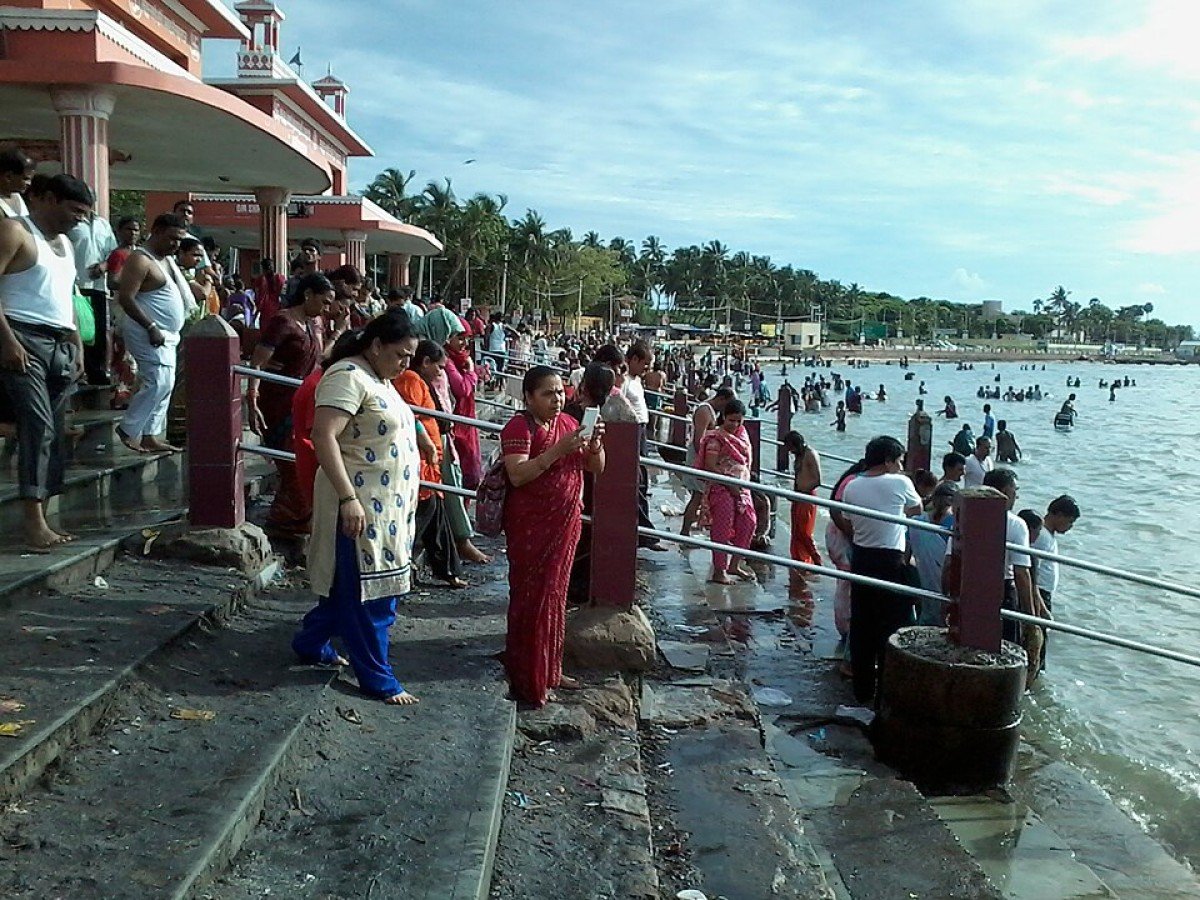
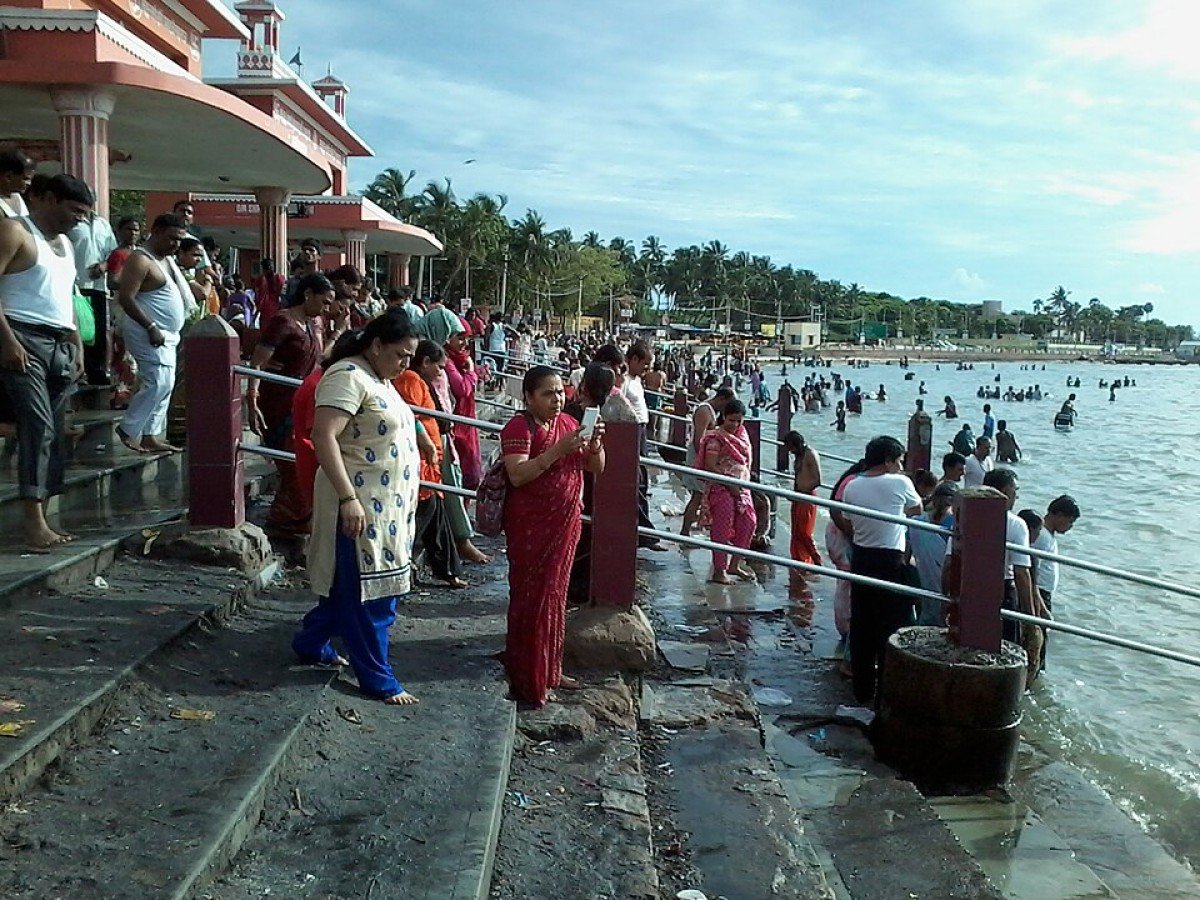
Steps Leading to the Sea::The simple, stone steps or ramp leading down into the water, often crowded with people in wet clothes after their bath, make for excellent candid shots of the pilgrim journey. The line where the steps meet the sea provides a classic frame.
The Temple Gopuram View::Framing the Ramanathaswamy Temple's eastern Gopuram (tower) from the edge of the water provides a contrasting shot—the grand, intricate temple architecture juxtaposed against the vast, open sea. This symbolizes the meeting of the sacred land and holy water.
The Fishing Boats::The colorful local fishing boats moored nearby, set against the blue sea and sky, offer a vibrant, non-religious context for the landscape, adding local flavor to the photographs.Photo Gallery
Things To Do
-
Take the Holy Dip::Perform the ritualistic bath in the shallow waters of the Bay of Bengal, which is the primary purpose of visiting. It is customary to take a minimum of three to seven dips while chanting prayers. Men typically wear a dhoti, and women wear a saree or modest attire.
Perform Tarpanam and Shraadh::Hire a local Purohit (priest) to perform the Tarpanam (ancestral rites) and Shraadh (offerings for the departed). This is a solemn, important ritual performed by many pilgrims on the shore to pay respects to their forefathers.
Witness the Sunrise::Arrive before dawn to experience the beautiful sunrise over the Bay of Bengal. The spectacle of the sun rising from the sea, illuminating the shoreline, adds a magical and profound layer to the spiritual experience, offering a moment of quie...Take the Holy Dip::Perform the ritualistic bath in the shallow waters of the Bay of Bengal, which is the primary purpose of visiting. It is customary to take a minimum of three to seven dips while chanting prayers. Men typically wear a dhoti, and women wear a saree or modest attire.
Perform Tarpanam and Shraadh::Hire a local Purohit (priest) to perform the Tarpanam (ancestral rites) and Shraadh (offerings for the departed). This is a solemn, important ritual performed by many pilgrims on the shore to pay respects to their forefathers.
Witness the Sunrise::Arrive before dawn to experience the beautiful sunrise over the Bay of Bengal. The spectacle of the sun rising from the sea, illuminating the shoreline, adds a magical and profound layer to the spiritual experience, offering a moment of quiet contemplation.
Visit the Ramanathaswamy Temple::Immediately proceed to the adjacent Ramanathaswamy Temple to complete the pilgrimage circle, starting with the 22 Theertham bath ritual inside the temple complex.
Explore the Local Market::Wander through the narrow lanes and market stalls near the shore selling Rudraksha malas, religious books, trinkets made from seashells, and devotional souvenirs. This is where you can buy the required puja items.
Collect Holy Water::Purchase small containers (usually metal pots) to collect the holy water from Agnitheertham to take back home for religious purposes.
Observe Pilgrim Life::Spend time watching the vibrant and ancient rituals performed by other pilgrims—a deep cultural experience that showcases the continuity of Hindu faith. This provides great insight into the depth of South Indian religious practices.
Information
-
Why Famous:
Legend of Agnipariksha::It is famous as the place where Goddess Sita proved her purity to Lord Rama by undergoing the Agnipariksha (trial by fire). The sea god, instructed by Agni, cooled the waters to absolve the god of fire's own paapam (sin) of touching the Goddess durin...Legend of Agnipariksha::It is famous as the place where Goddess Sita proved her purity to Lord Rama by undergoing the Agnipariksha (trial by fire). The sea god, instructed by Agni, cooled the waters to absolve the god of fire's own paapam (sin) of touching the Goddess during the trial, thus sanctifying the water.
Purification for Pilgrims::A bath in this sea is considered mandatory before offering prayers at the Ramanathaswamy Temple. It is believed that taking a dip here washes away all the sins accumulated over a lifetime, purifying the soul for the main temple darshan. This ritualistic cleansing is fundamental to the Rameswaram pilgrimage.
Ancestral Rites (Tarpanam)::The place is a highly auspicious spot for performing ancestral rites, or Tarpanam, where offerings are made to ensure peace for the souls of deceased family members. Thousands of Hindus visit specifically to conduct these rites, making it a pivotal center for the last rituals.
Connecting the Pilgrimage::Its direct proximity to the main temple makes it the functional and spiritual gateway to the entire Rameswaram pilgrimage. Without the ritual bath at the Agnitheertham, the visit to the Jyotirlinga at Ramanathaswamy Temple is considered incomplete. -
Architecture:
Structural Simplicity::Unlike the grand temple architecture nearby, Agnitheertham is architecturally simple, characterized by an open, coastal setting. The focus is not on built structures but on the natural element—the sea itself—as the sanctified body of water.Structural Simplicity::Unlike the grand temple architecture nearby, Agnitheertham is architecturally simple, characterized by an open, coastal setting. The focus is not on built structures but on the natural element—the sea itself—as the sanctified body of water.
The Holy Platform::A small, paved platform or steps lead down directly into the Bay of Bengal, facilitating easy access for the ritualistic bath. This functional design is purely for the convenience of the pilgrims who perform the elaborate water rites. The platform acts as a ritual staging area for priests (purohits) who conduct the Tarpanam ceremony for families. Dimension is defined by its coastal stretch adjoining the Ramanathaswamy Temple, extending for a few hundred meters along the shoreline.
Surrounding Shrines::While the beach is open, there are numerous minor shrines and small mandapams (pavilions) dotting the perimeter where idols are placed and prayers are offered. These structures use traditional South Indian temple construction elements like granite and lime mortar but are modest in scale. Their primary function is to shelter the idols and offer space for religious offerings, standing in stark contrast to the massive Gopuram of the nearby main temple. The unadorned shoreline emphasizes the elemental power of the Agni and Teertham combined. -
How To Reach:
By Air (Nearest Airport)::The nearest major airport is Madurai International Airport (IXM), located approximately 175 KM away. From the airport, one can hire a pre-paid taxi or a private cab. The drive takes about 3. 5 to 4 hours, passing over the impressive Pamban Bridge...By Air (Nearest Airport)::The nearest major airport is Madurai International Airport (IXM), located approximately 175 KM away. From the airport, one can hire a pre-paid taxi or a private cab. The drive takes about 3. 5 to 4 hours, passing over the impressive Pamban Bridge. Regular flight services connect Madurai to major Indian cities like Chennai, Mumbai, and Delhi.
By Train (Direct Connectivity)::Rameswaram Railway Station (RMM) is the terminal point and is well-connected to major cities. Agnitheertham is only about 2 KM from the station. Key trains like the Rameswaram Express and Sethu Express run from cities like Chennai and Madurai. From the station, one can hire an auto-rickshaw or take a cycle-rickshaw to the temple/beach area.
By Road (Bus and Car)::Rameswaram is well-connected by National Highway 49. State and private buses operate frequently from Madurai (170 KM), Chennai (560 KM), and Kanyakumari (300 KM). The state bus services (SETC and TNSTC) are reliable and economical. Private taxis and self-drive cars are the most comfortable options for the scenic drive across the Pamban Bridge.
By Local Transport (Walk/Rickshaw)::Agnitheertham is adjacent to the main Ramanathaswamy Temple complex, so it is easily reached by a 5 to 10 minute walk from any central Rameswaram lodging. Cycle-rickshaws and auto-rickshaws are plentiful for short distances within the town, offering a convenient, inexpensive option to reach the site. -
Weather and Best Time to Visit:
Different Seasons (Winter - Best Time)::The Best Time to Visit is during the Winter season, from October to March. The weather is cool and pleasant, with average temperatures ranging from 17Rs.C to 30Rs.C, which is ideal for the ritualistic bath and temple visits as it avoids t...Different Seasons (Winter - Best Time)::The Best Time to Visit is during the Winter season, from October to March. The weather is cool and pleasant, with average temperatures ranging from 17Rs.C to 30Rs.C, which is ideal for the ritualistic bath and temple visits as it avoids the intense heat and humidity. Monsoon (July to September) brings rain but also a lush green landscape; however, heavy rain can sometimes disrupt the seaside rituals. Summer (April to June) is very hot and humid, making early morning visits mandatory.
Different Parts of the Day (Early Morning)::The Ideal Part of the Day is the Early Morning (before 7:00 AM) for the best light, coolest temperature, and the most profound spiritual atmosphere for the holy dip and Tarpanam ceremonies. The afternoon is hot and less crowded, while the evening is beautiful for a peaceful walk but less active for rituals. -
Near Tourist Places:
Ramanathaswamy Temple (0. 3 KM), House of Dr. A. P. J. Abdul Kalam (1 KM), Five Faced Hanuman Temple (2 KM), Lakshmana Theertham (2 KM), Gandhamathana Parvatham (3 KM), Jada Theertham (5 KM), Villoondi Theertham (7 KM), Pamban Bridge Viewpoint (12 KM), Kothandaramaswamy Temple (14 KM), Dhanushkodi Ghost Town (20 KM).
Tourism Tips
-
Health & Safety (Water & Sun)::Always perform the ritual bath in the designated, shallow area, as currents outside this zone can be unpredictable. Be mindful of the high sun and apply sunscreen after the bath. Carry a small water bottle. Be cautious when walking on the sa...Health & Safety (Water & Sun)::Always perform the ritual bath in the designated, shallow area, as currents outside this zone can be unpredictable. Be mindful of the high sun and apply sunscreen after the bath. Carry a small water bottle. Be cautious when walking on the sand, especially barefoot, to avoid shells or debris. Never leave valuables unattended on the shore.
Packing (Modest Attire)::Carry a separate, clean change of clothes, as taking a dip in the Agnitheertham before entering the main temple is essential. Modest attire is mandatory. For the dip, men should wear a simple dhoti or trunks, and women a saree or a churidar. A towel is a must.
Accommodation (Central Rameswaram)::Book accommodation in Central Rameswaram near the Ramanathaswamy Temple, as it provides the easiest access to Agnitheertham and the temple on foot, which is crucial for early morning rituals. Options range from budget choultries (dormitories) to mid-range hotels.
Cultural Respect (Ritual Etiquette)::Respect the solemnity of the rituals. Avoid loud conversation and photography of people performing personal rites without permission. Only use the services of licensed priests and negotiate the Tarpanam fee beforehand. Never litter in the holy waters or on the beach.
Footwear::Remove footwear before stepping onto the sacred sand or pavement near the bathing area. There are often paid shoe-keeping services available.
Reviews
FAQs
Rameswaram Itineray And Cost:-
Other Places In Rameswaram :-
Other States In India :-
Information about New and Updated Locations() of Tamil Nadu Has Been Added :-
Card subtitle
Note:-
Information provided here in good Faith and for reference only.
Near Places
Agnitheertham
Some quick example text to build on the card title and make up the bulk of the card's content.
Go somewhere
Ariyaman Beach
Some quick example text to build on the card title and make up the bulk of the card's content.
Go somewhere
Badrakaliamman Temple
Some quick example text to build on the card title and make up the bulk of the card's content.
Go somewhere
Devipattinam Navagraha Temple
Some quick example text to build on the card title and make up the bulk of the card's content.
Go somewhere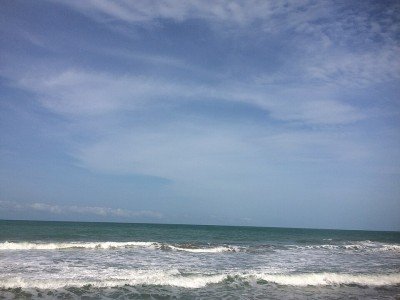
Dhanushkodi Beach & Ghost Town
Some quick example text to build on the card title and make up the bulk of the card's content.
Go somewhere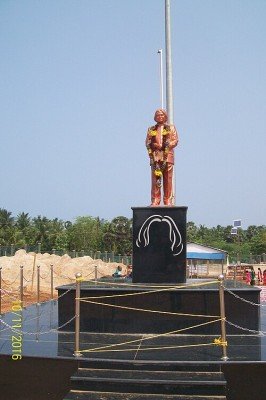
Dr. A.P.J. Abdul Kalam Memorial
Some quick example text to build on the card title and make up the bulk of the card's content.
Go somewhere
Dr. APJ Abdul Kalam's House
Some quick example text to build on the card title and make up the bulk of the card's content.
Go somewhere
Five Faced Hanuman Temple
Some quick example text to build on the card title and make up the bulk of the card's content.
Go somewhere
Gandhamathana Parvatham
Some quick example text to build on the card title and make up the bulk of the card's content.
Go somewhere
Jada Theertham
Some quick example text to build on the card title and make up the bulk of the card's content.
Go somewhere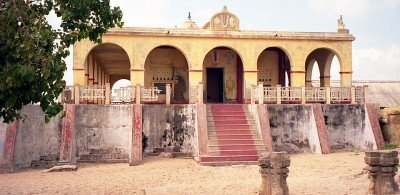
Kothandaramaswamy Temple
Some quick example text to build on the card title and make up the bulk of the card's content.
Go somewhere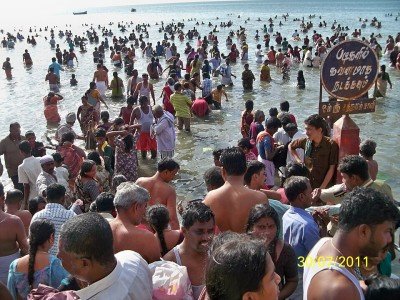
Kunthu Kal Beach
Some quick example text to build on the card title and make up the bulk of the card's content.
Go somewhere
Lakshmana Theertham
Some quick example text to build on the card title and make up the bulk of the card's content.
Go somewhere
Nambu Nayagiamman Temple
Some quick example text to build on the card title and make up the bulk of the card's content.
Go somewhere
Rama Setu
Some quick example text to build on the card title and make up the bulk of the card's content.
Go somewhere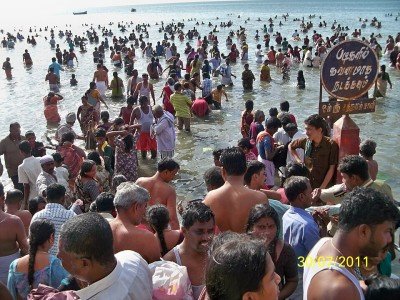
Rama Theertham
Some quick example text to build on the card title and make up the bulk of the card's content.
Go somewherein Other Cities