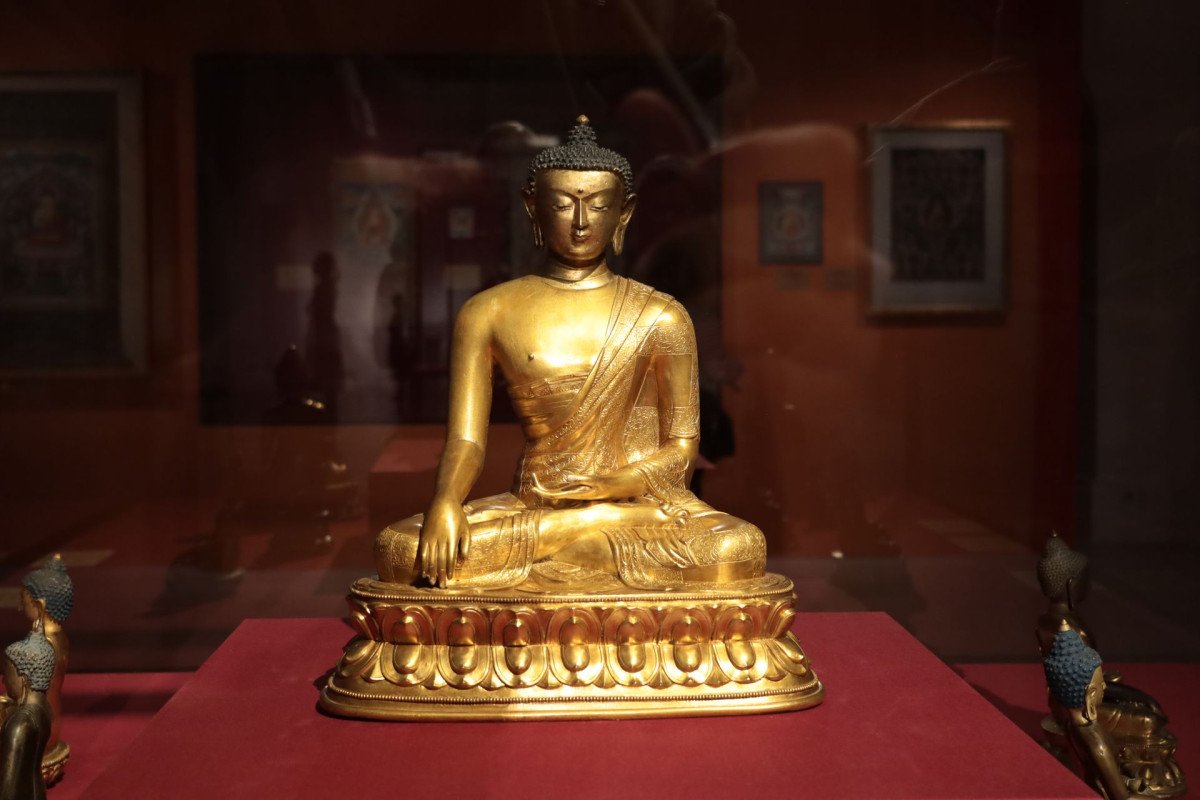
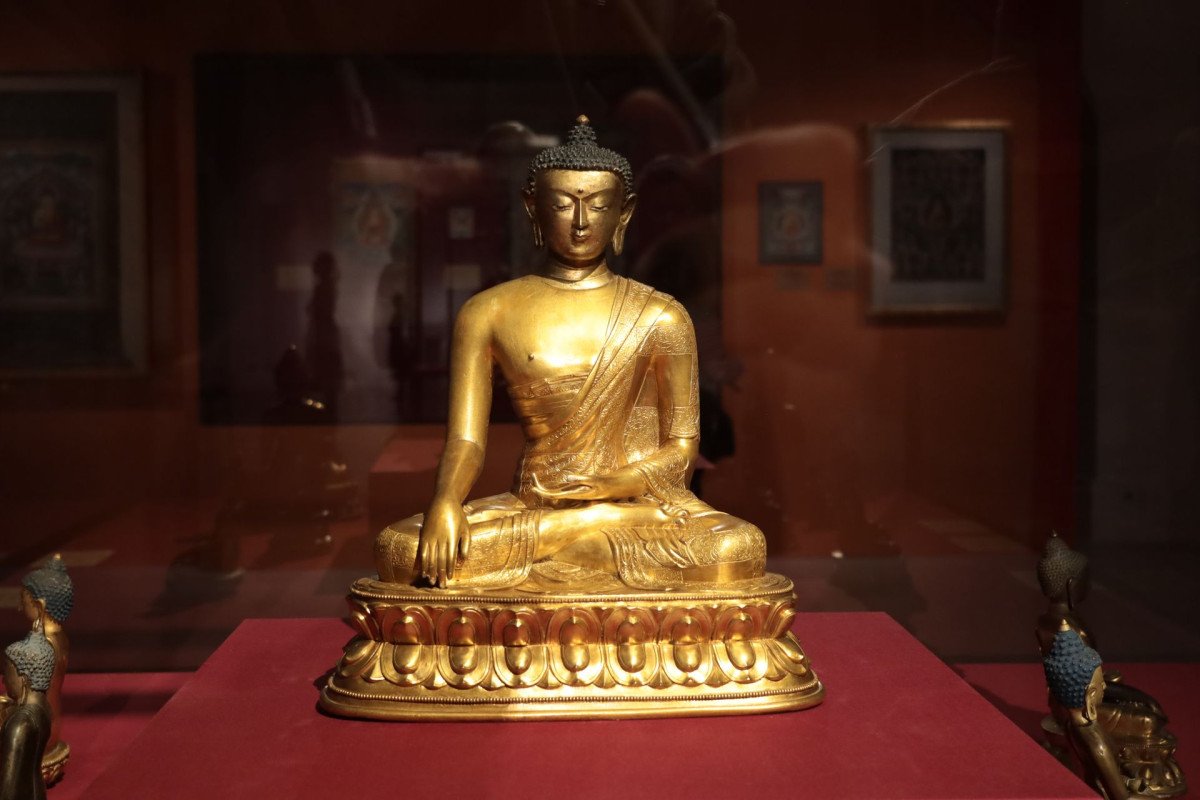
Allahabad Museum
General information
-
Ideal Duration:
Ideal Visit Duration:
2-3 hours:
Practical Time:
Tuesday Afternoon:Place Type:
Archaeological Museum:
Art and History:Entry Fees:
Indian Nationals: The entry fee for adult Indian citizens is typically INR 50 per person. Students may receive a small discount upon presenting valid ID.
Foreign Nationals: The entry fee for foreign visitors is significantly higher, usually...Indian Nationals: The entry fee for adult Indian citizens is typically INR 50 per person. Students may receive a small discount upon presenting valid ID.
Foreign Nationals: The entry fee for foreign visitors is significantly higher, usually around INR 500 per person, a common practice in many major Indian museums to support conservation and maintenance.
Photography Charges: Carrying a camera and taking photographs (not including cell phone photography, which is often free) inside the museum often incurs a separate fee, which can be high (e. g. , INR 500 per camera) and should be paid at the ticket counter. Professional videography requires special permission and a much higher fee.
Parking Fees: There may be a separate, nominal fee for parking vehicles in the designated area near the museum entrance within the park.
(Word count: 201):Timing:
Regular Timings: The Allahabad Museum is open from 10:00 AM to 5:30 PM (Tuesday to Sunday). It is closed every Monday and on all major national holidays (like Republic Day and Independence Day).
Ideal Visit Time: The best time to visit is i...Regular Timings: The Allahabad Museum is open from 10:00 AM to 5:30 PM (Tuesday to Sunday). It is closed every Monday and on all major national holidays (like Republic Day and Independence Day).
Ideal Visit Time: The best time to visit is immediately after opening at 10:00 AM or in the early afternoon, around 2:30 PM. Mornings are generally quieter, allowing for a more focused and personal experience. Avoid the rush just before closing.
Ideal Visit Time within the Year: The winter months (November to February) are ideal due to pleasant weather, making the walk through the park and the museum campus highly enjoyable. Visiting during the low tourist season (avoiding major melas) means smaller crowds.
(Word count: 200):Special Events:
International Museum Day Celebration: Every year on May 18th, the museum typically organizes special events, including temporary exhibits, free entry, lectures by curators, and cultural programs, aimed at promoting the importance of museums in society.
Read MoreInternational Museum Day Celebration: Every year on May 18th, the museum typically organizes special events, including temporary exhibits, free entry, lectures by curators, and cultural programs, aimed at promoting the importance of museums in society.
Commemoration of Chandrashekhar Azad's Martyrdom: A special, solemn event is held every year on the date of Chandrashekhar Azad's martyrdom (February 27th) in the surrounding park, with a commemorative ceremony often extending into the museum's related gallery.
Annual Art and Craft Exhibition: The museum often hosts annual temporary exhibitions showcasing contemporary Indian art, rare manuscripts, or specific archaeological finds, attracting scholars and artists during the late winter months (December or January).
(Word count: 201):Best Photo Spots:
Main Façade and Solar Panels: The building's impressive, functionalist façade, combined with the visible large solar panel installation on the roof, offers a unique photo opportunity that symbolizes the blend of history and modern, sustainable technology.Main Façade and Solar Panels: The building's impressive, functionalist façade, combined with the visible large solar panel installation on the roof, offers a unique photo opportunity that symbolizes the blend of history and modern, sustainable technology.
The Central Courtyard/Lawn: The expansive lawn and architectural elements around the main entrance, especially when framed by the greenery of Chandrashekhar Azad Park, provide excellent, picturesque architectural shots.
The Azad Pistol Display: The carefully lit display of Chandrashekhar Azad's pistol is the most famous and emotional subject, often photographed with respectful solemnity (check for any specific photography restrictions in this section).
Ancient Sculpture Details: Capturing the intricate details of the medieval stone sculptures and terracotta art under the gallery lights allows for close-up, high-detail shots that highlight the artistic skill of ancient artisans.
(Word count: 301):Photo Gallery
Things To Do
-
Explore the Nehru and Freedom Struggle Galleries: Spend significant time in the sections dedicated to the Nehru family, Mahatma Gandhi, and the Indian independence movement. Closely examine the exhibits, particularly the letters, personal items, and historical photographs, to gain a deep understanding of the era. Locate and view the legendary pistol of Chandrashekhar Azad.
Appreciate Ancient Indian Art and Sculpture: Dedicate time to the archaeological sections, focusing on the terracotta figures from sites like Kaushambi and the medieval stone sculptures, which beautifully illustrate the artistic evolution of the region, including images of various Hindu and Buddhist deities.
Visit the Painting and Miniature Galleries: Marvel at the delicate craftsmanship in the galleries showcasing miniature ...Explore the Nehru and Freedom Struggle Galleries: Spend significant time in the sections dedicated to the Nehru family, Mahatma Gandhi, and the Indian independence movement. Closely examine the exhibits, particularly the letters, personal items, and historical photographs, to gain a deep understanding of the era. Locate and view the legendary pistol of Chandrashekhar Azad.
Appreciate Ancient Indian Art and Sculpture: Dedicate time to the archaeological sections, focusing on the terracotta figures from sites like Kaushambi and the medieval stone sculptures, which beautifully illustrate the artistic evolution of the region, including images of various Hindu and Buddhist deities.
Visit the Painting and Miniature Galleries: Marvel at the delicate craftsmanship in the galleries showcasing miniature paintings from the Rajasthani and Pahari schools, along with modern paintings by prominent Indian artists. This offers a contrast to the ancient artifacts and highlights a different aspect of Indian artistic tradition.
Tour the Natural History Section: The natural history wing, though smaller, provides an interesting look at the region's flora and fauna, making it a good stop for children and nature enthusiasts. Look out for taxidermy displays and geological samples.
Enjoy the Chandrashekhar Azad Park (Company Bagh): After the indoor visit, take a leisurely stroll in the surrounding park. This large, historic park is a delightful green oasis and the site of Azad's martyrdom. It provides a peaceful contrast to the historical intensity of the museum.
Attend a Museum Workshop or Talk: Check the museum's schedule for any special lectures, workshops, or guided tours, which can greatly enhance the educational value of the visit. These are often held in the audio-visual room.
Support the Museum Shop: Browse the museum’s gift shop for books, reproductions of art, and educational materials to support the institution’s conservation efforts and take home a historical memento.
(Word count: 701):
Information
-
Why Famous:
Pistol of Chandrashekhar Azad: The museum is famous for housing the iconic Colt pistol used by the legendary freedom fighter Chandrashekhar Azad at the time of his martyrdom in Alfred Park (now Chandrashekhar Azad Park), where the museum is located. This single artifact is ...Pistol of Chandrashekhar Azad: The museum is famous for housing the iconic Colt pistol used by the legendary freedom fighter Chandrashekhar Azad at the time of his martyrdom in Alfred Park (now Chandrashekhar Azad Park), where the museum is located. This single artifact is a huge draw for patriots and historians.
Nehru Personal Collection: It holds a unique and extensive collection of items, manuscripts, and photographs detailing the lives of the Nehru family and their role in the independence movement, offering a deeply personal look at the makers of modern India.
Eco-Sustainable Status: The museum is recognized as an early adopter of sustainable technology, being one of the first museums globally to run entirely on solar power, a modern claim to fame that highlights its forward-thinking approach.
(Word count: 201): -
Architecture:
Architectural Style and Design Philosophy: The current structure, inaugurated in 1954, embodies a blend of functionalism and neo-classical elements characteristic of early post-independence Indian institutional architecture. Unlike the ornate colonial buildings, its design ...Architectural Style and Design Philosophy: The current structure, inaugurated in 1954, embodies a blend of functionalism and neo-classical elements characteristic of early post-independence Indian institutional architecture. Unlike the ornate colonial buildings, its design emphasizes clear lines, symmetry, and spacious interiors suitable for exhibition space. It utilizes durable materials like local red sandstone and concrete, integrating seamlessly with the natural, green environment of the surrounding Chandrashekhar Azad Park. The structure features multiple wings radiating from a central area, ensuring easy flow between the sixteen specialized galleries.
Dimension and Exhibition Layout: The museum's total area is substantial, housing sixteen distinct galleries spread over multiple floors. While the exact building dimensions (length, width, height) are complex due to its multi-winged layout, the design focuses on high ceilings and large window openings to maximize natural light and air circulation, creating a comfortable viewing environment. The galleries, such as the Archaeological, Sculptor, Painting, and Natural History galleries, are systematically arranged for chronological or thematic viewing. The central hall often features the most prominent and large-scale exhibits, acting as the main orientation point for visitors.
(Word count: 208): -
How To Reach:
By Air: The nearest airport is Prayagraj Airport (IXD), about 12 KMS away. From the airport, hire a prepaid taxi or cab to Chandrashekhar Azad Park. The journey takes about 30 minutes.
By Train: The museum is extremely accessible. It is a...By Air: The nearest airport is Prayagraj Airport (IXD), about 12 KMS away. From the airport, hire a prepaid taxi or cab to Chandrashekhar Azad Park. The journey takes about 30 minutes.
By Train: The museum is extremely accessible. It is about 3 KMS from Prayagraj Junction (PRYJ) and even closer (approx. 2 KMS) to the Prayag Railway Station (PRG). Auto-rickshaws, e-rickshaws, and cycle-rickshaws are the easiest and cheapest local options from the stations to the museum's location inside Company Bagh.
By Road: The museum is in the central Civil Lines area, near the main Civil Lines Bus Stand (approx. 4 KMS). The location, clearly marked within Chandrashekhar Azad Park, is a known landmark. Taxis and local buses frequently service the area. Ask the driver for Company Bagh or Chandrashekhar Azad Park on Kamla Nehru Road.
By Local Transport: Auto-rickshaws are the most recommended mode. They are widely available and can navigate the city's traffic easily. Specify the destination as "Museum, Company Bagh. " If you are staying in the Civil Lines area, an e-rickshaw or even a short walk is a viable option. The area is safe and well-trafficked.
(Word count: 400): -
Weather and Best Time to Visit:
Winter (October to March): This is the most highly recommended time. The comfortable temperature range (10°C to 25°C) is perfect for the indoor exhibitions and the necessary walk through the beautiful Chandrashekhar Azad Park. The air is crisp and clear, ideal for photog...Winter (October to March): This is the most highly recommended time. The comfortable temperature range (10°C to 25°C) is perfect for the indoor exhibitions and the necessary walk through the beautiful Chandrashekhar Azad Park. The air is crisp and clear, ideal for photography.
Summer (April to June): This period is very hot, making the entire trip strenuous. If you must visit, ensure your travel is limited to the early morning and you stay hydrated. The air conditioning inside the museum provides welcome relief.
Monsoon (July to September): The weather is humid with frequent, heavy rain. This can disrupt travel to the museum, but the park greenery is vibrant. Carry an umbrella and plan your visit on clear days, preferably in the afternoon.
Best Part of the Day: Early Morning (10:00 AM - 12:00 PM) is excellent. The light is good for photography, and the galleries are less crowded, allowing for detailed viewing of the delicate artifacts and a more personal reflection on the historical exhibits.
(Word count: 301): -
Near Tourist Places:
Chandrashekhar Azad Park (0 KMS - inside the park): Allahabad Public Library (0.
5 KMS - inside the park): Allahabad University (1.
5 KMS): All Saints Cathedral (1.
5 KMS):
Anand Bhavan (2 KMS):
Jawahar Planetarium (2 KMS):
Khusro Bagh (3 KMS):
Prayagraj Junction (3 KMS): Minto Park (3.
5 KMS):
Allahabad High Court (2 KMS):
Tourism Tips
-
Health & Safety: The museum is generally safe, but be cautious with large bags at security. Do not touch any exhibits, no matter how tempting. Follow the museum's rules on photography strictly. The park is large, so keep an eye on children. Carry a light jacket in winter...Health & Safety: The museum is generally safe, but be cautious with large bags at security. Do not touch any exhibits, no matter how tempting. Follow the museum's rules on photography strictly. The park is large, so keep an eye on children. Carry a light jacket in winter.
Packing Essentials: Carry your Photo ID for ticket purchase. A small notebook and pen are useful. Bring a water bottle (ensure it is permitted inside). Wear flat, comfortable shoes, as you will be standing and walking on polished floors for hours. If you pay the photography fee, keep the receipt handy.
Accommodation: Staying in the nearby Civil Lines neighborhood is the best choice, as it is the most modern and well-connected area with many hotels. This central location offers easy access to the museum, Allahabad University, and other historical sites like Anand Bhavan.
Other Tips (Focus & Learning): Due to the vast number of galleries, prioritize your interests (e. g. , Archaeology, Nehru/Freedom Struggle, Art). Consider taking the official audio guide (if available) to enhance your understanding of the complex collections. Allocate at least 2. 5 hours for a meaningful visit.
(Word count: 400):
Reviews
FAQs
Prayagraj Itineray And Cost:-
Allahabad Museum Tourism:-
Information about New and Updated Locations() of Uttar Pradesh Has Been Added :-
Card subtitle
Note:-
Information provided here in good Faith and for reference only.
All information and pictures will be updated soon, please keep visiting.
Near Places

Akshayavat
Some quick example text to build on the card title and make up the bulk of the card's content.
Go somewhere
All Saints Cathedral
Some quick example text to build on the card title and make up the bulk of the card's content.
Go somewhere
Allahabad Fort
Some quick example text to build on the card title and make up the bulk of the card's content.
Go somewhere
Allahabad High Court
Some quick example text to build on the card title and make up the bulk of the card's content.
Go somewhere
Allahabad Museum
Some quick example text to build on the card title and make up the bulk of the card's content.
Go somewhere
Allahabad Pillar
Some quick example text to build on the card title and make up the bulk of the card's content.
Go somewhere
Alopi Devi Mandir
Some quick example text to build on the card title and make up the bulk of the card's content.
Go somewhere
Anand Bhavan
Some quick example text to build on the card title and make up the bulk of the card's content.
Go somewhere
Bade Hanuman Ji Temple
Some quick example text to build on the card title and make up the bulk of the card's content.
Go somewhere
Chandra Shekhar Azad Park
Some quick example text to build on the card title and make up the bulk of the card's content.
Go somewherein Other Cities