

Allahabad Fort
General information
-
Ideal Duration:
1-2 Hours (Due to restricted public access)Place Type:
Historical Fort/Military HeritageEntry Fees:
General Entry: There is usually no entry fee for the limited public access area (Akshayavat, Patalpuri Temple, Ashoka Pillar). The Fort is under the Indian Army, and visitors must obtain an Army Permit/Pass to enter the publicly accessible parts, though this is usually stre...General Entry: There is usually no entry fee for the limited public access area (Akshayavat, Patalpuri Temple, Ashoka Pillar). The Fort is under the Indian Army, and visitors must obtain an Army Permit/Pass to enter the publicly accessible parts, though this is usually streamlined during tourist season.
Fees for Services: Guides and boat rides outside the fort will charge separate fees, typically ranging from Rs.500 to Rs.1500 depending on the duration and negotiation.Timing:
Regular Timings: Generally 7:00 AM to 6:00 PM daily, but due to its use by the Indian Army, timings are highly variable and subject to change without notice.
Ideal Visit Time: Early morning (7:00 AM - 9:00 AM) or late afternoon (4:00 PM - 6:...Regular Timings: Generally 7:00 AM to 6:00 PM daily, but due to its use by the Indian Army, timings are highly variable and subject to change without notice.
Ideal Visit Time: Early morning (7:00 AM - 9:00 AM) or late afternoon (4:00 PM - 6:00 PM) is best to avoid the heat, and the light is excellent for photography of the red sandstone.Special Events:
Kumbh Mela/Magh Mela: The fort's location at the Triveni Sangam makes it the epicentre of the Magh Mela (annual) and the grand Kumbh Mela (every 12 years). Access to the public section is generally widened and regulated during these massive religious gatherings.Kumbh Mela/Magh Mela: The fort's location at the Triveni Sangam makes it the epicentre of the Magh Mela (annual) and the grand Kumbh Mela (every 12 years). Access to the public section is generally widened and regulated during these massive religious gatherings.
Republic Day/Independence Day: As an Indian Army installation, the fort is sometimes the venue for specific military parades or flag-hoisting ceremonies, though public access may be even more restricted on these days.Best Photo Spots:
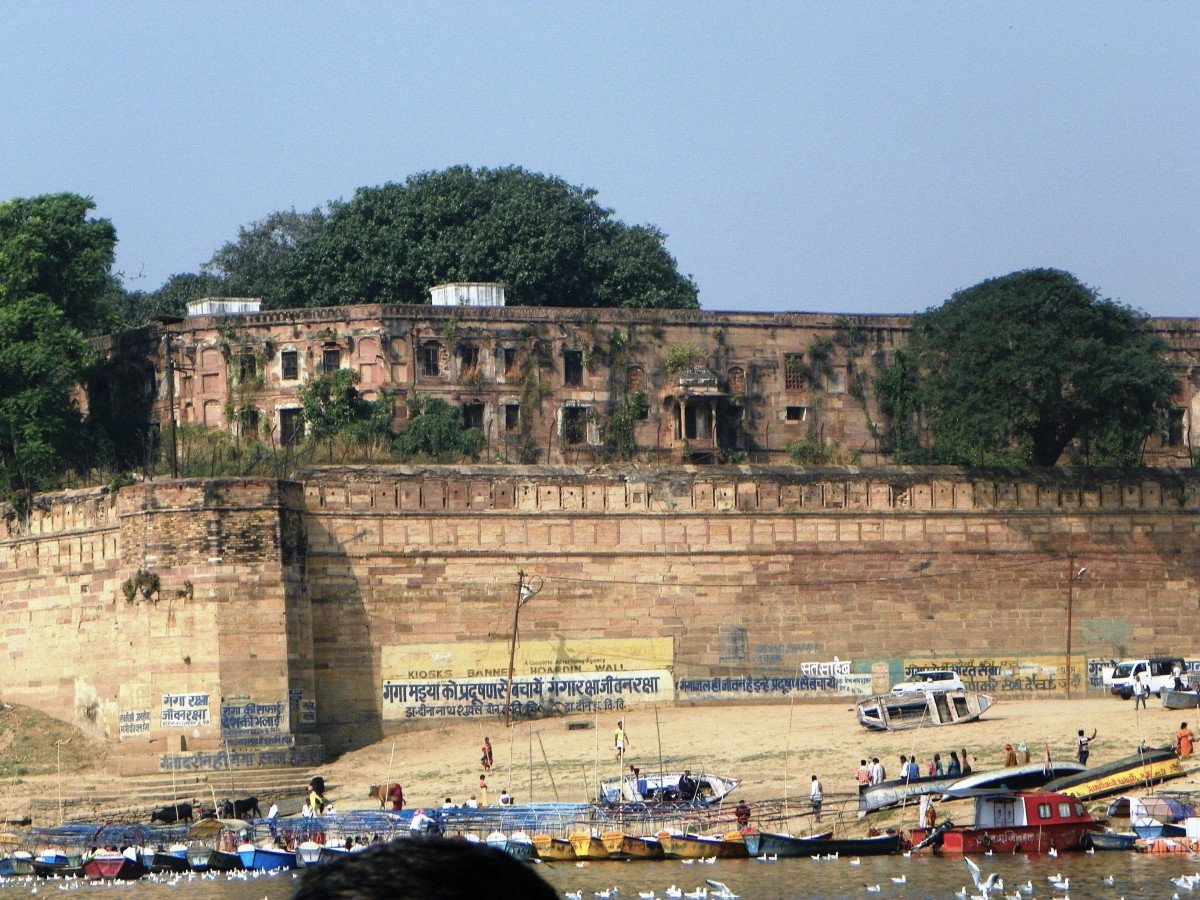
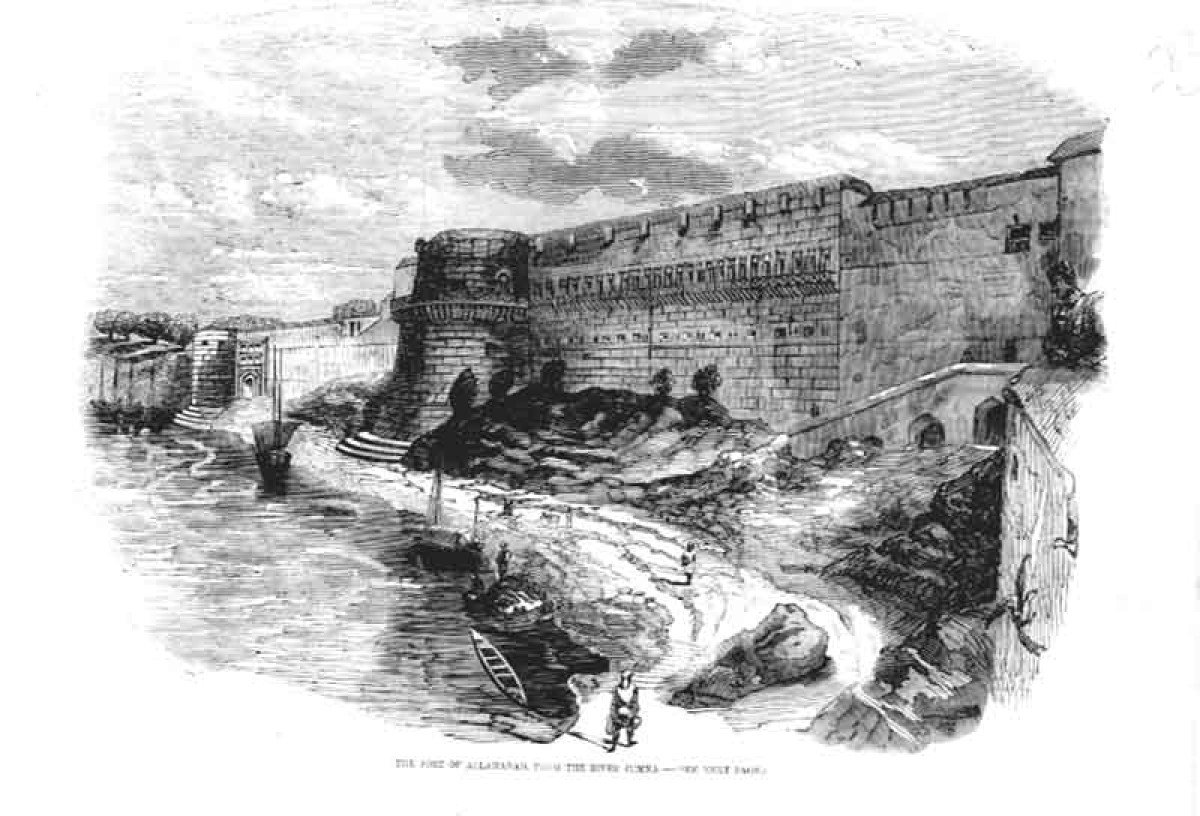
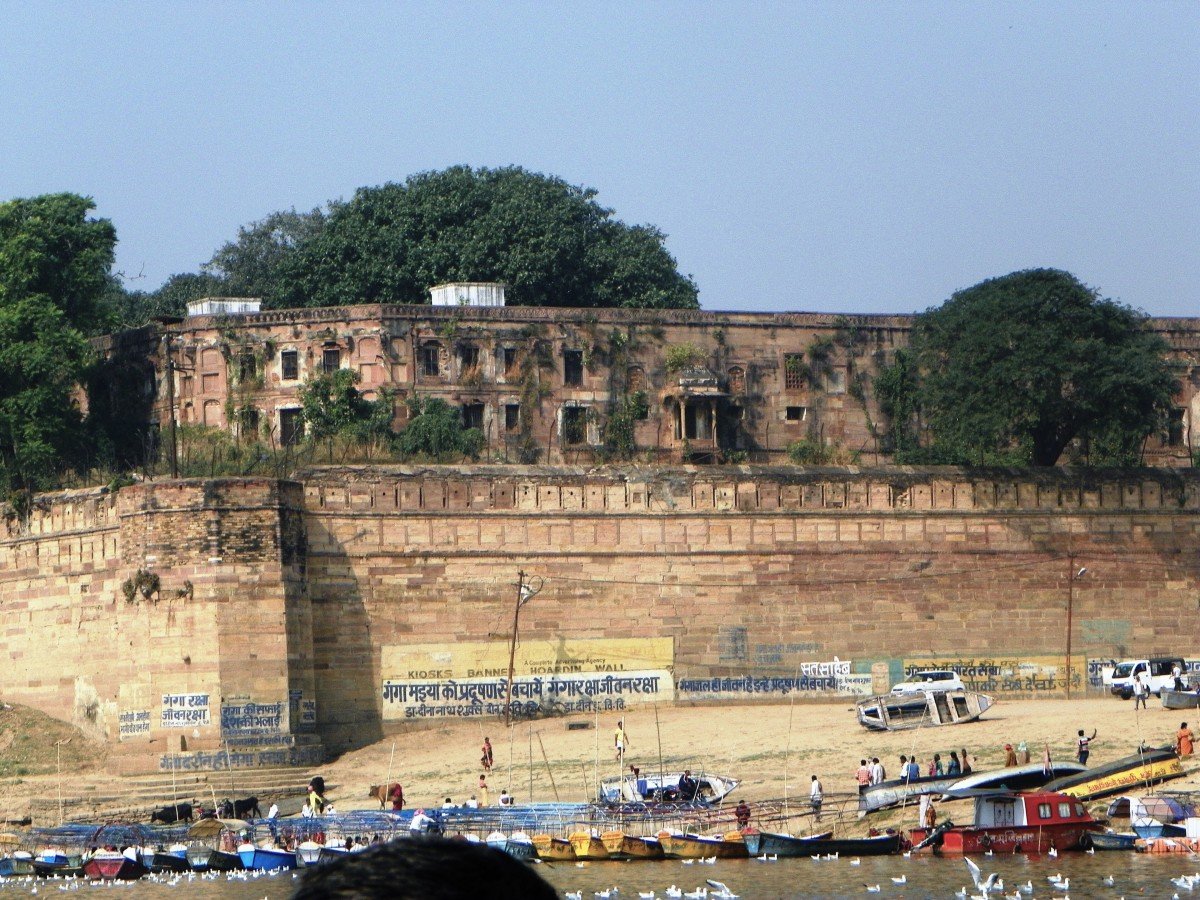
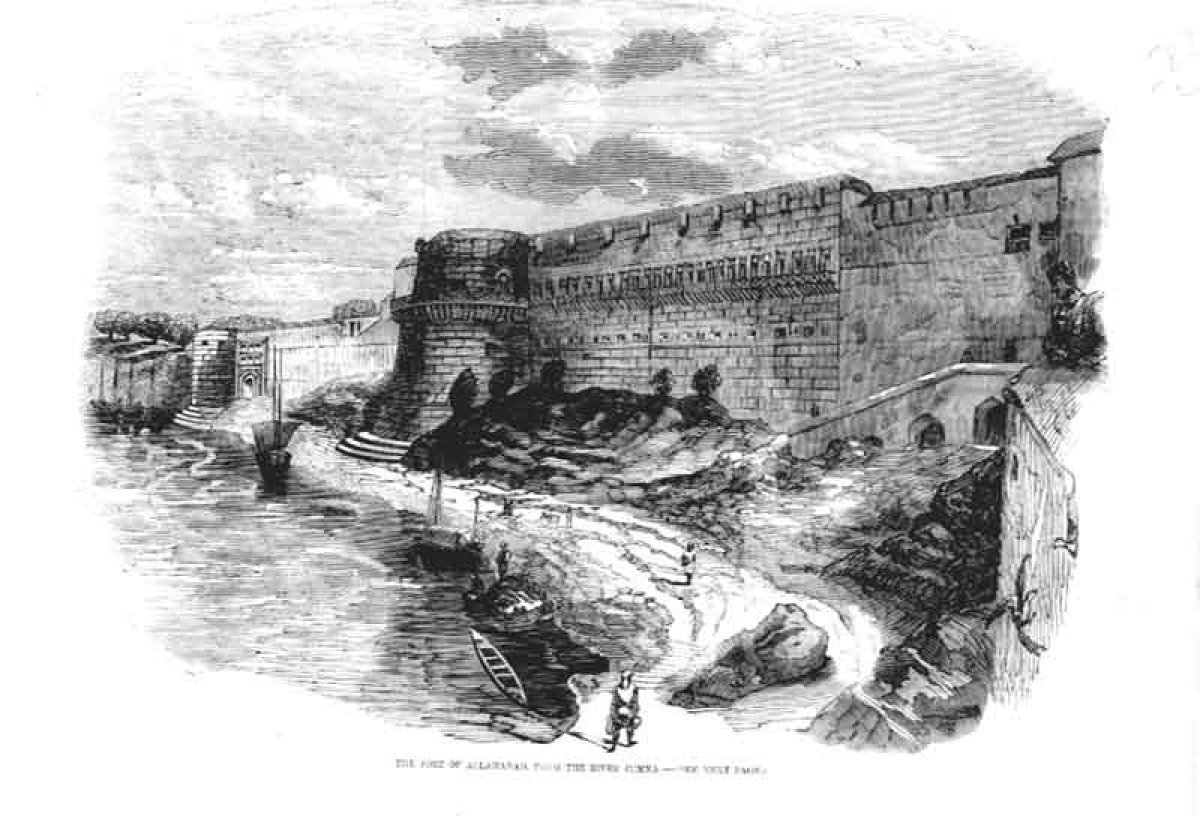
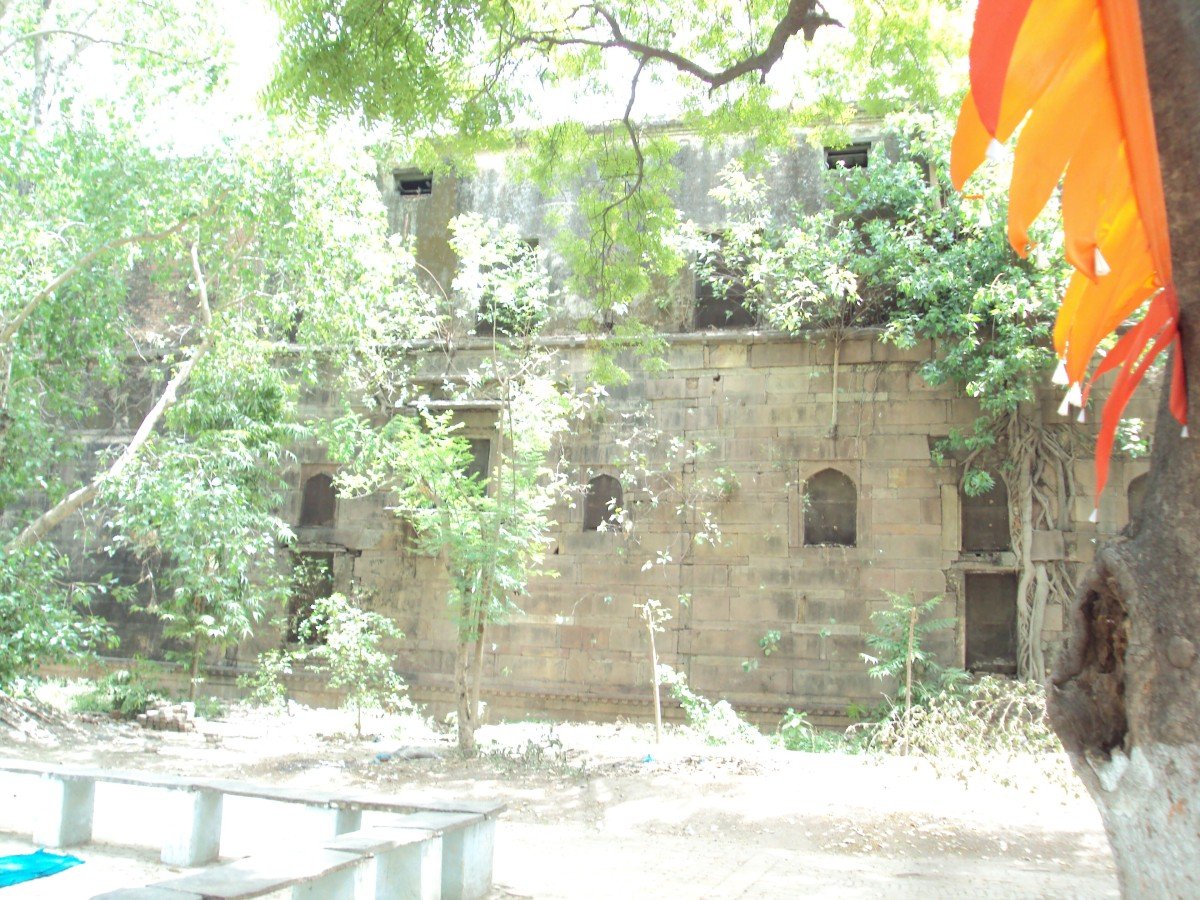
The Outer Walls from the River: The best shots are taken from a boat on the Yamuna at sunrise or sunset, capturing the fort's scale and reflection in the water.
The Ashoka Pillar: Close-up shots of the inscriptions on the ancient pillar.The Outer Walls from the River: The best shots are taken from a boat on the Yamuna at sunrise or sunset, capturing the fort's scale and reflection in the water.
The Ashoka Pillar: Close-up shots of the inscriptions on the ancient pillar.
Akshayavat Viewing Point: The point in the corridor where the tree and the temple shrines are visible.
The Fort Entrance Gateway: Capturing the grand archway and the blend of Mughal and British architectural styles at the public entry point.Photo Gallery

Things To Do
-
View the Confluence: Take a boat ride on the Yamuna River to see the massive outer walls of the fort rising from the water's edge, offering the most dramatic view of the architecture and its strategic location next to the Sangam.
Visit the Akshayavat: Pay respects at the Akshayavat (Immortal Banyan Tree) and the nearby Patalpuri Temple, which are the main draws for pilgrims.
See the Ashoka Pillar: Study the ancient pillar and its multi-layered historical inscriptions (Brahmi, Gupta, and Persian), which span nearly 2,000 years of Indian history.
Walk the Accessible Grounds: Explore the limited grounds open to the public, appreciating the colossal red sandstone walls and the defensive architecture of the Mughal and British periods.
Pho...View the Confluence: Take a boat ride on the Yamuna River to see the massive outer walls of the fort rising from the water's edge, offering the most dramatic view of the architecture and its strategic location next to the Sangam.
Visit the Akshayavat: Pay respects at the Akshayavat (Immortal Banyan Tree) and the nearby Patalpuri Temple, which are the main draws for pilgrims.
See the Ashoka Pillar: Study the ancient pillar and its multi-layered historical inscriptions (Brahmi, Gupta, and Persian), which span nearly 2,000 years of Indian history.
Walk the Accessible Grounds: Explore the limited grounds open to the public, appreciating the colossal red sandstone walls and the defensive architecture of the Mughal and British periods.
Photography: Capture the imposing military structure, the ancient pillar, and the sacred tree (where permitted).
Combine with Triveni Sangam: Since the fort is right next to the Sangam, plan your visit to coincide with a morning dip or a boat trip to the confluence point for a complete experience.
Information
-
Why Famous:
Strategic Location: It is famously located at the bank of the Yamuna River, right next to the Triveni Sangam, making it a highly strategic and spiritually significant location.
The Ashoka Pillar: It houses one of the most important surviving...Strategic Location: It is famously located at the bank of the Yamuna River, right next to the Triveni Sangam, making it a highly strategic and spiritually significant location.
The Ashoka Pillar: It houses one of the most important surviving pillars of Emperor Ashoka (3rd century BCE), which also bears inscriptions by the later Gupta Emperor Samudragupta and the Mughal Emperor Jahangir, making it a unique historical record.
Home of the Akshayavat: The fort is the permanent shelter for the revered Akshayavat (Immortal Banyan Tree) and the Patalpuri Temple, making a visit to the fort essential for completing the religious pilgrimage.
A Symbol of Imperial Power: It was the largest fort built by Akbar, standing as a testament to the might and architectural prowess of the Mughal Empire at its zenith. -
Architecture:
Architectural Style: The architecture is a powerful example of Mughal military design, characterized by high, massive, thick red sandstone walls, large bastions, and three main gateways (though only one is open to the public). The structure is rectangular in shape, covering...Architectural Style: The architecture is a powerful example of Mughal military design, characterized by high, massive, thick red sandstone walls, large bastions, and three main gateways (though only one is open to the public). The structure is rectangular in shape, covering an area of about 56 acres with a circumference of approximately 2. 5 km. The design shows an understanding of the river environment, with the walls rising above the river's edge.
Mughal and British Elements: Built by Akbar, it incorporates Mughal arches and domes, but later additions and modifications by the British, such as the Darwaza-i-Shahi (a gate built in 1856), introduced European/Gothic architectural elements and engineering. Internally, structures like Jahangir's Palace reflect the Mughal court style.
The Ashoka Pillar: A key architectural and historical feature is the 10. 6-meter high Ashoka Pillar inside. It is made of polished sandstone and is significant not for the fort’s architecture, but for its age (3rd century BCE) and its inscriptions in Brahmi script, which praise Emperor Ashoka’s edicts and later, the victories of Samudragupta. -
How To Reach:
By Air: The nearest airport is Prayagraj Airport (IXD), about 14 KM away. Take a taxi or pre-paid cab to the fort.
By Train: Prayagraj Junction (PRYJ) is the main station, about 7-8 KM away. The fort is easily reachable by auto-rickshaw or...By Air: The nearest airport is Prayagraj Airport (IXD), about 14 KM away. Take a taxi or pre-paid cab to the fort.
By Train: Prayagraj Junction (PRYJ) is the main station, about 7-8 KM away. The fort is easily reachable by auto-rickshaw or taxi.
By Road: The fort is situated at the edge of the city near the Sangam area. It is well-connected by all forms of local transport. Follow signage for Triveni Sangam; the fort is adjacent to it.
By Local Transport: Use an auto-rickshaw or a cycle-rickshaw. During the Mela season, traffic restrictions are common, and you may need to walk the final distance. -
Weather and Best Time to Visit:
Peak Season: October to March is the best time for pleasant weather. January is the peak month due to the Magh Mela and the spiritual energy of the Triveni Sangam.
Daytime Visit: The best time is sunrise or sunset to see the fort walls agai...Peak Season: October to March is the best time for pleasant weather. January is the peak month due to the Magh Mela and the spiritual energy of the Triveni Sangam.
Daytime Visit: The best time is sunrise or sunset to see the fort walls against the river and to manage the extreme heat of the mid-day sun (April to June). -
Near Tourist Places:
Triveni Sangam (0. 5 KM), Bade Hanumanji Mandir (1 KM), Akshayavat (0 KM - within the complex), Patalpuri Temple (0 KM - within the complex), Minto Park (3 KM), Alopi Devi Mandir (4 KM), Allahabad Museum (6 KM), Anand Bhavan (7 KM), Khusro Bagh (9 KM), Mankameshwar Mandir (2 KM).
Tourism Tips
-
Health & Safety: The fort is on the riverbank, so be cautious near the water. Respect the Indian Army's rules strictly; photography of military areas is forbidden.
Packing: Wear light, breathable clothing, and comfortable footwear. Carry ...Health & Safety: The fort is on the riverbank, so be cautious near the water. Respect the Indian Army's rules strictly; photography of military areas is forbidden.
Packing: Wear light, breathable clothing, and comfortable footwear. Carry sunglasses/hat and wear sunscreen, especially if planning a boat ride on the river.
Accommodation: Stay in Civil Lines for convenience or near the Sangam area if participating in a Mela.
Other Tips: Due to the limited access, focus on the major internal monuments (Akshayavat, Pillar). Always check the latest security regulations before planning a visit.
Reviews
FAQs
Prayagraj Itineray And Cost:-
Other Places In Prayagraj :-
Other States In India :-
Information about New and Updated Locations() of Uttar Pradesh Has Been Added :-
Card subtitle
Note:-
Information provided here in good Faith and for reference only.
Near Places
Akshayavat
Some quick example text to build on the card title and make up the bulk of the card's content.
Go somewhere
All Saints Cathedral
Some quick example text to build on the card title and make up the bulk of the card's content.
Go somewhere
Allahabad Fort
Some quick example text to build on the card title and make up the bulk of the card's content.
Go somewhere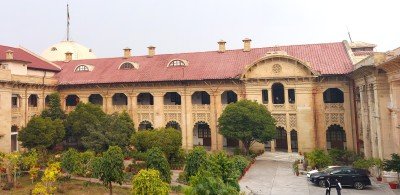
Allahabad High Court
Some quick example text to build on the card title and make up the bulk of the card's content.
Go somewhere
Allahabad Museum
Some quick example text to build on the card title and make up the bulk of the card's content.
Go somewhere
Allahabad Pillar
Some quick example text to build on the card title and make up the bulk of the card's content.
Go somewhere
Alopi Devi Mandir
Some quick example text to build on the card title and make up the bulk of the card's content.
Go somewhere
Anand Bhavan
Some quick example text to build on the card title and make up the bulk of the card's content.
Go somewhere
Bade Hanuman Ji Temple
Some quick example text to build on the card title and make up the bulk of the card's content.
Go somewhere
Chandra Shekhar Azad Park
Some quick example text to build on the card title and make up the bulk of the card's content.
Go somewhere
Clock Tower
Some quick example text to build on the card title and make up the bulk of the card's content.
Go somewhere
Jawahar Planetarium
Some quick example text to build on the card title and make up the bulk of the card's content.
Go somewhere
Kalyani Devi Temple
Some quick example text to build on the card title and make up the bulk of the card's content.
Go somewhere
Khusro Bagh
Some quick example text to build on the card title and make up the bulk of the card's content.
Go somewhere
Law Museum & Archives
Some quick example text to build on the card title and make up the bulk of the card's content.
Go somewhere
Mankameshwar Temple
Some quick example text to build on the card title and make up the bulk of the card's content.
Go somewherein Other Cities