

Akshayavat
General information
-
Ideal Duration:
30 Minutes - 1 Hour (As it is part of the Fort visit)Place Type:
Religious/Historical LandmarkEntry Fees:
General Entry: There is typically no separate entry fee to see the Akshayavat corridor itself, as it is treated as a religious viewing point.
The Fort Permission: Accessing the Allahabad Fort (within which the tree is located) may require a ...General Entry: There is typically no separate entry fee to see the Akshayavat corridor itself, as it is treated as a religious viewing point.
The Fort Permission: Accessing the Allahabad Fort (within which the tree is located) may require a nominal ticket or a free permit from the Indian Army (the fort's custodian) to enter the specific visitor-allowed section. This process is generally smooth during Mela season but can be restrictive or variable at other times.
Photography/Camera Fees: While often free, on rare occasions, a nominal camera fee might be levied by the local management (though usually not enforced). The experience is highly subsidized by the government and religious bodies to ensure free pilgrimage access to this hallowed spot for the devotees.Timing:
Regular Timings: Generally 7:00 AM to 6:00 PM or 8:00 PM daily, but the timings are highly dependent on the Indian Army's internal regulations and the seasonal crowd, particularly during the Magh Mela or Kumbh Mela.
Ideal Visit Time: Early m...Regular Timings: Generally 7:00 AM to 6:00 PM or 8:00 PM daily, but the timings are highly dependent on the Indian Army's internal regulations and the seasonal crowd, particularly during the Magh Mela or Kumbh Mela.
Ideal Visit Time: Early morning, just after opening (7:00 AM - 9:00 AM), offers a serene and less crowded spiritual experience, which is ideal for quiet reflection and worship. The site is a key pilgrimage spot, so visiting during Hindu festivals will be extremely crowded but offers a vibrant, once-in-a-lifetime atmosphere.Special Events:
Kumbh Mela/Magh Mela: The site, being inside the fort and near the Triveni Sangam, becomes a focal point during the massive Kumbh Mela (held every 12 years) and Magh Mela (annual festival in January/February). Access is usually completely opened to the general public only d...Kumbh Mela/Magh Mela: The site, being inside the fort and near the Triveni Sangam, becomes a focal point during the massive Kumbh Mela (held every 12 years) and Magh Mela (annual festival in January/February). Access is usually completely opened to the general public only during the Mela periods.
Akshay Navami: This Hindu festival, which usually falls in October or November, is a time when the worship of the Akshayavat is particularly auspicious, celebrating the day when the Krita Yuga (Golden Age) began and when the avatars of Lord Vishnu are worshipped.Best Photo Spots:
The Viewing Corridor: The specific point along the internal corridor or the opening where the tree is viewed, especially if you can frame the ancient roots and the surrounding temple statuary.
Outside the Fort Walls: Capturing the massive, i...The Viewing Corridor: The specific point along the internal corridor or the opening where the tree is viewed, especially if you can frame the ancient roots and the surrounding temple statuary.
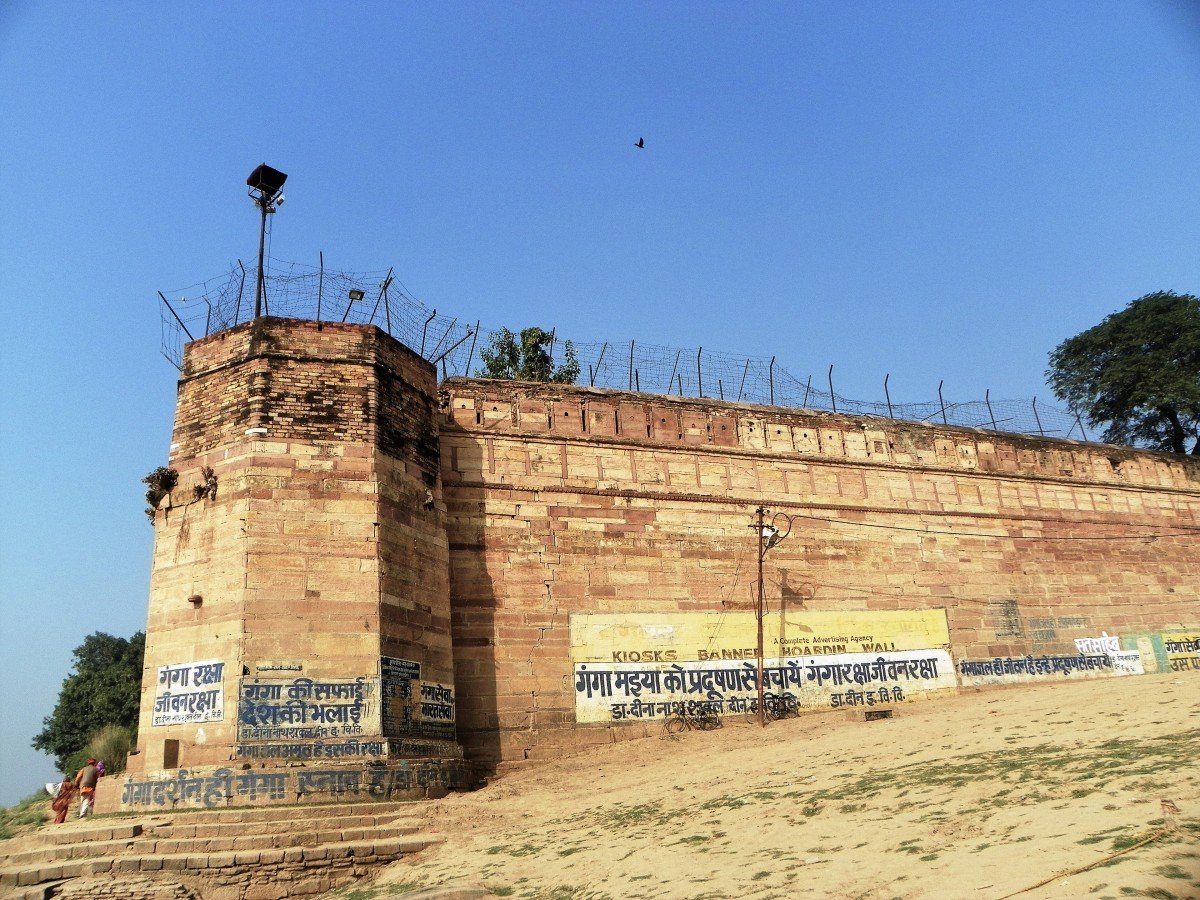
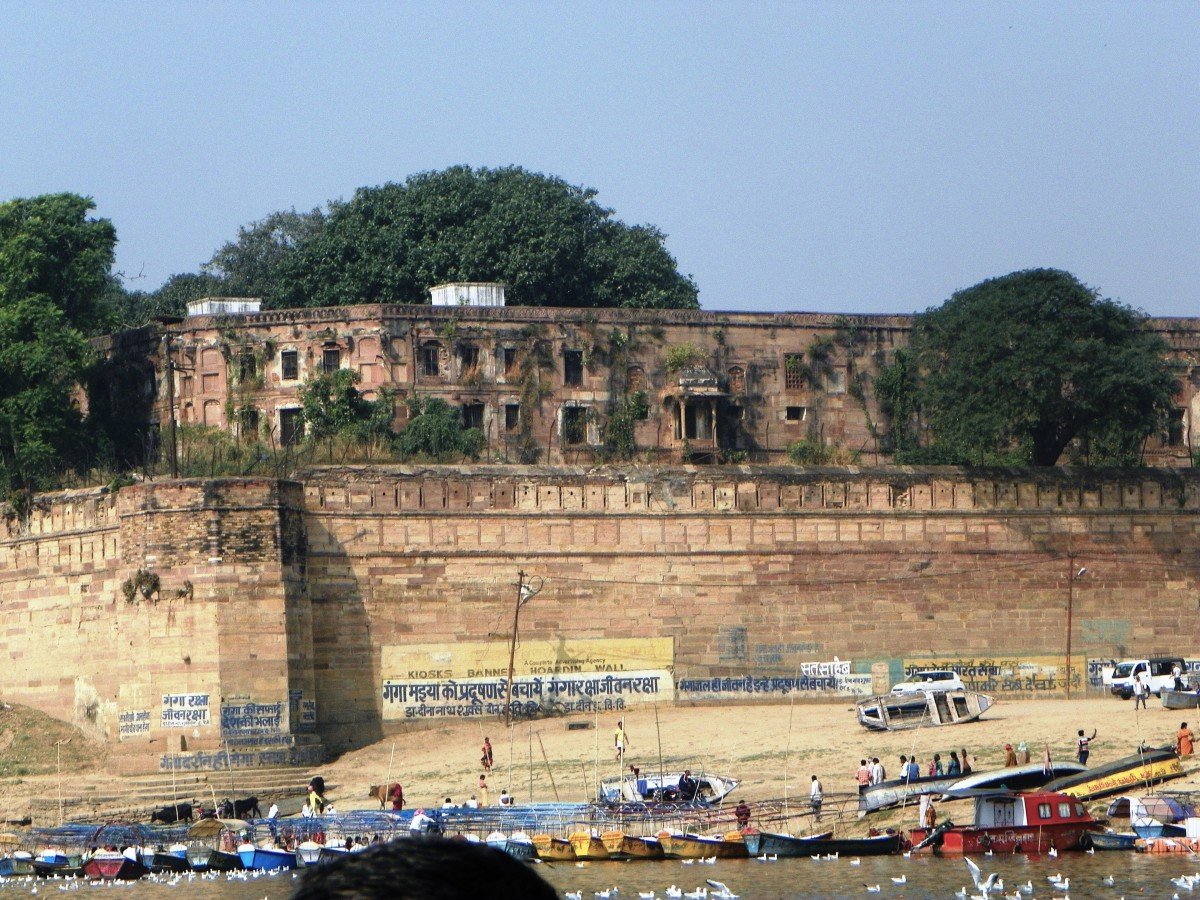
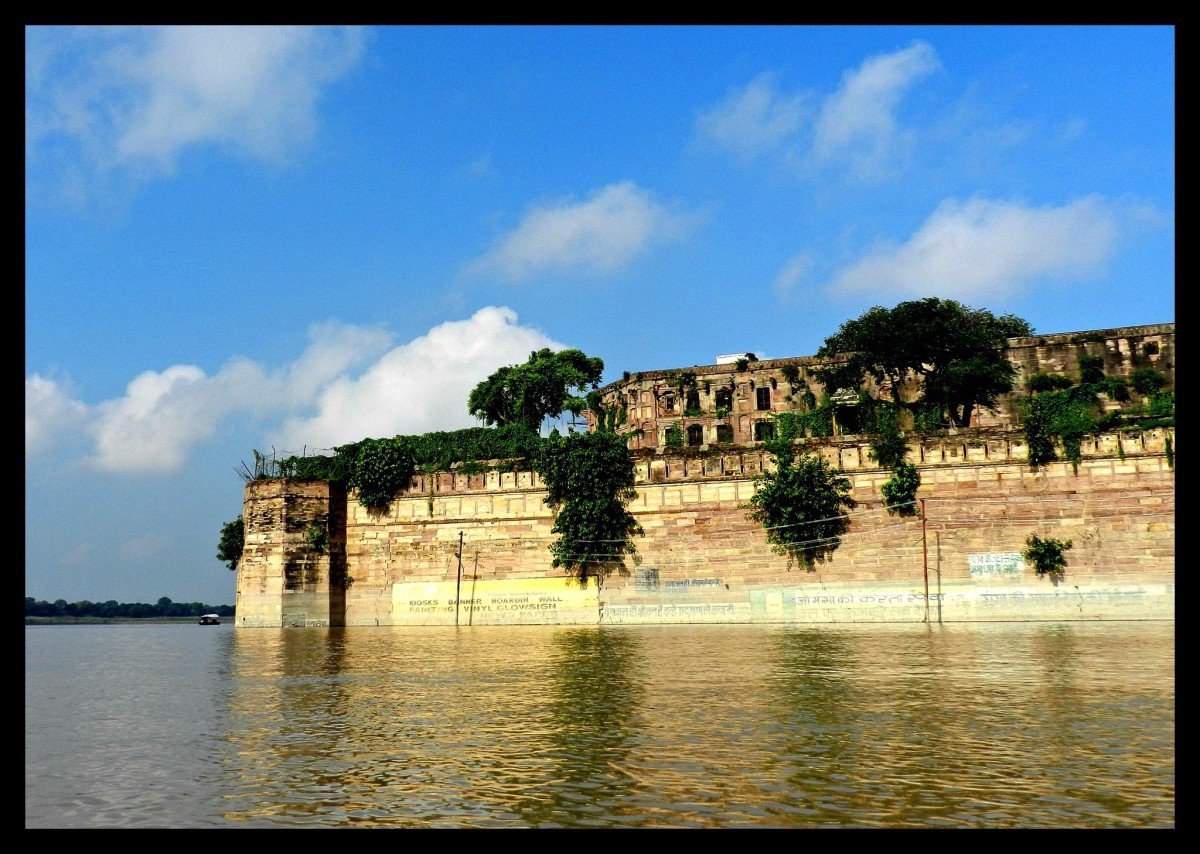
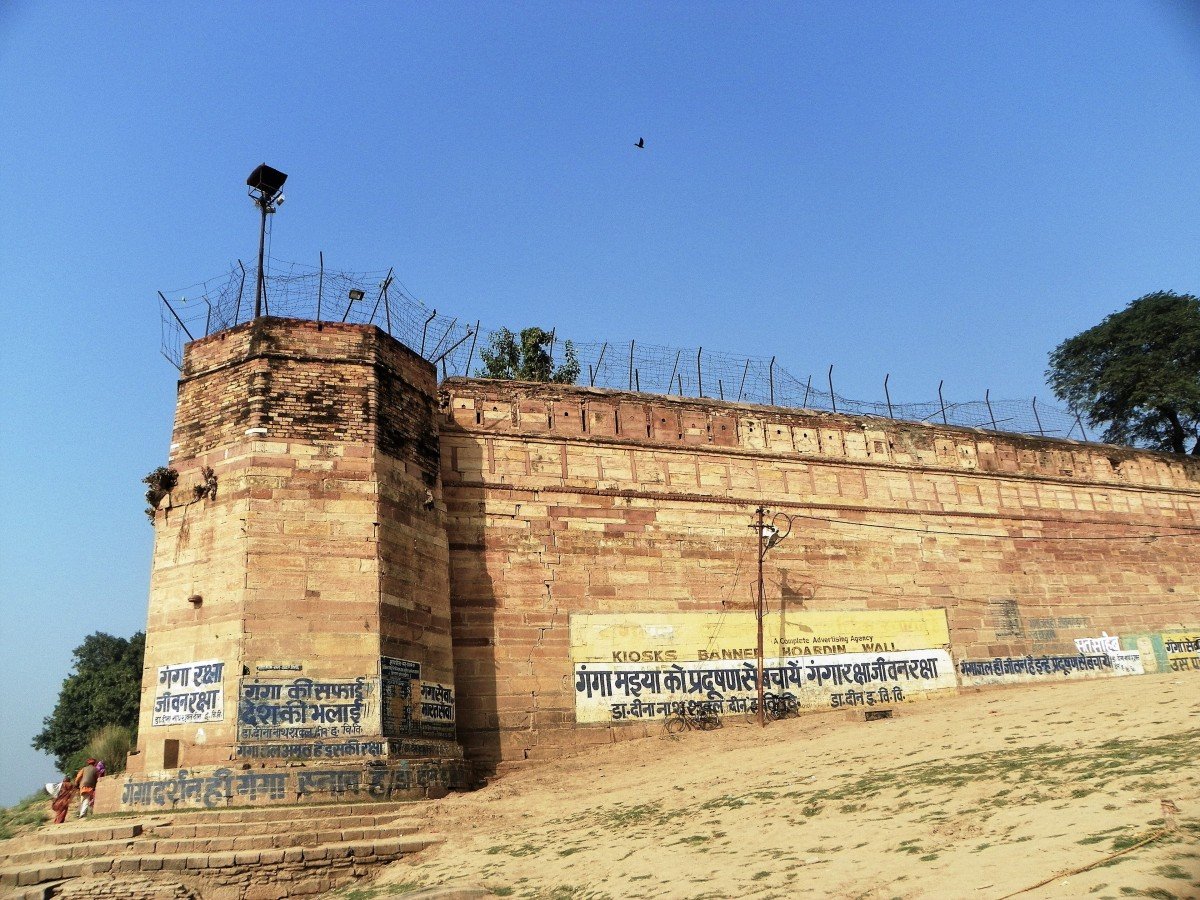
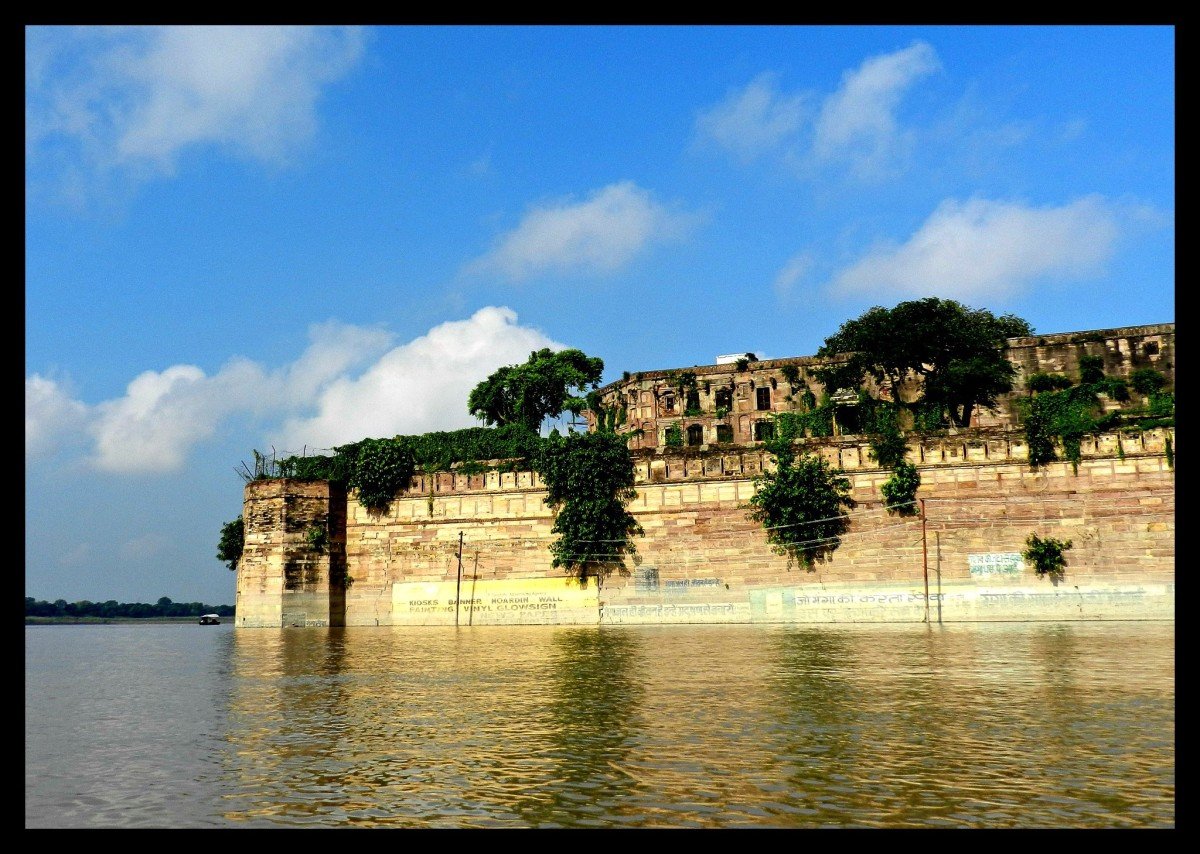
Outside the Fort Walls: Capturing the massive, imposing red sandstone walls of the Allahabad Fort from a boat on the Yamuna River provides a dramatic perspective on the military structure that houses this ancient sacred site.
The Patalpuri Temple Interior: The array of ancient statues inside the subterranean temple offers deep artistic and historical photo opportunities, capturing the intricate carvings on the deities.Photo Gallery
Things To Do
-
Engage in Pooja and Darshan (Worship): The primary activity is to offer prayers to the Akshayavat, revering it as a manifestation of Lord Vishnu, and to perform the darshan (sacred viewing) of the tree.
Meditate on the Legends: Take time to read about and reflect on the mythologies associated with the tree, including the tales of Sage Markandeya and the visit of Lord Rama.
Explore the Patalpuri Temple: Examine the numerous ancient shrines, idols, and pillars of the underground Patalpuri Temple that houses the tree’s roots, appreciating its unique subterranean architecture and historical significance within the fort's confines.
Visit the Saraswati Koop: Seek out the well believed to be the source of the mythical Saraswati River, which is near the tree, and absor...Engage in Pooja and Darshan (Worship): The primary activity is to offer prayers to the Akshayavat, revering it as a manifestation of Lord Vishnu, and to perform the darshan (sacred viewing) of the tree.
Meditate on the Legends: Take time to read about and reflect on the mythologies associated with the tree, including the tales of Sage Markandeya and the visit of Lord Rama.
Explore the Patalpuri Temple: Examine the numerous ancient shrines, idols, and pillars of the underground Patalpuri Temple that houses the tree’s roots, appreciating its unique subterranean architecture and historical significance within the fort's confines.
Visit the Saraswati Koop: Seek out the well believed to be the source of the mythical Saraswati River, which is near the tree, and absorb the spiritual atmosphere of the confluence of three rivers.
Connect the Dots: Note the physical proximity to the Ashoka Pillar and the outer walls of the Allahabad Fort overlooking the Yamuna River, understanding the confluence of religion, military power, and ancient history at this single location.
Photography (with permission): Capture the unique historical and religious architecture, though always be mindful and respectful of any restrictions from the Indian Army (especially since it is a restricted area).
Information
-
Why Famous:
The Immortal Tree: It is famously known as the 'Akshaya Vata', meaning the Indestructible Banyan Tree, a key icon in Hindu mythology representing eternity and the resilience of faith.
Association with Sangam: The pilgrimage to Prayagraj (for...The Immortal Tree: It is famously known as the 'Akshaya Vata', meaning the Indestructible Banyan Tree, a key icon in Hindu mythology representing eternity and the resilience of faith.
Association with Sangam: The pilgrimage to Prayagraj (formerly Allahabad) is considered incomplete without seeking darshan (blessed viewing) of the tree after a bath at the Triveni Sangam (confluence of Ganga, Yamuna, and mythical Saraswati rivers).
Historical Narratives: The tree is tied to the epic Ramayana, as it is believed that Lord Rama and his companions rested under it during their exile, and is also historically significant for being a point of ritual suicide for salvation, a practice the Mughal emperors sought to stop. -
Architecture:
Architectural Context: The Akshayavat itself is a living monument, but it is housed inside the ancient Patalpuri Temple, which is a subterranean or underground shrine within the ramparts of the Allahabad Fort. The temple structure, which was incorporated and adapted by Empe...Architectural Context: The Akshayavat itself is a living monument, but it is housed inside the ancient Patalpuri Temple, which is a subterranean or underground shrine within the ramparts of the Allahabad Fort. The temple structure, which was incorporated and adapted by Emperor Akbar in the 16th century during the construction of the fort, features an elevated mound and a tunnel access.
Temple Structure and Pillars: The Patalpuri Temple consists of multiple shrines and ancient idols arranged along its periphery, supported by rows of pillars. It is a unique example of a Hindu shrine that was effectively absorbed into a massive Mughal military structure. While the dimensions of the tree itself are organic, the Patalpuri temple is an enclosed space, often described as having seven rows of 12 columns each, dedicated to various deities and sages. It is built to house the sacred tree roots and the nearby Saraswati Koop (well). The architecture of the enclosing structures is stark, massive Mughal military design in red sandstone, creating a powerful contrast with the sacred, ancient shrine it contains. -
How To Reach:
By Air: The nearest airport is Prayagraj Airport (IXD), about 12-15 KM away. Take a pre-paid taxi or cab from the airport to the Allahabad Fort.
By Train: Prayagraj Junction (PRYJ) is the main railway station, about 7 KM away. The fort is ...By Air: The nearest airport is Prayagraj Airport (IXD), about 12-15 KM away. Take a pre-paid taxi or cab from the airport to the Allahabad Fort.
By Train: Prayagraj Junction (PRYJ) is the main railway station, about 7 KM away. The fort is easily accessible from here by auto-rickshaw or taxi. Prayagraj Rambag (PRRB) and Naini (NYN) are other nearby stations.
By Road: The fort is well-connected by city bus services, taxis, and auto-rickshaws. It is located near the Triveni Sangam bridge.
By Local Transport: Use cycle-rickshaws or auto-rickshaws. Many visitors choose to take a shared taxi or auto to the Sangam area and walk to the fort's entrance. Note that the area can be congested during peak tourist/festival seasons. -
Weather and Best Time to Visit:
Peak Season: October to March is the best time for comfortable weather (cool and pleasant). The period of the Magh Mela (January-February) offers a vibrant spiritual experience, though it will be extremely crowded.
Daytime Visit: The best t...Peak Season: October to March is the best time for comfortable weather (cool and pleasant). The period of the Magh Mela (January-February) offers a vibrant spiritual experience, though it will be extremely crowded.
Daytime Visit: The best time of day is the early morning (7:00 AM - 10:00 AM) to avoid the mid-day heat and large crowds. -
Near Tourist Places:
Triveni Sangam (1 KM), Bade Hanumanji Mandir (1. 5 KM), Allahabad Fort (0 KM - within the complex), Allahabad Pillar (0 KM - within the complex), Khusro Bagh (8 KM), Minto Park (4 KM), Allahabad Museum (5 KM), Anand Bhavan (6 KM), Alopi Devi Mandir (4 KM), Mankameshwar Mandir (2 KM).
Tourism Tips
-
Health & Safety: Carry a water bottle, especially during the hot April to June months. Be mindful of personal belongings in crowded areas (like the Mela). Since the fort is an Indian Army area, follow all posted rules and refrain from photography in restricted zones.
<...Health & Safety: Carry a water bottle, especially during the hot April to June months. Be mindful of personal belongings in crowded areas (like the Mela). Since the fort is an Indian Army area, follow all posted rules and refrain from photography in restricted zones.
Packing: Wear comfortable walking shoes, as the fort grounds and temple involve walking. Dress respectfully, covering the shoulders and knees, as it is a highly sacred religious site within a military complex.
Accommodation: Stay in the Civil Lines area for modern hotels or consider a pilgrimage camp during the Magh Mela season for a traditional experience.
Other Tips: Combine the visit with a boat ride to the Triveni Sangam for a complete experience of the spiritual confluence. The fort entry can be complex, so verify access rules before planning an in-depth visit.
Reviews
FAQs
Prayagraj Itineray And Cost:-
Other Places In Prayagraj :-
Other States In India :-
Information about New and Updated Locations() of Uttar Pradesh Has Been Added :-
Card subtitle
Note:-
Information provided here in good Faith and for reference only.
Near Places
Akshayavat
Some quick example text to build on the card title and make up the bulk of the card's content.
Go somewhere
All Saints Cathedral
Some quick example text to build on the card title and make up the bulk of the card's content.
Go somewhere
Allahabad Fort
Some quick example text to build on the card title and make up the bulk of the card's content.
Go somewhere
Allahabad High Court
Some quick example text to build on the card title and make up the bulk of the card's content.
Go somewhere
Allahabad Museum
Some quick example text to build on the card title and make up the bulk of the card's content.
Go somewhere
Allahabad Pillar
Some quick example text to build on the card title and make up the bulk of the card's content.
Go somewhere
Alopi Devi Mandir
Some quick example text to build on the card title and make up the bulk of the card's content.
Go somewhere
Anand Bhavan
Some quick example text to build on the card title and make up the bulk of the card's content.
Go somewhere
Bade Hanuman Ji Temple
Some quick example text to build on the card title and make up the bulk of the card's content.
Go somewhere
Chandra Shekhar Azad Park
Some quick example text to build on the card title and make up the bulk of the card's content.
Go somewhere
Clock Tower
Some quick example text to build on the card title and make up the bulk of the card's content.
Go somewhere
Jawahar Planetarium
Some quick example text to build on the card title and make up the bulk of the card's content.
Go somewhere
Kalyani Devi Temple
Some quick example text to build on the card title and make up the bulk of the card's content.
Go somewhere
Khusro Bagh
Some quick example text to build on the card title and make up the bulk of the card's content.
Go somewhere
Law Museum & Archives
Some quick example text to build on the card title and make up the bulk of the card's content.
Go somewhere
Mankameshwar Temple
Some quick example text to build on the card title and make up the bulk of the card's content.
Go somewherein Other Cities