Anandeshwar Temple
General information
-
Ideal Duration:
1-2 HoursPlace Type:
Religious / Temple / Pilgrimage SiteEntry Fees:
Entry is Completely Free: Unlike many other major tourist attractions, the Anandeshwar Temple (Parmat Mandir) has No Entry Fee for visitors or devotees. This policy reflects its status as a place of worship open to all.
Two hundred words detail...Entry is Completely Free: Unlike many other major tourist attractions, the Anandeshwar Temple (Parmat Mandir) has No Entry Fee for visitors or devotees. This policy reflects its status as a place of worship open to all.
Two hundred words detailing fees:
Donations and Offerings: While entry is free, visitors are welcome to make a voluntary donation (Daana) to the temple for its maintenance and charitable activities. Offerings such as flowers, prasad (sweets), milk, and water for the Abhishek are purchased from vendors outside the temple and are a personal expense, not a mandatory fee.
Fees for Special Rituals: Some specialized private rituals (Pooja or Abhishek) conducted by the temple priests for individuals or families may require a nominal fee or a contribution to the temple trust, which should be inquired about directly with the temple administration or designated priests. The evening Ganga Aarti at the ghat is also free to attend and witness.Timing:
Regular Darshan Timings: The temple is generally open for Darshan (viewing of the deity) from 6:00 AM to 9:00 PM daily, seven days a week, allowing devotees ample time throughout the day to offer prayers.
Two hundred words detailing timings:...Regular Darshan Timings: The temple is generally open for Darshan (viewing of the deity) from 6:00 AM to 9:00 PM daily, seven days a week, allowing devotees ample time throughout the day to offer prayers.
Two hundred words detailing timings:
Ideal Visit Time: The ideal time for a visit is the Early Morning (6:00 AM to 8:00 AM) for a peaceful darshan before the crowds, or the Evening (5:30 PM to 7:30 PM) to combine the temple visit with the spectacular Ganga Aarti at Parmat Ghat. This window is also relatively cooler, making the atmosphere more pleasant.
Aarti Timings:
The temple has fixed daily Aarti schedules: Mangala Aarti in the early morning and the main Sandhya Aarti (evening prayer) followed by the grand Ganga Aarti at the ghat. Visitors should check the current specific times locally as they can vary slightly with the seasons.
Peak Season Crowds: Expect extremely high footfall and crowded conditions during the entire month of Shravan (especially Mondays) and on the festival of Maha Shivaratri.Special Events:
Maha Shivaratri Grand Celebration: The most significant annual special event is the grand celebration of Maha Shivaratri (usually in February or March), the Great Night of Lord Shiva. The temple remains open all night, attracting thousands of pilgrims who perform continuous...Maha Shivaratri Grand Celebration: The most significant annual special event is the grand celebration of Maha Shivaratri (usually in February or March), the Great Night of Lord Shiva. The temple remains open all night, attracting thousands of pilgrims who perform continuous prayers, fasts, and Abhishek ceremonies.
Two hundred words detailing events: A massive religious fair (Mela) is held around the temple premises, featuring processions, devotional songs (bhajans), and a palpable atmosphere of deep devotion, making it the most vibrant and crowded day of the year.
The Holy Shravan Month: The entire month of Shravan (usually July/August) is a special period. Every Monday of this month is marked by extraordinary crowds, special rituals, and continuous chanting (Japa and Kirtan). The flow of Kawariyas pilgrims, who carry water from the Ganges, peaks during this time, transforming the ghat and the temple into a massive, devoted congregation and a sight of incredible spiritual energy.Best Photo Spots:
View from Parmat Ghat: The best photo spot is arguably from the Parmat Ghat itself, especially at sunset, capturing the temple's silhouette against the vibrant colors of the sky and the flowing Ganges river. This vantage point is perfect for landscape and atmospheric shots,...View from Parmat Ghat: The best photo spot is arguably from the Parmat Ghat itself, especially at sunset, capturing the temple's silhouette against the vibrant colors of the sky and the flowing Ganges river. This vantage point is perfect for landscape and atmospheric shots, emphasizing the temple's sacred location.
Three hundred words detailing spots:
The Ganga Aarti Platform: The platform where the Ganga Aarti is performed in the evening provides exceptional photo opportunities, particularly capturing the priests performing the ritual with large lamps. The play of firelight against the darkening river and the crowds of devotees creates powerful, dramatic, and culturally rich images. It is best to arrive early to secure a spot directly opposite the ceremony.
Temple Entrance and Carvings: Close-up shots of the detailed stone carvings at the main entrance and on the walls of the temple are ideal for architectural and detail photography. The intricate work, often depicting Hindu mythological scenes, provides a rich texture and historical context for your photographs.
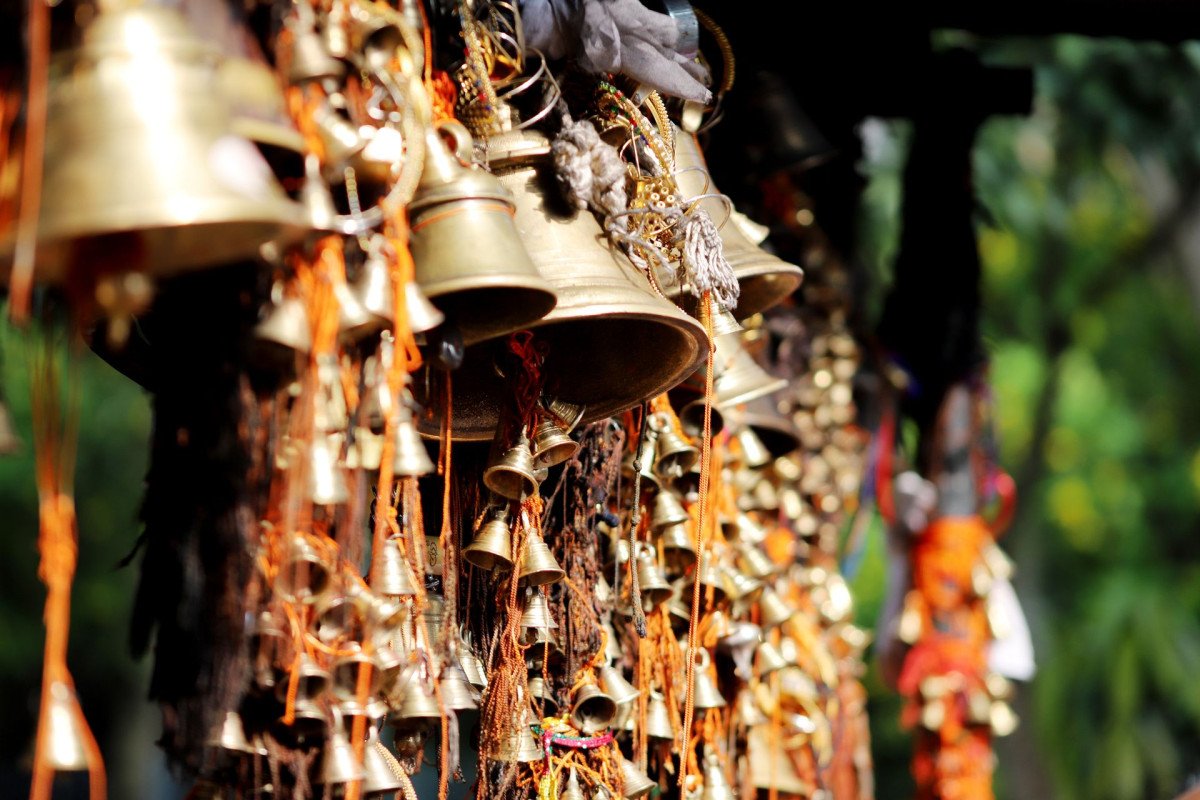
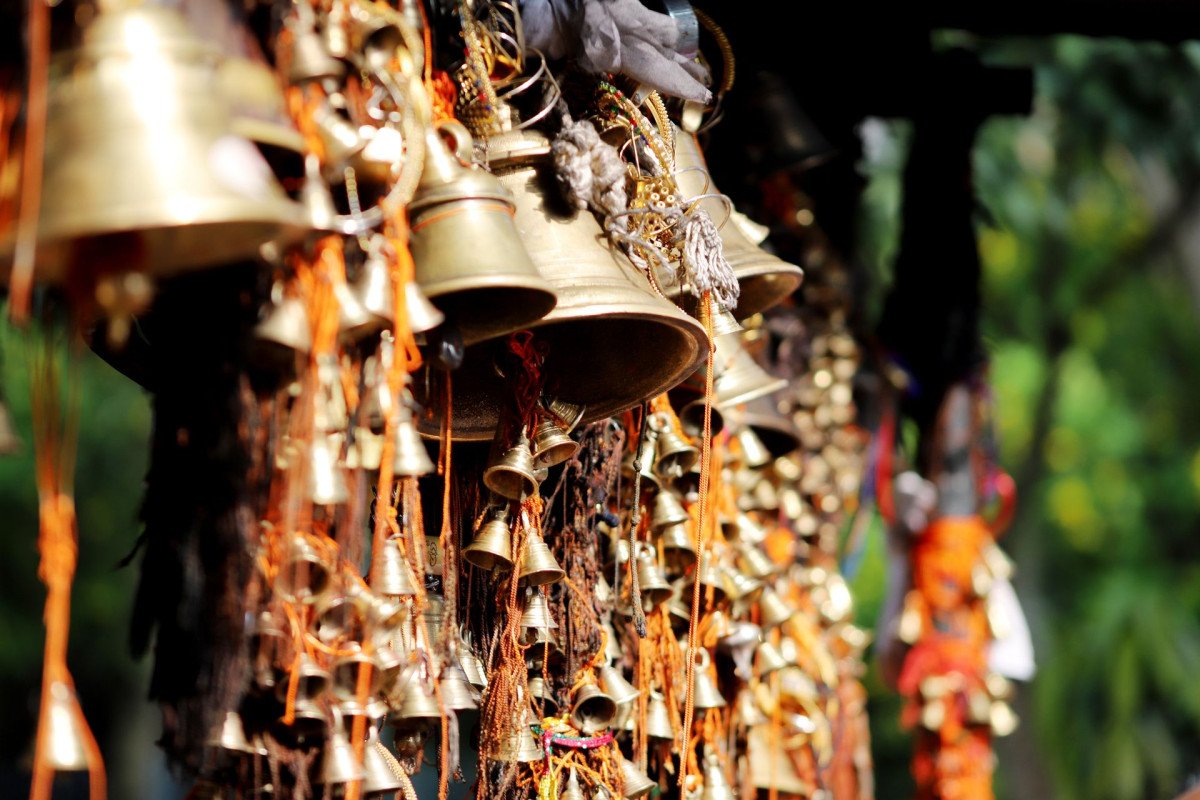
The Main Courtyard: Capturing the wide-angle view of the temple's courtyard, especially during the morning or evening aartis, is great for depicting the scale of devotion. This spot allows you to frame the main shrine with the devotees ringing the bells, creating a sense of dynamic spiritual movement and communal worship.Photo Gallery
Things To Do
-
Offering Prayers and Seeking Blessings: The foremost activity is participating in the daily rituals and aartis and offering prayers to Lord Anandeshwar (Shiva), particularly by pouring water or milk over the Shiva Lingam and offering Bilva leaves.
Seven hundred words detailing activities:
Witnessing the Ganga Aarti: Plan your visit to coincide with the evening for the spectacular Ganga Aarti at Parmat Ghat, immediately adjacent to the temple. This is a sensory feast of fire, light, music (kirtan), and devotional fervor, providing a deeply memorable spiritual experience. Ensure you arrive early to secure a good viewing spot.
Taking a Holy Dip in the Ganges: Devotees often take a ritual bath (Ganga Snan) in the sacred Ganges river at Parmat Ghat before entering th...Offering Prayers and Seeking Blessings: The foremost activity is participating in the daily rituals and aartis and offering prayers to Lord Anandeshwar (Shiva), particularly by pouring water or milk over the Shiva Lingam and offering Bilva leaves.
Seven hundred words detailing activities:
Witnessing the Ganga Aarti: Plan your visit to coincide with the evening for the spectacular Ganga Aarti at Parmat Ghat, immediately adjacent to the temple. This is a sensory feast of fire, light, music (kirtan), and devotional fervor, providing a deeply memorable spiritual experience. Ensure you arrive early to secure a good viewing spot.
Taking a Holy Dip in the Ganges: Devotees often take a ritual bath (Ganga Snan) in the sacred Ganges river at Parmat Ghat before entering the temple for darshan. This act is considered highly meritorious and purifying, especially during auspicious times like Purnima or Amavasya.
Participating in Shravan Monday Worship: If your visit aligns with the Hindu month of Shravan (usually July-August), make a point to attend the Monday morning worship, which features an intense, vibrant atmosphere of devotion, continuous chanting, and elaborate Abhishek rituals.
Exploring the Ghat and Riverside: Take a peaceful walk along the Parmat Ghat and the riverbank. This area offers stunning views of the Ganges and is a great spot for reflection, people-watching, and soaking in the tranquil yet bustling atmosphere of a holy river city. Small boats are sometimes available for a short, serene ride on the river (seasonal).
Admiring the Temple Architecture: Spend time appreciating the traditional temple architecture, focusing on the intricate carvings at the entrance and on the smaller shrines. Notice the countless bells and the overall layout of the courtyard designed for large gatherings of devotees.
Engaging with Religious Discourse: During festival days or Sunday afternoons, the temple premises often host religious discourses (Katha) or Kirtans (devotional singing) organized by local religious groups. Attending these gatherings is an enriching way to learn more about Hindu philosophy and tradition.
Sampling Local Food and Offerings: Purchase traditional prasad (holy offering) from the stalls outside the temple. The streets surrounding the temple and ghat are filled with vendors selling flowers, sweets, and religious paraphernalia, providing a vibrant cultural experience.
Information
-
Why Famous:
Ancient Origin and Mythology: The primary reason for the temple's fame is its deep, legendary connection to the Mahabharata era, particularly the warrior Karna, and the mythological story of the cow Anandi revealing the hidden Shiva Lingam. This ancient, storied past establ...Ancient Origin and Mythology: The primary reason for the temple's fame is its deep, legendary connection to the Mahabharata era, particularly the warrior Karna, and the mythological story of the cow Anandi revealing the hidden Shiva Lingam. This ancient, storied past establishes the temple's profound spiritual significance, drawing pilgrims who seek blessings from a site believed to be divinely manifested and historically potent.
Location on the Holy Ganges: Its strategic and beautiful location right on the bank of the River Ganges at Parmat Ghat is a major draw. This confluence of the divine river and the sacred Shiva shrine makes it an especially auspicious place for rituals. The Ganga Aarti performed every evening at Parmat Ghat near the temple is a spectacular and famous event, attracting both devotees and tourists alike for its captivating spiritual performance.
Spiritual Hub during Shravan: The temple becomes the most significant spiritual hub in Kanpur during the entire holy month of Shravan (usually in July or August), which is dedicated to Lord Shiva. Lakhs of devotees, including many Kawariyas (pilgrims carrying holy Ganga water), throng the temple, especially on Mondays, for special prayers, Abhishek (ritual bathing of the idol), and offerings, making it famous for its vibrant devotional atmosphere. -
Architecture:
Traditional Hindu Architecture: The architecture of Anandeshwar Temple adheres to the traditional elements found in many North Indian Hindu shrines. It features a main Sanctum Sanctorum (Garbhagriha) housing the magnificent, immovable Shiva Lingam. The entrance is typicall...Traditional Hindu Architecture: The architecture of Anandeshwar Temple adheres to the traditional elements found in many North Indian Hindu shrines. It features a main Sanctum Sanctorum (Garbhagriha) housing the magnificent, immovable Shiva Lingam. The entrance is typically adorned with detailed stone carvings depicting Hindu deities and mythological scenes, guiding devotees into the main worship hall.
Temple Complex Dimensions: The temple complex is not a single towering structure but a cluster of shrines and a spacious courtyard designed for congregational worship. The overall complex is quite vast, incorporating the main temple structure, several smaller shrines dedicated to other deities (including Goddess Parvati and Lord Ganesha), and a large area for assembly. The key architectural feature is its direct integration with the Parmat Ghat, meaning the temple essentially opens out onto the sacred river bank, a dimension that defines its spiritual importance.
Decorative Elements and Bells: The temple is embellished with exquisite, though possibly later, intricate carvings on its walls and pillars. A distinctive feature is the proliferation of bells hanging throughout the temple grounds, which devotees ring upon entering and exiting, creating a constant, resonant, spiritual soundscape. The architecture is sturdy, built to withstand the annual monsoon and proximity to the river, focusing on spiritual utility and durability rather than purely elaborate, ornate facades. -
How To Reach:
By Air (Airport to Temple): The nearest airport is Kanpur Airport (KNU), located about 25 KMS away. A direct taxi or cab can be hired from the airport to Parmat Ghat, which will take approximately 45-60 minutes.
Four hundred words detailing tra...By Air (Airport to Temple): The nearest airport is Kanpur Airport (KNU), located about 25 KMS away. A direct taxi or cab can be hired from the airport to Parmat Ghat, which will take approximately 45-60 minutes.
Four hundred words detailing transport:
By Train (Railway Station to Temple): The closest major station is Kanpur Central Railway Station (CNB), located only about 7-8 KMS from the temple. From the station, the easiest way to reach the temple is by hiring a reserved auto-rickshaw or a cab. The journey usually takes around 20 minutes, depending on traffic conditions in the inner city. Taxis are also readily available outside the station.
By Road (Bus/Car): The temple is situated in the central-northern part of the city and is well-connected by city roads. The nearest inter-city bus stop is the Jhakarkati Bus Terminal. From there, you can take a local bus or a tempo/auto-rickshaw directly to the Parmat area. The road journey from the bus stand takes approximately 25-30 minutes. Ample parking is often available near the ghat area, though it can be congested on peak religious days.
By Local Transport: Within Kanpur, local transport is very accessible. Shared and reserved auto-rickshaws are the most common and economical way to reach the temple. Simply ask to go to Parmat Mandir or Parmat Ghat. City buses also serve the area, stopping close to the ghat. Given the narrow lanes typical of an old temple area, using a smaller vehicle like an auto-rickshaw is often more convenient than a large car. -
Weather and Best Time to Visit:
Seasons: The Best Time to Visit is during the Winter Season (October to March). The cool and pleasant weather, with moderate temperatures, is perfect for the spiritual experience, especially if you plan to attend the evening Ganga Aarti at the ghat. Summer (April to June) ...Seasons: The Best Time to Visit is during the Winter Season (October to March). The cool and pleasant weather, with moderate temperatures, is perfect for the spiritual experience, especially if you plan to attend the evening Ganga Aarti at the ghat. Summer (April to June) can be uncomfortably hot, while the Monsoon (July to September) is considered highly auspicious, especially the month of Shravan, despite the frequent rainfall.
Three hundred words detailing seasons:
Part of the Day: The most ideal time is the Evening (around 5:00 PM to 7:30 PM) to witness the breathtaking Ganga Aarti, which is the highlight of the location. The atmosphere at dusk is serene and spiritually charged. The Early Morning is also a great time for a quiet darshan and enjoying the cool, fresh air by the riverbank. Avoid the midday heat for a more comfortable experience, especially in the summer. If visiting during Shravan, be prepared for heavy crowds at all times, but the early morning on Mondays is the most significant time for devotees. -
Near Tourist Places:
Phool Bagh (Ganesh Udyan) (5 KMS), Moti Jheel (6 KMS), Nana Rao Park (7 KMS), Shri Radhakrishna Temple (JK Temple) (7 KMS), Green Park Stadium (8 KMS), Allen Forest Zoo (10 KMS), Ganga Barrage (10 KMS), Japanese Garden (10 KMS), Jain Glass Temple (12 KMS), ISKCON Temple (15 KMS).
Tourism Tips
-
Health & Safety: Be mindful of your steps around the Ghats as they can be slippery, especially during or after the monsoon. If taking a dip in the Ganges, be cautious of the current and stick to the shallow, marked areas.
Four hundred words det...Health & Safety: Be mindful of your steps around the Ghats as they can be slippery, especially during or after the monsoon. If taking a dip in the Ganges, be cautious of the current and stick to the shallow, marked areas.
Four hundred words detailing tips:
Packing Essentials: Dress modestly as a sign of respect, covering shoulders and knees. Carry a small bag for your essentials and leave expensive items in your accommodation. A hand towel is useful if you plan to wash your hands or feet at the ghat. Carry a simple offering of flowers or a bottle of water if you wish to perform a small puja.
Accommodation: The temple is centrally located, making it easy to access from most areas of Kanpur. Accommodation in Civil Lines or near Mall Road offers convenience and proximity to good dining options. Book in advance if traveling during peak festival times like Maha Shivaratri or Shravan.
Other Important Tips: Remove your footwear outside the temple premises. Be respectful of the priests and the rituals. Bargain politely with auto-rickshaw drivers, or use ride-sharing apps for fixed fares. The area can be very crowded during festivals, so keep a close watch on your belongings. Photography is usually permitted outside the main Garbhagriha but always be discrete and respectful, especially during aarti and prayer times.
Reviews
FAQs
Kanpur Itineray And Cost:-
Anandeshwar Temple Tourism:-
Other Places In Kanpur :-
Other States In India :-
Information about New and Updated Locations() of Uttar Pradesh Has Been Added :-
Card subtitle
Note:-
Information provided here in good Faith and for reference only.
Near Places

Allen Forest Zoo
Some quick example text to build on the card title and make up the bulk of the card's content.
Go somewhere
Anandeshwar Temple
Some quick example text to build on the card title and make up the bulk of the card's content.
Go somewhere
Bhitargaon Temple
Some quick example text to build on the card title and make up the bulk of the card's content.
Go somewhere
Bithoor
Some quick example text to build on the card title and make up the bulk of the card's content.
Go somewhere
Blue World Theme Park
Some quick example text to build on the card title and make up the bulk of the card's content.
Go somewhere
Ganga Barrage
Some quick example text to build on the card title and make up the bulk of the card's content.
Go somewhere
Green Park Stadium
Some quick example text to build on the card title and make up the bulk of the card's content.
Go somewhere
ISKCON Temple
Some quick example text to build on the card title and make up the bulk of the card's content.
Go somewhere
Jain Glass Temple
Some quick example text to build on the card title and make up the bulk of the card's content.
Go somewhere
Jajmau
Some quick example text to build on the card title and make up the bulk of the card's content.
Go somewhere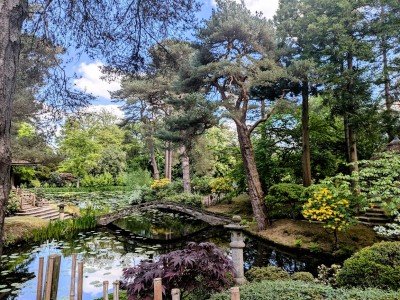
Japanese Garden
Some quick example text to build on the card title and make up the bulk of the card's content.
Go somewhere
Kamla Retreat
Some quick example text to build on the card title and make up the bulk of the card's content.
Go somewhere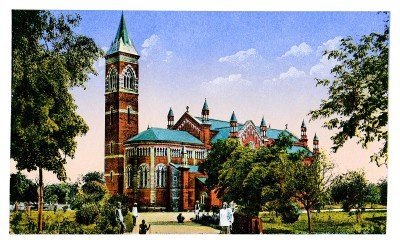
Kanpur Memorial Church
Some quick example text to build on the card title and make up the bulk of the card's content.
Go somewhere
Kanpur Museum
Some quick example text to build on the card title and make up the bulk of the card's content.
Go somewhere
Massacre Ghat
Some quick example text to build on the card title and make up the bulk of the card's content.
Go somewhere
Moti Jheel
Some quick example text to build on the card title and make up the bulk of the card's content.
Go somewherein Other Cities