Allen Forest Zoo
General information
-
Ideal Duration:
4-6 HoursPlace Type:
Zoological Park / Nature and WildlifeEntry Fees:
Standard Adult and Child Rates: The entry fee structure is tiered based on age and nationality. For Indian adults, the entry fee is generally around Rs.70, and for children (ages 6 to 12 years), it is typically Rs.35. The rates are kept affordable to encourage public visits. <...Standard Adult and Child Rates: The entry fee structure is tiered based on age and nationality. For Indian adults, the entry fee is generally around Rs.70, and for children (ages 6 to 12 years), it is typically Rs.35. The rates are kept affordable to encourage public visits.
Two hundred words detailing fees:
Foreign Nationals Fee: For Foreign Nationals, the fee is substantially higher, usually around Rs.400 for adults and Rs.200 for children, a common practice at Indian national parks and major attractions to subsidize conservation efforts.
Additional Costs for Attractions: The ticket cost covers basic entry but does not include popular attractions. There are separate charges for the Toy Train (approximately Rs.50 for adults and Rs.25 for children) and the use of the Battery-Operated Vehicles (Golf Carts). These extra fees allow visitors to choose their level of activity.
Morning Walker Pass: A special, discounted monthly pass is available for local residents who use the park for morning walks and exercise, promoting a healthy lifestyle while maintaining the park's grounds. This pass is a key feature in encouraging local community engagement.
Photography and Camera Fees: There are often small, nominal fees for carrying professional cameras, especially video cameras, into the zoo premises, designed to manage commercial photography and fund park maintenance.Timing:
Regular Operating Hours: The Allen Forest Zoo is open six days a week, from Tuesday to Sunday. The regular opening time is 9:00 AM, and the closing time is 5:00 PM. It is strictly Closed on Monday for maintenance and animal care, which visitors should always note.
...Regular Operating Hours: The Allen Forest Zoo is open six days a week, from Tuesday to Sunday. The regular opening time is 9:00 AM, and the closing time is 5:00 PM. It is strictly Closed on Monday for maintenance and animal care, which visitors should always note.
Two hundred words detailing timings:
Ideal Visit Time: The ideal time to visit is immediately after opening, between 9:00 AM and 11:00 AM. During this window, the animals are most active as they are often fed and the temperature is cooler. The late afternoon, from 3:00 PM to 5:00 PM, is also a good time as the crowds begin to thin out.
Peak Hours and Season: Weekends and public/gazetted holidays see the maximum crowd, especially between 11:00 AM and 3:00 PM. The best season for a comfortable visit, given the city's climate, is the winter season, particularly from November to February, when the weather is mild and pleasant for long walks and outdoor exploration.
Ticket Counter Closure: The ticket counters usually close an hour before the main gate, which is around 4:00 PM, so visitors should plan their arrival well in advance to ensure they have enough time to explore.Special Events:
Wildlife Week Celebrations: A major special event is the annual Wildlife Week, typically observed in October. During this period, the zoo organizes a variety of activities aimed at public awareness and education, attracting a substantial number of students and nature enthus...Wildlife Week Celebrations: A major special event is the annual Wildlife Week, typically observed in October. During this period, the zoo organizes a variety of activities aimed at public awareness and education, attracting a substantial number of students and nature enthusiasts. These events include wildlife photography competitions, painting contests for children, educational workshops, and guided tours focused on conservation themes. The aim is to instill a sense of responsibility towards wildlife protection.
Educational and Awareness Camps: Throughout the year, the Kanpur Zoo hosts various educational camps and nature workshops, often in collaboration with local schools and NGOs. These events are specifically designed to educate the younger generation about biodiversity, ecological balance, and the threats facing endangered species. The programs often feature interactive sessions with zookeepers and veterinarians, providing unique insights into animal husbandry and rescue operations, going beyond a standard visit to offer an in-depth learning experience about practical conservation.Best Photo Spots:
Tiger and Lion Enclosures: The enclosures for the Royal Bengal Tiger and the Asiatic Lion are designed to be expansive, offering photographers a good chance to capture the majestic animals in near-natural settings, often resting on rocks or near small water bodies. The fenc...Tiger and Lion Enclosures: The enclosures for the Royal Bengal Tiger and the Asiatic Lion are designed to be expansive, offering photographers a good chance to capture the majestic animals in near-natural settings, often resting on rocks or near small water bodies. The fencing is generally positioned to allow for clear shots.
Three hundred words detailing spots:
The Walk-Through Aviary Interior: The interior of the walk-through Aviary is an exceptional spot, offering a chance to capture birds in flight or perched on branches against a backdrop of dense foliage. The sheer variety of colours from parrots, peacocks, and various cranes, combined with the diffused light filtering through the netting, creates a stunningly vibrant environment for photography, making it popular for both professional and amateur bird photographers.
The Natural Lake and Surrounding Boardwalk: The serene natural Lake offers tranquil landscape photo opportunities, especially during the early morning or late afternoon golden hours. The reflections of the trees on the water, combined with the presence of waterfowl and, in winter, migratory birds, create picturesque scenes. The boardwalk or surrounding paths provide ideal vantage points for capturing the entire expanse and its tranquil beauty.
Vintage Toy Train and Railway Tracks: The stop and sections of the Toy Train track, particularly where the small locomotive is in motion or waiting at the station, offer a charming, vintage-style photo spot. Capturing children enjoying the ride or framing the train against the backdrop of the lush green forest adds a nostalgic and playful element to the photo collection.Photo Gallery
Things To Do
-
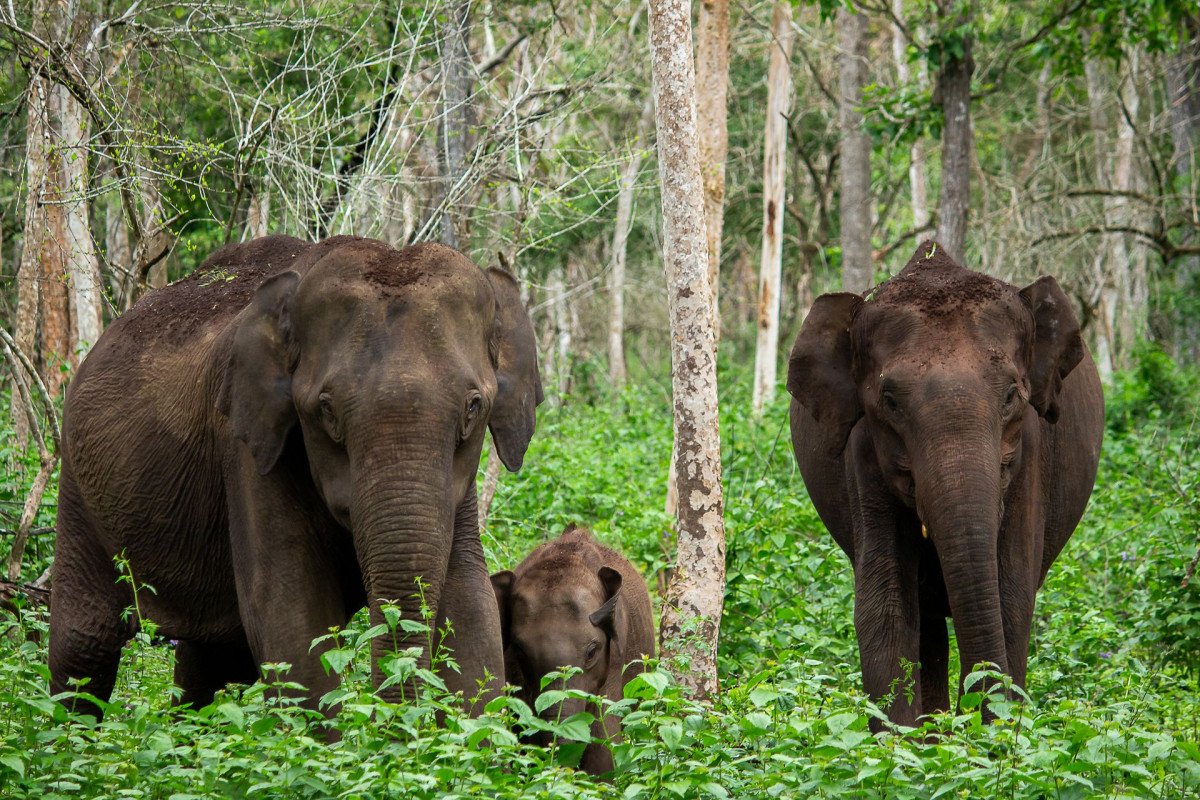
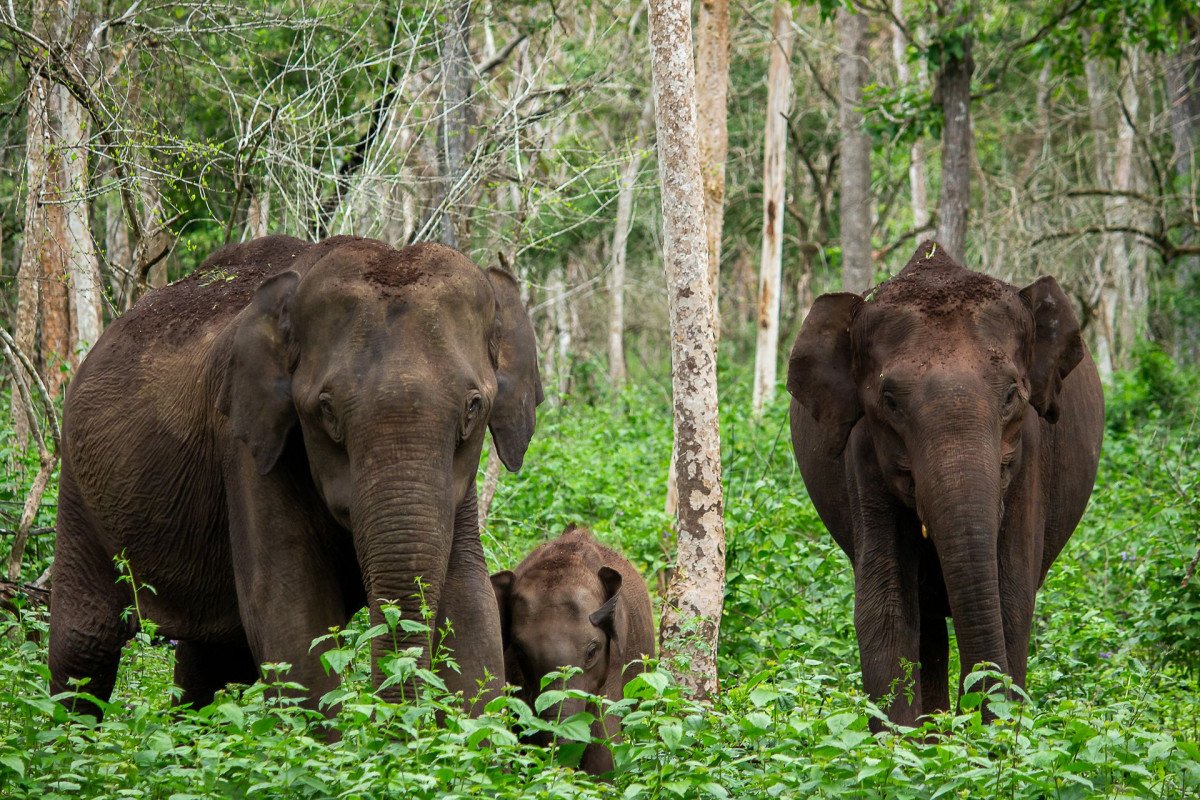
Wildlife Watching and Exploration: The primary activity is observing the diverse collection of animals, including the Royal Bengal Tiger, Asiatic Lion, White-backed Vulture, and Himalayan Bear, housed in spacious, naturalistic enclosures. Spend time at the elephant and rhinoceros enclosures, observing their behavior and daily routines.
Seven hundred words detailing activities:
A Scenic Ride on the Toy Train: A must-do activity is the ride on the mini-gauge Toy Train. It offers a panoramic, non-strenuous tour of the zoo's major zones, providing excellent photo opportunities of the enclosures and the surrounding forest without extensive walking. It is particularly popular with children but enjoyed by all ages for its nostalgic charm and relaxing pace.
Exploring the S...Wildlife Watching and Exploration: The primary activity is observing the diverse collection of animals, including the Royal Bengal Tiger, Asiatic Lion, White-backed Vulture, and Himalayan Bear, housed in spacious, naturalistic enclosures. Spend time at the elephant and rhinoceros enclosures, observing their behavior and daily routines.
Seven hundred words detailing activities:
A Scenic Ride on the Toy Train: A must-do activity is the ride on the mini-gauge Toy Train. It offers a panoramic, non-strenuous tour of the zoo's major zones, providing excellent photo opportunities of the enclosures and the surrounding forest without extensive walking. It is particularly popular with children but enjoyed by all ages for its nostalgic charm and relaxing pace.
Exploring the Specialized Houses: Dedicate time to the specialized exhibits. The Walk-Through Aviary allows visitors to immerse themselves in a tropical bird habitat, with colourful species flying freely overhead. The Butterfly House is a delicate and beautiful experience, while the Nocturnal House provides a unique educational perspective on nocturnal wildlife using controlled lighting. The Reptile House showcases various snakes and lizards in carefully managed environments.
Leisure and Recreation at the Lake and Gardens: Take a leisurely stroll or picnic near the natural Lake, which is a magnet for various resident and migratory waterfowl, especially during the winter. The Botanical Garden area offers peaceful walking trails amidst diverse plant species and themed floral arrangements. There are designated play areas with swings and slides, providing a fun break for younger children. Boating (if available) on the lake offers a serene activity.
Educational and Conservation Focus: Engage with the numerous informational boards placed throughout the zoo that detail the animals' habitats, diets, and conservation status. The zoo frequently organizes educational talks and feeding demonstrations, which are excellent for learning about animal care and wildlife preservation efforts. Students and nature enthusiasts can spend hours studying the indigenous and exotic flora in the botanical section.
Amenities and Shopping: Utilize the services of the Battery-Operated Vehicles (Golf Carts) for covering long distances, a great option for the elderly or those with mobility issues, ensuring the entire park is accessible. Conclude the visit by enjoying refreshments at the various food stalls and picking up wildlife-themed souvenirs from the shops near the exit, supporting the zoo's conservation efforts.
Photography and Nature Study: The vast, natural setting of the zoo provides endless opportunities for nature and wildlife photography. Capture the architectural beauty of the walk-through enclosures, the serene lake views, and close-ups of the animals (without disturbing them). Bird watchers will find the aviary and the lake particularly rewarding for spotting various species of birds, especially during the migratory season of November to March.
Information
-
Why Famous:
Center for Wildlife Conservation: Kanpur Zoo is most famous for its role as a premier center for wildlife conservation in North India, particularly for endangered species like the Royal Bengal Tiger and the Asiatic Lion. Its successful breeding programs contribute significa...Center for Wildlife Conservation: Kanpur Zoo is most famous for its role as a premier center for wildlife conservation in North India, particularly for endangered species like the Royal Bengal Tiger and the Asiatic Lion. Its successful breeding programs contribute significantly to the national effort to protect these majestic animals. This focus on conservation, paired with its large, naturalistic habitats, sets it apart from other zoos, establishing it as a critical biological resource.
The Green Lung of Kanpur: Its vast expanse of 270 acres makes it the largest green space in the metropolitan area, earning it the moniker, "the Green Lung of Kanpur. " It provides an essential ecological balance and a massive recreational area for the city's residents. The park's well-maintained botanical gardens and forest cover are famous for offering a tranquil, pollution-free environment perfect for relaxation, walking, and nature study.
Iconic Attractions: The presence of a heritage-style Toy Train ride and the unique walk-through Aviary are iconic attractions that draw large crowds, especially families. The lake within the premises is also a celebrated feature, known for its serene beauty and as a stopover for migratory birds, further enhancing the zoo’s fame as a multifaceted recreational and educational hub. -
Architecture:
Layout and Design Philosophy: The zoo's design is noteworthy for its expansive and open enclosures, a significant departure from traditional, smaller caged exhibits. Spanning 110 hectares (270 acres), the park uses natural barriers and moats to separate animals from visitor...Layout and Design Philosophy: The zoo's design is noteworthy for its expansive and open enclosures, a significant departure from traditional, smaller caged exhibits. Spanning 110 hectares (270 acres), the park uses natural barriers and moats to separate animals from visitors, providing them with a semblance of their native environment. This method, rooted in the 'naturalistic enclosure' model, promotes animal welfare and offers visitors unobstructed views of the wildlife.
Key Structures and Dimensions: The park features a large walk-through Aviary, a dedicated Nocturnal House to observe nocturnal animals like owls and bats, and a fascinating Butterfly House. The zoo also includes a natural lake, which attracts migratory birds during the winter season. The path network is extensive, easily covering over several kilometres for a full tour. A vintage-style Toy Train track, approximately 1. 5-2 km long, circles the major sections of the zoo, providing a scenic and relaxing tour, especially appreciated by children. The infrastructure includes elevated viewing platforms at various enclosures for enhanced safety and visibility. The architecture is primarily focused on functional, sustainable design that integrates with the existing forest landscape rather than ornate buildings. -
How To Reach:
By Air (Airport to Zoo): The nearest major airport is Kanpur Airport (KNU), also known as Chakeri Airport, located approximately 25 KMS away from the zoo. From the airport, visitors can easily hire pre-paid taxis, private cabs (like Ola/Uber), or book a local taxi service. ...By Air (Airport to Zoo): The nearest major airport is Kanpur Airport (KNU), also known as Chakeri Airport, located approximately 25 KMS away from the zoo. From the airport, visitors can easily hire pre-paid taxis, private cabs (like Ola/Uber), or book a local taxi service. The journey usually takes around 45 minutes to 1 hour, depending on the city traffic, utilizing major roads like the NH-91.
Four hundred words detailing transport:
By Train (Railway Station to Zoo): The most convenient and closest railway station is Kanpur Central Railway Station (CNB), a major hub connecting to all parts of India, located about 10 KMS from the zoo. From the station, a wide range of local transport is available, including auto-rickshaws, cycle-rickshaws, and private taxis. An auto-rickshaw ride will take approximately 20-30 minutes. For a slightly longer but more comfortable journey, a private cab is recommended.
By Road (Bus/Car): The zoo is well-connected by an excellent network of roads. If traveling by inter-city bus, the nearest main bus stand is Jhakarkati Bus Terminal or the ISBT (Inter State Bus Terminal). From either bus terminal, local buses, tempo services, or auto-rickshaws are readily available for the final leg of the journey, which is typically a 30-45 minute ride. For those driving their own car or a hired taxi, ample paid parking facilities are available outside the main gate. The zoo is located near the Nawabganj area on Hastings Avenue.
By Local Transport: Within Kanpur, local transport is efficient. Visitors can use readily available auto-rickshaws (both shared and reserved), cycle-rickshaws for short distances, and public city buses which have a stop near the Nawabganj or Azad Nagar area, just a short walk from the zoo entrance. Hiring a cab or a reserved auto-rickshaw is the most comfortable option for a direct and quick trip. -
Weather and Best Time to Visit:
Seasons: The Best Time to Visit is during the Winter Season, which runs from November to March. The weather is cool and pleasant, with average temperatures ranging from 10°C to 25°C, making long walks and outdoor viewing of the expansive zoo enclosures comfortable and enj...Seasons: The Best Time to Visit is during the Winter Season, which runs from November to March. The weather is cool and pleasant, with average temperatures ranging from 10°C to 25°C, making long walks and outdoor viewing of the expansive zoo enclosures comfortable and enjoyable. Monsoon (July to September) is also beautiful as the greenery is lush, but heavy rain can disrupt outdoor activities. The Summer Season (April to June) should be avoided as temperatures soar above 40°C, making daytime excursions extremely uncomfortable and potentially hazardous.
Three hundred words detailing seasons:
Part of the Day: The ideal time is the Early Morning, right when the gates open at 9:00 AM. Animals are most active and engaged in feeding or playful behavior during these cooler hours before the peak sun hits. Photography conditions are also excellent with soft morning light. The Late Afternoon, from 3:00 PM to 5:00 PM, is the second-best option, as the intensity of the sun reduces and the crowds start to disperse, allowing for a more tranquil experience. Avoid the harsh midday hours (11:00 AM to 3:00 PM) when the heat is at its peak and many animals retreat into the shade. Visiting on a weekday (Tuesday to Friday) is highly recommended to avoid the heavy weekend rush. -
Near Tourist Places:
ISKCON Temple (3 KMS), Kamla Retreat (4 KMS), Moti Jheel (6 KMS), Ganga Barrage (7 KMS), Shri Radhakrishna Temple (JK Temple) (8 KMS), Green Park Stadium (9 KMS), Japanese Garden (9 KMS), Nana Rao Park (10 KMS), Phool Bagh (11 KMS), Blue World Theme Park (20 KMS).
Tourism Tips
-
Health & Safety: Always carry a First Aid Kit with essentials like bandages and antiseptic wipes, as the zoo is a vast area. Stick to marked paths and never feed the animals or cross safety barriers for your own and the animals' protection. Stay hydrated, especially during...Health & Safety: Always carry a First Aid Kit with essentials like bandages and antiseptic wipes, as the zoo is a vast area. Stick to marked paths and never feed the animals or cross safety barriers for your own and the animals' protection. Stay hydrated, especially during the warmer months, by carrying sufficient water.
Four hundred words detailing tips:
Packing Essentials: Wear comfortable walking shoes as you will be covering a lot of ground. Carry a hat or cap, sunglasses, and sunscreen to protect against the sun. Bring a pair of binoculars to better observe animals at a distance. If visiting the lake area, mosquito repellent is advisable, especially near dusk. A portable power bank for your phone is essential for a full day of photography and navigation.
Accommodation: Kanpur offers a wide range of accommodation. The best areas to stay for easy access to the zoo are neighborhoods like Civil Lines, Swaroop Nagar, or hotels near Moti Jheel. Book your stay in advance, particularly if traveling during the peak season (November to February) or during major holidays.
Other Important Tips: Remember the zoo is Closed on Monday—always confirm the operating day. Consider purchasing a combo ticket for the Toy Train and the main entrance to save time. Make use of the Golf Carts to conserve energy for a full day of exploration. For an educational visit, hire a local, authorized guide who can provide deeper insights into the animal species and the zoo's history. Respect the animals and maintain silence in observation areas to avoid stressing the wildlife.
Reviews
FAQs
Kanpur Itineray And Cost:-
Allen Forest Zoo Tourism:-
Other Places In Kanpur :-
Other States In India :-
Information about New and Updated Locations() of Uttar Pradesh Has Been Added :-
Card subtitle
Note:-
Information provided here in good Faith and for reference only.
Near Places
Allen Forest Zoo
Some quick example text to build on the card title and make up the bulk of the card's content.
Go somewhere
Anandeshwar Temple
Some quick example text to build on the card title and make up the bulk of the card's content.
Go somewhere
Bhitargaon Temple
Some quick example text to build on the card title and make up the bulk of the card's content.
Go somewhere
Bithoor
Some quick example text to build on the card title and make up the bulk of the card's content.
Go somewhere
Blue World Theme Park
Some quick example text to build on the card title and make up the bulk of the card's content.
Go somewhere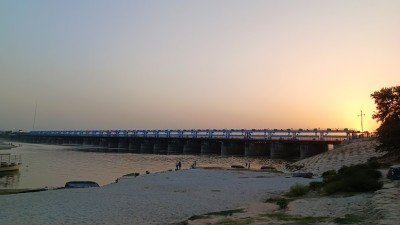
Ganga Barrage
Some quick example text to build on the card title and make up the bulk of the card's content.
Go somewhere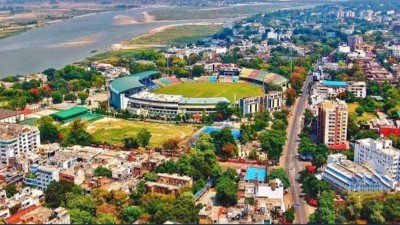
Green Park Stadium
Some quick example text to build on the card title and make up the bulk of the card's content.
Go somewhere
ISKCON Temple
Some quick example text to build on the card title and make up the bulk of the card's content.
Go somewhere
Jain Glass Temple
Some quick example text to build on the card title and make up the bulk of the card's content.
Go somewhere
Jajmau
Some quick example text to build on the card title and make up the bulk of the card's content.
Go somewhere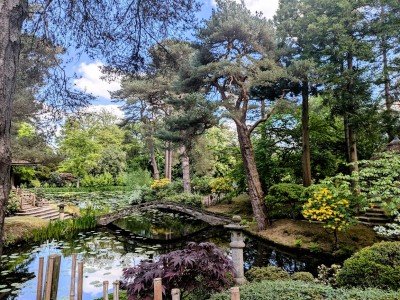
Japanese Garden
Some quick example text to build on the card title and make up the bulk of the card's content.
Go somewhere
Kamla Retreat
Some quick example text to build on the card title and make up the bulk of the card's content.
Go somewhere
Kanpur Memorial Church
Some quick example text to build on the card title and make up the bulk of the card's content.
Go somewhere
Kanpur Museum
Some quick example text to build on the card title and make up the bulk of the card's content.
Go somewhere
Massacre Ghat
Some quick example text to build on the card title and make up the bulk of the card's content.
Go somewhere
Moti Jheel
Some quick example text to build on the card title and make up the bulk of the card's content.
Go somewherein Other Cities