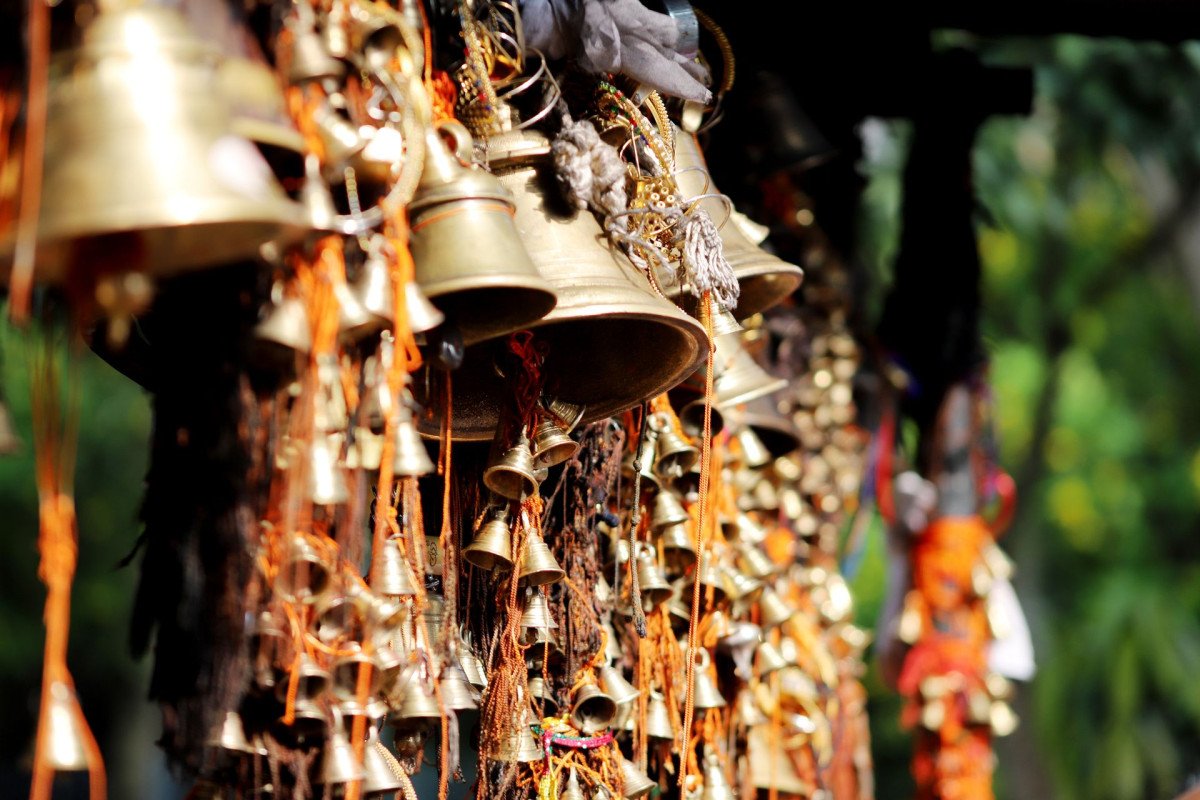
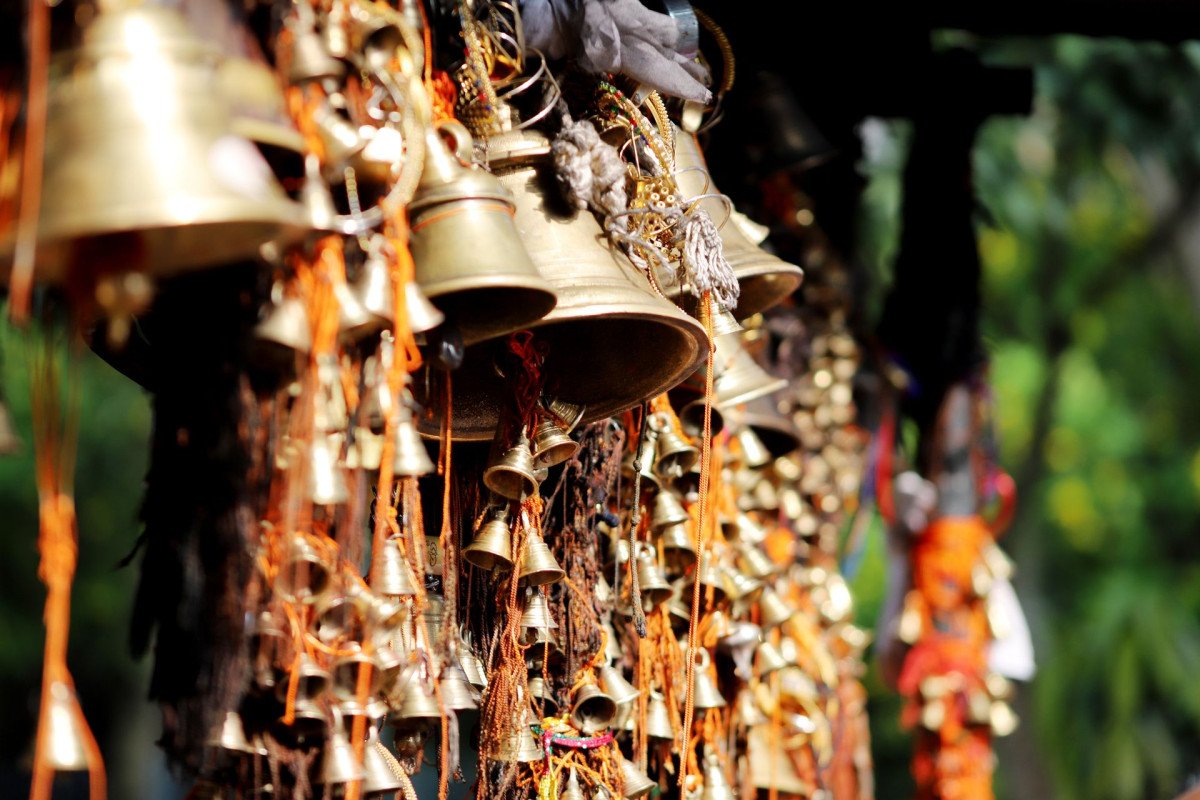
Ancient Kalachuri Temples
General information
-
Ideal Duration:
1 to 2 hours (For thorough exploration)Place Type:
Historical / Religious MonumentEntry Fees:
Zero Entry Fee: As an ASI-protected monument, entry to the Ancient Kalachuri Temples complex is free for all visitors, Indian or foreign. This makes it an easily accessible historical and spiritual site for all.
Photography Fee (Professional):<...Zero Entry Fee: As an ASI-protected monument, entry to the Ancient Kalachuri Temples complex is free for all visitors, Indian or foreign. This makes it an easily accessible historical and spiritual site for all.
Photography Fee (Professional): While general photography with a mobile phone or simple camera is free, professional-grade cameras and video equipment may require a small, nominal ASI fee to be paid at the counter, which should be inquired about beforehand, although typically, the counter for these temples is rarely operational.
No Parking Charges: As it is located very centrally, there are typically no official parking charges associated directly with the temple complex, though local, nominal fees might be charged for nearby street parking by local authorities.
Timing:
Regular Timings: The complex is open daily from 6:00 AM to 6:00 PM (Sunrise to Sunset). It is usually accessible throughout the day.
Ideal Visit Time: The best time is the early morning (6:00 AM to 8:00 AM) for a quiet, spiritual experience...Regular Timings: The complex is open daily from 6:00 AM to 6:00 PM (Sunrise to Sunset). It is usually accessible throughout the day.
Ideal Visit Time: The best time is the early morning (6:00 AM to 8:00 AM) for a quiet, spiritual experience and beautiful lighting for photography, or the late afternoon (4:00 PM to 6:00 PM) for cooler weather and the evocative sunset colors on the stone. Midday is functional but often hot and crowded.
Best Months: October to March offer the most pleasant weather for exploring the extensive complex on foot.
Special Events:
Shivaratri Celebrations: The temples, being largely dedicated to Lord Shiva, see a huge influx of devotees and host special, elaborate Maha Shivaratri programs (usually in February or March). The complex is beautifully lit, and special rituals, including night-long jagran (...Shivaratri Celebrations: The temples, being largely dedicated to Lord Shiva, see a huge influx of devotees and host special, elaborate Maha Shivaratri programs (usually in February or March). The complex is beautifully lit, and special rituals, including night-long jagran (vigils), are performed, creating a powerful, festive spiritual atmosphere.
Narmada Jayanti: Although the main event is at the Narmada Kund, the adjacent Kalachuri Temples participate in the festive spirit of Narmada Jayanti (the birth anniversary of the Narmada River, usually in January/February), with pilgrims often visiting them immediately after the main Kund rituals.
Best Photo Spots:
Shikhara and Spire Geometry: The towering, conical Shikhara of the Karna Temple and the other shrines against the clear blue sky, or framed by the lush green trees, provides the most dramatic and essential photo opportunity of the temple architecture.
Read MoreShikhara and Spire Geometry: The towering, conical Shikhara of the Karna Temple and the other shrines against the clear blue sky, or framed by the lush green trees, provides the most dramatic and essential photo opportunity of the temple architecture.
Pataleshwar Temple Entrance: The sunken entrance of the Pataleshwar Temple, often with a devotee or a local guide providing scale, is a unique and evocative spot, suggesting a journey into a hidden, ancient past.
Stone Carvings in Golden Hour: Close-up shots of the elegant, yet simple carvings on the temple exterior and pillars, taken during the soft, golden hour light (early morning or late afternoon), beautifully highlight the texture and artistry of the stone masonry.
Temple Complex Panorama: A wide-angle shot from the edge of the Surya Kund that captures the reflection of multiple temple spires in the water, offering a serene and comprehensive view of the entire complex.
Photo Gallery
Things To Do
-
Temple-to-Temple Walk and Study: Engage in a slow, reflective walk through the complex, studying the architecture of each main temple (Karna, Pataleshwar, Machendranatha) and observing the subtle differences in their design, spires (Shikharas), and sculptural details.
Capture Architectural Photography: Dedicate time to detailed photography of the elegant, simple carvings on the pillars and the towering spires. Focus on the geometry of the Nagara style and the effect of light and shadow on the stone work to capture its artistic essence.
Meditate on the Temple Lawns: Utilize the well-maintained, tranquil lawns surrounding the temples for a session of quiet meditation or reading, soaking in the profound sense of peace and history that the ASI-protected site offers, away from the bustle of the Narma...Temple-to-Temple Walk and Study: Engage in a slow, reflective walk through the complex, studying the architecture of each main temple (Karna, Pataleshwar, Machendranatha) and observing the subtle differences in their design, spires (Shikharas), and sculptural details.
Capture Architectural Photography: Dedicate time to detailed photography of the elegant, simple carvings on the pillars and the towering spires. Focus on the geometry of the Nagara style and the effect of light and shadow on the stone work to capture its artistic essence.
Meditate on the Temple Lawns: Utilize the well-maintained, tranquil lawns surrounding the temples for a session of quiet meditation or reading, soaking in the profound sense of peace and history that the ASI-protected site offers, away from the bustle of the Narmada Kund.
Attend the Evening Aarti: Although not as famous as the Narmada Kund Aarti, attending any informal Aarti or prayer ceremony at the main shrine (like the Karna Temple) in the late afternoon provides a beautiful, less crowded, and more intimate spiritual experience.
Visit the Surya Kund: Seek out the ancient Surya Kund within the complex. Spend a moment at its banks, reflecting on its age and significance, and capture the beautiful reflection of the temple spires in the water.
Historical Research and Reflection: Carry a small guidebook or do some prior research on the Kalachuri Dynasty and King Karna Deva to enhance your visit, allowing you to connect the historical facts with the physical structure you are observing, transforming the visit into a truly educational experience.
Explore the Pataleshwar Temple: Spend focused time at the subterranean-like Pataleshwar Mahadev Temple, appreciating its unique construction and the spiritual aura associated with Adi Shankaracharya's legend, feeling the cool, quiet difference from the other temples.
Information
-
Why Famous:
Architectural Signature of Kalachuri Dynasty: The temples are famous for being one of the best-preserved and most significant examples of the Kalachuri school of architecture in Central India. Their characteristic Nagara-style Shikharas and less ornate, elegant carvings pro...Architectural Signature of Kalachuri Dynasty: The temples are famous for being one of the best-preserved and most significant examples of the Kalachuri school of architecture in Central India. Their characteristic Nagara-style Shikharas and less ornate, elegant carvings provide a unique historical and artistic study, distinguishing them from other temple styles.
Patronage by King Karna Deva: The cluster’s fame rests significantly on the patronage of the powerful Kalachuri King Karna Deva, whose name is associated with the largest structure, the Karna Temple. This royal association firmly roots the complex in the medieval history of the region, attracting history enthusiasts.
Spiritual Significance of Pataleshwar: The Pataleshwar Mahadev Temple is particularly famous, as it is traditionally believed to house a Shivlingam installed by the great Hindu philosopher Adi Shankaracharya in the 8th Century, thus linking the ancient past with the medieval construction and giving the entire complex deep spiritual value. The serene atmosphere is a major draw.
-
Architecture:
Nagara Style and Raised Platforms: The temples epitomize the Nagara style of North Indian temple architecture, characterized by a towering, curvilinear Shikhara (spire) over the main shrine (Garbhagriha). Most temples are built on a solid, elevated platform (Jagati) that pr...Nagara Style and Raised Platforms: The temples epitomize the Nagara style of North Indian temple architecture, characterized by a towering, curvilinear Shikhara (spire) over the main shrine (Garbhagriha). Most temples are built on a solid, elevated platform (Jagati) that protects the structure and provides a circumambulatory path.
Key Temple Dimensions: The largest monument is the Karna Temple, featuring three distinct sanctums on a common platform, a testament to its being built in different phases. Its plan is based on the Pancharatha (five offsets) projection, though precise dimensions are not widely publicized, the Main Mandapa can be estimated at around 10m x 15m with a Shikhara height of approximately 20m. The smaller Pataleshwar Temple is notable for being slightly below ground level.
Sculptural Details and Simplicity: While the architecture is characteristic, the external carvings are less intricate compared to the temples of Khajuraho. The beauty lies in the elegant, almost austere simplicity of the carvings on pillars and outer walls, which is a signature of the local Kalachuri school of art in this region. The group also features the Panchmatha Temple, a group of five temples built on a single platform, possibly from a later period.
-
How To Reach:
By Air: The closest airport is Jabalpur Airport (JLR), (approximately 225 KMS). From there, hire a direct taxi or take an intercity bus to Amarkantak. The journey takes around 4. 5 to 5 hours.
By Train: The nearest railhead is Pendra Road ...By Air: The closest airport is Jabalpur Airport (JLR), (approximately 225 KMS). From there, hire a direct taxi or take an intercity bus to Amarkantak. The journey takes around 4. 5 to 5 hours.
By Train: The nearest railhead is Pendra Road Railway Station (PND), (42 KMS). From Pendra Road, regular local taxis, shared jeeps, and state buses are available. Anuppur Railway Station (APR) (71 KMS) is a bigger, more convenient junction.
By Road: Amarkantak is very well-connected by state buses from major hubs like Bilaspur (120 KMS), Jabalpur (225 KMS), and Raipur (230 KMS). Private taxis and self-driving are excellent options, offering a scenic journey.
By Local Transport: The temples are in the heart of the town, immediately opposite the Narmada Kund. You can reach them easily by a 5-minute walk from any central point in Amarkantak. Local auto-rickshaws are available if traveling from a distant hotel.
-
Weather and Best Time to Visit:
Different Types of Seasons: The Winter Season (October to March) is the ideal time, providing cool, crisp weather perfect for leisurely walks around the temple complex and detailed photography. The air is clean, and the ambiance is serene. The Monsoon Season (July to Septe...Different Types of Seasons: The Winter Season (October to March) is the ideal time, providing cool, crisp weather perfect for leisurely walks around the temple complex and detailed photography. The air is clean, and the ambiance is serene. The Monsoon Season (July to September) is also popular as the surrounding greenery is vibrant, but the humidity and rain can make walking and exploring the grounds challenging. Summer is functional but too hot for daytime exploration.
Different Parts of the Day: The Early Morning (Sunrise) is undoubtedly the best part of the day, offering the softest light for the stone architecture, minimal crowds, and a deeply spiritual, quiet atmosphere. The Late Afternoon/Sunset is also excellent for pleasant temperatures and evocative lighting.
-
Near Tourist Places:
Narmada Udgam Temple (0. 1 KMS) Mai Ki Bagiya (1. 5 KMS) Shri Yantra Mandir (2. 0 KMS) Acharya Vinoba Bhave Ashram (0. 2 KMS) Sonemuda (Source of Sone River) (2. 5 KMS) Kabir Chabutra (4. 0 KMS) Kapil Dhara Waterfall (6. 0 KMS) Dudh Dhara Waterfall (7. 0 KMS) Jaleshwar Mahadev Temple (8. 0 KMS) Dhuni Pani (4. 0 KMS)
Tourism Tips
-
Health & Safety: The stone steps and walkways can be uneven or slippery, especially after rain; wear sturdy, non-slip footwear. Carry drinking water, particularly during the day, as exploring the entire complex can take time.
Packing: Dres...Health & Safety: The stone steps and walkways can be uneven or slippery, especially after rain; wear sturdy, non-slip footwear. Carry drinking water, particularly during the day, as exploring the entire complex can take time.
Packing: Dress modestly (covering shoulders and knees) as a mark of respect for the religious nature of the site. A good camera and possibly a tripod (for early morning/evening shots) are essential for capturing the beautiful architecture. Carry an umbrella or rain poncho during the Monsoon.
Accommodation: Stay options are plentiful in Amarkantak, including government resorts, private hotels, and many Dharmshalas run by various sects, offering affordable and clean stays very close to the temple complex.
Other Different Topics: Hire a local guide (often available near the Narmada Kund) to fully appreciate the historical and architectural significance of each temple within the cluster. Research the Kalachuri history before visiting. Maintain silence and respect the spiritual ambiance.
Reviews
FAQs
Amarkantak Itineray And Cost:-
Ancient Kalachuri Temples Tourism:-
Information about New and Updated Locations() of Madhya Pradesh Has Been Added :-
Card subtitle
Note:-
Information provided here in good Faith and for reference only.
All information and pictures will be updated soon, please keep visiting.
Near Places

Acharya Vinoba Bhave Ashram
Some quick example text to build on the card title and make up the bulk of the card's content.
Go somewhere
Amarkantak
Some quick example text to build on the card title and make up the bulk of the card's content.
Go somewhere
Ancient Kalachuri Temples
Some quick example text to build on the card title and make up the bulk of the card's content.
Go somewhere
Bhrigu Kamandal
Some quick example text to build on the card title and make up the bulk of the card's content.
Go somewhere
Dhuni Pani
Some quick example text to build on the card title and make up the bulk of the card's content.
Go somewhere
Dudh Dhara Waterfall
Some quick example text to build on the card title and make up the bulk of the card's content.
Go somewhere
Durga Mandir
Some quick example text to build on the card title and make up the bulk of the card's content.
Go somewhere
Indira Gandhi National Tribal University
Some quick example text to build on the card title and make up the bulk of the card's content.
Go somewhere
Jwaleshwar Mahadev Temple
Some quick example text to build on the card title and make up the bulk of the card's content.
Go somewhere
Kabir Chabutra
Some quick example text to build on the card title and make up the bulk of the card's content.
Go somewherein Other Cities