Durga Mandir
General information
-
Ideal Duration:
1 HourPlace Type:
Pilgrimage, Religious, HistoricalEntry Fees:
No Entry Fees: Visiting the Durga Mandir is free of charge for all pilgrims and tourists, as is the entire Narmadakund complex. This open access reflects the inclusive nature of the pilgrimage site, ensuring that spiritual seekers from all walks of life can easily visit and...No Entry Fees: Visiting the Durga Mandir is free of charge for all pilgrims and tourists, as is the entire Narmadakund complex. This open access reflects the inclusive nature of the pilgrimage site, ensuring that spiritual seekers from all walks of life can easily visit and worship without any financial barrier.
Donation Boxes: While there is no mandatory fee, voluntary donations are accepted at designated boxes inside the temple premises, which are used for the maintenance and daily operations of the temple, including the running of the Langar (community kitchen) and the performance of daily rituals.
Charges for Special Puja: If a devotee wishes to perform a special or elaborate personal ritual or Puja with the assistance of a temple priest, there may be a nominal charge or a donation expected for the priest's service, which should be inquired about beforehand.Timing:
Regular Timings: The temple is typically open from 5:00 AM to 8:00 PM daily, allowing ample time for morning prayers, midday visits, and evening Aarti. These hours are generally consistent year-round but can be extended during major festivals like Navaratri.Regular Timings: The temple is typically open from 5:00 AM to 8:00 PM daily, allowing ample time for morning prayers, midday visits, and evening Aarti. These hours are generally consistent year-round but can be extended during major festivals like Navaratri.
Ideal Visit Time: The best time to visit is early in the morning (6:00 AM to 8:00 AM) during the first Aarti when the atmosphere is most serene and spiritually charged, or during the evening Aarti (7:00 PM to 8:00 PM) to witness the illuminated temple and the ritualistic worship. Visiting during the daytime may be crowded and hot in the summer months.Special Events:
Navaratri Celebration: The nine nights of Navaratri, usually in September or October, dedicated to Goddess Durga, are celebrated with immense fervor. The temple is beautifully decorated with lights and flowers, and special Puja ceremonies and Kirtans (devotional singing) ar...Navaratri Celebration: The nine nights of Navaratri, usually in September or October, dedicated to Goddess Durga, are celebrated with immense fervor. The temple is beautifully decorated with lights and flowers, and special Puja ceremonies and Kirtans (devotional singing) are held daily. Devotees observe fasts and participate in the rituals, making it the most auspicious time to seek the Goddess's blessings.
Dusshera: The tenth day, Dusshera, marks the victory of Durga over the demon Mahishasura, concluding the festival with grand celebrations and a vibrant atmosphere. This period draws the maximum number of pilgrims to the Durga Mandir.Best Photo Spots:
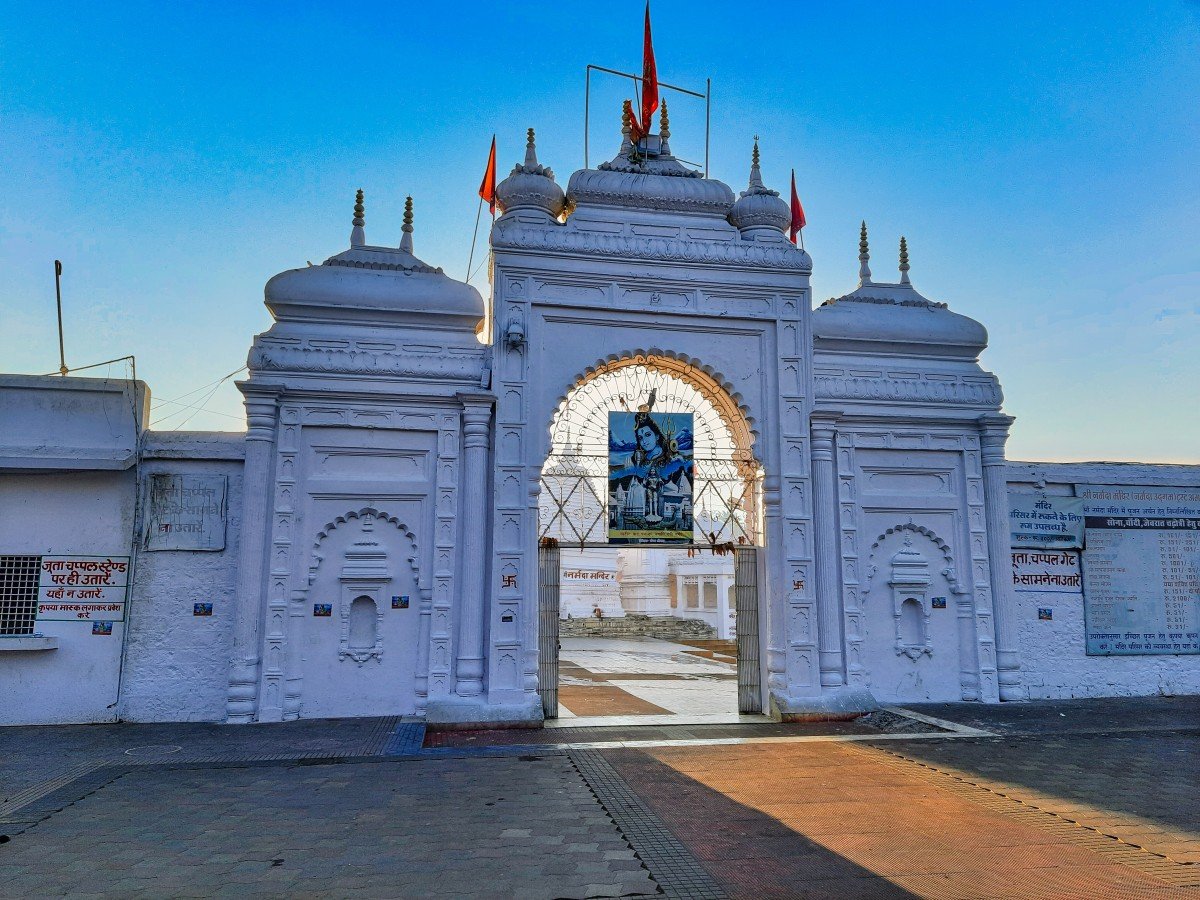
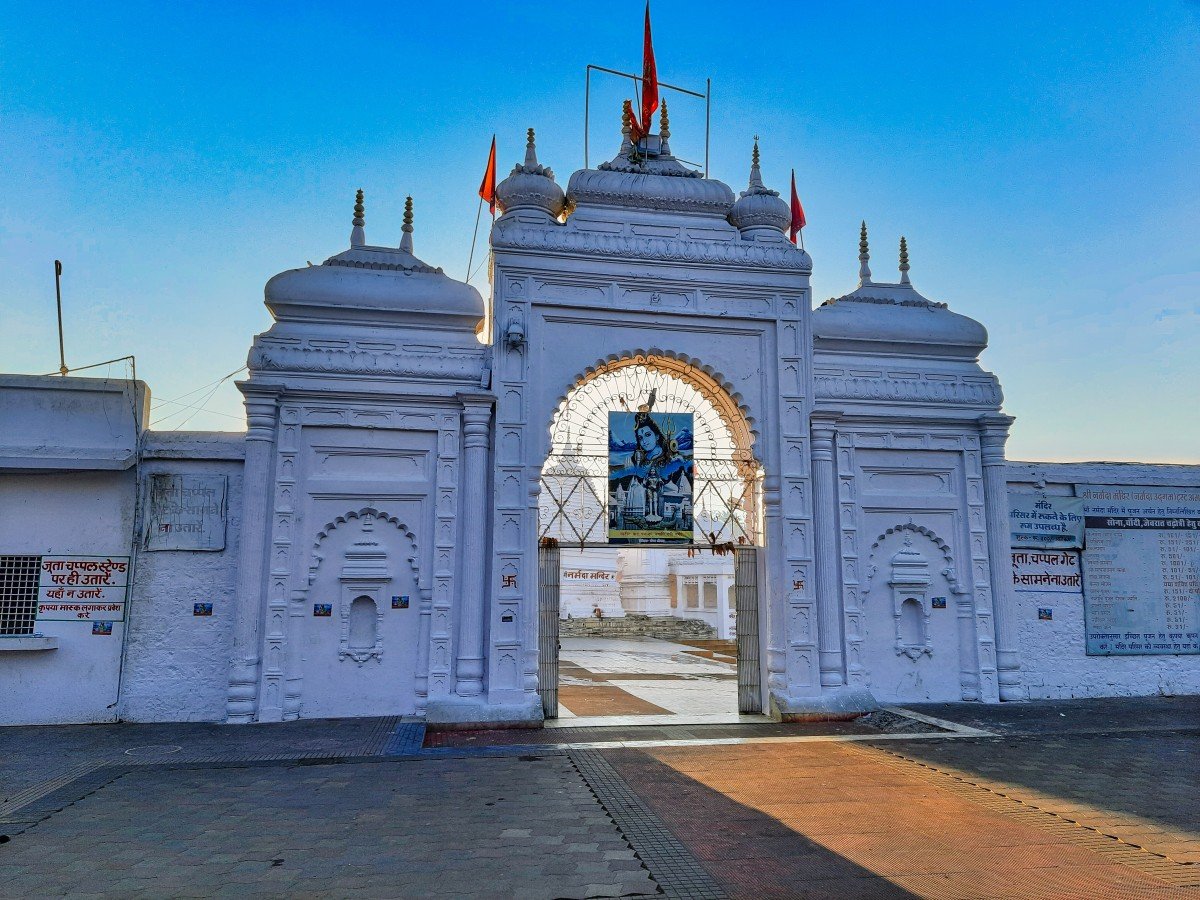
The Main Entrance Gate Framing the Temple: The highly detailed and traditional Toran (ornamental gate) often found at the entrance of the Durga Mandir makes for an excellent framing shot, capturing the temple's architectural beauty.
Intricate Ca...The Main Entrance Gate Framing the Temple: The highly detailed and traditional Toran (ornamental gate) often found at the entrance of the Durga Mandir makes for an excellent framing shot, capturing the temple's architectural beauty.
Intricate Carvings on the Outer Walls: The stone sculptures and detailed carvings on the exterior walls of the temple are perfect for close-up photography, highlighting the craftsmanship of the Kalachuri artisans.
Inside the Sanctum (Respectfully): If photography is permitted and done respectfully, a picture of the Durga idol adorned with flowers and offerings can capture the spiritual intensity of the shrine.
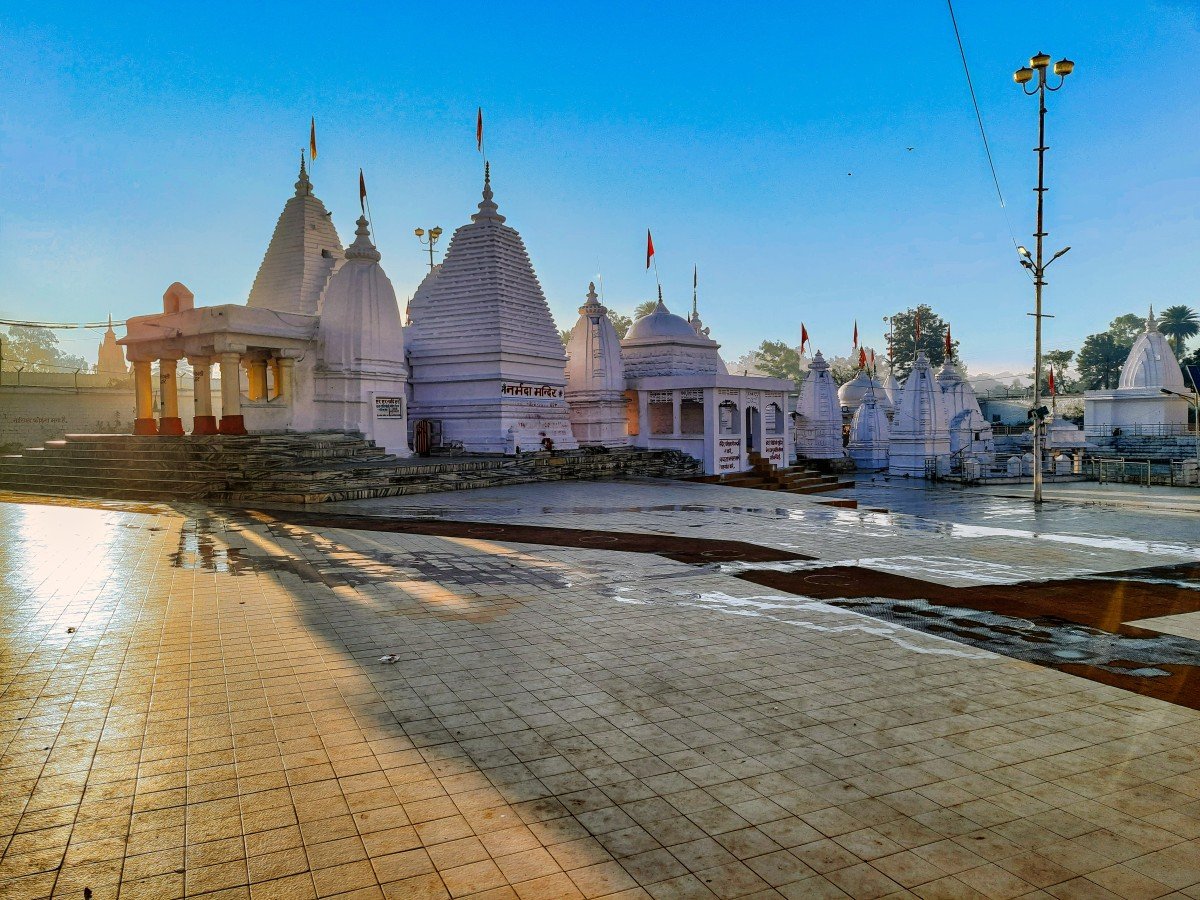
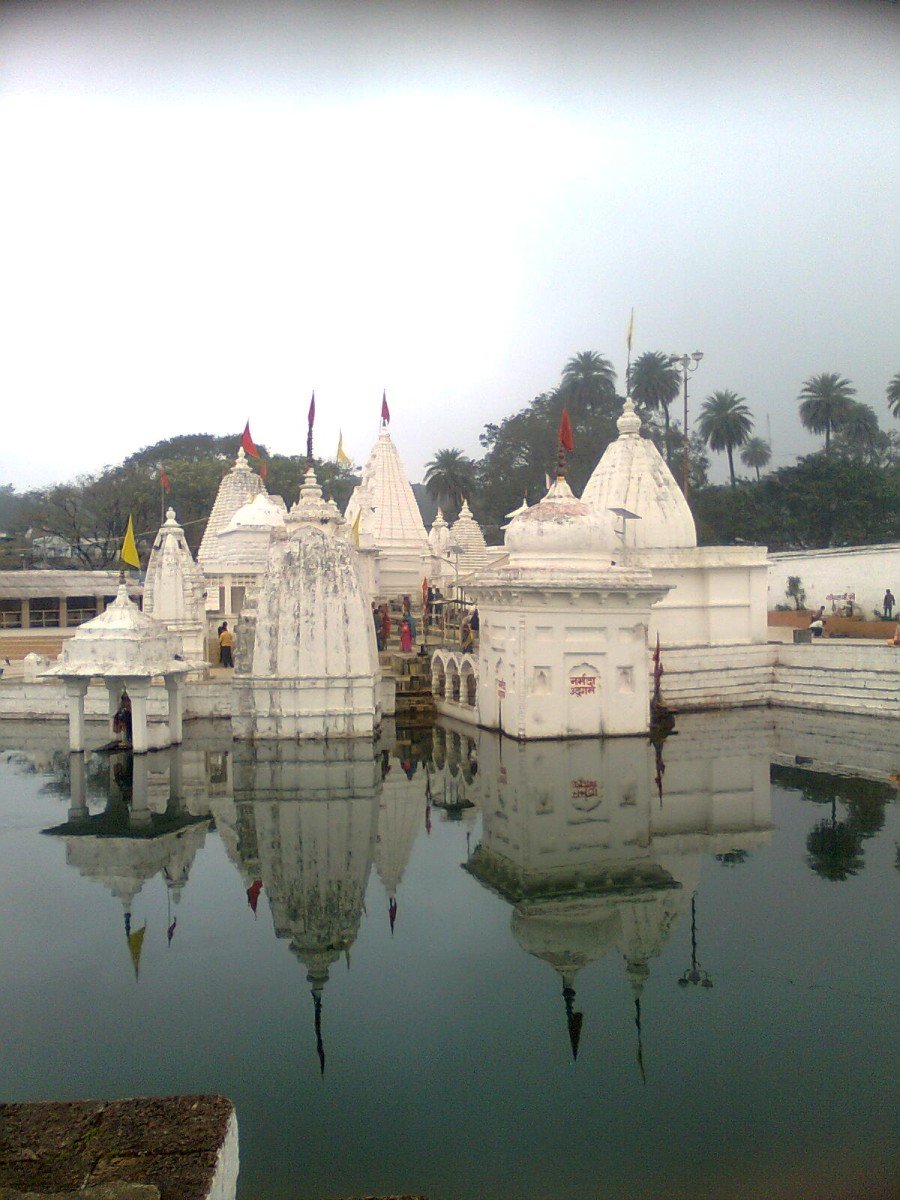
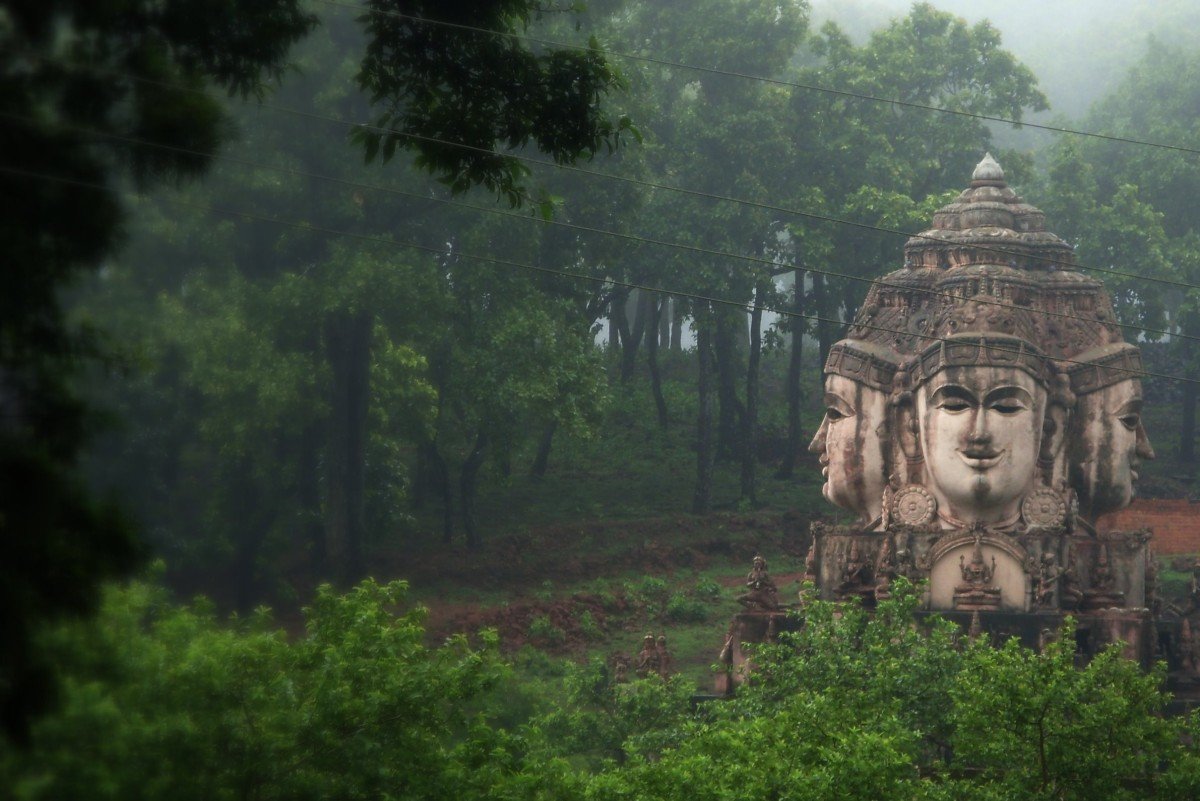
The Temple Against the Narmadakund Backdrop: Positioned near the Narmada Kund, the temple can be photographed with the sacred tank in the foreground, symbolizing the co-existence of Shakti and the holy river.Photo Gallery

Things To Do
-
Participate in Daily Aarti: Witnessing or participating in the morning and evening Aarti (ritual of waving lamps) is a deeply moving experience. The temple bells, devotional songs, and the sight of oil lamps create a divine atmosphere.
Offer Prayers to Goddess Durga: Devotees can perform specific Puja (worship rituals) or simply offer flowers, coconuts, and red cloth to Goddess Durga for strength and protection, following the traditional Hindu customs.
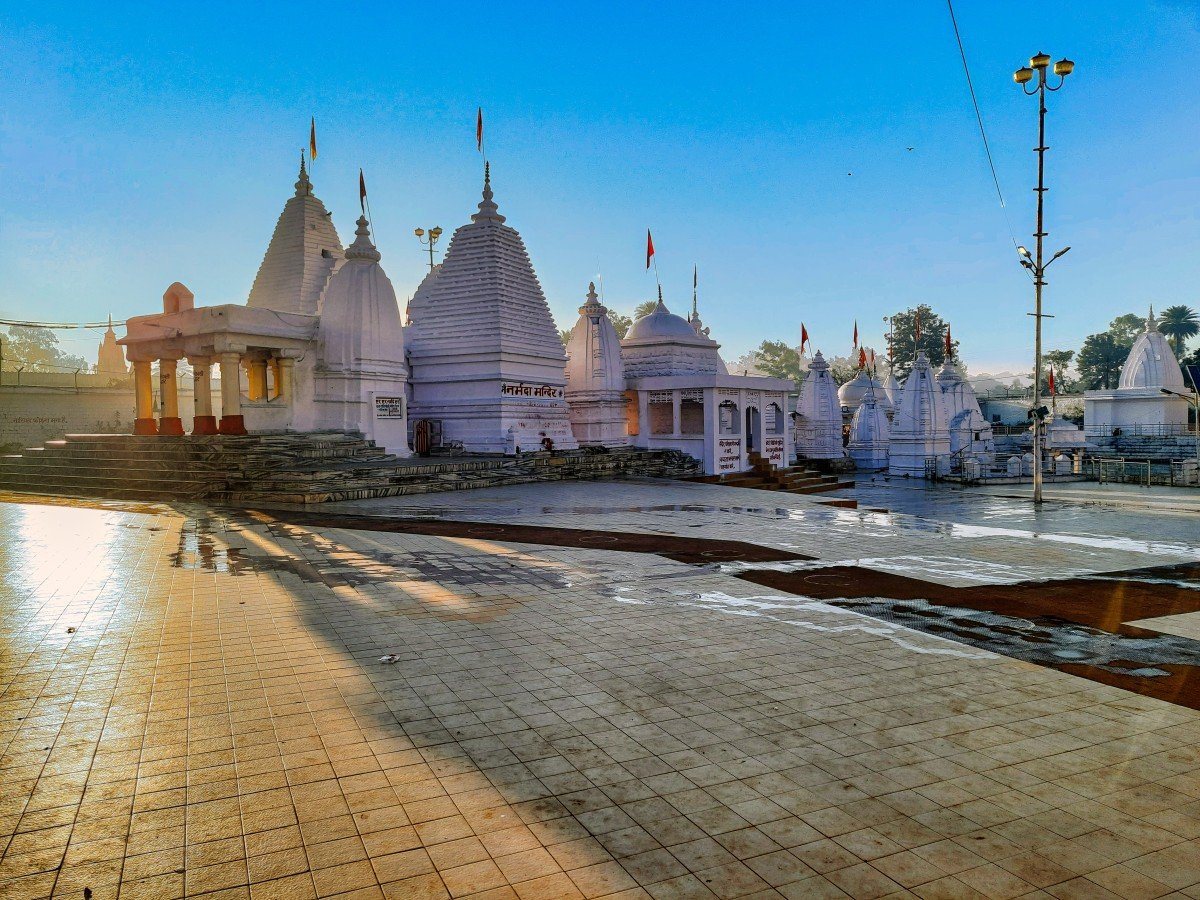
Explore the Narmadakund Complex: Since the Durga Mandir is within the larger complex, dedicate time to exploring the other temples, including the main Narmada Temple, the Shiv Mandir, and the ancient Kalachuri temples.
Photography of the Temple Art: The intricate carvings on the temple walls, depicting mythologica...Participate in Daily Aarti: Witnessing or participating in the morning and evening Aarti (ritual of waving lamps) is a deeply moving experience. The temple bells, devotional songs, and the sight of oil lamps create a divine atmosphere.
Offer Prayers to Goddess Durga: Devotees can perform specific Puja (worship rituals) or simply offer flowers, coconuts, and red cloth to Goddess Durga for strength and protection, following the traditional Hindu customs.
Explore the Narmadakund Complex: Since the Durga Mandir is within the larger complex, dedicate time to exploring the other temples, including the main Narmada Temple, the Shiv Mandir, and the ancient Kalachuri temples.
Photography of the Temple Art: The intricate carvings on the temple walls, depicting mythological narratives and divine figures, are excellent subjects for photography and study.
Interact with Saints and Sadhus: The area often hosts wandering saints and hermits (Sadhus) who possess deep spiritual knowledge. Engaging in respectful conversation with them can offer profound insights into Hindu philosophy and the significance of Amarkantak.
Circumambulate the Narmada Kund: Performing a ritual walk (Parikrama) around the holy Narmada Kund is a symbolic act of reverence, believed to cleanse sins and fulfill wishes.
Observe Temple Rituals: Take time to observe the various rituals and ceremonies performed by the priests (Pandits), which showcase the ancient traditions and customs of Hindu temple worship.
Information
-
Why Famous:
Integration of Shakti and River Worship: The Durga Mandir is famous because it beautifully encapsulates the religious ethos of Amarkantak, a site where the sacred River Narmada originates. Worship of Goddess Durga, the universal mother and embodiment of power (Shakti), is s...Integration of Shakti and River Worship: The Durga Mandir is famous because it beautifully encapsulates the religious ethos of Amarkantak, a site where the sacred River Narmada originates. Worship of Goddess Durga, the universal mother and embodiment of power (Shakti), is seamlessly integrated with the worship of Ma Narmada, who is also revered as a goddess. This dual reverence draws a large number of devotees, as it offers the chance to seek blessings from two powerful female deities at one holy spot. The temple is considered to be one of the twenty-two smaller temples encircling the Narmada Kund.
Historical Significance: Its inclusion in the ancient Narmadakund complex links it directly to the historical legacy of the Kalachuri kings and later benefactors like Ahilya Bai Holkar. This long and storied history, combined with its spiritual importance, solidifies its status as a key pilgrimage destination, attracting historians, architects, and religious tourists alike to witness its ancient charm. -
Architecture:
Kalachuri Style Influence: The Durga Mandir, being part of the Narmadakund complex, exhibits the prominent influence of the ancient Kalachuri style of temple architecture, which flourished in Central India. This style is characterized by its intricate stone carvings, symmet...Kalachuri Style Influence: The Durga Mandir, being part of the Narmadakund complex, exhibits the prominent influence of the ancient Kalachuri style of temple architecture, which flourished in Central India. This style is characterized by its intricate stone carvings, symmetrical designs, and the use of hard, durable stone. The temple structure generally follows the North Indian Nagara style, featuring a curvilinear tower (Shikhara) over the main sanctum (Garbhagriha). The craftsmanship reflects a high degree of artistic skill, visible in the detailed sculptures depicting various deities, celestial beings, and mythological scenes carved on the exterior walls and pillars. The smaller scale of the Durga Mandir, compared to the larger central temples in the complex, still maintains the thematic and stylistic consistency.
Dimension: The temple structure is modest in size, typical of a subsidiary shrine within a larger complex. While specific historical dimensions are often obscured by successive renovations, the sanctum and assembly hall (Mandapa) are proportionally designed for worship. The material primarily used is locally sourced stone, which has been carved into aesthetically pleasing forms, reflecting the architectural prowess of the Kalachuri era builders, providing a glimpse into the region's ancient art and religious fervor. -
How To Reach:
By Air: The nearest major airport is Jabalpur Airport (Dumna), approximately 228 km away. From the airport, one can hire a private taxi, use pre-booked cab services, or take a state-run bus from Jabalpur city to Amarkantak. The journey by road takes about 5-6 hours. Raipu...By Air: The nearest major airport is Jabalpur Airport (Dumna), approximately 228 km away. From the airport, one can hire a private taxi, use pre-booked cab services, or take a state-run bus from Jabalpur city to Amarkantak. The journey by road takes about 5-6 hours. Raipur Airport is another option, approximately 230 km away.
By Train: The nearest railway station is Pendra Road Railway Station (PND) on the Bilaspur-Katni section, which is about 42 km from Amarkantak. Direct taxis, jeeps, and local bus services are readily available outside the station for the one-hour drive to Amarkantak. Anuppur Junction (APR) is a larger station, about 71 km away, also well-connected by road transport.
By Road: Amarkantak is well-connected by good motorable roads to major cities in Madhya Pradesh and Chhattisgarh. State transport buses (MP Roadways) and private bus operators run regular services from cities like Jabalpur, Bilaspur, Rewa, Shahdol, and Raipur. Driving a personal or hired vehicle is convenient and scenic.
By Local Transport: Within Amarkantak, the Durga Mandir is easily accessible as it is in the town center. Local auto-rickshaws, shared taxis, and walking are the best ways to reach the temple from any point in the small town. -
Weather and Best Time to Visit:
Different Types of Seasons: The best time to visit is during the Winter months (October to March) when the weather is cool and pleasant, ideal for sightseeing and walking. The Monsoon season (July to September) is also popular as the landscape turns lush green, and the rive...Different Types of Seasons: The best time to visit is during the Winter months (October to March) when the weather is cool and pleasant, ideal for sightseeing and walking. The Monsoon season (July to September) is also popular as the landscape turns lush green, and the rivers and waterfalls (like Kapil Dhara) are in full flow, though heavy rainfall can sometimes disrupt travel. Summer (April to June) is generally hot and less recommended for extensive outdoor exploration.
Different Parts of the Day: Early morning (Sunrise) and late afternoon/evening (Sunset) are the ideal times. The spiritual energy is highest in the morning, and the setting sun provides a beautiful, soft light for photography. -
Near Tourist Places:
Narmada Udgam Kund (0 km), Ancient Kalachuri Temples (0. 5 km), Mai ki Bagiya (4 km), Sonmuda (2 km), Kapil Dhara Waterfall (6 km), Dudh Dhara Waterfall (7 km), Shri Yantra Mandir (2 km), Sarvodaya Jain Temple (1 km), Jwaleshwar Mahadev Temple (10 km), Kabir Chabutra (13 km), Bhrigu Kamandal (6 km).
Tourism Tips
-
Health & Safety: The town is relatively safe, but be cautious of slippery steps, especially in the Monsoon season. Carry essential medicines, as the nearest large pharmacy is in Anuppur. Drink only bottled water. Be respectful of the spiritual environment and maintain sil...Health & Safety: The town is relatively safe, but be cautious of slippery steps, especially in the Monsoon season. Carry essential medicines, as the nearest large pharmacy is in Anuppur. Drink only bottled water. Be respectful of the spiritual environment and maintain silence inside the temple complex.
Packing: Pack light, comfortable, and modest clothing, especially for temple visits (covering shoulders and legs). Carry light woollens or a jacket even in winter, as evenings can be chilly. Sunscreen, a hat, and comfortable walking shoes are essential.
Accommodation: Accommodation options range from simple Dharamshalas and ashrams (like the Sarvodaya Jain Dharamshala) to mid-range hotels and guesthouses. It is advisable to book in advance, especially during the peak pilgrimage season (October to March). Other Different Topics heading (Respect for Local Culture): Respect the local customs and traditions, particularly the reverence for the Narmada River. Always remove footwear before entering temple premises. Avoid littering and help maintain the cleanliness of this holy site. Photography inside the main temple sanctum is often restricted or discouraged.
Reviews
FAQs
Amarkantak Itineray And Cost:-
Other Places In Amarkantak :-
Other States In India :-
Information about New and Updated Locations() of Madhya Pradesh Has Been Added :-
Card subtitle
Note:-
Information provided here in good Faith and for reference only.
Near Places
Acharya Vinoba Bhave Ashram
Some quick example text to build on the card title and make up the bulk of the card's content.
Go somewhere
Amarkantak
Some quick example text to build on the card title and make up the bulk of the card's content.
Go somewhere
Ancient Kalachuri Temples
Some quick example text to build on the card title and make up the bulk of the card's content.
Go somewhere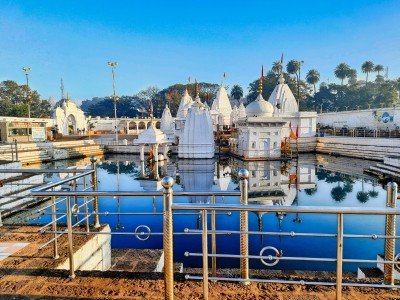
Bhrigu Kamandal
Some quick example text to build on the card title and make up the bulk of the card's content.
Go somewhere
Dhuni Pani
Some quick example text to build on the card title and make up the bulk of the card's content.
Go somewhere
Dudh Dhara Waterfall
Some quick example text to build on the card title and make up the bulk of the card's content.
Go somewhere
Durga Mandir
Some quick example text to build on the card title and make up the bulk of the card's content.
Go somewhere
Indira Gandhi National Tribal University
Some quick example text to build on the card title and make up the bulk of the card's content.
Go somewhere
Jwaleshwar Mahadev Temple
Some quick example text to build on the card title and make up the bulk of the card's content.
Go somewhere
Kabir Chabutra
Some quick example text to build on the card title and make up the bulk of the card's content.
Go somewhere
Kapil Dhara Waterfall
Some quick example text to build on the card title and make up the bulk of the card's content.
Go somewhere
Kapila Maharshi Ashram
Some quick example text to build on the card title and make up the bulk of the card's content.
Go somewhere
Narmada Ashram
Some quick example text to build on the card title and make up the bulk of the card's content.
Go somewhere
Narmada Kund & Temples
Some quick example text to build on the card title and make up the bulk of the card's content.
Go somewhere
Narmada Mandir
Some quick example text to build on the card title and make up the bulk of the card's content.
Go somewhere
Narmada Udgam & Kund
Some quick example text to build on the card title and make up the bulk of the card's content.
Go somewherein Other Cities