Dhuni Pani
General information
-
Ideal Duration:
1 to 2 hours (Including the short trek/walk)Place Type:
Hot Water Spring / Religious SpotEntry Fees:
Zero Entry Fee: There is no entry fee to visit the natural hot spring, which is open to all for spiritual and therapeutic purposes.
Local Transport Fee: A fee is required for the local taxi or auto-rickshaw to transport you to the nearest dr...Zero Entry Fee: There is no entry fee to visit the natural hot spring, which is open to all for spiritual and therapeutic purposes.
Local Transport Fee: A fee is required for the local taxi or auto-rickshaw to transport you to the nearest drop-off point, typically negotiable around Rs.400 - Rs.700 for a return trip, depending on the number of waiting hours.
Small Offering Fee: Small, local vendors might charge a nominal fee for storing belongings or using a basic changing area, but this is entirely optional and for convenience. No official charge is levied by the forest or government.
Timing:
Regular Timings: As a natural, open site, it is best and safest to visit between 7:00 AM and 5:00 PM. Visits after dark are strictly discouraged due to the secluded forest location.
Ideal Visit Time: The best time is the early morning (7:30...Regular Timings: As a natural, open site, it is best and safest to visit between 7:00 AM and 5:00 PM. Visits after dark are strictly discouraged due to the secluded forest location.
Ideal Visit Time: The best time is the early morning (7:30 AM to 9:30 AM), especially during Winter, when the contrast between the warm water and the cold air produces the most dramatic steam effect, enhancing the mystical atmosphere. Late afternoon is also good for cooler temperatures.
Time Allocation: Allocate about 1-2 hours for the entire visit, including the walk and time spent at the spring.
Special Events:
Local Sage Commemoration: On certain auspicious dates related to the Hindu calendar (like Purnima or Amavasya), small groups of local ascetics and sadhus gather here for ritual bathing and special worship, continuing the site's tradition as a hermitage for spiritual practice...Local Sage Commemoration: On certain auspicious dates related to the Hindu calendar (like Purnima or Amavasya), small groups of local ascetics and sadhus gather here for ritual bathing and special worship, continuing the site's tradition as a hermitage for spiritual practice.
Winter Solstice Rituals: Because of the warm water, some groups prefer to perform special cold-weather rituals or night-long prayers (jagarans) at Dhuni Pani during the winter months, offering a unique spectacle of devotion.
Best Photo Spots:
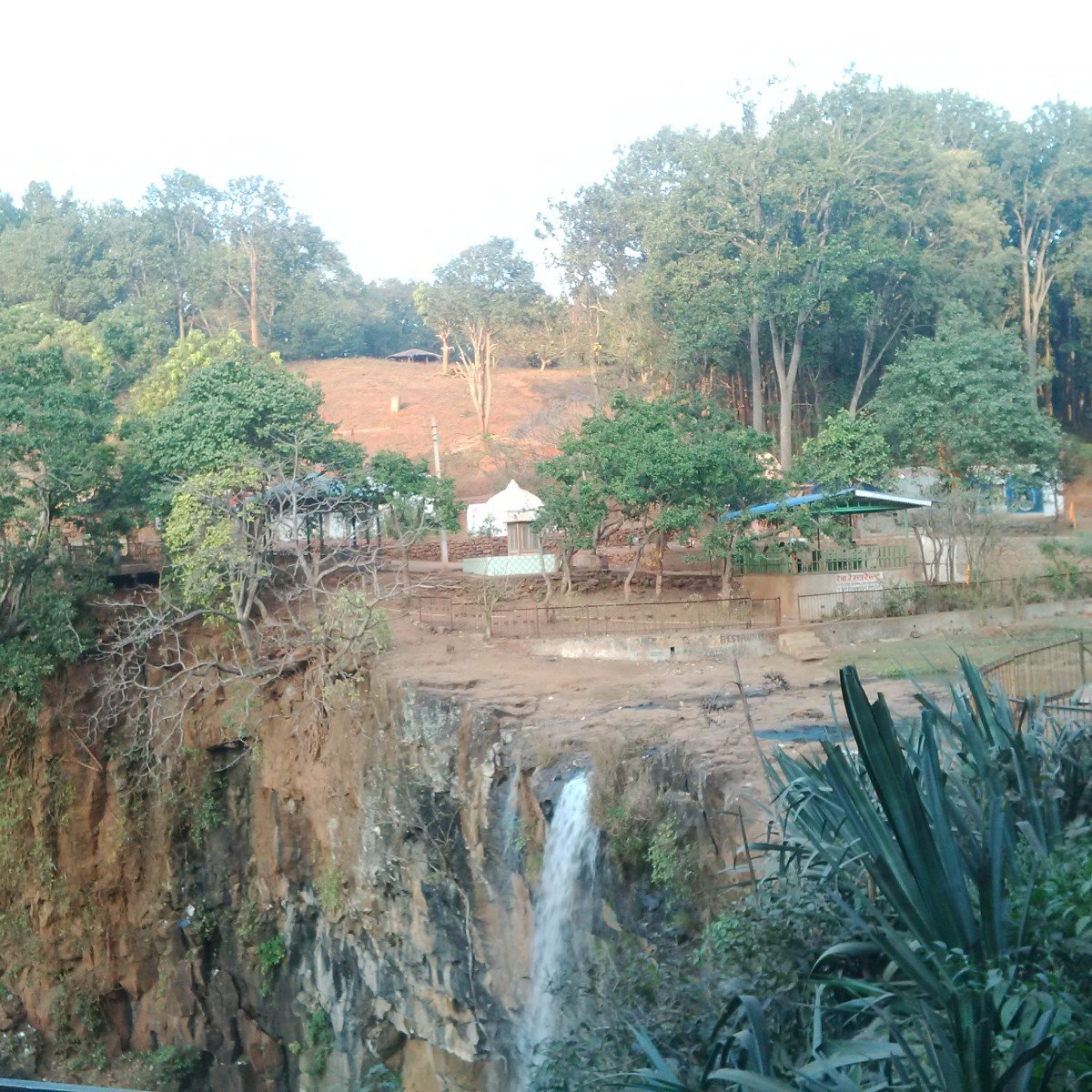
The Steaming Water in Cool Air: A photograph capturing the rising steam from the hot spring, especially against the backdrop of the cool, green forest or the rising sun in the Winter morning, is the most symbolic and beautiful shot.
Water Collec...The Steaming Water in Cool Air: A photograph capturing the rising steam from the hot spring, especially against the backdrop of the cool, green forest or the rising sun in the Winter morning, is the most symbolic and beautiful shot.
Water Collection Point: A close-up or medium shot of the natural kund/reservoir where the hot water collects, perhaps with a devotee engaged in ritual, effectively conveys the spiritual utility and natural structure of the site.
Reflections in the Water: Shots capturing the reflection of the surrounding trees and sky in the still, warm water pool create a serene and contemplative image.
The Forest Trail Entrance: A scenic shot of the gentle, winding trail leading to the secluded spot, suggesting a journey towards a hidden natural wonder, is a great landscape photo.
Photo Gallery

Things To Do
-
Take a Spiritual Dip or Sprinkle: The main activity is to take a dip in the hot water kund or at least sprinkle the sacred water on oneself, believing in its spiritual and medicinal benefits for purification and healing.
Meditate in the Tranquil Setting: Utilize the calm, secluded ambiance of the forest and the thermal spring to sit quietly, reflect, and perform meditation or simple spiritual rites, soaking in the area’s legendary energy from the ancient sages.
Nature Photography: The rising steam and the warm water against the backdrop of the dense green forest, especially in the cool morning air, create a beautiful, evocative scene perfect for unique nature photography.
Short Forest Walk: Take a short, gentle walk along the nearby trails leading into the fore...Take a Spiritual Dip or Sprinkle: The main activity is to take a dip in the hot water kund or at least sprinkle the sacred water on oneself, believing in its spiritual and medicinal benefits for purification and healing.
Meditate in the Tranquil Setting: Utilize the calm, secluded ambiance of the forest and the thermal spring to sit quietly, reflect, and perform meditation or simple spiritual rites, soaking in the area’s legendary energy from the ancient sages.
Nature Photography: The rising steam and the warm water against the backdrop of the dense green forest, especially in the cool morning air, create a beautiful, evocative scene perfect for unique nature photography.
Short Forest Walk: Take a short, gentle walk along the nearby trails leading into the forest, appreciating the diverse flora and fauna of the Maikal hills that surround the spring.
Picnic and Relaxation: The area around the spring provides a lovely, natural space for a quiet picnic lunch, allowing for relaxation and appreciation of the unique geothermal and forested landscape.
Identify Local Flora: Engage a local guide to help identify the various medicinal plants and unique flora that flourish in the micro-climate created by the perpetually warm, mineral-rich water, linking the visit to local ecological knowledge.
Visit in Conjunction with Kapil Dhara: Combine the visit with a trip to the nearby Kapil Dhara Waterfall (only a few kilometers away) and other surrounding attractions to maximize the day's spiritual and natural sightseeing.
Witness the Steaming Effect: Visit during the early morning (Winter) to witness the most dramatic effect of the warm water steaming against the cold forest air, creating a mystical, ethereal atmosphere perfect for unique videography.
Information
-
Why Famous:
The Phenomenon of Hot Water: Dhuni Pani is famous primarily for the natural phenomenon of its hot water spring in the midst of a cool forest, a rarity that locals attribute to the spiritual heat (Dhuni) of ancient sages' penance. This unusual feature draws significant atten...The Phenomenon of Hot Water: Dhuni Pani is famous primarily for the natural phenomenon of its hot water spring in the midst of a cool forest, a rarity that locals attribute to the spiritual heat (Dhuni) of ancient sages' penance. This unusual feature draws significant attention from geologists, nature enthusiasts, and pilgrims.
Medicinal Properties: The hot, mineral-rich water is widely believed to possess medicinal and therapeutic properties, attracting people who seek natural healing for skin ailments and joint pains, making it a unique destination in the pilgrimage town.
Spiritual Aura: The site is considered highly sacred, believed to be sanctified by the presence and spiritual energy of numerous sages and ascetics who used the spot for meditation, thus solidifying its fame as a powerful place of spiritual cleansing and purification. It is a natural teerth (holy spot).
-
Architecture:
Natural Geo-Thermal Structure: The architecture is purely a geo-thermal and hydrological phenomenon. The structure is defined by the earth's natural fissures that allow warm, mineral-rich water to rise to the surface, forming a natural spring.
...Natural Geo-Thermal Structure: The architecture is purely a geo-thermal and hydrological phenomenon. The structure is defined by the earth's natural fissures that allow warm, mineral-rich water to rise to the surface, forming a natural spring.
The Spring Reservoir: The central 'structure' is a naturally formed kund (reservoir or tank) where the hot water collects. The size of this pool is typically small, often irregular in shape, perhaps 3m x 2m, but it is large enough for devotees to take a symbolic dip or sprinkle the water.
Stone Retaining Walls: To manage the flow and collection of the sacred hot water for ritual purposes, local devotees or forest department may have constructed simple, low stone retaining walls around the spring to form a functional bathing/dipping area, blending utility with the natural setting. The focus is entirely on the geological structure.
-
How To Reach:
By Air: The nearest airport is Raipur Airport (RPR), (approximately 230 KMS). From Raipur, hire a taxi or take a bus to Amarkantak town. From town, hire local transport.
By Train: The closest railhead is Pendra Road Railway Station (PND), ...By Air: The nearest airport is Raipur Airport (RPR), (approximately 230 KMS). From Raipur, hire a taxi or take a bus to Amarkantak town. From town, hire local transport.
By Train: The closest railhead is Pendra Road Railway Station (PND), (45 KMS). From Pendra Road, take a taxi or bus to Amarkantak. From the town center, hire an auto-rickshaw to the drop-off point near the site.
By Road: Amarkantak is the base, connected by state highways. From the town, hire a local auto-rickshaw or taxi for the 5-6 KMS drive to the nearest motorable point, which often requires a short, subsequent walk to the spring itself. Ensure the vehicle waits for you.
By Local Transport: The final few hundred meters may require a walk down a slightly rough, marked path. Local auto-rickshaws and shared taxis are the best local way to reach the trail head from the main town.
-
Weather and Best Time to Visit:
Different Types of Seasons: The Winter Season (November to February) is the prime time, as the cool air dramatically enhances the visibility of the steam from the hot spring, creating a visually and spiritually evocative atmosphere, and the walk is very pleasant. Post-Monso...Different Types of Seasons: The Winter Season (November to February) is the prime time, as the cool air dramatically enhances the visibility of the steam from the hot spring, creating a visually and spiritually evocative atmosphere, and the walk is very pleasant. Post-Monsoon (September to October) is also lovely, with the forest at its greenest. Summer is too hot to fully enjoy the thermal water.
Different Parts of the Day: The Early Morning (Sunrise to 10 AM) is the best part of the day, as the thermal spring's steam is most visible and the temperature is most enjoyable for bathing or dipping.
-
Near Tourist Places:
Kapil Dhara Waterfall (3. 0 KMS) Dudh Dhara Waterfall (4. 0 KMS) Kabir Chabutra (2. 0 KMS) Sonemuda (Source of Sone River) (3. 0 KMS) Mai Ki Bagiya (4. 0 KMS) Shri Yantra Mandir (3. 0 KMS) Jaleshwar Mahadev Temple (5. 0 KMS) Narmada Udgam Temple (5. 5 KMS) Ancient Kalachuri Temples (5. 7 KMS) Bhrigu Kamandal (4. 0 KMS)
Tourism Tips
-
Health & Safety: The path can be rocky and slippery; wear sensible, non-slip footwear. Test the water temperature carefully before entering. Carry a towel and a change of clothes if planning a dip.
Packing: Essential items include a towel...Health & Safety: The path can be rocky and slippery; wear sensible, non-slip footwear. Test the water temperature carefully before entering. Carry a towel and a change of clothes if planning a dip.
Packing: Essential items include a towel, a change of clothing (if bathing), and a water bottle. Do not forget your camera to capture the unique steaming effect. Carry a waterproof bag for electronics.
Accommodation: Stay in the main town of Amarkantak (plenty of hotels/dharmshalas). This spot is not suitable for overnight stays or camping due to the forest location and lack of facilities.
Other Different Topics: Respect the sanctity of the spring; do not use soap or detergent. Carry back all your waste and garbage to preserve the pristine environment of the forest. Negotiate local transport prices carefully before setting out.
Reviews
FAQs
Amarkantak Itineray And Cost:-
Other Places In Amarkantak :-
Other States In India :-
Information about New and Updated Locations() of Madhya Pradesh Has Been Added :-
Card subtitle
Note:-
Information provided here in good Faith and for reference only.
Near Places
Acharya Vinoba Bhave Ashram
Some quick example text to build on the card title and make up the bulk of the card's content.
Go somewhere
Amarkantak
Some quick example text to build on the card title and make up the bulk of the card's content.
Go somewhere
Ancient Kalachuri Temples
Some quick example text to build on the card title and make up the bulk of the card's content.
Go somewhere
Bhrigu Kamandal
Some quick example text to build on the card title and make up the bulk of the card's content.
Go somewhere
Dhuni Pani
Some quick example text to build on the card title and make up the bulk of the card's content.
Go somewhere
Dudh Dhara Waterfall
Some quick example text to build on the card title and make up the bulk of the card's content.
Go somewhere
Durga Mandir
Some quick example text to build on the card title and make up the bulk of the card's content.
Go somewhere
Indira Gandhi National Tribal University
Some quick example text to build on the card title and make up the bulk of the card's content.
Go somewhere
Jwaleshwar Mahadev Temple
Some quick example text to build on the card title and make up the bulk of the card's content.
Go somewhere
Kabir Chabutra
Some quick example text to build on the card title and make up the bulk of the card's content.
Go somewhere
Kapil Dhara Waterfall
Some quick example text to build on the card title and make up the bulk of the card's content.
Go somewhere
Kapila Maharshi Ashram
Some quick example text to build on the card title and make up the bulk of the card's content.
Go somewhere
Narmada Ashram
Some quick example text to build on the card title and make up the bulk of the card's content.
Go somewhere
Narmada Kund & Temples
Some quick example text to build on the card title and make up the bulk of the card's content.
Go somewhere
Narmada Mandir
Some quick example text to build on the card title and make up the bulk of the card's content.
Go somewhere
Narmada Udgam & Kund
Some quick example text to build on the card title and make up the bulk of the card's content.
Go somewherein Other Cities