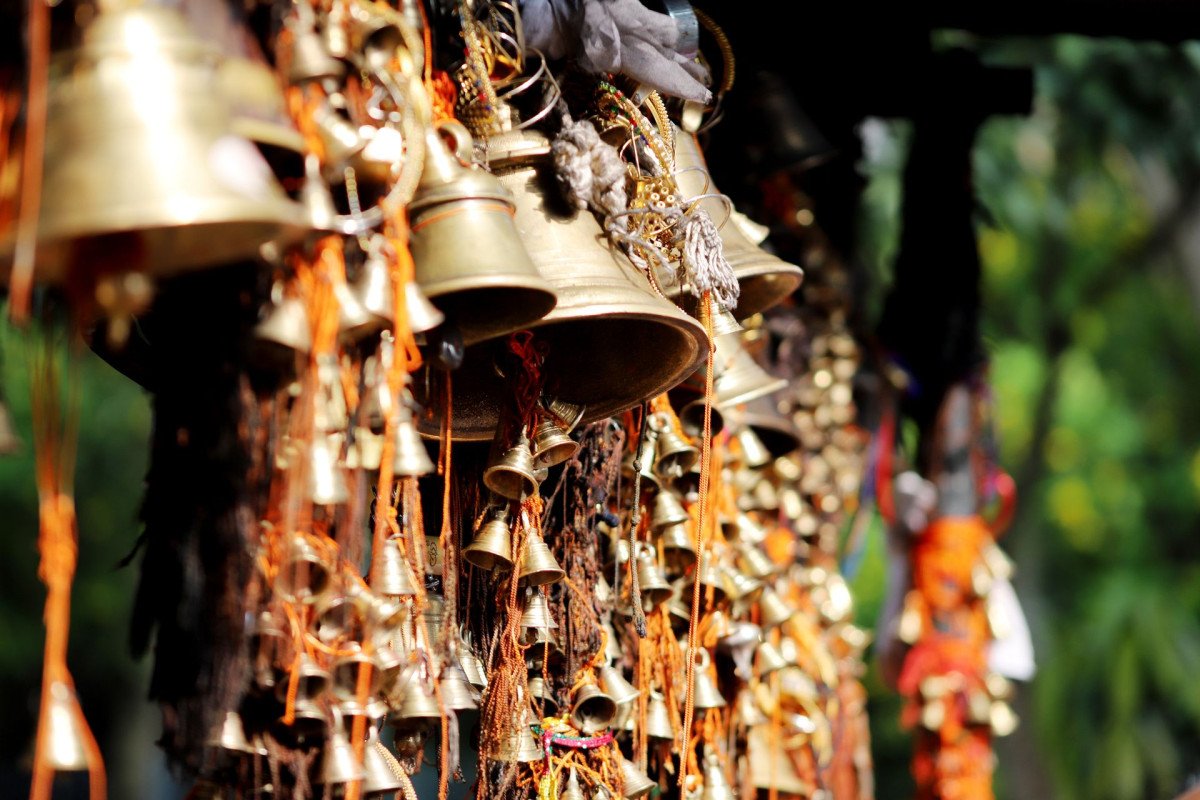
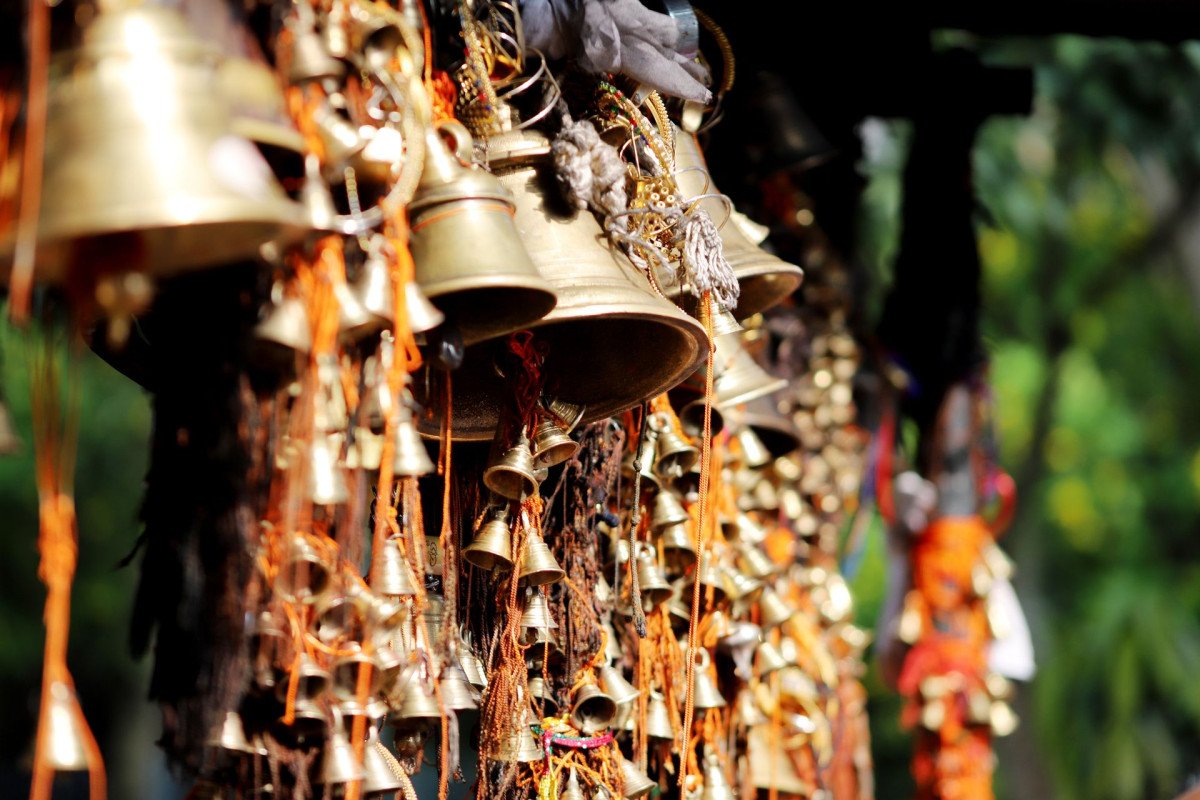
Jwaleshwar Mahadev Temple
General information
-
Ideal Duration:
1 HourPlace Type:
Pilgrimage, Religious, NatureEntry Fees:
No Entry Fees: Similar to most places of worship in Amarkantak, there is no entry fee to visit Jwaleshwar Mahadev Temple. The temple operates on voluntary donations from pilgrims and devotees for its maintenance and daily rituals.
Charges for S...No Entry Fees: Similar to most places of worship in Amarkantak, there is no entry fee to visit Jwaleshwar Mahadev Temple. The temple operates on voluntary donations from pilgrims and devotees for its maintenance and daily rituals.
Charges for Special Puja: For special, individualized services like a Rudra Abhishek or a dedicated Puja by a temple priest, a donation or fee for the religious service may be requested. Visitors are advised to inquire politely about the suggested contribution for such services.
Parking Fees: Very minor fees may be charged by local attendants for parking a vehicle in the designated area near the temple complex.Timing:
Regular Timings: The temple is typically open from 6:00 AM to 7:30 PM daily, allowing devotees to perform morning rituals and evening Aarti. Aarti timings are generally around 8:00 AM and 7:00 PM, but they can vary seasonally.
Ideal Visit Time:...Regular Timings: The temple is typically open from 6:00 AM to 7:30 PM daily, allowing devotees to perform morning rituals and evening Aarti. Aarti timings are generally around 8:00 AM and 7:00 PM, but they can vary seasonally.
Ideal Visit Time: The best time is the early morning (6:30 AM to 9:00 AM) when the air is cool, and the chanting and morning Aarti are in progress, creating a deeply sacred atmosphere. The late afternoon (4:00 PM to 6:00 PM) is also pleasant for a calm visit and to witness the serene surroundings.Special Events:
Maha Shivaratri: The festival of Maha Shivaratri (the Great Night of Shiva), which typically falls in February or March, is the most significant annual event here. The temple witnesses grand decorations, continuous chanting, all-night vigil (Jagran), and a massive inflow of...Maha Shivaratri: The festival of Maha Shivaratri (the Great Night of Shiva), which typically falls in February or March, is the most significant annual event here. The temple witnesses grand decorations, continuous chanting, all-night vigil (Jagran), and a massive inflow of devotees who perform special Puja and offer water from various holy sources to the Shivlingam.
Sawan Month: The entire holy month of Sawan (Monsoon, usually July to August) is a special period when devotees of Shiva (known as Kanwariyas) undertake pilgrimages and offer water daily, making the atmosphere particularly vibrant and devout.Best Photo Spots:
The Shikhara from a Distance: The curvilinear tower (Shikhara) of the temple, rising above the forest canopy, makes for a classic landscape photo, especially at sunrise or sunset.
The Shivlingam in the Sanctum: If allowed, a respectful photo...The Shikhara from a Distance: The curvilinear tower (Shikhara) of the temple, rising above the forest canopy, makes for a classic landscape photo, especially at sunrise or sunset.
The Shivlingam in the Sanctum: If allowed, a respectful photograph of the highly revered Jwaleshwar Mahadev Shivlingam can capture the core religious significance of the site.
The Forested Pathway: The path leading up to the temple, shaded by large, old trees, provides a beautiful, evocative shot that captures the secluded and natural environment of the shrine.
The Johilla Origin Spot: A close-up or wide shot of the subtle spring that marks the Johilla River's origin is an excellent picture for capturing the unique geographical and spiritual feature of the place.Photo Gallery
Things To Do
-
Offer Water and Bilva Patra to the Shivlingam: The most important ritual is offering water, milk, and Bilva Patra (Aegle marmelos leaves) to the Jwaleshwar Mahadev Shivlingam as an act of devotion to Lord Shiva.
Meditation and Prayer: The tranquil, forested surroundings make it an ideal spot for deep meditation and quiet prayer, allowing for an intensely personal spiritual experience.
Visit the Johilla Origin: Seek out the actual origin point of the Johilla River nearby and offer reverence to this sacred water source.
Nature Walk and Forest Bathing: The temple is nestled in a dense forest area, providing an opportunity for a peaceful nature walk. The fresh forest air is invigorating and therapeutic.
Witnessing Aarti: Attending t...Offer Water and Bilva Patra to the Shivlingam: The most important ritual is offering water, milk, and Bilva Patra (Aegle marmelos leaves) to the Jwaleshwar Mahadev Shivlingam as an act of devotion to Lord Shiva.
Meditation and Prayer: The tranquil, forested surroundings make it an ideal spot for deep meditation and quiet prayer, allowing for an intensely personal spiritual experience.
Visit the Johilla Origin: Seek out the actual origin point of the Johilla River nearby and offer reverence to this sacred water source.
Nature Walk and Forest Bathing: The temple is nestled in a dense forest area, providing an opportunity for a peaceful nature walk. The fresh forest air is invigorating and therapeutic.
Witnessing Aarti: Attending the morning or evening Aarti is a great way to experience the temple's spiritual ambiance and the fervent devotion of the local community.
Panoramic View: Climb to a slightly elevated spot nearby to enjoy the panoramic view of the Maikal Hills and the dense forest cover.
Picnicking (Respectfully): The open spaces and natural setting around the temple (away from the sanctum) are suitable for a family picnic, provided the area is kept absolutely clean and the religious sanctity is maintained.
Information
-
Why Famous:
Association with Lord Shiva and Johilla River: The primary fame of Jwaleshwar Mahadev Temple stems from its strong association with Lord Shiva, one of the Hindu Trinity. It is a key pilgrimage center for Shaivites (devotees of Shiva). Moreover, it is considered the origin ...Association with Lord Shiva and Johilla River: The primary fame of Jwaleshwar Mahadev Temple stems from its strong association with Lord Shiva, one of the Hindu Trinity. It is a key pilgrimage center for Shaivites (devotees of Shiva). Moreover, it is considered the origin of the Johilla River, thus completing the sacred trinity of rivers originating in Amarkantak (Narmada, Son, and Johilla). This river source adds another layer of profound sanctity to the site.
Mythological Legend of Tripurasura: The legend of a fragment of the demon Tripurasura falling here after being defeated by Shiva elevates the site's spiritual status. This mythological connection draws pilgrims seeking divine blessings and purification. The temple is thus seen as a place of great cosmic power and divine presence. -
Architecture:
Nagara Style and Black Stone Lingam: The temple typically follows the Nagara style of North Indian temple architecture, characterized by a tall, curvilinear tower (Shikhara). The main deity is the black stone Shivlingam, or Jwaleshwar Mahadev. The temple structure is modes...Nagara Style and Black Stone Lingam: The temple typically follows the Nagara style of North Indian temple architecture, characterized by a tall, curvilinear tower (Shikhara). The main deity is the black stone Shivlingam, or Jwaleshwar Mahadev. The temple structure is modest, constructed primarily of stone and cement, likely undergoing renovations over time. The Garbhagriha (sanctum sanctorum) is where the Shivlingam is housed, facing the Mandapa (assembly hall). The overall design emphasizes a spiritual focus rather than elaborate ornamentation.
The Garbhagriha and the Sacred Source: The architectural focus is often on the small, sacred pool or spring near the temple, which is believed to be the origin point of the Johilla River. The temple structure is built to honor this natural source, integrating the worship of the deity (Shiva) with the reverence for the natural element (the river source). The simplicity of the architecture, in contrast to the ornate Kalachuri temples, reflects a focused reverence for the power of Shiva and the sanctity of the water source.
Dimension: The temple complex is not massive. The main temple is relatively small, but the surrounding open space and water body create a sense of expansive tranquility. The total area is consecrated for religious rituals and housing a small number of priests and devotees. -
How To Reach:
By Air: The nearest airports are Jabalpur Airport (218 km) and Raipur Airport (240 km). Hire a taxi and follow the Amarkantak-Shahdol road to reach the temple.
By Train: The nearest railway station is Pendra Road Railway Station (52 km), fo...By Air: The nearest airports are Jabalpur Airport (218 km) and Raipur Airport (240 km). Hire a taxi and follow the Amarkantak-Shahdol road to reach the temple.
By Train: The nearest railway station is Pendra Road Railway Station (52 km), followed by Anuppur Junction (61 km). From the station, take a private taxi or local bus heading towards Amarkantak via the Shahdol/Bilaspur road, asking to be dropped at the temple.
By Road: The temple is located right off the main road connecting Amarkantak to Shahdol and Bilaspur. It is easily accessible by private vehicle or a hired taxi from Amarkantak town. State transport buses running on this route will stop on request.
By Local Transport: From Amarkantak city center, a local taxi or shared auto is the best way to cover the 10 km distance. Since it is located on the main road, return transport can be found, but it is advisable to book a round-trip taxi. -
Weather and Best Time to Visit:
Different Types of Seasons: Winter (October to March) is most suitable for a comfortable and pleasant visit. The surrounding forests are at their lushest during the Monsoon (July to September), making the setting particularly beautiful, though roads might be slightly challe...Different Types of Seasons: Winter (October to March) is most suitable for a comfortable and pleasant visit. The surrounding forests are at their lushest during the Monsoon (July to September), making the setting particularly beautiful, though roads might be slightly challenging. Summer is generally hot but can be visited early in the morning.
Different Parts of the Day: Early morning is best for the cool weather, the sounds of the forest, and the morning Puja. The late afternoon is great for combining the visit with a scenic drive and enjoying the peaceful atmosphere before sunset. -
Near Tourist Places:
Narmada Udgam Kund (10 km), Mai ki Bagiya (6 km), Sonmuda (8 km), Kabir Chabutra (3 km), Shri Yantra Mandir (9 km), Ancient Kalachuri Temples (10 km), Sarvodaya Jain Temple (10 km), Kapil Dhara Waterfall (16 km), Dudh Dhara Waterfall (17 km), Shri Durga Mandir (10 km), Dhuni Pani (18 km).
Tourism Tips
-
Health & Safety: The temple is in a forested area; be mindful of insects, and do not wander off the main path. Keep the area clean. Wear comfortable footwear for the short walk from the parking area.
Packing: Carry an offering for Lord Sh...Health & Safety: The temple is in a forested area; be mindful of insects, and do not wander off the main path. Keep the area clean. Wear comfortable footwear for the short walk from the parking area.
Packing: Carry an offering for Lord Shiva (water, milk, flowers) if you wish to perform a Puja. Carry a light shawl or scarf, as is customary in many temples. Carry bottled water, especially for the humid months.
Accommodation: Limited accommodation is available in the immediate vicinity (mostly simple ashrams). It is highly recommended to stay in Amarkantak town and visit this temple as a half-day excursion. Other Different Topics heading (Photography & Respect): Photography is generally allowed in the complex but may be restricted inside the main sanctum. Maintain a quiet and respectful demeanor, recognizing the temple's sanctity and its beautiful, secluded natural setting.
Reviews
FAQs
Amarkantak Itineray And Cost:-
Jwaleshwar Mahadev Temple Tourism:-
Information about New and Updated Locations() of Madhya Pradesh Has Been Added :-
Card subtitle
Note:-
Information provided here in good Faith and for reference only.
All information and pictures will be updated soon, please keep visiting.
Near Places

Acharya Vinoba Bhave Ashram
Some quick example text to build on the card title and make up the bulk of the card's content.
Go somewhere
Amarkantak
Some quick example text to build on the card title and make up the bulk of the card's content.
Go somewhere
Ancient Kalachuri Temples
Some quick example text to build on the card title and make up the bulk of the card's content.
Go somewhere
Bhrigu Kamandal
Some quick example text to build on the card title and make up the bulk of the card's content.
Go somewhere
Dhuni Pani
Some quick example text to build on the card title and make up the bulk of the card's content.
Go somewhere
Dudh Dhara Waterfall
Some quick example text to build on the card title and make up the bulk of the card's content.
Go somewhere
Durga Mandir
Some quick example text to build on the card title and make up the bulk of the card's content.
Go somewhere
Indira Gandhi National Tribal University
Some quick example text to build on the card title and make up the bulk of the card's content.
Go somewhere
Jwaleshwar Mahadev Temple
Some quick example text to build on the card title and make up the bulk of the card's content.
Go somewhere
Kabir Chabutra
Some quick example text to build on the card title and make up the bulk of the card's content.
Go somewherein Other Cities