
Amarkantak
General information
-
Ideal Duration:
2-3 Days (For full town exploration)Place Type:
Pilgrimage, Hill Station, Nature, HistoricalEntry Fees:
No Entry Fees: There is no entry fee to enter the town of Amarkantak or to visit most of the major spiritual sites, including the Narmadakund complex, the Kalachuri temples, and the waterfalls.
Local Charges: Nominal fees may apply for vehic...No Entry Fees: There is no entry fee to enter the town of Amarkantak or to visit most of the major spiritual sites, including the Narmadakund complex, the Kalachuri temples, and the waterfalls.
Local Charges: Nominal fees may apply for vehicle parking at popular spots like Kapil Dhara or Sonmuda.
Guide Fees: While a guide is not essential, a small, negotiated fee may be charged if you hire a local person for a tour of the ancient temple ruins.
Donations: Visitors are expected to make voluntary donations at the numerous temples they visit to support the upkeep and religious activities. This is entirely optional and depends on the visitor.Timing:
Regular Timings: The town is always open, but most temples, including the Narmadakund complex, operate from around 5:00 AM to 8:00 PM daily. Waterfalls and nature spots are best visited during daylight hours (6:00 AM to 5:00 PM).
Ideal Visit Ti...Regular Timings: The town is always open, but most temples, including the Narmadakund complex, operate from around 5:00 AM to 8:00 PM daily. Waterfalls and nature spots are best visited during daylight hours (6:00 AM to 5:00 PM).
Ideal Visit Time: Winter (October to March) is the most comfortable season overall. The early morning is the most highly recommended time to visit the temple complex for the Aarti and the natural spots like Sonmuda for sunrise.Special Events:
Narmada Jayanti: The birth anniversary of Ma Narmada, usually celebrated on the seventh day of the bright half of the Hindu lunar month of Magha (February/March), is the biggest annual event. The entire town is lit up, and a massive fair, religious rituals, and processions ...Narmada Jayanti: The birth anniversary of Ma Narmada, usually celebrated on the seventh day of the bright half of the Hindu lunar month of Magha (February/March), is the biggest annual event. The entire town is lit up, and a massive fair, religious rituals, and processions are held, drawing millions of pilgrims.
Maha Shivaratri: The festival of Lord Shiva is celebrated with great devotion, especially at the ancient Kalachuri temples and the Jwaleshwar Mahadev Temple, featuring all-night vigils, chanting, and a festive atmosphere.
Makar Sankranti: This festival in January, which marks the sun's entry into the zodiac sign of Capricorn, is a time when pilgrims take a holy dip in the Narmadakund.Best Photo Spots:
Sunrise from Sonmuda: The viewing platform at the source of the Son River offers a spectacular and iconic shot of the sunrise over the Maikal Hills.
The Narmadakund Complex at Dusk: The entire white temple complex, illuminated at dusk or dur...Sunrise from Sonmuda: The viewing platform at the source of the Son River offers a spectacular and iconic shot of the sunrise over the Maikal Hills.
The Narmadakund Complex at Dusk: The entire white temple complex, illuminated at dusk or during the evening Aarti, provides a beautiful, serene, and iconic photograph of the town's spiritual heart.
The Kalachuri Temple Cluster: The ancient temples, photographed from an angle that captures the detail of the Shikharas and the dense stone carvings, are excellent for architectural photography.
The Maikal Hills Landscape: Any high point, especially near the waterfalls or Sonmuda, offers a vast, panoramic landscape shot of the confluence of the mountain ranges and the forested valley.Photo Gallery
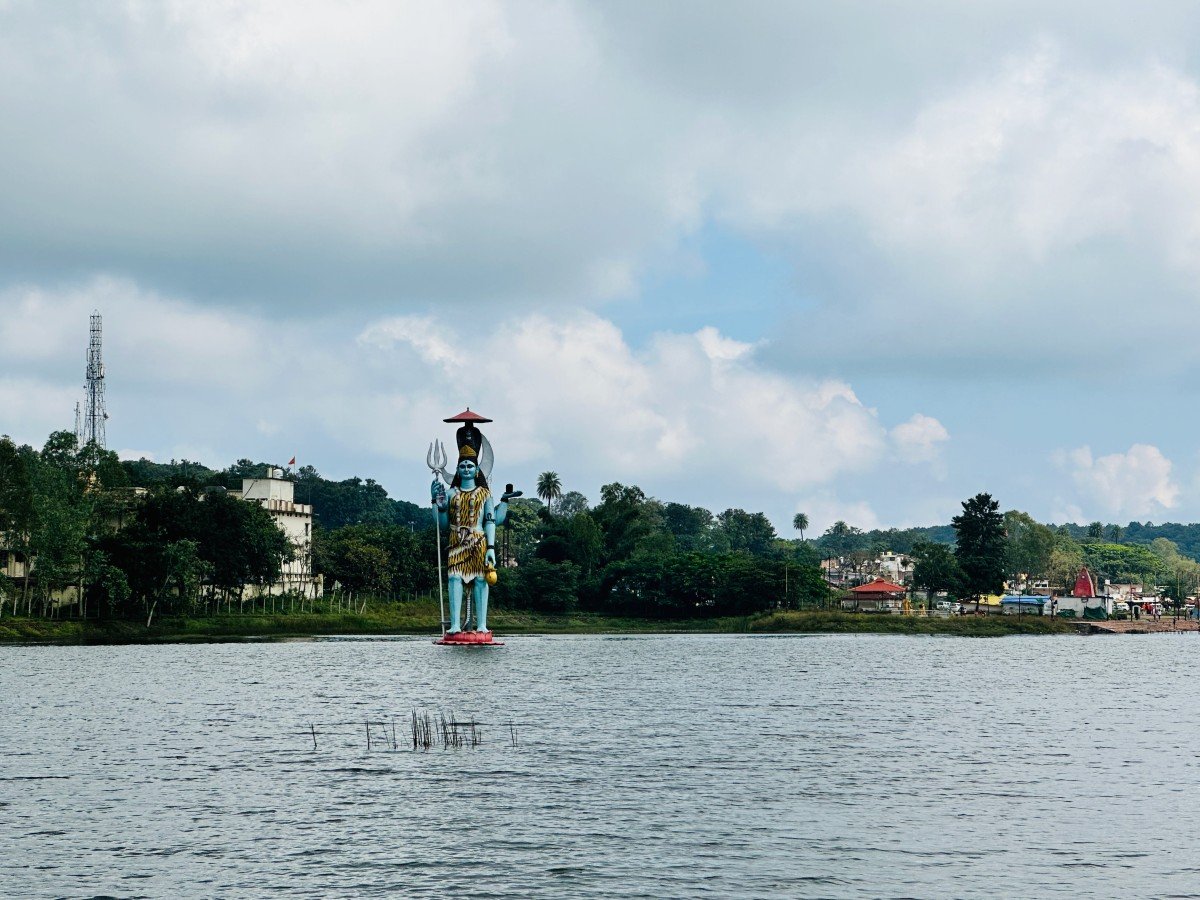
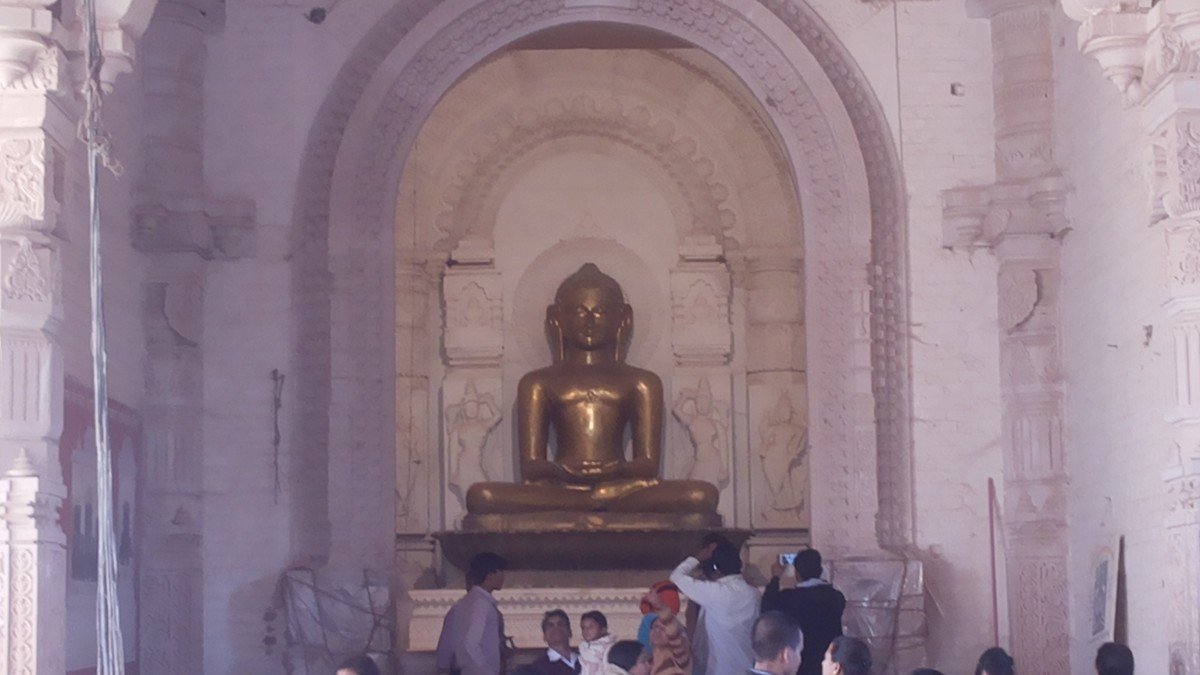
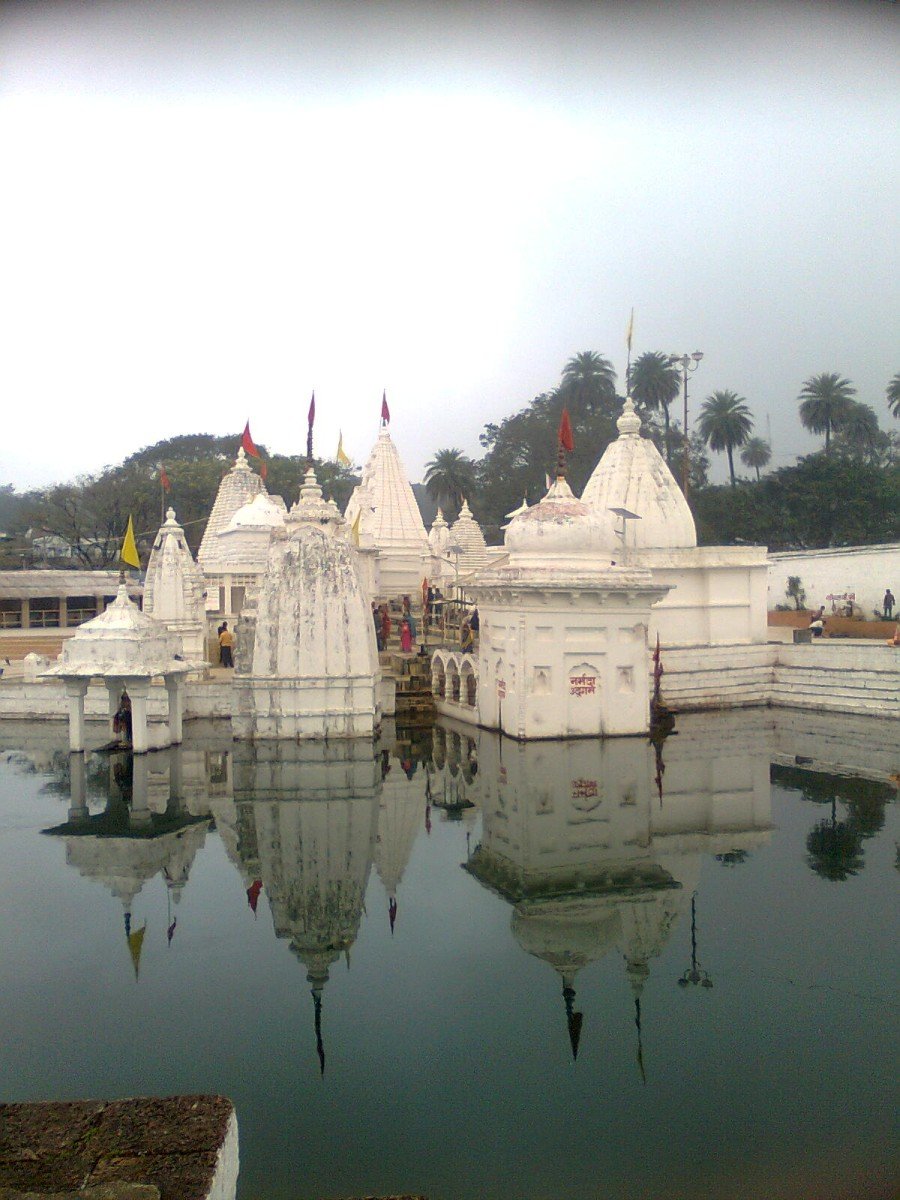
Things To Do
-
Perform Parikrama (Circumambulation): The most profound activity is to begin the Narmada Parikrama, the sacred barefoot walk along the river's entire length, a journey that can take years. Even a small symbolic walk around the Narmadakund is significant.
Visit the Narmadakund and Temple Complex: Spend ample time at the origin point, visiting the main Narmada Temple and the surrounding 22 smaller shrines, including the Durga Mandir.
Explore the Kalachuri Temples: Walk through the cluster of ancient temples to admire the historical architecture and detailed carvings, offering a glimpse into the region's ancient past.
Witness Sunrise at Sonmuda: Travel to Sonmuda (the source of the Son River) early in the morning for a breathtaking view of the sunrise over the roll...Perform Parikrama (Circumambulation): The most profound activity is to begin the Narmada Parikrama, the sacred barefoot walk along the river's entire length, a journey that can take years. Even a small symbolic walk around the Narmadakund is significant.
Visit the Narmadakund and Temple Complex: Spend ample time at the origin point, visiting the main Narmada Temple and the surrounding 22 smaller shrines, including the Durga Mandir.
Explore the Kalachuri Temples: Walk through the cluster of ancient temples to admire the historical architecture and detailed carvings, offering a glimpse into the region's ancient past.
Witness Sunrise at Sonmuda: Travel to Sonmuda (the source of the Son River) early in the morning for a breathtaking view of the sunrise over the rolling hills and to see the river emerge.
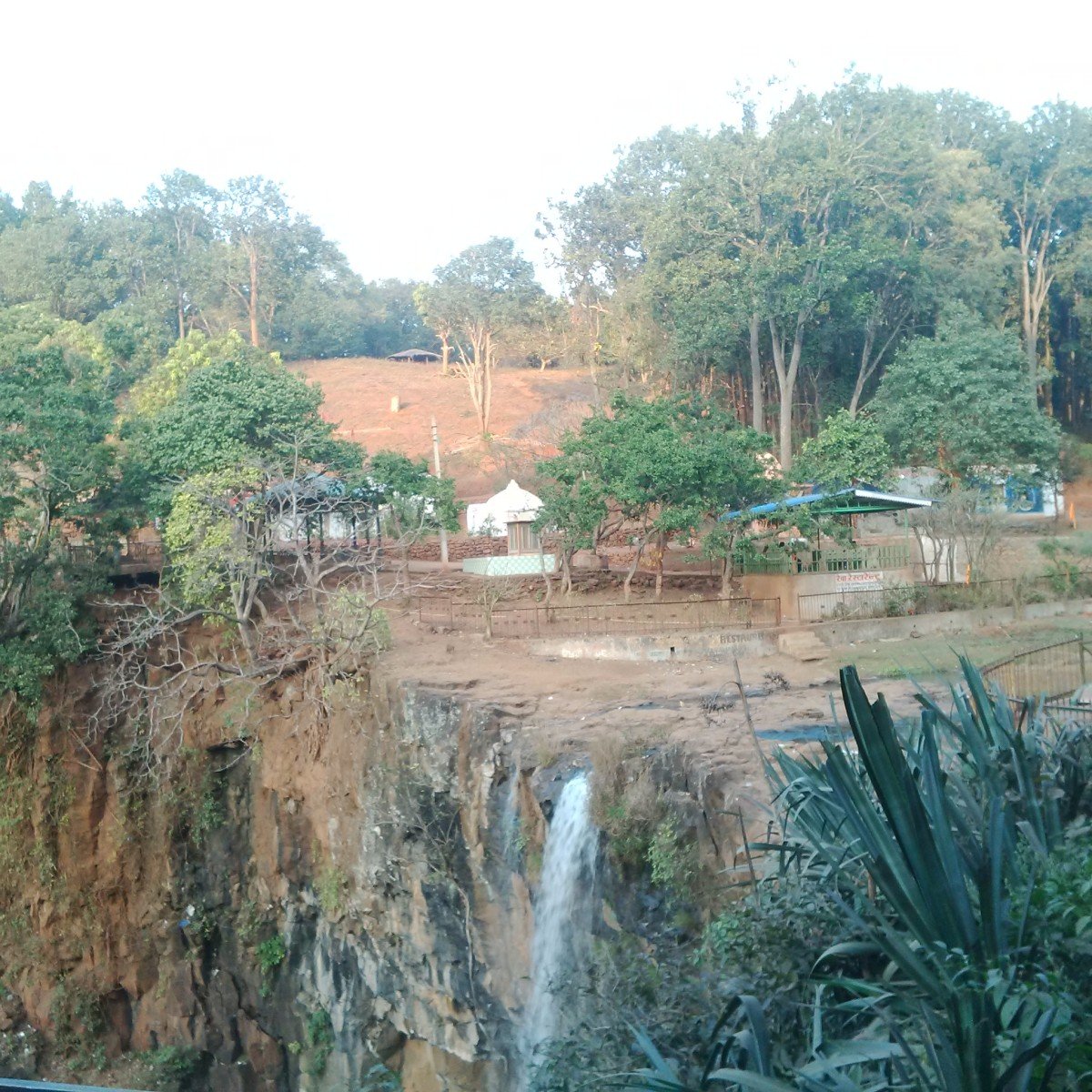
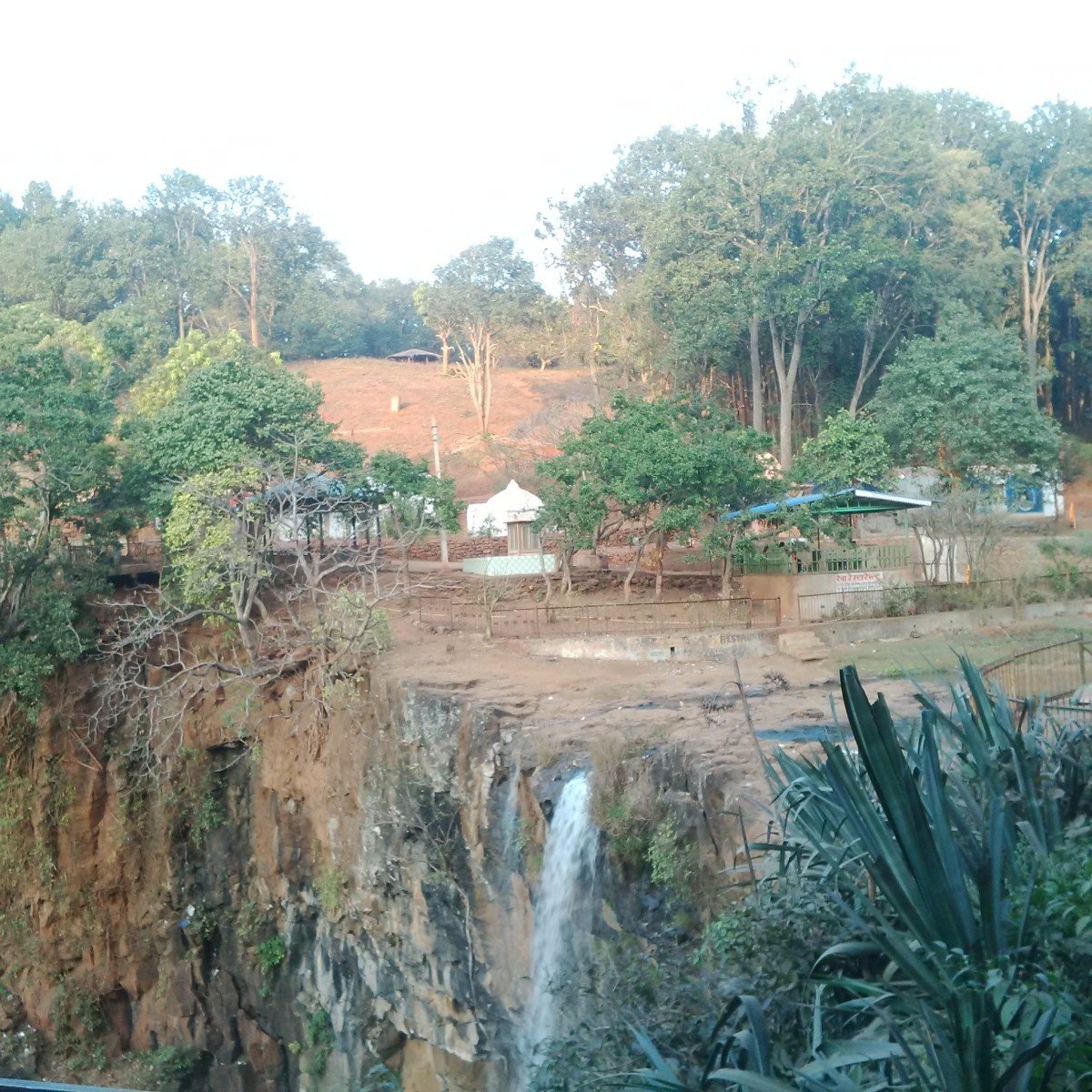
Waterfall Exploration: Take half-day trips to the nearby Kapil Dhara and Dudh Dhara waterfalls, especially during or post-monsoon.
Visit Mai ki Bagiya: Explore the mythical "Mother's Garden," a small, sacred grove with medicinal plants believed to be the spot where Ma Narmada and Ma Sonbhadra played.
Attend the Aarti at Narmadakund: The evening Aarti at the Narmadakund is a must-see event, filled with devotional music, fire, and a deeply moving spiritual ambiance.
Information
-
Why Famous:
Source of the Narmada River: Amarkantak is pre-eminently famous as the origin point of the holy Narmada River, one of India's seven sacred rivers. For Hindus, the Narmada is revered as a Goddess (Ma Narmada), and its source, the Narmadakund, is a site of immense spiritual p...Source of the Narmada River: Amarkantak is pre-eminently famous as the origin point of the holy Narmada River, one of India's seven sacred rivers. For Hindus, the Narmada is revered as a Goddess (Ma Narmada), and its source, the Narmadakund, is a site of immense spiritual power and pilgrimage. Bathing in its waters is believed to cleanse sins and lead to salvation.
Tirthraj (King of Pilgrimages): The moniker Tirthraj itself is the summary of its fame. This status is conferred because of the triple confluence of the Vindhya and Satpura ranges and the Maikal Hills, combined with the sources of three rivers (Narmada, Son, and Johilla). No other single site offers such a profound meeting of geography and Hindu spirituality, making it a compulsory destination for pilgrims. -
Architecture:
Historical Kalachuri Temple Cluster: The most distinctive architectural feature of Amarkantak is the cluster of over 20 ancient temples of the Kalachuri Period (10th-11th Century AD), built under the patronage of King Karnadeva. These temples, near the Narmadakund, showcase...Historical Kalachuri Temple Cluster: The most distinctive architectural feature of Amarkantak is the cluster of over 20 ancient temples of the Kalachuri Period (10th-11th Century AD), built under the patronage of King Karnadeva. These temples, near the Narmadakund, showcase the elaborate Nagara style, characterized by intricately carved stone façades, towering curvilinear Shikharas (towers), and complex geometric and figural friezes. The material is primarily sandstone.
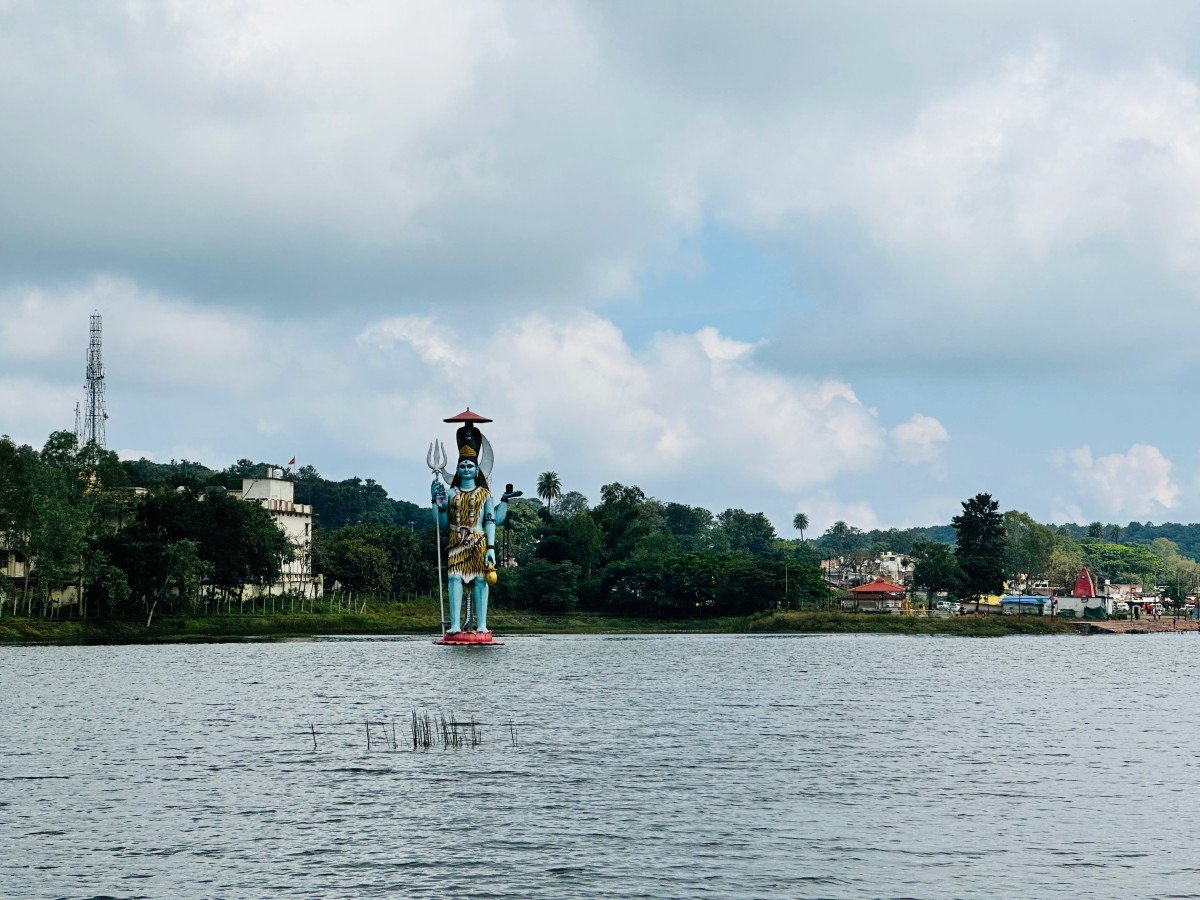
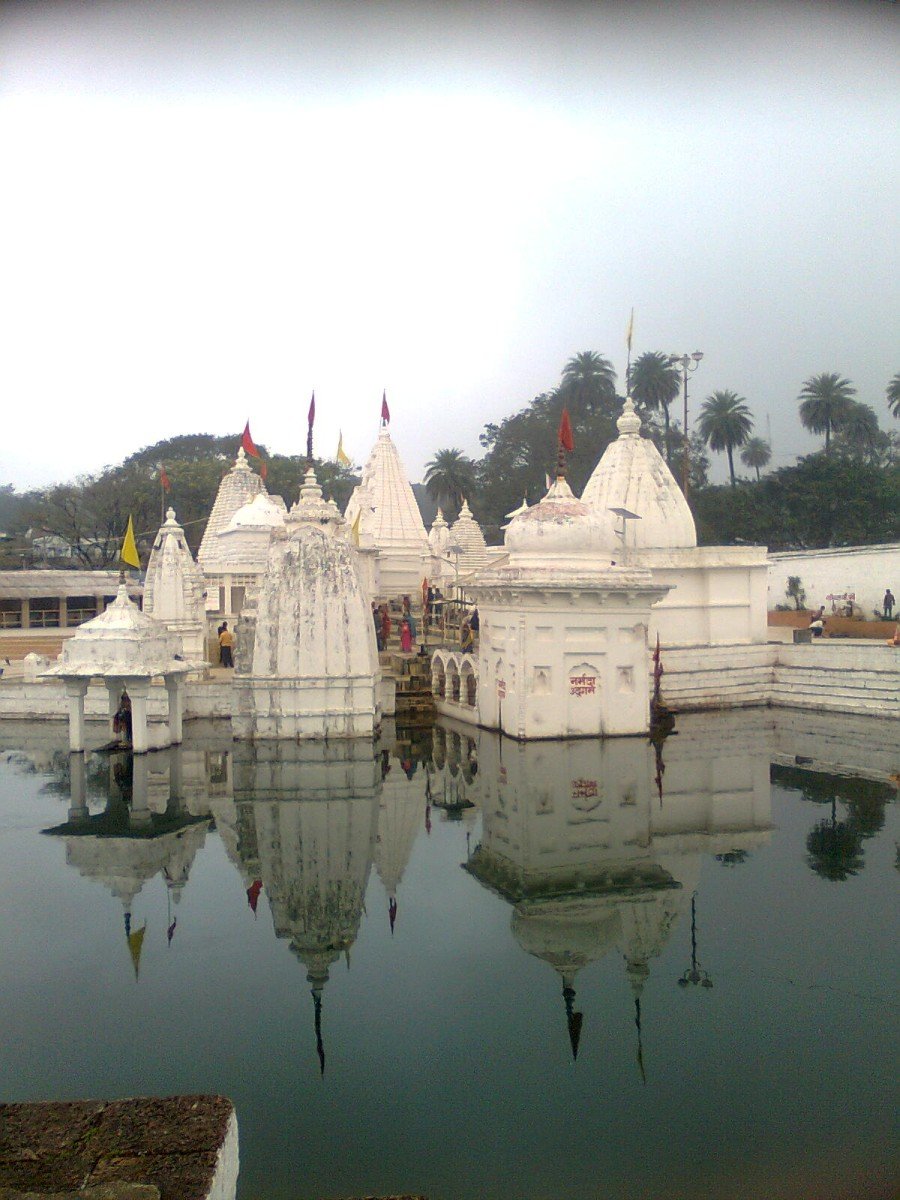
The Narmadakund Complex: This central complex, the heart of the town, features a large, square stone tank (Kund) marking the Narmada's source, surrounded by over twenty smaller temples, including the main Narmada Temple. Subsequent additions by the Bhonsles of Nagpur and Ahilya Bai Holkar of Indore have blended with the ancient style, creating a layered architectural history.
Dimension: The historical Kalachuri temple group occupies a significant area near the Narmadakund. The tallest Shikhara of these temples, such as the Pataleshwar Mahadev Temple, would have dominated the skyline. The entire town is a sprawling tapestry of natural geography and ancient and modern spiritual structures. -
How To Reach:
By Air: The nearest major airports are Jabalpur Airport (Dumna, 228 km) and Raipur Airport (230 km). Both are well-connected to major Indian cities. Taxis can be hired for the road journey (approx. 5-6 hours).
By Train: The nearest railwa...By Air: The nearest major airports are Jabalpur Airport (Dumna, 228 km) and Raipur Airport (230 km). Both are well-connected to major Indian cities. Taxis can be hired for the road journey (approx. 5-6 hours).
By Train: The nearest railway station is Pendra Road Railway Station (PND, 42 km) on the Bilaspur-Katni section. The most convenient station for major city connections is Anuppur Junction (APR, 71 km). Regular taxi, shared jeep, and bus services are available from both stations.
By Road: Amarkantak is well-connected by State Highways to Jabalpur (228 km), Rewa (265 km), Bilaspur (120 km), and Shahdol (100 km). State-run buses (MP Roadways) and private bus operators offer daily services. The roads are generally good and scenic.
By Local Transport: The town center is small enough to explore on foot. For destinations outside the center (like Kapil Dhara or Jwaleshwar), local auto-rickshaws, shared taxis, or private taxis are the main modes of transport. -
Weather and Best Time to Visit:
Different Types of Seasons: Winter (October to March) is perfect due to the pleasant, cool climate, which is ideal for sightseeing, trekking, and long walks. Monsoon (July to September) transforms the landscape into a vibrant green paradise and sees the waterfalls at their ...Different Types of Seasons: Winter (October to March) is perfect due to the pleasant, cool climate, which is ideal for sightseeing, trekking, and long walks. Monsoon (July to September) transforms the landscape into a vibrant green paradise and sees the waterfalls at their best, but travel can be slightly challenging. Summer (April to June) is hot and best avoided for daytime outdoor activities.
Different Parts of the Day: Early mornings are ideal for spiritual visits and scenic points (like Sonmuda). Late afternoons are pleasant for local market walks and enjoying the evening Aarti at the Narmadakund. -
Near Tourist Places:
Narmada Udgam Kund (0 km), Ancient Kalachuri Temples (0. 5 km), Shri Yantra Mandir (2 km), Mai ki Bagiya (4 km), Kapil Dhara Waterfall (6 km), Dudh Dhara Waterfall (7 km), Sonmuda (2 km), Jwaleshwar Mahadev Temple (10 km), Kabir Chabutra (13 km), Indira Gandhi National Tribal University (23 km), Laxman Dhara (4 km).
Tourism Tips
-
Health & Safety: The town is relatively safe. Carry a basic first-aid kit and essential medications. Due to the high altitude, the weather can change quickly; carry light layers. Beware of monkeys near the temple and waterfall areas.
Packing...Health & Safety: The town is relatively safe. Carry a basic first-aid kit and essential medications. Due to the high altitude, the weather can change quickly; carry light layers. Beware of monkeys near the temple and waterfall areas.
Packing: Pack light but carry modest attire for temple visits (long pants/skirts, covered shoulders). Comfortable, all-terrain shoes are a must for the treks to the waterfalls.
Accommodation: A variety of accommodations are available, from budget-friendly Dharamshalas and ashrams to mid-range hotels. During peak season (Navaratri, Narmada Jayanti), book accommodation well in advance. Other Different Topics heading (Cultural Sensitivity): The Narmada River is considered a living goddess; avoid washing clothes, using soap, or littering near the Narmadakund and river banks. Respect the local tribal culture and traditions, especially while visiting remote areas. Bargain politely for local transport and purchases.
Reviews
FAQs
Amarkantak Itineray And Cost:-
Other Places In Amarkantak :-
Other States In India :-
Information about New and Updated Locations() of Madhya Pradesh Has Been Added :-
Card subtitle
Note:-
Information provided here in good Faith and for reference only.
Near Places
Acharya Vinoba Bhave Ashram
Some quick example text to build on the card title and make up the bulk of the card's content.
Go somewhere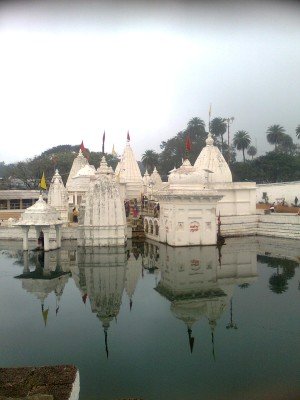
Amarkantak
Some quick example text to build on the card title and make up the bulk of the card's content.
Go somewhere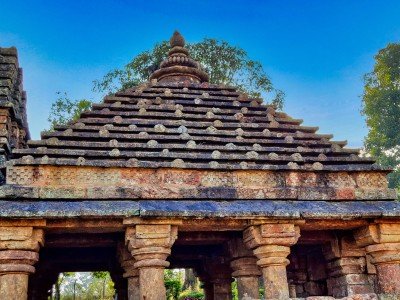
Ancient Kalachuri Temples
Some quick example text to build on the card title and make up the bulk of the card's content.
Go somewhere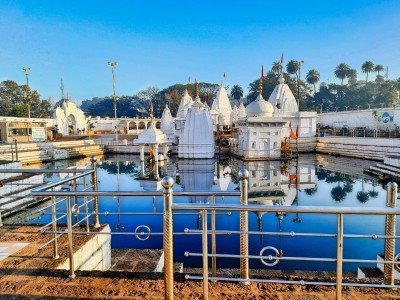
Bhrigu Kamandal
Some quick example text to build on the card title and make up the bulk of the card's content.
Go somewhere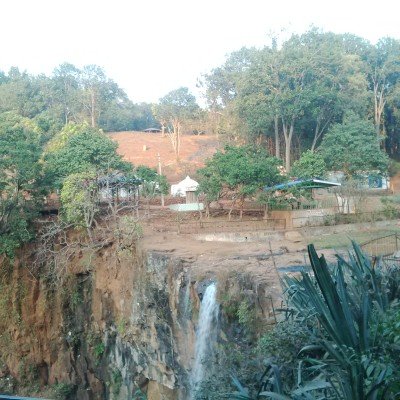
Dhuni Pani
Some quick example text to build on the card title and make up the bulk of the card's content.
Go somewhere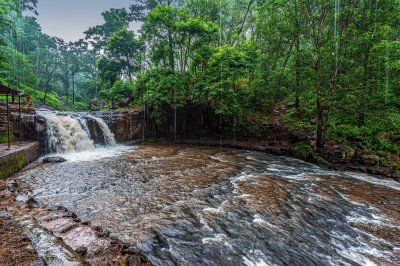
Dudh Dhara Waterfall
Some quick example text to build on the card title and make up the bulk of the card's content.
Go somewhere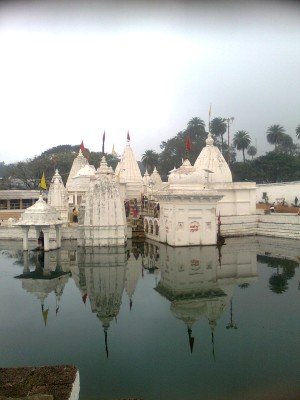
Durga Mandir
Some quick example text to build on the card title and make up the bulk of the card's content.
Go somewhere
Indira Gandhi National Tribal University
Some quick example text to build on the card title and make up the bulk of the card's content.
Go somewhere
Jwaleshwar Mahadev Temple
Some quick example text to build on the card title and make up the bulk of the card's content.
Go somewhere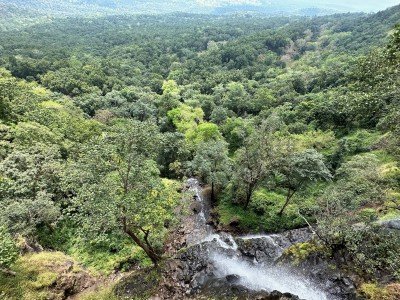
Kabir Chabutra
Some quick example text to build on the card title and make up the bulk of the card's content.
Go somewhere
Kapil Dhara Waterfall
Some quick example text to build on the card title and make up the bulk of the card's content.
Go somewhere
Kapila Maharshi Ashram
Some quick example text to build on the card title and make up the bulk of the card's content.
Go somewhere
Narmada Ashram
Some quick example text to build on the card title and make up the bulk of the card's content.
Go somewhere
Narmada Kund & Temples
Some quick example text to build on the card title and make up the bulk of the card's content.
Go somewhere
Narmada Mandir
Some quick example text to build on the card title and make up the bulk of the card's content.
Go somewhere
Narmada Udgam & Kund
Some quick example text to build on the card title and make up the bulk of the card's content.
Go somewherein Other Cities