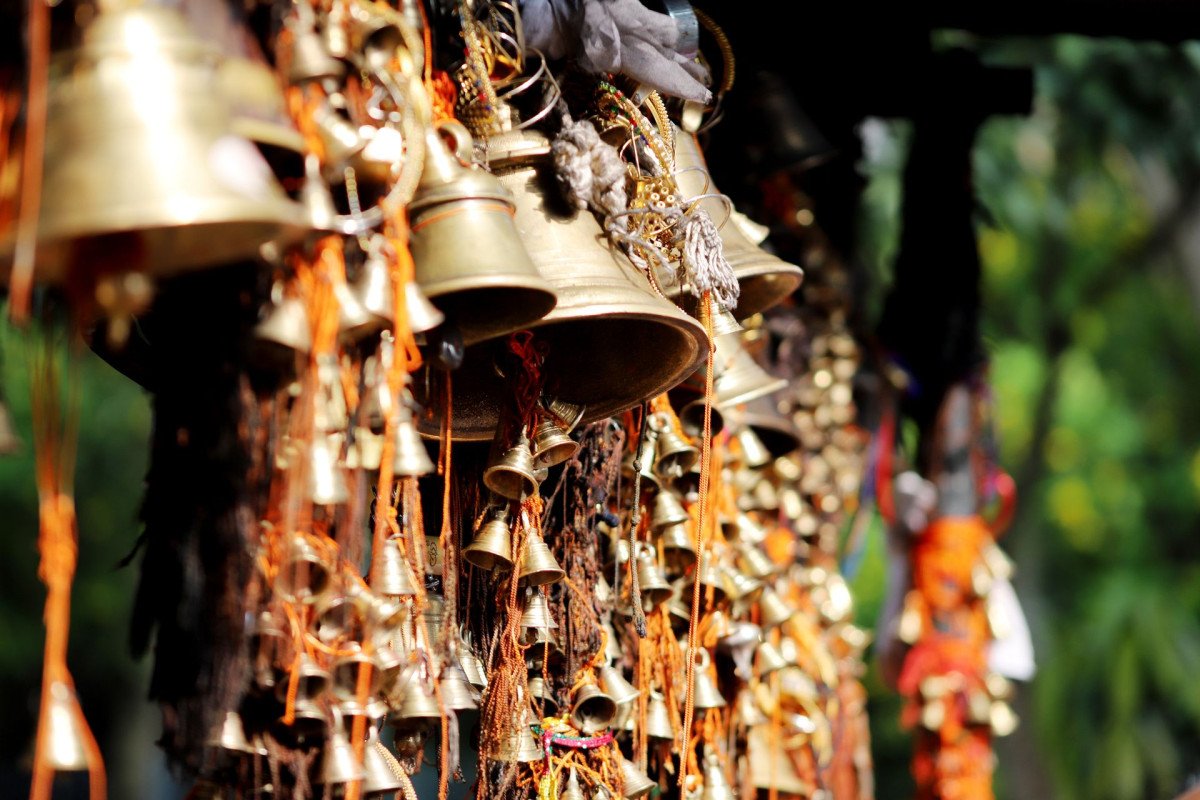
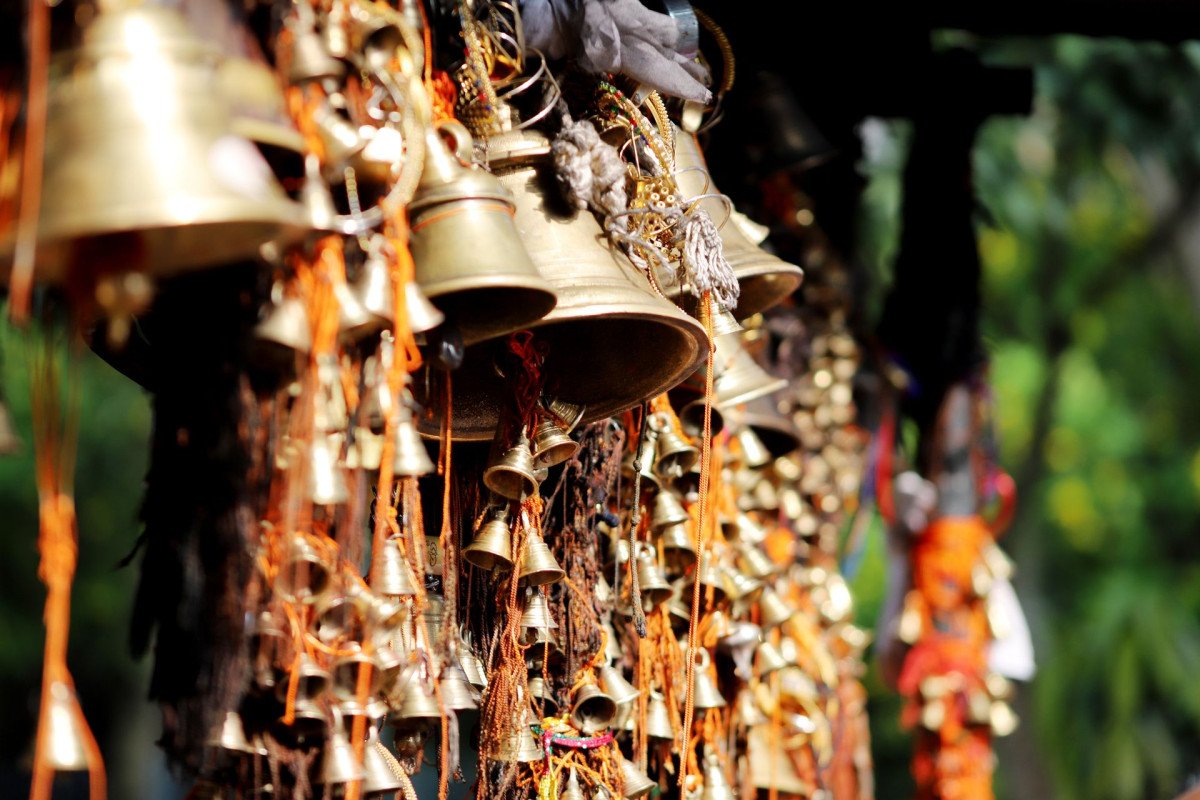
Badrinath Temple
General information
-
Ideal Duration:
1-2 Hours (For Darshan and temple exploration)Place Type:
Religious, Pilgrimage Site, Historical/MythologicaEntry Fees:
Entry Fee: There is no entry fee to visit the Narsingh Temple or to have the Darshan of the winter idol of Lord Badrinath. :
Donations and Offerings: Visitors are expected to make voluntary donations (Dakshina) for the temple's upkeep, mainte...Entry Fee: There is no entry fee to visit the Narsingh Temple or to have the Darshan of the winter idol of Lord Badrinath. :
Donations and Offerings: Visitors are expected to make voluntary donations (Dakshina) for the temple's upkeep, maintenance, and the performance of special pujas. Costs for Prasad (sacred food offering) and special rituals (like a Rudra Abhishek) can range from a nominal Rs.10 to several hundred or a few thousand rupees, depending on the service requested.
Parking Fees: Since the temple is located in the main town, parking a private vehicle nearby may incur a small municipal parking fee, typically Rs.50 to Rs.100.
Guide Services: Hiring a local guide to explain the history and the prophecy of the temple is optional and can cost between Rs.500 and Rs.1,500 depending on the duration and depth of the tour. (~)Timing:
Regular Temple Timings: The temple generally opens early, from about 5:00 AM to 12:00 PM for morning prayers, and again from 3:00 PM to 9:00 PM for the evening session. Times are subject to change based on the seasonal ritual cycle, especially during the transfer of the mai...Regular Temple Timings: The temple generally opens early, from about 5:00 AM to 12:00 PM for morning prayers, and again from 3:00 PM to 9:00 PM for the evening session. Times are subject to change based on the seasonal ritual cycle, especially during the transfer of the main idol.
Ideal Visit Time: The best time for a serene visit is immediately after the morning opening (5:00 AM to 7:00 AM) or just before the evening closing. Morning Aarti is generally the most spiritually vibrant time to attend.
Peak Rush Time: The temple is most crowded during the main tourist season (May to October) and immediately following the ceremonial transfer of the Badrinath idol in November. Expect long queues during these periods. (~)Special Events:
Ceremonial Idol Transfer (Doli Yatra): The most significant and spectacular events are the ceremonial closing of the Badrinath Temple in November and the subsequent transfer of the idol to the Narsingh Temple in Joshimath, and the reverse procession in April or May. These e...Ceremonial Idol Transfer (Doli Yatra): The most significant and spectacular events are the ceremonial closing of the Badrinath Temple in November and the subsequent transfer of the idol to the Narsingh Temple in Joshimath, and the reverse procession in April or May. These events are marked by local bands, traditional dress, and large crowds of pilgrims. :
Narasimha Janmotsav: The annual celebration of the birth of Lord Narasimha (often falling in April or May) is celebrated with great pomp, special pujas, and community feasts in the temple premises. (~)Best Photo Spots:
Temple Courtyard during Aarti: The courtyard, especially during the morning or evening Aarti, when the soft light illuminates the traditional stone architecture and the devout crowd, provides a very powerful, atmospheric photo opportunity. :
The ...Temple Courtyard during Aarti: The courtyard, especially during the morning or evening Aarti, when the soft light illuminates the traditional stone architecture and the devout crowd, provides a very powerful, atmospheric photo opportunity. :
The Temple's Shikhara: Capture the distinctive conical spire (Shikhara) of the temple from a slightly low angle to highlight its Nagara architectural style against the backdrop of the surrounding mountain slopes.
Idol of Lord Narasimha (Exterior): While the main idol photography is restricted, a wide shot of the temple entrance or the Mandapa sometimes offers a tasteful, respectful framing of the inner sanctum's doorway and its atmosphere.
Kalpavriksha Tree: The ancient, sprawling canopy of the nearby Kalpavriksha tree provides a unique, historic, and beautiful natural photo spot. Capture its huge trunk and branches against the mountain backdrop. (~)Photo Gallery
Things To Do
-
Offer Prayers and Seek Darshan: The main activity is performing Darshan (viewing the deity) of the winter idol of Lord Badri Vishal and the main idol of Lord Narasimha. Participate in the morning or evening Aarti (prayer ceremony) for an immersive spiritual experience.
Photography of the Temple Exterior: While photography inside the main sanctum is usually forbidden, the stone-carved exterior and the traditional architecture of the Narsingh Temple provide excellent photo opportunities, especially the Nagara Shikhara against the backdrop of the Himalayan slopes.
Visit the Kalpavriksha: Take the short walk to the 1,200-year-old holy mulberry tree, the Kalpavriksha. Spend time meditating or simply sitting under its vast canopy for a sense of peace and ancient history. The nearby Jyoteshwar Mahade...Offer Prayers and Seek Darshan: The main activity is performing Darshan (viewing the deity) of the winter idol of Lord Badri Vishal and the main idol of Lord Narasimha. Participate in the morning or evening Aarti (prayer ceremony) for an immersive spiritual experience.
Photography of the Temple Exterior: While photography inside the main sanctum is usually forbidden, the stone-carved exterior and the traditional architecture of the Narsingh Temple provide excellent photo opportunities, especially the Nagara Shikhara against the backdrop of the Himalayan slopes.
Visit the Kalpavriksha: Take the short walk to the 1,200-year-old holy mulberry tree, the Kalpavriksha. Spend time meditating or simply sitting under its vast canopy for a sense of peace and ancient history. The nearby Jyoteshwar Mahadev Temple is also a key spot to visit.
Explore Jyotirmath Town: Since the temple is in the center of Joshimath, take the opportunity to explore the local bazaar, buy religious souvenirs, and sample local Garhwali cuisine in the nearby restaurants and small food stalls.
Attend the Palanquin Procession: If your visit coincides with the start (early November) or end (late April/May) of the winter season, witness the spectacular and highly devotional ceremonial procession (Doli Yatra) when the idol is either brought down from or taken back up to the main Badrinath Temple. This is a major cultural event.
Learn the Prophecy: Engage with the local priests or residents to learn more about the ancient prophecy of the thinning arm of Lord Narasimha, which is the historical and mythological cornerstone of the temple's existence. (~)
Information
-
Why Famous:
The Winter Seat of Lord Badrinath: Its primary fame comes from being the official, sacred winter home for the portable idol of Lord Badri Vishal (Lord Vishnu) when the main Badrinath Temple closes due to heavy snow for six months (typically November to April/May). This ensu...The Winter Seat of Lord Badrinath: Its primary fame comes from being the official, sacred winter home for the portable idol of Lord Badri Vishal (Lord Vishnu) when the main Badrinath Temple closes due to heavy snow for six months (typically November to April/May). This ensures the continuation of the divine worship and pilgrimage. :
The Prophecy of Narasimha's Arm: The temple is famous for the local legend that the right arm of the main Lord Narasimha idol is continuously thinning. This is tied to a major prophecy about the future of the Badrinath Dham, lending the site a unique, mystical significance that draws devotees and curious travelers alike.
One of Adi Shankaracharya's Four Maths: As Jyotirmath, one of the four cardinal monasteries established by the great theologian Adi Guru Shankaracharya in the 8th century, it is a foundation stone of the Hindu faith and pilgrimage circuit in India. (~) -
Architecture:
Nagara Style and Stone Construction: The Narsingh Temple generally follows the traditional North Indian Nagara Style of Hindu temple architecture, though on a much smaller scale compared to the original Badrinath Temple. It is primarily constructed from locally sourced, dar...Nagara Style and Stone Construction: The Narsingh Temple generally follows the traditional North Indian Nagara Style of Hindu temple architecture, though on a much smaller scale compared to the original Badrinath Temple. It is primarily constructed from locally sourced, dark grey stone and features a conical spire (Shikhara) typical of the region.
Dimension (Sanctum and Idol): The temple is a compact structure appropriate for its setting within the town. The main sanctum (Garbha Griha) houses the idol of Lord Narasimha, which is comparatively small, about 25 cm high, seated on a lotus. The main winter idol of Lord Badri Vishal is a different, smaller, portable image that is placed next to the permanent Narasimha idol during the six winter months.
Pillared Mandapa: The entrance to the sanctum is through a small pillared hall (Mandapa). The interior walls are adorned with images of other deities, including Goddess Chandika to the left and idols of Lord Ram, Goddess Sita, Lord Hanuman, and Garuda on the right. The overall architecture is simple but spiritually potent. (~) -
How To Reach:
By Air (Flight): The nearest airport is Jolly Grant Airport (DED), Dehradun (273 KMS). From the airport, one must hire a taxi or take a bus to Joshimath town.
By Train (Rail): The nearest major railheads are Rishikesh (256 KMS) or Dehradun ...By Air (Flight): The nearest airport is Jolly Grant Airport (DED), Dehradun (273 KMS). From the airport, one must hire a taxi or take a bus to Joshimath town.
By Train (Rail): The nearest major railheads are Rishikesh (256 KMS) or Dehradun (294 KMS). From the station, take an overnight bus or a private taxi directly to Joshimath.
By Road (Self-Drive/Bus): Joshimath is the main town on NH-7 and is well-connected by bus and taxi services from major cities like Rishikesh and Haridwar. The temple is centrally located and easily accessible once you are in Joshimath.
By Local Transport (Within Joshimath): The temple is right in the heart of Joshimath and is a very short walk from most hotels and the main market. Auto-rickshaws and local taxis are readily available if you are coming from the outskirts of the town. (~) -
Weather and Best Time to Visit:
Winter Season (November to April): This is the only time the winter idol is housed here, making it the most significant time for pilgrims. The weather is very cold, with temperatures often near freezing.
Summer Season (May to June): The tem...Winter Season (November to April): This is the only time the winter idol is housed here, making it the most significant time for pilgrims. The weather is very cold, with temperatures often near freezing.
Summer Season (May to June): The temple is open, but the main Badrinath idol has returned to Badrinath. It is a good time to visit the Narasimha shrine and the Kalpavriksha tree in pleasant weather (15°C to 25°C).
Different Parts of the Day: Early Morning is highly recommended for the most peaceful Darshan and to attend the morning Aarti. Evening is also a good time for a tranquil visit and the evening Aarti ceremony. (~) -
Near Tourist Places:
1. Kalpavriksha (0. 5 KMS - Walk), 2. Auli Cable Car Base (0. 5 KMS - Walk/Auto), 3. Vridha Badri Temple (7 KMS - Road), 4. Vishnuprayag (10 KMS - Road), 5. Tapovan (15 KMS - Road), 6. Auli (16 KMS - Road), 7. Bhavishya Badri (20 KMS - Trek Start), 8. Govindghat (22 KMS - Road), 9. Rudraprayag (155 KMS - Road), 10. Karnaprayag (85 KMS - Road).
Tourism Tips
-
Health & Safety: The temple is at a high altitude (1,890 meters), but altitude sickness is rare here. Wear comfortable, warm clothing, especially for early morning or evening Aarti. The temple's floor can be cold, so socks are recommended.
Pac...Health & Safety: The temple is at a high altitude (1,890 meters), but altitude sickness is rare here. Wear comfortable, warm clothing, especially for early morning or evening Aarti. The temple's floor can be cold, so socks are recommended.
Packing: Dress modestly, covering shoulders and knees, as is customary for Hindu temples. Carry a small offering (flowers, fruits, or a small cash donation). Carry a camera but be prepared to check it at the gate if photography is strictly forbidden inside the inner sanctum.
Accommodation: Plenty of hotels, guest houses, and Dharamshalas are available in Joshimath town, all within a short walk or drive of the temple. Advance booking is advised during peak pilgrimage seasons and the idol transfer time.
Other Tips (Rituals and Respect): Be respectful of the local customs and traditions. Remove your footwear before entering the temple complex. Always move clockwise around the main shrine. Hiring a local priest to explain the significance of the temple can greatly enhance your visit. (~)
Reviews
FAQs
Joshimath Itineray And Cost:-
Badrinath Temple Tourism:-
Other Places In Joshimath :-
Other States In India :-
Information about New and Updated Locations() of Uttarakhand Has Been Added :-
Card subtitle
Note:-
Information provided here in good Faith and for reference only.
Near Places

Acha Bacha Waterfall
Some quick example text to build on the card title and make up the bulk of the card's content.
Go somewhere
Auli Cable Car
Some quick example text to build on the card title and make up the bulk of the card's content.
Go somewhere
Auli
Some quick example text to build on the card title and make up the bulk of the card's content.
Go somewhere
Auli Ropeway
Some quick example text to build on the card title and make up the bulk of the card's content.
Go somewhere
Badrinath Temple
Some quick example text to build on the card title and make up the bulk of the card's content.
Go somewhere
Bhavishya Badri Temple
Some quick example text to build on the card title and make up the bulk of the card's content.
Go somewhere
Bhavishya Kedar Temple
Some quick example text to build on the card title and make up the bulk of the card's content.
Go somewhere
Bhyundar Ganga River
Some quick example text to build on the card title and make up the bulk of the card's content.
Go somewhere
Bhyundar Valley
Some quick example text to build on the card title and make up the bulk of the card's content.
Go somewhere
Chenab Lake
Some quick example text to build on the card title and make up the bulk of the card's content.
Go somewhere
Dhak Village
Some quick example text to build on the card title and make up the bulk of the card's content.
Go somewhere
Gari Bhawani Temple
Some quick example text to build on the card title and make up the bulk of the card's content.
Go somewhere
Ghangaria
Some quick example text to build on the card title and make up the bulk of the card's content.
Go somewhere
Govindghat
Some quick example text to build on the card title and make up the bulk of the card's content.
Go somewhere
Helang Village
Some quick example text to build on the card title and make up the bulk of the card's content.
Go somewhere
Hemkund Sahib
Some quick example text to build on the card title and make up the bulk of the card's content.
Go somewherein Other Cities