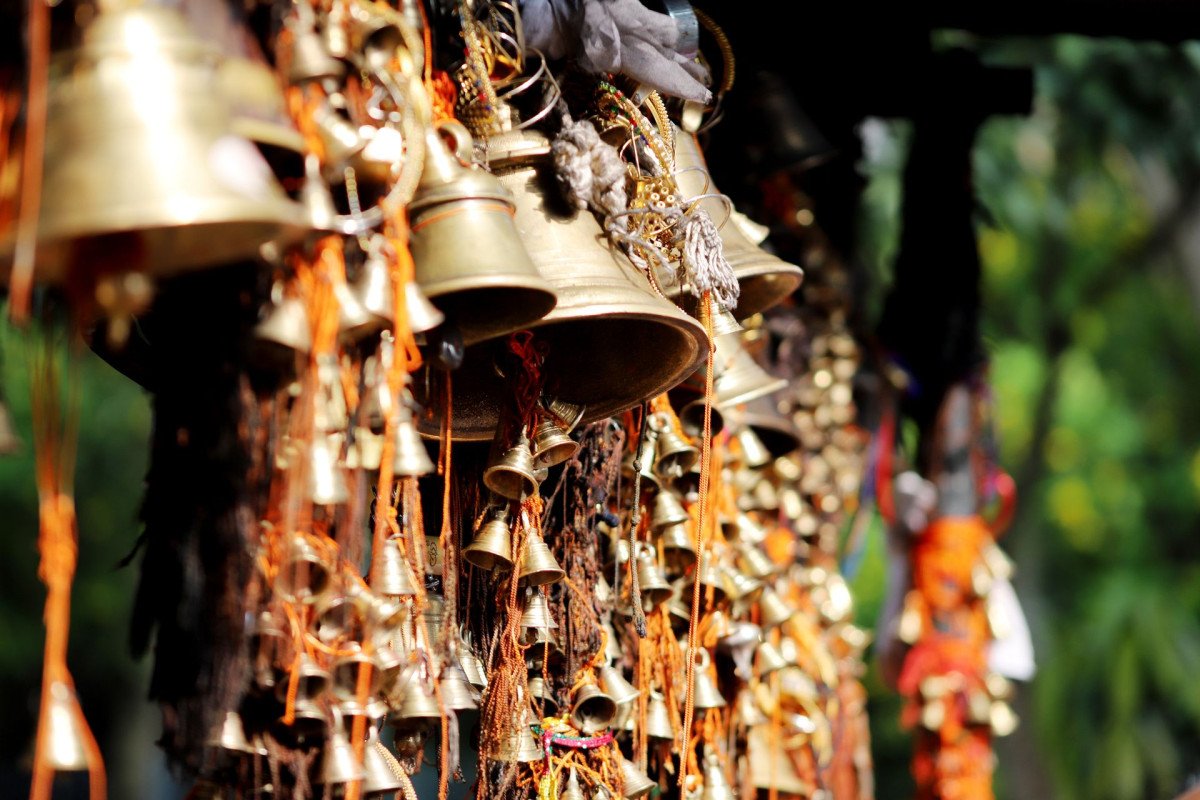
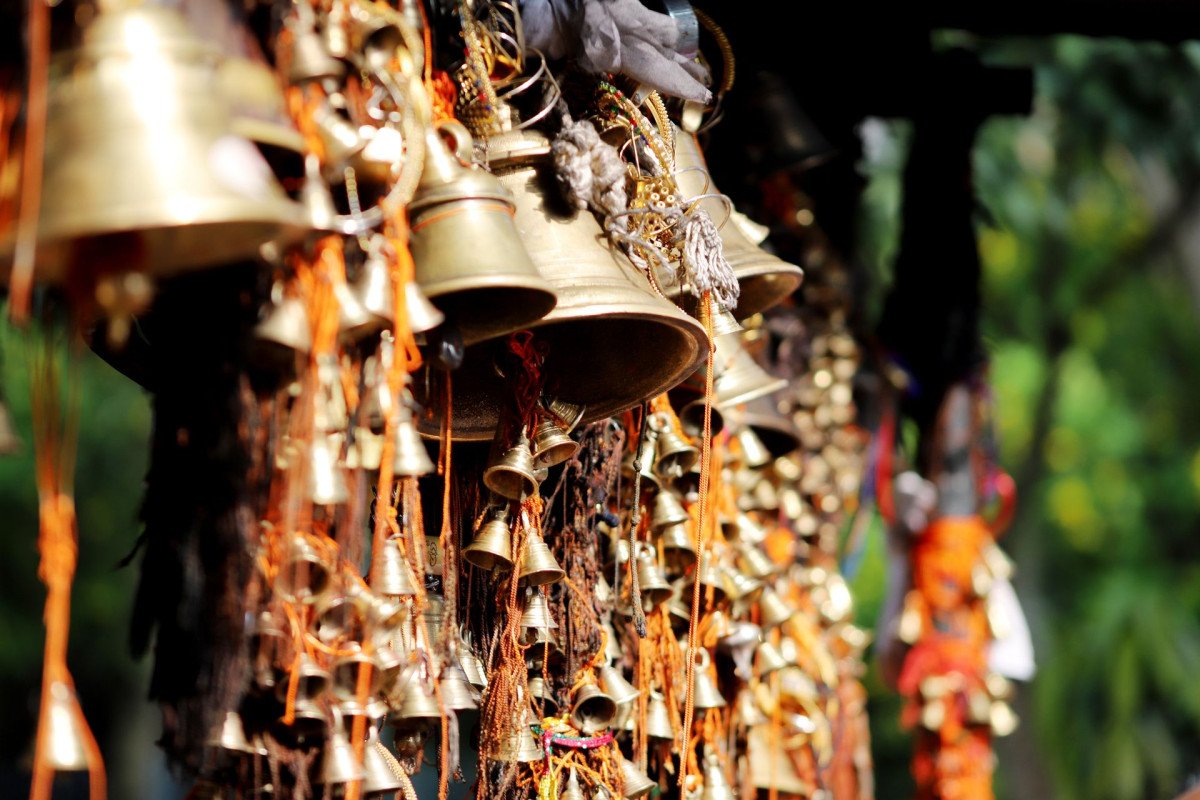
Bhavishya Badri Temple
General information
-
Ideal Duration:
1 Day (Trek + Darshan)Place Type:
Religious, Pilgrimage Site, Trekking DestinationEntry Fees:
Entry Fee: There is no entry fee for the Bhavishya Badri Temple. :
Trekking Guide Fees: Hiring a local guide is highly recommended, both for safety and for navigating the trail, as the path is less traveled. Guide fees can range from Rs.1000 t...Entry Fee: There is no entry fee for the Bhavishya Badri Temple. :
Trekking Guide Fees: Hiring a local guide is highly recommended, both for safety and for navigating the trail, as the path is less traveled. Guide fees can range from Rs.1000 to Rs.2500 per group for a day trek, depending on the starting point.
Transportation Costs: The main cost is the taxi fare from Joshimath to the road-head at Saldhar or Tapovan, which can range from Rs.500 to Rs.1500 for a return trip, depending on the season and negotiation.
Permits: No special permits are generally required for this trek, but local rules should always be checked, especially if staying overnight or carrying professional photography equipment. (~)Timing:
Regular Timings: The temple is open for 6 months of the year (usually May to October/November). Darshan timings are typically from 5:00 AM to 12:00 PM (Morning session) and 3:00 PM to 9:00 PM (Evening session), but these are highly variable based on the season and priest av...Regular Timings: The temple is open for 6 months of the year (usually May to October/November). Darshan timings are typically from 5:00 AM to 12:00 PM (Morning session) and 3:00 PM to 9:00 PM (Evening session), but these are highly variable based on the season and priest availability.
Ideal Visit Time: The best time to start the trek is early in the Morning (7:00 AM to 8:00 AM) to complete the ascent and return journey before the afternoon. The best months for the trek are May, June, September, and October.
Winter Closure: The temple is closed for all of the winter months (generally November to April) when the area is covered in heavy snow and is inaccessible. (~)Special Events:
Annual Temple Opening/Closing: The temple typically remains open for 6 months (generally May to October/November) and closes for the harsh winter. The ceremonial opening and closing dates are major local events for the people of Subhain and nearby villages. :Annual Temple Opening/Closing: The temple typically remains open for 6 months (generally May to October/November) and closes for the harsh winter. The ceremonial opening and closing dates are major local events for the people of Subhain and nearby villages. :
Local Festival Celebrations: The temple celebrates minor Hindu festivals with local flair and small gatherings, often involving community meals and traditional folk music (Mandaan or Pandav Nritya) unique to the Garhwal region. (~)Best Photo Spots:
The Dhauliganga River Valley: From various points on the trekking path, especially the high sections, you get a stunning, elevated view of the entire valley floor and the powerful Dhauliganga River winding below. :
The Forest Path Canopies: T...The Dhauliganga River Valley: From various points on the trekking path, especially the high sections, you get a stunning, elevated view of the entire valley floor and the powerful Dhauliganga River winding below. :
The Forest Path Canopies: The dense deodar and pine forest provides a beautiful, dappled light and shadow effect, offering excellent opportunities for atmospheric, mystical photography of the forest path and the surrounding high-altitude flora.
The Temple Exterior and Natural Setting: Capture the rustic, cave-like stone architecture of the temple framed by the towering trees, emphasizing its remote, serene, and almost hidden location in the mountain forest.
The Subhain Village Terraces: Photographing the traditional, terraced fields of the last village, Subhain, against the massive Himalayan backdrop provides a unique cultural landscape photo of mountain agricultural life. (~)Photo Gallery
Things To Do
-
Undertake the Pilgrimage Trek: The core activity is the trek itself. Starting from Saldhar (the road end), the 3-5 KMS scenic trek to the temple is the main experience. The path is invigorating, passing through forests and challenging but rewarding terrain, requiring good hiking shoes.
Seek Darshan of the Emerging Idol: Offer prayers and perform Darshan of the revered Shila (rock slab) from which Lord Badri Vishal is believed to be emerging. This is a profound spiritual moment unique to this shrine.
Visit Tapovan Hot Springs: Stop at the Tapovan hot springs on the way to or from the trek. The natural sulfur water is believed to have medicinal properties, providing a relaxing break before or after the strenuous trek.
Nature Photography and Bird Watching: The t...Undertake the Pilgrimage Trek: The core activity is the trek itself. Starting from Saldhar (the road end), the 3-5 KMS scenic trek to the temple is the main experience. The path is invigorating, passing through forests and challenging but rewarding terrain, requiring good hiking shoes.
Seek Darshan of the Emerging Idol: Offer prayers and perform Darshan of the revered Shila (rock slab) from which Lord Badri Vishal is believed to be emerging. This is a profound spiritual moment unique to this shrine.
Visit Tapovan Hot Springs: Stop at the Tapovan hot springs on the way to or from the trek. The natural sulfur water is believed to have medicinal properties, providing a relaxing break before or after the strenuous trek.
Nature Photography and Bird Watching: The trail through the blue pine and deodar forests is an incredible location for nature photography, capturing the unspoiled Himalayan flora and fauna, especially during the vibrant spring and monsoon months.
Observe the Dhauliganga River: Spend time viewing the confluence of the Dhauliganga and Alaknanda rivers nearby. The confluence at Vishnuprayag (just before the trek start) is a beautiful, powerful natural spectacle of converging holy rivers.
Connect with Local Priests: The temple is maintained by local priests. Engaging with them can provide deeper insights into the temple's history, the prophecy, and the daily rituals that keep the spirit of Badrinath alive in the 'future' abode.
Pack a Picnic: Due to the temple's remote location, carry a packed lunch and snacks to enjoy amidst the tranquil forest setting after the Darshan. There are very few commercial food options available near the temple itself. (~)
Information
-
Why Famous:
The Prophecy of the Future: The temple is primarily famous for its legendary role in Hindu mythology as the future refuge of Lord Badrinath when the present shrine becomes inaccessible. This powerful prophecy grants the temple a unique spiritual importance as a place of end...The Prophecy of the Future: The temple is primarily famous for its legendary role in Hindu mythology as the future refuge of Lord Badrinath when the present shrine becomes inaccessible. This powerful prophecy grants the temple a unique spiritual importance as a place of enduring faith. :
One of the Panch Badri: It is an integral and sacred part of the Panch Badri circuit (the five places of Badrinath worship), making it a mandatory stop for devout pilgrims looking to complete the full ritualistic journey to Lord Vishnu's five shrines in the Himalayas.
The Emerging Deity: The presence of the Swayambhu (self-manifested) idol of Lord Vishnu believed to be physically emerging from a rock slab is a rare and highly famous phenomenon that attracts devotees who wish to witness this tangible aspect of the prophecy. (~) -
Architecture:
Cave-Like Structure and Simplicity: The temple is architecturally much simpler and more rustic than the main Badrinath Dham. It is often described as having a cave-like or shelter structure, built using local stone and timber, reflecting its remote location and spiritual au...Cave-Like Structure and Simplicity: The temple is architecturally much simpler and more rustic than the main Badrinath Dham. It is often described as having a cave-like or shelter structure, built using local stone and timber, reflecting its remote location and spiritual austerity.
Dimension and Idol: The temple is relatively small. The main object of worship is not a crafted idol but a natural rock formation (Shila), which is believed to be the spontaneously emerging image of Lord Badri Vishal in the Padmasana posture. The size of this emerging vigraha (idol) is small but is believed by devotees to be slowly growing clearer and larger over time.
The Temple Complex: The complex includes the main shrine and a small priest's residence/storage area. It lacks the massive Mandapas and large courtyards of the grander shrines, focusing purely on the spiritual significance of the emerging deity and the prophecy.
Shankaracharya's Legacy: Like many temples in the area, it is attributed to the establishment efforts of Adi Guru Shankaracharya in the 8th century, reinforcing its role in the Panch Badri circuit. (~) -
How To Reach:
By Air (Flight): The nearest airport is Jolly Grant Airport (DED), Dehradun (273 KMS to Joshimath). From the airport, take a cab or bus to Joshimath.
By Train (Rail): The nearest railheads are Rishikesh (256 KMS) or Dehradun (294 KMS). Tak...By Air (Flight): The nearest airport is Jolly Grant Airport (DED), Dehradun (273 KMS to Joshimath). From the airport, take a cab or bus to Joshimath.
By Train (Rail): The nearest railheads are Rishikesh (256 KMS) or Dehradun (294 KMS). Take a bus or taxi to Joshimath.
By Road (Bus/Taxi): Reach Joshimath via NH-7. From Joshimath, hire a local taxi or use a shared jeep to drive approximately 18 KMS to the road-head village of Saldhar or Tapovan. This is the starting point of the trek.
By Local Transport (Trek): The final journey is a mandatory 3-5 KMS uphill trek from the road-head. It is advised to hire a local guide from Joshimath or Tapovan as the path is not always clearly marked and passes through dense forest. (~) -
Weather and Best Time to Visit:
Summer and Pre-Monsoon (May to June): The absolute best time for trekking as the weather is pleasant, the snow has melted, and the forest is lush green. Temperatures are comfortable.
Autumn and Post-Monsoon (September to October): Ideal for...Summer and Pre-Monsoon (May to June): The absolute best time for trekking as the weather is pleasant, the snow has melted, and the forest is lush green. Temperatures are comfortable.
Autumn and Post-Monsoon (September to October): Ideal for clear, sharp views of the distant peaks from the trail and a beautiful atmosphere before the winter closure. The temperature is cool and refreshing.
Different Parts of the Day: Starting the trek in the Early Morning is essential to avoid the afternoon heat and ensure enough daylight for the return journey. The light on the high-altitude flowers is best in the morning. (~) -
Near Tourist Places:
1. Tapovan (5 KMS - Trek/Road), 2. Vridha Badri Temple (13 KMS - Road), 3. Joshimath (20 KMS - Road/Trek), 4. Auli (36 KMS - Road/Trek), 5. Vishnuprayag (20 KMS - Road/Trek), 6. Govindghat (40 KMS - Road), 7. Chenab Lake (Difficult to connect - 45 KMS), 8. Badrinath (79 KMS - Road, May-Oct), 9. Rishikesh (276 KMS - Road), 10. Pandukeshwar (28 KMS - Road).
Tourism Tips
-
Health & Safety: The trek is moderate but steep; carry a trekking pole and wear sturdy, comfortable trekking shoes. Carry a personal first-aid kit, insect repellent, and plenty of water, as resources on the trail are minimal. Do not attempt the trek during heavy rain or s...Health & Safety: The trek is moderate but steep; carry a trekking pole and wear sturdy, comfortable trekking shoes. Carry a personal first-aid kit, insect repellent, and plenty of water, as resources on the trail are minimal. Do not attempt the trek during heavy rain or snow.
Packing: Pack light for the trek. Carry a light waterproof jacket and extra layers, as the forest is much cooler. Carry a packed lunch and high-energy snacks, as commercial options are limited to the road-head village.
Accommodation: Stay in Joshimath (the main town) and complete the trek as a full-day excursion. Accommodation near the road-head is very basic, often limited to local homestays.
Other Tips (Guidance): Always hire a reliable, local guide from Tapovan or Joshimath. Inform your hotel of your trekking plan and expected return time. Be respectful of the quiet, sacred atmosphere of the temple and the surrounding forest. (~)
Reviews
FAQs
Joshimath Itineray And Cost:-
Bhavishya Badri Temple Tourism:-
Other Places In Joshimath :-
Other States In India :-
Information about New and Updated Locations() of Uttarakhand Has Been Added :-
Card subtitle
Note:-
Information provided here in good Faith and for reference only.
Near Places

Acha Bacha Waterfall
Some quick example text to build on the card title and make up the bulk of the card's content.
Go somewhere
Auli Cable Car
Some quick example text to build on the card title and make up the bulk of the card's content.
Go somewhere
Auli
Some quick example text to build on the card title and make up the bulk of the card's content.
Go somewhere
Auli Ropeway
Some quick example text to build on the card title and make up the bulk of the card's content.
Go somewhere
Badrinath Temple
Some quick example text to build on the card title and make up the bulk of the card's content.
Go somewhere
Bhavishya Badri Temple
Some quick example text to build on the card title and make up the bulk of the card's content.
Go somewhere
Bhavishya Kedar Temple
Some quick example text to build on the card title and make up the bulk of the card's content.
Go somewhere
Bhyundar Ganga River
Some quick example text to build on the card title and make up the bulk of the card's content.
Go somewhere
Bhyundar Valley
Some quick example text to build on the card title and make up the bulk of the card's content.
Go somewhere
Chenab Lake
Some quick example text to build on the card title and make up the bulk of the card's content.
Go somewhere
Dhak Village
Some quick example text to build on the card title and make up the bulk of the card's content.
Go somewhere
Gari Bhawani Temple
Some quick example text to build on the card title and make up the bulk of the card's content.
Go somewhere
Ghangaria
Some quick example text to build on the card title and make up the bulk of the card's content.
Go somewhere
Govindghat
Some quick example text to build on the card title and make up the bulk of the card's content.
Go somewhere
Helang Village
Some quick example text to build on the card title and make up the bulk of the card's content.
Go somewhere
Hemkund Sahib
Some quick example text to build on the card title and make up the bulk of the card's content.
Go somewherein Other Cities