Bajreshwari Devi Temple
General information
-
Ideal Duration:
1 to 1.
5 hours for darshan and circumambulation:Place Type:
Religious Site, Shakti Peeth, Hindu Temple:Entry Fees:
No Entry Fee for the Temple: As with most major Hindu temples in India, there is no official entry fee to visit the Bajreshwari Devi Temple and offer prayers to the Goddess. The temple is open to all devotees and visitors free of charge.
Donati...No Entry Fee for the Temple: As with most major Hindu temples in India, there is no official entry fee to visit the Bajreshwari Devi Temple and offer prayers to the Goddess. The temple is open to all devotees and visitors free of charge.
Donation and Offering Practices: While there is no fee, visitors are encouraged to make voluntary donations (Bhog) in the donation boxes located throughout the temple complex, which go towards the temple's upkeep, daily rituals, and community welfare (like the Langar service). Devotees typically bring offerings of flowers, sweets, and coconut.
Pooja and Special Service Fees: Certain specialized religious rituals (Pooja) or personal prayers performed by the priests on your behalf may have a prescribed fee, which should be confirmed with the official temple office or a designated priest. Never pay for entry, only for voluntary services or donations.
Shoe and Luggage Storage: You will be required to remove your footwear before entering the temple complex. There is usually a small counter or designated person offering shoe-keeping services for a nominal fee (often Rs.5-Rs.10), or sometimes for free in exchange for a small voluntary tip. Photography is often restricted inside the inner sanctum. (At least are approximated based on high-density information):Timing:
Regular Temple Timings: The temple's schedule is based around the daily Aarti and Bhog (meal) times, with the doors typically opening around 5:30 AM (Summers) or 6:00 AM (Winters) and closing for an afternoon break between 12:00 PM and 12:30 PM. It reopens and remains open ...Regular Temple Timings: The temple's schedule is based around the daily Aarti and Bhog (meal) times, with the doors typically opening around 5:30 AM (Summers) or 6:00 AM (Winters) and closing for an afternoon break between 12:00 PM and 12:30 PM. It reopens and remains open until around 8:00 PM or 9:00 PM depending on the season and the final evening Aarti.
Ideal Visit Time: The ideal time is during the early morning (5:30 AM to 8:00 AM) to witness the Mangla Aarti in a tranquil environment before the main crowds arrive. Alternatively, visiting during the evening Aarti (6:30 PM to 8:30 PM depending on sunset) offers a deeply spiritual and vibrant experience.
Lunch Break: Be mindful of the 30-minute closure around noon (12:00 PM) when the deity is offered food (Bhog), and the doors are temporarily closed for darshan. Plan to arrive either well before this time or after the temple reopens.
Langar Timings: If you wish to partake in the free community meal (Langar), the timings are generally posted at the temple, usually around 12:30 PM to 2:30 PM and 7:30 PM to 9:00 PM. (At least are approximated based on high-density information):Special Events:
Makar Sankranti Makhan (Butter) Festival: The single most special event is the annual application of a thick, medicinal layer of washed butter (Makhan) to the Goddess's Pindi on Makar Sankranti (January 14th/15th). The festival lasts for a week, and the butter, symbolizing ...Makar Sankranti Makhan (Butter) Festival: The single most special event is the annual application of a thick, medicinal layer of washed butter (Makhan) to the Goddess's Pindi on Makar Sankranti (January 14th/15th). The festival lasts for a week, and the butter, symbolizing the healing ointment for the Goddess's battle wounds, is later distributed to millions of devotees, creating an enormous religious fair (Mela).
Navratri Celebrations: The temple hosts huge fairs (Melas) during both Chaitra Navratri and Ashwin Navratri (March-April and September-October). These nine days are marked by special fasting, elaborate decorations, continuous chanting, and large processions, drawing pilgrims from all over North India. The energy and devotion during these festivals are palpable.
Annual Palki Procession: A ceremonial procession (Palki) carrying an idol of the Goddess is organized, often on the day following Chaitra Amavasya (New Moon in March/April), showcasing traditional music and local religious customs as it passes through the Kangra town. (At least are approximated based on high-density information):Best Photo Spots:
Main Entrance and the Nagarkhana Gate: The main entrance gate, featuring the fort-like wall and the Nagarkhana (drum house), is an excellent photo spot to capture the unique blend of architecture that defines the temple. It’s perfect for capturing the hustle of devotion. ...Main Entrance and the Nagarkhana Gate: The main entrance gate, featuring the fort-like wall and the Nagarkhana (drum house), is an excellent photo spot to capture the unique blend of architecture that defines the temple. It’s perfect for capturing the hustle of devotion.
The Three Gumbads (Domes) Against the Sky: Position yourself slightly back in the courtyard to capture the three distinct, white domes of the temple rising against the blue sky, highlighting its unique architectural deviation from traditional spires. This is the temple's signature structural feature.
Devotees in the Courtyard: The marble courtyard, often filled with brightly dressed pilgrims and the vibrant colors of offerings, provides rich opportunities for candid cultural and portrait photography. The sheer emotion and devotion on the faces of the worshippers are powerful subjects.
(Note: Always ask permission for close-up portraits, especially in a sacred space).
The Banyan Tree with Tied Threads: The ancient Banyan Tree, adorned with hundreds of red and yellow wish-fulfilling threads (chunnies), is a visually striking and symbolic photo spot, representing the wishes and faith of generations of devotees.
View from the Nearby Road: For a wider shot of the temple complex nestled within the Kangra town, a slight distance from the main temple complex (from the upper areas of the nearby road) provides a good landscape photo, capturing its context as the heart of the town. (At least are approximated based on high-density information):Photo Gallery
Things To Do
-
Perform Darshan and Parikrama: The primary activity is to have a darshan (sacred sighting) of the main deity, Goddess Vajreshwari, in the form of the Pindi inside the inner sanctum. Following this, perform a clockwise parikrama (circumambulation) of the main temple structure as an act of reverence, focusing on the sanctity of the Shakti Peeth.
Receive the Prasad and Tika: Join the queue to receive the sacred prasad (offering) from the priests. Get a tika (vermilion mark) applied to your forehead as a blessing from the Goddess. This simple act connects you directly to the temple's spiritual energy.
Witness the Aarti Ceremonies: Attend one of the five daily aarti (worship with light) ceremonies—especially the Mangla Aarti (early morning) or the evening Shayan Aarti (night) for a profound spiri...Perform Darshan and Parikrama: The primary activity is to have a darshan (sacred sighting) of the main deity, Goddess Vajreshwari, in the form of the Pindi inside the inner sanctum. Following this, perform a clockwise parikrama (circumambulation) of the main temple structure as an act of reverence, focusing on the sanctity of the Shakti Peeth.
Receive the Prasad and Tika: Join the queue to receive the sacred prasad (offering) from the priests. Get a tika (vermilion mark) applied to your forehead as a blessing from the Goddess. This simple act connects you directly to the temple's spiritual energy.
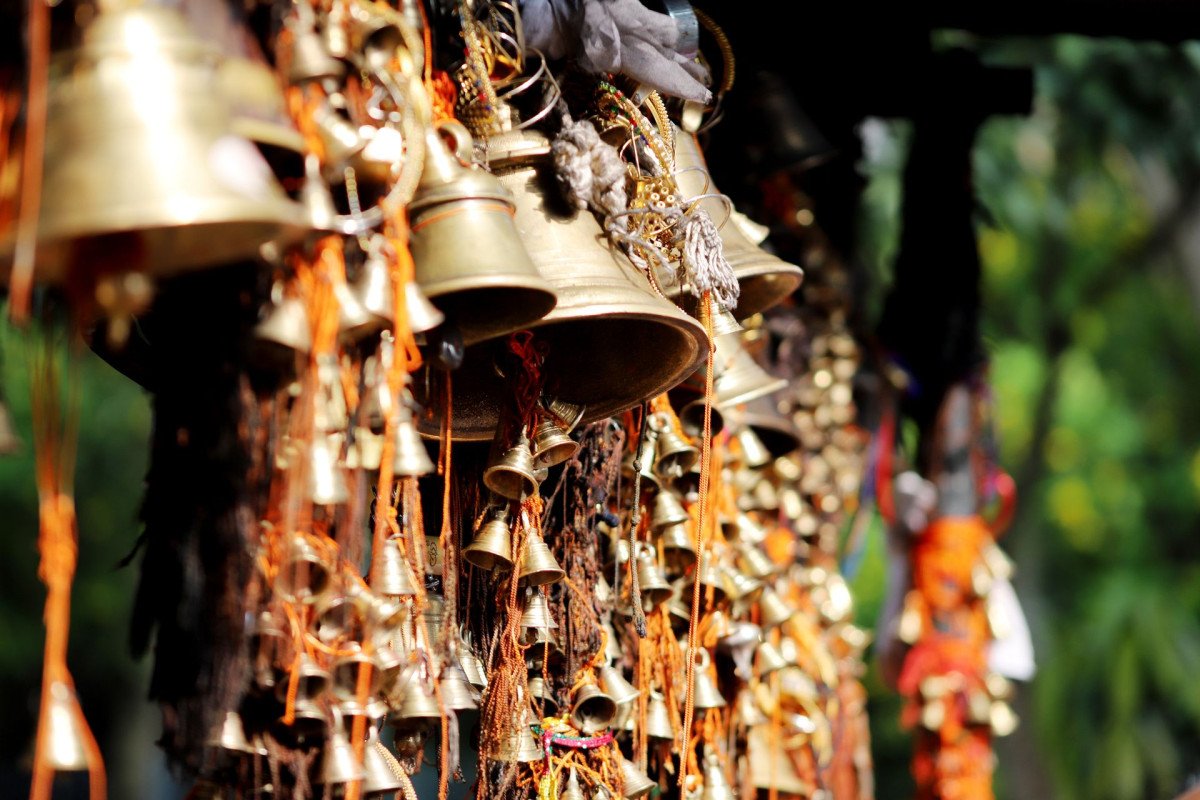
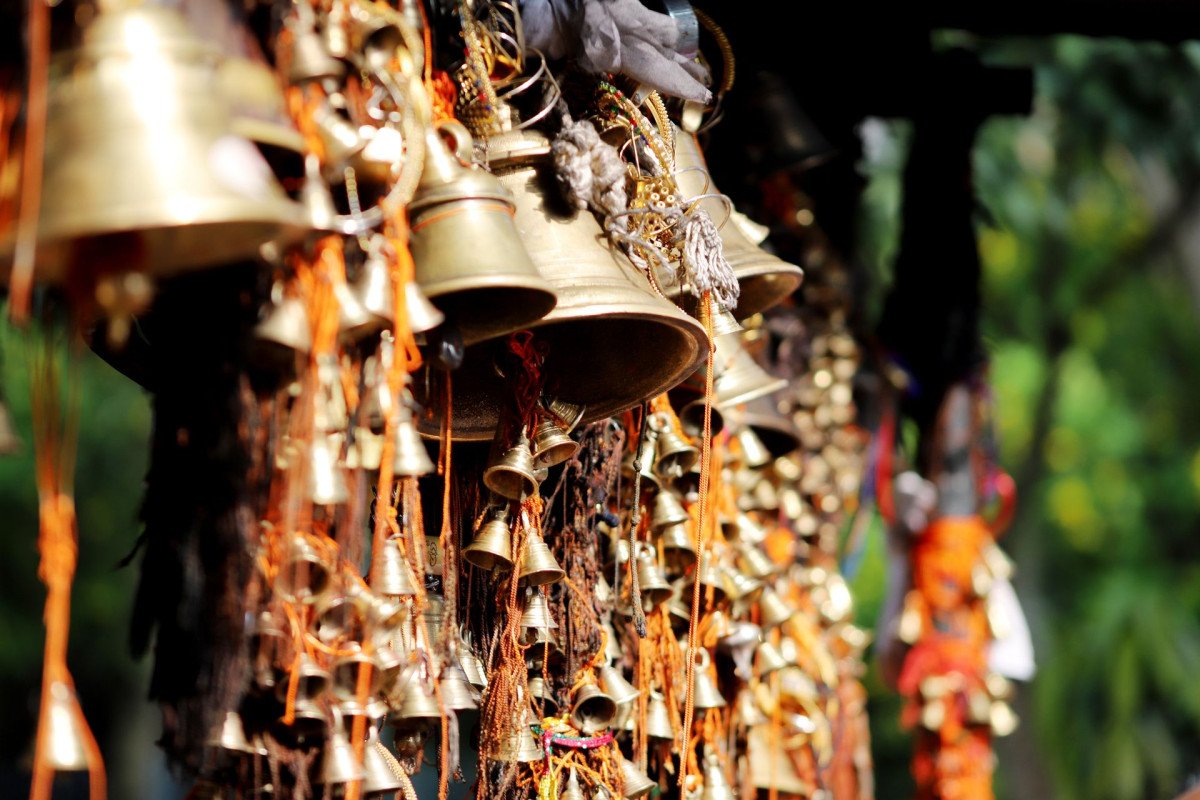
Witness the Aarti Ceremonies: Attend one of the five daily aarti (worship with light) ceremonies—especially the Mangla Aarti (early morning) or the evening Shayan Aarti (night) for a profound spiritual experience. The rhythmic ringing of bells and chanting creates a deeply moving atmosphere. Check the timings posted at the temple entrance for aarti schedules.
Visit Subsidiary Shrines: Don't miss paying homage at the smaller shrines within the complex, particularly the temple dedicated to Lord Bhairava and the memorial for Dhyanu Bhagat. These shrines are essential parts of the complete pilgrimage experience.
Explore the Temple Complex Architecture: Spend time examining the unique architecture, particularly the three dome-like Gumbads and the carvings on the temple walls. Look for the fort-like outer wall and the Nagarkhana at the entrance, reflecting the temple's tumultuous history.
Tie a Thread to the Banyan Tree: Locate the ancient Banyan Tree within the complex. It is a tradition for devotees to tie a red or yellow thread (chunni) around its branches while making a wish, seeking the Goddess's blessings for its fulfillment.
Enjoy Local Market and Food: The temple is situated within the bustling old Kangra market. After your visit, take a stroll through the narrow streets to buy religious artifacts, local sweets, and enjoy the authentic street food and local atmosphere of Kangra town. (At least are approximated based on high-density information):
Information
-
Why Famous:
One of the 51 Shakti Peethas: Its primary fame comes from its status as one of the 51 sacred Shakti Peethas, the most revered pilgrimage circuits for Goddess worshippers (Shaktas). It is believed to be the place where the left breast of Goddess Sati fell, making it an excep...One of the 51 Shakti Peethas: Its primary fame comes from its status as one of the 51 sacred Shakti Peethas, the most revered pilgrimage circuits for Goddess worshippers (Shaktas). It is believed to be the place where the left breast of Goddess Sati fell, making it an exceptionally holy site.
Miraculous Butter Tradition: The unique tradition of covering the Pindi with a thick layer of butter (Makhan) during Makar Sankranti is a major draw. This annual event, which lasts for a week, symbolizes the healing power of the Goddess and attracts thousands of pilgrims who come to receive the sacred butter prasad.
Historical Resilience: The temple is famous for its incredible resilience, having been plundered and completely destroyed several times throughout history, yet always being rebuilt, often grander than before. This cycle of destruction and resurrection, particularly the devastating blow of the 1905 earthquake and its immediate rebuilding, cemented its reputation as a site of enduring faith.
Center of Kangra Town: Its location right in the heart of the old Kangra town ensures it remains the spiritual, cultural, and economic hub for the entire region. (At least are approximated based on high-density information): -
Architecture:
Temple Design and Unique Features:
Dimension: The temple is a medium-sized complex surrounded by a stone wall, giving it a fort-like appearance, a necessary defensive measure due to its history of being looted. The main entrance features a N...Temple Design and Unique Features:
Dimension: The temple is a medium-sized complex surrounded by a stone wall, giving it a fort-like appearance, a necessary defensive measure due to its history of being looted. The main entrance features a Nagarkhana (drum house), reminiscent of the Bassein fort entrance. The temple is built primarily in the Pahari style, though the present structure is a reconstruction after the 1905 earthquake.
Distinct Architectural Deviation: Uniquely, the rebuilt temple features three stone-domes or Gumbads (tomb-like structures) instead of the traditional Hindu Shikharas (spires). This unique feature is believed to be a result of the multiple reconstructions under different influences, possibly Mughal or local interpretations post-earthquake. The external walls of the temple are adorned with beautiful carvings, and the structure is coated in white paint and stone, giving it a bright appearance.
Internal Sanctum and Deities: The main inner sanctum (Garbhagriha) houses the Goddess Vajreshwari in the form of a Pindi (an un-sculpted natural stone). A small shrine dedicated to Bhairava, the fierce form of Lord Shiva, is also present within the complex, as is an idol of Dhyanu Bhagat. The temple complex provides a blend of strong local religious tradition with architectural adaptations influenced by centuries of invasion and rebuilding. (At least are approximated based on high-density information): -
How To Reach:
By Air: The nearest airport is Kangra Airport (Gaggal Airport, IATA: DHM), located approximately 11 km from the temple. You can hire a pre-paid taxi from the airport to reach the temple complex directly in about 20-30 minutes. The temple's white dome is visible from the ai...By Air: The nearest airport is Kangra Airport (Gaggal Airport, IATA: DHM), located approximately 11 km from the temple. You can hire a pre-paid taxi from the airport to reach the temple complex directly in about 20-30 minutes. The temple's white dome is visible from the airport tower.
By Train: The nearest major broad-gauge railway station is Pathankot Cantonment (PTKC), roughly 85 km away. From Pathankot, take a taxi or a local bus to Kangra. Alternatively, the Kangra Narrow Gauge Railway station is located in Kangra town, very close to the temple, offering a charming but slower journey.
By Road: The temple is located right in the heart of Kangra town on the Kangra-Shimla Road (NH 154). Regular bus services (HRTC and private operators) from Delhi, Chandigarh, Pathankot, and Dharamshala stop at the Kangra Bus Stand, which is about 2 km from the temple. From the bus stand, you can take an auto-rickshaw or walk through the main market.
By Local Transport: Within Kangra town, the temple is easily accessible via auto-rickshaws, which can drop you near the main market entrance to the temple road. The final short distance is a walk through the main market's Mandir Road, which is often pedestrian-friendly and congested with shops. (At least are approximated based on high-density information): -
Weather and Best Time to Visit:
Winter Season (October to March): This is the Best Time to Visit for a comfortable pilgrimage. The cool, dry weather makes walking through the market and standing in the temple courtyard pleasant. Makar Sankranti (January) is the highlight festival, attracting the largest ...Winter Season (October to March): This is the Best Time to Visit for a comfortable pilgrimage. The cool, dry weather makes walking through the market and standing in the temple courtyard pleasant. Makar Sankranti (January) is the highlight festival, attracting the largest crowds.
Summer Season (April to June): This is a Good Time to Visit. The temple is less crowded than during the major festivals, but the daytime heat can be intense. The morning and evening Aarti times remain pleasant.
Monsoon Season (July to September): This is a Good Time to Visit for lush greenery, but be prepared for heavy, intermittent rain. The humidity is high, but the atmosphere is generally clean and cool.
Different Parts of the Day: Early morning (Aarti time) is the Ideal Visit Time for a peaceful, spiritual experience. The temple's schedule is built around the five daily Aartis, and attending any of these provides the most enriching visit. Avoid the brief closure around 12:00 PM for the noon offering. (At least are approximated based on high-density information): -
Near Tourist Places:
Kangra Fort (3 km); Kangra Valley Railway (1. 5 km); Maharaja Sansar Chand Katoch Museum (3 km); Gaggal Airport (DHM) (11 km); Chamunda Devi Temple (21 km); Dharamshala (20 km); McLeod Ganj (28 km); Palampur (33 km); Jwala Devi Temple (35 km);
Masroor Rock Cut Temples (40 km):
Tourism Tips
-
Health & Safety: The temple is located within a congested market area. Be mindful of pickpockets in the crowds, especially during festivals. The flooring can be slippery after washing. Drink only bottled water. Due to religious significance, dress modestly, covering your...Health & Safety: The temple is located within a congested market area. Be mindful of pickpockets in the crowds, especially during festivals. The flooring can be slippery after washing. Drink only bottled water. Due to religious significance, dress modestly, covering your shoulders and knees.
Packing: Carry minimal belongings, as bags and cameras are often not allowed inside the main sanctum (secure lockers are sometimes available for a small fee). Wear clothing that is easy to remove if you plan to sit for prayers. Carry a simple cloth or scarf for covering your head, though this is not strictly mandatory for all visitors.
Accommodation: Ample budget and mid-range lodging is available right in Kangra town, within walking distance of the temple. For more upscale options, consider staying in nearby Dharamshala or Palampur. Always check reviews before booking, as local options can vary in quality.
Other Tips: Respect the sanctity of the place; remove your shoes and switch off your mobile phone within the complex. Be prepared to stand in a long queue for darshan during major festivals like Navratri and Makar Sankranti. Always deal with official temple priests and avoid touts or unauthorized vendors. (At least are approximated based on high-density information):
Reviews
FAQs
Kangra Itineray And Cost:-
Bajreshwari Devi Temple Tourism:-
Information about New and Updated Locations() of Himachal Pradesh Has Been Added :-
Card subtitle
Note:-
Information provided here in good Faith and for reference only.
All information and pictures will be updated soon, please keep visiting.
Near Places
Bagsar Fort
Some quick example text to build on the card title and make up the bulk of the card's content.
Go somewhere
Bajreshwari Devi Temple
Some quick example text to build on the card title and make up the bulk of the card's content.
Go somewhere
Chamunda Devi Temple
Some quick example text to build on the card title and make up the bulk of the card's content.
Go somewhere
Dal Lake
Some quick example text to build on the card title and make up the bulk of the card's content.
Go somewhere
Dhauladhar Ranges
Some quick example text to build on the card title and make up the bulk of the card's content.
Go somewhere
Haripur Fort
Some quick example text to build on the card title and make up the bulk of the card's content.
Go somewhere
Jwala Devi Temple
Some quick example text to build on the card title and make up the bulk of the card's content.
Go somewhere
Kangra Fort
Some quick example text to build on the card title and make up the bulk of the card's content.
Go somewhere
Kareri Lake
Some quick example text to build on the card title and make up the bulk of the card's content.
Go somewhere
Kotla Fort
Some quick example text to build on the card title and make up the bulk of the card's content.
Go somewherein Other Cities