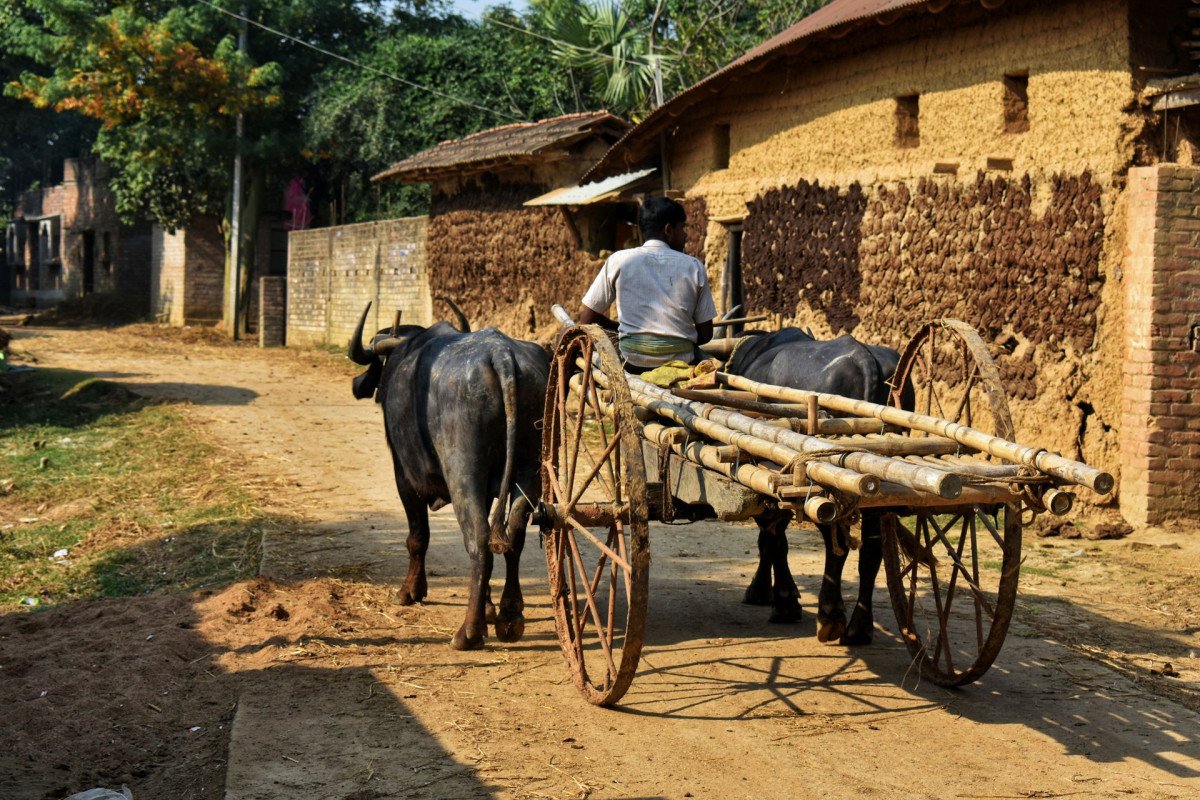
Bamora Village
General information
-
Ideal Duration:
1. 5 to 2 HoursPlace Type:
Archaeological & HistoryEntry Fees:
Free Entry: There is no ticket or entry fee required to visit the ruined temple or the village sites.
Photography Fees: Usually, there are no charges for personal photography, though commercial shoots may need permission. ...Free Entry: There is no ticket or entry fee required to visit the ruined temple or the village sites.
Photography Fees: Usually, there are no charges for personal photography, though commercial shoots may need permission.Timing:
Regular Timings: Accessible from sunrise to sunset; it is best to leave before it gets dark.
Ideal Visit Time: 8:00 AM provides the best light to see the intricate details on the weathered stones. ...Regular Timings: Accessible from sunrise to sunset; it is best to leave before it gets dark.
Ideal Visit Time: 8:00 AM provides the best light to see the intricate details on the weathered stones.Special Events:
Local Shivratri: Local villagers offer prayers at the Shiva Lingam inside the ruins during the February/March festival.
Heritage Walks: Occasional visits by archaeology students from the local university often turn into informal guided tours...Local Shivratri: Local villagers offer prayers at the Shiva Lingam inside the ruins during the February/March festival.
Heritage Walks: Occasional visits by archaeology students from the local university often turn into informal guided tours.Best Photo Spots:
Stone Pillars: The row of surviving pillars against the blue sky is the most iconic shot of Bamora.
Varaha Sculpture: A close-up of the intricately carved stone boar is a must for history enthusiasts.
Bird's Eye...Stone Pillars: The row of surviving pillars against the blue sky is the most iconic shot of Bamora.
Varaha Sculpture: A close-up of the intricately carved stone boar is a must for history enthusiasts.
Bird's Eye View: Use a drone or climb a nearby mound to capture the temple's layout from above.Photo Gallery
Things To Do
-
Archaeological Study: Examine the stone joints and carving techniques to understand ancient construction methods.
Photography: The play of light and shadow through the ruined pillars provides excellent subjects for black-and-white photography.
Exploration of Buddhist Sites: Walk around the village outskirts to locate the fragments of Buddhist stupas and carvings.
Meditation: The ruins offer a serene spot for those seeking a quiet place for reflection away from modern distractions.
Village Interaction: Talk to the local elders who often share folk tales and legends associated with the "Khandar" (ruins).
Sketching: The geometric precision of the ruins makes it a favorite spot for artists and archit...Archaeological Study: Examine the stone joints and carving techniques to understand ancient construction methods.
Photography: The play of light and shadow through the ruined pillars provides excellent subjects for black-and-white photography.
Exploration of Buddhist Sites: Walk around the village outskirts to locate the fragments of Buddhist stupas and carvings.
Meditation: The ruins offer a serene spot for those seeking a quiet place for reflection away from modern distractions.
Village Interaction: Talk to the local elders who often share folk tales and legends associated with the "Khandar" (ruins).
Sketching: The geometric precision of the ruins makes it a favorite spot for artists and architecture students.
Picnic: There are shaded spots under old trees near the ruins suitable for a quick snack break.
Information
-
Why Famous:
Mortar-less Architecture: It is famous for being built entirely of stone without cement or lime, showing advanced ancient engineering.
Religious Diversity: The site is unique for containing both Hindu (Vaishnava/Shaiva) and Buddhist ruins in...Mortar-less Architecture: It is famous for being built entirely of stone without cement or lime, showing advanced ancient engineering.
Religious Diversity: The site is unique for containing both Hindu (Vaishnava/Shaiva) and Buddhist ruins in close proximity. -
Architecture:
Construction Style: The temple is a classic example of ashlar masonry, where stones are fitted together perfectly without any binding material.
Pillar Details: The standing pillars feature octagonal shafts with carvings of floral motifs and ...Construction Style: The temple is a classic example of ashlar masonry, where stones are fitted together perfectly without any binding material.
Pillar Details: The standing pillars feature octagonal shafts with carvings of floral motifs and celestial dancers at the base.
Temple Dimensions: The main platform or Jagati measures approximately 30x20 feet, indicating a moderately sized shrine. -
How To Reach:
By Train: Mandi Bamora Railway Station is located directly on the Bina-Itarsi line, making it very easy to reach.
By Road: It is about 72 km from Sagar; one can take the road towards Khurai and then proceed to Bamora.
Read MoreBy Train: Mandi Bamora Railway Station is located directly on the Bina-Itarsi line, making it very easy to reach.
By Road: It is about 72 km from Sagar; one can take the road towards Khurai and then proceed to Bamora.
By Air: Bhopal Airport (DBP) is the nearest, about 140 km from Bamora village.
By Local Transport: Shared autos and local buses are frequent from Khurai town to Bamora.Weather and Best Time to Visit:
Winter Season: November to February is the most pleasant time as the stone ruins can get very hot in summer.
Spring: March is beautiful as the surrounding fields are often filled with yellow mustard flowers.
Lat...Winter Season: November to February is the most pleasant time as the stone ruins can get very hot in summer.
Spring: March is beautiful as the surrounding fields are often filled with yellow mustard flowers.
Late Afternoon: The "Golden Hour" before sunset brings out the warm tones of the ancient sandstone.Near Tourist Places:
1. Eran Archaeological Site (10 km), 2. Khurai Fort (22 km), 3. Khimlasa (45 km), 4. Bina Town (25 km), 5. Rahatgarh Falls (50 km), 6. Gadpahra (65 km), 7. Lakha Banjara Lake (72 km), 8. Malthone Fort (55 km), 9. Barodia Kalan Fort (40 km), 10. Udaigiri Caves (90 km).Tourism Tips
-
Health & Safety: Watch out for uneven stones and thorns around the ruins; wear closed-toe shoes.
Packing: Carry your own water and food as Bamora is a small village with limited restaurant options.
Connectivity...Health & Safety: Watch out for uneven stones and thorns around the ruins; wear closed-toe shoes.
Packing: Carry your own water and food as Bamora is a small village with limited restaurant options.
Connectivity: Mobile signals are decent due to the nearby railway station, but data speeds may be slow.
Cash: There are few ATMs in the village; it is better to withdraw cash in Khurai or Sagar.
Reviews
FAQs
Sagar Itineray And Cost:-
Other Places In Sagar :-
Other States In India :-
Information about New and Updated Locations() of Madhya Pradesh Has Been Added :-
Card subtitle
Note:-
Information provided here in good Faith and for reference only.
Near Places

Aapchand Rock Shelter Caves
Some quick example text to build on the card title and make up the bulk of the card's content.
Go somewhere
Amari Waterfall
Some quick example text to build on the card title and make up the bulk of the card's content.
Go somewhere
Baleh Village
Some quick example text to build on the card title and make up the bulk of the card's content.
Go somewhere
Bamora Village
Some quick example text to build on the card title and make up the bulk of the card's content.
Go somewhere
Barodia Kalan Fort
Some quick example text to build on the card title and make up the bulk of the card's content.
Go somewhere
City Forest
Some quick example text to build on the card title and make up the bulk of the card's content.
Go somewhere
Dhamoni Fort
Some quick example text to build on the card title and make up the bulk of the card's content.
Go somewhere
Dr. Hari Singh Gour University
Some quick example text to build on the card title and make up the bulk of the card's content.
Go somewhere
Gadpahra Fort
Some quick example text to build on the card title and make up the bulk of the card's content.
Go somewhere
Ghanta Ghar
Some quick example text to build on the card title and make up the bulk of the card's content.
Go somewhere
Ghat of Lakha Banjara Lake
Some quick example text to build on the card title and make up the bulk of the card's content.
Go somewhere
Jain Mandir
Some quick example text to build on the card title and make up the bulk of the card's content.
Go somewhere
Jama Masjid
Some quick example text to build on the card title and make up the bulk of the card's content.
Go somewhere
Kankaddar
Some quick example text to build on the card title and make up the bulk of the card's content.
Go somewhere
Khimlasa Fort
Some quick example text to build on the card title and make up the bulk of the card's content.
Go somewhere
Khurai Lake & Radhakund
Some quick example text to build on the card title and make up the bulk of the card's content.
Go somewherein Other Cities