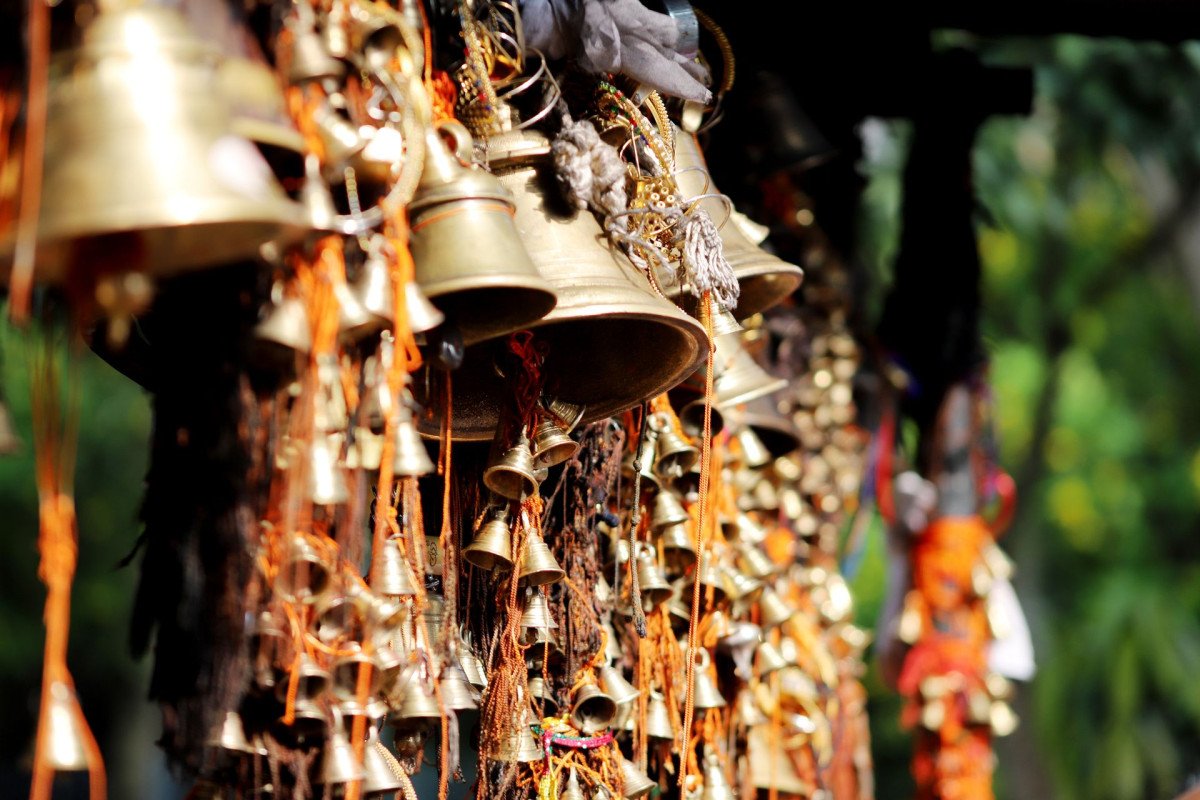
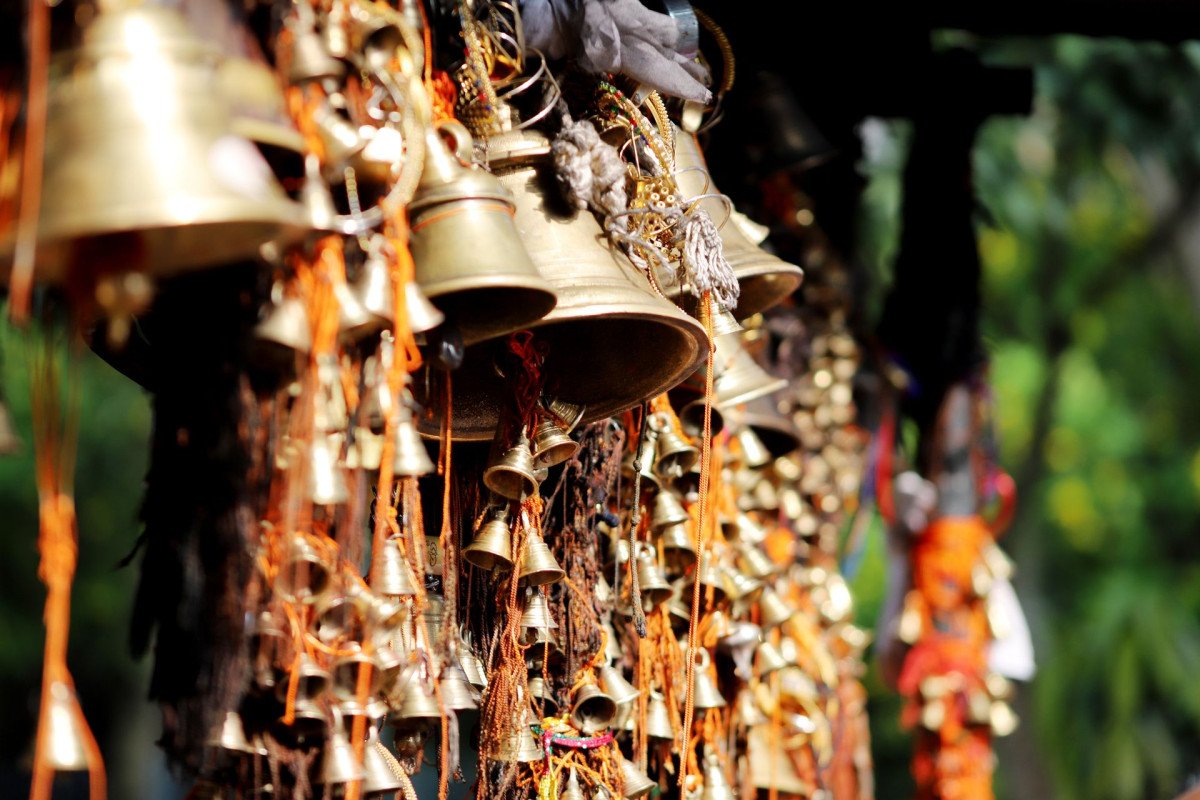
Bhattarika Temple
General information
-
Ideal Duration:
2 to 3 HoursPlace Type:
Pilgrimage, Temple, Religious, River BankEntry Fees:
Indian Nationals:Entry to the temple complex is generally free for all devotees and visitors. However, a small donation for maintenance is welcomed.
Foreign Tourists:There is no separate entry fee for foreign tourists; the temple is open t...Indian Nationals:Entry to the temple complex is generally free for all devotees and visitors. However, a small donation for maintenance is welcomed.
Foreign Tourists:There is no separate entry fee for foreign tourists; the temple is open to all.
Donation/Worship Fees:Fees for special pujas (worships) or rituals performed by the priests vary and can range from Rs.50 to Rs.500 or more, depending on the complexity of the service requested.
Picnic Site Fees:There may be a nominal fee or charge (around Rs.50 to Rs.100 per group) levied by local management for utilizing the designated picnic spots near the river bank for cleaning and maintenance purposes.
Parking Charges:A small parking fee, typically around Rs.20 to Rs.50, is charged for cars and two-wheelers in the designated parking lot near the temple entrance.Timing:
Regular Timings:The temple is generally open every day from 5:00 AM to 1:00 PM (Morning session) and then from 3:00 PM to 7:00 PM (Evening session). The temple closes during the afternoon for the deity's rest and cleaning.
Ideal Visit Time (Mor...Regular Timings:The temple is generally open every day from 5:00 AM to 1:00 PM (Morning session) and then from 3:00 PM to 7:00 PM (Evening session). The temple closes during the afternoon for the deity's rest and cleaning.
Ideal Visit Time (Morning):The best time to visit for a peaceful darshan and to witness the morning Aarti (worship) is early morning, between 6:00 AM and 9:00 AM. This period is less crowded.
Ideal Visit Time (Mid-Day):Avoid the time right before the temple closes at 1:00 PM as it can be crowded with devotees rushing for the final darshan.
Ideal Visit Time (Evening):The late afternoon, from 5:00 PM to 7:00 PM, is ideal for the evening darshan and enjoying the beautiful river view at sunset.Special Events:
Dussehra (Durga Puja):The most significant and grand event is the annual Dussehra (or Durga Puja) festival in October. Devotees rush in thousands, especially on Maha Ashtami, for special worship and to witness the traditional offering rituals.
...Dussehra (Durga Puja):The most significant and grand event is the annual Dussehra (or Durga Puja) festival in October. Devotees rush in thousands, especially on Maha Ashtami, for special worship and to witness the traditional offering rituals.
Pana Sankranti and Akshaya Tritiya:Other major festivals include Pana Sankranti in April (the Odia New Year) and Akshaya Tritiya in May. These occasions involve special pujas (worships) and a festive atmosphere with local fairs and cultural gatherings.
Makar Sankranti:Celebrated in January, this festival draws a large crowd, marked by traditional rituals and offerings to the Goddess, making it a vibrant time to visit.Best Photo Spots:
The Mahanadi River Bank:The wide stretch of the river bank right in front of the temple offers spectacular views of the river's expanse, ideal for capturing the temple structure against the natural backdrop, especially at golden hour.
The Viewpo...The Mahanadi River Bank:The wide stretch of the river bank right in front of the temple offers spectacular views of the river's expanse, ideal for capturing the temple structure against the natural backdrop, especially at golden hour.
The Viewpoint Above the Temple:A slightly elevated point (sometimes a small natural hillock) near the temple offers a panoramic shot of the entire temple complex, the surrounding village, and the wide sweep of the Mahanadi meeting the hills.
Close-up of Temple Carvings:Focus on the architectural details, the unique idol iconography inside the Jagamohana, and the simple beauty of the stone construction for detailed photography.
Sunset over the River:The sunset from the temple bank is highly photogenic, capturing the vibrant colors reflecting on the water, a perfect blend of natural and spiritual atmosphere. (Approx. )Photo Gallery
Things To Do
-
Offering Prayer and Seeking Blessings:The primary activity is to offer prayers to Maa Bhattarika and participate in the daily rituals and Aarti. The temple's spiritual atmosphere is conducive to meditation and seeking divine power.
Enjoying the Mahanadi River View:Spend a considerable amount of time near the river bank. The temple is famous for its beautiful setting. You can relax, sit on the steps, and watch the peaceful flow of the wide Mahanadi River.
Picnicking:The scenic area around the temple and the river bank is a very popular picnic spot, especially during the Winter months. Families and groups come here to spend a full day enjoying food and the natural environment.
Nature Photography:Capture the stunning landscape where the temple, the river, and the h...Offering Prayer and Seeking Blessings:The primary activity is to offer prayers to Maa Bhattarika and participate in the daily rituals and Aarti. The temple's spiritual atmosphere is conducive to meditation and seeking divine power.
Enjoying the Mahanadi River View:Spend a considerable amount of time near the river bank. The temple is famous for its beautiful setting. You can relax, sit on the steps, and watch the peaceful flow of the wide Mahanadi River.
Picnicking:The scenic area around the temple and the river bank is a very popular picnic spot, especially during the Winter months. Families and groups come here to spend a full day enjoying food and the natural environment.
Nature Photography:Capture the stunning landscape where the temple, the river, and the hills converge. The sunrise and sunset over the Mahanadi from this vantage point are particularly striking and should not be missed.
Exploring the Astha Laxmi Temple:Visit the smaller shrines within the complex, such as the Astha Laxmi Temple, to observe different forms of Hindu deities and their unique iconographies.
Local Cultural Immersion:If possible, observe the unique worship rituals, like the fish offering. Engaging with the local fishermen community can provide a deeper understanding of the temple's cultural and historical importance to their lives and traditions.
Visiting Nearby Attractions:Use the temple as a base to visit other nearby scenic spots like Dabarkhola Waterfall or the other ancient temples like Simhanath, which are a short drive away.
Information
-
Why Famous:
Shakti Peetha Significance:The temple is famous as a powerful Shakti Peetha, making it a major pilgrimage center for devotees of Goddess Shakti (Durga) from across Odisha and neighboring states. The mythological association with Parashurama adds to its sanctity and historic...Shakti Peetha Significance:The temple is famous as a powerful Shakti Peetha, making it a major pilgrimage center for devotees of Goddess Shakti (Durga) from across Odisha and neighboring states. The mythological association with Parashurama adds to its sanctity and historical reverence.
Riverine Beauty and Picnic Spot:Its location directly on the banks of the Mahanadi River, surrounded by small hills, makes it an exceptionally beautiful and serene spot. It is hugely popular as a picnic spot during the cooler Winter and Spring months, combining religious visit with a scenic day out.
Unique Rituals and Community Link:The temple is famous for its unique rituals, particularly the offering of fish and non-vegetarian food to the Goddess by the non-Brahmin and local fisherman communities, making it an inclusive and distinct place of worship revered as the deity of navigation. -
Architecture:
Kalingan Temple Style:The main temple structure is built in the traditional Kalingan architectural style, although it is believed to have undergone several renovations and reconstructions between the 6th and 16th centuries. The present structure mainly consists of a Vimana ...Kalingan Temple Style:The main temple structure is built in the traditional Kalingan architectural style, although it is believed to have undergone several renovations and reconstructions between the 6th and 16th centuries. The present structure mainly consists of a Vimana (sanctum) and a Jagamohana (assembly hall).
Temple Layout and Materials:Stone is the primary building material, featuring intricate carvings, though the structure is simpler than the grand temples of Bhubaneswar. The temple complex also includes smaller shrines dedicated to other deities, like the Astha Laxmi Temple. The goddess's main idol is uniquely carved on a stone, often associated with the legend of Parashurama carving it with his arrow.
Goddess Iconography:The main deity, Maa Bhattarika, is an eight-armed goddess seated in a specific posture. The interiors also contain eight smaller images of the Goddess in various positions (Lalitasana and Padmasana), with four hands holding symbols like the lotus, bow, arrow, and a mudra, indicating a complex and rich iconographic tradition, possibly linking to Buddhist Yogachara systems as well. -
How To Reach:
By Air:The nearest major airport is Biju Patnaik International Airport (BBI) in Bhubaneswar, approximately 96 KM away. From the airport, one must hire a full-day taxi or a private cab. The journey takes about 2. 5 to 3 hours, traveling via NH55 and then local roads to Sasa...By Air:The nearest major airport is Biju Patnaik International Airport (BBI) in Bhubaneswar, approximately 96 KM away. From the airport, one must hire a full-day taxi or a private cab. The journey takes about 2. 5 to 3 hours, traveling via NH55 and then local roads to Sasanga village.
By Train:The closest major railway station is Cuttack Railway Station (CTC), about 80 KM away. From the station, hiring a direct taxi is the easiest method. Cuttack station is well-connected to major Indian cities. The journey from Cuttack is approximately 2 hours by car.
By Road (Self-Drive/Taxi):The temple is about Rs. 82 KM from the center of Cuttack and about 10 KM from the Badamba town center. It is connected by state highways. Hiring a dedicated vehicle for a round trip from Cuttack is highly recommended due to the temple's slightly remote location.
By Local Transport (Bus/Auto):Regular local buses from Cuttack's Badambadi Bus Stand are available for Badamba or Banki. From Badamba (about 10 KM away), one needs to take a shared or hired auto-rickshaw for the final leg to Sasanga village and the temple. -
Weather and Best Time to Visit:
Different Types of Seasons (Winter):The Winter season (from October to March) is the best time to visit. The weather is cool and pleasant, which is perfect for a full-day picnic and for enjoying the scenic river bank. This period also includes the festive Makar Sankranti. ...Different Types of Seasons (Winter):The Winter season (from October to March) is the best time to visit. The weather is cool and pleasant, which is perfect for a full-day picnic and for enjoying the scenic river bank. This period also includes the festive Makar Sankranti.
Different Types of Seasons (Monsoon):The Monsoon season (from July to September) makes the surroundings incredibly lush and green. The Mahanadi flows in its full glory, which is a spectacular sight, but travel can be tricky, and the temple might be temporarily affected by rising water, requiring the deity to be moved.
Different Types of Seasons (Summer):The Summer season (from April to June) is extremely hot and humid, making a mid-day visit very uncomfortable. This time is only recommended for visiting during the early morning or for attending the Akshaya Tritiya festival.
Different Parts of the Day (Morning):Early morning (6 AM to 9 AM) is perfect for peaceful worship and sightseeing before the crowds and heat build up.
Different Parts of the Day (Afternoon/Evening):Late afternoon (4 PM to 7 PM) is best for enjoying the sunset and the evening Aarti on the river bank. -
Near Tourist Places:
Ansupa Lake (Rs. 40 KM), Charchika Temple (Rs. 40 KM), Singhanath Temple (Rs. 25 KM), Dhabaleswar Temple (Rs. 55 KM), Lalitagiri Buddhist Complex (Rs. 70 KM), Barabati Fort (Rs. 82 KM), Narayana Temple, Baneswarnasi (Rs. 30 KM), Gopinath Temple, Badamba (Rs. 15 KM), Dabarkhola Waterfall (Rs. 20 KM), Chandaka Elephant Reserve Entry (Rs. 90 KM).
Tourism Tips
-
Health & Safety:Wear modest attire suitable for a place of worship. Be cautious near the river bank, especially after the monsoon, as the currents can be strong. Carry plenty of drinking water and snacks as food options near the temple are basic.
Read MoreHealth & Safety:Wear modest attire suitable for a place of worship. Be cautious near the river bank, especially after the monsoon, as the currents can be strong. Carry plenty of drinking water and snacks as food options near the temple are basic.
Packing Essentials:Carry a camera for the spectacular views, a hat/umbrella, and basic temple puja materials if you plan to perform any special rituals. Comfortable footwear is advised.
Accommodation:There is no high-end accommodation in Sasanga village. For a comfortable stay, it is best to book a hotel in Cuttack or Bhubaneswar and plan a day trip to the temple.
Other Topics (Respect Tradition):Respect the unique temple rituals, especially the offerings. Consult with the priests if you are unsure about any puja procedure. Maintain silence and reverence inside the Jagamohana and Vimana.
Other Topics (Picnic Etiquette):If picnicking, ensure you clean up thoroughly and carry back all your waste, particularly plastics, to maintain the sanctity and cleanliness of the river bank area.
Other Topics (Road Travel):Since the distance from Cuttack is significant, start your journey early to make the most of the day and return before nightfall.Reviews
FAQs
Cuttack Itineray And Cost:-
Bhattarika Temple Tourism:-
Other Places In Cuttack :-
Other States In India :-
Information about New and Updated Locations() of Odisha Has Been Added :-
Card subtitle
Note:-
Information provided here in good Faith and for reference only.
Near Places

Ansupa Lake
Some quick example text to build on the card title and make up the bulk of the card's content.
Go somewhere
Baladevjew Temple
Some quick example text to build on the card title and make up the bulk of the card's content.
Go somewhere
Barabati Fort
Some quick example text to build on the card title and make up the bulk of the card's content.
Go somewhere
Bhattarika Temple
Some quick example text to build on the card title and make up the bulk of the card's content.
Go somewhere
Bhubaneswari Temple
Some quick example text to build on the card title and make up the bulk of the card's content.
Go somewhere
Bidanasi Ground
Some quick example text to build on the card title and make up the bulk of the card's content.
Go somewhere
Chandaka Elephant Reserve Entry
Some quick example text to build on the card title and make up the bulk of the card's content.
Go somewhere
Charchika Temple
Some quick example text to build on the card title and make up the bulk of the card's content.
Go somewhere
Cuttack Chandi Temple
Some quick example text to build on the card title and make up the bulk of the card's content.
Go somewhere
Deer Park
Some quick example text to build on the card title and make up the bulk of the card's content.
Go somewhere
Dhabaleswar Island Temple
Some quick example text to build on the card title and make up the bulk of the card's content.
Go somewhere
Dhabaleswar Temple
Some quick example text to build on the card title and make up the bulk of the card's content.
Go somewhere
Gada Chandi Temple
Some quick example text to build on the card title and make up the bulk of the card's content.
Go somewhere
Gandi-Chowk
Some quick example text to build on the card title and make up the bulk of the card's content.
Go somewhere
Jagatpur Industrial Area
Some quick example text to build on the card title and make up the bulk of the card's content.
Go somewhere
Jobra Barrage
Some quick example text to build on the card title and make up the bulk of the card's content.
Go somewherein Other Cities