Chandaka Elephant Reserve Entry
General information
-
Ideal Duration:
4 to 6 Hours (Including Safari Time)Place Type:
Wildlife, Sanctuary, Nature, Elephant ReserveEntry Fees:
Indian Nationals:The entry fee is around Rs.40 per person. This fee is for general entry and contributes to the reserve's maintenance and conservation work.
Foreign Tourists:The entry fee for foreign nationals is significantly higher, typical...Indian Nationals:The entry fee is around Rs.40 per person. This fee is for general entry and contributes to the reserve's maintenance and conservation work.
Foreign Tourists:The entry fee for foreign nationals is significantly higher, typically around Rs.1000 per person, a standard practice in Indian wildlife sanctuaries.
Vehicle/Safari Fees:Bringing a personal vehicle might incur a separate fee (around Rs.50 to Rs.100). Hiring a dedicated safari vehicle or guide is a major, separate cost, often ranging from Rs.1500 to Rs.3000 per trip depending on the duration and vehicle type.
Watchtower/Rest House Fees:Staying overnight in the forest rest houses or eco-cottages involves a separate charge, usually ranging from Rs.1500 to Rs.3500 per night, and often requires a booking deposit.
Camera Fees:A nominal fee, usually around Rs.50 to Rs.100, might be charged for still cameras; professional video cameras and equipment have a much higher fee.Timing:
Regular Timings:The sanctuary is generally open daily from 10:00 AM to 5:00 PM. Entry is usually strictly controlled outside these hours for visitor safety and animal well-being.
Ideal Visit Time (Morning):The best time for wildlife viewing...Regular Timings:The sanctuary is generally open daily from 10:00 AM to 5:00 PM. Entry is usually strictly controlled outside these hours for visitor safety and animal well-being.
Ideal Visit Time (Morning):The best time for wildlife viewing is very early morning, from 6:00 AM to 9:00 AM, when the animals are most active. Special permission is usually needed to enter before the regular 10:00 AM opening time.
Ideal Visit Time (Evening):Late afternoon, from 3:00 PM to 5:00 PM, is the second-best time for spotting animals and is perfect for enjoying the Deras Dam area at sunset.
Rest House/Cottage Timings:Guests staying overnight have access to the premises beyond the public visiting hours, which is a major advantage for deep nature observation.Special Events:
Wildlife Census/Monitoring:The reserve occasionally conducts special activities like elephant census or bird monitoring programs, where limited tourist participation may be allowed, offering a unique, hands-on experience in conservation research.Wildlife Census/Monitoring:The reserve occasionally conducts special activities like elephant census or bird monitoring programs, where limited tourist participation may be allowed, offering a unique, hands-on experience in conservation research.
Van Mahotsav Celebration:The annual Van Mahotsav (Forest Festival) is celebrated with enthusiasm, involving planting drives and awareness campaigns, which sometimes involve local community members and visitors.
Nature Camps and Educational Programs:The Forest Department organizes specialized nature camps for students and enthusiasts, especially in the Winter, focused on biodiversity studies, often using the rest houses as a base.Best Photo Spots:
The Deras Dam Water Body:The area around Deras Dam and the reservoir, especially at sunset, provides a stunning photo spot, capturing the water, the hills, and the forest in a serene frame.
The Watchtowers at Dawn/Dusk:The elevated watchtowe...The Deras Dam Water Body:The area around Deras Dam and the reservoir, especially at sunset, provides a stunning photo spot, capturing the water, the hills, and the forest in a serene frame.
The Watchtowers at Dawn/Dusk:The elevated watchtowers offer a vantage point for landscape shots of the sprawling forest canopy and are the best spots for patient wildlife photography, particularly of deer grazing in the open.
Elephant Tracks and Signs:Close-up shots of large elephant tracks, pugmarks of other animals, or unique flora (like orchids or medicinal plants) can provide powerful, detailed memories of the jungle experience.
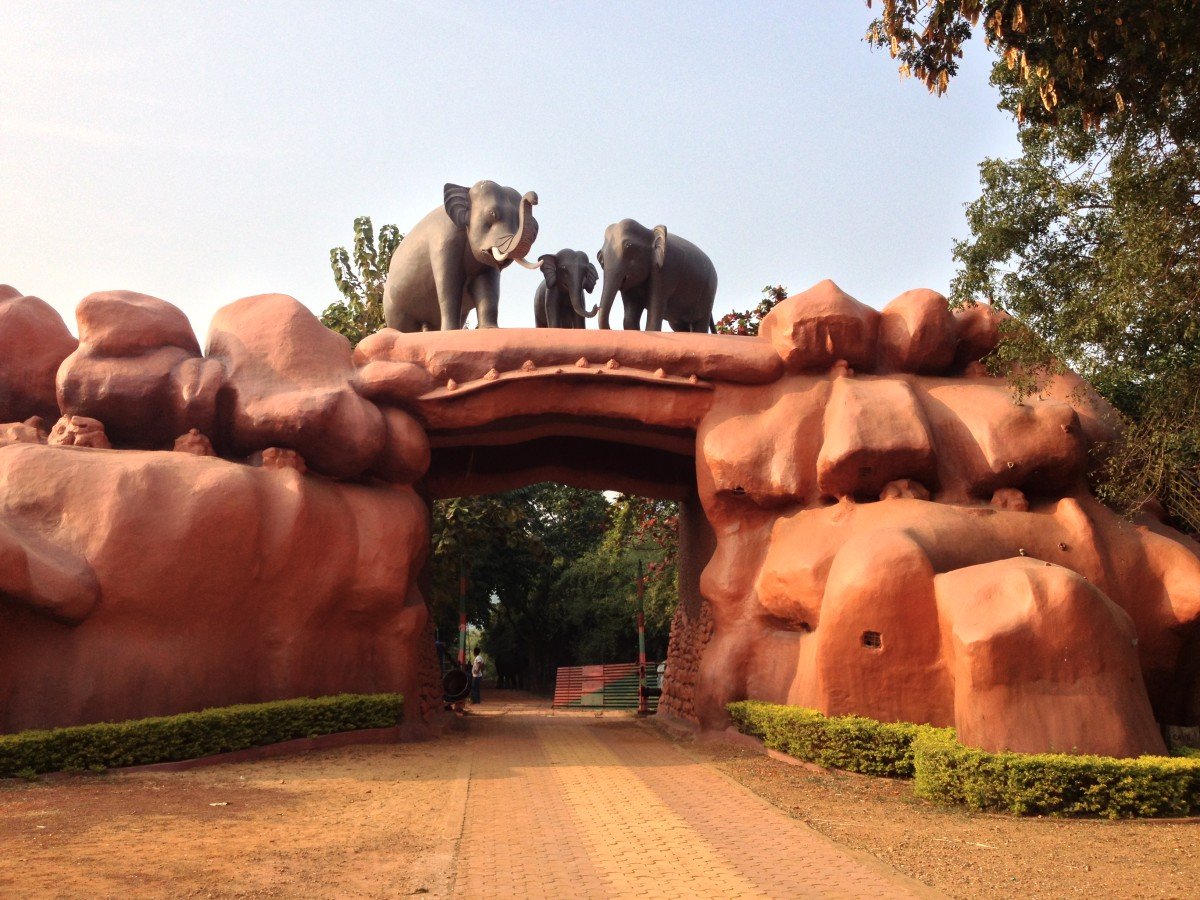
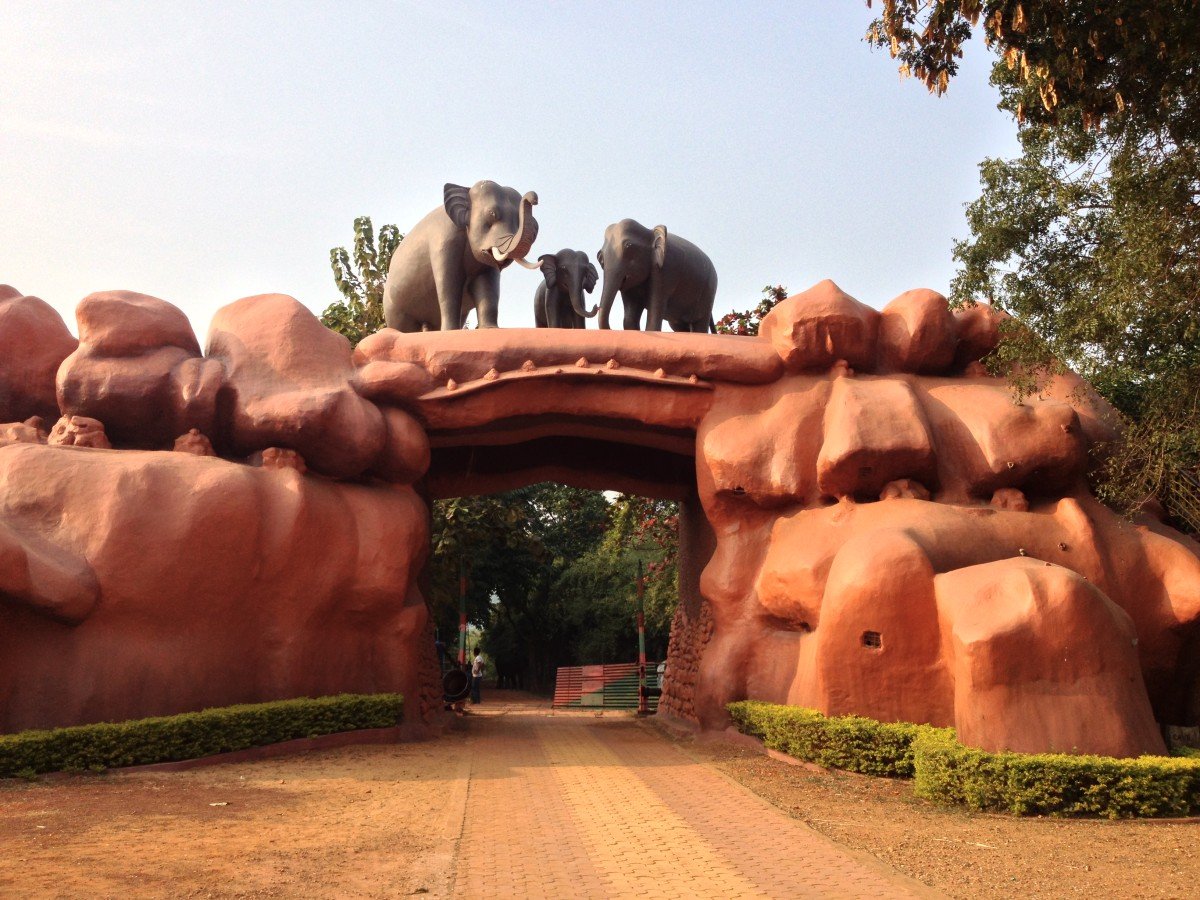
The Entry Gate:The official entry point, often marked with a large sign or security checkpoint, is a standard photo opportunity for recording the visit. (Approx. )Photo Gallery
Things To Do
-
Jungle Safari and Wildlife Spotting:The main activity is undertaking a jeep safari or a guided trek (where permitted) to spot the flagship Indian Elephants, Spotted Deer (Chital), Wild Boar, and other mammals. Early morning and late afternoon are the best times for this.
Bird-Watching from Watchtowers:Spend time at the designated watchtowers like Kochilaberana or Charichhak. The Kumarkhunti reservoir is excellent during the Winter for observing migratory ducks and resident birds like Indian Peafowl and Red Junglefowl.
Nature Trail Walks:Take a guided walk through the reserve's nature trails, focusing on identifying the diverse flora, including the unique coastal Sal forests and various medicinal plants. A guide is mandatory for safety.
Visiting Deras and Jhumka Dams:...Jungle Safari and Wildlife Spotting:The main activity is undertaking a jeep safari or a guided trek (where permitted) to spot the flagship Indian Elephants, Spotted Deer (Chital), Wild Boar, and other mammals. Early morning and late afternoon are the best times for this.
Bird-Watching from Watchtowers:Spend time at the designated watchtowers like Kochilaberana or Charichhak. The Kumarkhunti reservoir is excellent during the Winter for observing migratory ducks and resident birds like Indian Peafowl and Red Junglefowl.
Nature Trail Walks:Take a guided walk through the reserve's nature trails, focusing on identifying the diverse flora, including the unique coastal Sal forests and various medicinal plants. A guide is mandatory for safety.
Visiting Deras and Jhumka Dams:Visit the two large water bodies, Deras Dam and Jhumka Dam, which are picturesque spots. The Deras area offers a serene environment and is often a good location for spotting animals coming to drink water.
Overnight Stay at Eco-Cottages:Book an overnight stay at the forest rest houses or eco-cottages near Deras or Godibari to experience the sights and sounds of the jungle at night and for the best chances of early morning sightings.
Photography of Landscape and Fauna:Focus on capturing the dense forest, the water bodies, and the wildlife. Use a telephoto lens for respectful wildlife photography without disturbing the animals.
Learning about Conservation:Take time to read the information boards at the entry point and interact with the forest guards to understand the ongoing conservation efforts for elephants and the local ecosystem.
Information
-
Why Famous:
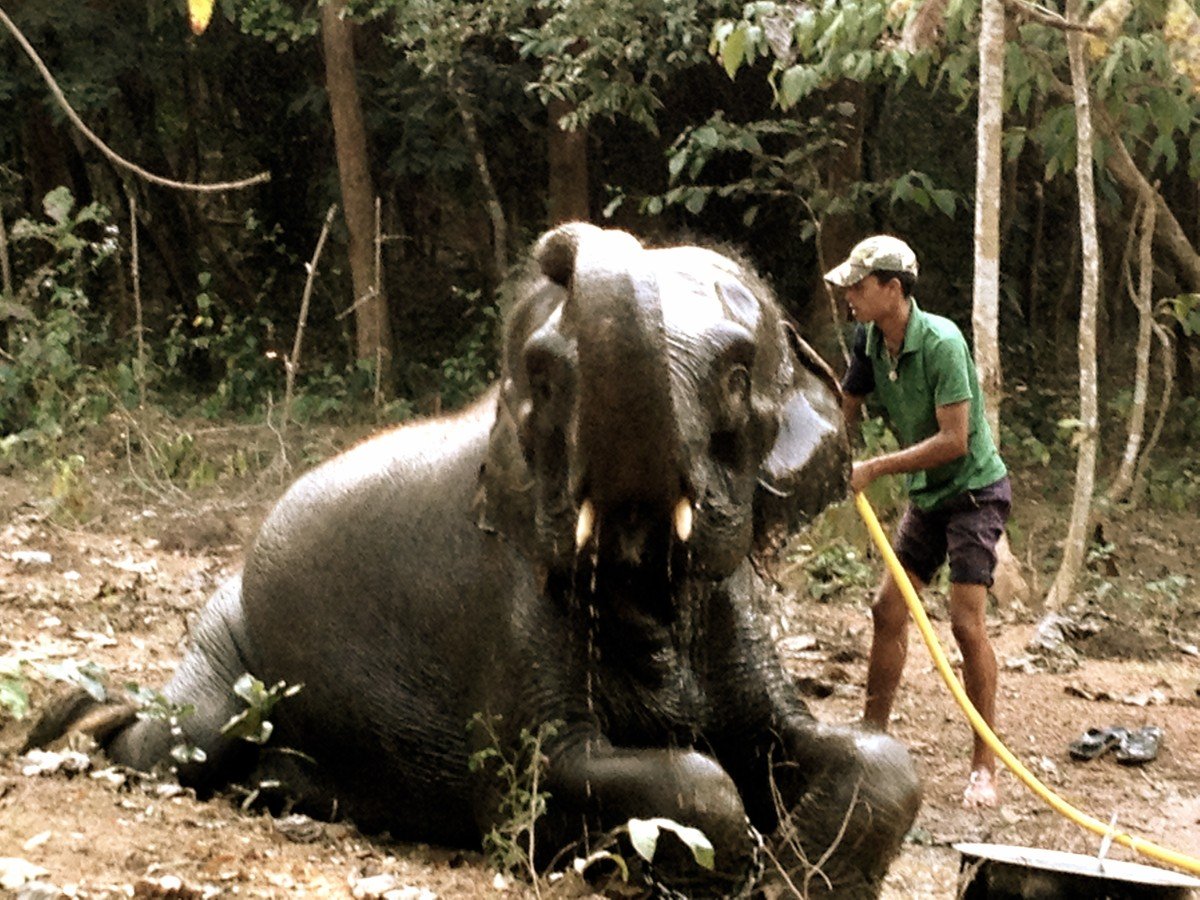
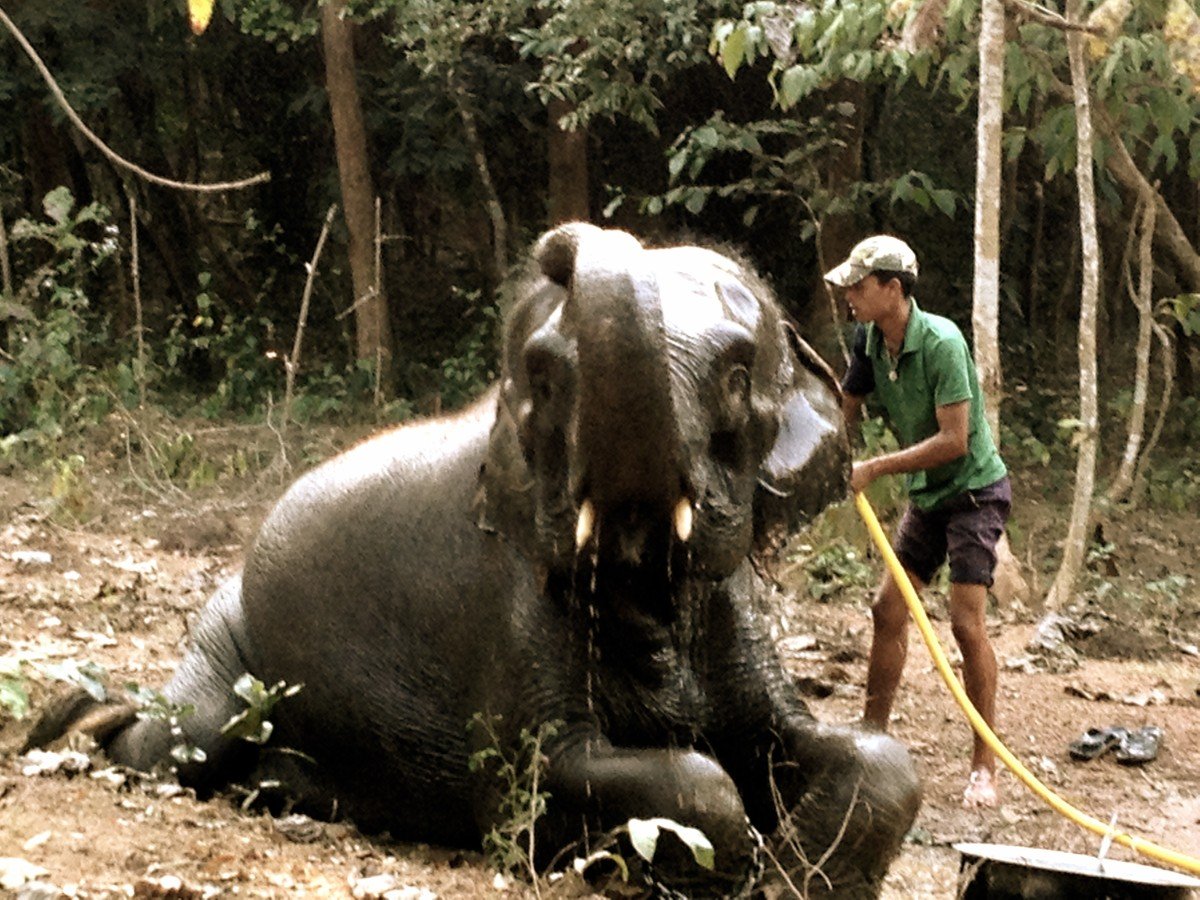
Elephant Conservation and Habitat:The sanctuary is famous specifically as an Elephant Reserve, dedicated to protecting the Indian Elephant. Its designation in 1982 was a significant conservation effort, making it a critical area for elephant sightings, though the population...Elephant Conservation and Habitat:The sanctuary is famous specifically as an Elephant Reserve, dedicated to protecting the Indian Elephant. Its designation in 1982 was a significant conservation effort, making it a critical area for elephant sightings, though the population fluctuates.
Proximity to Twin Cities:Its fame comes from being a major wildlife sanctuary located extremely close—less than 20 KM—to the metropolitan areas of Cuttack and Bhubaneswar. This unique accessibility makes it a popular weekend getaway for nature lovers and city dwellers seeking a jungle experience.
Rich Biodiversity:The reserve is renowned for its rich biodiversity, housing not just elephants but also various deer species (Chital), Leopards, and an abundance of avian life, including migratory waterfowl near the Kumarkhunti reservoir, making it a fantastic destination for ornithologists. -
Architecture:
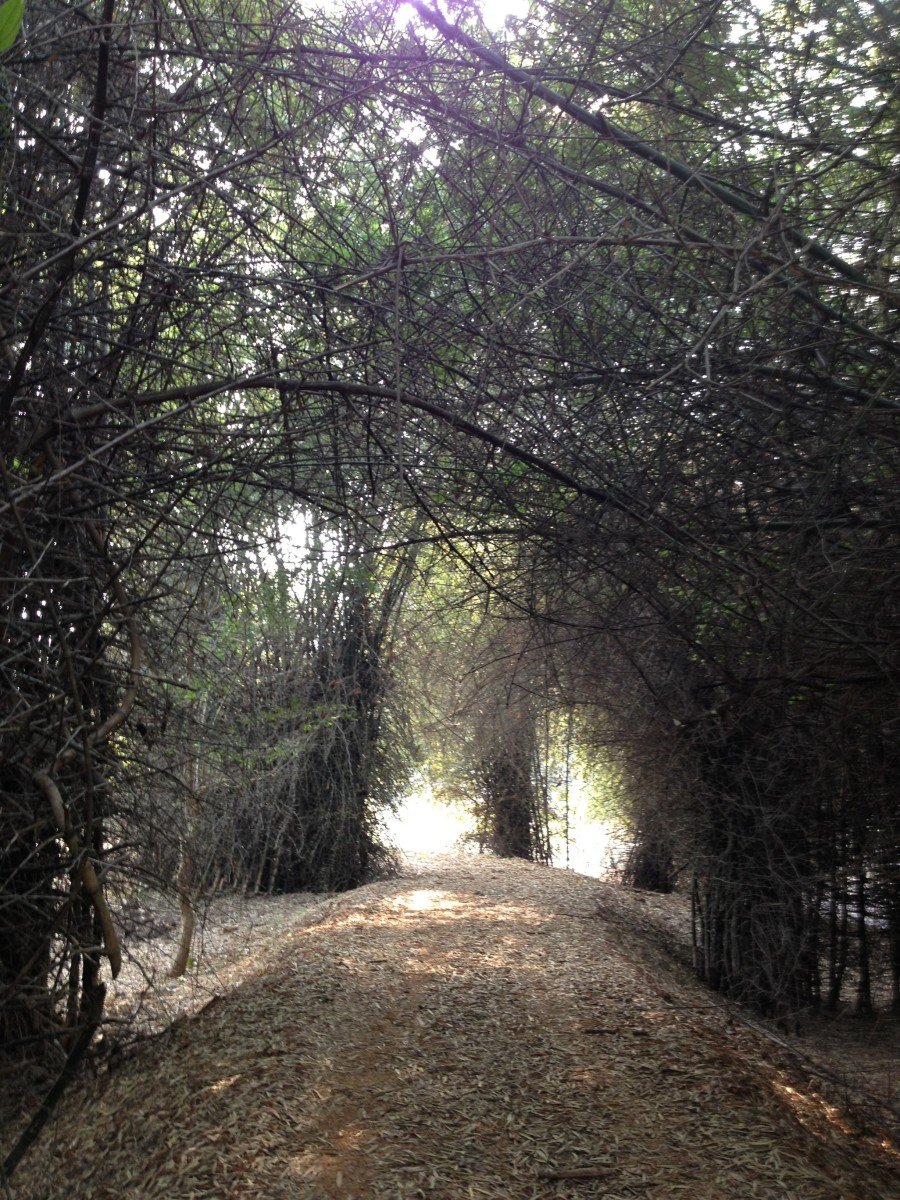
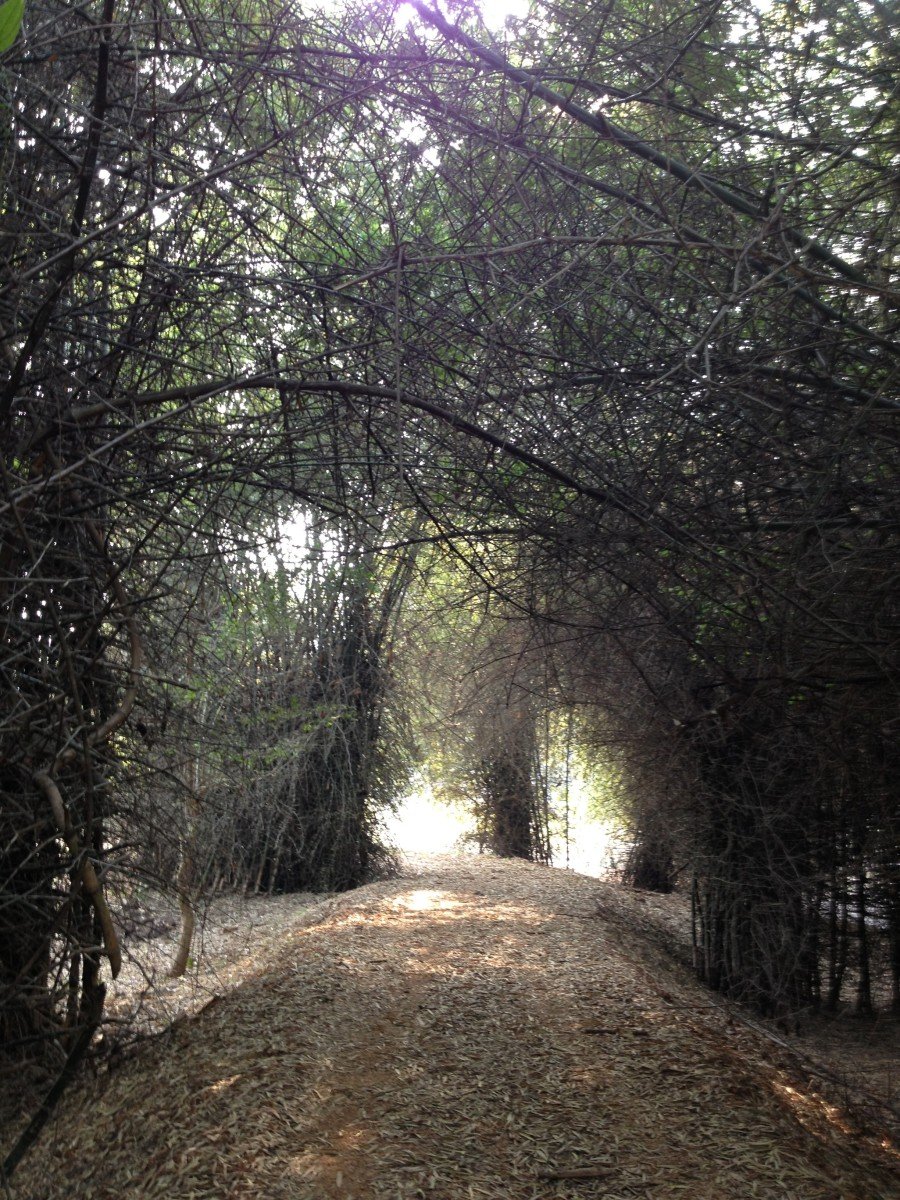
Natural Biotic Region:The "architecture" is primarily natural, consisting of a diverse forest ecosystem: secondary moist mixed semi-evergreen forests, coastal Sal forests, and bamboo brakes. The terrain features rolling table land and small sprawling hillocks, which are cha...Natural Biotic Region:The "architecture" is primarily natural, consisting of a diverse forest ecosystem: secondary moist mixed semi-evergreen forests, coastal Sal forests, and bamboo brakes. The terrain features rolling table land and small sprawling hillocks, which are characteristic of the Khurdha uplands of the Eastern Ghats.
Man-made Conservation Structures:The reserve is dotted with man-made structures designed for conservation and viewing, which include several watch towers (e. g. , Kochilaberana, Pitagadia, Charichhak) used for wildlife observation. Two vital water reservoirs, Deras Dam and Jhumka Dam, are engineered water bodies crucial for the reserve's fauna.
Eco-Cottages and Rest Houses:Near the entry point and the dams (Deras, Ambilo), there are eco-cottages, bamboo huts, and rest houses built for tourists. These are simple structures made from local materials, designed to blend with the natural environment and provide overnight accommodation for wildlife enthusiasts. -
How To Reach:
By Air:The nearest airport is Biju Patnaik International Airport (BBI) in Bhubaneswar, about 35 KM away. Hire a taxi from the airport. The journey takes about 1 hour via the main city roads towards Chandaka.
By Train:The closest major stat...By Air:The nearest airport is Biju Patnaik International Airport (BBI) in Bhubaneswar, about 35 KM away. Hire a taxi from the airport. The journey takes about 1 hour via the main city roads towards Chandaka.
By Train:The closest major station is Cuttack Railway Station (CTC) or Bhubaneswar Railway Station (BBS). From Cuttack, it is about Rs. 18. 4 KM away. Taxis are the best option for a direct and quick trip to the main entry point, usually near Godibari.
By Road (Self-Drive/Taxi):The entry is easily reachable by road from both Cuttack and Bhubaneswar via the main road that leads towards the Nandankanan Zoo area, then branching towards Godibari/Deras. The drive from Cuttack takes less than an hour. A hired taxi for a half-day trip is very convenient.
By Local Transport (Bus/Auto):Local buses and shared auto-rickshaws run to the Nandankanan area. From there, one needs to hire a private auto-rickshaw or taxi for the final 3-5 KM to the Godibari main entry gate, as public transport is limited near the core reserve area. -
Weather and Best Time to Visit:
Different Types of Seasons (Winter):The Winter season (from October to March) is the best time to visit. The weather is cool and pleasant for safaris and jungle walks. It is also the peak time for migratory birds at the reservoirs.
Different T...Different Types of Seasons (Winter):The Winter season (from October to March) is the best time to visit. The weather is cool and pleasant for safaris and jungle walks. It is also the peak time for migratory birds at the reservoirs.
Different Types of Seasons (Monsoon):The Monsoon season (from July to September) makes the forest exceptionally green and beautiful, but sightings can be low, and the safari tracks might be muddy and closed. It is a good time for landscape photography and plant study.
Different Types of Seasons (Summer):The Summer season (from April to June) is very hot. While high heat sometimes forces animals out to water bodies for better sightings, the daytime temperature is uncomfortable. Visits must be restricted to early morning.
Different Parts of the Day (Morning):Early morning (6 AM to 9 AM) is the most ideal part of the day for spotting animals as they come out to graze and drink water before the sun is high.
Different Parts of the Day (Afternoon):Late afternoon (3 PM to 5 PM) is the next best time for a safari before the gate closes. -
Near Tourist Places:
Nandankanan Zoological Park (Rs. 10 KM), Deras Dam (Inside Reserve), Jhumka Dam (Inside Reserve), Udayagiri & Khandagiri Caves (Rs. 15 KM), Dhauli Shanti Stupa (Rs. 25 KM), Lingaraja Temple (Rs. 30 KM), Barabati Fort (Rs. 18 KM), Cuttack Chandi Temple (Rs. 20 KM), Ekamra Kanan Botanical Gardens (Rs. 20 KM), Odisha State Maritime Museum (Rs. 22 KM).
Tourism Tips
-
Health & Safety:A guide is mandatory for all jungle treks and highly recommended for safaris. Never attempt to go off-road or approach animals. Carry a First-Aid kit and insect repellent as it is a dense jungle.
Packing Essentials:Wear nat...Health & Safety:A guide is mandatory for all jungle treks and highly recommended for safaris. Never attempt to go off-road or approach animals. Carry a First-Aid kit and insect repellent as it is a dense jungle.
Packing Essentials:Wear natural-colored clothing (khaki, green, brown) to blend in. Essential items include a hat, sunglasses, sunscreen, a high-power camera, and binoculars. Wear sturdy, closed shoes for protection against insects and rough terrain.
Accommodation:Pre-book the eco-cottages or rest houses, as they are few in number. If not staying inside, book a hotel in Bhubaneswar or Cuttack.
Other Topics (Silence):Maintain absolute silence during safaris and at watchtowers. Loud noises, music, or shouting are strictly prohibited and can disturb the wildlife.
Other Topics (Littering):The reserve is a plastic-free zone. Do not carry any plastic items inside, and bring back all your non-biodegradable waste. Do not feed the animals under any circumstances.
Reviews
FAQs
Cuttack Itineray And Cost:-
Chandaka Elephant Reserve Entry Tourism:-
Other Places In Cuttack :-
Other States In India :-
Information about New and Updated Locations() of Odisha Has Been Added :-
Card subtitle
Note:-
Information provided here in good Faith and for reference only.
Near Places

Ansupa Lake
Some quick example text to build on the card title and make up the bulk of the card's content.
Go somewhere
Baladevjew Temple
Some quick example text to build on the card title and make up the bulk of the card's content.
Go somewhere
Barabati Fort
Some quick example text to build on the card title and make up the bulk of the card's content.
Go somewhere
Bhattarika Temple
Some quick example text to build on the card title and make up the bulk of the card's content.
Go somewhere
Bhubaneswari Temple
Some quick example text to build on the card title and make up the bulk of the card's content.
Go somewhere
Bidanasi Ground
Some quick example text to build on the card title and make up the bulk of the card's content.
Go somewhere
Chandaka Elephant Reserve Entry
Some quick example text to build on the card title and make up the bulk of the card's content.
Go somewhere
Charchika Temple
Some quick example text to build on the card title and make up the bulk of the card's content.
Go somewhere
Cuttack Chandi Temple
Some quick example text to build on the card title and make up the bulk of the card's content.
Go somewhere
Deer Park
Some quick example text to build on the card title and make up the bulk of the card's content.
Go somewhere
Dhabaleswar Island Temple
Some quick example text to build on the card title and make up the bulk of the card's content.
Go somewhere
Dhabaleswar Temple
Some quick example text to build on the card title and make up the bulk of the card's content.
Go somewhere
Gada Chandi Temple
Some quick example text to build on the card title and make up the bulk of the card's content.
Go somewhere
Gandi-Chowk
Some quick example text to build on the card title and make up the bulk of the card's content.
Go somewhere
Jagatpur Industrial Area
Some quick example text to build on the card title and make up the bulk of the card's content.
Go somewhere
Jobra Barrage
Some quick example text to build on the card title and make up the bulk of the card's content.
Go somewherein Other Cities