
Cuttack Chandi Temple
General information
-
Ideal Duration:
1 to 2 Hours:Place Type:
Religious, Temple, Heritage:Entry Fees:
General Darshan:
Free: There is no entry fee for general darshan and offering prayers, as is the custom in most major temples in India. The temple is open to all devotees regardless of background or faith.
Speci...General Darshan:
Free: There is no entry fee for general darshan and offering prayers, as is the custom in most major temples in India. The temple is open to all devotees regardless of background or faith.
Special Pujas and Offerings:
Variable/Paid: While entry is free, pilgrims often pay a fee to the priest to conduct special Pujas (like Archana or Abhisheka) in their name or for specific rituals. The cost for these services varies based on the type of offering, ranging from a modest amount to several thousand rupees for elaborate Yajnas.
Donation Boxes and Hundis:
Voluntary: Donation boxes (Hundis) are present throughout the complex for voluntary contributions towards the temple's maintenance, daily operations, and charity work. Donations are completely optional and up to the devotee's discretion.
Parking Fees:
Modest: A minimal fee may be charged for parking two-wheelers or cars in the designated areas outside the temple complex, managed by local authorities or the temple trust.Timing:
Regular Timings: 05:00 AM - 09:
00 PM (All Days): The temple typically opens early for Mangala Aarti and remains open through the day, closing for a short period in the afternoon (e. g. , 12:30 PM to 03:00 PM) before reopening for evening pray...Regular Timings: 05:00 AM - 09:
00 PM (All Days): The temple typically opens early for Mangala Aarti and remains open through the day, closing for a short period in the afternoon (e. g. , 12:30 PM to 03:00 PM) before reopening for evening prayers and concluding with Sandhya Aarti and final closing by 9:00 PM (Timings can vary slightly, especially on festival days).
Ideal Visit Time: Early Morning (5:00 AM - 8:00 AM) and Late Evening (6:00 PM - 8:00 PM) The early morning slot is best for a peaceful darshan before the rush, allowing for quiet contemplation. The late evening is ideal to witness the spectacular Sandhya Aarti ritual. Avoid mid-day hours when the temple might be briefly closed or very crowded and hot.
Special Festival Timings:
Extended Hours: During the 16-day Durga Puja and Kali Puja, the temple timings are significantly extended, often remaining open till midnight or later to accommodate the massive influx of devotees.Special Events:
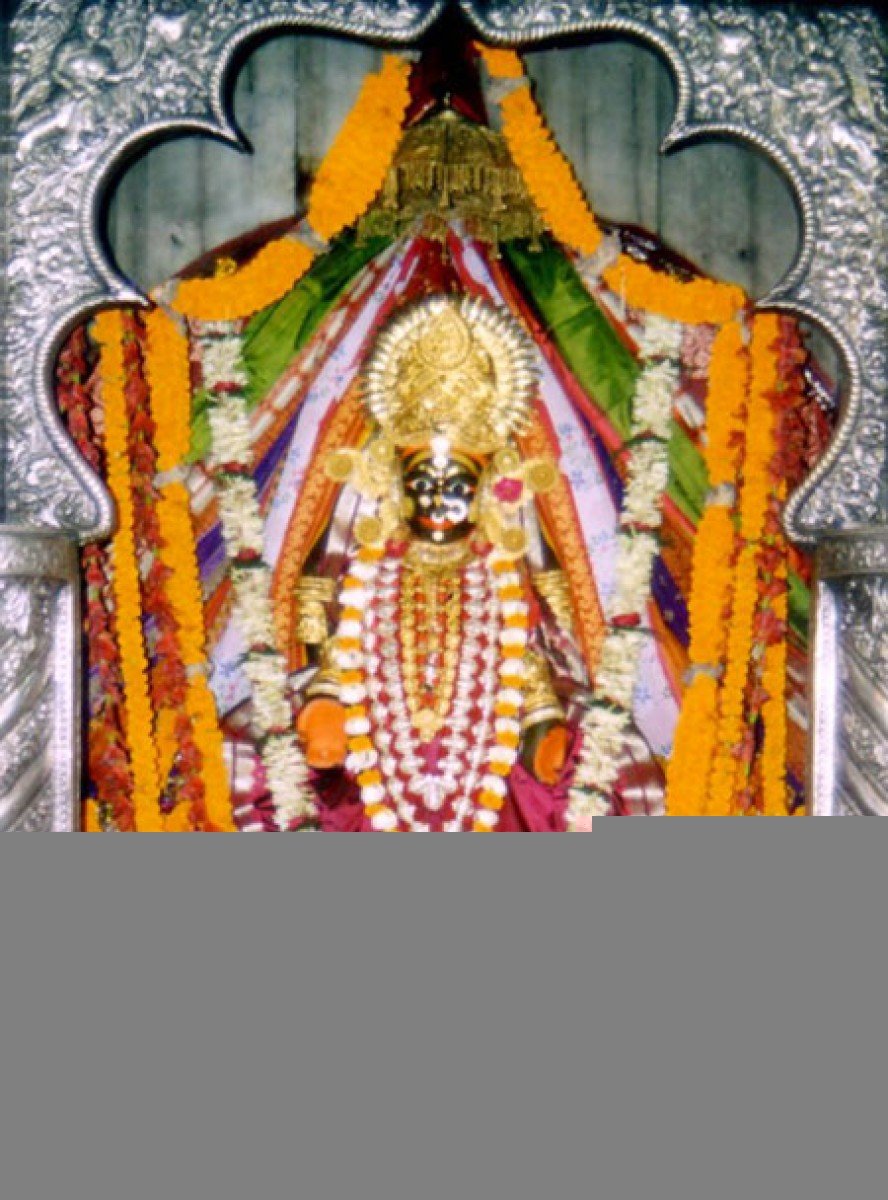
The Grand Durga Puja Celebrations: The most significant and spectacular event is the annual Durga Puja, celebrated with immense fanfare over 16 days from Ashwina Krishna Ashtami to Vijayadashami (Dussehra). The Goddess is adorned with massive gold and silver ornaments, and ...The Grand Durga Puja Celebrations: The most significant and spectacular event is the annual Durga Puja, celebrated with immense fanfare over 16 days from Ashwina Krishna Ashtami to Vijayadashami (Dussehra). The Goddess is adorned with massive gold and silver ornaments, and a silver tableau (Chandi Medha) is often a centerpiece. The entire city's celebration revolves around the main deity, with a final procession that is a spectacular cultural display.
Kali Puja and Deepavali: Following Durga Puja, the temple also holds grand celebrations for Kali Puja (Deepavali), drawing large crowds. The illumination and specific rites performed for Goddess Kali during this night are another major highlight of the temple’s annual calendar.Best Photo Spots:
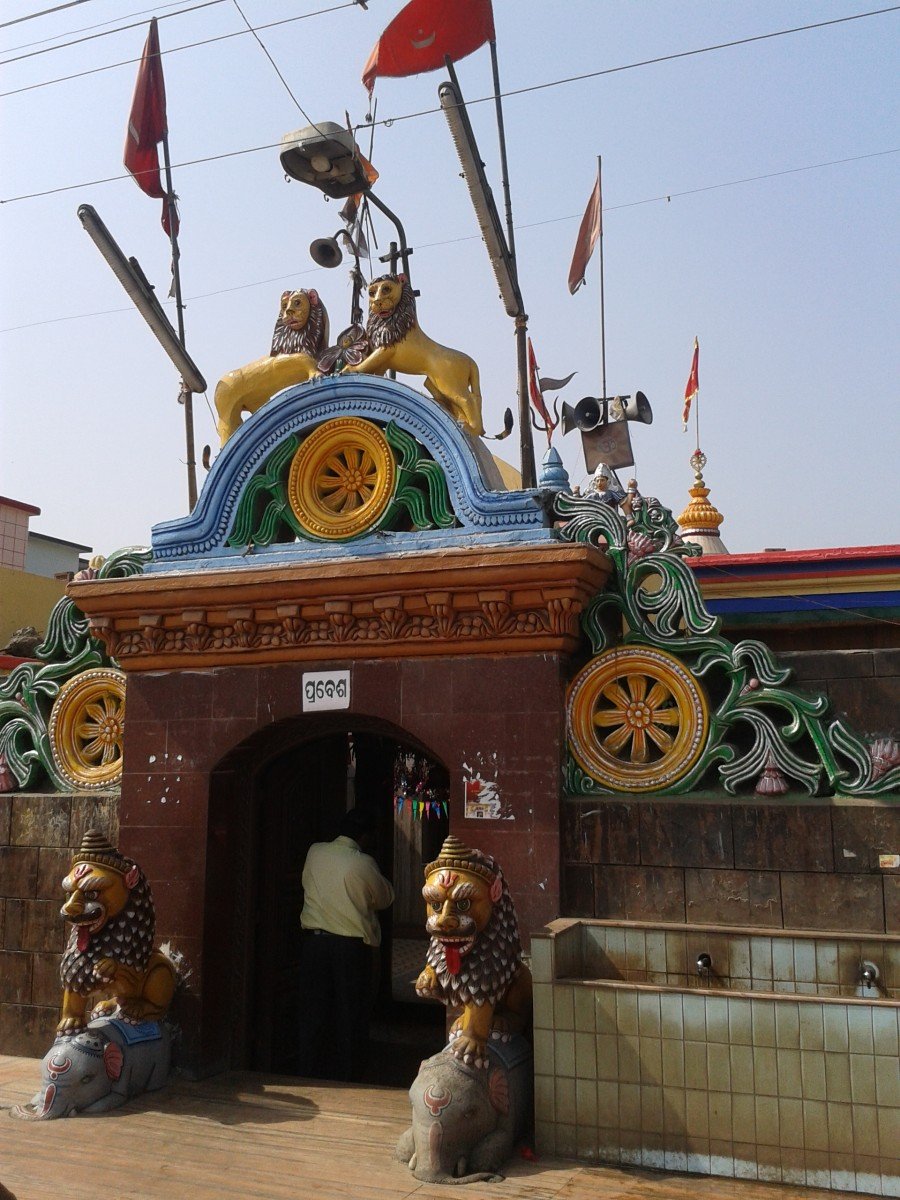
The Main Temple Gateway: The Main Gateway of the temple, with its intricate carvings and architectural details, is a classic spot for capturing the entrance to the revered shrine. Frame the temple's main spire (Sikhara) through the gate for a perfect shot that captures both...The Main Temple Gateway: The Main Gateway of the temple, with its intricate carvings and architectural details, is a classic spot for capturing the entrance to the revered shrine. Frame the temple's main spire (Sikhara) through the gate for a perfect shot that captures both the scale and the detail of the architecture.
View from the Mahanadi River Bank: A slightly distant shot from the nearby banks of the Mahanadi River allows for a panoramic view that includes the temple's superstructure against the sky, especially beautiful during the golden hours of sunrise or sunset. This spot is ideal for capturing the serene setting of the temple away from the hustle inside.
Interior of the Jagamohana: While the inner sanctum (Vimana) is restricted, the spacious hall (Jagamohana) before it offers opportunities to photograph the beautiful artwork on the walls and the large crowd of devotees gathered for a glimpse of the Goddess, capturing the spiritual fervor.Photo Gallery
Things To Do
-
Attend the Aarti and Daily Rituals: Witnessing the morning (Mangala) and evening (Sandhya) Aarti is a profound spiritual activity. The rhythmic chants, the sound of gongs, and the offering of light create an intense atmosphere of devotion. It’s an immersion into the core of Hindu worship. Ensure you are there by the early morning or evening to truly appreciate the spectacle and receive the priest's blessings (Prasad).
Explore the Temple Complex: Spend time walking around the perimeter and observing the smaller shrines and the detailed carvings on the exterior walls. The temple complex is a microcosm of Odia spiritual life. Look for the small shops selling ritual items, flowers, and sweets (Prasad), and engage with the local vendors. This is a chance to pick up small religious tokens and support local commerce.Attend the Aarti and Daily Rituals: Witnessing the morning (Mangala) and evening (Sandhya) Aarti is a profound spiritual activity. The rhythmic chants, the sound of gongs, and the offering of light create an intense atmosphere of devotion. It’s an immersion into the core of Hindu worship. Ensure you are there by the early morning or evening to truly appreciate the spectacle and receive the priest's blessings (Prasad).
Explore the Temple Complex: Spend time walking around the perimeter and observing the smaller shrines and the detailed carvings on the exterior walls. The temple complex is a microcosm of Odia spiritual life. Look for the small shops selling ritual items, flowers, and sweets (Prasad), and engage with the local vendors. This is a chance to pick up small religious tokens and support local commerce.
Perform a Sankalpa or Offering: Devotees often take a pledge or make an offering (Sankalpa) for the fulfillment of a wish, either material or spiritual. You can purchase items like coconuts, flower garlands, and incense sticks outside the temple. Consult a priest for guidance on performing a simple ritual or offering a prayer.
Meditate by the Mahanadi River Bank: The temple is located near the banks of the Mahanadi River, offering a serene environment. After your darshan, you can take a short walk to the riverbank. The view of the river, especially during sunrise or sunset, provides a peaceful setting for quiet contemplation or meditation. This natural adjacency enhances the temple's tranquil atmosphere, offering a dual experience of spiritual devotion and natural beauty.
Participate in a Yajna or Homa: During major festivals or specific religious periods, the temple organizes elaborate fire rituals (Yajna or Homa). These are complex Vedic ceremonies intended to invoke the blessings of the deity. While the timing may be unpredictable for a casual visit, if you are there during a festival, observing or participating in these grand fire rituals can be a once-in-a-lifetime cultural and spiritual experience. Photography of the Temple Exterior and Surrounding Culture: While photography inside the sanctum is generally restricted, the temple's exterior architecture, the bustling activities of the devotees, the colorful flower markets, and the vibrant atmosphere on the surrounding streets offer rich photographic subjects. Capture the devotional life of Cuttack and the architectural details of the exterior.
Savor the Local Prasad and Cuisine: After the prayers, make sure to taste the temple's official 'Anna Prasad' or Khichadi (a sweet rice dish), which is an offering blessed by the Goddess. Also, explore the nearby local eateries for authentic Odia sweets and snacks. The area around the temple is famous for traditional street food and sweet shops, providing a culinary complement to your spiritual visit.
Information
-
Why Famous:
The Living Goddess: Cuttack Chandi is famously revered as the 'Living Goddess' of the city. This fame is rooted in the strong belief among the locals that the deity actively watches over and protects Cuttack from calamities, a belief reinforced by numerous legends and the c...The Living Goddess: Cuttack Chandi is famously revered as the 'Living Goddess' of the city. This fame is rooted in the strong belief among the locals that the deity actively watches over and protects Cuttack from calamities, a belief reinforced by numerous legends and the continuous flow of blessings attributed to her. This spiritual guardianship is the primary reason for the temple's enduring fame and status as a Shakti Peetha.
Grand Durga Puja and Kali Puja: The temple's biggest draw and source of fame are the annual festivals. The Durga Puja celebrations are monumental, lasting 16 days, commencing from the dark fortnight of Ashwina Krishna Ashtami and culminating in Vijayadashami. During this period, the goddess is worshipped in various incarnations of Durga, attracting hundreds of thousands of devotees from across the state and country. The dazzling adornment, the grand scale of rituals, and the palpable spiritual energy during this time are broadcast across Odisha, solidifying its reputation as a major cultural and religious landmark. The Kali Puja is also celebrated with similar fanfare, making it a double pillar of the temple's annual fame. -
Architecture:
Traditional Kalinga Style: The architecture of the Cuttack Chandi Temple is a fine example of the traditional Odia or Kalinga temple building style, though its smaller size and continuous modifications over the centuries differentiate it from the grand monumental temples of ...Traditional Kalinga Style: The architecture of the Cuttack Chandi Temple is a fine example of the traditional Odia or Kalinga temple building style, though its smaller size and continuous modifications over the centuries differentiate it from the grand monumental temples of Bhubaneswar and Puri. The current structure incorporates elements of a typical regional shrine, emphasizing the Vimana (sanctum), Jagamohana (assembly hall), and subsequent additions. The temple has a modest but beautifully decorated exterior, with intricate carvings and sculptures that reflect the artistry and religious narratives prevalent in Odisha during the medieval and post-medieval eras.
Dimension and Layout: While specific historical blueprints detailing precise Dimension are not widely public, the temple follows a conventional rectangular or square layout typical of a Devi shrine. The Vimana, housing the main deity, is the central point. The gateway and the immediate surroundings feature intricate designs, showcasing geometric patterns and celestial figures. The architectural brilliance, though subtly present due to the functional need to accommodate continuous large crowds, is particularly visible in the stone carvings and the craftsmanship around the entrance, designed to guide the devotee's eye towards the sanctum and instill a sense of reverence. The continuous maintenance and modifications, managed under a governing scheme with an Executive Officer and local management board, ensure the preservation of its structural integrity while catering to the daily influx of devotees. -
How To Reach:
By Air: Biju Patnaik International Airport (BBI), Bhubaneswar (Approx. 35 KM) Bhubaneswar Airport is the nearest major airport, connecting to all major Indian cities like Delhi, Mumbai, Kolkata, and Chennai. From BBI, one can hire pre-paid taxis, app-based cabs (Uber/Ola),...By Air: Biju Patnaik International Airport (BBI), Bhubaneswar (Approx. 35 KM) Bhubaneswar Airport is the nearest major airport, connecting to all major Indian cities like Delhi, Mumbai, Kolkata, and Chennai. From BBI, one can hire pre-paid taxis, app-based cabs (Uber/Ola), or take a local bus to reach Cuttack. The drive takes approximately 1 to 1. 5 hours depending on traffic on NH16.
By Train: Cuttack Junction Railway Station (CTC) (Approx. 5 KM) The Cuttack station is extremely well-connected, lying on the major East Coast Railway line. Trains from all parts of India stop here. From the station, the temple is a short 15-20 minute ride. You can easily find auto-rickshaws, cycle-rickshaws, or local taxis just outside the station exit.
By Road: National Highway 16 (NH16): Cuttack is strategically located on NH16, making it highly accessible by road from nearby cities. Regular state and private buses connect Cuttack with Bhubaneswar, Puri, Kolkata, and other key cities. The main bus terminal, Badambadi Bus Stand (Approx. 6 KM), is a major hub. From the bus stand, local transport is readily available.
By Local Transport:
Auto-rickshaws and Cycle-rickshaws: Auto-rickshaws (Tuk-Tuks) are the most common and convenient way to navigate the city. Negotiate the fare beforehand or use a local meter/app-based service. Cycle-rickshaws are a cheaper, slower option, great for short distances and experiencing the local pace. The temple is a prominent landmark, and all local drivers know its location. -
Weather and Best Time to Visit:
Different Seasons:
Winter (October to February): This is arguably the Best Time to Visit. The weather is cool and pleasant, ideal for long hours of travel and standing in queues for darshan. The major festivals of Durga Puja (October/Novemb...Different Seasons:
Winter (October to February): This is arguably the Best Time to Visit. The weather is cool and pleasant, ideal for long hours of travel and standing in queues for darshan. The major festivals of Durga Puja (October/November) and Kali Puja fall within this season, offering the most vibrant cultural and religious experience.
Summer (March to June): This period is characterized by extreme heat, making day visits difficult and uncomfortable. Avoid visiting between 11:00 AM and 4:00 PM.
Monsoon (July to September): The heavy rains make travel challenging, but the surrounding landscape is lush and green, and the number of visitors is lower, offering a more tranquil spiritual experience.
Different Parts of the Day:
Early Morning: The most spiritual and quiet time for a peaceful darshan.
Late Evening: Best for witnessing the mesmerizing Sandhya Aarti and seeing the temple illuminated. -
Near Tourist Places:
Barabati Fort (2.
5 KMs):
Netaji Birth Place Museum (3 KMs):
Odisha State Maritime Museum (4 KMs):
Jobra Barrage (4 KMs):
Dhabaleswar Temple (35 KMs - by road/boat):
Qadam-I-Rasool (3 KMs): Gada Chandi Temple (2.
5 KMs - inside Barabati Fort):
Barabati Stadium (3 KMs):
Paramahansa Nath Temple (4 KMs):
Deer Park (4 KMs):
Tourism Tips
-
Health & Safety:
Footwear and Cleanliness: As in any Indian temple, remove your footwear outside. Be prepared to stand in queues, especially during weekends or festivals. Drink only bottled water and carry a small hand sanitizer. Be mindfu...Health & Safety:
Footwear and Cleanliness: As in any Indian temple, remove your footwear outside. Be prepared to stand in queues, especially during weekends or festivals. Drink only bottled water and carry a small hand sanitizer. Be mindful of your belongings in crowded areas.
Packing:
Dress Code and Comfort: Wear traditional and modest attire (Saree, Salwar Kameez, or Shirt/Trouser with an upper cloth for men) as a sign of respect, as shorts and sleeveless tops are generally frowned upon or sometimes restricted. Carry a comfortable pair of slippers or sandals to manage the removal/wearing of footwear. Carry cash for offerings and small purchases.
Accommodation:
Stay in Cuttack or Bhubaneswar: Many good hotels are available in Cuttack near the Badambadi or Cuttack Club areas. Alternatively, many tourists choose to stay in Bhubaneswar (30 km away), which has more international-standard lodging options, and commute to Cuttack for a day trip.
Other Topics Heading:
Respecting Temple Customs: Observe silence inside the sanctum. Do not take photos inside the main temple area where the deity is located. Respect the privacy of the priests and local devotees performing their rituals. Be aware that the crowds during Durga Puja are enormous, requiring patience and caution.
Reviews
FAQs
Cuttack Itineray And Cost:-
Cuttack Chandi Temple Tourism:-
Other Places In Cuttack :-
Other States In India :-
Information about New and Updated Locations() of Odisha Has Been Added :-
Card subtitle
Note:-
Information provided here in good Faith and for reference only.
Near Places

Ansupa Lake
Some quick example text to build on the card title and make up the bulk of the card's content.
Go somewhere
Baladevjew Temple
Some quick example text to build on the card title and make up the bulk of the card's content.
Go somewhere
Barabati Fort
Some quick example text to build on the card title and make up the bulk of the card's content.
Go somewhere
Bhattarika Temple
Some quick example text to build on the card title and make up the bulk of the card's content.
Go somewhere
Bhubaneswari Temple
Some quick example text to build on the card title and make up the bulk of the card's content.
Go somewhere
Bidanasi Ground
Some quick example text to build on the card title and make up the bulk of the card's content.
Go somewhere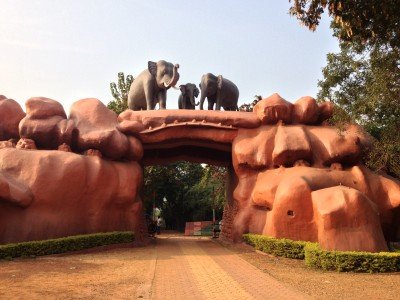
Chandaka Elephant Reserve Entry
Some quick example text to build on the card title and make up the bulk of the card's content.
Go somewhere
Charchika Temple
Some quick example text to build on the card title and make up the bulk of the card's content.
Go somewhere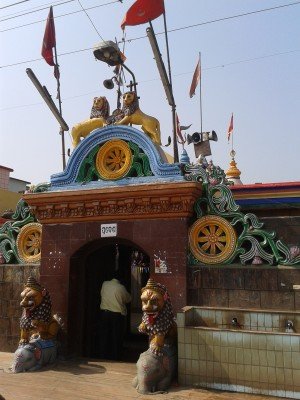
Cuttack Chandi Temple
Some quick example text to build on the card title and make up the bulk of the card's content.
Go somewhere
Deer Park
Some quick example text to build on the card title and make up the bulk of the card's content.
Go somewhere
Dhabaleswar Island Temple
Some quick example text to build on the card title and make up the bulk of the card's content.
Go somewhere
Dhabaleswar Temple
Some quick example text to build on the card title and make up the bulk of the card's content.
Go somewhere
Gada Chandi Temple
Some quick example text to build on the card title and make up the bulk of the card's content.
Go somewhere
Gandi-Chowk
Some quick example text to build on the card title and make up the bulk of the card's content.
Go somewhere
Jagatpur Industrial Area
Some quick example text to build on the card title and make up the bulk of the card's content.
Go somewhere
Jobra Barrage
Some quick example text to build on the card title and make up the bulk of the card's content.
Go somewherein Other Cities