
Charchika Temple
General information
-
Ideal Duration:
1. 5 to 2 HoursPlace Type:
Pilgrimage, Temple, Shakti Peetha, HistoricalEntry Fees:
Indian Nationals:Entry for darshan to the temple complex is generally free. A small donation is voluntary and can be placed in the hundi.
Foreign Tourists:There is no general entry fee for foreign tourists.
Spe...Indian Nationals:Entry for darshan to the temple complex is generally free. A small donation is voluntary and can be placed in the hundi.
Foreign Tourists:There is no general entry fee for foreign tourists.
Special Ritual Fees:For performing special pujas or archanas, the temple priests will charge a service fee, which can range from Rs.50 to Rs.300 or more, depending on the complexity of the offering.
Photography/Videography Fees:There are no fees for non-commercial photography with handheld devices, but professional photography of the main deity (Garbhagriha) is typically prohibited. Commercial photography may require a separate permit.
Parking Fees:A small, nominal fee, typically around Rs.20 to Rs.50, is charged for parking vehicles at the base of the hillock near the temple entrance.Timing:
Regular Timings:The temple is typically open every day from 5:00 AM to 2:30 PM (Morning session) and then from 5:00 PM to 9:30 PM (Evening session), with a few hours of closure in the afternoon.
Ideal Visit Time (Morning):The best time for a...Regular Timings:The temple is typically open every day from 5:00 AM to 2:30 PM (Morning session) and then from 5:00 PM to 9:30 PM (Evening session), with a few hours of closure in the afternoon.
Ideal Visit Time (Morning):The best time for a peaceful and spiritual darshan is early morning, between 6:00 AM and 9:00 AM, which is also cooler.
Ideal Visit Time (Evening):Late afternoon, from 5:00 PM to 7:00 PM, is ideal for the evening Aarti and for enjoying the pleasant atmosphere before the late closing time.
Festival Timings:During major festivals like Dussehra and Kumar Purnima, the temple's timings are extended, and the flow of devotees is continuous throughout the day.Special Events:
Dussehra (Durga Puja):The temple becomes a major center of worship during Dussehra (or Durga Puja) in October, attracting huge numbers of devotees for the nine days of Navaratri and the main celebration.
Kumar Purnima Festival:The Kumar Purn...Dussehra (Durga Puja):The temple becomes a major center of worship during Dussehra (or Durga Puja) in October, attracting huge numbers of devotees for the nine days of Navaratri and the main celebration.
Kumar Purnima Festival:The Kumar Purnima festival, celebrated five days after Dussehra (usually in October), is particularly famous here, marked by special cultural and religious ceremonies and a large local fair.
Chaiti Mangalbar Vrat:The Tuesdays of the Chaitra month (March-April) are considered highly auspicious, and special prayers and fasts (vratas) dedicated to the Goddess are observed by thousands of women.Best Photo Spots:
The Deity's Altar:If photography is permitted, a respectful, close-up shot of the intensely decorated Maa Charchika idol, highlighting the fierce iconography and the traditional ornamentation, is the most powerful photo.
The Sunyavahini Mandapa ...The Deity's Altar:If photography is permitted, a respectful, close-up shot of the intensely decorated Maa Charchika idol, highlighting the fierce iconography and the traditional ornamentation, is the most powerful photo.
The Sunyavahini Mandapa Ceiling:A wide-angle or detailed shot of the unique, intricately carved wooden ceiling of the mandapa is a must-capture, showcasing the fusion of architecture and art.
The Temple from Ruchika Parvata:A composition taken from a vantage point on the hillock, framing the temple structure against the backdrop of the Banki town or the Renuka River, provides the best environmental portrait of the temple.
The Renuka River View:The tranquil river bank near the temple offers a peaceful, scenic photo opportunity, especially at dawn or dusk, reflecting the local natural beauty. (Approx. )Photo Gallery
Things To Do
-
Offering Prayers and Darshan:The main purpose is to seek the blessings of Maa Charchika. Participate in the morning or evening Aarti to experience the temple's strong spiritual energy.
Studying the Wooden Mandapa Carvings:Spend time observing the detailed and historical wood carvings of the Sunyavahini Mandapa ceiling, focusing on the mythological stories and the fine artistic detail, which is unique in Odia temple art.
Walking the Ruchika Parvata Hillock:Take a short walk around the small hillock for a bit of exercise and to enjoy the peaceful atmosphere and the panoramic views of the Banki area.
Observing the Idol's Iconography:Carefully observe the eight-armed Chamunda idol, noting the fierce expression and the distinct ritualistic and weapon holdings in her han...Offering Prayers and Darshan:The main purpose is to seek the blessings of Maa Charchika. Participate in the morning or evening Aarti to experience the temple's strong spiritual energy.
Studying the Wooden Mandapa Carvings:Spend time observing the detailed and historical wood carvings of the Sunyavahini Mandapa ceiling, focusing on the mythological stories and the fine artistic detail, which is unique in Odia temple art.
Walking the Ruchika Parvata Hillock:Take a short walk around the small hillock for a bit of exercise and to enjoy the peaceful atmosphere and the panoramic views of the Banki area.
Observing the Idol's Iconography:Carefully observe the eight-armed Chamunda idol, noting the fierce expression and the distinct ritualistic and weapon holdings in her hands, reflecting the ancient Shakti worship traditions.
Visiting the Renuka River Bank:Descend to the banks of the Renuka River to enjoy the view and reflect on the river's mythological connection to the Goddess. It's a peaceful spot for reflection.
Attending the Kumar Purnima Festival:If your visit coincides with Kumar Purnima (five days after Dussehra), plan to attend, as the celebrations here are particularly famous and draw massive crowds.
Shopping for Local Banki Goods:The town of Banki is known for its local crafts and trade. Explore the local market for unique regional items and souvenirs.
Information
-
Why Famous:
Ancient Shakti Site and Chamunda Worship:Charchika Temple is famous as one of the oldest and most important Shakti centers in Odisha, with the Chamunda idol dating back over a thousand years to the Bhaumakara era. The fierce form of the Goddess makes the worship unique and ...Ancient Shakti Site and Chamunda Worship:Charchika Temple is famous as one of the oldest and most important Shakti centers in Odisha, with the Chamunda idol dating back over a thousand years to the Bhaumakara era. The fierce form of the Goddess makes the worship unique and powerful.
The Sunyavahini Mandapa:The temple's fame is also linked to its unique wooden assembly hall (mandapa), whose intricately carved and painted ceiling is a remarkable example of traditional local artistry, making the structure architecturally noteworthy.
The Renuka River Legend:The temple is associated with the local legend of the Renuka River, which is believed to have been created by the Goddess out of fury to punish a devotee. This legend adds a mystical and unique element to the temple's story and setting on the river bank. -
Architecture:
Iconography and Ancient Art:The temple's most significant "architecture" is the iconography of the main deity, the eight-armed Chamunda. The statue, assigned to the Bhaumakara period, displays a fierce posture with four right hands holding weapons (khadga, shula, katari) an...Iconography and Ancient Art:The temple's most significant "architecture" is the iconography of the main deity, the eight-armed Chamunda. The statue, assigned to the Bhaumakara period, displays a fierce posture with four right hands holding weapons (khadga, shula, katari) and four left hands holding ritualistic items (severed head, blood-cup, damru).
Temple Structure:The present temple structure features a pidha vimana (sanctum) and a jagamohana (assembly hall). It is primarily built of stone and thickly plastered and white-washed. A unique architectural feature is the wooden mandapa known as Sunyavahini Mandapa.
The Wooden Mandapa's Carvings:The wooden ceiling of the mandapa is a true artistic highlight, profusely carved and painted with intricate episodes from the Bhagavata Purana, interspersed with detailed carvings of animals (elephants, peacocks, ducks), floral motifs, and geometric patterns, offering a rare glimpse of local wood artistry. -
How To Reach:
By Air:The nearest airport is Biju Patnaik International Airport (BBI) in Bhubaneswar, about 60 KM away. Hire a taxi directly to Banki town and the temple. The journey takes about 1. 5 to 2 hours.
By Train:The closest major railway station...By Air:The nearest airport is Biju Patnaik International Airport (BBI) in Bhubaneswar, about 60 KM away. Hire a taxi directly to Banki town and the temple. The journey takes about 1. 5 to 2 hours.
By Train:The closest major railway station is Cuttack Railway Station (CTC), about 48 KM away. From Cuttack, hiring a taxi is the most convenient option for the 1 to 1. 5-hour drive to Banki.
By Road (Self-Drive/Taxi):The temple is about Rs. 48 KM from the center of Cuttack. It is well connected via state highways that lead to the town of Banki. Hiring a dedicated cab for a day trip from Cuttack is highly recommended.
By Local Transport (Bus/Auto):Regular state buses run from Cuttack's Badambadi Bus Stand towards Banki. From the Banki bus stop, the temple is a short distance, easily covered by a local auto-rickshaw or a walk up the small hillock. -
Weather and Best Time to Visit:
Different Types of Seasons (Winter):The Winter season (from October to March) is the best time to visit. The weather is very pleasant for travel and visiting the outdoor hillock and river area. This period covers the main festivals of Dussehra and Kumar Purnima.Different Types of Seasons (Winter):The Winter season (from October to March) is the best time to visit. The weather is very pleasant for travel and visiting the outdoor hillock and river area. This period covers the main festivals of Dussehra and Kumar Purnima.
Different Types of Seasons (Monsoon):The Monsoon season (from July to September) makes the journey and the hillock area challenging due to rain and slippery surfaces, though the river is a beautiful sight.
Different Types of Seasons (Summer):The Summer season (from April to June) is hot. Visits should be restricted to the early morning or late evening to avoid the intense mid-day heat.
Different Parts of the Day (Morning):Early morning (6 AM to 9 AM) is the most ideal part of the day for a cool, peaceful, and uncrowded darshan.
Different Parts of the Day (Evening):Late evening (7 PM to 9 PM) is best for the vibrant Aarti and enjoying the cool night air. -
Near Tourist Places:
Ansupa Lake (Rs. 30 KM), Bhattarika Temple (Rs. 40 KM), Barabati Fort (Rs. 48 KM), Cuttack Chandi Temple (Rs. 50 KM), Dhabaleswar Temple (Rs. 25 KM), Lalitagiri Buddhist Complex (Rs. 75 KM), Udayagiri & Khandagiri Caves (Rs. 55 KM), Bhubaneswari Temple (Rs. 50 KM), Odisha State Maritime Museum (Rs. 52 KM), Simhanath Temple (Rs. 20 KM).
Tourism Tips
-
Health & Safety:Wear modest attire suitable for a place of worship. Be careful when climbing the hillock, especially if it is wet. The river bank should be approached with caution.
Packing Essentials:Carry a hat/umbrella and sufficient bot...Health & Safety:Wear modest attire suitable for a place of worship. Be careful when climbing the hillock, especially if it is wet. The river bank should be approached with caution.
Packing Essentials:Carry a hat/umbrella and sufficient bottled water, as the temple is outside the main city. A camera is essential for capturing the unique architecture and the scenery.
Accommodation:Basic lodging is available in Banki town, but for comfort, it is highly advisable to stay in Cuttack or Bhubaneswar and plan a day trip to the temple.
Other Topics (Respect for Tradition):As the Goddess is fierce, maintain reverence. Observe the tradition of taking off footwear at the designated area. Consult priests for rituals.
Other Topics (Travel Planning):Start your journey from Cuttack/Bhubaneswar early in the day to cover the distance and spend quality time at the temple before the afternoon closure.
Other Topics (Photography Rules):Always be mindful of the rules regarding photography inside the Garbhagriha; generally, it is prohibited to take pictures of the main deity.
Reviews
FAQs
Cuttack Itineray And Cost:-
Charchika Temple Tourism:-
Other Places In Cuttack :-
Other States In India :-
Information about New and Updated Locations() of Odisha Has Been Added :-
Card subtitle
Note:-
Information provided here in good Faith and for reference only.
Near Places

Ansupa Lake
Some quick example text to build on the card title and make up the bulk of the card's content.
Go somewhere
Baladevjew Temple
Some quick example text to build on the card title and make up the bulk of the card's content.
Go somewhere
Barabati Fort
Some quick example text to build on the card title and make up the bulk of the card's content.
Go somewhere
Bhattarika Temple
Some quick example text to build on the card title and make up the bulk of the card's content.
Go somewhere
Bhubaneswari Temple
Some quick example text to build on the card title and make up the bulk of the card's content.
Go somewhere
Bidanasi Ground
Some quick example text to build on the card title and make up the bulk of the card's content.
Go somewhere
Chandaka Elephant Reserve Entry
Some quick example text to build on the card title and make up the bulk of the card's content.
Go somewhere
Charchika Temple
Some quick example text to build on the card title and make up the bulk of the card's content.
Go somewhere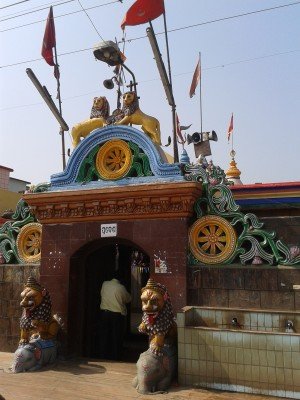
Cuttack Chandi Temple
Some quick example text to build on the card title and make up the bulk of the card's content.
Go somewhere
Deer Park
Some quick example text to build on the card title and make up the bulk of the card's content.
Go somewhere
Dhabaleswar Island Temple
Some quick example text to build on the card title and make up the bulk of the card's content.
Go somewhere
Dhabaleswar Temple
Some quick example text to build on the card title and make up the bulk of the card's content.
Go somewhere
Gada Chandi Temple
Some quick example text to build on the card title and make up the bulk of the card's content.
Go somewhere
Gandi-Chowk
Some quick example text to build on the card title and make up the bulk of the card's content.
Go somewhere
Jagatpur Industrial Area
Some quick example text to build on the card title and make up the bulk of the card's content.
Go somewhere
Jobra Barrage
Some quick example text to build on the card title and make up the bulk of the card's content.
Go somewherein Other Cities