Bheja Village
General information
-
Ideal Duration:
1-2 Hours (Temple and Village Walk):Place Type:
Village / Pilgrimage Site / Cultural Spot:Entry Fees:
There is No Entry Fee to the village or the temple. Donations for the temple's upkeep are voluntary.
Transportation Cost: The main cost will be the shared taxi or auto-rickshaw fare from Bhaderwah town, typically costing between INR 100 and INR 200 for a one-way t...There is No Entry Fee to the village or the temple. Donations for the temple's upkeep are voluntary.
Transportation Cost: The main cost will be the shared taxi or auto-rickshaw fare from Bhaderwah town, typically costing between INR 100 and INR 200 for a one-way trip, depending on the number of passengers and the type of vehicle.
Guide Fees: A local guide for the village is not strictly necessary but can be hired for cultural insight, costing around INR 1000-1500 for a few hours.Timing:
Regular Timings: The village and its surroundings are accessible during Daylight hours. The temple is usually open from 6:00 AM to 7:00 PM.
Ideal Visit Time: Morning or Late Afternoon for a peaceful atmosphere. Visit during a major festiva...Regular Timings: The village and its surroundings are accessible during Daylight hours. The temple is usually open from 6:00 AM to 7:00 PM.
Ideal Visit Time: Morning or Late Afternoon for a peaceful atmosphere. Visit during a major festival (Nag Panchami) for a vibrant cultural experience, but expect crowds.
Temple Timings: Visit the temple during the morning aarti (prayer) for a spiritual experience.
Photography Window: Morning light (8:00 AM - 11:00 AM) is best for the village's eastern face and the fields.Special Events:
Nag Panchami Festival: The temple becomes the center of a major local celebration on Nag Panchami (July or August), where devotees from neighboring villages throng the site for special puja and offerings to the serpent god Vasuki.
Annual Jatras ...Nag Panchami Festival: The temple becomes the center of a major local celebration on Nag Panchami (July or August), where devotees from neighboring villages throng the site for special puja and offerings to the serpent god Vasuki.
Annual Jatras (Pilgrimages): As a key point on the local pilgrimage circuit, the village experiences an influx of devotees during various Hindu and local Naga religious yatras (journeys), often accompanied by folk music and traditional ceremonies.
Harvest Festivals: Traditional agricultural festivals like Baisakhi (April) and the autumn harvest celebration are marked by community feasts and cultural performances in the village square.Best Photo Spots:
The Temple Facade: The unique vernacular roof and stone masonry of the Vasuki Nag Temple make for an excellent, culturally significant photograph.
The Village Terraces: The wide, sweeping view of the terraced fields leading up to the forest ...The Temple Facade: The unique vernacular roof and stone masonry of the Vasuki Nag Temple make for an excellent, culturally significant photograph.
The Village Terraces: The wide, sweeping view of the terraced fields leading up to the forest line, ideally captured in the soft morning light, is highly picturesque.
A Traditional House Portrait: A close-up shot of a well-preserved Doon house, focusing on the intricate wooden lattice work and the natural materials, captures the architectural beauty.
The Villager's Portrait: With permission, capturing a portrait of a local villager working in the fields or near the temple, reflecting the hardiness and peaceful nature of the community.
The Quiet Stream/Spring: A serene, long-exposure shot of the nearby stream or spring in the quiet forest patch. (Approx. )Photo Gallery
Things To Do
-
Temple Visitation and Prayer: Spend time at the Vasuki Nag Temple, observing the unique rituals and the blend of Hindu and Naga cultural practices. The temple priest can share local legends and the history of the serpent deity.
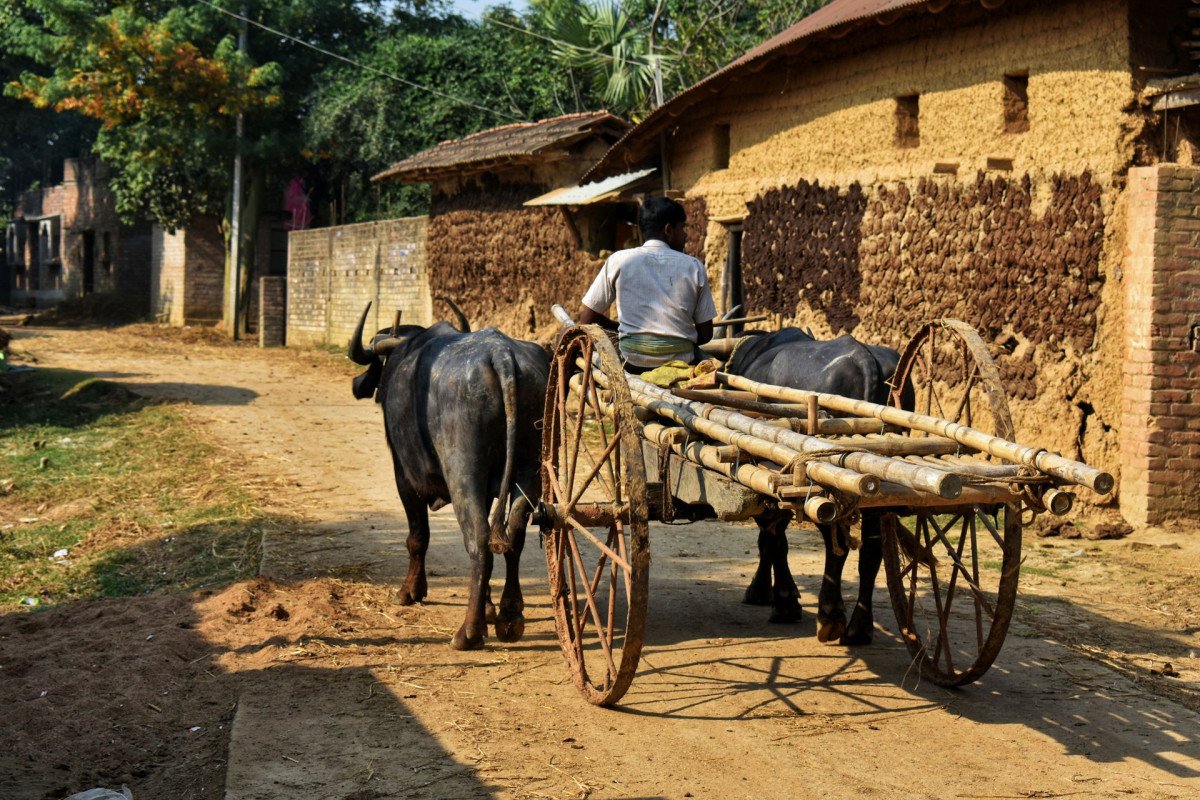
Village Walk and Cultural Immersion: Take a leisurely walk through the winding lanes of the village, observing the traditional architecture and the daily life of the locals—farming, livestock rearing, and domestic chores. Be respectful and ask permission before taking photographs of people or their homes.
Photography of Vernacular Architecture: Focus on capturing the unique Pahari architecture of the houses and the temple, especially the use of wood and stone and the protective overhangs designed for snow.
Nature Appreciation: Sit by t...Temple Visitation and Prayer: Spend time at the Vasuki Nag Temple, observing the unique rituals and the blend of Hindu and Naga cultural practices. The temple priest can share local legends and the history of the serpent deity.
Village Walk and Cultural Immersion: Take a leisurely walk through the winding lanes of the village, observing the traditional architecture and the daily life of the locals—farming, livestock rearing, and domestic chores. Be respectful and ask permission before taking photographs of people or their homes.
Photography of Vernacular Architecture: Focus on capturing the unique Pahari architecture of the houses and the temple, especially the use of wood and stone and the protective overhangs designed for snow.
Nature Appreciation: Sit by the small stream or in a nearby orchard, enjoying the peace and the unpolluted environment. The surroundings are ideal for birdwatching and identifying local flora.
Trying Local Cuisine: Ask a local family or a small roadside stall (if available) to sample authentic Bhaderwahi dishes, such as Rajma Chawal cooked in pure desi ghee or local seasonal greens, for a true taste of the region.
Short Hikes on the Outskirts: Take a short, gentle hike on the forest trails surrounding the village, leading to a higher ridge for a better view of the entire valley segment and the distant mountains.
Sketching the Scene: Carry a sketchpad and try to capture the essence of the peaceful village scene—the unique houses, the temple, and the mountain backdrop.
Information
-
Why Famous:
The Vasuki Nag Temple: It is famous for being one of the four principal temples dedicated to Vasuki Nag in the Bhaderwah area, making it a key destination on the local pilgrimage circuit, particularly for devotees of the Naga cult.
Authentic Rur...The Vasuki Nag Temple: It is famous for being one of the four principal temples dedicated to Vasuki Nag in the Bhaderwah area, making it a key destination on the local pilgrimage circuit, particularly for devotees of the Naga cult.
Authentic Rural Experience: The village is famous for offering a genuine, unadulterated experience of the traditional Himalayan village lifestyle, complete with terraced farming and vernacular architecture, a rarity in more commercialized tourist spots.
Tranquil Setting: The serene and quiet environment of Bheja, nestled away from the main road, provides a peaceful respite, often sought after by spiritual travelers and those looking to de-stress. -
Architecture:
Architectural Style: The Vasuki Nag Temple in Bheja is built in the unique vernacular Shikhara or Pahari style prevalent in the upper Chenab Valley. This style typically involves a square or rectangular base constructed of stone masonry, with the upper portion composed of m...Architectural Style: The Vasuki Nag Temple in Bheja is built in the unique vernacular Shikhara or Pahari style prevalent in the upper Chenab Valley. This style typically involves a square or rectangular base constructed of stone masonry, with the upper portion composed of multiple tiers of wood and slate. The most defining feature is the steeply slanting, multi-tiered wooden roof, designed to bear the weight of heavy snowfall and crowned with a small kalash or pinnacle.
Temple Dimensions: While specific dimensions are unavailable, the structure is generally small, typical of local village temples, roughly a 10x10 meter footprint. The walls are thick, built with alternating layers of flat stone and wooden beams (known as Kadi architecture) for seismic stability, a hallmark of the region's ancient building techniques.
Village Dwelling Architecture: The houses in Bheja adhere to the traditional Doon or Kothar architecture, featuring thick mud and stone walls for insulation and an upper wooden floor/verandah, with slanting slate or wooden roofs. This architectural tradition is a direct adaptation to the severe winter climate and the availability of natural resources. -
How To Reach:
By Air: Nearest airport is Jammu Airport (IXJ), about 215 KMS away. Take a taxi/bus to Bhaderwah.
By Train: Nearest major railhead is Jammu Tawi Railway Station (JAT). Take a taxi/bus to Bhaderwah.
By Road:By Air: Nearest airport is Jammu Airport (IXJ), about 215 KMS away. Take a taxi/bus to Bhaderwah.
By Train: Nearest major railhead is Jammu Tawi Railway Station (JAT). Take a taxi/bus to Bhaderwah.
By Road: From Bhaderwah town, take the local road network connecting to the rural areas. The road to Bheja is motorable but narrow and winding.
By Local Transport: From the main Bhaderwah taxi stand, hire a shared Sumo or a dedicated taxi to Bheja Village. The journey takes about 30-45 minutes. It's advisable to arrange a return ride beforehand, as taxis are not always readily available in the village. -
Weather and Best Time to Visit:
Different Types of Seasons: Spring (March-April) is the best time, as the terraced fields are a vibrant green with new crops, and the weather is mild. Autumn (September-October) is also good for a clear, crisp atmosphere. The village is peaceful in the Winter, but roads ma...Different Types of Seasons: Spring (March-April) is the best time, as the terraced fields are a vibrant green with new crops, and the weather is mild. Autumn (September-October) is also good for a clear, crisp atmosphere. The village is peaceful in the Winter, but roads may be blocked by snow, and the activity is minimal.
Different Parts of the Day: Early Morning is best to observe the villagers starting their day's work in the fields and the peaceful temple rituals. Late Afternoon is great for a quiet walk and the soft light. -
Near Tourist Places:
Vasuki Nag Temple Gatha (10 KMS), Gupt Ganga Temple (17 KMS), Bhaderwah Fort (18 KMS), Bhaderwah View Point (17 KMS), Chinta Valley (18 KMS), Jai Valley (25 KMS), Padri (Approx. 55 KMS), Bhal Padri (Approx. 60 KMS), Seoj Meadow (Approx. 45 KMS), Khani Top (30 KMS).
Tourism Tips
-
Health & Safety: The village is safe, but be respectful of local customs, especially around the temple. The roads are narrow and winding; hire an experienced driver.
Packing: Carry small gifts (like stationery) for the children, which is a...Health & Safety: The village is safe, but be respectful of local customs, especially around the temple. The roads are narrow and winding; hire an experienced driver.
Packing: Carry small gifts (like stationery) for the children, which is a kind gesture. Wear modest clothing when visiting the temple. Carry a small phrasebook with common local phrases.
Accommodation: Accommodation should be booked in Bhaderwah town. There are no tourist guesthouses in the village itself, maintaining its authentic character.
Other Different Topics: Always ask for permission before photographing people, especially women and children. Be prepared for occasional power outages. Carry a small amount of cash for any voluntary temple donations or local purchases.
Reviews
FAQs
Bhaderwah Itineray And Cost:-
Other Places In Bhaderwah :-
Other States In India :-
Information about New and Updated Locations() of Jammu and Kashmir Has Been Added :-
Card subtitle
Note:-
Information provided here in good Faith and for reference only.
Near Places

Ashapati Peak
Some quick example text to build on the card title and make up the bulk of the card's content.
Go somewhere
Bhaderwah Fort
Some quick example text to build on the card title and make up the bulk of the card's content.
Go somewhere
Bhaderwah View Point
Some quick example text to build on the card title and make up the bulk of the card's content.
Go somewhere
Bhal Padri
Some quick example text to build on the card title and make up the bulk of the card's content.
Go somewhere
Bheja Village
Some quick example text to build on the card title and make up the bulk of the card's content.
Go somewhere
Bimal Nag Temple
Some quick example text to build on the card title and make up the bulk of the card's content.
Go somewhere
Chattragala Pass
Some quick example text to build on the card title and make up the bulk of the card's content.
Go somewhere
Chinta Valley
Some quick example text to build on the card title and make up the bulk of the card's content.
Go somewhere
Dal Lake
Some quick example text to build on the card title and make up the bulk of the card's content.
Go somewhere
Dalain Village
Some quick example text to build on the card title and make up the bulk of the card's content.
Go somewhere
Devigol
Some quick example text to build on the card title and make up the bulk of the card's content.
Go somewhere
Dugli
Some quick example text to build on the card title and make up the bulk of the card's content.
Go somewhere
Gatha Bridge
Some quick example text to build on the card title and make up the bulk of the card's content.
Go somewhere
Gatha Resort
Some quick example text to build on the card title and make up the bulk of the card's content.
Go somewhere
Gupt Ganga Temple
Some quick example text to build on the card title and make up the bulk of the card's content.
Go somewhere
Gurdanda
Some quick example text to build on the card title and make up the bulk of the card's content.
Go somewherein Other Cities