Dalain Village
General information
-
Ideal Duration:
3-4 Hours for cultural immersion;
Half Day for slow walking:Place Type:
Cultural:
Rural Life:
Village:
Heritage:Entry Fees:
Cultural Respect and Donation: There is No Entry Fee to the village, as it is a private residential area. However, cultural etiquette suggests offering a small, respectful monetary donation (e. g. , Rs.100-Rs.200) if invited into a private home for a meal or to witness a local ...Cultural Respect and Donation: There is No Entry Fee to the village, as it is a private residential area. However, cultural etiquette suggests offering a small, respectful monetary donation (e. g. , Rs.100-Rs.200) if invited into a private home for a meal or to witness a local craft. This is not a fee but a gesture of respect and appreciation for the hospitality.
Local Produce Purchase: Tourists are strongly encouraged to support the local economy by purchasing local produce, such as the famous Rajmash, maize, or locally woven woolen items, directly from the families. The prices are highly reasonable and directly benefit the small farmers and artisans.
Guide Fees: Hiring a local youth or villager to act as a guide for a few hours is highly recommended to understand the customs and navigate the village respectfully. A small negotiated fee (e. g. , Rs.500-Rs.1,000 for a half-day) should be paid to the guide for their time and services.
Photography Policy: While generally welcoming, always seek explicit, direct permission before taking photographs of the villagers or inside their private homes. The only fee is one of respect and courtesy. :Timing:
Regular Timings: As a functioning village, Dalain is accessible at all times. The best hours for tourism and interaction are between 9:00 AM and 5:00 PM, as the early morning and evening are when villagers are busy with core household or field chores.
Read MoreRegular Timings: As a functioning village, Dalain is accessible at all times. The best hours for tourism and interaction are between 9:00 AM and 5:00 PM, as the early morning and evening are when villagers are busy with core household or field chores.
Ideal Visit Time: The ideal time to visit is the Mid-Morning (10:00 AM to 1:00 PM) when the village life is in full swing, and most people are outside or working in the fields, making interaction easier. Alternatively, the Late Afternoon (4:00 PM to 6:00 PM) is perfect for a relaxed walk as the day's heat begins to fade.
Seasonal Chore Schedule: Tourists should be mindful of the daily and seasonal schedules. The harvesting months (March-April and October-November) see the villagers occupied throughout the day, so short, respectful visits are advised. In winter, life slows down, and most activities shift indoors.
Village Shop/Tea Stall Timings: Any small local shops or tea stalls usually open by 8:00 AM and may close early, around 6:00 PM. :Special Events:
Harvest Festivals (Kharif and Rabi): The village life revolves around the agricultural cycle. During the main harvest seasons (Kharif harvest in October-November and Rabi harvest in March-April), the village comes alive with small, localized, informal celebrations involving...Harvest Festivals (Kharif and Rabi): The village life revolves around the agricultural cycle. During the main harvest seasons (Kharif harvest in October-November and Rabi harvest in March-April), the village comes alive with small, localized, informal celebrations involving folk songs, traditional dancing, and communal feasting (often featuring the freshly harvested Rajmash and corn). These are authentic, non-commercialized local events.
Local Temple or Shrine Celebrations: Dalain is likely to have a small, ancient village temple or shrine. On the day of its annual Mela or Jagran (religious vigil), the entire village gathers for prayers, cultural performances, and a community meal (Langar). These events offer a rare glimpse into the village's deep-rooted faith and social structure.
Local Pahari Folk Music Sessions: Spontaneous gatherings of villagers for a session of traditional Pahari folk singing (often accompanied by local instruments like the Dhol or Flute) are common in the evenings around the community hearth. While not a formal event, experiencing this cultural expression is a significant highlight for any visitor. :Best Photo Spots:
The Terraced Fields Ladder: Photographing the village from a slight elevation allows you to capture the stunning geometric pattern of the terraced fields descending the slopes, with the traditional houses nestled among them. This is best captured in late spring when the cro...The Terraced Fields Ladder: Photographing the village from a slight elevation allows you to capture the stunning geometric pattern of the terraced fields descending the slopes, with the traditional houses nestled among them. This is best captured in late spring when the crops are young and vibrant green.
The Traditional House Close-up: Focus on the textures of the old, weathered deodar wood, the slate roofs, and the intricate stone walls of the traditional homes. Look for details like carved window frames or decorative doorways, best photographed in the soft morning light to enhance the textures.
The Portrait of Pahari Life: With respectful permission, capture candid portraits of the villagers—the old man smoking a hookah, the woman tending the fields, or children playing. These human elements, set against the rustic backdrop of the village, tell the most compelling story of the place. Offer to share a print of the photograph as a gesture of goodwill.
Sunrise/Sunset over the Slopes: The dramatic lighting of sunrise or sunset casts long shadows across the terraced landscape, highlighting the contours of the land. The golden hour light on the wooden homes creates a warm, inviting glow. :Photo Gallery
Things To Do
-
Cultural Exchange and Interaction: Spend time interacting with the villagers, learning about their way of life, traditions, and the local dialect (Bhaderwahi or Dogri). A simple conversation over tea can be the most rewarding part of the visit. Always be respectful and seek permission before taking photographs.
Photography of Village Life and Terraces: The village offers unique photographic opportunities—capturing the geometric patterns of the terraced fields, the aged wood of the traditional homes, the smoke rising from chimneys in the morning, and the portraits of the hospitable villagers. Focus on slow, respectful, and observational photography.
Sampling Local Rajmash and Food: Try to arrange a traditional, home-cooked meal with a local family. Tasting the local variety of Bhaderwah Rajmas...Cultural Exchange and Interaction: Spend time interacting with the villagers, learning about their way of life, traditions, and the local dialect (Bhaderwahi or Dogri). A simple conversation over tea can be the most rewarding part of the visit. Always be respectful and seek permission before taking photographs.
Photography of Village Life and Terraces: The village offers unique photographic opportunities—capturing the geometric patterns of the terraced fields, the aged wood of the traditional homes, the smoke rising from chimneys in the morning, and the portraits of the hospitable villagers. Focus on slow, respectful, and observational photography.
Sampling Local Rajmash and Food: Try to arrange a traditional, home-cooked meal with a local family. Tasting the local variety of Bhaderwah Rajmash (Kidney Beans), often cooked over a slow fire, is a culinary highlight. Also sample local homemade ghee and makki ki roti (corn bread).
Nature Walks and Field Observation: Take a quiet, leisurely walk through the terraced fields. Observe the farming techniques, the different crops, and the local flora. This low-impact activity is best done in the early morning when the air is cool and the village is beginning its daily routine.
Volunteering or Simple Help: If you stay for a longer duration, offer to help a local family with simple tasks like collecting firewood or field work. This genuine act of service fosters goodwill and provides a deeper, more meaningful connection to the community and local life.
Learning Local Crafts: If possible, arrange with a local artisan to spend an hour observing or trying a simple local craft, such as hand-weaving, basket-making, or basic wood carving, thereby supporting the preservation of traditional skills. :
Information
-
Why Famous:
Preservation of Pahari Culture: Dalain is famous for being a pristine example of an authentic Pahari village, largely untouched by commercial tourism. It serves as a living museum where the local language, folk customs, traditional attire, and food habits are still strongly...Preservation of Pahari Culture: Dalain is famous for being a pristine example of an authentic Pahari village, largely untouched by commercial tourism. It serves as a living museum where the local language, folk customs, traditional attire, and food habits are still strongly preserved and practiced, offering a genuine cultural experience.
Traditional Agricultural Practices: The village is renowned for its sustainable and traditional methods of agriculture, particularly the cultivation of the famous Bhaderwah Rajmash (Kidney Beans) and maize on its distinctive terraced fields. Visitors are often keen to observe and learn about these farming techniques directly from the villagers.
Warm Local Hospitality: The reputation of the villagers for their exceptional hospitality is a key reason for its fame. Tourists often mention the kindness of the locals, who are known to welcome visitors into their homes for a cup of tea or to share a simple, home-cooked meal, making the experience deeply personal and memorable.
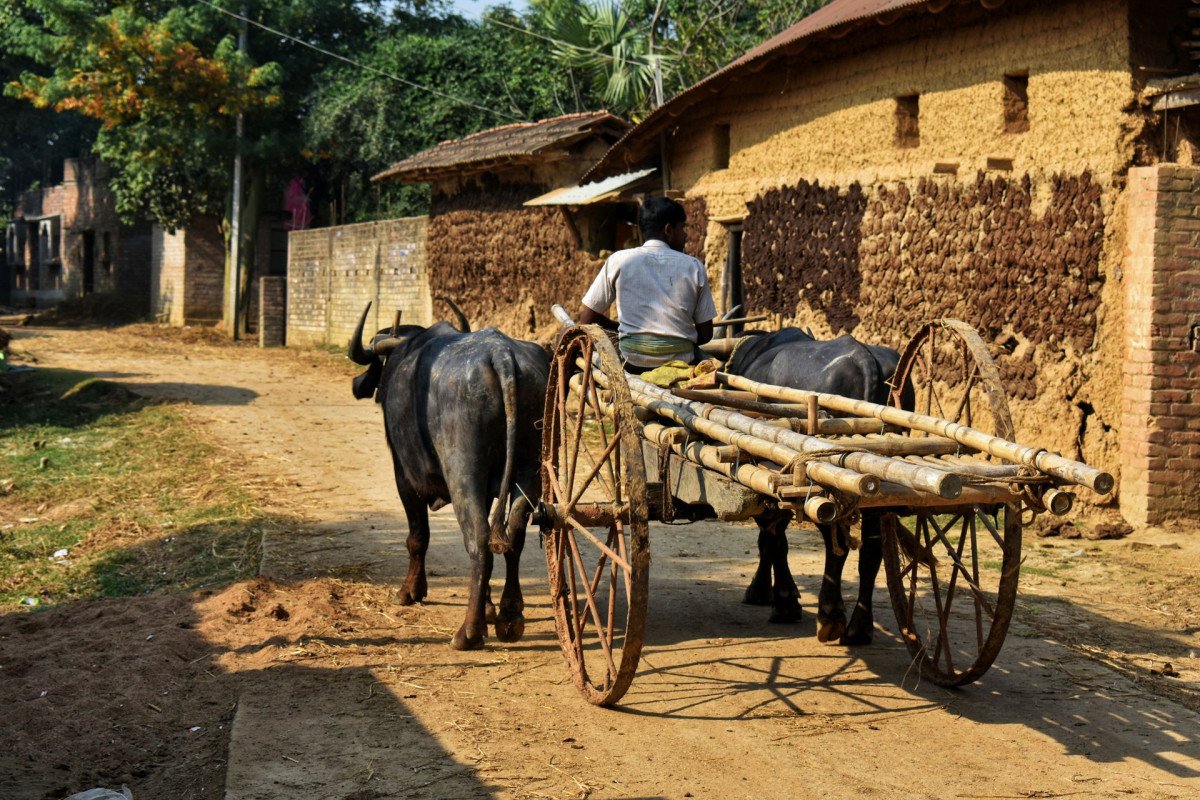
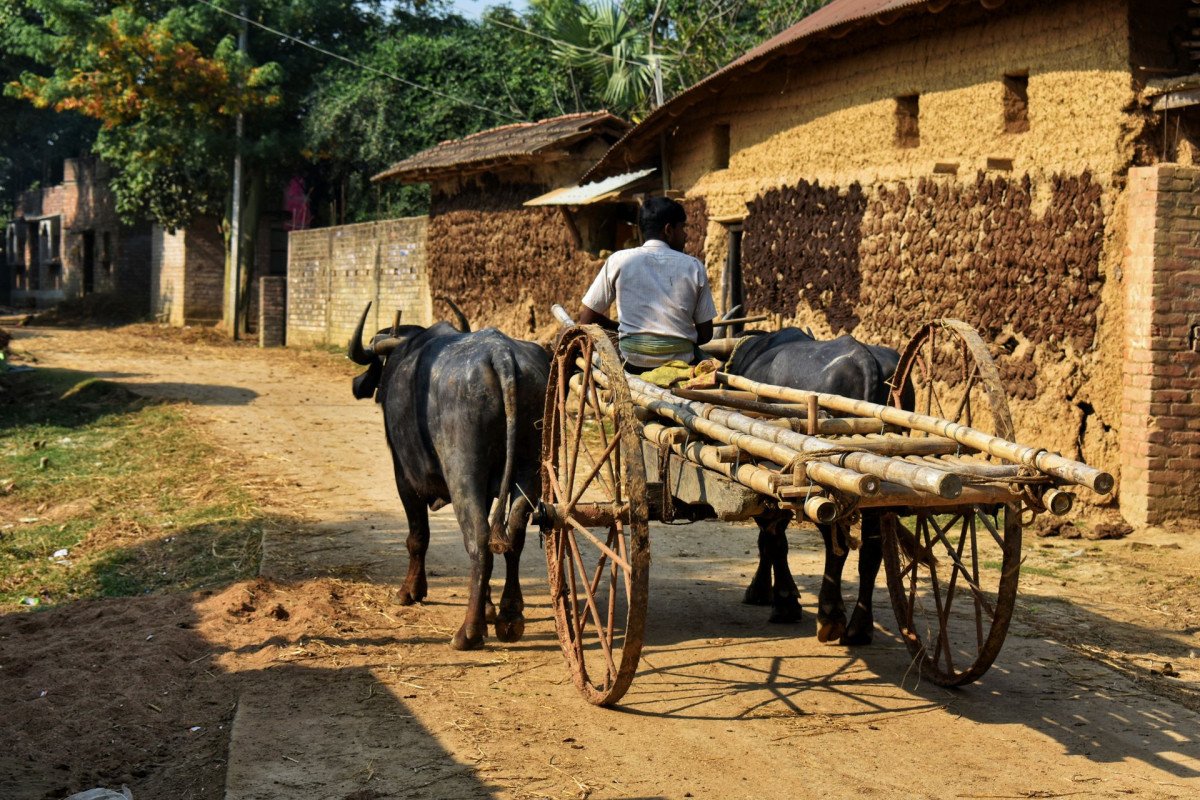
Scenic and Pastoral Beauty: While not a dramatic meadow like Chinta, its fame also comes from its gentle, pastoral beauty—the sight of tiered fields descending the slopes, the simple wooden homes, and the cattle grazing, which encapsulates a picture of simple, unhurried mountain life. : -
Architecture:
Traditional Pahari Wood and Mud Construction: The architecture is predominantly indigenous Pahari style, with houses built using local timber (pine and deodar) and mud or clay mortar. The multi-story structures (typically two or three floors) feature small windows for insul...Traditional Pahari Wood and Mud Construction: The architecture is predominantly indigenous Pahari style, with houses built using local timber (pine and deodar) and mud or clay mortar. The multi-story structures (typically two or three floors) feature small windows for insulation against the cold and a central hearth for heating. The thick walls provide excellent thermal regulation.
Dimension: A typical traditional house footprint might be around 15 feet (width) x 25 feet (length), with a height of approximately 8 feet per floor.
Sloped Slate Roofing: The most distinct feature is the heavily sloped, thick slate or local stone roofing, designed to efficiently shed the region's heavy snowfall and rainfall, protecting the wood and mud structure. This construction technique is centuries old and is essential for the region's harsh winter climate.
Terraced Fields and Dry Stone Walls: The agricultural architecture is equally important, featuring meticulously maintained dry stone retaining walls that create the characteristic terraced fields around the village. These walls are a feat of local engineering, preventing soil erosion and maximizing arable land on the steep slopes. The dimensions of these terraces vary greatly, often spanning several hundred meters along the hillside. : -
How To Reach:
By Air: The nearest major airport is Jammu Airport (IXJ), approximately 200-210 KMS away. From Jammu, the journey to Bhaderwah takes about 6-8 hours by taxi. Once in Bhaderwah town, Dalain Village is a short 10-15 minute drive.
By Train: Th...By Air: The nearest major airport is Jammu Airport (IXJ), approximately 200-210 KMS away. From Jammu, the journey to Bhaderwah takes about 6-8 hours by taxi. Once in Bhaderwah town, Dalain Village is a short 10-15 minute drive.
By Train: The nearest major railhead is Jammu Tawi or the closer Udhampur Railway Station (120 KMS). From the station, take a bus or hired taxi to Bhaderwah town. The route follows the main road network via Batote and Pul Doda.
By Road: Dalain Village is located approximately 5-7 KMS from the main Bhaderwah town center, generally via a smooth, accessible side road. Bhaderwah itself is well-connected by road from Jammu and other parts of Doda district. The journey from Bhaderwah to Dalain is very quick and easy.
By Local Transport: The best way to reach Dalain Village from Bhaderwah town is by hiring a local taxi or, more economically, by taking a shared Sumo or auto-rickshaw that plies the local village routes on the periphery of the town. Due to the short distance, it's also a pleasant 1-hour walk from the town center for fit individuals, offering beautiful scenery en route. : -
Weather and Best Time to Visit:
Spring (March to May):
Ideal for Culture and Color: The most beautiful season, with the terraced fields coming alive with fresh green crops and mustard flowers. The weather is cool and pleasant (10°C to 22°C), perfect for walking and outdo...Spring (March to May):
Ideal for Culture and Color: The most beautiful season, with the terraced fields coming alive with fresh green crops and mustard flowers. The weather is cool and pleasant (10°C to 22°C), perfect for walking and outdoor interaction.
Best Part of the Day: Mid-Morning when the village is active, and the sun is bright on the fields.
Autumn (October to November):
Harvest Season and Clear Skies: The time of the Kharif harvest, offering a glimpse into intense agricultural activity. The weather is crisp, and the skies are clearest for photography.
Best Part of the Day: Late Afternoon for the warm golden hour light on the wooden houses and the scent of woodsmoke in the air.
Summer (June to September):
Warm and Green: The village is lush, and the weather is warm (18°C to 30°C). Good for cultural interaction and long days.
Best Part of the Day: Early Morning to avoid the midday sun while walking through the fields.
Winter (December to February):
Snow-Covered Solitude: The village is often covered in snow, creating a magical but extremely cold atmosphere. Access can be difficult.
Best Part of the Day: Midday to experience the sun's maximum warmth and the fresh snow. : -
Near Tourist Places:
Bhaderwah Fort:
6 KMS:
Dal Lake (Bhaderwah):
4 KMS:
Gupt Ganga Temple:
7 KMS:
Nalthi Village:
2 KMS:
Chinta Valley:
25 KMS:
Gatha Resort & Bridge:
6 KMS:
Vasuki Nag Temple (Gaukoot):
7 KMS:
Dhar Udyan Park:
5 KMS:
Sartingal Village:
4 KMS:
Gurdanda Top:
27 KMS:
Tourism Tips
-
Health & Safety - Respect Private Property: Remember that Dalain is a residential area, not a park. Always stick to the main paths and respect the boundaries of private homes and farmlands. Do not walk on cultivated fields. Ask permission before entering any compounds.Health & Safety - Respect Private Property: Remember that Dalain is a residential area, not a park. Always stick to the main paths and respect the boundaries of private homes and farmlands. Do not walk on cultivated fields. Ask permission before entering any compounds.
Packing - Modest Dress and Small Gifts: Dress modestly to respect the conservative local culture. Carry a few small, simple gifts (like pens or candies for children) as a gesture of goodwill, especially if visiting a local home.
Accommodation - Homestay Experience: While you can stay in Bhaderwah town, the most enriching experience is a homestay within Dalain or a nearby village, offering authentic local food and immersive cultural exchange. Book such an experience through a local travel agent or the BDA. Other Different Topics heading - Supporting Local Economy: Always try to buy any souvenirs or handicrafts directly from the artisan in the village rather than in the main market. If a local offers food, a small reciprocal gift or monetary contribution is appreciated. Take time to learn a few basic words in the local language (e. g. , greetings).
Water and Food Safety: While local food is safe, only drink bottled water or boiled/filtered water. If eating with a local family, be assured that the food will be fresh and home-cooked. :
Reviews
FAQs
Bhaderwah Itineray And Cost:-
Other Places In Bhaderwah :-
Other States In India :-
Information about New and Updated Locations() of Jammu and Kashmir Has Been Added :-
Card subtitle
Note:-
Information provided here in good Faith and for reference only.
Near Places

Ashapati Peak
Some quick example text to build on the card title and make up the bulk of the card's content.
Go somewhere
Bhaderwah Fort
Some quick example text to build on the card title and make up the bulk of the card's content.
Go somewhere
Bhaderwah View Point
Some quick example text to build on the card title and make up the bulk of the card's content.
Go somewhere
Bhal Padri
Some quick example text to build on the card title and make up the bulk of the card's content.
Go somewhere
Bheja Village
Some quick example text to build on the card title and make up the bulk of the card's content.
Go somewhere
Bimal Nag Temple
Some quick example text to build on the card title and make up the bulk of the card's content.
Go somewhere
Chattragala Pass
Some quick example text to build on the card title and make up the bulk of the card's content.
Go somewhere
Chinta Valley
Some quick example text to build on the card title and make up the bulk of the card's content.
Go somewhere
Dal Lake
Some quick example text to build on the card title and make up the bulk of the card's content.
Go somewhere
Dalain Village
Some quick example text to build on the card title and make up the bulk of the card's content.
Go somewhere
Devigol
Some quick example text to build on the card title and make up the bulk of the card's content.
Go somewhere
Dugli
Some quick example text to build on the card title and make up the bulk of the card's content.
Go somewhere
Gatha Bridge
Some quick example text to build on the card title and make up the bulk of the card's content.
Go somewhere
Gatha Resort
Some quick example text to build on the card title and make up the bulk of the card's content.
Go somewhere
Gupt Ganga Temple
Some quick example text to build on the card title and make up the bulk of the card's content.
Go somewhere
Gurdanda
Some quick example text to build on the card title and make up the bulk of the card's content.
Go somewherein Other Cities