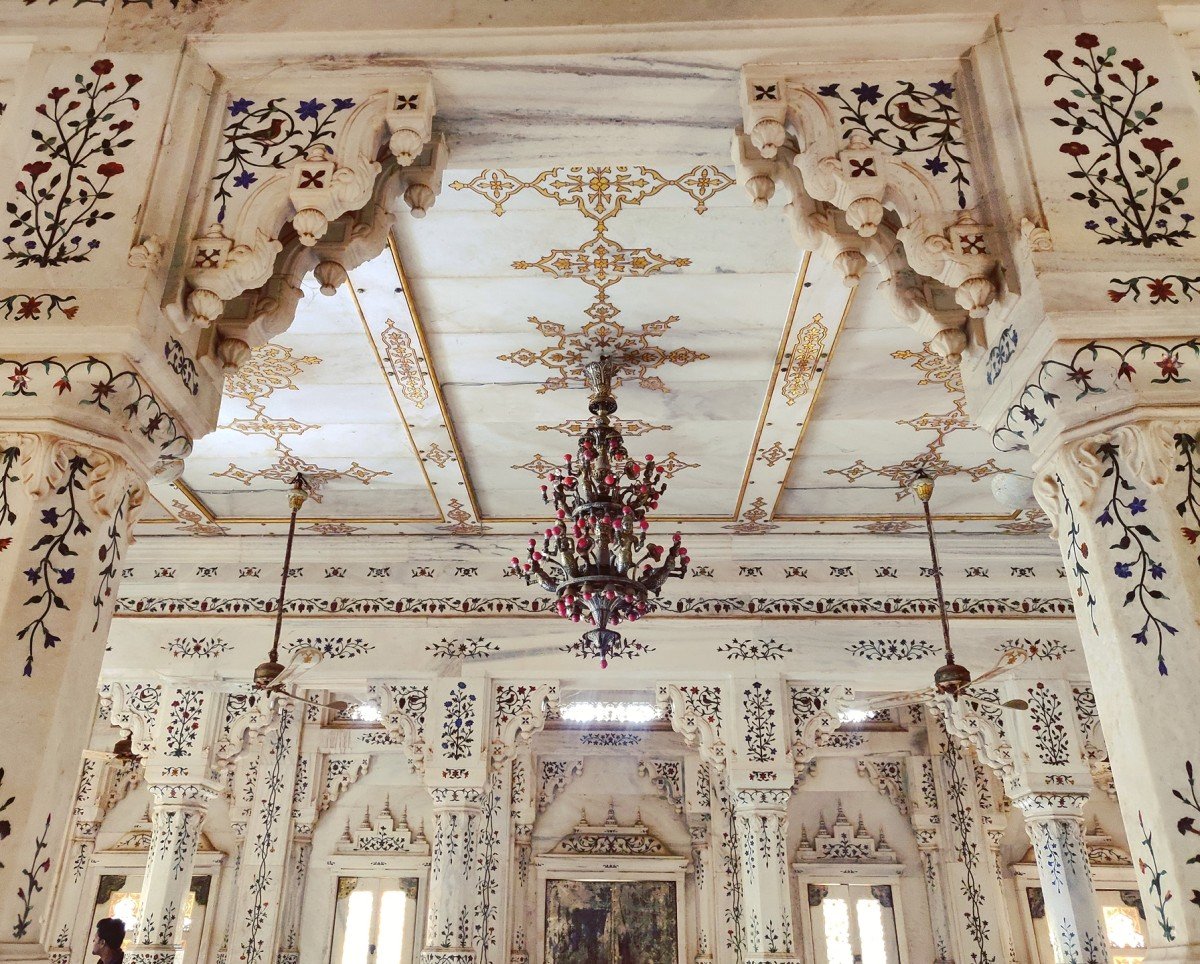
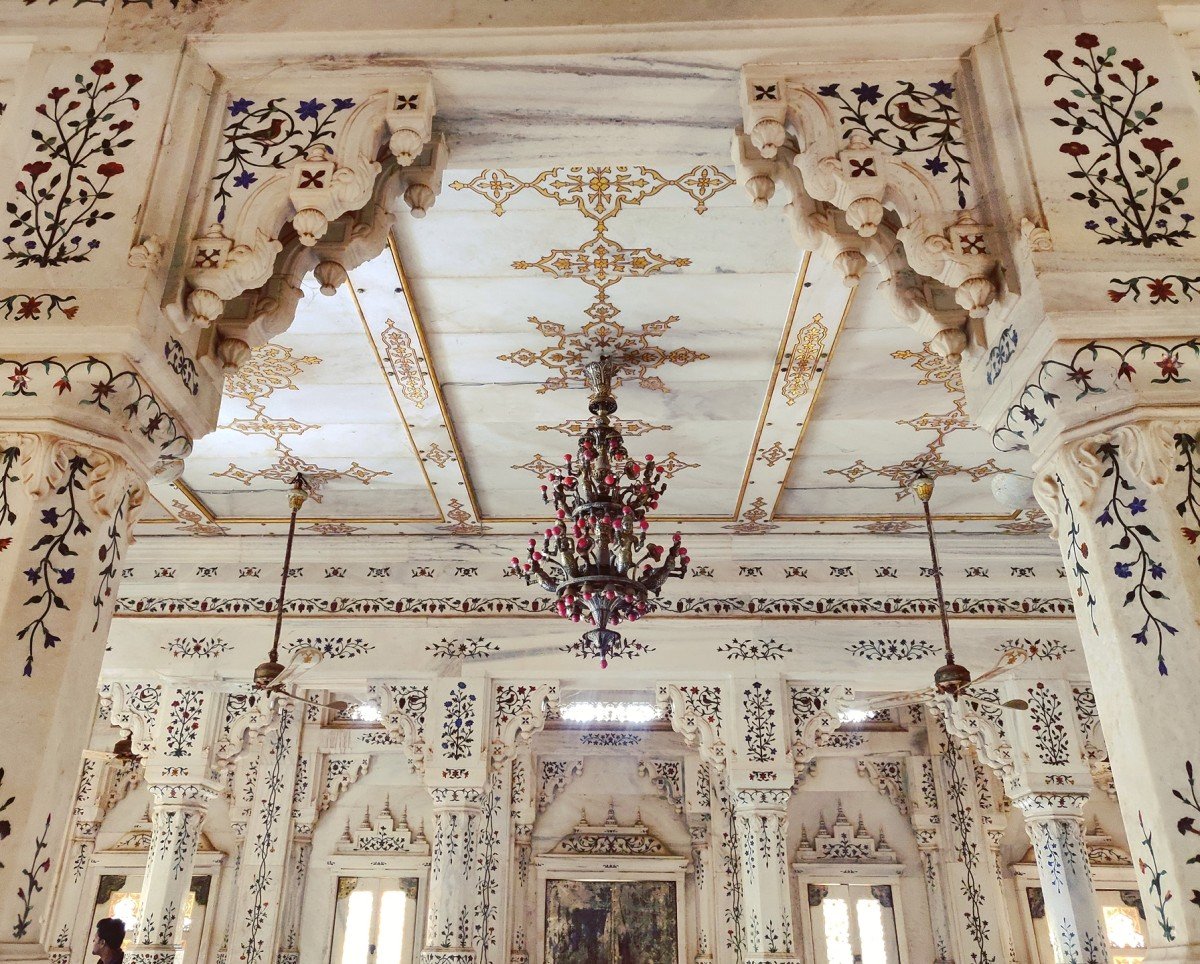
Bhoora Khon Waterfall
General information
-
Ideal Duration:
1-2 HoursPlace Type:
Seasonal Waterfall and Religious Spot:Entry Fees:
Nominal Entry Fee (Possible Maintenance Charge): There is typically a Nominal Entry Fee (e. g. , Rs.20-Rs.50) charged by the local Forest or Panchayat committee for maintenance, sanitation, and safety purposes, especially during the peak monsoon season. This fee is essential to...Nominal Entry Fee (Possible Maintenance Charge): There is typically a Nominal Entry Fee (e. g. , Rs.20-Rs.50) charged by the local Forest or Panchayat committee for maintenance, sanitation, and safety purposes, especially during the peak monsoon season. This fee is essential to help manage the site's popularity and prevent littering. This is not a large commercial charge but a small contribution to the upkeep of the natural area.
Parking Fees: If you arrive by private vehicle (car or two-wheeler), a small, mandatory Parking Fee will be charged at the designated parking area, which helps in the management of traffic flow and ensures the security of the vehicles. This fee is usually collected by the local contractors or forest guards.
Guide Fees: While a guide is not strictly necessary to find the waterfall, if you choose to hire a local guide for safe navigation on the rocky trails or for information on the local flora and the Shiva shrine's history, there will be a separate, negotiable charge for their services. This charge is separate from the entry fee but is a key cost if you desire a deeper exploration of the site's periphery.Timing:
Regular Timings: 8:00 AM to 6:
00 PM: The site is typically opened after sunrise and closed at dusk for safety reasons, as the rocky paths and the pool become dangerous in the dark. Visitors are strongly advised not to enter the area after cl...Regular Timings: 8:00 AM to 6:
00 PM: The site is typically opened after sunrise and closed at dusk for safety reasons, as the rocky paths and the pool become dangerous in the dark. Visitors are strongly advised not to enter the area after closing hours.
Ideal Visit Time: The best and most spectacular time to visit is during the Monsoon Season (July to September) to see the fall in its full glory. Within that, the morning hours (8:00 AM to 11:00 AM) are ideal for comfortable viewing and photography before the crowds arrive.
Peak Flow Timings: To ensure you see the most impressive cascade, visit a day or two after a major, heavy rain spell. This requires checking the local weather forecast and coordinating your trip on the fly, but it guarantees the most dramatic spectacle, which can happen anytime during the Monsoon.Special Events:
The Sawan Month Pilgrimage (July/August): The most special, annual event is the large influx of Shaivite devotees who visit the waterfall shrine during the holy Hindu month of Sawan (July to August), which is dedicated to Lord Shiva. Pilgrims bring holy water from nearby sa...The Sawan Month Pilgrimage (July/August): The most special, annual event is the large influx of Shaivite devotees who visit the waterfall shrine during the holy Hindu month of Sawan (July to August), which is dedicated to Lord Shiva. Pilgrims bring holy water from nearby sacred rivers (or the fall itself) to offer to the Shivalinga. The air is filled with chants and hymns, and the combination of the gushing waterfall, the dense monsoon greenery, and the devout crowds creates an intense, spiritual spectacle that is unique to this season and spot. Local organizations often set up temporary camps for the convenience of these traveling devotees.
Post-Monsoon Peak Flow Celebration: The day the waterfall reaches its absolute peak flow after the first intense spell of rains (usually late July or early August) is an informal but major local event. People travel specifically to witness the full might of the cascade, turning it into a celebratory day out, with families and friends enjoying the water's power and the most dramatic natural display of the year, which is a key highlight of the local monsoon season.Best Photo Spots:
Slow Shutter Speed Cascade View: The absolute best photo spot is a frontal view of the main cascade, where a slow shutter speed can be used to turn the falling water into a silky, cotton-like white stream, creating a surreal and artistic effect. This shot requires a tripod ...Slow Shutter Speed Cascade View: The absolute best photo spot is a frontal view of the main cascade, where a slow shutter speed can be used to turn the falling water into a silky, cotton-like white stream, creating a surreal and artistic effect. This shot requires a tripod and is best taken in the soft light of the morning or a cloudy monsoon day to prevent overexposure.
The Shiva Shrine Frame: Capturing the small, rustic Shiva shrine nestled in the mossy rocks with the roaring waterfall in the background provides a compelling image that encapsulates the blend of nature and devotion. This is a unique compositional challenge, best achieved from a slightly elevated side angle to include both elements effectively. The best time for detail is the clear light of the late morning.
The Emerald Pool and Reflection: Shooting from a low angle near the edge of the pool, focusing on the distinct, emerald-green colour of the water and the strong reflections of the surrounding trees and the sky, makes for a stunning nature photograph. This is particularly effective on a clear, sunny day, enhancing the water's colour contrast. The best time for this shot is the early morning when the water is still and the sun is at an angle.Photo Gallery
Things To Do
-
Enjoying the Cascade and Pool: The most popular activity is to sit and watch the water cascading down, enjoying the cool mist that envelops the area, which is highly refreshing. Visitors can safely wade into the edges of the pool for a refreshing dip, though deep swimming should be approached with extreme caution and only by experienced swimmers, given the natural, uneven pool floor. This is the primary recreational activity, best enjoyed from July to October.
Visiting the Shiva Shrine: Take a few minutes to visit the ancient Lord Shiva shrine built into the rocks near the waterfall. Offer a simple prayer or a moment of meditation, absorbing the unique blend of spiritual and natural energy. This is a quiet, reflective activity, giving a spiritual meaning to the natural excursion. It is a must-do for devotees, especially on a...Enjoying the Cascade and Pool: The most popular activity is to sit and watch the water cascading down, enjoying the cool mist that envelops the area, which is highly refreshing. Visitors can safely wade into the edges of the pool for a refreshing dip, though deep swimming should be approached with extreme caution and only by experienced swimmers, given the natural, uneven pool floor. This is the primary recreational activity, best enjoyed from July to October.
Visiting the Shiva Shrine: Take a few minutes to visit the ancient Lord Shiva shrine built into the rocks near the waterfall. Offer a simple prayer or a moment of meditation, absorbing the unique blend of spiritual and natural energy. This is a quiet, reflective activity, giving a spiritual meaning to the natural excursion. It is a must-do for devotees, especially on a Monday (dedicated to Lord Shiva).
Photography of Water and Nature: The waterfall is a prime subject for nature photography. Use a slow shutter speed (with a tripod) to capture the silky, misty effect of the falling water, a technique that highlights the dynamic beauty of the cascade. The lush greenery and the mossy rock formations make excellent textural backgrounds. The best light is the soft morning light or the diffused light on a cloudy monsoon day.
Monsoon Trekking and Exploration: The surrounding forested area, part of the National Park's boundary, offers opportunities for light trekking and nature walks. Always stick to established, safe trails and consider hiring a local guide to avoid getting lost in the dense growth, especially in the monsoon. This activity allows for the observation of local flora and a variety of birds and insects.
Picnicking and Relaxation: The area around the waterfall, near the main pool, is a favorite spot for family picnics. Visitors should bring blankets, food, and water and spend a few hours relaxing by the cool water, away from the city heat. This is an all-day activity, but all garbage must be strictly carried back to maintain the site's pristine environment.
Birdwatching on the Periphery: Since it is near the Madhav National Park, the trees around the fall are home to various regional bird species. Carrying a pair of binoculars and quietly observing the trees and the pool area for different bird movements and calls is a rewarding, passive activity for nature enthusiasts.
Exploring the Dam/Lake Nearby: The waterfall is close to the Madhav Sagar Lake/Dam. Visitors can extend their trip to include a visit to the lake, which often features boating facilities and additional scenic views, combining the visit with a water-based recreational activity, offering variety to the day's itinerary.
Information
-
Why Famous:
The Most Accessible Monsoon Waterfall: Bhoora Khon Waterfall is famous for being the most easily accessible and safest major waterfall near Shivpuri city. Its short distance (approx. 10 KMS) and easy access via a well-maintained road make it an undisputed favorite for loca...The Most Accessible Monsoon Waterfall: Bhoora Khon Waterfall is famous for being the most easily accessible and safest major waterfall near Shivpuri city. Its short distance (approx. 10 KMS) and easy access via a well-maintained road make it an undisputed favorite for local families and tourists, especially during the monsoon when other falls can be harder to reach or more dangerous. This accessibility is the primary source of its widespread fame and popularity as a convenient nature escape.
The Shiva Shrine Amidst the Cascade: The unique presence of the ancient Lord Shiva idol or shrine directly at the waterfall's cascade is a huge draw and a key element of its fame. This spiritual element transforms the natural site into a pilgrimage spot, ensuring a continuous flow of devotees seeking blessings from Lord Shiva in the powerful, sacred setting of the gushing water, particularly during the holy month of Sawan (July-August). This blend of nature and devotion gives it a unique identity.
The Refreshing and Clear Water Pool: The large, natural pool at the base of the waterfall is famous for its clear, cool, and inviting water, especially compared to some other stagnant water bodies. This pool is a major recreational feature, offering a safe place for light wading and enjoying the cool mist, making it an ideal family destination. During the summer, even the small flow is a famous source of relief from the heat, adding to its renown as a natural oasis.
A Prime Nature Photography Location: Surrounded by the forested buffer zone of the Madhav National Park, the waterfall is a famous location among photographers for its picturesque setting, featuring lush greenery, rugged rocks, and the dynamic movement of the water. Its popularity on social media and travel blogs has further cemented its fame as a visual icon of Shivpuri's natural beauty, showcasing the district's natural side beyond its historical monuments. -
Architecture:
Natural Rock-Formed Cascade and Pool: The architecture of the Bhoora Khon Waterfall is entirely natural and geological.
Dimension: The waterfall plunges from a modest height, estimated to be around 20 to 25 meters from the main rock-face int...Natural Rock-Formed Cascade and Pool: The architecture of the Bhoora Khon Waterfall is entirely natural and geological.
Dimension: The waterfall plunges from a modest height, estimated to be around 20 to 25 meters from the main rock-face into the large collecting pool below, which can be up to 50 meters in width depending on the flow. The main feature is the sheer rock-cut face from which the water descends, which is a display of natural water erosion over millennia.
The Ancient Shiva Temple Integration: The only man-made structure of note is the small, ancient shrine dedicated to Lord Shiva, which is minimally built into the rocks, often featuring a simple, stone-clad niche or a small, protective enclosure. The architectural style of the shrine is vernacular and rustic, utilizing local stone that blends seamlessly with the natural environment. Its position, close to the cascade, is highly deliberate, symbolizing the deity's presence in the element of water.
Basic Man-Made Access: To facilitate visitor access, basic, non-intrusive elements like rough-hewn stone steps, small pathways, and a simple protective railing or viewing platform may be present. These are functional additions designed to maintain safety without detracting from the natural aesthetic, which is key to the site's identity. The focus is on preserving the pristine, rugged beauty of the waterfall and its surrounding forested area, embodying a respectful coexistence between human and natural spaces. -
How To Reach:
By Air: The nearest airport is Gwalior Airport (GWL), about 120 KMS away. From the airport, hire a pre-paid taxi to Shivpuri city. Once in the city, hire a local cab or auto-rickshaw to the waterfall, which is well-known. The entire journey takes around 3 hours.
<...By Air: The nearest airport is Gwalior Airport (GWL), about 120 KMS away. From the airport, hire a pre-paid taxi to Shivpuri city. Once in the city, hire a local cab or auto-rickshaw to the waterfall, which is well-known. The entire journey takes around 3 hours.
By Train: The nearest major railway junction is Jhansi (JHS), about 95 KMS away. From Jhansi, take a bus or a shared taxi to Shivpuri Bus Stand. The local Shivpuri Railway Station (SVPI) has limited connectivity. The waterfall is easily accessible from the city center.
By Road: Bhoora Khon Waterfall is one of the most accessible waterfalls in the region, located approximately 10 KMS from the city center, often mentioned as being on the road near the Madhav Sagar Lake and the Madhav National Park periphery. From Shivpuri, follow the local road towards the park; the location is usually well-signposted or known to local drivers. The road is paved right up to the parking area near the fall.
By Local Transport: The most convenient way to reach the falls is by hiring an auto-rickshaw or a local taxi from the Shivpuri city center or any hotel. Due to its popularity, finding transport is easy. Always negotiate a round-trip fare, including waiting time, with the driver, as you will likely need to spend a few hours at the site, and finding an immediate return ride can be tricky, especially on busy weekends. The ride takes about 20-30 minutes. -
Weather and Best Time to Visit:
Monsoon Season (Peak Beauty): The months of July to September are the best time for a visit, as the waterfall is at its peak flow, and the surrounding forest is lush green. The weather is cool and atmospheric, but be prepared for occasional heavy rain.
Read MoreMonsoon Season (Peak Beauty): The months of July to September are the best time for a visit, as the waterfall is at its peak flow, and the surrounding forest is lush green. The weather is cool and atmospheric, but be prepared for occasional heavy rain.
Post-Monsoon (Pleasant Viewing): October to November is also an excellent time. The heavy flow has subsided, but the water is still abundant, and the weather is very pleasant (15°C to 28°C), perfect for picnics and light trekking without the rain.
Winter Season (Tranquil): From December to February, the water flow is minimal (often a trickle), but the natural setting is at its most peaceful and tranquil. This is a great time for birdwatching and photography of the rock formations without the monsoon crowds. Different Parts of the Day Early Morning (8:00 AM to 11:00 AM) is ideal for soft light, cool temperatures, and avoiding the major picnic crowds. Midday (11:00 AM to 3:00 PM) is the most crowded time, especially on weekends. Late Afternoon (3:00 PM to 6:00 PM) offers the best light for photography and a cool retreat from the day's heat.Near Tourist Places:
Madhav Sagar Lake/Dam (1 KMS) - Water Views, Sakhya Sagar Lake (5 KMS) - Boating and Crocodile Spotting, Madhav National Park Gate (5 KMS) - Wildlife Safari, Tatya Tope Memorial (12 KMS) - Historical Site, Chhatris (Cenotaphs) of Scindia Dynasty (15 KMS) - Historical Monuments, Bhadaiya Kund (15 KMS) - Natural Spring, Banganga Temple (10 KMS) - Ancient Temple, Madhav Vilas Palace (18 KMS) - Heritage Building, George Castle (25 KMS inside MNP) - Historical Viewpoint, Pawa Waterfall (25 KMS) - Scenic Waterfall.Tourism Tips
-
Health & Safety:
Slippery Rocks: Be extremely cautious of the wet, moss-covered rocks around the waterfall and the pool. Wear sturdy, non-slip footwear. Never attempt to climb dangerously high or wet areas.
Wat...Health & Safety:
Slippery Rocks: Be extremely cautious of the wet, moss-covered rocks around the waterfall and the pool. Wear sturdy, non-slip footwear. Never attempt to climb dangerously high or wet areas.
Water Depth: Do not enter the water if you cannot swim or if the water level is high. The pool's depth can be unpredictable. Always supervise children closely.
Packing:
Rain Gear and Towel: During the peak monsoon (July-September), carry rainproof jackets, waterproof bags for electronics, and a quick-dry towel. Pack your own food and water, as the basic vendor stalls may not be open or stocked.
Accommodation:
Stay in Shivpuri City: The proximity to Shivpuri city makes staying at a local hotel the most practical choice. For a nature-focused stay, check for resorts or guesthouses located on the periphery of the Madhav National Park.
Other Different Topics Heading:
Environmental Responsibility: The site's beauty is delicate. Carry all trash back with you; do not litter the water or the surrounding forest.
Shiva Shrine Etiquette: Maintain respectful silence and modest attire when visiting the small Shiva shrine at the waterfall's base.
Monsoon Road Access: While the main road is good, be prepared for minor road damage or waterlogging on the smaller roads leading to the falls during the heaviest rainfalls.
Reviews
FAQs
Shivpuri Itineray And Cost:-
Bhoora Khon Waterfall Tourism:-
Other Places In Shivpuri :-
Other States In India :-
Information about New and Updated Locations() of Madhya Pradesh Has Been Added :-
Card subtitle
Note:-
Information provided here in good Faith and for reference only.
Near Places

3 River Bridge
Some quick example text to build on the card title and make up the bulk of the card's content.
Go somewhere
Ater Fort
Some quick example text to build on the card title and make up the bulk of the card's content.
Go somewhere
Bada Talaab Khaniyadhana
Some quick example text to build on the card title and make up the bulk of the card's content.
Go somewhere
Banganga Temple
Some quick example text to build on the card title and make up the bulk of the card's content.
Go somewhere
Bhadaiya Kund
Some quick example text to build on the card title and make up the bulk of the card's content.
Go somewhere
Bhomia Baba Temple
Some quick example text to build on the card title and make up the bulk of the card's content.
Go somewhere
Bhoora Khon Waterfall
Some quick example text to build on the card title and make up the bulk of the card's content.
Go somewhere
Chandphata Lake
Some quick example text to build on the card title and make up the bulk of the card's content.
Go somewhere
Chhatris of Scindia Dynasty
Some quick example text to build on the card title and make up the bulk of the card's content.
Go somewhere
Chhatris
Some quick example text to build on the card title and make up the bulk of the card's content.
Go somewhere
Dongar Waterfall
Some quick example text to build on the card title and make up the bulk of the card's content.
Go somewhere
George Castle
Some quick example text to build on the card title and make up the bulk of the card's content.
Go somewhere
Jadhav Sagar Lake
Some quick example text to build on the card title and make up the bulk of the card's content.
Go somewhere
Karera Fort
Some quick example text to build on the card title and make up the bulk of the card's content.
Go somewhere
Karera Wildlife Sanctuary
Some quick example text to build on the card title and make up the bulk of the card's content.
Go somewhere
Khokai Math
Some quick example text to build on the card title and make up the bulk of the card's content.
Go somewherein Other Cities