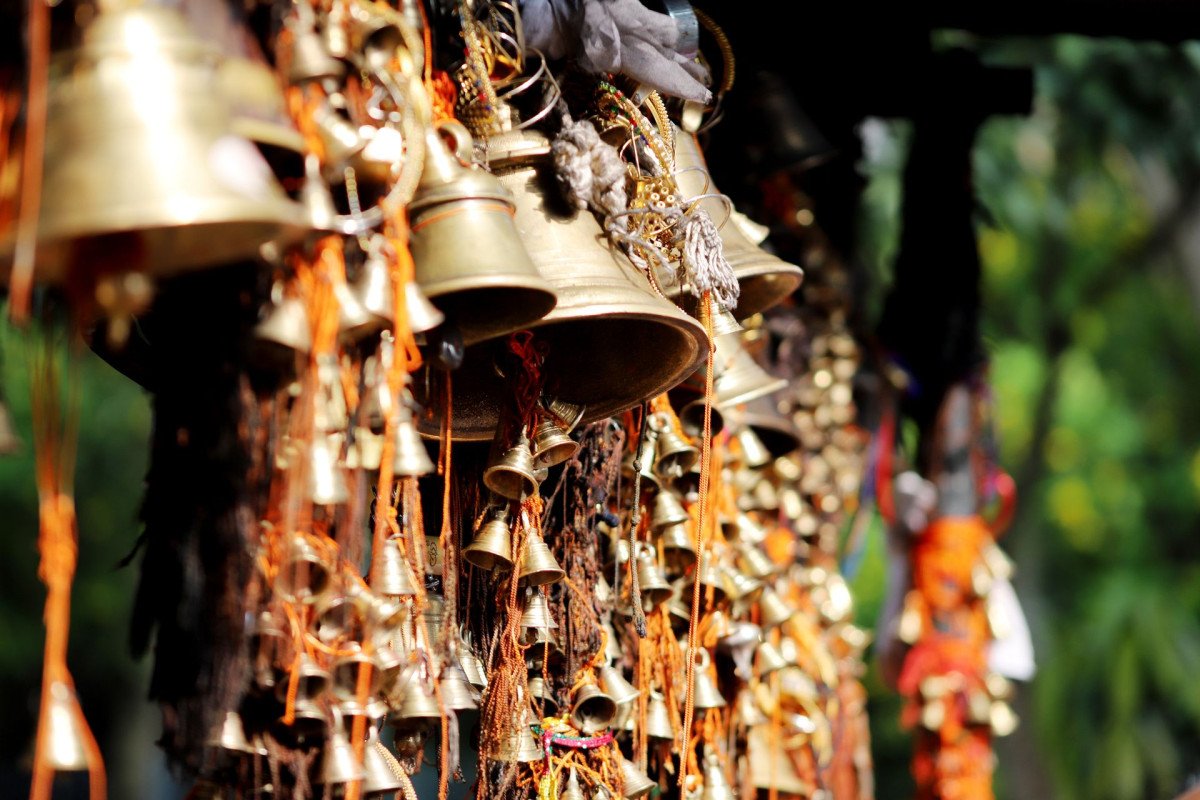
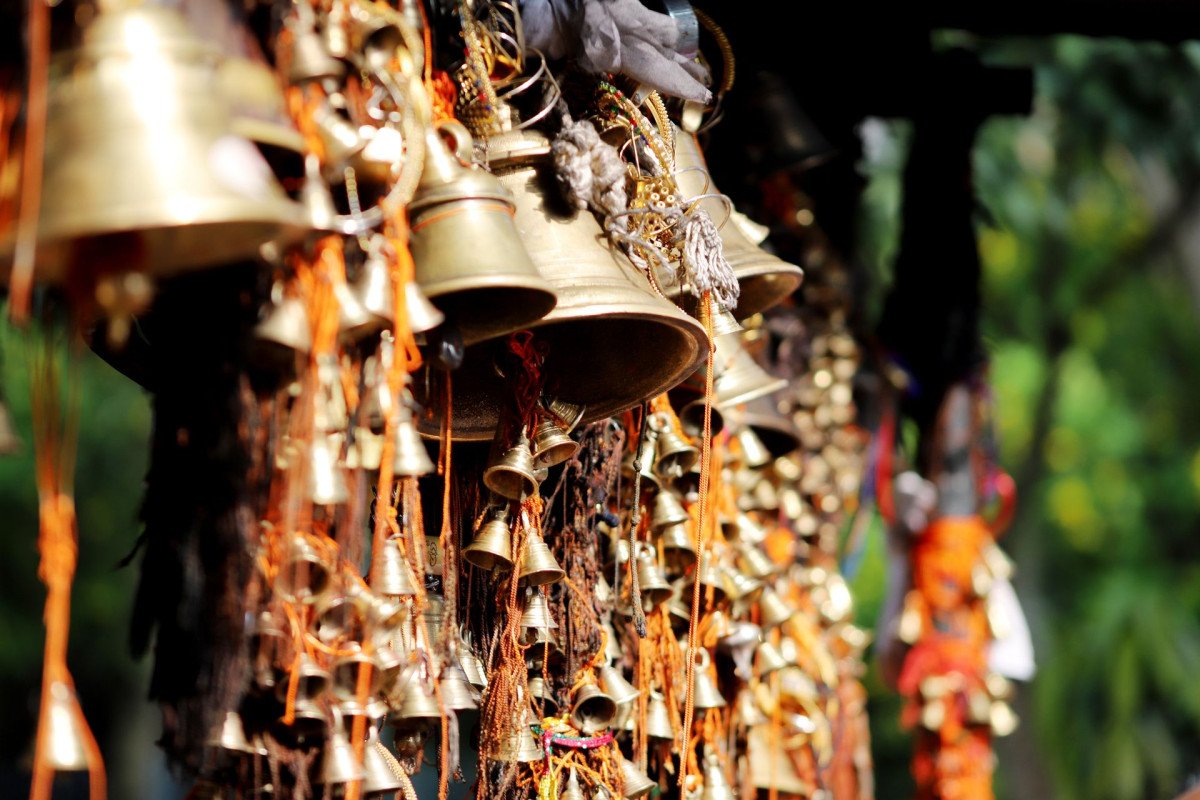
Banganga Temple
General information
-
Ideal Duration:
1-2 HoursPlace Type:
Religious and Historical Place:Entry Fees:
Free Entry for Devotion: There is typically No Entry Fee to enter the Banganga Temple complex and offer prayers to the deities. As a place of public worship, it is generally open and accessible to all devotees and visitors without a formal ticket. This aligns with the trad...Free Entry for Devotion: There is typically No Entry Fee to enter the Banganga Temple complex and offer prayers to the deities. As a place of public worship, it is generally open and accessible to all devotees and visitors without a formal ticket. This aligns with the tradition of most major ancient Hindu temples in India.
Donation for Maintenance and Rituals: While entry is free, visitors are highly encouraged to offer a voluntary donation (Dakshina) towards the maintenance of the ancient structure, the cleaning of the kunds, and the expenses of the daily rituals and charitable activities run by the temple trust. Donation boxes are usually prominently placed. This contribution is essential for the preservation of this significant heritage site and the support of the resident priests.
Fees for Special Pujas or Rituals: If a visitor wishes to have a special, personal, or elaborate prayer ceremony (Archana or Abhishekam) performed on their behalf by the priests, there will be a designated fee for the materials (puja samagri) and the priest's service, which must be respectfully negotiated or paid through the official temple counter. This is common practice and is separate from a general 'entry fee,' ensuring the continuity of the complex's religious life.Timing:
Regular Timings: 6:00 AM to 8:
00 PM: The temple generally opens its gates before sunrise and remains open until after the final evening prayer (aarti). The main prayer times (aarti) usually occur around 6:30 AM (morning) and 7:00 PM (evening...Regular Timings: 6:00 AM to 8:
00 PM: The temple generally opens its gates before sunrise and remains open until after the final evening prayer (aarti). The main prayer times (aarti) usually occur around 6:30 AM (morning) and 7:00 PM (evening).
Ideal Visit Time: The most peaceful and spiritually rewarding time to visit is during the early morning (6:00 AM to 8:00 AM) when the air is cool and the first light hits the temple, or during the tranquil late evening (6:00 PM to 8:00 PM) to witness the evening aarti ceremony and the lighting of the lamps around the complex.
Peak Festival Timings: During major festivals like Maha Shivaratri in February/March, the temple remains open almost 24 hours a day, with a continuous flow of devotees and a special, heightened atmosphere. Crowds are at their maximum during the main day of the festival, requiring patience and a willingness to stand in a queue for darshan.Special Events:
Maha Shivaratri Celebrations (February/March): The most significant and spectacular event is the annual celebration of Maha Shivaratri, the 'Great Night of Lord Shiva,' which typically falls in the Hindu month of Phalguna (February or March). The temple complex comes alive ...Maha Shivaratri Celebrations (February/March): The most significant and spectacular event is the annual celebration of Maha Shivaratri, the 'Great Night of Lord Shiva,' which typically falls in the Hindu month of Phalguna (February or March). The temple complex comes alive with massive crowds of devotees from across Madhya Pradesh and beyond. The entire temple is exquisitely decorated with flowers, lights, and colourful banners. Special rituals, including all-night prayers (jagran), continuous chanting of mantras, and the ceremonial bathing of the Shivalinga with milk and honey, are performed. A fair (mela) is often held in the surrounding grounds, featuring local handicrafts, food stalls, and cultural performances, creating a vibrant, festive atmosphere that lasts for several days. This is the best time to witness the depth of local religious fervour.
Ganga Dussehra (May/June): Though the water is not the true Ganga river, the mythological connection is celebrated during Ganga Dussehra (May or June), which marks the descent of the Goddess Ganga to Earth. Special ceremonies are held at the kunds, with lamps (diyas) floated on the water and mass prayers to commemorate the sacredness of the water body. This is a less crowded but deeply spiritual event, focused purely on the sanctity of the water, a key element of the temple's fame, featuring local folk singers performing devotional songs and hymns.Best Photo Spots:
Reflection Shots in the Kunds: The best photo spots are around the edges of the 52 kunds, especially during the early morning or late afternoon, when the sun is low. The still water of the tanks creates perfect, mirror-like reflections of the main temple structure and the s...Reflection Shots in the Kunds: The best photo spots are around the edges of the 52 kunds, especially during the early morning or late afternoon, when the sun is low. The still water of the tanks creates perfect, mirror-like reflections of the main temple structure and the sky. Capturing the geometrical pattern of the stone steps (ghats) leading down to the water, often with a colorful devotee in the frame, provides a strong, cultural aesthetic.
The Main Shikhara and Temple Entrance: The front gate and the main spire (shikhara) of the temple, often adorned with traditional carvings, are the primary subject for a classic heritage shot. The best angle is usually from a slightly lower vantage point near the courtyard to emphasize the height and architecture of the structure. This is particularly photogenic during festival times when the temple is brightly decorated.
Worshippers on the Ghats: For cultural and photo-journalistic photography, focusing on the devotees performing their rituals, offering prayers, or taking a holy dip in the kunds makes for powerful and authentic images. Always seek implicit or explicit permission before focusing on individuals. The best light for this is the soft morning light before 10:00 AM, creating a warm glow. The vibrant colours of the women's sarees against the grey stone provide striking visual contrast.Photo Gallery
Things To Do
-
Ritual Bathing in the Kunds: The most important activity is the ritualistic bath (snan) in the sacred 52 kunds surrounding the temple. Devotees believe that a dip in these waters, which are mythologically connected to the holy river Ganga, purifies the soul and washes away sins. Visitors should be respectful of local customs, bring their own fresh change of clothes, and observe the designated bathing areas. This activity is central to the temple's spiritual purpose, especially on auspicious days like Purnima and Amavasya.
Seeking the Blessings of Lord Shiva: Spend time inside the main temple dedicated to Lord Shiva to offer prayers (puja) and seek blessings. The atmosphere is highly conducive to meditation and quiet reflection. Visitors can observe the continuous ritual services performed by the temple priests. It is custom...Ritual Bathing in the Kunds: The most important activity is the ritualistic bath (snan) in the sacred 52 kunds surrounding the temple. Devotees believe that a dip in these waters, which are mythologically connected to the holy river Ganga, purifies the soul and washes away sins. Visitors should be respectful of local customs, bring their own fresh change of clothes, and observe the designated bathing areas. This activity is central to the temple's spiritual purpose, especially on auspicious days like Purnima and Amavasya.
Seeking the Blessings of Lord Shiva: Spend time inside the main temple dedicated to Lord Shiva to offer prayers (puja) and seek blessings. The atmosphere is highly conducive to meditation and quiet reflection. Visitors can observe the continuous ritual services performed by the temple priests. It is customary to bring offerings such as milk, water, flowers, and bel leaves to the Shivalinga. This is a deeply personal and enriching spiritual experience, lasting for about 30 minutes to an hour.
Exploring the Subsidiary Shrines: Walk around the entire complex to visit the numerous smaller shrines dedicated to other Hindu deities, including a shrine for Lord Hanuman, Lord Ganesha, and the idols of the Ram family. Each small shrine tells a different mythological story through its icons and carvings, offering a holistic view of the local Hindu pantheon. Look for the small plaque or sign that explains the specific legend of the Arjuna's arrow connection.
Interacting with Sadhus and Scholars: The serene environment attracts various spiritual figures, including traveling sadhus and local scholars. Visitors interested in Hindu philosophy or the temple's history can respectfully engage in conversation with them, which offers a profound insight into the region's spiritual life and traditions. This interaction is best done outside of peak prayer times.
Architectural Photography of the Ghats: The geometric precision and aged stonework of the 52 kunds and their steps (ghats) offer excellent opportunities for architectural and texture photography. The contrast between the old stone, the green-tinged water, and the colorful attire of the devotees creates vibrant photo subjects. Photographers should focus on the leading lines of the steps and the reflections in the still water of the tanks.
Picnic and Relaxation by the Dam/Lake: Since the temple is close to the Sakhya Sagar Lake, a combined visit is highly recommended. After the spiritual visit, travelers can relax by the lake or dam area, which is a great place for a light picnic, birdwatching, or simply enjoying the natural beauty of the surrounding Madhav National Park forests. This provides a perfect blend of culture and nature in a single day.
Volunteering or Donation: For those wishing to contribute, the temple complex often runs charitable activities and requires help with maintenance. Visitors can inquire about the possibility of volunteering a small amount of their time or making a respectful donation to the temple trust, contributing to the upkeep of this ancient heritage site.
Information
-
Why Famous:
Mythological Significance with Arjuna and Bhishma: The fame of the Banganga Temple is almost entirely derived from the powerful, enduring legend that links its origin to the Mahabharata epic. It is famously believed to be the exact spot where Arjuna used his divine arrow (B...Mythological Significance with Arjuna and Bhishma: The fame of the Banganga Temple is almost entirely derived from the powerful, enduring legend that links its origin to the Mahabharata epic. It is famously believed to be the exact spot where Arjuna used his divine arrow (Baan) to pierce the earth and bring forth the heavenly river Ganga to quench the thirst of the dying Bhishma Pitamah. This mythological association elevates the site from a simple temple to a sacred ground of immense spiritual power, attracting pilgrims who seek to connect with the ancient heroes and the divine energy of the place. This legend is a cornerstone of Shivpuri's religious tourism identity.
The Unique 52 Kunds System: The existence of 52 sacred water tanks or kunds around the temple complex is a rare and highly famous architectural and religious feature. These tanks are believed to hold purifying waters, and pilgrims perform ritual dips in them. This numerical and physical feature makes the complex visually distinctive and adds a layer of ritual complexity and uniqueness that draws devotees seeking the blessings associated with the number 52, which holds significance in various Hindu calendars. This hydraulic engineering is a historical feat in itself, maintaining water supply throughout the year.
Ancient Shiva Temple and Spiritual Aura: As an ancient temple dedicated to Lord Shiva, the temple naturally draws a large number of Shaivite devotees. The powerful, serene, and historically resonant atmosphere of the centuries-old sanctuary is famous for providing a profound sense of peace and spiritual solace. The temple's ancient architecture, often weathered by time, speaks to its enduring faith and adds a tangible historical weight to the religious experience, making it a famous place for meditation and reflection in the Shivpuri region.
Proximity to Sakhya Sagar Lake's Natural Beauty: Its location near the majestic Sakhya Sagar Lake, which is part of the Madhav National Park's periphery, adds to its fame. Tourists visiting the lake for boating or wildlife spotting often combine the natural visit with the spiritual one at Banganga, enhancing its visibility and accessibility, thereby increasing its overall tourist and religious footfall in the district. -
Architecture:
Ancient Temple and Kund Architecture: The architecture of the Banganga Temple complex is characterized by the traditional Nagara or an amalgamation of ancient Hindu temple styles, though subsequent renovations over the centuries have introduced elements of local regional arc...Ancient Temple and Kund Architecture: The architecture of the Banganga Temple complex is characterized by the traditional Nagara or an amalgamation of ancient Hindu temple styles, though subsequent renovations over the centuries have introduced elements of local regional architecture.
Dimension: The temple complex is quite sprawling, primarily defined by the main temple structure and the surrounding 52 kunds or water tanks. The main temple structure is built on a raised platform (jagati), a common feature in Hindu architecture, and its central tower (shikhara) is modest in height compared to grand North Indian temples, emphasizing local craftsmanship.
The 52 Sacred Kunds: The most unique architectural feature is the ring of 52 kunds, which are small, square or rectangular, stepped tanks surrounding the main complex. These tanks are built with dressed stone masonry, featuring solid, durable steps (ghats) leading down to the water level. This practical and aesthetic design allows pilgrims easy access to the sacred water for ritual bathing (snan). The geometric precision of the tanks, aligned to allow ritual movement, is a key architectural highlight.
Intricate Carvings and Shrines: The stone walls of the main temple and its entrance gate feature traditional, though often weather-worn, carvings of deities and mythological scenes from the Puranas and epics, including the legend of Arjuna's arrow. There are smaller, subsidiary shrines built in a similar style dedicated to various other gods, often featuring small, pyramidal roofs (vimanas) typical of regional temples. The use of locally sourced durable stone ensures the longevity of the structure, which is a key characteristic of ancient Indian religious architecture in Madhya Pradesh. -
How To Reach:
By Air: The nearest airport is Gwalior Airport (GWL), approximately 120 KMS away. From the airport, hire a pre-paid taxi or a private cab to the Banganga Temple area in Shivpuri. The drive takes approximately 3 hours. Alternatively, one can take an inter-city bus from Gwa...By Air: The nearest airport is Gwalior Airport (GWL), approximately 120 KMS away. From the airport, hire a pre-paid taxi or a private cab to the Banganga Temple area in Shivpuri. The drive takes approximately 3 hours. Alternatively, one can take an inter-city bus from Gwalior to Shivpuri and then a local auto-rickshaw.
By Train: The nearest major railway junction is Jhansi (JHS), located about 95 KMS from Shivpuri, offering excellent connectivity to various Indian cities. From Jhansi, you can take a bus or hire a taxi to Shivpuri. The local Shivpuri Railway Station (SVPI) has limited connectivity. From the Shivpuri station or bus stand, the temple is easily reachable via a 10-15 minute auto-rickshaw ride.
By Road: Shivpuri is well-connected by road networks, primarily NH 46 and NH 27. State-run and private buses regularly ply between Shivpuri and cities like Gwalior, Indore, and Bhopal. The temple is located on an accessible road within the city limits. If driving your own vehicle, follow signboards for Sakhya Sagar Lake or the city center; the temple is a well-known landmark.
By Local Transport: The temple is easily accessible from any part of Shivpuri city. Auto-rickshaws are the most common and convenient local transport. They can be hired for a point-to-point drop or for a return journey with a waiting period; always negotiate the fare in advance. Cycle-rickshaws are also an option for short distances within the city. -
Weather and Best Time to Visit:
Winter Season (Ideal): The months of October to March offer the most comfortable and pleasant weather for visiting the temple, with temperatures ranging from a cool 10°C to 28°C. This period allows for a leisurely walk around the kunds and a peaceful time for prayer witho...Winter Season (Ideal): The months of October to March offer the most comfortable and pleasant weather for visiting the temple, with temperatures ranging from a cool 10°C to 28°C. This period allows for a leisurely walk around the kunds and a peaceful time for prayer without the discomfort of heat.
Monsoon Season (Lush and Spiritual): The period from July to September is a highly recommended time for a visit. While there may be occasional heavy rains, the surrounding landscape is incredibly lush, and the kunds are filled to the brim, adding a unique, vibrant atmosphere to the spiritual complex.
Summer Season (Early Morning/Late Evening Only): The months of April to June should be avoided during the day due to intense heat. If visiting, restrict your trip to the cool hours of early morning (before 8:00 AM) or late evening (after 6:00 PM) to avoid sunstroke and exhaustion. Different Parts of the Day Early Morning is best for photography and a calm, meditative experience. Evening is ideal for witnessing the mesmerizing aarti and the lighting of lamps, which adds a spiritual glow to the complex. Midday is the least suitable due to crowds and heat. -
Near Tourist Places:
Sakhya Sagar Lake (1 KMS) - Boating and Nature, Madhav National Park (3 KMS) - Wildlife Safari, Chhatris (Cenotaphs) of Scindia Dynasty (4 KMS) - Historical Monuments, Madhav Vilas Palace (5 KMS) - Heritage Building, Tatya Tope Memorial (5 KMS) - Historical Site, Bhadaiya Kund (5 KMS) - Natural Spring, Bhoora Khon Waterfall (10 KMS) - Seasonal Waterfall, George Castle (18 KMS inside MNP) - Historical Viewpoint, Survaya Ki Garhi (10 KMS) - Ancient Fortress, Pawa Waterfall (20 KMS) - Scenic Waterfall.
Tourism Tips
-
Health & Safety:
Footwear and Dress Code: Remove your footwear before entering the main temple premises, as is customary. Dress modestly to respect the religious nature of the site, covering shoulders and knees. Women are advised to wear tr...Health & Safety:
Footwear and Dress Code: Remove your footwear before entering the main temple premises, as is customary. Dress modestly to respect the religious nature of the site, covering shoulders and knees. Women are advised to wear traditional Indian attire. Be cautious on the steps of the kunds, as they can be slippery, especially during the monsoon season.
Packing:
Ritual Items and Water: Carry your own water bottle, sun protection (hat/cap) during the day, and if you wish to perform a personal puja, bring a small ritual kit including incense and flowers. Carry a small towel if planning to take a dip in the kunds. Always keep your valuables secure, especially in crowded areas.
Accommodation:
Homestays and Hotels: Shivpuri city center offers various budget-friendly hotels and guesthouses. For a premium stay, look for the MPSTDC resort near the Sakhya Sagar Lake. Accommodation is generally easy to find, but booking in advance is crucial during the festival of Maha Shivaratri when the city sees a huge influx of pilgrims.
Other Different Topics Heading:
Respecting the Kunds: Do not throw litter, plastic, or non-biodegradable items into the sacred kunds; help the local community keep the water clean.
Local Guide Engagement: Consider hiring a local, authorized guide for a nominal fee to better understand the complex mythological stories and the architectural nuances of the 52 kunds system.
Public Transport: The temple is well-connected by auto-rickshaws, the primary local transport, but always agree on the fare before starting your journey to avoid any misunderstandings.
Reviews
FAQs
Shivpuri Itineray And Cost:-
Other Places In Shivpuri :-
Other States In India :-
Information about New and Updated Locations() of Madhya Pradesh Has Been Added :-
Card subtitle
Note:-
Information provided here in good Faith and for reference only.
Near Places

3 River Bridge
Some quick example text to build on the card title and make up the bulk of the card's content.
Go somewhere
Ater Fort
Some quick example text to build on the card title and make up the bulk of the card's content.
Go somewhere
Bada Talaab Khaniyadhana
Some quick example text to build on the card title and make up the bulk of the card's content.
Go somewhere
Banganga Temple
Some quick example text to build on the card title and make up the bulk of the card's content.
Go somewhere
Bhadaiya Kund
Some quick example text to build on the card title and make up the bulk of the card's content.
Go somewhere
Bhomia Baba Temple
Some quick example text to build on the card title and make up the bulk of the card's content.
Go somewhere
Bhoora Khon Waterfall
Some quick example text to build on the card title and make up the bulk of the card's content.
Go somewhere
Chandphata Lake
Some quick example text to build on the card title and make up the bulk of the card's content.
Go somewhere
Chhatris of Scindia Dynasty
Some quick example text to build on the card title and make up the bulk of the card's content.
Go somewhere
Chhatris
Some quick example text to build on the card title and make up the bulk of the card's content.
Go somewhere
Dongar Waterfall
Some quick example text to build on the card title and make up the bulk of the card's content.
Go somewhere
George Castle
Some quick example text to build on the card title and make up the bulk of the card's content.
Go somewhere
Jadhav Sagar Lake
Some quick example text to build on the card title and make up the bulk of the card's content.
Go somewhere
Karera Fort
Some quick example text to build on the card title and make up the bulk of the card's content.
Go somewhere
Karera Wildlife Sanctuary
Some quick example text to build on the card title and make up the bulk of the card's content.
Go somewhere
Khokai Math
Some quick example text to build on the card title and make up the bulk of the card's content.
Go somewherein Other Cities