

Bitra Bird Breeding Ground
General information
-
Ideal Duration:
1-2 Hours (Focused observation, often combined with a boat trip to nearby cays)Place Type:
Wildlife/Ecology/ConservationEntry Fees:
No Direct Fee for Viewing: There is no direct fee to view the areas that serve as the Bitra Bird Breeding Ground from a distance, as they are part of the natural, public ecosystem.
The Permit Requirement: As with all areas on Bitra, the man...No Direct Fee for Viewing: There is no direct fee to view the areas that serve as the Bitra Bird Breeding Ground from a distance, as they are part of the natural, public ecosystem.
The Permit Requirement: As with all areas on Bitra, the mandatory Lakshadweep Entry Permit must be held by all non-residents, and this is the main cost associated with accessing the island.
Guide and Boat Fees: Access to the specific, sensitive nesting sand cays or the nearby Pitti Bird Sanctuary requires a local, authorized boat rental and a knowledgeable guide, which incurs a mandatory, regulated charge for the trip and any special permits needed for the protected areas.
Fines for Trespassing: Significantly, strict and substantial fines are imposed for unauthorized entry into designated protected or restricted nesting areas, as this constitutes a serious violation of wildlife and conservation laws.
:Timing:
Regular Timings: The Bitra Bird Breeding Ground area is a natural habitat and has no formal opening/closing hours. However, the best and quietest time for observation is from 6:00 AM to 9:00 AM and again from 4:00 PM to 6:00 PM.
Ideal Visit Ti...Regular Timings: The Bitra Bird Breeding Ground area is a natural habitat and has no formal opening/closing hours. However, the best and quietest time for observation is from 6:00 AM to 9:00 AM and again from 4:00 PM to 6:00 PM.
Ideal Visit Time (Observation): Early morning is the most ideal time, as the birds are most active in their feeding and socializing routines before the midday heat, and the light is soft for observation.
Seasonal Restrictions: Access to the specific nesting sites is heavily restricted during the main nesting season (exact months vary but typically coincide with the warmer, pre-monsoon period) to prevent human interference. Always check with local officials.
Guide Availability: Local guides, who are essential for this area, are generally only available during standard daylight hours, from 8:00 AM to 5:00 PM.
:Special Events:
Annual Bird Census and Monitoring: The most significant 'event' is the periodic bird census or monitoring drive conducted by the forest and wildlife department officials, often in collaboration with local community members. This scientific activity is crucial for conservati...Annual Bird Census and Monitoring: The most significant 'event' is the periodic bird census or monitoring drive conducted by the forest and wildlife department officials, often in collaboration with local community members. This scientific activity is crucial for conservation and highlights the area's importance.
Educational Ecology Visits: Very occasionally, small groups of students or ecologists from the mainland or nearby Kavaratti or Kochi are permitted to visit for brief educational excursions, turning the area into a temporary 'field school' for wildlife studies.
Conservation Day Activities: Small awareness programs or cleaning drives focusing on coastal and marine conservation are sometimes organized by the local administration, involving the community in protecting the breeding area.
:Best Photo Spots:
Distant Colony on the Sand Cay: The best photo is a telephoto shot from a boat, capturing the dense cluster of Sooty Terns nesting on the satellite sand cays or the uninhabited northern tip of Bitra, providing a sense of their sheer numbers and their distance from the inhabi...Distant Colony on the Sand Cay: The best photo is a telephoto shot from a boat, capturing the dense cluster of Sooty Terns nesting on the satellite sand cays or the uninhabited northern tip of Bitra, providing a sense of their sheer numbers and their distance from the inhabited area.
Bird in Flight Study: Focus your lens on a single Brown Noddy or Tern in flight against the backdrop of the clear sky or the deep blue ocean, capturing the grace of the pelagic birds.
Shrubbery and Nest Camouflage: Use a close-up shot to show the natural camouflage and the simple 'nest' made by the birds on the ground, utilizing the sparse coastal shrubbery for protection. This requires a very quiet, patient approach.
The Bird's Eye View of the Lagoon: If an elevated perspective is available (e. g. , from a nearby administrative building or a boat), capture the overall view of the vast lagoon with the birds circling above, highlighting their crucial role in the ecosystem.
:Photo Gallery
Things To Do
-
Observing and Documenting Bird Life: The primary activity is quiet, respectful bird watching and photography from a distance, focusing on the nesting behavior and flight patterns of the Sooty Terns, Noddies, and other sea birds. Bring a good pair of binoculars and a camera with a zoom lens to minimize disturbance. Spend time in the early morning or late afternoon when bird activity is highest.
Consultation with Local Guides/Elders: Engage with a local guide or one of the island's older residents to learn about the history of the bird colony and the traditional practices related to the area before it became a protected zone. This provides a rich, cultural dimension to the visit.
Visiting the Pitti Bird Sanctuary: If logistics and permits allow, arrange a boat trip to the nearby, uninhabited P...Observing and Documenting Bird Life: The primary activity is quiet, respectful bird watching and photography from a distance, focusing on the nesting behavior and flight patterns of the Sooty Terns, Noddies, and other sea birds. Bring a good pair of binoculars and a camera with a zoom lens to minimize disturbance. Spend time in the early morning or late afternoon when bird activity is highest.
Consultation with Local Guides/Elders: Engage with a local guide or one of the island's older residents to learn about the history of the bird colony and the traditional practices related to the area before it became a protected zone. This provides a rich, cultural dimension to the visit.
Visiting the Pitti Bird Sanctuary: If logistics and permits allow, arrange a boat trip to the nearby, uninhabited Pitti Bird Sanctuary reef, which is a major nesting site and an unparalleled experience in observing massive bird colonies in their natural habitat, making a full-day excursion.
Learning About Conservation Efforts: Take the time to understand the challenges of conserving this fragile ecosystem on a small coral atoll and the steps taken by the local administration to protect the bird population. This is a valuable educational experience.
Photography of Avian Patterns: Focus on photographing the intricate patterns made by the birds in flight, the specific way they land, and their interactions with the water, which often requires patience and a telephoto lens.
Sketching and Journaling: Sit quietly at a respectful distance and sketch the bird colony or journal your observations about the ecosystem and the colors of the sea and sky, which is a popular activity for nature enthusiasts.
Observing the Lagoon's Ecological Role: Observe how the vast, calm lagoon serves as the primary feeding ground for the bird colony, connecting the aquatic and avian elements of the atoll's ecosystem.
:
Information
-
Why Famous:
Historical Avian Haven: The Bitra Bird Breeding Ground area is historically famous as a once-prolific nesting site for thousands of sea birds before the mid-19th century, a fact documented in early administrative records. This history positions it as an essential ecological...Historical Avian Haven: The Bitra Bird Breeding Ground area is historically famous as a once-prolific nesting site for thousands of sea birds before the mid-19th century, a fact documented in early administrative records. This history positions it as an essential ecological landmark in Lakshadweep.
Protection of the Sooty Tern: The area remains a crucial conservation spot, particularly for the Sooty Tern and Brown Noddy, among other pelagic birds. Its fame is tied to its role in regional bird migration and nesting patterns. The administration's efforts to protect this fragile habitat lend it significant ecological notoriety.
Proximity to Pitti Bird Sanctuary: The area’s reputation is strengthened by its proximity to the renowned Pitti Bird Sanctuary (often referred to as an "uninhabited bank"), a major regional sea bird sanctuary. The habitats are often discussed together, highlighting the importance of the Bitra atoll in sustaining the area's avian population.
Ecological Study Site: For researchers, it is a famous study site—a place to observe the resilience of a bird colony in a highly isolated, low-lying coral environment. The natural, simple topography provides ideal conditions for observation and study of these delicate ecosystems.
: -
Architecture:
The Fragile Habitat Architecture of the Nesting Area: The architecture of the Bitra Bird Breeding Ground is purely ecological.
Dimension: While the exact protected area boundary is fluid and depends on nesting cycles, it is generally considered the uninhabited north...The Fragile Habitat Architecture of the Nesting Area: The architecture of the Bitra Bird Breeding Ground is purely ecological.
Dimension: While the exact protected area boundary is fluid and depends on nesting cycles, it is generally considered the uninhabited northern tip and sand cays, covering an area of potentially 10,000 square meters or more.
Ground-Level Nesting Structures: The 'architecture' for the birds is the low-lying shrubbery, sparse grass, and bare sandy patches that facilitate ground nesting for species like Terns. These natural features provide camouflage and shelter from the intense sun.
Role of Vegetation and Topography: The topography is minimal, being only about 2 meters above sea level. The low-growing vegetation, such as Pemphis acidula or Scaevola taccada shrubs, provides micro-architectural elements for windbreaks and shade. The absence of tall trees in the immediate nesting zone is a key feature, as many sea birds prefer open, easily accessible ground for landing and takeoff. This natural design is a lesson in minimal functionalism.
: -
How To Reach:
By Air: The nearest airport is Agatti Aerodrome (AGX). Travel from Agatti to Bitra is by high-speed ferry or ship, which then docks at the Bitra Jetty. The breeding ground area is reached on foot from the settlement.
By Train: Access to B...By Air: The nearest airport is Agatti Aerodrome (AGX). Travel from Agatti to Bitra is by high-speed ferry or ship, which then docks at the Bitra Jetty. The breeding ground area is reached on foot from the settlement.
By Train: Access to Bitra and its sensitive ecological zones requires travel through the sea route from the mainland, with Kochi Railway Station being the nearest railhead.
By Road: The island does not have any road network for external access. Movement within the island to the bird area is strictly by walking or using a very basic local two-wheeler for a short distance (if available and permitted).
By Local Transport (Sea): The primary access is via the Lakshadweep Administration's passenger ships from Kochi. For visiting the sensitive satellite cays or the Pitti Bank for bird observation, a specialized, authorized local boat must be chartered from the Bitra jetty, complete with necessary permits and a guide. This boat trip is essential for viewing the wider bird habitat.
: -
Weather and Best Time to Visit:
Different Types of Seasons: The best time for bird observation is the Fair Season (October to Early May), outside the peak nesting period where access might be fully restricted.
Different Parts of the Day (Activity): Sunrise (6:00 AM to 8:0...Different Types of Seasons: The best time for bird observation is the Fair Season (October to Early May), outside the peak nesting period where access might be fully restricted.
Different Parts of the Day (Activity): Sunrise (6:00 AM to 8:00 AM) is the most productive time, as the birds are actively leaving their nests to feed in the lagoon and the open sea, providing spectacular viewing opportunities.
Seasonal Bird Presence: The largest and most diverse populations are usually seen during the non-monsoon migration periods, particularly October-November and March-April.
Tidal Influence: Bird feeding activity is often influenced by the tide, with a falling tide sometimes concentrating fish in the shallows, making observation better. Consult a local guide for the best tidal timings.
: -
Near Tourist Places:
Agatti Island (48 km):
Chetlat Island (39 km):
Kadmat Island (48 km):
Pitti Bird Sanctuary (60 km):
Amini Island (49 km):
Kiltan Island (58 km):
Bangaram Island (43 km):
Kavaratti Island (76 km):
Suheli Par (120 km): Kalpeni Island (180 km)
Tourism Tips
-
Health & Safety: Always maintain a minimum distance from the bird nesting areas to avoid frightening the birds, which could expose eggs or young to predators. Never attempt to touch or feed the birds.
Packing: Carry binoculars, a telephoto...Health & Safety: Always maintain a minimum distance from the bird nesting areas to avoid frightening the birds, which could expose eggs or young to predators. Never attempt to touch or feed the birds.
Packing: Carry binoculars, a telephoto lens for photography, and a small notebook for observations. Wear neutral-colored clothing that blends into the environment to minimize disturbance.
Accommodation: As with all of Bitra, accommodation is simple and arranged by the package tour.
Other Different Topics (Guide Requirement): It is mandatory to be accompanied by a local authorized guide when visiting or boating near the sensitive breeding areas. Never attempt to visit protected zones without permission.
Conservation Ethics: Strictly adhere to a 'Leave No Trace' principle, ensuring no garbage, food scraps, or human evidence is left behind.
Photography Etiquette: Use flash photography sparingly or avoid it entirely when photographing nesting birds, as flashes can disorient them.
Time Management: Plan your visit to coincide with the best observation times (early morning) and communicate your itinerary clearly to your local guide.
:
Reviews
FAQs
Bitra Itineray And Cost:-
Bitra Bird Breeding Ground Tourism:-
Other Places In Bitra :-
Other States In India :-
Information about New and Updated Locations() of Lakshadweep Has Been Added :-
Card subtitle
Note:-
Information provided here in good Faith and for reference only.
Near Places
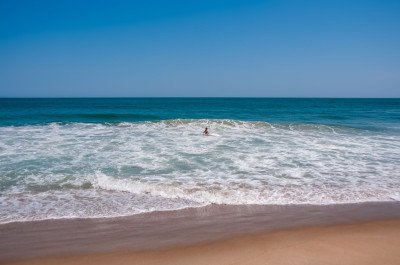
Bitra Beach
Some quick example text to build on the card title and make up the bulk of the card's content.
Go somewhere
Bitra Bird Breeding Ground
Some quick example text to build on the card title and make up the bulk of the card's content.
Go somewhere
Bitra Coastal Walk
Some quick example text to build on the card title and make up the bulk of the card's content.
Go somewhere
Bitra Coconut Grove
Some quick example text to build on the card title and make up the bulk of the card's content.
Go somewhere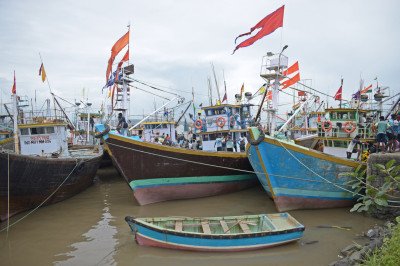
Bitra Harbour/Jetty
Some quick example text to build on the card title and make up the bulk of the card's content.
Go somewhere
Bitra Heliport
Some quick example text to build on the card title and make up the bulk of the card's content.
Go somewhere
Bitra Lagoon
Some quick example text to build on the card title and make up the bulk of the card's content.
Go somewhere
Bitra Mosque
Some quick example text to build on the card title and make up the bulk of the card's content.
Go somewhere
Coral Reef View
Some quick example text to build on the card title and make up the bulk of the card's content.
Go somewhere
Handicraft Display Area
Some quick example text to build on the card title and make up the bulk of the card's content.
Go somewhere
Local Boat Building Spot
Some quick example text to build on the card title and make up the bulk of the card's content.
Go somewhere
Malik Mulla Dargah
Some quick example text to build on the card title and make up the bulk of the card's content.
Go somewhere
Sea Bird Colony
Some quick example text to build on the card title and make up the bulk of the card's content.
Go somewhere
Snorkeling Point
Some quick example text to build on the card title and make up the bulk of the card's content.
Go somewhere
View of the Uninhabited Islets
Some quick example text to build on the card title and make up the bulk of the card's content.
Go somewhere
Village Well/Water Source
Some quick example text to build on the card title and make up the bulk of the card's content.
Go somewherein Other Cities