

Malik Mulla Dargah
General information
-
Ideal Duration:
30 Minutes to 1 HourPlace Type:
Religious, Historical, Pilgrimage SiteEntry Fees:
Spiritual Sites and Respectful Contribution: As a religious and historical site, there are generally No Mandatory Entry Fees for the Malik Mulla Dargah. Access is open to all who come with respectful intentions.
Voluntary Donations for Upkeep:<...Spiritual Sites and Respectful Contribution: As a religious and historical site, there are generally No Mandatory Entry Fees for the Malik Mulla Dargah. Access is open to all who come with respectful intentions.
Voluntary Donations for Upkeep: Visitors are often encouraged to leave a Voluntary Donation in the designated collection boxes. These funds are used by the local community or managing committee for the shrine's maintenance, cleaning, and sometimes for organizing the annual Urus festival.
Permits and Government Regulation: While the entry to the shrine is free, entry to Bitra Island itself requires a special permit from the Lakshadweep Administration, which is a major regulatory cost and prerequisite for any visitor. The cost of this permit (and related tourist packages) can be significant, essentially acting as a 'de facto' entry fee to the whole island. This is the main expense to consider.
:Timing:
Regular Timings and Open Access: The Malik Mulla Dargah, like most shrines, is typically open for prayers all day, from early morning (before Fajr) until late evening (Isha). The most common time for visitors to be able to enter respectfully is generally from 9:00 AM to 5:0...Regular Timings and Open Access: The Malik Mulla Dargah, like most shrines, is typically open for prayers all day, from early morning (before Fajr) until late evening (Isha). The most common time for visitors to be able to enter respectfully is generally from 9:00 AM to 5:00 PM, aligning with general daylight hours and avoiding the most intense midday heat.
Ideal Visit Time for Reflection: The Ideal Visit Time is either in the Early Morning (around 9:00 AM) or the Late Afternoon (around 4:00 PM). Early mornings offer a cool, tranquil atmosphere perfect for reflection, sometimes with the sound of early prayers. Late afternoons provide soft, beautiful lighting for photography and a chance to witness the local community's return to the shrine after their day's work.
Respecting Prayer Times: Visitors should be mindful of the five daily prayer times (Salat), particularly the Friday congregational prayer (Jumu'ah), and avoid visiting during these periods to ensure privacy for the local worshippers.
:Special Events:
The Annual Urus Festival: The most special, though not always tourist-accessible, event is the annual Urus (or Uroos) festival, which is celebrated in honour of Malik Mulla. The exact date follows the Islamic calendar, but it is a major religious event, attracting pilgrims ...The Annual Urus Festival: The most special, though not always tourist-accessible, event is the annual Urus (or Uroos) festival, which is celebrated in honour of Malik Mulla. The exact date follows the Islamic calendar, but it is a major religious event, attracting pilgrims from other Lakshadweep islands.
Community Feasting and Religious Gatherings: During the Urus, the shrine becomes the focal point for religious discourses, community feasting (Neychoru or other communal meals), and special prayers. This event showcases the strong spiritual bond and cultural unity of the islanders.
Uniting the Archipelago: The gathering of people from neighbouring islands like Kiltan and Chetlat for this festival underscores the shrine's importance not just for Bitra, but for the spiritual life of the entire northern archipelago.
:Best Photo Spots:
The Simple White Structure Against the Tropical Greenery: The contrast between the stark white or pale facade of the modest shrine and the vibrant green of the surrounding coconut palms and tropical vegetation creates a striking visual. This is best captured on a bright, sunny morning or late after...The Simple White Structure Against the Tropical Greenery: The contrast between the stark white or pale facade of the modest shrine and the vibrant green of the surrounding coconut palms and tropical vegetation creates a striking visual. This is best captured on a bright, sunny morning or late afternoon.
The Entrance and the Village Context: A wide-angle shot that includes the small, welcoming entrance of the shrine framed by the quiet, sandy pathways of the village provides an excellent photo, capturing the shrine's integration into Bitra's daily life.
Architectural Details of Coral Stone: Close-up shots of the old coral stonework or the simple carvings on the walls (if any) capture the local building materials and the weathered look of a structure standing for centuries near the sea. These shots highlight the traditional architecture and the island's reliance on its natural resources.
:Photo Gallery
Things To Do
-
Prayers and Offering Respect: The foremost activity is offering prayers and respect at the sacred tomb of Malik Mulla. Visitors are encouraged to observe the local customs, which typically involves quiet reflection and maintaining a respectful demeanor within the shrine complex.
Understanding Local History and Legends: Engage with local elders, if possible, to listen to the oral traditions and legends associated with Malik Mulla and his life on the island. These stories are a rich, unwritten record of Bitra's history and Lakshadweep's conversion to Islam.
Photography of Cultural Significance: Capture the simple, yet profound, architecture of the shrine and its peaceful setting, focusing on the cultural and historical importance of the site. Be sure to ask permission before taking close-up phot...Prayers and Offering Respect: The foremost activity is offering prayers and respect at the sacred tomb of Malik Mulla. Visitors are encouraged to observe the local customs, which typically involves quiet reflection and maintaining a respectful demeanor within the shrine complex.
Understanding Local History and Legends: Engage with local elders, if possible, to listen to the oral traditions and legends associated with Malik Mulla and his life on the island. These stories are a rich, unwritten record of Bitra's history and Lakshadweep's conversion to Islam.
Photography of Cultural Significance: Capture the simple, yet profound, architecture of the shrine and its peaceful setting, focusing on the cultural and historical importance of the site. Be sure to ask permission before taking close-up photos of individuals.
Quiet Reflection and Meditation: Utilize the incredibly tranquil environment for quiet meditation or simple reflection. The serene atmosphere, away from the island's handful of water sports, is perfect for a few moments of solitude and mental peace.
Strolling the Village Pathways: Combine the visit with a quiet walk through the adjacent, small village pathways. The shrine is embedded within the residential area, offering a chance to subtly observe the daily life, homes, and interactions of the island's tiny population, appreciating the simplicity of the island existence. This simple stroll, ending back at the shrine, enhances the experience of cultural immersion and appreciation of the local lifestyle.
Appreciating the Coastal Proximity: Notice how the shrine is built to coexist with the island's delicate coastal environment, reflecting a harmonious relationship between the sacred space and the natural surroundings. This offers an insight into sustainable island living.
Supporting Local Initiatives: If there are any small, community-run shops or donation boxes, contribute modestly to the maintenance of the shrine or to support the local villagers who look after the place. This small gesture helps preserve the cultural site.
:
Information
-
Why Famous:
Spiritual Magnet and Cultural Center: The primary fame of the Malik Mulla Dargah stems from its status as a significant pilgrimage site within the entire Lakshadweep archipelago, particularly for the people of the northern islands like Kiltan and Chetlat. It is considered a...Spiritual Magnet and Cultural Center: The primary fame of the Malik Mulla Dargah stems from its status as a significant pilgrimage site within the entire Lakshadweep archipelago, particularly for the people of the northern islands like Kiltan and Chetlat. It is considered a holy place associated with an early Arab saint. This connection elevates Bitra from being just the smallest island to a point of spiritual importance.
A Link to Arab Heritage: The story of Malik Mulla links the island directly to the early influence of Arab traders and religious figures who settled or visited the islands, helping to establish the islanders' faith. This history is crucial to the islanders' identity and cultural narrative, making the shrine a repository of local heritage and a central focus for community gatherings and observances.
The Smallest Island's Big Story:
It provides a compelling narrative for visitors: the smallest inhabited island in the territory is home to one of its most important religious relics, underscoring that spiritual significance does not depend on physical size.
: -
Architecture:
Structural Simplicity and Island Influence: The architecture of the Malik Mulla Dargah is characteristically modest, reflecting the building constraints and simple lifestyle of a small coral island community. The structure is typically small, built using local materials, pr...Structural Simplicity and Island Influence: The architecture of the Malik Mulla Dargah is characteristically modest, reflecting the building constraints and simple lifestyle of a small coral island community. The structure is typically small, built using local materials, primarily processed coral stone and lime mortar, often featuring a plastered finish painted in white or pale colours.
Dimension and Layout: While precise official dimensions are unavailable, the shrine is a diminutive structure, likely a single small room or enclosure, perhaps with a square or rectangular base, measuring approximately 5 meters (length)×5 meters (width)×4 meters (height) at its highest point, housing the cenotaph.
The layout is simple: a main chamber containing the grave (or symbolic grave) of Malik Mulla, sometimes enclosed by a small, low wall or boundary. There is usually a single entrance and minimal, if any, intricate decoration. The design is purely functional, focused on providing a shelter for the tomb and a space for devotees to offer prayers, mirroring the traditional, unostentatious religious architecture found across the small Lakshadweep islands, often topped with a small dome or flat roof.
: -
How To Reach:
By Air (Indirect Route): There is No Airport on Bitra Island. The nearest airport is Agatti Airport (AGX) on Agatti Island. From Agatti, one must take an inter-island ferry, speed boat, or, rarely, a helicopter service to Bitra.
By Train (No A...By Air (Indirect Route): There is No Airport on Bitra Island. The nearest airport is Agatti Airport (AGX) on Agatti Island. From Agatti, one must take an inter-island ferry, speed boat, or, rarely, a helicopter service to Bitra.
By Train (No Access): Lakshadweep is an island territory with No Rail Connectivity to the mainland. The nearest major railway station is in Kochi (Ernakulam Junction - ERS), Kerala, on the mainland. From there, travel is by ship to the islands.
By Road (No Access): Being an island, Bitra has No Road Connectivity to the mainland or other islands. Movement on Bitra itself is primarily by walking on the sandy paths, as the island is tiny (0. 57 km long).
By Local Transport (Inter-Island Ship/Boat): The most common way to reach Bitra is via the inter-island ships or government-operated ferries from islands like Kavaratti, Agatti, or Kadmat. These services are limited, often infrequent, and highly dependent on weather conditions and government schedules. Tourists usually visit Bitra as part of pre-approved tour packages from the mainland (like the Samudram package).
: -
Weather and Best Time to Visit:
Different Types of Seasons: The Best Time to Visit is during the Winter Season, from October to March. This period offers pleasant weather with low humidity and average temperatures around 25°C to 30°C, making walks and reflection at the shrine comfortable. The sea is ca...Different Types of Seasons: The Best Time to Visit is during the Winter Season, from October to March. This period offers pleasant weather with low humidity and average temperatures around 25°C to 30°C, making walks and reflection at the shrine comfortable. The sea is calm, which ensures easier and more reliable inter-island travel. The Monsoon Season (June to September) should be avoided due to heavy rainfall, rough seas, and the high likelihood of transport cancellations, making travel and visiting the shrine difficult.
Different Parts of the Day: Early Morning (9:00 AM - 11:00 AM) is excellent for a serene and cool visit, and Late Afternoon (3:00 PM - 5:00 PM) offers the best soft light for photography and a cooler temperature. Avoid the harsh midday sun.
: -
Near Tourist Places:
Snorkeling Point (Rs. 0. 3 KM), View of the Uninhabited Islets (Rs. 0. 5 KM), Village Well/Water Source (Rs. 0. 1 KM), Sea Bird Colony (Rs. 1 KM, seasonal), Bitra Lagoon Area (The entire lagoon surrounds the island), Bitra Jetty/Helipad (0. 1 KM), The only School in Bitra Village (0. 2 KM), The Government Office in Bitra Village (0. 2 KM), Chetlat Island (41 KM - Inter-island ferry ride), Kiltan Island (51 KM - Inter-island ferry ride), Kadmat Island (76 KM - Inter-island ferry ride).
Tourism Tips
-
Health & Safety (First Aid and Hydration): Carry a basic First-Aid Kit, especially antiseptic cream and bandages, as medical facilities on Bitra are extremely basic. Stay Hydrated by drinking plenty of water, as the tropical humidity can be draining, even when resting at th...Health & Safety (First Aid and Hydration): Carry a basic First-Aid Kit, especially antiseptic cream and bandages, as medical facilities on Bitra are extremely basic. Stay Hydrated by drinking plenty of water, as the tropical humidity can be draining, even when resting at the shrine.
Packing (Modest Attire): Since this is a religious site, Modest Attire is mandatory. Both men and women should cover their shoulders and knees. This is a sign of respect for the local culture and religious sentiments.
Accommodation (Highly Limited): Bitra offers No Tourist Accommodation. Visits are typically day trips from other islands (like Kadmat or Agatti) or part of a cruise package where accommodation is on the ship. Do not plan an overnight stay unless explicitly pre-arranged with the local administration.
Respecting the Tiny Community: Bitra has a small, close-knit, traditional community. Always seek permission before photographing people, and generally maintain a low profile, respecting their privacy and quiet way of life. Avoid any loud behaviour.
:
Reviews
FAQs
Bitra Itineray And Cost:-
Malik Mulla Dargah Tourism:-
Other Places In Bitra :-
Other States In India :-
Information about New and Updated Locations() of Lakshadweep Has Been Added :-
Card subtitle
Note:-
Information provided here in good Faith and for reference only.
Near Places
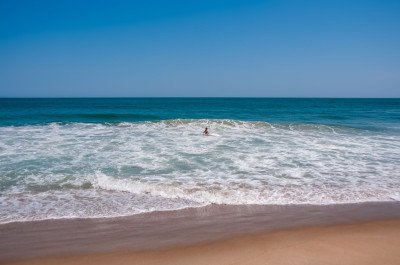
Bitra Beach
Some quick example text to build on the card title and make up the bulk of the card's content.
Go somewhere
Bitra Bird Breeding Ground
Some quick example text to build on the card title and make up the bulk of the card's content.
Go somewhere
Bitra Coastal Walk
Some quick example text to build on the card title and make up the bulk of the card's content.
Go somewhere
Bitra Coconut Grove
Some quick example text to build on the card title and make up the bulk of the card's content.
Go somewhere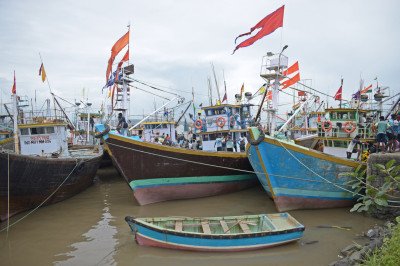
Bitra Harbour/Jetty
Some quick example text to build on the card title and make up the bulk of the card's content.
Go somewhere
Bitra Heliport
Some quick example text to build on the card title and make up the bulk of the card's content.
Go somewhere
Bitra Lagoon
Some quick example text to build on the card title and make up the bulk of the card's content.
Go somewhere
Bitra Mosque
Some quick example text to build on the card title and make up the bulk of the card's content.
Go somewhere
Coral Reef View
Some quick example text to build on the card title and make up the bulk of the card's content.
Go somewhere
Handicraft Display Area
Some quick example text to build on the card title and make up the bulk of the card's content.
Go somewhere
Local Boat Building Spot
Some quick example text to build on the card title and make up the bulk of the card's content.
Go somewhere
Malik Mulla Dargah
Some quick example text to build on the card title and make up the bulk of the card's content.
Go somewhere
Sea Bird Colony
Some quick example text to build on the card title and make up the bulk of the card's content.
Go somewhere
Snorkeling Point
Some quick example text to build on the card title and make up the bulk of the card's content.
Go somewhere
View of the Uninhabited Islets
Some quick example text to build on the card title and make up the bulk of the card's content.
Go somewhere
Village Well/Water Source
Some quick example text to build on the card title and make up the bulk of the card's content.
Go somewherein Other Cities