

Snorkeling Point
General information
-
Ideal Duration:
2 to 3 Hours (Including preparation and briefing)Place Type:
Adventure, Natural, Marine Life, Water SportsEntry Fees:
No Direct Entry Fee, but Activity Costs Apply: There is No Entry Fee to the shallow lagoon or the general snorkeling point. However, the activity is dependent on the mandatory rental of Snorkeling Gear (Mask, Fins, Snorkel) and the services of a local Certified Guide/Operat...No Direct Entry Fee, but Activity Costs Apply: There is No Entry Fee to the shallow lagoon or the general snorkeling point. However, the activity is dependent on the mandatory rental of Snorkeling Gear (Mask, Fins, Snorkel) and the services of a local Certified Guide/Operator.
Cost of Gear Rental and Guide Services: The cost for gear rental and the guide/boat service can range significantly, typically from Rs.500 to Rs.1,500 per person for a short, supervised session, depending on the operator and the duration. This fee is essential to ensure safety and equipment quality.
Mandatory Insurance and Package Costs: As with all Lakshadweep activities, the prerequisite is holding the valid tourist permit and being on an authorized tour package, which includes insurance and all transportation costs, representing the major expense for this activity.
:Timing:
Regular Timings and Activity Window: Snorkeling is generally offered during the island's dry, daylight hours, usually from 9:30 AM to 4:00 PM, as it is unsafe to be in the water after sunset. Activities are restricted during the monsoon months due to weather and sea conditi...Regular Timings and Activity Window: Snorkeling is generally offered during the island's dry, daylight hours, usually from 9:30 AM to 4:00 PM, as it is unsafe to be in the water after sunset. Activities are restricted during the monsoon months due to weather and sea conditions.
Ideal Visit Time for Visibility: The Ideal Visit Time is during the Mid-Morning (10:00 AM - 12:00 PM). During this time, the sun is high overhead, offering maximum light penetration into the shallow water, which is crucial for seeing the vibrant colors of the coral and fish. The water is also often at its calmest.
Checking Tide: Always consult the guide for the Tide Chart, as high tide can sometimes offer better access to certain reef sections, while low tide can expose coral, making navigation difficult and dangerous for the reef.
:Special Events:
The Annual Coral Monitoring Drive: The most important special 'event' is the local administration's or research groups' annual Coral Monitoring and Clean-up Drive. This involves a concerted effort to assess reef health and remove any marine debris from the lagoon, and while...The Annual Coral Monitoring Drive: The most important special 'event' is the local administration's or research groups' annual Coral Monitoring and Clean-up Drive. This involves a concerted effort to assess reef health and remove any marine debris from the lagoon, and while not a 'tourist event,' it reflects the importance of the site.
Seasonal Water Sports Competitions: Occasionally, small, local water sports competitions (like canoeing or swimming races) may be organized within the calm lagoon waters, showcasing the community's connection to the sea.
Conservation Awareness Weeks: Sometimes, during specific periods, the local government organizes Marine Conservation Awareness Weeks which may include short public lectures or documentary screenings about the local ecosystem.
:Best Photo Spots:
The Underwater World in its Full Glory: The best photo spot is, of course, Underwater. Capture the schools of fish swimming over the vibrant coral using a wide-angle lens for the vastness and a macro lens for the details of the coral polyps and small creatures.The Underwater World in its Full Glory: The best photo spot is, of course, Underwater. Capture the schools of fish swimming over the vibrant coral using a wide-angle lens for the vastness and a macro lens for the details of the coral polyps and small creatures.
Snorkeler Silhouettes: A great shot is taken from the water, capturing the silhouette of a snorkeler floating on the surface, looking down, with the sun's rays (sunburst effect) penetrating the clear water to the reef below.
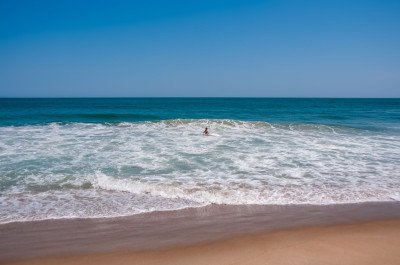
The Shoreline and the Water's Edge: The wide, sandy beach that meets the calm, clear turquoise of the lagoon creates a stunning contrast. A picture here captures the tranquil beauty of the whole scene.
:Photo Gallery
Things To Do
-
Snorkeling with a Local Guide: Rent the necessary gear (mask, snorkel, fins) and enter the water with a local, certified guide. They know the best, safest spots where the coral and fish density is highest and can point out camouflaged marine life. Spend time simply floating and observing the silent, colorful world beneath the surface.
Underwater Photography/Videography: Use a waterproof camera to capture the stunning clarity and the vibrant colors of the coral gardens and the schools of fish. Focus on the interplay of sunlight and water for dramatic shots.
Glass-Bottom Boat Ride: For those who prefer to stay dry, a glass-bottom boat ride over the same shallow reefs offers an equally impressive, non-intrusive view of the underwater ecosystem. This is an excellent alternative for non-swimmers. ...Snorkeling with a Local Guide: Rent the necessary gear (mask, snorkel, fins) and enter the water with a local, certified guide. They know the best, safest spots where the coral and fish density is highest and can point out camouflaged marine life. Spend time simply floating and observing the silent, colorful world beneath the surface.
Underwater Photography/Videography: Use a waterproof camera to capture the stunning clarity and the vibrant colors of the coral gardens and the schools of fish. Focus on the interplay of sunlight and water for dramatic shots.
Glass-Bottom Boat Ride: For those who prefer to stay dry, a glass-bottom boat ride over the same shallow reefs offers an equally impressive, non-intrusive view of the underwater ecosystem. This is an excellent alternative for non-swimmers.
Lagoon Swimming and Relaxing: The calm waters are ideal for a leisurely swim or simply floating on the surface. The lagoon water is often warmer than the open sea, making it very comfortable for long periods in the water.
Coral Reef Awareness: Participate in a short briefing or educational session provided by the local dive or water sports center (if available) to learn about the importance of coral conservation and responsible interaction with the reef.
Beach Combing and Observation: After snorkeling, take a quiet walk along the lagoon-side beach. You may find unique coral fragments or shells washed ashore. This provides a tactile connection to the marine environment you just experienced beneath the waves.
Stargazing from the Shore: The western lagoon beach, away from the tiny village's few lights, is an incredible spot for stargazing. The low light pollution and clear island air provide an unparalleled view of the night sky, a perfect post-snorkeling activity to appreciate the island's isolation.
:
Information
-
Why Famous:
The Safest and Clearest Lagoon: Bitra's lagoon is renowned for being one of the most calm and clear in the archipelago due to its size and geographic position. This makes it a superior and safer spot for surface activities like snorkeling than many other islands, particular...The Safest and Clearest Lagoon: Bitra's lagoon is renowned for being one of the most calm and clear in the archipelago due to its size and geographic position. This makes it a superior and safer spot for surface activities like snorkeling than many other islands, particularly for those new to the activity.
Unspoiled and Untouched Coral: Due to the island's extreme remoteness and very low tourist footfall, the coral formations in Bitra's lagoon are generally more pristine and less damaged compared to more heavily visited islands. This offers a more authentic and richer experience of the Arabian Sea's marine biodiversity.
Accessibility to All Ages: The shallow, warm, and non-current water ensures that the stunning underwater world is accessible to people of all ages and swimming abilities (with proper safety gear), making it a truly inclusive experience and a famous family-friendly highlight of the island.
: -
Architecture:
Natural Barrier and Coral Formation: The snorkeling point's "architecture" is completely natural, formed by the geological structure of the Bitra coral atoll. The extensive lagoon itself is the main feature. The reef wall, composed of ancient and live coral boulders, acts ...Natural Barrier and Coral Formation: The snorkeling point's "architecture" is completely natural, formed by the geological structure of the Bitra coral atoll. The extensive lagoon itself is the main feature. The reef wall, composed of ancient and live coral boulders, acts as a gigantic breakwater, creating the necessary calm water.
Dimension and Optimal Depth: The shallow nature is critical. The best snorkeling areas near the shore typically have a depth ranging from 1 meter to 4 meters, allowing the snorkeler to float safely while being close enough to the surface to see the coral and fish clearly. The lagoon spans 45. 61 sq. km, but the designated snorkeling zone is often a small, cordoned-off area close to the beach, offering easy entry and exit. The water visibility in the lagoon is exceptional, often exceeding 20 meters on calm days.
: -
How To Reach:
By Air and Sea (The Journey is Part of the Trip): Visitors fly to Agatti or take a ship from Kochi to the nearest major island (like Kadmat), and then take a regulated inter-island boat to Bitra.
On-Island Transfer: Once on Bitra, the snorke...By Air and Sea (The Journey is Part of the Trip): Visitors fly to Agatti or take a ship from Kochi to the nearest major island (like Kadmat), and then take a regulated inter-island boat to Bitra.
On-Island Transfer: Once on Bitra, the snorkeling point is easily reached either by a 5 to 10-minute walk from the jetty along the shore (for the near-shore spots) or a short, pre-arranged local boat ride within the lagoon to the deeper coral gardens. As the island is tiny, road transport is non-existent, and walking is the primary way to move around the main settlement. The entire trip is coordinated by the official tour operator.
: -
Weather and Best Time to Visit:
Different Types of Seasons: Winter (October to March) is the Best Time, offering the calmest seas and best water clarity (visibility) for snorkeling. The temperature is also cooler for activities. The Monsoon (June to September) is the worst time, with poor visibility and ...Different Types of Seasons: Winter (October to March) is the Best Time, offering the calmest seas and best water clarity (visibility) for snorkeling. The temperature is also cooler for activities. The Monsoon (June to September) is the worst time, with poor visibility and rough seas often leading to the cancellation of all water sports.
Different Parts of the Day: Mid-day (10:00 AM - 1:00 PM) is counter-intuitively the Best Time for maximum sun penetration, which enhances the coral colors. Early Morning is also good, but avoid the intense heat of the early afternoon.
: -
Near Tourist Places:
View of the Uninhabited Islets (Rs. 0. 4 KM - Viewable from the lagoon), Sea Bird Colony (Rs. 0. 8 KM - Via boat trip), Village Well/Water Source (Rs. 0. 5 KM), Malik Mulla Dargah (Rs. 0. 3 KM), Bitra Jetty/Helipad (0. 3 KM), Kadmat Snorkeling Point (76 KM - Inter-island ferry ride), Kavaratti Water Sports (146 KM - Inter-island ferry ride), Bangaram Island (118 KM - Inter-island ferry ride), Agatti Lagoon (108 KM), Pitti Island (Far, via ship).
Tourism Tips
-
Health & Safety (Reef-Safe Sunscreen and First Aid): Use Reef-Safe Sunscreen to protect the coral. Be cautious of sharp coral fragments; always wear fins or reef shoes when entering/exiting the water. Know the basic hand signals for distress and stay close to your guide.
Read MoreHealth & Safety (Reef-Safe Sunscreen and First Aid): Use Reef-Safe Sunscreen to protect the coral. Be cautious of sharp coral fragments; always wear fins or reef shoes when entering/exiting the water. Know the basic hand signals for distress and stay close to your guide.
Packing (Rash Guard and Underwater Camera): Pack a Rash Guard (full-sleeved swimwear) for sun protection and to prevent minor abrasions. A reliable Underwater Camera is a must-have for capturing the marine spectacle. Carry a small towel and drinking water in a reusable bottle.
Do Not Touch the Coral: This is a critical rule. Do not touch, step on, or stand on the coral in the shallow lagoon. Coral is a living organism and is extremely fragile; touching it kills it and can also cause cuts or stings. Maintain a floating posture at all times.
Respecting the Environment: Do not feed the fish or leave any litter in the lagoon. The lagoon's pristine nature depends entirely on the respectful behaviour of visitors.
:Reviews
FAQs
Bitra Itineray And Cost:-
Snorkeling Point Tourism:-
Other Places In Bitra :-
Other States In India :-
Information about New and Updated Locations() of Lakshadweep Has Been Added :-
Card subtitle
Note:-
Information provided here in good Faith and for reference only.
Near Places
Bitra Beach
Some quick example text to build on the card title and make up the bulk of the card's content.
Go somewhere
Bitra Bird Breeding Ground
Some quick example text to build on the card title and make up the bulk of the card's content.
Go somewhere
Bitra Coastal Walk
Some quick example text to build on the card title and make up the bulk of the card's content.
Go somewhere
Bitra Coconut Grove
Some quick example text to build on the card title and make up the bulk of the card's content.
Go somewhere
Bitra Harbour/Jetty
Some quick example text to build on the card title and make up the bulk of the card's content.
Go somewhere
Bitra Heliport
Some quick example text to build on the card title and make up the bulk of the card's content.
Go somewhere
Bitra Lagoon
Some quick example text to build on the card title and make up the bulk of the card's content.
Go somewhere
Bitra Mosque
Some quick example text to build on the card title and make up the bulk of the card's content.
Go somewhere
Coral Reef View
Some quick example text to build on the card title and make up the bulk of the card's content.
Go somewhere
Handicraft Display Area
Some quick example text to build on the card title and make up the bulk of the card's content.
Go somewhere
Local Boat Building Spot
Some quick example text to build on the card title and make up the bulk of the card's content.
Go somewhere
Malik Mulla Dargah
Some quick example text to build on the card title and make up the bulk of the card's content.
Go somewhere
Sea Bird Colony
Some quick example text to build on the card title and make up the bulk of the card's content.
Go somewhere
Snorkeling Point
Some quick example text to build on the card title and make up the bulk of the card's content.
Go somewhere
View of the Uninhabited Islets
Some quick example text to build on the card title and make up the bulk of the card's content.
Go somewhere
Village Well/Water Source
Some quick example text to build on the card title and make up the bulk of the card's content.
Go somewherein Other Cities