

Sea Bird Colony
General information
-
Ideal Duration:
1 to 2 Hours (Must be planned as a boat trip to the cay)Place Type:
Natural, Ecological, Wildlife ViewingEntry Fees:
Strict Ecological Preservation Policy: There are No Direct Entry Fees for the Sea Bird Colony area, as it is a natural, ecologically sensitive zone.
Boat and Tour Operator Charges: However, reaching the specific cay or sandbank (where the co...Strict Ecological Preservation Policy: There are No Direct Entry Fees for the Sea Bird Colony area, as it is a natural, ecologically sensitive zone.
Boat and Tour Operator Charges: However, reaching the specific cay or sandbank (where the concentration is highest) requires a boat trip, which involves significant costs. These charges are set by the government-approved tour operators and include the boat rental, fuel, and the cost of the mandatory local guide to ensure adherence to ecological rules.
Mandatory Permits and Fines: Access to this part of the atoll requires a specific permit from the local administration, beyond the general island entry permit. There are very severe fines for disturbing the birds, collecting eggs or feathers, or venturing into highly restricted nesting zones, emphasizing the need for absolute respect for the wildlife.
:Timing:
Regular Timings and Restricted Access: The colony is an ecologically sensitive area and its access is often Restricted to daylight hours, generally between 9:00 AM and 4:00 PM, as movement after dark is highly discouraged for both safety and conservation. Visits are strictl...Regular Timings and Restricted Access: The colony is an ecologically sensitive area and its access is often Restricted to daylight hours, generally between 9:00 AM and 4:00 PM, as movement after dark is highly discouraged for both safety and conservation. Visits are strictly regulated and require prior clearance.
Ideal Visit Time for Observation: The Ideal Visit Time is during the Peak Birding Season from November to March, when the most species, including migrants, are present. Within the day, the Early Morning (9:00 AM - 11:00 AM) is often best for observing active feeding behaviour, while the Late Afternoon (3:00 PM - 4:00 PM) is perfect for photography and seeing large groups returning.
Tidal and Breeding Considerations: The best time is also dependent on the tide (to access the sandbanks) and the current phase of the breeding cycle (to avoid disturbing eggs or very young chicks). Always consult with the local guide.
:Special Events:
Seasonal Nesting and Arrival Rhythms: The most special 'event' is the regular, seasonal Mass Nesting of the Sooty Terns and Brown Noddies. This occurs annually, usually peaking in the drier months, and is a spectacular natural phenomenon where thousands of birds congregate....Seasonal Nesting and Arrival Rhythms: The most special 'event' is the regular, seasonal Mass Nesting of the Sooty Terns and Brown Noddies. This occurs annually, usually peaking in the drier months, and is a spectacular natural phenomenon where thousands of birds congregate.
The Great Migration Layover: The temporary arrival of various migratory shorebirds during the winter, often in November and December, is a less-publicized but significant event. These stopovers are crucial for the birds' long-distance journeys.
Nature Photography Workshops: Although rare, the picturesque setting has occasionally hosted small, specialized nature photography workshops focused on capturing the avian and marine life of the atoll, attracting niche enthusiasts.
:Best Photo Spots:
Birds in Flight Against the Blue Sky: Capture the dramatic sight of the seabirds circling or flying low over the water, with the clear blue sky or the deeper blue of the Arabian Sea as a backdrop. A telephoto lens is essential for this.
The Cor...Birds in Flight Against the Blue Sky: Capture the dramatic sight of the seabirds circling or flying low over the water, with the clear blue sky or the deeper blue of the Arabian Sea as a backdrop. A telephoto lens is essential for this.
The Coral Sand and Nesting Habitat: Wide-angle shots that frame the expanse of the untouched white coral sandbanks, focusing on the minimal vegetation and the birds scattered across the ground, convey the harsh, beautiful nature of their nesting site.
Sunset Silhouette with Birds: An iconic photo is a silhouette of the birds returning to the cay at dusk, with the stunning Lakshadweep sunset providing a fiery backdrop. This captures the moment of peak activity and the natural beauty of the remote location.
:Photo Gallery
Things To Do
-
Seasonal Birdwatching and Observation: The primary activity is observing the sea birds, particularly the nesting Sooty Terns and Brown Noddies, from a safe and respectful distance. Use binoculars or a zoom lens to avoid disturbing the sensitive nesting or roosting birds, especially during the peak breeding season, typically from November to March.
Photography of Avian Life: Capture the spectacle of the birds in flight, particularly the "fly-past" or the sight of the tattlers, sandpipers, and plovers congregating on the sandbanks. Focus on action shots or the subtle beauty of a single bird on the white coral sand.
Nature Conservation Awareness: Visitors can engage in learning about the local conservation efforts and the challenges faced by the birds due to climate change and human impact, perhap...Seasonal Birdwatching and Observation: The primary activity is observing the sea birds, particularly the nesting Sooty Terns and Brown Noddies, from a safe and respectful distance. Use binoculars or a zoom lens to avoid disturbing the sensitive nesting or roosting birds, especially during the peak breeding season, typically from November to March.
Photography of Avian Life: Capture the spectacle of the birds in flight, particularly the "fly-past" or the sight of the tattlers, sandpipers, and plovers congregating on the sandbanks. Focus on action shots or the subtle beauty of a single bird on the white coral sand.
Nature Conservation Awareness: Visitors can engage in learning about the local conservation efforts and the challenges faced by the birds due to climate change and human impact, perhaps by reading up on the area's ecological reports or speaking with the local administration.
Kayaking or Canoeing Near the Cay: If permitted, use a quiet, non-motorized kayak or canoe to approach the bird-inhabited cay or sandbank from the lagoon side. This offers a silent, low-impact way to view the area from the water, which is often less intrusive to the birds than walking on the land. Always maintain a large buffer zone.
Collecting Sea Shells (Responsibly): On the non-protected parts of the sandbank or shoreline, you may find unique sea shells and coral fragments. Collect these responsibly, taking only those that are empty and being mindful not to disturb the natural beach ecosystem. The experience is one of quiet appreciation and ecological immersion.
Sunset Viewing from the Northern Tip: Since the cay is one of the furthest points, if a boat trip is planned, staying for the sunset provides a spectacular, unobstructed view over the Arabian Sea, often with the birds returning to roost, adding a wild, natural element to the scenic view. This requires pre-arrangement with the boat operator and administration for safe return.
Ecological Study and Journaling: Bring a notebook and journal your observations of the birds, the tide, and the ecological conditions. The remoteness makes it an ideal spot for dedicated naturalists to conduct small-scale, non-intrusive studies.
:
Information
-
Why Famous:
Ecological History and Avian Heritage: The historical fame of Bitra is as a former seabird sanctuary, a status it held until the mid-19th century. Although the main colony moved or dissipated due to initial human activity, its lagoon and outer sandbanks continue to be a sig...Ecological History and Avian Heritage: The historical fame of Bitra is as a former seabird sanctuary, a status it held until the mid-19th century. Although the main colony moved or dissipated due to initial human activity, its lagoon and outer sandbanks continue to be a significant staging ground for migratory birds and a smaller breeding site for native species like the Sooty Terns and Brown Noddies.
A Fragile and Protected Ecosystem: The colony highlights the fragile marine ecosystem of the Lakshadweep islands. It is one of the few places where certain pelagic birds can be observed relatively close to an inhabited island, serving as a natural spectacle that underscores the need for environmental protection in this coral-rich environment.
Unique Birdwatching in a Remote Setting: It offers a unique opportunity for birdwatching, specializing in pelagic species in a remote, pristine Arabian Sea setting, which is a niche draw for naturalists and ecologists.
: -
Architecture:
Natural Habitat and Minimal Human Interference: The "architecture" of the Sea Bird Colony is entirely natural and defined by the island's unique coral atoll geography. The site is characterized by open stretches of coarse coral sand, accumulated coral debris (shingles), and...Natural Habitat and Minimal Human Interference: The "architecture" of the Sea Bird Colony is entirely natural and defined by the island's unique coral atoll geography. The site is characterized by open stretches of coarse coral sand, accumulated coral debris (shingles), and low-lying, hardy coastal vegetation like Scaevola sericea (a laurel shrub), which offers minimal cover but is sufficient for the birds to nest.
Dimension and Nesting Grounds: The area is not a constructed zone, but a natural, low-elevation terrain (Rs. 1-2 meters above sea level) on the northern end of the atoll. The specific nesting area can shift annually, covering an approximate 500 meters (length)×200 meters (width) on the quieter, less-disturbed parts of the cay. The nests themselves are extremely simple, often just a slight scrape in the sand or on a coral boulder, with no man-made structures involved. The ecological design is one of maximum exposure to the elements and minimal physical protection, relying on the sheer remoteness for safety.
: -
How To Reach:
By Air (Indirect Access): Travel is via Agatti Airport (AGX), followed by an inter-island ferry or government boat to Bitra. From Bitra's jetty, a small, locally-piloted boat is the only way to reach the specific sandbanks of the Sea Bird Colony at the northern end of the a...By Air (Indirect Access): Travel is via Agatti Airport (AGX), followed by an inter-island ferry or government boat to Bitra. From Bitra's jetty, a small, locally-piloted boat is the only way to reach the specific sandbanks of the Sea Bird Colony at the northern end of the atoll.
By Train and Road (Not Possible): The location is a remote cay in the sea, with No Rail or Road Access. Travel up to Kochi railway station is the mainland option, followed by the lengthy sea voyage.
By Local Transport (Regulated Boat): The essential transport is a Government-Regulated Tourist Boat or a local fishing vessel, specifically hired for the trip from the Bitra jetty. This trip is mandatory for safety and to ensure the visit complies with strict environmental regulations. The journey takes Rs. 15-20 minutes by boat across the lagoon.
: -
Weather and Best Time to Visit:
Different Types of Seasons: Winter (October to March) is the undisputed Best Time, as the seas are calm for boat trips, and this period aligns with the Nesting Season and the arrival of Migratory Birds. The hot summer (April to May) is manageable but less comfortable, while...Different Types of Seasons: Winter (October to March) is the undisputed Best Time, as the seas are calm for boat trips, and this period aligns with the Nesting Season and the arrival of Migratory Birds. The hot summer (April to May) is manageable but less comfortable, while the Monsoon (June to September) is unsafe for boat trips and should be avoided entirely due to strong currents and heavy rains.
Different Parts of the Day: Early Morning is best to see the birds taking off to feed and for comfortable temperature, while late afternoon offers dramatic lighting. Consult the local guide on the optimal time based on bird activity and tide, as conditions change rapidly.
: -
Near Tourist Places:
Snorkeling Point (Rs. 0. 8 KM), View of the Uninhabited Islets (Rs. 0. 4 KM), Bitra Lagoon Area (Surrounds the area), Malik Mulla Dargah (Rs. 1 KM), Village Well/Water Source (Rs. 1 KM), Chetlat Island (41 KM - Birdwatching can be combined), Pitti Bird Sanctuary (The other major bird island - far away, via inter-island ship), Perumal Par (33 KM - Uninhabited reef to the south), Byramgore Reef (41 KM - Uninhabited reef to the northwest), Agatti Island (108 KM - Via inter-island ferry).
Tourism Tips
-
Health & Safety (Sun Protection and Boat Safety): Wear high-factor, reef-safe Sunscreen, a broad-brimmed hat, and polarized sunglasses, as the reflection off the white sand and water is intense. Always wear a Life Jacket when on the small boat and follow all instructions fr...Health & Safety (Sun Protection and Boat Safety): Wear high-factor, reef-safe Sunscreen, a broad-brimmed hat, and polarized sunglasses, as the reflection off the white sand and water is intense. Always wear a Life Jacket when on the small boat and follow all instructions from the boat operator.
Packing (Binoculars and Zoom Lens): Binoculars are the most crucial item for viewing birds from a distance without disturbance. A high-quality Zoom Lens is essential for photography. Pack a light rain jacket or windbreaker for the boat ride.
Conservation Ethics (Leave No Trace): This is a highly protected area. Practice Strict Leave No Trace principles. Do not leave any garbage, especially plastic. Do not attempt to approach the birds, touch any eggs or chicks, or feed the wildlife. Stay with your official guide at all times.
Permits and Administration: Ensure your guide has all the necessary permits before you leave the Bitra jetty, as unauthorized entry can lead to immediate legal issues and a halt to your trip.
:
Reviews
FAQs
Bitra Itineray And Cost:-
Other Places In Bitra :-
Other States In India :-
Information about New and Updated Locations() of Lakshadweep Has Been Added :-
Card subtitle
Note:-
Information provided here in good Faith and for reference only.
Near Places
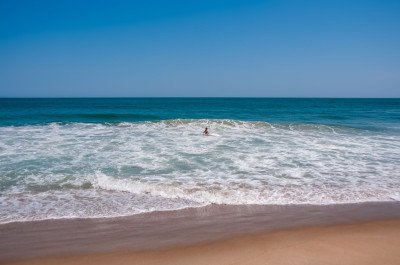
Bitra Beach
Some quick example text to build on the card title and make up the bulk of the card's content.
Go somewhere
Bitra Bird Breeding Ground
Some quick example text to build on the card title and make up the bulk of the card's content.
Go somewhere
Bitra Coastal Walk
Some quick example text to build on the card title and make up the bulk of the card's content.
Go somewhere
Bitra Coconut Grove
Some quick example text to build on the card title and make up the bulk of the card's content.
Go somewhere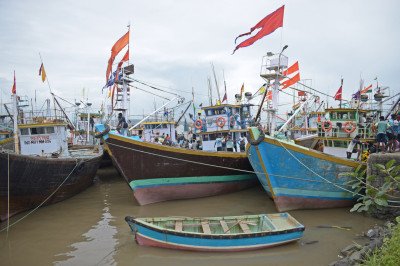
Bitra Harbour/Jetty
Some quick example text to build on the card title and make up the bulk of the card's content.
Go somewhere
Bitra Heliport
Some quick example text to build on the card title and make up the bulk of the card's content.
Go somewhere
Bitra Lagoon
Some quick example text to build on the card title and make up the bulk of the card's content.
Go somewhere
Bitra Mosque
Some quick example text to build on the card title and make up the bulk of the card's content.
Go somewhere
Coral Reef View
Some quick example text to build on the card title and make up the bulk of the card's content.
Go somewhere
Handicraft Display Area
Some quick example text to build on the card title and make up the bulk of the card's content.
Go somewhere
Local Boat Building Spot
Some quick example text to build on the card title and make up the bulk of the card's content.
Go somewhere
Malik Mulla Dargah
Some quick example text to build on the card title and make up the bulk of the card's content.
Go somewhere
Sea Bird Colony
Some quick example text to build on the card title and make up the bulk of the card's content.
Go somewhere
Snorkeling Point
Some quick example text to build on the card title and make up the bulk of the card's content.
Go somewhere
View of the Uninhabited Islets
Some quick example text to build on the card title and make up the bulk of the card's content.
Go somewhere
Village Well/Water Source
Some quick example text to build on the card title and make up the bulk of the card's content.
Go somewherein Other Cities