

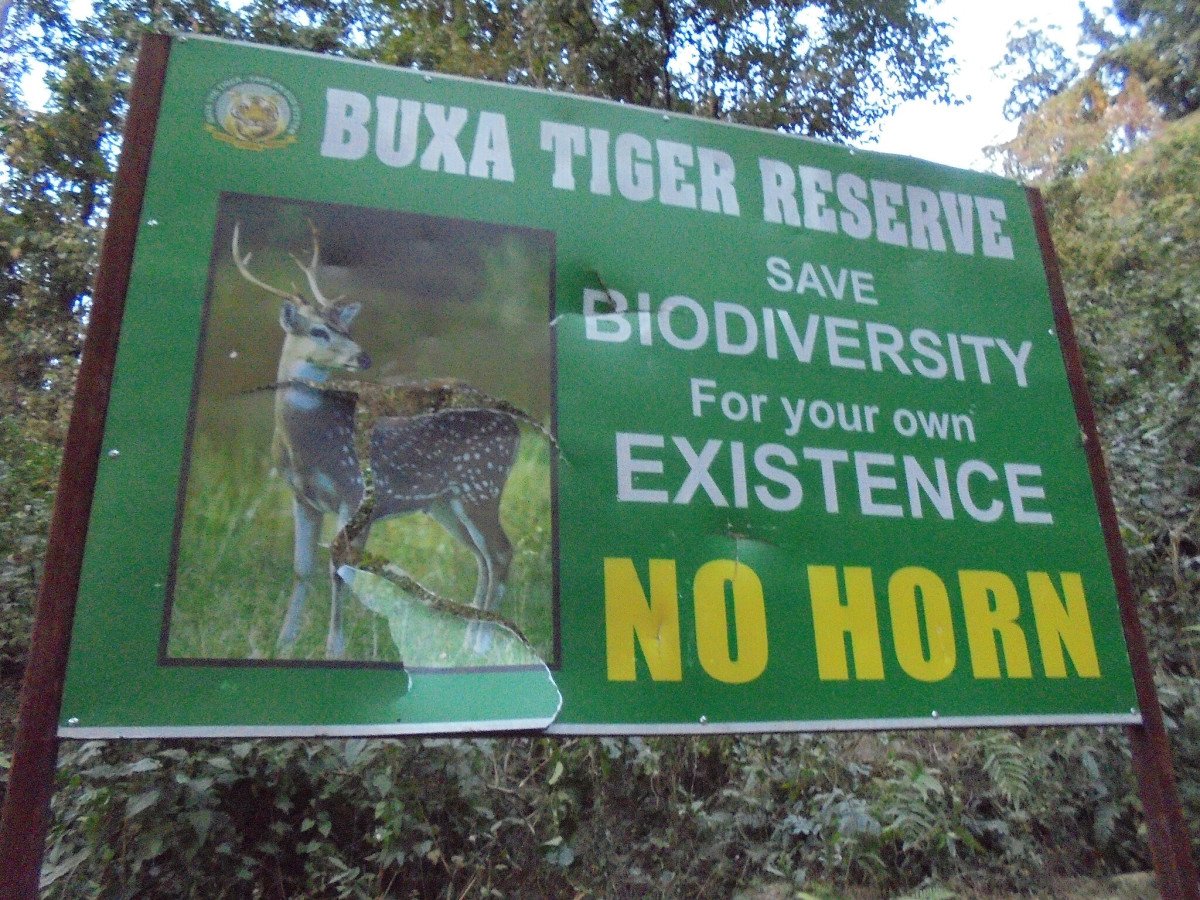

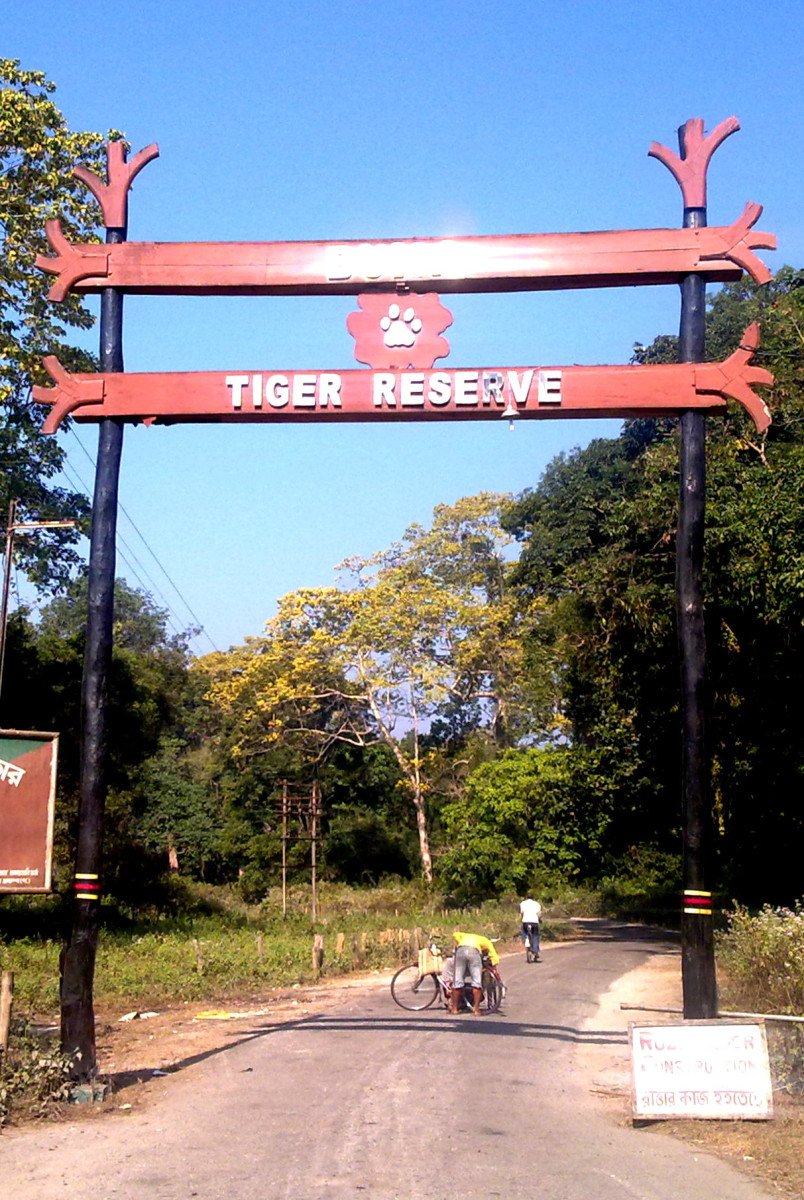
Buxa Tiger Reserve
General information
-
Ideal Duration:
2 to 3 Days (To complete the main treks and enjoy the Jayanti riverbed. )Place Type:
Tiger Reserve / Trekking DestinationEntry Fees:
Entry Permits and Trekking Fees: Since Buxa is primarily a Tiger Reserve and a protected forest area, entry is strictly regulated, especially for treks and safaris originating from Rajabhatkhawa or Jayanti.
Forest Entry Permit (Per Person):...Entry Permits and Trekking Fees: Since Buxa is primarily a Tiger Reserve and a protected forest area, entry is strictly regulated, especially for treks and safaris originating from Rajabhatkhawa or Jayanti.
Forest Entry Permit (Per Person): The mandatory fee for Indian nationals is generally around Rs.60 to Rs.100, and for foreigners, it is higher, typically Rs.200 to Rs.400. This fee is collected at the entry gate, usually Rajabhatkhawa.
Guide Fees (Mandatory): A local forest guide is compulsory for all treks (including Buxa Fort and Jayanti Mahakal Cave) and safaris. The guide fee is usually standardized, ranging from Rs.300 to Rs.500 per trip, depending on the length of the trek.
Vehicle and Activity Costs:
Vehicle Entry/Parking: If you drive to Jayanti or other accessible points, a charge for vehicle entry into the forest area is applicable, around Rs.250.
Jeep Safari (Optional): Jeep safaris are available, particularly in the lower Rajabhatkhawa range, with a cost similar to other Dooars parks (approx. Rs.2,500 to Rs.4,500 per vehicle, including driver).
Special Activity Costs:
Sikiajhora Boat Trip: The charge for the non-motorized boat safari on the Sikiajhora stream is usually a small, separate fee, typically Rs.200 to Rs.300 per person, which covers the boatman and local forest worker charges. Always carry small change for these local transactions.Timing:
Regular Timings: The reserve gates for entry and exit, particularly at Rajabhatkhawa, are generally open from 6:00 AM to 5:00 PM, but this can vary. Treks like the Buxa Fort route must be started early (before 8:00 AM) to ensure completion and return before sunset, especial...Regular Timings: The reserve gates for entry and exit, particularly at Rajabhatkhawa, are generally open from 6:00 AM to 5:00 PM, but this can vary. Treks like the Buxa Fort route must be started early (before 8:00 AM) to ensure completion and return before sunset, especially during the shorter winter months.
Jeep Safari Slots: If available, safaris usually run from 6:00 AM to 10:00 AM and again from 2:00 PM to 5:00 PM.
Forest Closure: Like all Dooars parks, the core area of Buxa and most activities remain closed during the heavy monsoon season, usually from mid-June to mid-September.
Ideal Visit Time: The absolute ideal time to visit is during the winter months (November to February). This period offers perfect weather for strenuous activities like trekking to the Buxa Fort and Lepchakha. The clear, crisp air also provides the best visibility for the panoramic views of the Dooars plains and Bhutan hills from the high-altitude viewpoints. For trekking to the Mahakal Cave in Jayanti, the time right after the monsoon (October and November) is also rewarding, as the river may still have some water flow, making the riverbed walk more interesting.Special Events:
Shivratri Festival at Mahakal Cave: The most significant special event tied to the Buxa region is the annual Maha Shivratri festival, typically falling in the month of February or March. During this time, the Mahakal Cave in Jayanti becomes a major pilgrimage site. Thousan...Shivratri Festival at Mahakal Cave: The most significant special event tied to the Buxa region is the annual Maha Shivratri festival, typically falling in the month of February or March. During this time, the Mahakal Cave in Jayanti becomes a major pilgrimage site. Thousands of devotees, both local and from neighboring Bhutan and Nepal, undertake the trek to the cave to offer prayers to Lord Shiva. This transforms the tranquil jungle trail into a bustling, spiritual path, offering a rare opportunity for visitors to witness a vibrant cultural confluence set deep within the wilderness.Best Photo Spots:
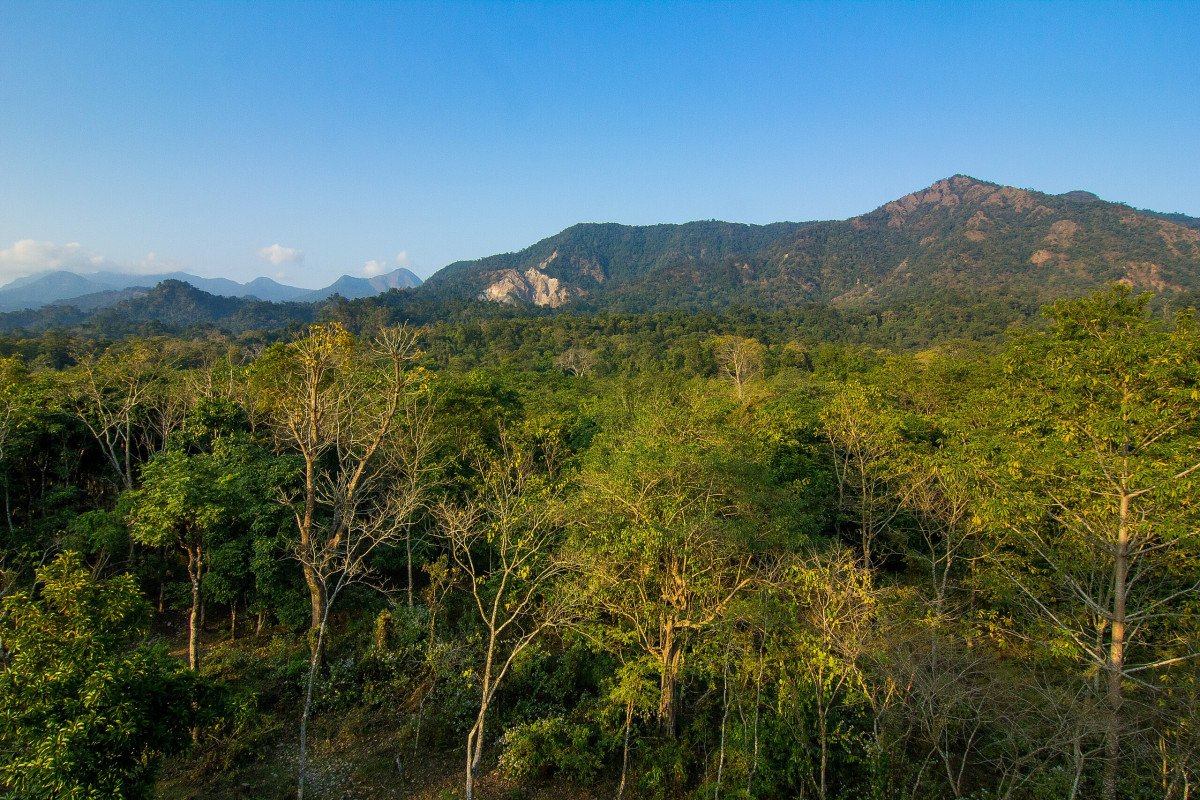
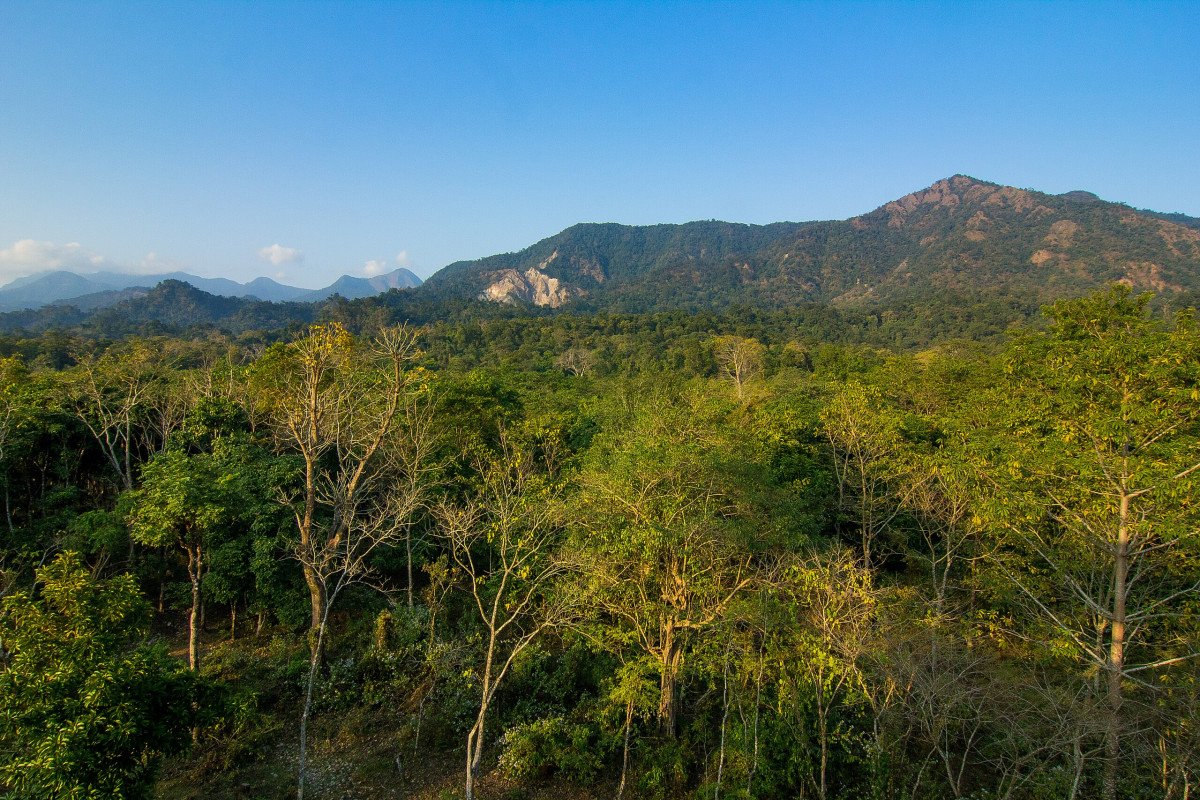
Jayanti Riverbed and Hills: The wide, rocky riverbed of the Jayanti River, especially in the winter, offers a stunning foreground of white stones leading up to the towering, lush green hills of Bhutan in the background. Photographers should capture the dramatic scale of the...Jayanti Riverbed and Hills: The wide, rocky riverbed of the Jayanti River, especially in the winter, offers a stunning foreground of white stones leading up to the towering, lush green hills of Bhutan in the background. Photographers should capture the dramatic scale of the valley, emphasizing the contrast between the dry riverbed and the dense forest. Early morning light, when the mist settles between the hills, is magical for soft, diffused landscape shots, offering the classic 'Queen of Dooars' postcard view.
Viewpoint from Lepchakha: The panoramic view from Lepchakha is incomparable. This high vantage point allows for a sweeping vista of the entire Dooars floodplains, with the numerous silver rivers meandering across the green carpet of tea gardens and forests. The best time is during sunrise or sunset, where the entire valley is bathed in golden light. A wide-angle lens is essential here to capture the sheer expanse and the dramatic curvature of the earth.
Buxa Fort Ruins: The architectural decay of the old colonial stone fort, set against the backdrop of the dense Himalayan forest, provides highly photogenic contrast. Focus on the crumbling stone walls, the arches, and the remaining colonial structures. Capturing the overgrown vegetation reclaiming the prison cells emphasizes the blend of history and nature. This spot is perfect for black-and-white or high-contrast artistic photography, especially during a slightly overcast day for dramatic effect.Photo Gallery

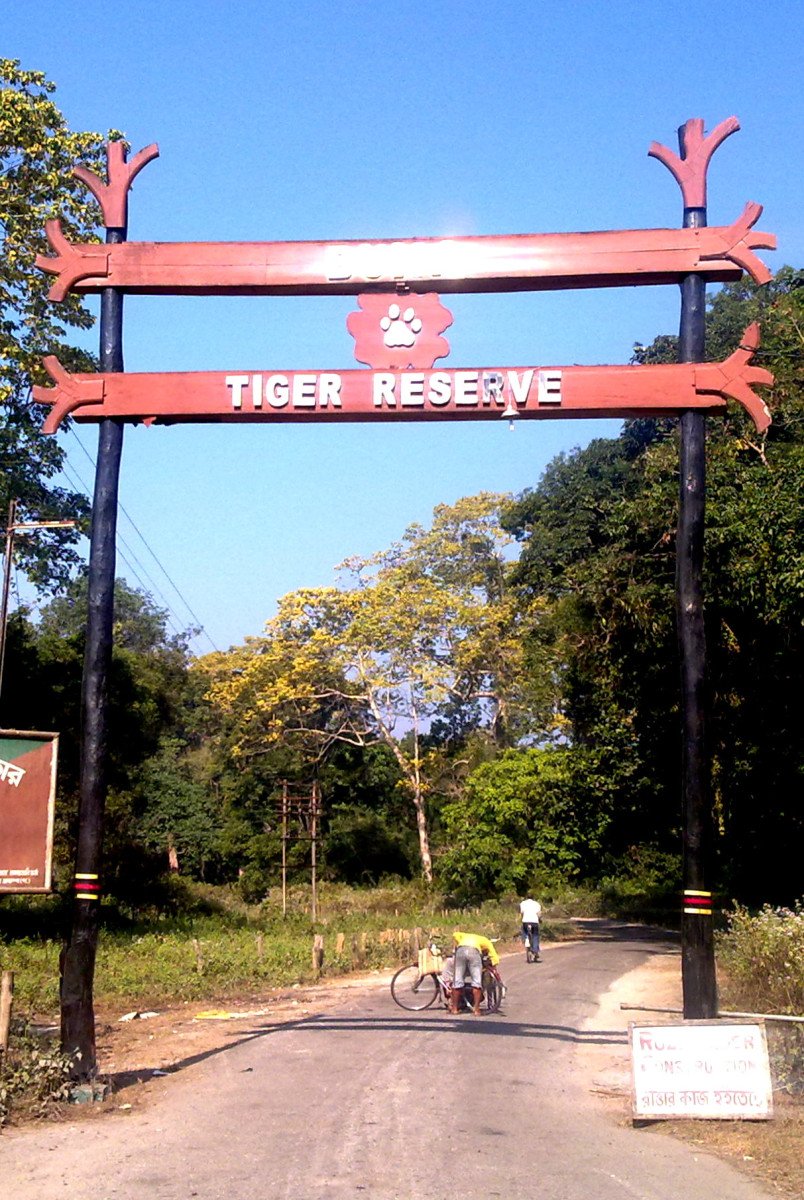
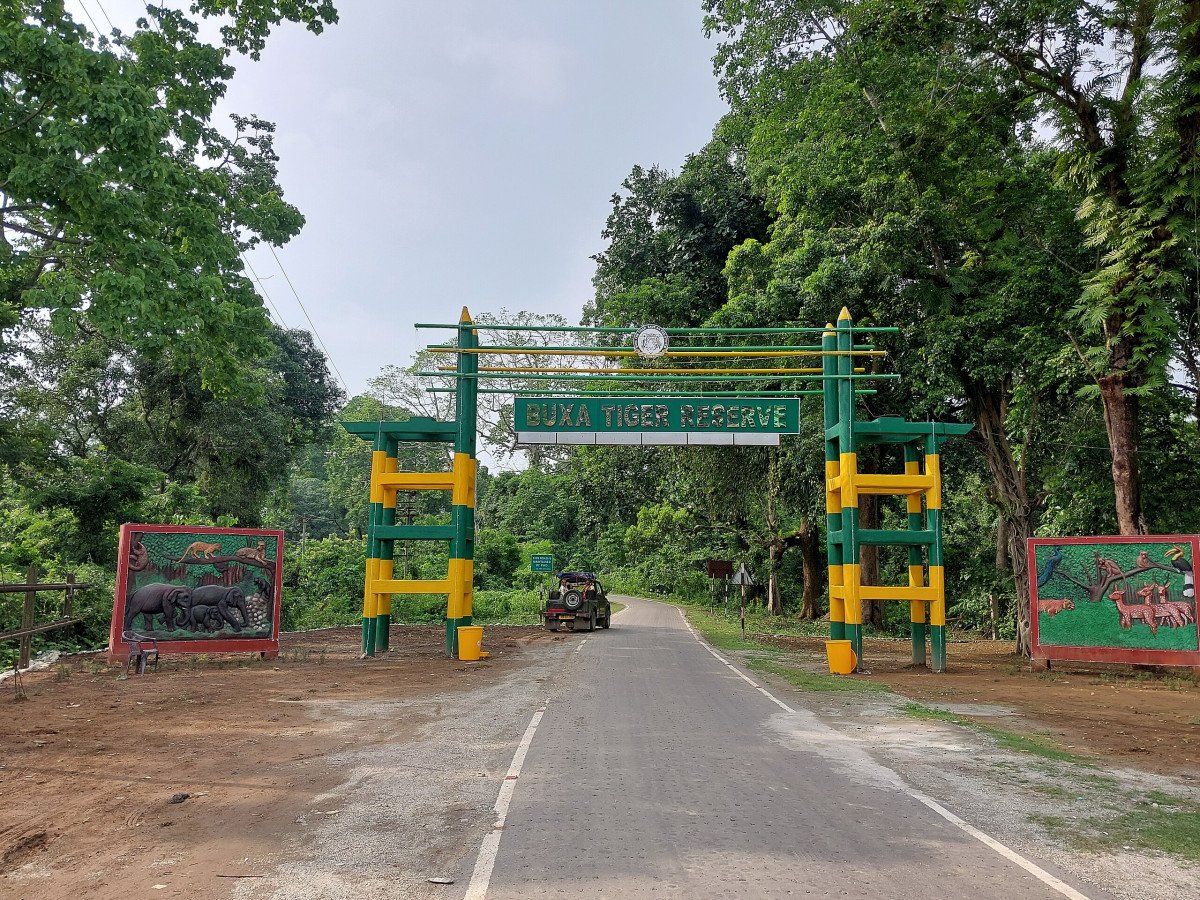
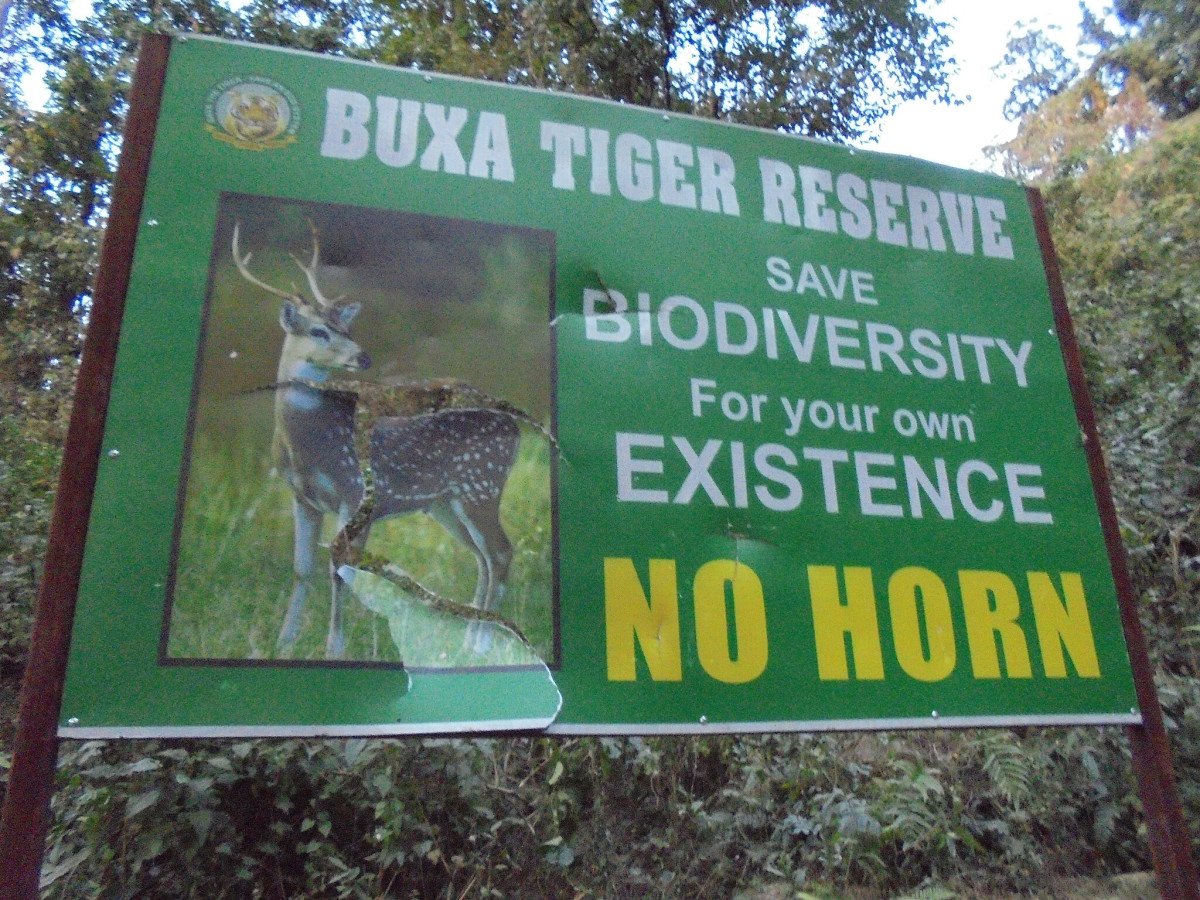

Things To Do
-
Trekking to Buxa Fort and Lepchakha Village:
A Historical Ascent: The primary activity in Buxa is trekking. The most popular route is the hike starting from Santrabari to the Buxa Fort (about 5 KMs, taking 2 hours). This path is moderately challenging, winding through dense forest. From the fort, you can extend the trek another 3. 5 KMs uphill to the beautiful village of Lepchakha, which is highly rewarding for its unparalleled views of the entire Dooars valley and the distant Bhutan hills. These treks combine historical exploration with physical activity and natural beauty, requiring sturdy shoes and a mandatory forest guide.
Exploring the Jayanti Riverbed and Mahakal Cave: A visit to Jayanti is essential. Tourists can spend hours walking along the vast riverbed, which is largely dry in win...
Hotels
● Anuj Homestay
Address: Alipurduar, West Bengal
Distance: 17 km
Details: Introduction: Anuj Homestay is a quaint, affordable option managed by StayApart. Facilities: It focuses on providing a genuine home-style stay experie...
● Buxa Jungle Lodge
Address: Rajabhatkhawa, Alipurduar, West Bengal
Distance: 1 km
Details: Introduction: The Buxa Jungle Lodge is a government-run facility by WBFDC, offering an authentic forest experience. Facilities: It provides comfortabl...
● Hebron Haven
Address: Jaigaon, West Bengal
Distance: 40 km
Details: Introduction: Hebron Haven is a highly-rated, peaceful homestay known for its exceptional hospitality. Facilities: It offers clean, air-conditioned ro...
● Hotel Dooars Hilton
Address: Alipurduar, West Bengal
Distance: 16 km
Details: Introduction: Hotel Dooars Hilton is a straightforward hotel offering comfortable stays for tourists visiting the Buxa region. Facilities: The hotel f...
● Hotel Dooars Mountain
Address: Alipurduar, West Bengal
Distance: 16 km
Details: Introduction: This hotel provides budget-friendly accommodation in the heart of Alipurduar. Facilities: It offers standard rooms with essential amenit...
● Hotel Satyam
Address: Jaigaon, West Bengal
Distance: 40 km
Details: Introduction: Hotel Satyam is a budget-friendly option located right in front of the Bhutan immigration gate. Facilities: It provides simple, well-mai...
● Hotel Vianta Jaigaon
Address: Jaigaon, West Bengal
Distance: 40 km
Details: Introduction: Hotel Vianta is a premium choice located near the Bhutan border. Facilities: It features spacious, modern air-conditioned rooms, free Wi...
● Humro Home Buxa
Address: Rajabhatkhawa, Alipurduar, West Bengal
Distance: 1.5 km
Details: Introduction: Humro Home Buxa is a cozy eco-resort located in the heart of Rajabhatkhawa forest village. Facilities: The property offers five well-mai...
● Karma Stay Apartments
Address: Jaigaon, West Bengal
Distance: 41 km
Details: Introduction: Karma Stay offers 2BHK apartments providing a home-away-from-home experience. Facilities: The property includes a garden, terrace, free ...
● Maa Greenery View
Address: Alipurduar, West Bengal
Distance: 15 km
Details: Introduction: Maa Greenery View is a resort-style accommodation located in Alipurduar. Facilities: It boasts both indoor and outdoor pools, a fitness ...
Show AllRestaurants
● Forest Nook
Address: Near Core Area, Buxa, West Bengal
Distance: 2
Details: This charming nook is tucked away in the forest, offering an intimate dining experience for visitors. The menu is intentionally small, focusing on per...
Food List: 'Village Chicken', 'Steam Rice', 'Lime Soda', 'Sea...
● Forest View Dhaba
Address: National Highway 31C, near Buxa, West Bengal
Distance: 10
Details: This classic dhaba on the highway is a lifeline for long-distance travelers. It is known for its consistent quality and generous portions. The Must Tr...
Food List: 'Tandoori Roti', 'Aloo Gobi', 'Masala Tea', 'Dal T...
● Jungle Terrace
Address: Buxa Reserve Boundary, West Bengal
Distance: 3.2
Details: Featuring an outdoor terrace that overlooks the dense forest, this restaurant offers an unmatched dining atmosphere. The menu emphasizes traditional r...
Food List: 'Grilled Fish', 'Chicken Soup', 'Roasted Potatoes'...
● Reserve Retreat Cafe
Address: Rajabhatkhawa, West Bengal
Distance: 0.5
Details: This cafe offers a relaxed environment near the visitor center, perfect for planning the day's itinerary. The menu includes both international and loc...
Food List: 'Club Sandwich', 'Iced Coffee', 'Chocolate Cake', ...
● River Breeze Restaurant
Address: Jayanti River Front, West Bengal
Distance: 6
Details: Located near the river, this restaurant takes advantage of the cool breeze to provide a refreshing dining experience. Their menu features a variety of...
Food List: 'Tribal Fish', 'Chili Momos', 'Fried Rice', 'Chowm...
Show AllInformation
-
Why Famous:
Historical Significance of Buxa Fort: Buxa stands out because it combines natural beauty with deep history. The Buxa Fort is renowned as one of the oldest forts in Eastern India and holds immense national significance. Its use as a high-security prison for Indian freedom f...Historical Significance of Buxa Fort: Buxa stands out because it combines natural beauty with deep history. The Buxa Fort is renowned as one of the oldest forts in Eastern India and holds immense national significance. Its use as a high-security prison for Indian freedom fighters during British rule, earning it the nickname 'The Second Andamans,' makes it a potent site of historical pilgrimage and a key reason tourists visit.
The Trekking Routes: The reserve is most famous among adventure tourists for its rewarding and challenging trekking routes. The trek from Santrabari to Buxa Fort and the journey to the picturesque hilltop village of Lepchakha offer spectacular views of the entire Dooars plain and the Bhutan hills. The popular trek along the dry riverbed of the Jayanti to the Mahakal Cave is also a major draw.
The River Jayanti: The serene and wide riverbed of the Jayanti River is an attraction in its own right. Often dry in winter, the white river stones and the view of the surrounding hills, which form a natural border with Bhutan, make the valley extremely scenic. The tranquil beauty of Jayanti has earned it the nickname 'Queen of the Dooars,' which significantly boosts its fame. -
Architecture:
Historical and Natural Structural Interplay: The architecture in Buxa is a unique mix of historical colonial structures and geological formations, integrated into the wilderness.
The Buxa Fort: The most prominent structure is the Buxa Fort,...Historical and Natural Structural Interplay: The architecture in Buxa is a unique mix of historical colonial structures and geological formations, integrated into the wilderness.
The Buxa Fort: The most prominent structure is the Buxa Fort, perched at an altitude of 867 meters. Originally built by the King of Bhutan, it was later used by the British as a detention camp for freedom fighters. The fort s architecture is colonial and robust, primarily built with large stones and mortar. Its dimensions are not fixed but spread over a significant area on the ridge, containing barracks, administrative buildings, and prison cells. It stands as a powerful, somber historical monument, with stone walls and arched entrances, contrasting sharply with the wild, natural surroundings. The main courtyard is roughly 150 feet by 100 feet.
Natural Architecture:
The Mahakal Caves: The Mahakal Caves near Jayanti represent natural, subterranean architecture. These are cylindrical limestone caves formed by millennia of water erosion. They are revered as a site of worship for Lord Shiva. The main cave entrance is relatively small, but the internal passages stretch for several meters, with varying ceiling heights and widths, naturally sculpted by the rock and water. The dimensions are fluid, but the main prayer area often has a diameter of 10 to 15 feet.
Forest Bungalows and Watchtowers: Similar to other Dooars forests, small watchtowers and basic forest bungalows are found near the entry points like Rajabhatkhawa and the Jayanti riverbank. These are simple, elevated structures, sometimes built entirely of wood, designed to be inconspicuous and functional, prioritizing local materials and a minimalist footprint to protect the fragile mountainous ecosystem. -
How To Reach:
By Air: The nearest airport is Bagdogra Airport (IXB), located roughly 170 KMs away from the entry point of Rajabhatkhawa. The road journey from Bagdogra to Buxa is the longest among the major Dooars destinations, typically taking 4 to 5 hours by taxi. It is highly recomme... -
Near Tourist Places:
Jayanti (14 KMs): Queen of the Dooars, famous for its riverbed and the Mahakal Cave.
Lepchakha Village (17 KMs via trek): Hilltop village with panoramic views of the entire Dooars valley.
Raimatang (45 KMs): Remote forest village accessible by jeep, ideal for isolation.
Sikiajhora (30 KMs): Known for the quiet, non-motorized boat safari on the stream.
Chilapata Forest (45 KMs): Known for Nalraja Garh ruins and elephant sightings.
Jaldapara National Park (55 KMs): Famous for the Indian one-horned rhinoceros.
Cooch Behar Palace (80 KMs): Historical landmark with colonial architecture.
Totopara Village (70 KMs): Home of the Toto tribe.
Alipurduar (25 KMs): Nearest large city/district headquarters for supplies.
Hasimara (40 KMs): Major transit point and nearest rail station after Alipurduar.
Tourism Tips
-
Health & Safety:
Trekking Gear: Carry sturdy, waterproof trekking shoes with good ankle support. The trails to the fort and Mahakal Cave are rocky and uneven.
Trek Hydration: Always carry ample wat...
Reviews
Dooars Itineray And Cost:-
Buxa Tiger Reserve Tourism:-
Information about New and Updated Locations() of West Bengal Has Been Added :-
Card subtitle
Note:-
Information provided here in good Faith and for reference only.
All information and pictures will be updated soon, please keep visiting.
Near Places
Bhutanghat
Some quick example text to build on the card title and make up the bulk of the card's content.
Go somewhere
Bindu
Some quick example text to build on the card title and make up the bulk of the card's content.
Go somewhere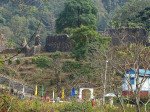
Buxa Fort
Some quick example text to build on the card title and make up the bulk of the card's content.
Go somewhere
Buxa Tiger Reserve
Some quick example text to build on the card title and make up the bulk of the card's content.
Go somewhere
Chapramari Wildlife Sanctuary
Some quick example text to build on the card title and make up the bulk of the card's content.
Go somewhere
Chilapata Forest
Some quick example text to build on the card title and make up the bulk of the card's content.
Go somewhere
Gorumara National Park
Some quick example text to build on the card title and make up the bulk of the card's content.
Go somewhere
Jaldapara National Park
Some quick example text to build on the card title and make up the bulk of the card's content.
Go somewhere
Jayanti
Some quick example text to build on the card title and make up the bulk of the card's content.
Go somewhere
Jhalong
Some quick example text to build on the card title and make up the bulk of the card's content.
Go somewherein Other Cities