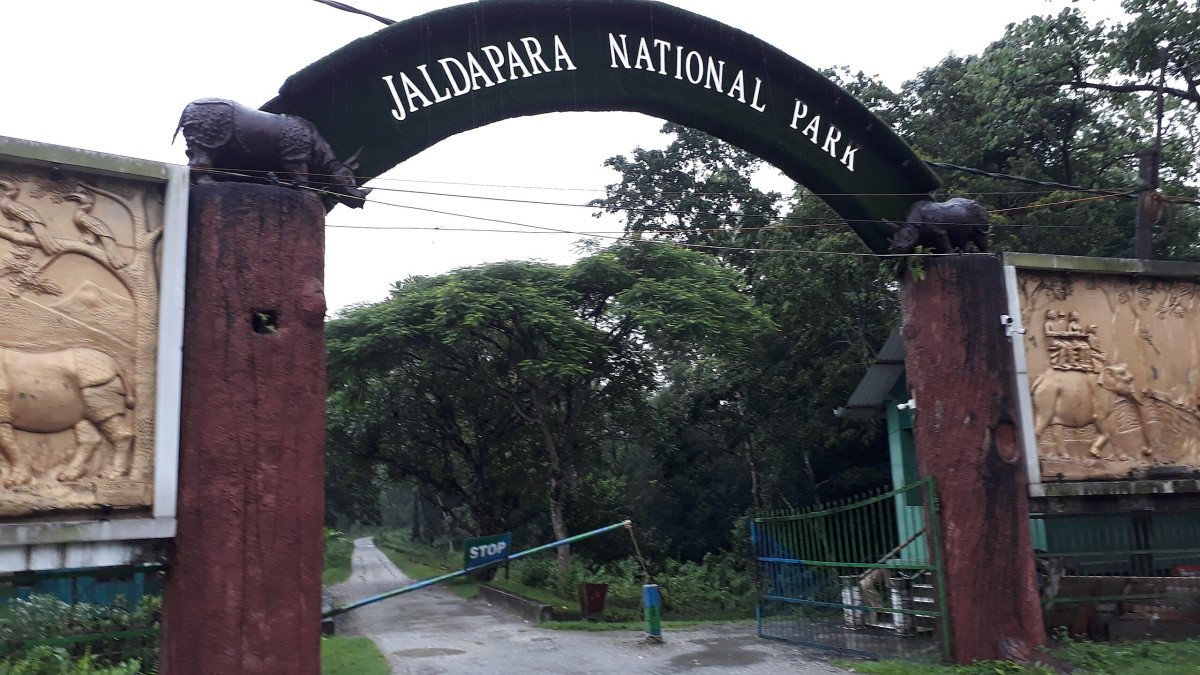

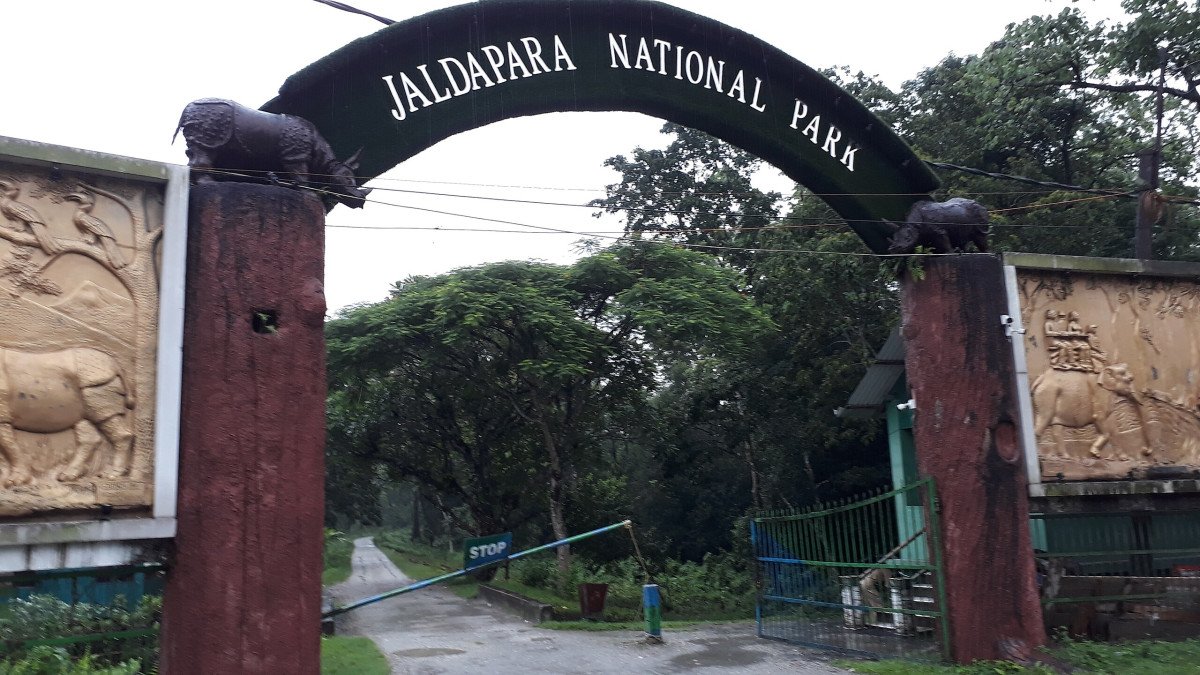
Jaldapara National Park
General information
-
Ideal Duration:
1 to 2 Days (Focusing purely on the safaris and watchtower visits. )Place Type:
National Park / Wildlife SanctuaryEntry Fees:
Forest Entry Permit: To enter Jaldapara National Park, every person must acquire a forest entry permit. The fee structure typically differs for Indian nationals and foreign tourists, and the money generated is used for park maintenance and conservation efforts.Forest Entry Permit: To enter Jaldapara National Park, every person must acquire a forest entry permit. The fee structure typically differs for Indian nationals and foreign tourists, and the money generated is used for park maintenance and conservation efforts.
Indian Nationals: The approximate entry fee is typically around Rs.60 to Rs.100 per head.
Foreign Nationals: The fee is significantly higher, often ranging from Rs.200 to Rs.500 per head, reflecting international tourism rates for protected areas.
Vehicle and Safari Charges: Separate fees apply for vehicles and the type of safari chosen.
Jeep Safari (Per Vehicle): The compulsory forest department jeep hire, guide fees, and vehicle entry fee combined can range from Rs.2,500 to Rs.5,000 per trip, depending on the zone and duration (Holong, Madarihat, or Chilapata). This cost is usually split among a maximum of six passengers.
Elephant Safari (Per Seat): This is charged per person and is premium priced. The cost for Indian tourists is typically around Rs.1,600 to Rs.2,000 per seat, while foreigners pay more, often Rs.2,500 or above.
Additional Charges:
Guide Fee: A mandatory forest guide is required for all safaris, usually Rs.250 to Rs.350 per trip.
Camera Fees: Small still cameras are generally free, but video cameras or professional setups incur fees, often starting from Rs.200 or more. Ensure all fees are paid at the official forest office in Madarihat or Holong.Timing:
Regular Safari Timings: The park generally operates two safari shifts daily, though timings can be slightly adjusted based on season, sunrise, and sunset times.
Morning Shift: This is the most popular time for both jeep and elephant saf...Regular Safari Timings: The park generally operates two safari shifts daily, though timings can be slightly adjusted based on season, sunrise, and sunset times.
Morning Shift: This is the most popular time for both jeep and elephant safaris, typically running from 6:00 AM to 7:30 AM and sometimes an additional shift from 7:30 AM to 9:00 AM. The early morning shift is essential for spotting rhinos and waking animals.
Afternoon Shift: Safaris typically run from 3:00 PM to 4:30 PM or 4:00 PM to 5:30 PM, depending on daylight. This slot is excellent for seeing herds of deer and Indian bison, as well as the behavior of animals before they settle down for the night.
Ideal Visit Time: The ideal time to be at the watchtowers or starting a safari is the "Golden Hour" immediately after sunrise. This time, especially in the winter months (November to February), offers the highest chance of animal sightings as they congregate at water sources before the day heats up, and the light is soft for photography. Mid-day (10:00 AM to 3:00 PM) is the least productive time for wildlife viewing as most large animals retreat into the dense forest for rest.Special Events:
Annual Forest Closures and Festival: The most significant recurring event related to Jaldapara is the annual closure of the forest during the monsoon season, typically from mid-June to mid-September. This period is mandated by the Forest Department to allow the animals a pe...Annual Forest Closures and Festival: The most significant recurring event related to Jaldapara is the annual closure of the forest during the monsoon season, typically from mid-June to mid-September. This period is mandated by the Forest Department to allow the animals a peaceful breeding period and to make up for the dangers and inaccessibility of the jungle trails during heavy rainfall. Tourists should always check these dates before planning a visit between the monsoon months. Though not a tourist-focused festival, the Vana Mahotsav (Forest Festival) is sometimes celebrated locally in July, involving tree planting and conservation awareness campaigns by the forest department and local communities, which occasionally allows tourists to participate in guided plantation drives or community talks related to forest preservation and the future of the rhinoceros.Best Photo Spots:
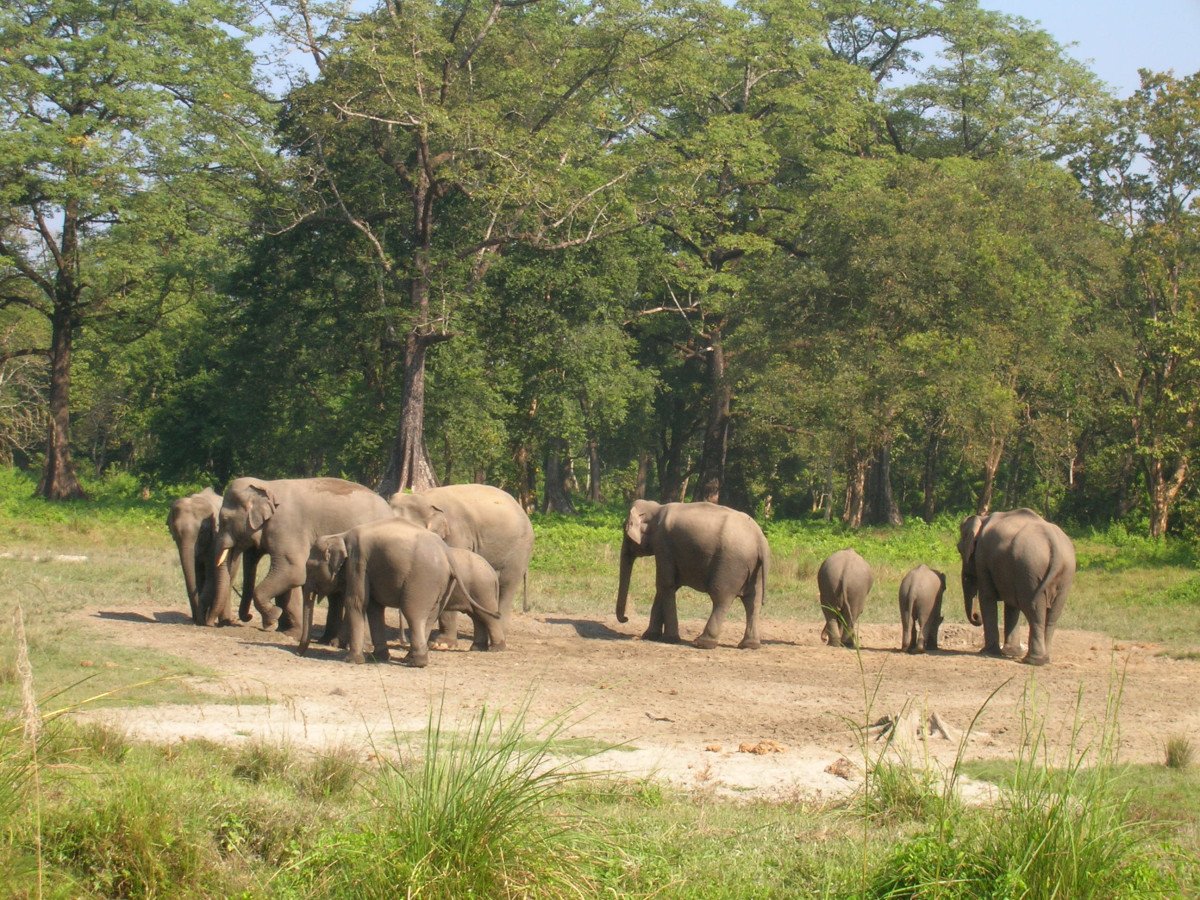
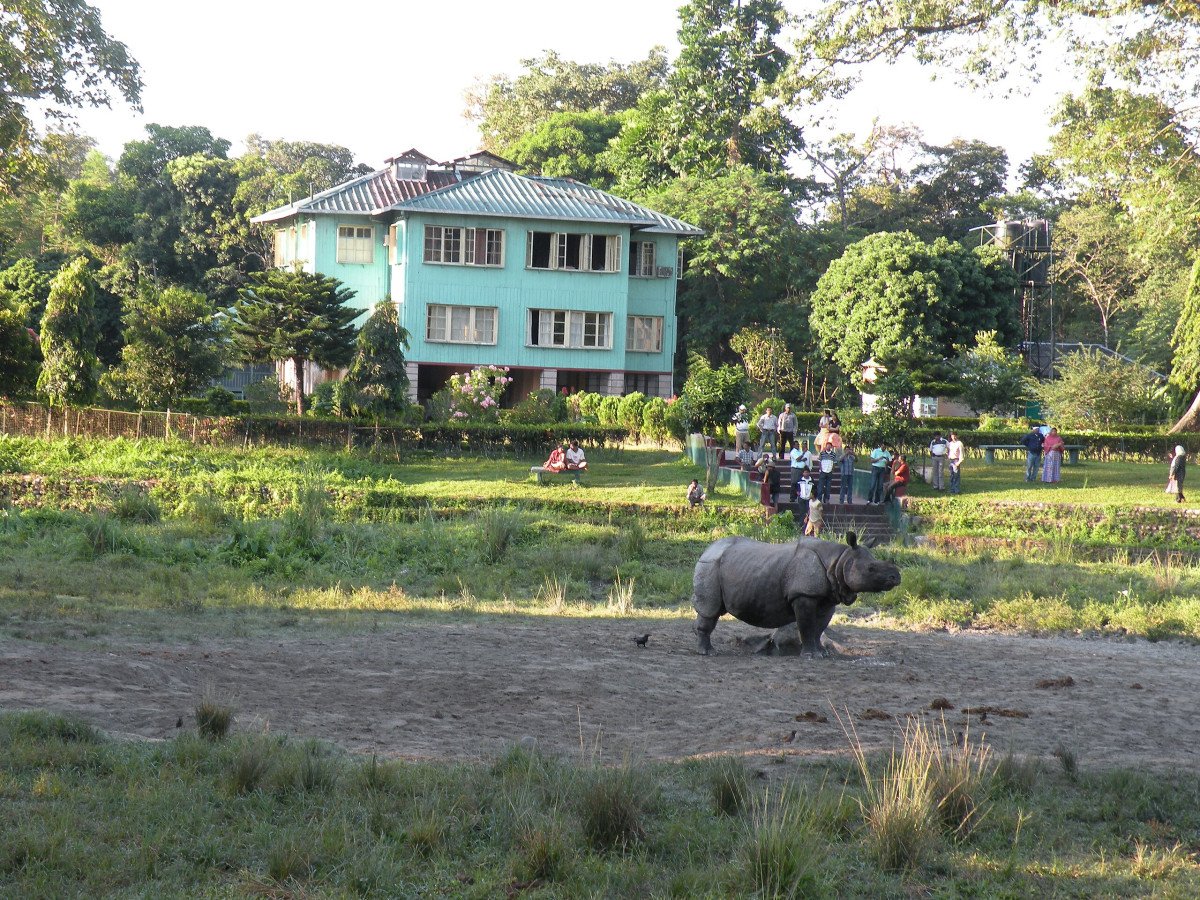
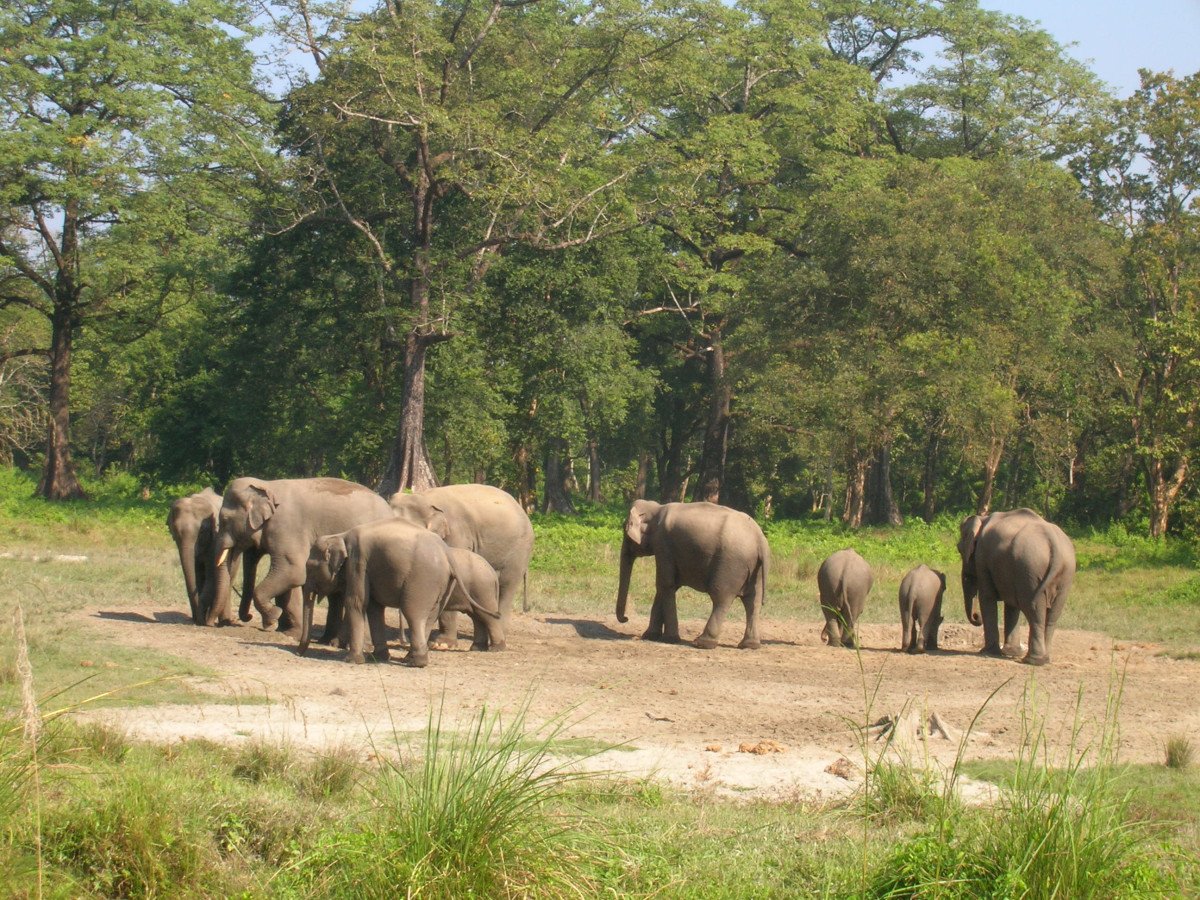
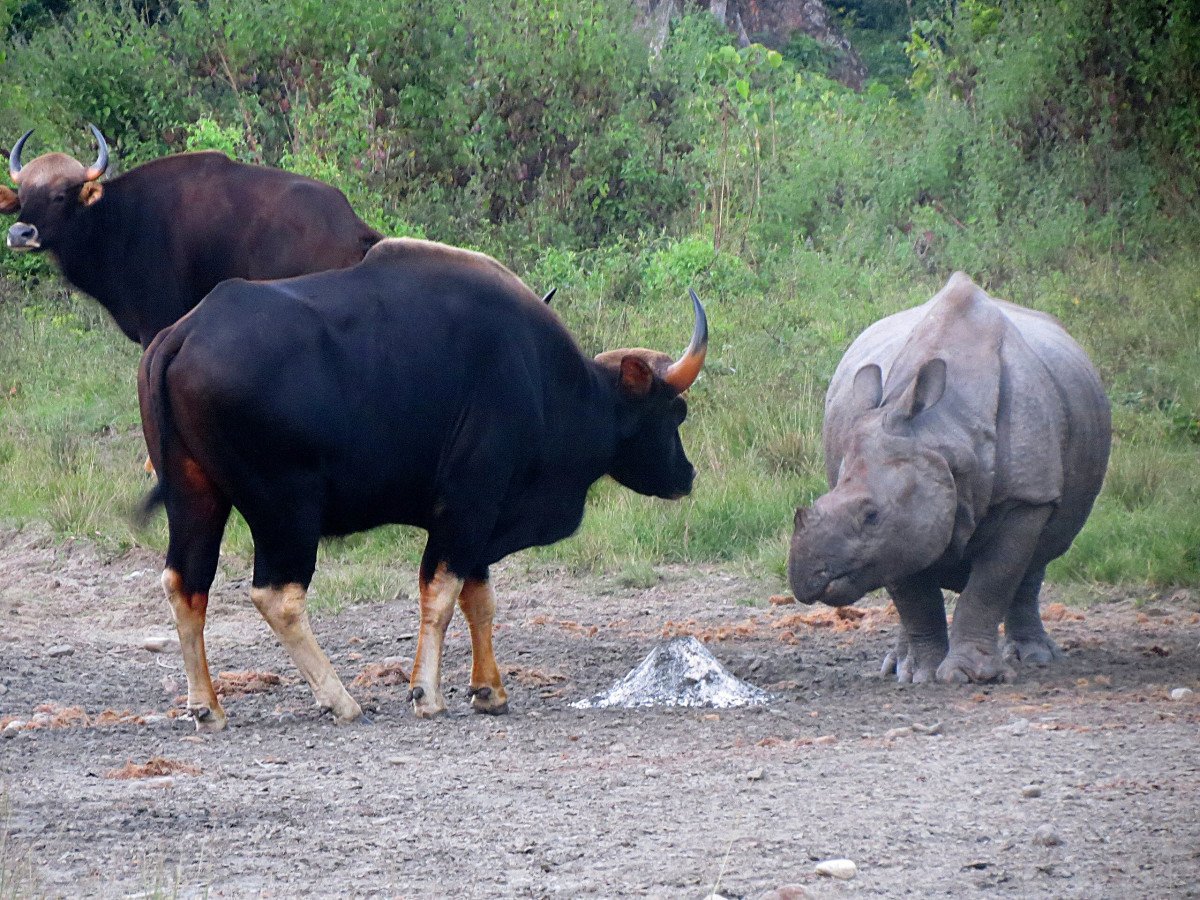
Holong Watch Tower Viewpoint: This is arguably the most famous photo spot. The wooden watchtower provides an elevated view over a large clearing and a salt pit where animals frequently gather, especially in the early morning mist. Key photo opportunities here include captu...Holong Watch Tower Viewpoint: This is arguably the most famous photo spot. The wooden watchtower provides an elevated view over a large clearing and a salt pit where animals frequently gather, especially in the early morning mist. Key photo opportunities here include capturing the iconic shot of the one-horned rhino grazing in the dense fog or an elephant herd coming down to drink water. The angle is high, offering a clear, unobstructed shot, perfect for telephoto lens photography, allowing photographers to capture the wildlife against a dramatic, foggy backdrop, particularly in the winter months (December and January).
The Jeep Safari Trails and River Crossings: The winding, gravel trails inside the park, framed by towering elephant grass and dense, moist deciduous trees, are fantastic for capturing the feeling of adventure. Focus on capturing the jeep itself navigating the wild terrain, or the play of sunlight filtering through the dense canopy. Crucially, the spots where the jeep crosses seasonal streams or shallow riverbeds of the Torsha provide dynamic photos, often featuring the reflection of the jungle and the open sky.
Torsha Riverbank Sunset: For landscape photography, the Torsha Riverbank outside the core safari area near Madarihat is excellent. The wide, sandy riverbed, combined with the low angle of the sun at dusk, creates stunning silhouettes of the distant hills and trees. Capturing the warm hues of the sunset reflected on the calm water, possibly with a local fisherman or a flock of birds in the frame, provides beautiful, serene images far removed from the typical action shots of the safari.Photo Gallery
Things To Do
-
The Iconic Elephant Safari:
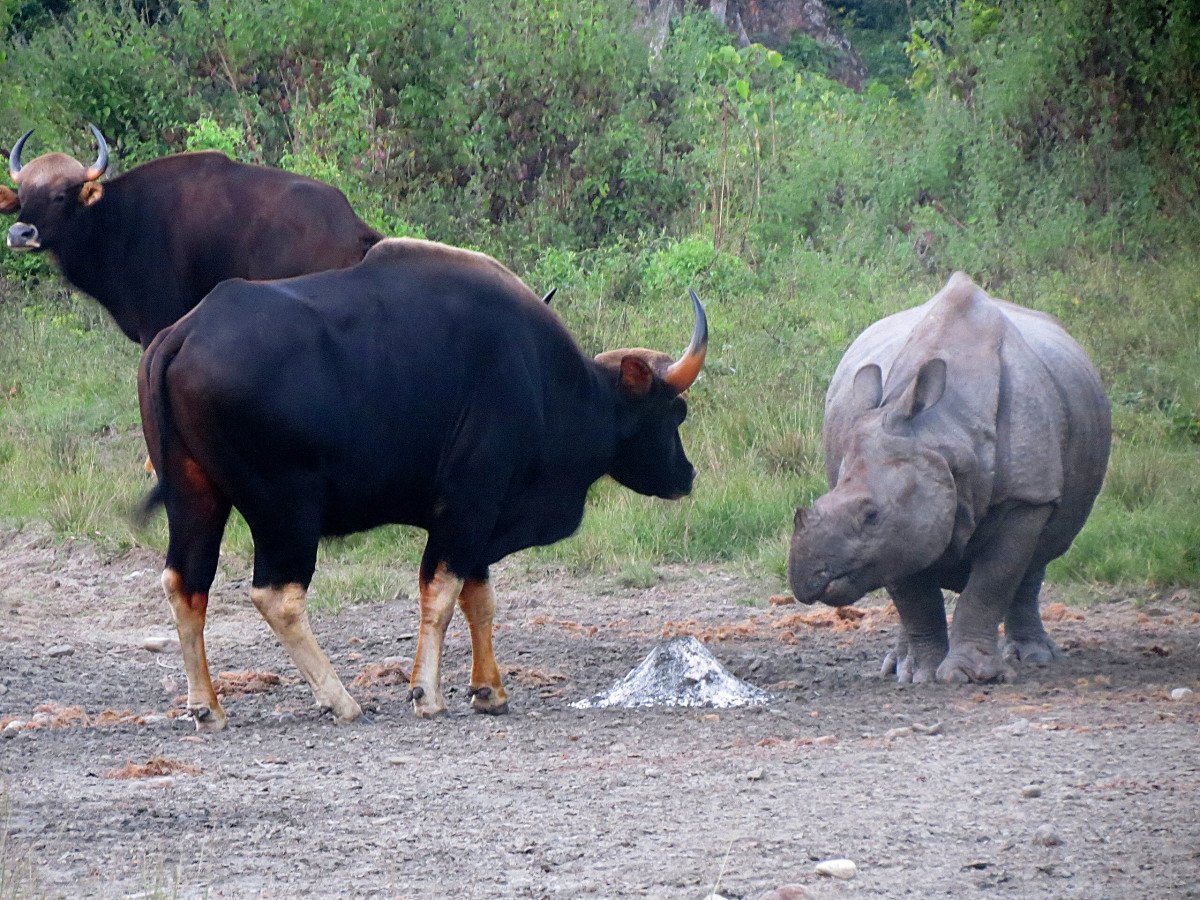
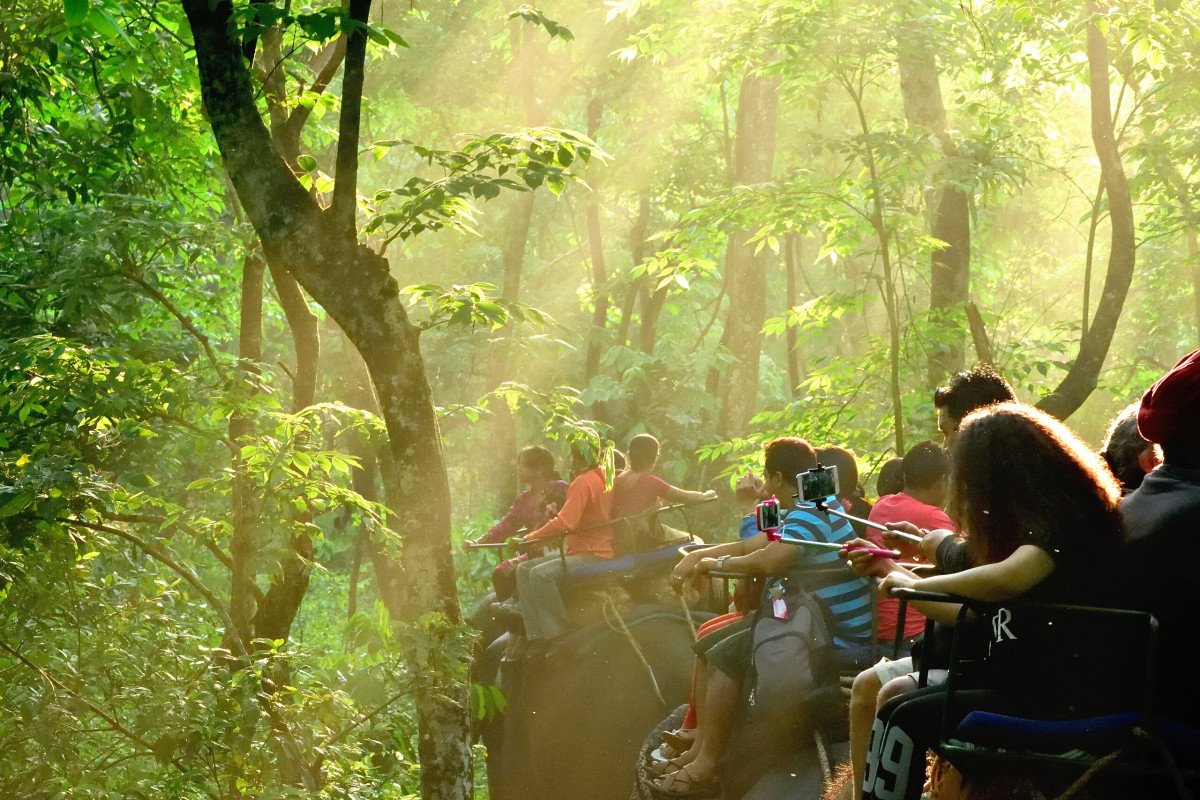
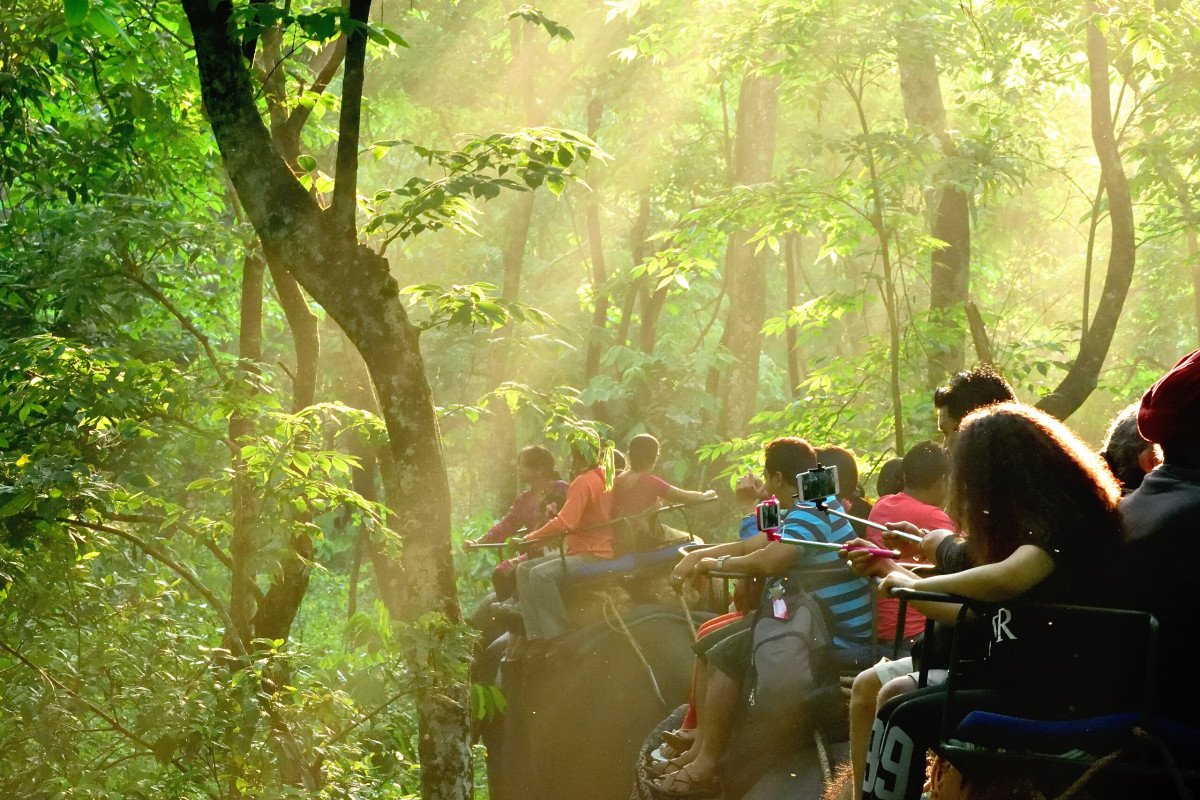
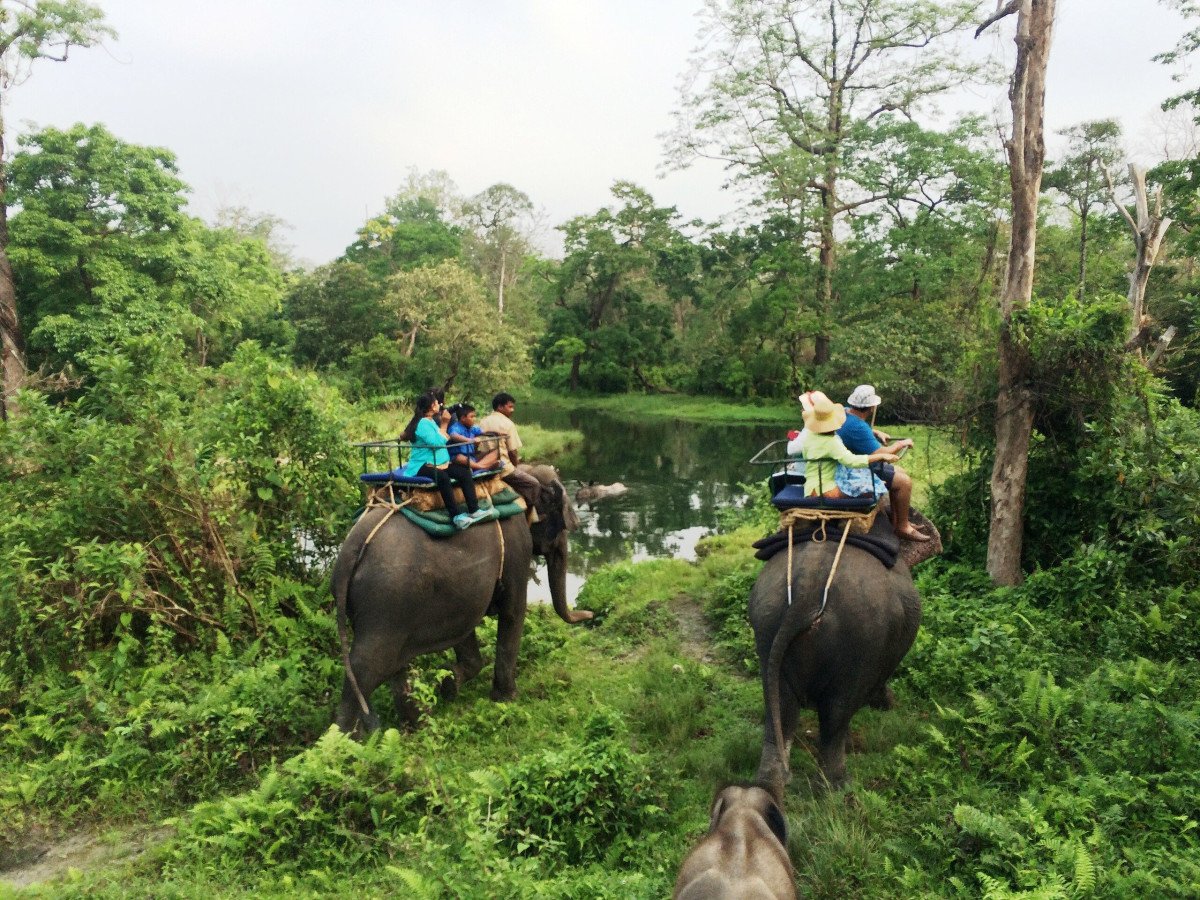
An Unforgettable Morning Ride: The Elephant Safari is the signature activity of Jaldapara. Conducted early in the morning, typically starting around 5:30 AM, it is the most effective way to spot the one-horned rhinoceros. Visitors, usually seated on the elephant's back, are taken deep into the moist grassland habitat where rhinos graze. The height provides a superb, safe vantage point, often leading to very close encounters with rhinos, Indian bison (Gaur), and deer. There are limited seats, so advance booking is mandatory, usually done via the forest department lodge at Holong. This experience lasts about an hour and is universally rated as the highlight of a Jaldapara visit.
The Thrilling Jeep Safari:
Exploring Wider Horizons: Je...The Iconic Elephant Safari:
An Unforgettable Morning Ride: The Elephant Safari is the signature activity of Jaldapara. Conducted early in the morning, typically starting around 5:30 AM, it is the most effective way to spot the one-horned rhinoceros. Visitors, usually seated on the elephant's back, are taken deep into the moist grassland habitat where rhinos graze. The height provides a superb, safe vantage point, often leading to very close encounters with rhinos, Indian bison (Gaur), and deer. There are limited seats, so advance booking is mandatory, usually done via the forest department lodge at Holong. This experience lasts about an hour and is universally rated as the highlight of a Jaldapara visit.
The Thrilling Jeep Safari:
Exploring Wider Horizons: Jeep safaris are available in both the morning and afternoon shifts, covering different zones like Madarihat, Holong, and the adjacent Chilapata Forest. The jeep allows travelers to cover a much greater area of the park compared to the elephant ride. Key routes often lead to watchtowers and across open Savanna patches. The afternoon safari, starting around 2:00 PM, is excellent for spotting nocturnal or dusk-active animals, including various deer species and perhaps a leopard crossing the road. The jeep allows for better photographic freedom and is the primary way to access areas like the Chilapata range, which is crucial for elephant and leopard sightings, and provides access to the historical Nalraja Garh ruins.
Bird Watching and Photography at Watchtowers: Besides the famed Holong Watch Tower, the Jaldapara Watch Tower and the smaller towers inside the Chilapata range offer fantastic opportunities for bird watching. Jaldapara is a bird lover's paradise, home to the Crested Eagle, Pallas's Fish Eagle, Shikra, and the rare Bengal Florican. Sitting quietly in a watchtower, especially during the early morning hours, allows patient observers to capture incredible moments of nature, from elephants drinking at the water hole to various birds feeding on the riverbanks. Bring long-range binoculars and camera lenses to make the most of this experience.
Cultural Visit to Totopara Village:
A Tribal Encounter: A short drive from the main park area takes you to Totopara, the secluded village of the Toto tribe. Visiting this unique community is an enriching cultural experience. Travelers can observe their traditional homes, lifestyle, and learn about their heritage. This adds a valuable human element to the wildlife tour, showing how different communities coexist near the edge of the wilderness. Ensure that any visit respects their privacy and customs.
Exploring the Adjacent Chilapata Forest: The Chilapata forest acts as a natural corridor connecting Jaldapara with the Buxa Tiger Reserve. Exploring this area is essential for a complete Dooars experience. Key activities here include the jeep safari to the ancient Nalraja Garh ruins and the river rafting on the Torsha, depending on the season and water levels. Chilapata is particularly known for its large elephant herds that often move through the forest.
Relaxing on the Banks of the Torsha River: The Torsha River is the lifeline of Jaldapara. Spending a quiet evening or a peaceful afternoon on the riverbanks near the designated tourist areas offers a chance to relax and reflect. The sight of the sun setting over the flowing water, with the sounds of the jungle in the distance, is therapeutic and provides beautiful, less-crowded photographic moments.
Hotels
● Debrani Greenwood Resort
Address: Madarihat, Jaldapara, West Bengal
Distance: 1.0 km
Details: Upscale mid-range resort. Offers well-appointed rooms and proximity to forest trails. A great choice for those seeking a balance of luxury and adventu...
● Forest & River View Stay
Address: Jaldapara, West Bengal
Distance: 4.0 km
Details: Affordable lodge featuring both forest and river views. Includes essential amenities for a comfortable, budget-friendly stay near the sanctuary....
● Forestside Eco Retreat
Address: Madarihat, Jaldapara, West Bengal
Distance: 3.0 km
Details: Budget eco-retreat focused on serenity and wilderness. Simple, clean, and surrounded by lush greenery. Excellent value for those wanting to be deep in...
● Holong Eco Village Resort
Address: Purba Madarihat, Jaldapara, West Bengal
Distance: 2.5 km
Details: Mid-range cottage accommodation. Surrounded by dense forest, it provides guided nature walks. A perfect base for birdwatchers and jungle explorers....
● Jungle Book Resort
Address: Madhya Madarihat, Jaldapara, West Bengal
Distance: 0.5 km
Details: Premium resort with serene jungle-view balconies. Known for kid-friendly facilities and delicious food. Located just a short walk from the Jaldapara m...
● Jungle View Eco Retreat
Address: Umacharanpur, Jaldapara, West Bengal
Distance: 2.0 km
Details: Eco-friendly retreat nestled close to the wilderness. Combines natural beauty with basic comfort. Ideal for nature lovers seeking a rustic, peaceful j...
● Nature Covered Eco Cottage
Address: Jaldapara, West Bengal
Distance: 3.5 km
Details: Budget forest retreat. Provides a cozy stay in nature-themed cottages. Ideal for travelers looking for a quiet spot to relax away from city noise....
● Premium Jungle Resort
Address: Madarihat, Jaldapara, West Bengal
Distance: 2.0 km
Details: Budget-friendly resort offering comfortable rooms with modern essentials like geysers and TVs. Located near the forest entrance for easy safari access...
● Serene Jungle Retreat
Address: Madhya Madarihat, Jaldapara, West Bengal
Distance: 1.2 km
Details: Luxurious stay featuring 38 well-appointed rooms. Amenities include tea/coffee makers, geysers, and televisions. Offers a comfortable retreat after a ...
● Teahouse
Address: Madhya Madarihat, Jaldapara, West Bengal
Distance: 1.5 km
Details: Mid-range homestay surrounded by lush tea gardens. Offers authentic organic meals and a warm host experience. Highly rated for its peaceful and scenic...
Show AllRestaurants
● Adda Restaurant
Address: Chilapata Andu, Basti, Jaldapara
Distance: 6 KM
Details: Adda Restaurant is a lively place where food and conversation go hand-in-hand. It is a favorite haunt for locals and tourists alike who want to enjoy ...
Food List: '' Chili Baby Corn '' '' Chicken Kebab '' '' Veg M...
● Chilapata Dhabba
Address: Kumarpara, Uttar Simlabari, Jaldapara
Distance: 5 KM
Details: Chilapata Dhabba is a bustling, roadside eatery that provides a real taste of local highway food culture. It is perfect for travelers on a budget who ...
Food List: '' Egg Tadka '' '' Butter Tandoori Roti '' '' Dal ...
● Day Night Resort & Restaurant
Address: Subash Nagar, Madarihat, Jaldapara
Distance: 2 KM
Details: Day Night Resort & Restaurant is a versatile dining spot that caters to the needs of every traveler, offering meals at almost any hour. The menu is va...
Food List: '' Tandoori Chicken '' '' Vegetable Fried Rice '' ...
● Debrani Greenwood Resort Kitchen
Address: Madarihat, Jaldapara, West Bengal
Distance: 3.7 KM
Details: Debrani Greenwood Resort Kitchen is celebrated for its lush green views and delicious food. It is the perfect place to sit back and relax while listen...
Food List: '' Mutton Rogan Josh '' '' Mixed Vegetable Curry '...
● Hotel Ratneswar Fine Dining
Address: Near Jaldapara, Alipurduar, West Bengal
Distance: 15 KM
Details: Hotel Ratneswar Fine Dining stands as one of the most sophisticated restaurants in the Alipurduar region. It offers an elegant ambiance that is perfec...
Food List: '' Spaghetti '' '' Chicken Croquettes '' '' Grille...
Show AllInformation
-
Why Famous:
Primary Rhino Sanctuary: Jaldapara is overwhelmingly famous for being one of the only places in the world where the majestic Indian one-horned rhinoceros (Rhinoceros unicornis) can be reliably spotted in large numbers. This successful conservation effort is the park's prima...Primary Rhino Sanctuary: Jaldapara is overwhelmingly famous for being one of the only places in the world where the majestic Indian one-horned rhinoceros (Rhinoceros unicornis) can be reliably spotted in large numbers. This successful conservation effort is the park's primary claim to fame. The park's management has created an ideal habitat of moist savanna and riverine forest, allowing the population to thrive.
The Iconic Elephant Safari Experience: A major factor in its renown is the unique and traditional Elephant Safari offered here. Unlike most parks that only offer jeep safaris, the Elephant Safari, operating early in the morning from the Holong area, allows tourists to penetrate the tall grassland where rhinos hide. This elevated vantage point provides the best, closest, and safest viewing experience of the rhinos, bison, and deer, making it an unforgettable adventure for travelers across the globe.
Key Habitat for the Bengal Florican: The park is also a critical habitat for the highly endangered Bengal Florican, a very rare ground-dwelling bird. This makes it an essential destination for serious ornithologists and bird lovers. The preservation of the Florican's grassland habitat is a testament to the park s ecological significance beyond just the megafauna. -
Architecture:
The Structural Elements of Conservation: The architecture within Jaldapara is entirely functional and designed to support wildlife conservation and viewing, blending seamlessly with the natural landscape. The key features include observation towers, accommodation lodges, an...The Structural Elements of Conservation: The architecture within Jaldapara is entirely functional and designed to support wildlife conservation and viewing, blending seamlessly with the natural landscape. The key features include observation towers, accommodation lodges, and natural elephant-corridor management structures.
Observation Watchtowers: The prominent watchtowers, such as the famous Holong Watch Tower and the Jaldapara Watch Tower, are elevated wooden or concrete structures strategically positioned overlooking salt licks or watering holes. These towers are multi-tiered, often reaching 20 to 30 feet in height, allowing visitors a safe, panoramic view of the forest floor and distant grasslands. They are built to be robust yet simple, using locally sourced materials where possible, ensuring minimal environmental impact. The typical base dimension for these towers is around 15 feet by 15 feet.
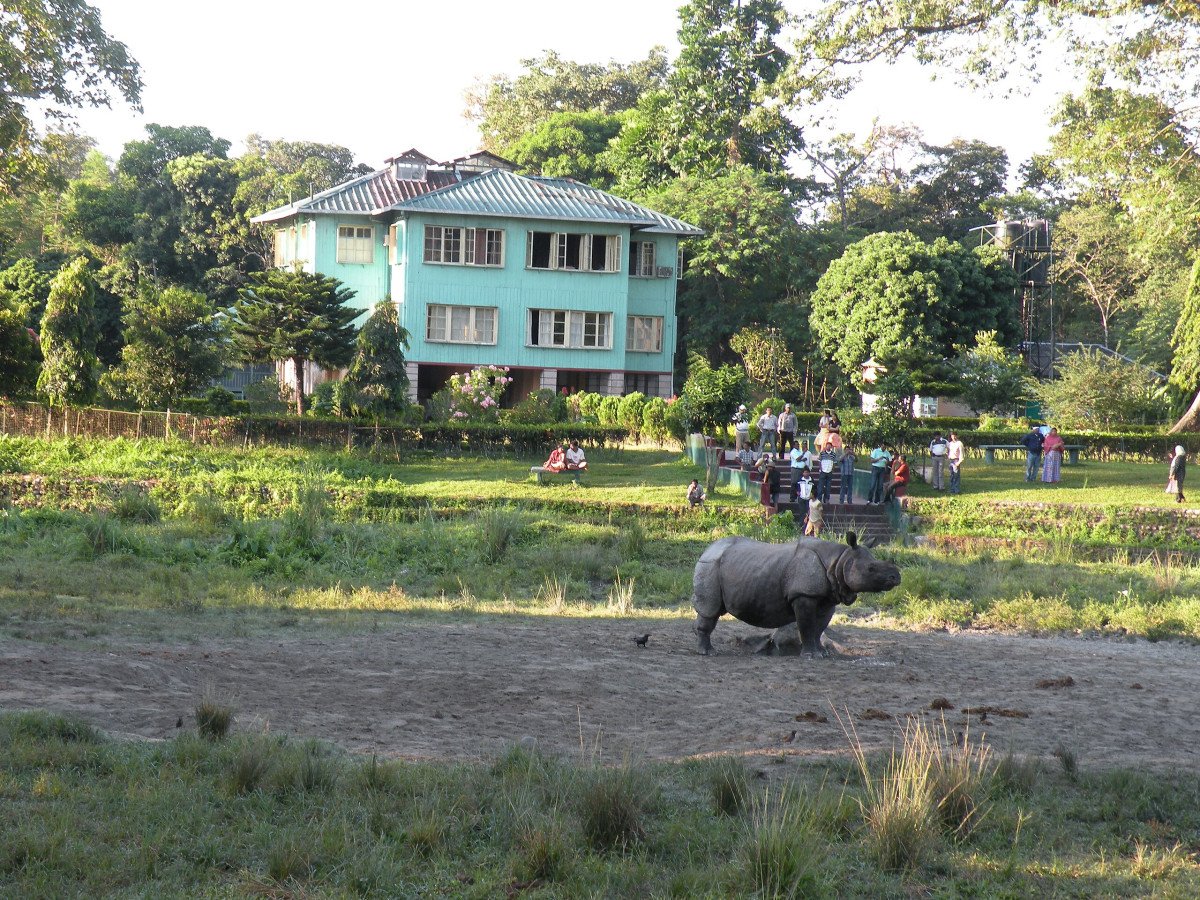
Forest Accommodation and Bungalows: Buildings like the Hollong Tourist Lodge are unique examples of forest architecture. They are typically raised on stilts (often 5 to 8 feet high) to protect occupants from ground moisture and to allow wildlife, particularly elephants, to move freely underneath, thereby respecting established migration paths. These structures are built with a combination of concrete, wood, and thatched or corrugated roofs, designed for durability in the humid, high-rainfall climate. The typical floor plan is rectangular, often housing 10 to 12 rooms, each having dimensions of approximately 12 feet by 15 feet. Their design prioritizes unobstructed views from private balconies overlooking the surrounding grasslands. -
How To Reach:
By Air: The nearest major airport is Bagdogra Airport (IXB), located near Siliguri, West Bengal. This airport is well-connected to major Indian metropolitan cities like Kolkata, Delhi, and Mumbai. The distance from Bagdogra to Madarihat (the main entry point for Jaldapara)...By Air: The nearest major airport is Bagdogra Airport (IXB), located near Siliguri, West Bengal. This airport is well-connected to major Indian metropolitan cities like Kolkata, Delhi, and Mumbai. The distance from Bagdogra to Madarihat (the main entry point for Jaldapara) is approximately 145 KMs. The journey by road usually takes between 3. 5 to 4 hours, depending on traffic conditions, particularly around Siliguri. Upon arrival at Bagdogra, tourists can easily hire pre-paid taxis, private cabs, or shared vehicles for the onward journey to Madarihat or the Holong area. It is advisable to pre-book a reliable car service, especially if arriving late in the evening.
By Train: The closest railway stations to Jaldapara National Park are Madarihat (which is only about 7 KMs away) and Hasimara (about 12 KMs away). Both stations are on the broad-gauge route and are serviced by several express and mail trains, especially from Kolkata (Sealdah or Howrah). Travelers coming from South India or West India usually travel to the major junction station of New Jalpaiguri (NJP), which is roughly 115 KMs away from Jaldapara. From NJP, one can hire a taxi directly, which takes about 3 hours, or take a connecting local train to Madarihat or Hasimara. The rail journey through the Dooars region itself is scenic, offering glimpses of tea gardens and forests.
By Road: Jaldapara is well-connected by National Highway (NH 27 and its connecting routes). The drive from Siliguri is scenic and direct. Regular state buses connect Madarihat with Siliguri and other towns like Malbazar, Alipurduar, and Cooch Behar. The road conditions are generally good. Driving a private or hired vehicle allows for flexibility in exploring the adjacent areas like Chilapata and Totopara. The total road distance from Siliguri is about 140 KMs, taking around 3 to 4 hours. Travelers from Guwahati can also reach via Assam, as the park is close to the border.
By Local Transport: Within the immediate vicinity of Madarihat and the local towns, local transport primarily consists of auto-rickshaws, cycle rickshaws, and shared taxis. These are used for short distances, such as traveling from Madarihat railway station to the forest lodges or moving between local markets. However, for entry into the park for safaris, only registered forest department vehicles (Jeeps/Gypsies) and the official Elephant Safari are permitted. Always negotiate the price for local transport before starting the journey. -
Weather and Best Time to Visit:
Different Types of Seasons: The ideal season for visiting Jaldapara National Park is from October to March.
Winter (November to February): This is the best time for wildlife sighting. The weather is cool and pleasant, with temperatures...Different Types of Seasons: The ideal season for visiting Jaldapara National Park is from October to March.
Winter (November to February): This is the best time for wildlife sighting. The weather is cool and pleasant, with temperatures ranging from 10 to 25 degrees Celsius. The grass is shorter, increasing visibility, and the animals tend to bask in the sun or gather at water bodies. Morning safaris during this time are often accompanied by a magical mist.
Summer (March to mid-June): Summers can be hot and humid, with temperatures reaching up to 35 degrees Celsius. However, animal sightings can be excellent as they frequently visit water sources to cool off. The landscape is drier and visibility remains good.
Monsoon (mid-June to September): The park remains officially closed for safaris and entry during this period. Heavy rainfall makes the tracks muddy and dangerous, and it is the breeding season for the animals. Avoid planning trips during these months.
Different Parts of the Day: Early Morning (Sunrise - 8 AM) The absolute best time for maximum wildlife activity, especially for spotting the one-horned rhino and elephants. The cool temperature and presence of morning dew encourage animals to graze openly. This is the prime slot for the Elephant Safari. Mid-Day (10 AM - 2 PM) The quietest time for wildlife. Most animals rest in the shade of the dense forest canopy. It is best used for traveling to offsite locations or resting at the accommodation.
Late Afternoon (3 PM - Sunset): A productive time for the jeep safari. Herbivores like various deer and bison emerge to feed before dusk. The soft evening light is also perfect for photography. -
Near Tourist Places:
Chilapata Forest (5 KMs): Known for the ancient Nalraja Garh ruins and elephant corridors.
Totopara Village (22 KMs): Home of the Toto tribe, offering a unique cultural experience.
Buxa Tiger Reserve (35 KMs): Famous for trekking, Buxa Fort, and the Jayanti River.
Rajabhatkhawa (15 KMs): Entry point for Buxa and the Nature Interpretation Centre.
Cooch Behar Palace (65 KMs): Historical landmark with stunning colonial architecture. Gorumara National Park (Lataguri Gate) (85 KMs): Another major rhino habitat for comparison.
Suntalekhola (120 KMs): Scenic river valley and forest bungalow.
Samsing (130 KMs): Famous for tea gardens and orange orchards.
Murti Riverbank (90 KMs): A peaceful riverside picnic and stay spot.
Hasimara (12 KMs): Nearest rail station and small town for basic needs.
Tourism Tips
-
Health & Safety:
Malaria and Mosquitoes: The Dooars region is known to have mosquito populations, especially during the post-monsoon and early summer months. Always carry and use good quality insect repellent, especially during safari t...Health & Safety:
Malaria and Mosquitoes: The Dooars region is known to have mosquito populations, especially during the post-monsoon and early summer months. Always carry and use good quality insect repellent, especially during safari times and evenings. Consider taking prophylaxis against malaria as advised by a doctor.
Wildlife Protocol: Always follow the instructions of your forest guide and driver strictly. Never attempt to feed, distract, or approach wild animals. Remain seated and silent during the safari to avoid startling the animals.
First Aid: Carry a basic first aid kit including pain relievers, antiseptic cream, band-aids, and medication for stomach issues, as local chemist shops may be far or sparsely stocked.
Packing:
Clothing: For the peak season (October to March), pack warm clothing, including jackets, sweaters, and caps for the chilly early morning safaris. Layering is key. During summer, pack light, breathable cotton clothing. Neutral-colored clothes (brown, green, beige) are highly recommended for safaris to blend in with the environment.
Essentials: Bring a pair of high-quality binoculars for better wildlife viewing. Carry sunglasses, a wide-brimmed hat, and sunscreen. A waterproof jacket or poncho is advisable even in the dry season, as weather can change quickly.
Accommodation:
Book in Advance: Accommodation, especially the highly sought-after forest department lodges like Holong Tourist Lodge, must be booked several months in advance. There are plenty of private resorts and homestays available in Madarihat and surrounding areas like Chilapata and Hasimara which offer comfortable stays.
Location Choice: Choosing accommodation near the main entry gate (Madarihat or Holong) saves travel time for the early morning safaris. Many private resorts are located slightly outside the core zone but offer excellent facilities.
Other Different Topics:
Permit Booking: Safaris and elephant rides have limited capacity. Bookings for permits should be done online or through trusted tour operators well in advance of your arrival. On-the-spot booking is difficult, especially during peak season.
Cash: While major resorts accept cards, many local shops, smaller eateries, and transport providers only accept cash. Ensure you carry enough local currency (Indian Rupees).
Respecting Nature: Do not litter the forest area or riverbanks. Always carry your waste back with you.
Photography Gear: For wildlife photography, a lens with a focal length of 300mm or more is highly recommended to capture clear shots from a safe distance.
Reviews
FAQs
Ans:- Chilapata Forest is located very close to Jaldapara, about 20 km away. It serves as an elephant corridor between Jaldapara and Buxa Tiger Reserve. Many tourists combine a visit to Jaldapara with a jungle safari in Chilapata to see the ruins of the ancient "Nalraja Garh" fort.Ans:- Elephant Safaris in Jaldapara are highly sought after and are typically organized in the early morning. Guests staying at the Hollong Forest Lodge or Jaldapara Tourist Lodge get priority for bookings. Tickets can be purchased at the forest department counter in Madarihat, but it is advisable to book well in advance.Ans:- Every safari vehicle is assigned a mandatory government-approved guide. These guides are locals who are extremely knowledgeable about the forest tracks, animal behavior, and bird species. They play a crucial role in spotting hidden wildlife and ensuring that all safety protocols are followed during the safari.Ans:- Hollong Forest Lodge is legendary because it is located deep inside the forest. Animals, especially rhinos and gaurs, often visit the salt lick right in front of the lodge, allowing guests to view wildlife from their windows. However, getting a reservation is extremely difficult due to very high demand.Ans:- Jeep Safaris are conducted in two shifts: one in the early morning (around 6:00 AM) and another in the late afternoon (around 3:00 PM). Each safari lasts approximately 1.5 to 2 hours. Timings may vary slightly depending on the season and sunlight availability, so checking at the counter is recommended.Ans:- Madarihat is the closest railway station, located just 7 km from the park entrance, though only a few trains stop there. For better connectivity, New Alipurduar (60 km) or New Jalpaiguri (125 km) are preferred. From these stations, you can easily hire a private taxi or take a bus.Ans:- Private vehicles are strictly prohibited inside the core forest area of Jaldapara National Park. To explore the jungle, visitors must hire authorized forest department Jeeps at the entry gate. These vehicles are accompanied by a mandatory forest guide to ensure safety and provide information about the local flora and fauna.Ans:- South Khayerbari is a Leopard and Royal Bengal Tiger Rescue Center located about 15 km from Jaldapara. It is a popular spot for tourists to see rescued animals in a naturalistic environment. There is also a small lake where you can enjoy boating, making it a great family outing.Ans:- The ideal time to visit Jaldapara is from September to March when the weather is pleasant and wildlife sightings are frequent. The park remains closed to tourists during the monsoon season, from June 15th to September 15th, to allow for animal breeding and due to difficult terrain conditions.Ans:- Walking inside the National Park boundaries is strictly forbidden due to the presence of wild animals. You must stay within your designated vehicle or lodge premises. In the nearby village areas or Madarihat, it is safe to walk during the day, but avoid wandering near the forest fringes after dark.Ans:- While the nearby town of Madarihat has good mobile connectivity, the signal becomes very weak or non-existent once you enter the deep forest areas or stay at lodges like Hollong. It is best to finish important calls before entering the park to enjoy an uninterrupted experience with nature.Ans:- Yes, children are allowed on both Jeep and Elephant safaris. However, parents must ensure that children remain quiet during the ride to avoid disturbing the wildlife. The bumpy terrain of the Jeep safari might be slightly uncomfortable for very small infants, so plan accordingly for their comfort.Dooars Itineray And Cost:-
Jaldapara National Park Tourism:-
Information about New and Updated Locations() of West Bengal Has Been Added :-
Card subtitle
Note:-
Information provided here in good Faith and for reference only.
All information and pictures will be updated soon, please keep visiting.
Near Places
Bhutanghat
Some quick example text to build on the card title and make up the bulk of the card's content.
Go somewhere
Bindu
Some quick example text to build on the card title and make up the bulk of the card's content.
Go somewhere
Buxa Fort
Some quick example text to build on the card title and make up the bulk of the card's content.
Go somewhere
Buxa Tiger Reserve
Some quick example text to build on the card title and make up the bulk of the card's content.
Go somewhere
Chapramari Wildlife Sanctuary
Some quick example text to build on the card title and make up the bulk of the card's content.
Go somewhere
Chilapata Forest
Some quick example text to build on the card title and make up the bulk of the card's content.
Go somewhere
Gorumara National Park
Some quick example text to build on the card title and make up the bulk of the card's content.
Go somewhere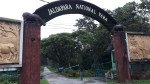
Jaldapara National Park
Some quick example text to build on the card title and make up the bulk of the card's content.
Go somewhere
Jayanti
Some quick example text to build on the card title and make up the bulk of the card's content.
Go somewhere
Jhalong
Some quick example text to build on the card title and make up the bulk of the card's content.
Go somewherein Other Cities