Chhatrapati Shivaji Maharaj Vastu Sangrahalaya
General information
-
Ideal Duration:
3 to 4 hours (To see the main galleries thoroughly); Half-day to a full day for enthusiasts.Place Type:
Museum, Art Gallery, Archaeology, Architecture, HiEntry Fees:
Fees are Variable by Nationality and Age: The CSMVS has a tiered fee structure. As of the time of writing, the basic entry fee for Indian citizens is generally around INR 100 per adult, while the fee for Foreign Nationals is significantly higher, often around INR 650 per ad...Fees are Variable by Nationality and Age: The CSMVS has a tiered fee structure. As of the time of writing, the basic entry fee for Indian citizens is generally around INR 100 per adult, while the fee for Foreign Nationals is significantly higher, often around INR 650 per adult. This difference is common at many protected heritage sites in India.
Concessions and Student Rates: Reduced rates are often available for school and college students (upon showing a valid ID card) and sometimes for children and senior citizens. There are usually extra, small charges if you wish to take photos or videos inside the museum (a fee for carrying a camera).
Temporary Exhibition Costs: Access to the regular, permanent galleries is covered by the standard ticket. However, high-profile Temporary Exhibitions organized by the museum may sometimes require a separate, additional ticket or charge, so it is best to check the current rates at the ticket counter or online before planning a visit. The fee is used for the maintenance and conservation of the vast collection and the heritage building.Timing:
Regular Timings: The museum is generally open from 10:15 AM to 6:00 PM (Ticket counter usually closes at 5:30 PM). It is closed for visitors on Mondays and on a few major public holidays (check in advance).
Ideal Visit Time - Weekdays Morning:<...Regular Timings: The museum is generally open from 10:15 AM to 6:00 PM (Ticket counter usually closes at 5:30 PM). It is closed for visitors on Mondays and on a few major public holidays (check in advance).
Ideal Visit Time - Weekdays Morning: The absolute best time to visit is on a weekday morning, right after it opens around 10:30 AM. The museum sees its smallest crowds then, allowing for a peaceful, unhurried appreciation of the exhibits and the architecture. Weekends and public holidays are significantly more crowded.
Ideal Visit Time - Post-Lunch: Visiting post-lunch (around 2:00 PM) is also a good strategy, allowing you enough time to see the main collections before the 6:00 PM closing time, and you can finish with a stroll through the neighboring Kala Ghoda area.
Duration Planning: Given the vast collection, plan to spend at least 3 to 4 hours here. Rushing through the museum in less than two hours will not do justice to the significance of the artifacts. (Approx. )Special Events:
International Museum Day (May 18): The museum typically celebrates International Museum Day with special programming, including free or reduced entry, guided tours, lectures by curators, and activities for children. This is a day dedicated to highlighting the role of museums in society.International Museum Day (May 18): The museum typically celebrates International Museum Day with special programming, including free or reduced entry, guided tours, lectures by curators, and activities for children. This is a day dedicated to highlighting the role of museums in society.
Curated Temporary Exhibitions: The CSMVS is famous for its high-profile temporary exhibitions, often organized in collaboration with international museums (like the British Museum or the V&A Museum). These exhibitions, which can run for several months, focus on specialized topics like ancient Buddhist art, specific royal dynasties, or contemporary Indian art, always drawing significant scholarly and public interest.
Kala Ghoda Arts Festival (February): Although the festival takes place across the entire precinct, the museum is often a key venue, hosting related events, talks, and sometimes special late-night viewings during the February festival. This is the time the entire area comes alive with cultural activities.Best Photo Spots:
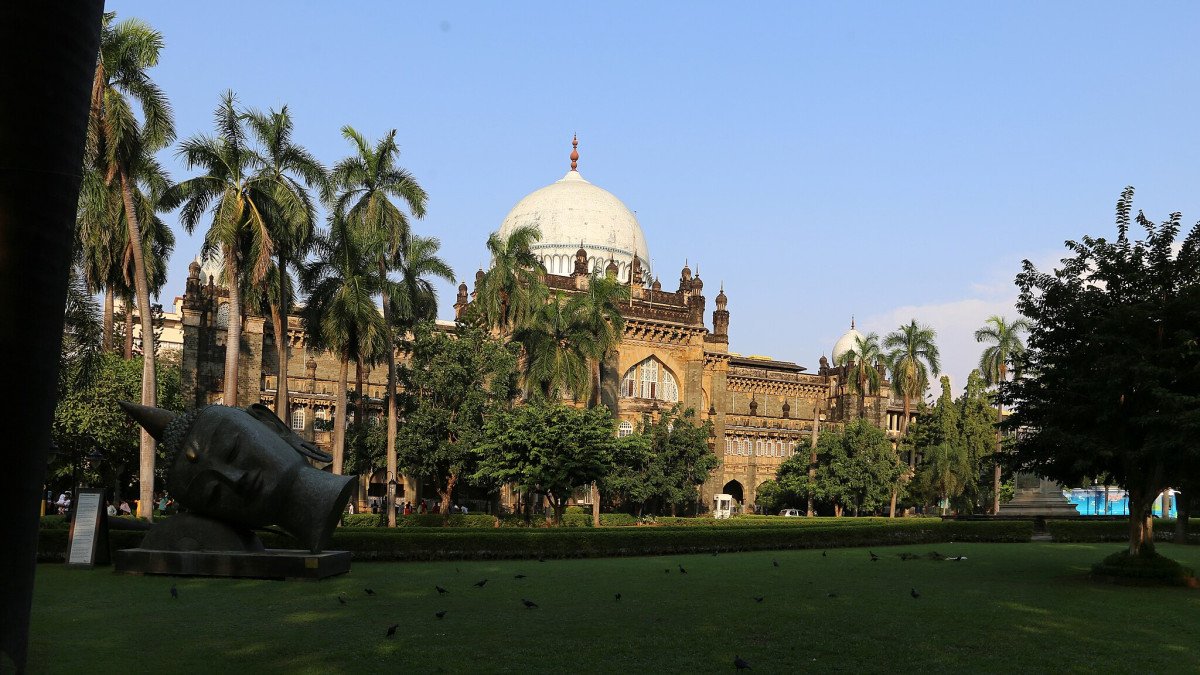
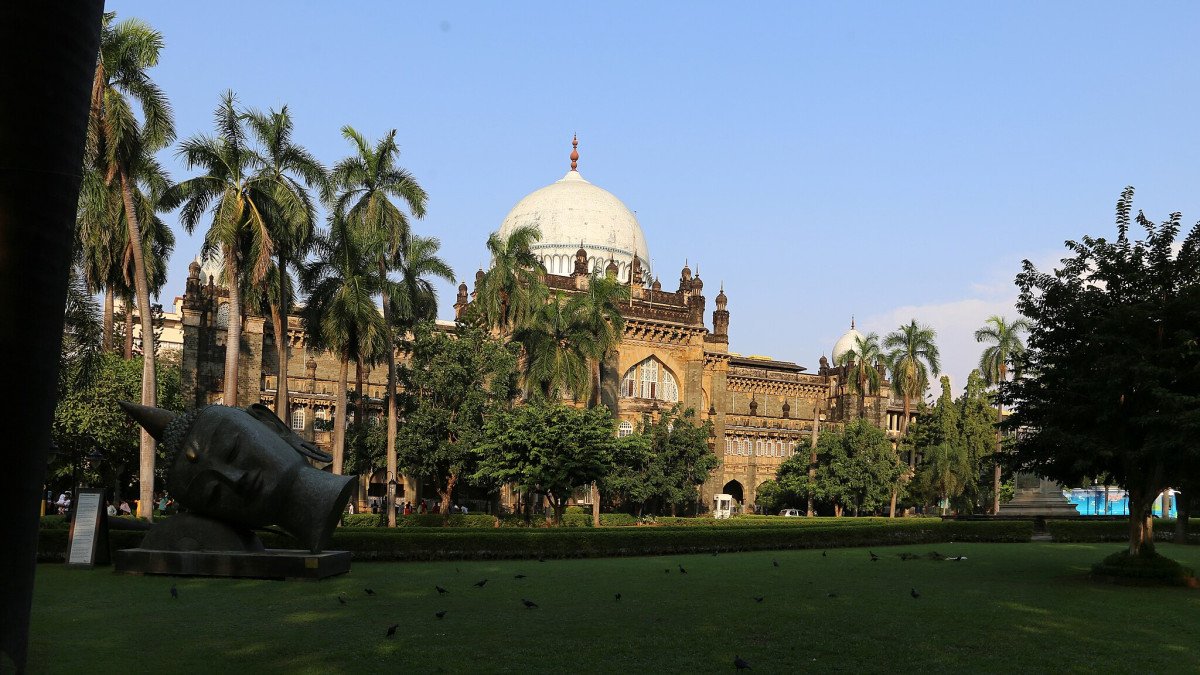
The Grand Exterior and Dome: The single best photo spot is from the front lawn or the main driveway, perfectly framing the magnificent Indo-Saracenic architecture, including the central dome and the minarets. This shot is best taken in the early morning when the light is so...The Grand Exterior and Dome: The single best photo spot is from the front lawn or the main driveway, perfectly framing the magnificent Indo-Saracenic architecture, including the central dome and the minarets. This shot is best taken in the early morning when the light is softer and the shadows are long, or in the late afternoon.
The Main Entrance Archway: The ornate stone carvings and the high arch of the main entrance provide a perfect backdrop for portraits. Positioning a person under the arch emphasizes the scale and intricacy of the building's detailing.
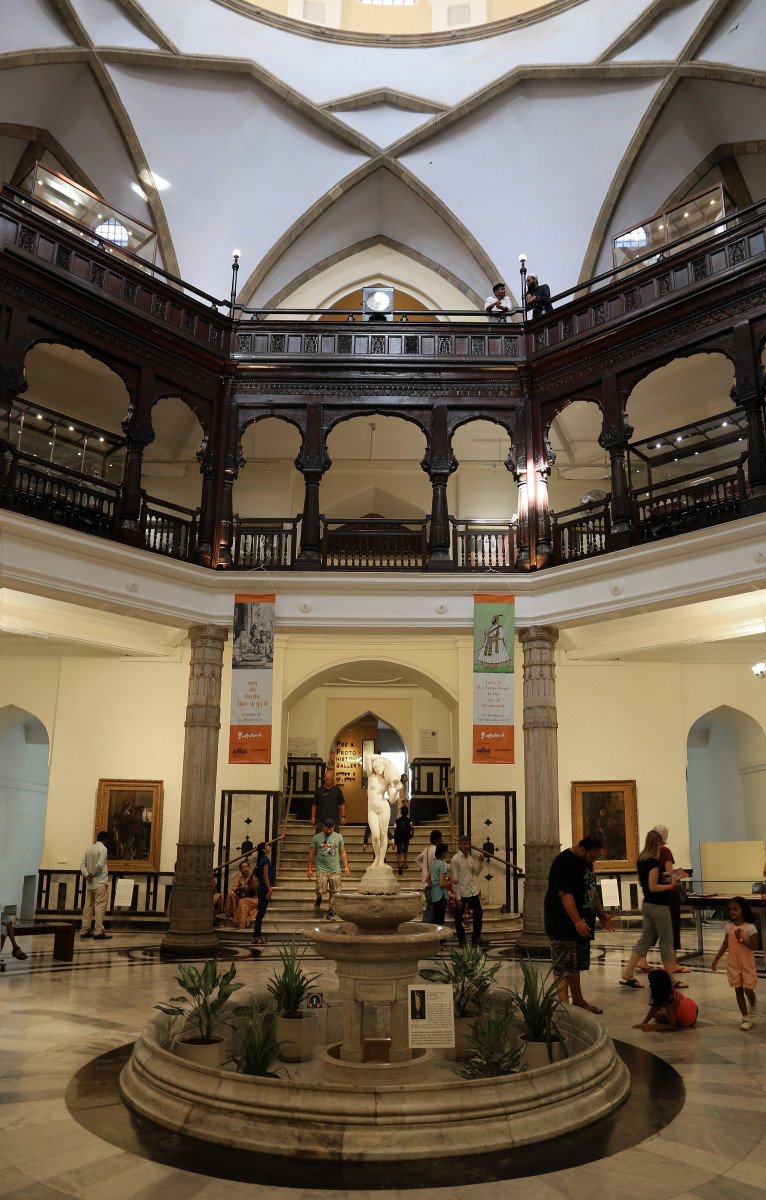
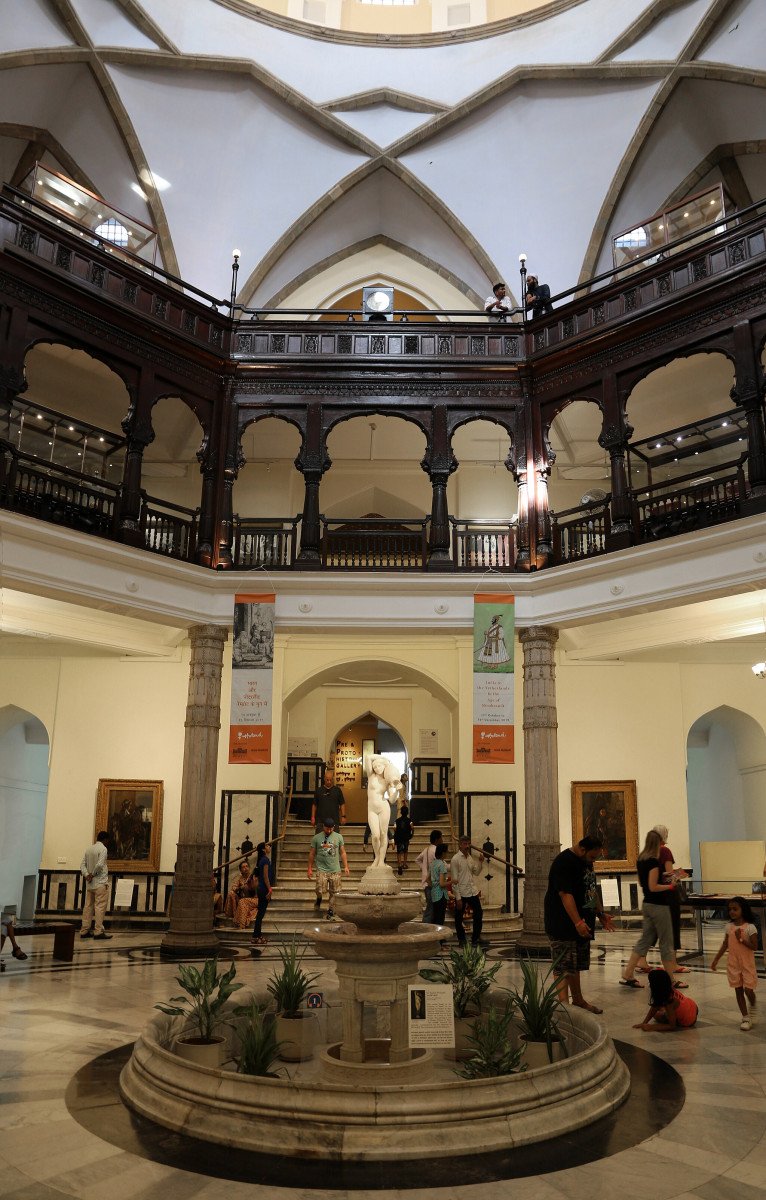
The Central Staircase and Interior Hall: The museum's interior is architecturally stunning, especially the central hall with its grand staircases. The patterns of the marble floor, the elegant railings, and the way the light filters in from the arched windows create a sophisticated atmosphere, ideal for architectural photography.
The Sculpture Court: The archaeology galleries often feature large, ancient stone and bronze sculptures displayed in spacious courts or halls. These provide excellent opportunities for dramatic lighting and close-up texture shots of the millennia-old artworks.
The Museum Signboard (for the tourist shot): Taking a photo with the official signboard of Chhatrapati Shivaji Maharaj Vastu Sangrahalaya is a popular way for visitors to prove and document their visit to this iconic institution. (Approx. )Photo Gallery
Things To Do
-
Explore the Miniature Painting Gallery: Dedicate significant time to the museum's most prized possession: the vast collection of Miniature Paintings. These small, detailed artworks from the Mughal, Deccani, Rajasthani, and Pahari schools tell intricate stories of royal life, mythology, and poetry. Focusing on the different styles and their regional characteristics is a highly rewarding activity for art lovers.
Journey through the Archaeology Section: Visit the extensive archaeology wing to see the fascinating artifacts recovered from the Indus Valley Civilization sites (Harappa and Mohenjo-Daro), including seals, terracotta figures, and pottery. Also, examine the exquisite collection of stone and bronze sculptures from different periods, showcasing the evolution of Indian religious iconography.
Vi...
Information
-
Why Famous:
Vast and Diverse Collections: The CSMVS is famous for the sheer volume and diversity of its artifacts, holding over 60,000 pieces that cover over 5,000 years of history. Its collections of Miniature Paintings (including rare Pahari, Mughal, and Rajasthani schools), Indus Va...Vast and Diverse Collections: The CSMVS is famous for the sheer volume and diversity of its artifacts, holding over 60,000 pieces that cover over 5,000 years of history. Its collections of Miniature Paintings (including rare Pahari, Mughal, and Rajasthani schools), Indus Valley terracotta figures, and Buddhist/Hindu stone sculptures are considered among the finest in the world, making it a pivotal center for Indian art history.
Architectural Landmark: Designed by George Wittet, the museum building is a spectacular example of the Indo-Saracenic style, characterized by its impressive dome and harmonious fusion of Indian and European design. The building’s beauty is as much an attraction as its contents, contributing significantly to its fame as a must-see architectural site in Mumbai.
Custodian of Mumbai's Heritage: Originally built as the Prince of Wales Museum, it has been a continuous cultural and historical focal point for over a century. Its renaming to honor Chhatrapati Shivaji Maharaj cemented its role as a key institution preserving both the city's colonial past and its regional Maratha heritage, making it a critical symbol of local pride.
Central Location in the Art Triangle: Its location right next to the Jehangir Art Gallery and in the heart of the Kala Ghoda arts district means it forms the cultural anchor for South Mumbai. This concentration of museums, galleries, and historical buildings enhances its fame as the primary cultural hub of the city. (Approx. ) -
Architecture:
Indo-Saracenic Architectural Fusion: The CSMVS building is a magnificent example of the Indo-Saracenic style, a revivalist architectural style favored during the British Raj. It intentionally fuses architectural elements from various traditions, primarily combining Mughal a...Indo-Saracenic Architectural Fusion: The CSMVS building is a magnificent example of the Indo-Saracenic style, a revivalist architectural style favored during the British Raj. It intentionally fuses architectural elements from various traditions, primarily combining Mughal and Maratha architectural features with European Gothic and neo-Classical concepts. The design aims for a sense of grandeur while appearing distinctly Indian, featuring elements like high-arched windows, elaborate chhajjas (eaves), and decorative jail work (perforated stone screens).
The Iconic Central Dome: The most notable architectural feature is the large, white central dome, which is built on a high drum. This dome is architecturally inspired by the Bijapur style (Deccan Sultanates) but adapted for the colonial context. The use of traditional yellow and grey stone is prominent throughout the structure, giving it a distinctive color and texture that contrasts beautifully with the lush green gardens surrounding it.
Dimensions and Layout: The museum is laid out in a sprawling rectangular plan with a main entrance hall leading to various galleries. The building is roughly 150 feet long and 100 feet wide, with the dome rising to a significant height above the main structure. It features three stories, each housing extensive collections. The entire structure is set within beautifully maintained gardens, providing a tranquil contrast to the bustling city outside. The intricate carving over the entrance arches and the balanced symmetry of the façade showcase the meticulous craftsmanship of the era. (Approx. ) -
How To Reach:
By Air: The nearest airport is Chhatrapati Shivaji Maharaj International Airport (BOM), located approximately 24 kilometers away. The museum is in the extreme South Mumbai area, so a direct pre-paid taxi or ride-sharing service is the most convenient option. The journey ca... -
Near Tourist Places:
1.
Jehangir Art Gallery:
Right next door (Distance: 0. 1 KMS) 2.
Kala Ghoda Art Precinct:
Surrounding area (Distance: 0. 1 KMS) 3.
National Gallery of Modern Art (NGMA):
Art gallery (Distance: 0. 3 KMS) 4.
Wellington Fountain:
Historic landmark (Distance: 0. 5 KMS) 5.
Gateway Of India:
Iconic monument (Distance: 1. 0 KMS) 6.
Taj Mahal Palace Hotel:
Iconic luxury hotel (Distance: 1. 0 KMS) 7.
Colaba Causeway:
Street shopping (Distance: 1. 2 KMS) 8.
Rajabai Clock Tower:
Heritage structure (Distance: 0. 5 KMS) 9.
Asiatic Society of Mumbai Library (Town Hall):
Historic building (Distance: 1. 5 KMS) 10.
Chhatrapati Shivaji Terminus (CST):
UNESCO railway station (Distance: 1. 5 KMS)
Tourism Tips
-
Health & Safety (Foot Traffic and Water): The museum complex is large, and you will be on your feet for several hours. Wear extremely comfortable walking shoes. The building is air-conditioned, but always carry a water bottle. Check the security rules before carrying larg...
Reviews
Chhatrapati Shivaji Maharaj Vastu Sangrahalaya Tourism:-
Information about New and Updated Locations(608+) of Maharashtra Has Been Added :-
Card subtitle
Note:-
Information provided here in good Faith and for reference only.
All information and pictures will be updated soon, please keep visiting.
Near Places
Bandra Fort
Some quick example text to build on the card title and make up the bulk of the card's content.
Go somewhere
Bandra-Worli Sea Link
Some quick example text to build on the card title and make up the bulk of the card's content.
Go somewhere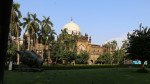
Chhatrapati Shivaji Maharaj Vastu Sangrahalaya
Some quick example text to build on the card title and make up the bulk of the card's content.
Go somewhere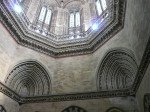
Chhatrapati Shivaji Terminus
Some quick example text to build on the card title and make up the bulk of the card's content.
Go somewhere
Colaba Causeway
Some quick example text to build on the card title and make up the bulk of the card's content.
Go somewhere
Dhobi Ghat
Some quick example text to build on the card title and make up the bulk of the card's content.
Go somewhere
Elephanta Caves
Some quick example text to build on the card title and make up the bulk of the card's content.
Go somewhere
EsselWorld
Some quick example text to build on the card title and make up the bulk of the card's content.
Go somewhere
Film City
Some quick example text to build on the card title and make up the bulk of the card's content.
Go somewhere
Flora Fountain
Some quick example text to build on the card title and make up the bulk of the card's content.
Go somewherein Other Cities