Chhatrapati Shivaji Terminus
General information
-
Ideal Duration:
1 hour (For viewing the exterior and the main hall); 2 hours (If combining with a walk around the Fort area).Place Type:
UNESCO World Heritage Site, Railway Station/TerminEntry Fees:
No Fee for General Access: As a functioning railway station, the public area, concourses, platforms, and the viewing plaza of the Chhatrapati Shivaji Terminus exterior are accessible FREE of charge. You can walk around the exterior and the public parts of the main long-dist...No Fee for General Access: As a functioning railway station, the public area, concourses, platforms, and the viewing plaza of the Chhatrapati Shivaji Terminus exterior are accessible FREE of charge. You can walk around the exterior and the public parts of the main long-distance and local platforms without paying an entry fee.
Platform Ticket (If Entering Platforms): If you are not traveling but wish to walk onto the platforms to observe the trains or the architecture closely, you must purchase a Platform Ticket. This ticket is very nominal (usually around INR 10-20) and is required by railway rules to prevent unauthorized loitering on the operational platforms.
Photography/Commercial Fees: Taking non-flash photos with a simple camera is usually fine in the public area. However, professional photography, the use of tripods, or commercial filming requires explicit permission from the Central Railway authorities and involves substantial fees.
Guided Heritage Tours: The Central Railway occasionally runs guided heritage tours of the administrative and historic areas of the building, which are typically ticketed and require a pre-booking.Timing:
Regular Timings:
24/7 Operation: As a major railway terminus, CST operates 24 hours a day, 7 days a week. There are trains running, and the public areas are accessible around the clock, though security is tighter in the late-night and early-...Regular Timings:
24/7 Operation: As a major railway terminus, CST operates 24 hours a day, 7 days a week. There are trains running, and the public areas are accessible around the clock, though security is tighter in the late-night and early-morning hours.
Ideal Visit Time - Morning Light: For architecture and photography, the best time is the early morning (around 7:00 AM to 9:00 AM) when the light is soft, illuminating the elaborate Western facade beautifully. This time also captures the start of the morning rush hour.
Ideal Visit Time - Night Illumination: The time after sunset (around 7:00 PM onwards) is ideal for viewing the spectacular floodlighting, which creates a dramatic, majestic view of the building.
The Busiest Time: The local train side is most crowded during peak rush hours: 8:30 AM to 10:30 AM and 5:30 PM to 7:30 PM. Visiting during these times offers an intense cultural experience but can be overwhelming. (Approx. )Special Events:
Republic Day/Independence Day Illumination (January 26 / August 15): On major national holidays, the CST building is often specially illuminated in the colors of the Indian national flag (saffron, white, and green). This special lighting is a patriotic and stunning spectacle that draws large crowds...Republic Day/Independence Day Illumination (January 26 / August 15): On major national holidays, the CST building is often specially illuminated in the colors of the Indian national flag (saffron, white, and green). This special lighting is a patriotic and stunning spectacle that draws large crowds and photographers to the surrounding areas.
Railway Heritage Weeks: Central Railway occasionally organizes special events, exhibits, or runs special heritage steam/diesel locomotive displays at or near the terminus during railway weeks or major anniversaries, celebrating the history of Indian Railways.
Anniversary of the Terminus: Events are sometimes held to commemorate the station's opening in 1887 or its renaming, often involving cultural programs or railway-related exhibitions in the premises or the courtyard.Best Photo Spots:
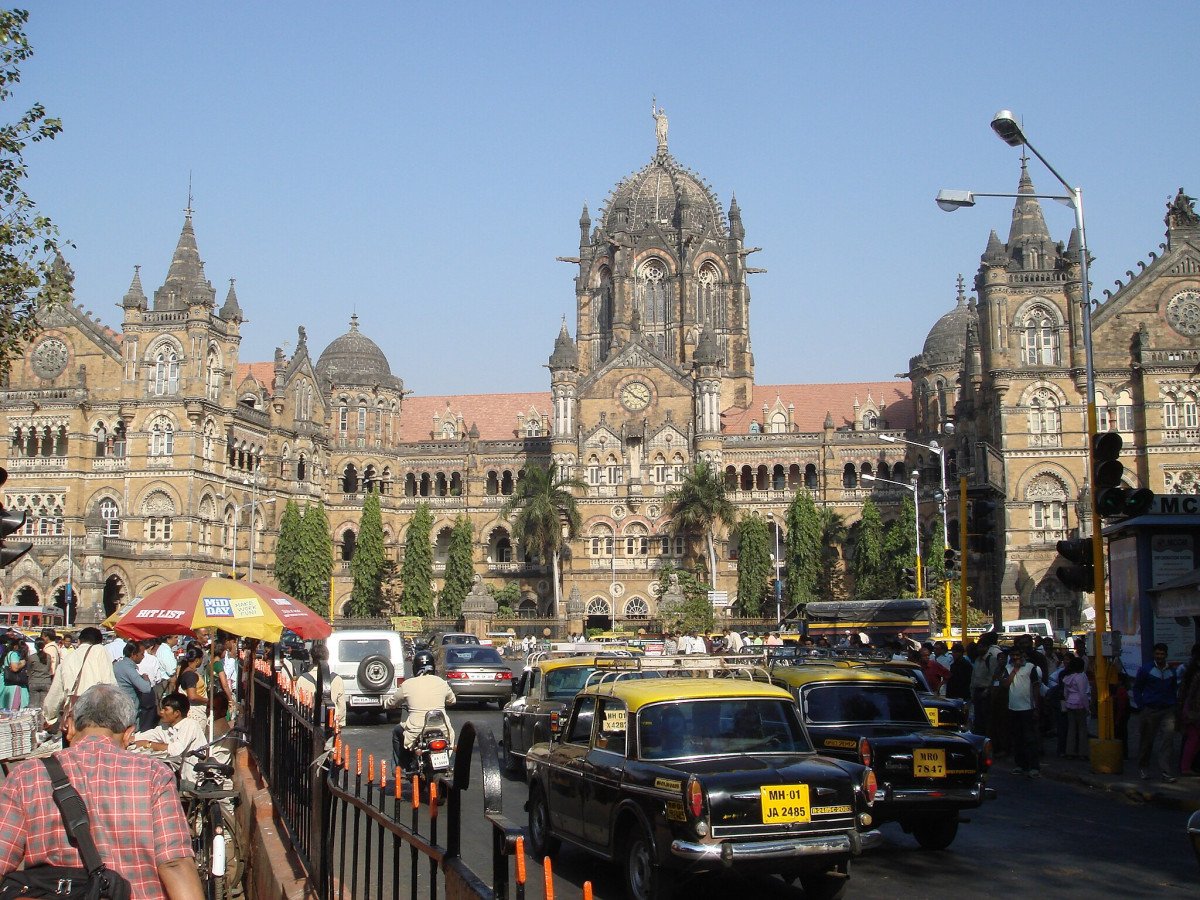
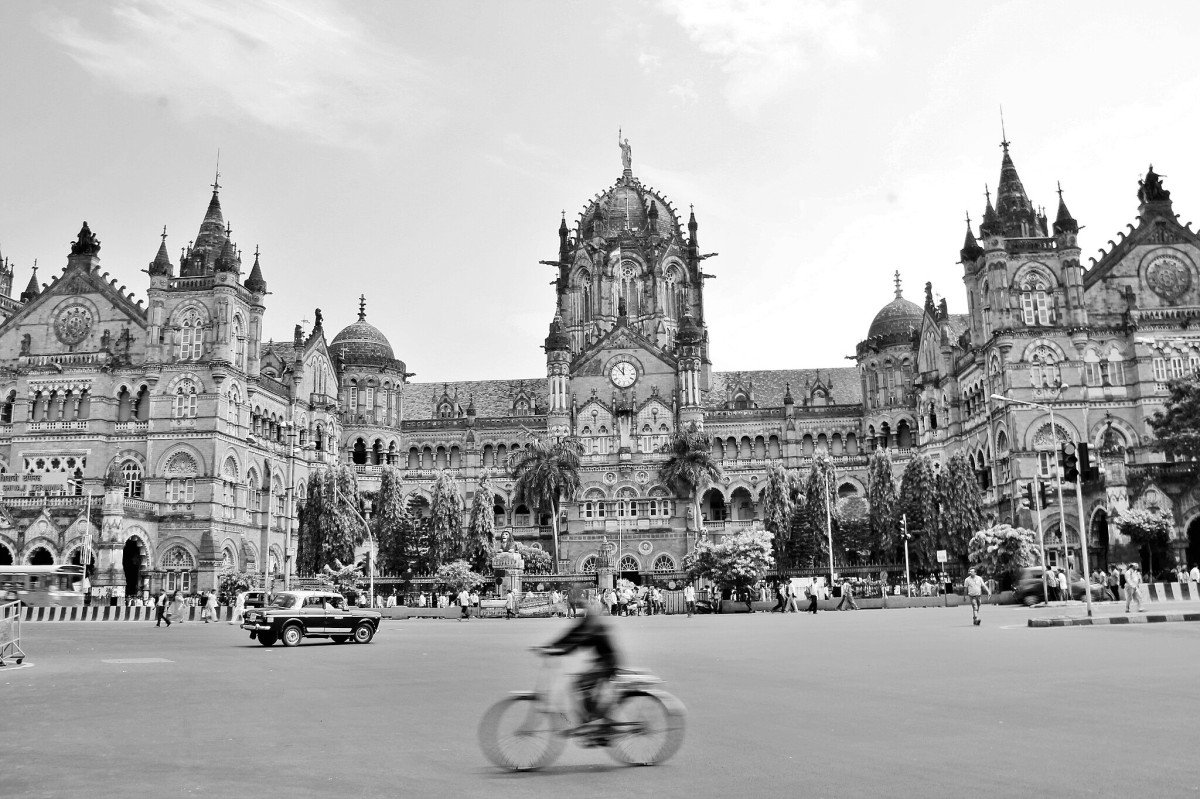
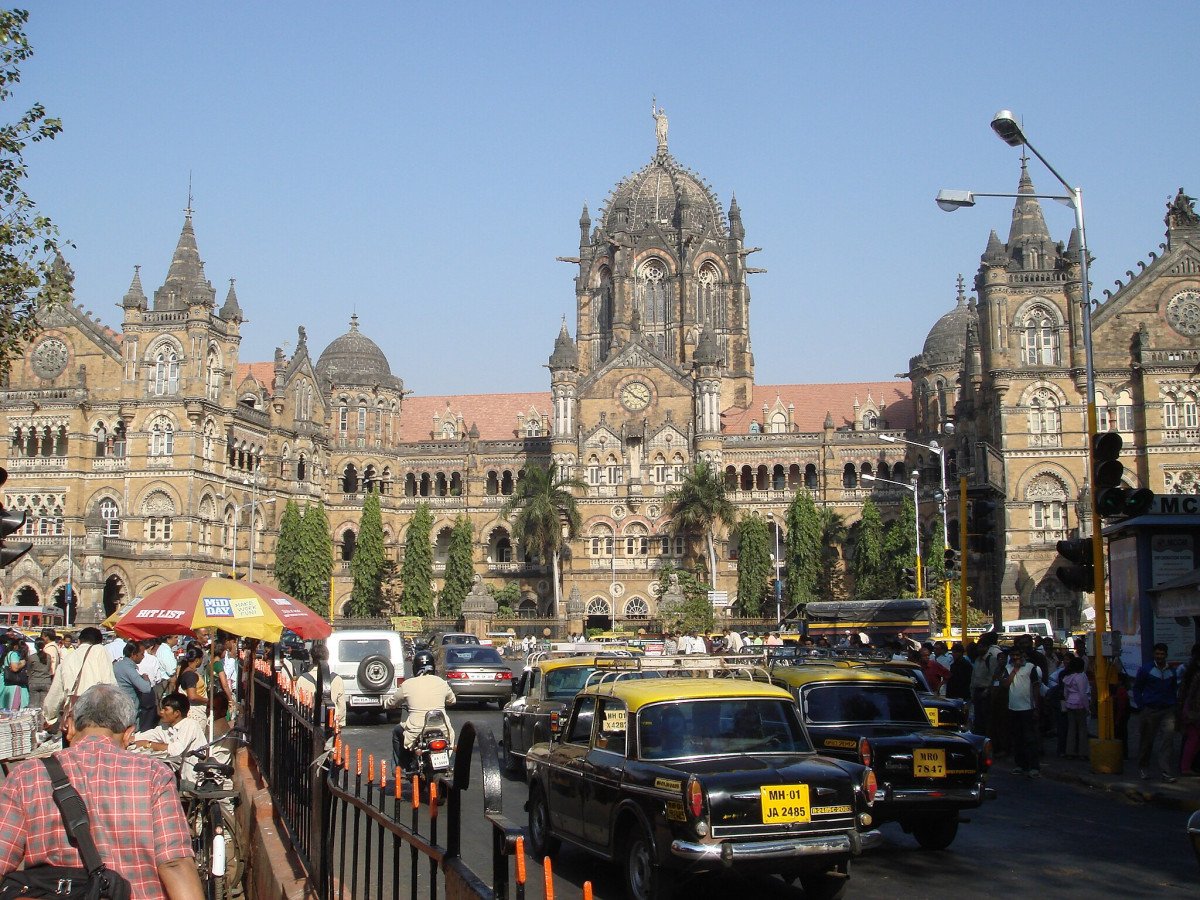
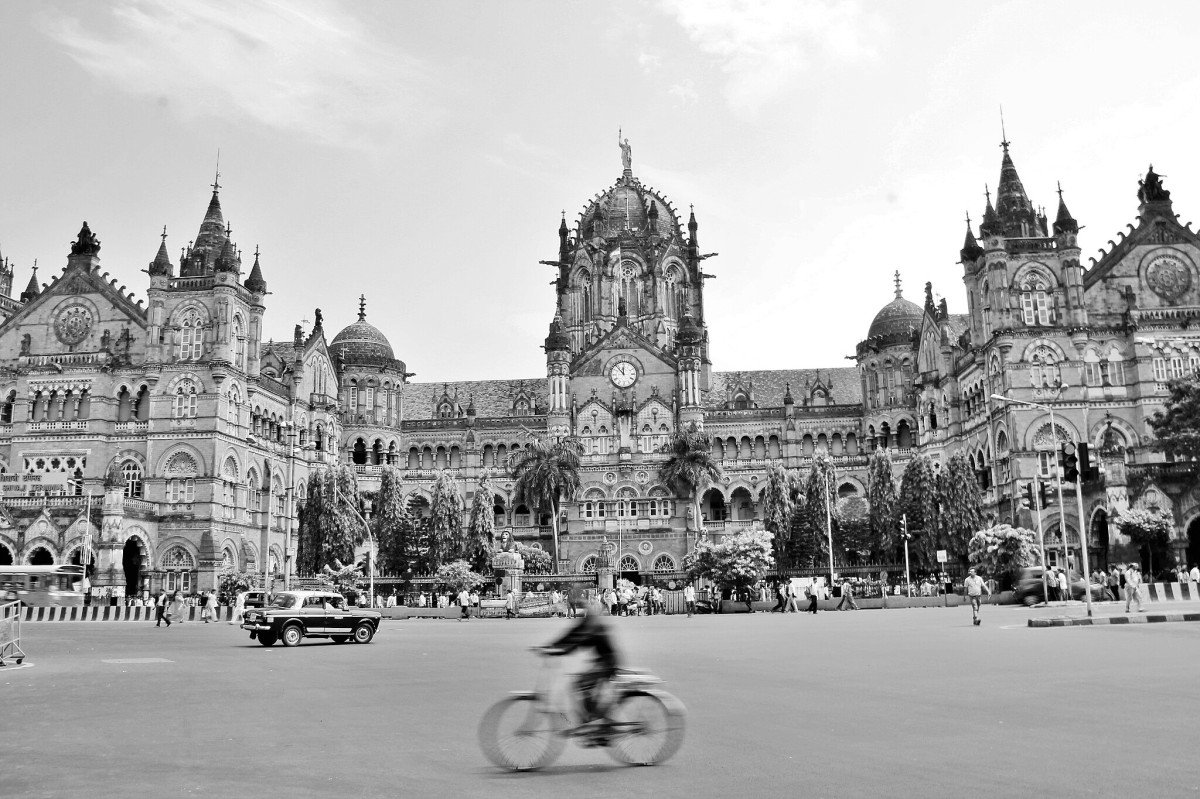
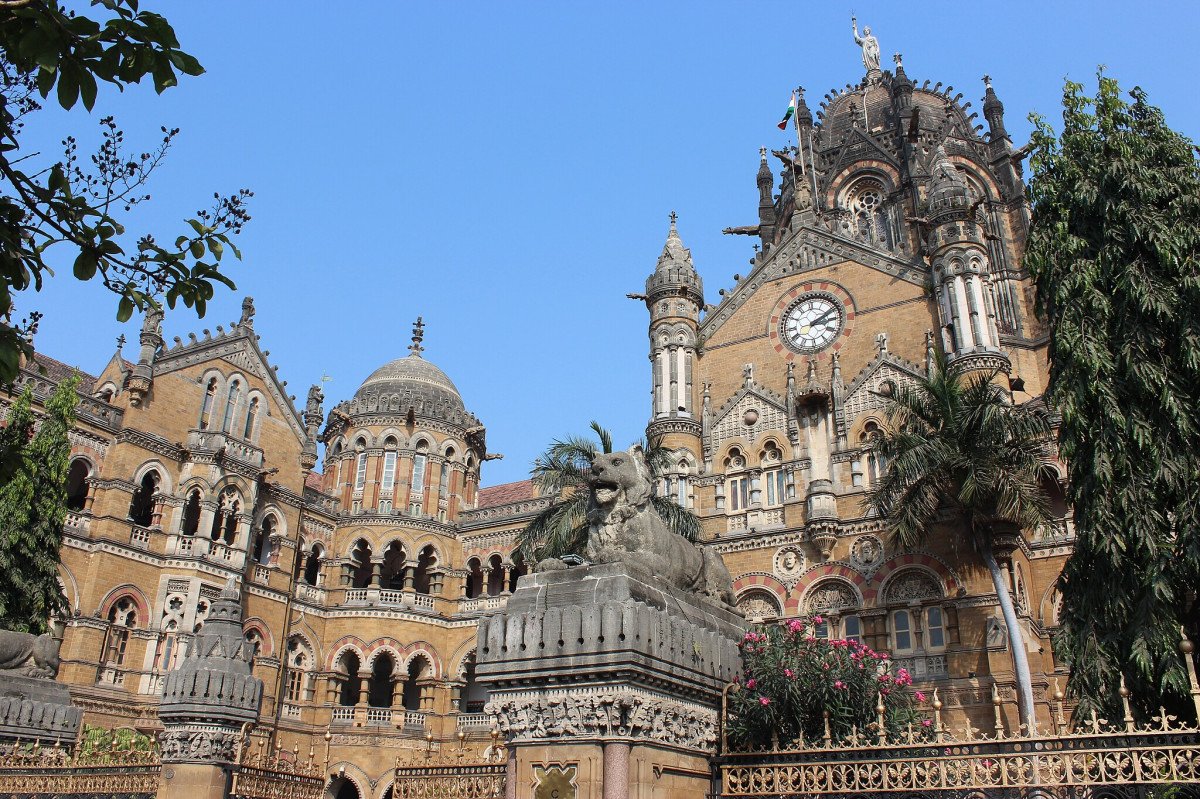
The Wide-Angle Facade Shot (Across the Road): The absolute best shot is taken from the plaza or the small garden directly across the road (near the Times of India building). This position allows you to frame the entire majestic structure, including the massive central dome ...The Wide-Angle Facade Shot (Across the Road): The absolute best shot is taken from the plaza or the small garden directly across the road (near the Times of India building). This position allows you to frame the entire majestic structure, including the massive central dome and the intricate details of the high-Gothic facade.
The Illuminated Night View: The building is spectacular at night. Use a tripod (if allowed, or a steady surface) to capture the station when it is fully floodlit. The contrast between the illuminated golden stone and the dark night sky emphasizes the Gothic details.
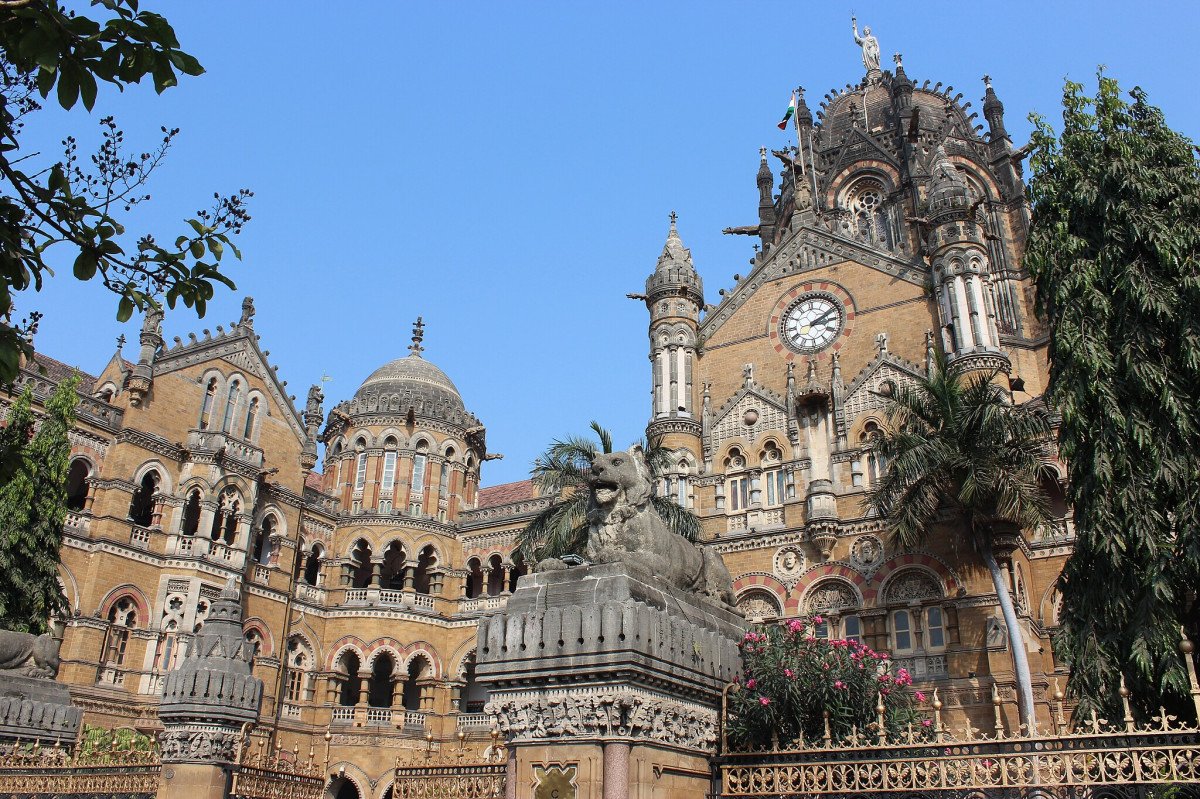
Close-up of the Progress Statue and Dome: Focus your camera high up to get a close-up of the statue of 'Progress' crowning the dome. This shot highlights the iconic symbol of the railway and its engineering achievement.
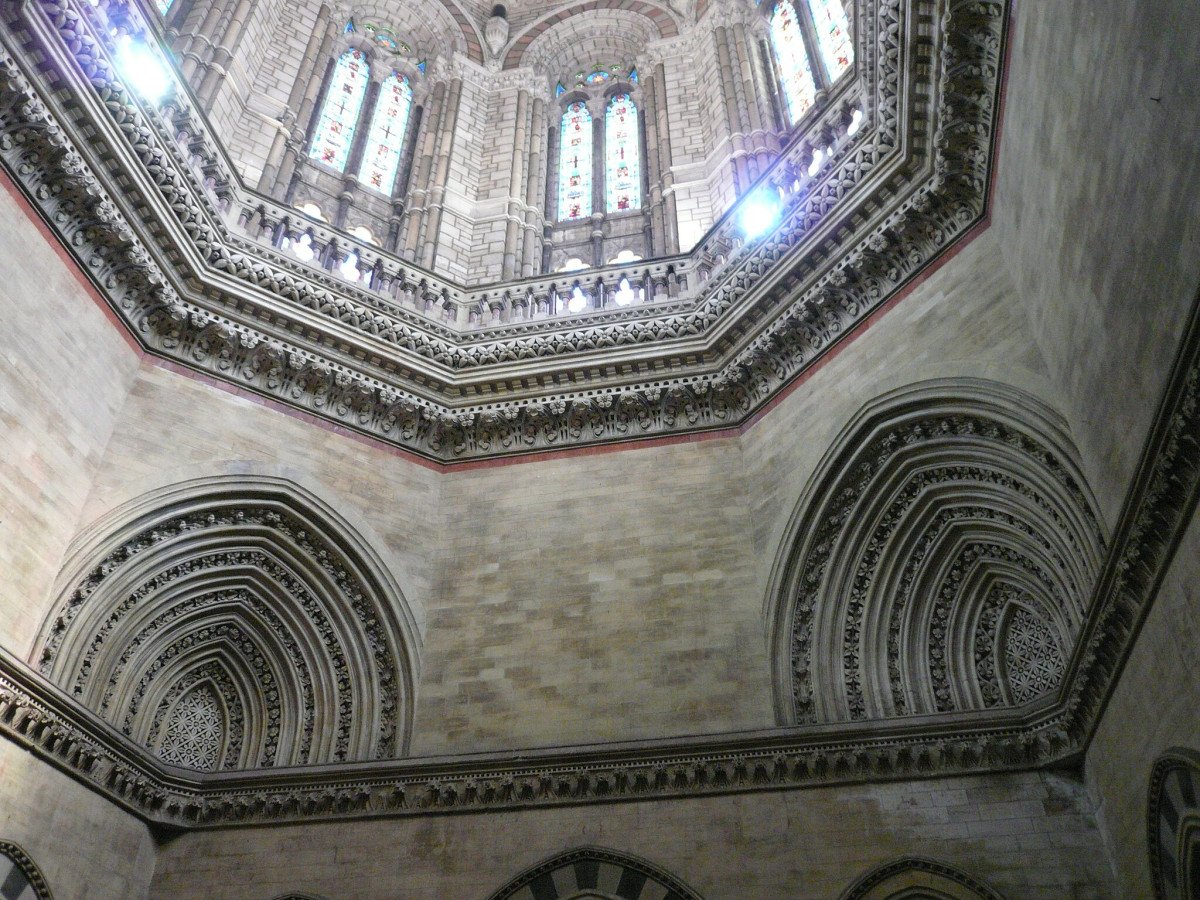
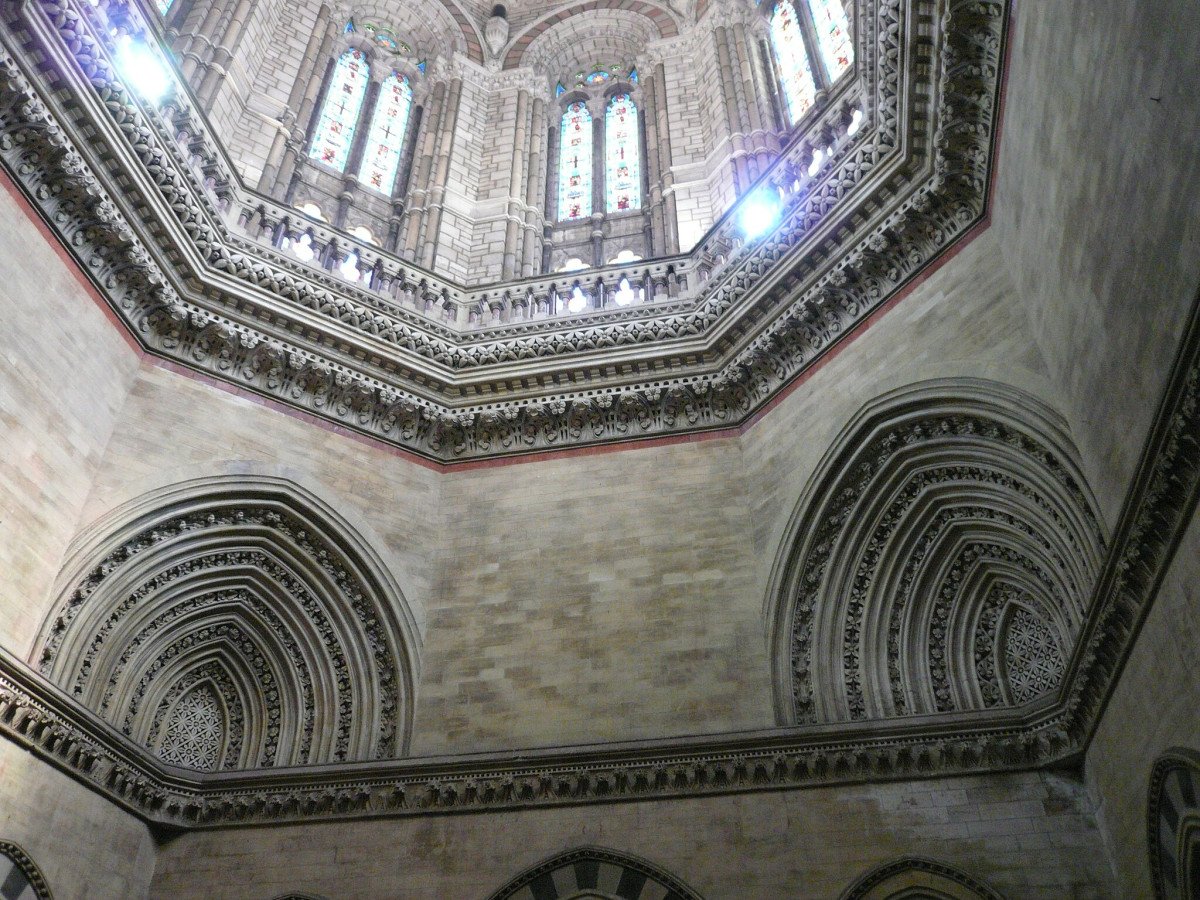
The Main Booking Hall Interior: If allowed to enter, the interior of the main booking hall, with its high arches, detailed pillar capitals, and patterned flooring, offers stunning architectural detail shots. Look for symmetry and leading lines.
Capturing the Chaos (Suburban Side): From an overhead footbridge, a dynamic photo can be captured of the chaotic, never-ending rush of the suburban platforms, contrasting the beauty of the old structure with the raw energy of modern Mumbai life. (Approx. )Photo Gallery
Things To Do
-
Admire the Main Facade and Dome: The primary activity is walking across the road to a safe distance (the plaza area) to get the best view of the magnificent main facade, the central dome, and the statue of 'Progress'. This is the best photo opportunity and allows you to appreciate the sheer scale of the Victorian Gothic architecture.
Observe the Bustle of the Suburban Side: Walk over to the local suburban side of the station (Central and Harbour lines). Witnessing the relentless rush of the Mumbai local trains and the millions of commuters is an experience that captures the true, high-energy pulse of the city.
Visit the Heritage Main Booking Hall: If possible, gain access to the main booking hall (where tickets for long-distance trains are purchased). The interior is breathtaking, featuring hi...Admire the Main Facade and Dome: The primary activity is walking across the road to a safe distance (the plaza area) to get the best view of the magnificent main facade, the central dome, and the statue of 'Progress'. This is the best photo opportunity and allows you to appreciate the sheer scale of the Victorian Gothic architecture.
Observe the Bustle of the Suburban Side: Walk over to the local suburban side of the station (Central and Harbour lines). Witnessing the relentless rush of the Mumbai local trains and the millions of commuters is an experience that captures the true, high-energy pulse of the city.
Visit the Heritage Main Booking Hall: If possible, gain access to the main booking hall (where tickets for long-distance trains are purchased). The interior is breathtaking, featuring high ceilings, ornate pillars, and the famous star-patterned marble floor. It feels like stepping into a cathedral of transport.
Walk the Heritage Footbridge: Use one of the overhead pedestrian bridges inside the station complex. These provide an elevated view of the platforms, tracks, and the constant flow of life, offering a unique dynamic perspective of the station's operations.
Combine with Fort Area Architecture Walk: Since CST is the starting point of the historic Fort area, combine the visit with a walk to nearby architectural landmarks like the Bombay High Court, the Mumbai University building, and the Asiatic Society of Mumbai Library. Look for F. W.
Stevens’ Name: Search for the inscription bearing the name of the architect, Frederick William Stevens, which is often found prominently near the foundation plaque or main entrance, connecting you directly to the building’s creator.
Night-time Illumination Viewing: Visit again after sunset. The entire building is beautifully floodlit, and the play of light on the intricate stone carvings and the dome creates a truly majestic, golden appearance, transforming the structure into a glittering, architectural spectacle.
Information
-
Why Famous:
UNESCO World Heritage Status: CST is famous as the only railway station in India to be designated a UNESCO World Heritage Site. This recognition is due to its outstanding universal value as a fusion of two cultures—British and Indian—in its architecture, symbolizing the...UNESCO World Heritage Status: CST is famous as the only railway station in India to be designated a UNESCO World Heritage Site. This recognition is due to its outstanding universal value as a fusion of two cultures—British and Indian—in its architecture, symbolizing the birth of the railway in the subcontinent.
Architectural Grandeur: Its elaborate Victorian Gothic Revival style, complete with gargoyles, a colossal dome, intricate stone carvings, and the iconic statue of 'Progress', makes it one of the most beautiful and awe-inspiring railway stations in the world, attracting architects and historians globally.
The Lifeblood of Mumbai: It is famous as one of the busiest and most critical transport hubs in India. It is the terminus for both the Central and Harbour lines of the Mumbai local trains, often called the city's 'lifeline'. The continuous, bustling movement of people through its historic arches encapsulates the relentless energy of Mumbai.
Symbol of Colonial Power: Originally named Victoria Terminus, it stood as a powerful symbol of the British Raj's engineering prowess and imperial control, marking the beginning of major railway expansion across India, and thus holds immense historical significance. (Approx. ) -
Architecture:
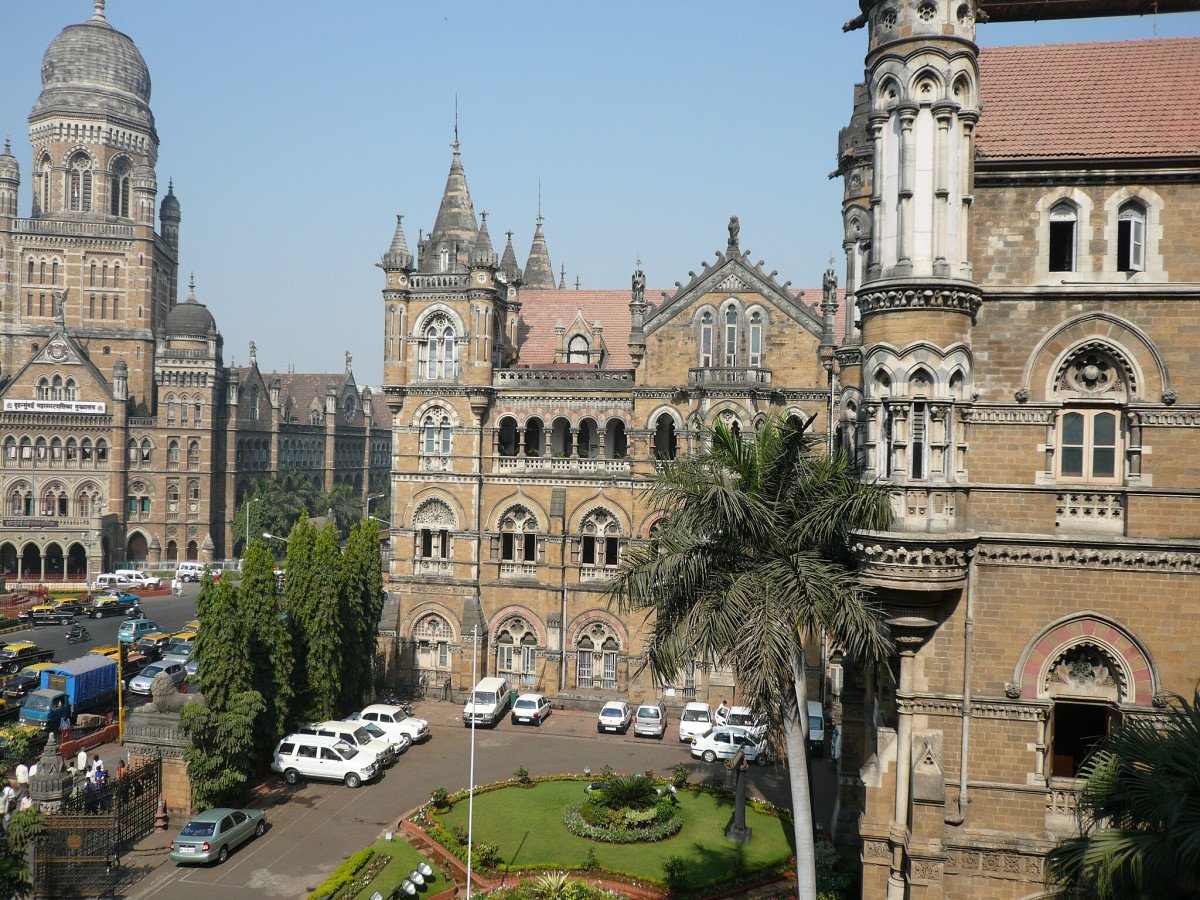
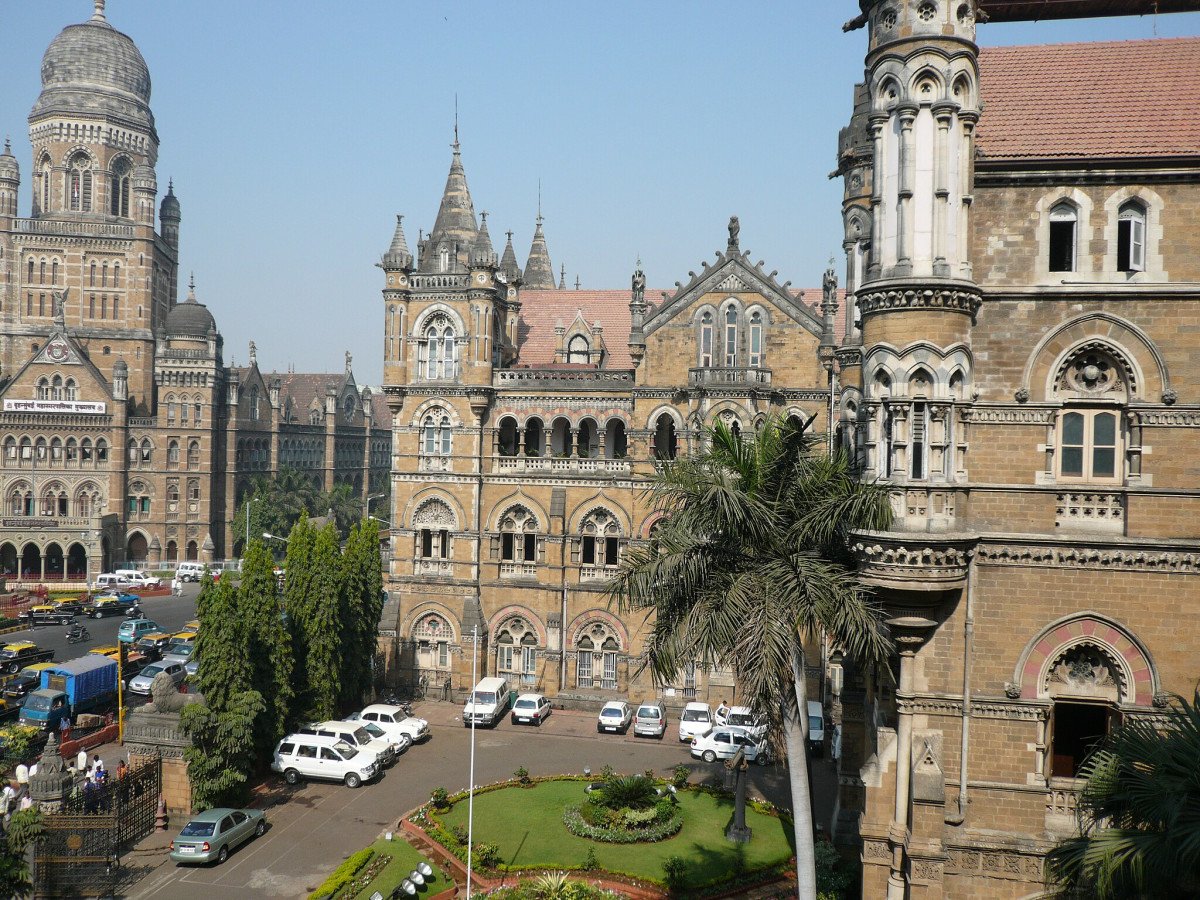
Victorian Gothic Revival Masterpiece: CST is the finest example of Victorian Gothic Revival architecture in India, adapted for the tropical climate. Architect F. W. Stevens blended the high Victorian style, characterized by monumental scale, asymmetry, and ornate detailin...Victorian Gothic Revival Masterpiece: CST is the finest example of Victorian Gothic Revival architecture in India, adapted for the tropical climate. Architect F. W. Stevens blended the high Victorian style, characterized by monumental scale, asymmetry, and ornate detailing, with elements derived from traditional Indian palace architecture. The structure is predominantly built from local Indian stone (sandstone and limestone).
The Central Dome and Statue: The most striking feature is the massive, ribbed, stone dome that crowns the structure, a feature rarely seen in Gothic architecture but used here for grandeur. The dome is topped by a large female figure of 'Progress' holding a torch and a spoked wheel, symbolizing the progress of the railways and the city's forward movement. This statue is approximately 5 meters (16 feet) high and is a key dimensional highlight.
Intricate Carvings and Ornamentation: The entire facade and interior are rich with intricate carvings. Look for the gargoyles, stylized tigers, lions, peacocks, and various human figures representing the diverse communities and trades of India. The carvings around the main entrance and the booking hall are particularly detailed. The building covers a large area, with the facade length being substantial to accommodate the many arches, windows, and turrets that create its majestic profile. The star-patterned mosaic flooring in the main booking hall is another notable feature. (Approx. ) -
How To Reach:
By Air: The nearest airport is Chhatrapati Shivaji Maharaj International Airport (BOM), approximately 25 kilometers away. A pre-paid taxi or ride-sharing service is the most convenient option, taking 1 to 1. 5 hours depending on traffic.
By Tra...By Air: The nearest airport is Chhatrapati Shivaji Maharaj International Airport (BOM), approximately 25 kilometers away. A pre-paid taxi or ride-sharing service is the most convenient option, taking 1 to 1. 5 hours depending on traffic.
By Train (Long Distance): CST is itself one of the main long-distance termini, meaning if you arrive in Mumbai by train from many cities across India, you will already be at the location. Mumbai Central is the only other major terminus, located about 5 kilometers away, requiring a taxi from there.
By Train (Local Transport): CST is the terminal station for the Central and Harbour lines of the Mumbai local train network, making it extremely easy to reach from most parts of the city. If traveling from the Western line, take the train to Churchgate and then a short taxi or bus ride.
By Road (Local Transport): The station is a primary landmark in the Fort area. All black-and-yellow taxis, auto-rickshaws (though restricted to areas outside the main fort area), and BEST buses ply routes that either terminate at or pass directly by CST. Due to its centrality, it is one of the easiest landmarks to reach via any public transport. (Approx. ) -
Weather and Best Time to Visit:
Best Season - The Cooler Winter (November to February): This is the ideal time to visit the entire Mumbai area, as the cool, dry weather makes it comfortable to walk around the vast station complex and the surrounding heritage precinct.
The Monsoon Season (June to Septe...Best Season - The Cooler Winter (November to February): This is the ideal time to visit the entire Mumbai area, as the cool, dry weather makes it comfortable to walk around the vast station complex and the surrounding heritage precinct.
The Monsoon Season (June to September): While the rain adds a moody, dramatic element to the Gothic architecture, be prepared for heavy downpours and potential minor disruptions to local train services or road traffic, which can delay your visit.
Different Parts of the Day: Sunrise (6 AM - 7 AM) Excellent for photography before the massive crowd arrives, offering clear views of the facade. Mid-Morning (9 AM - 11 AM) Good for viewing the interior booking hall before the long-distance train rush gets too heavy.
Evening (7 PM onwards): Essential for capturing the iconic, floodlit view of the building.
Avoid Mid-Day: 11 AM - 4 PM is often hot and the most intensely crowded time on the platforms, though the exterior viewing is always possible. (Approx. ) -
Near Tourist Places:
1.
Bombay High Court:
Victorian Gothic building (Distance: 1. 5 KMS) 2.
Asiatic Society of Mumbai Library (Town Hall):
Neo-Classical architecture (Distance: 1. 5 KMS) 3.
Flora Fountain (Hutatma Chowk):
Central fountain and square (Distance: 1. 0 KMS) 4.
Rajabai Clock Tower:
Heritage structure (Distance: 1. 5 KMS) 5. Mumbai G. P. O.
(General Post Office):
Impressive historical building (Distance: 0. 5 KMS) 6. St.
Thomas Cathedral:
Historic church (Distance: 1. 5 KMS) 7. Chhatrapati Shivaji Maharaj Vastu Sangrahalaya (CSMVS):
Museum (Distance: 2. 0 KMS) 8.
Jehangir Art Gallery:
Art hub (Distance: 2. 0 KMS) 9.
Gateway Of India:
Iconic monument (Distance: 2. 5 KMS) 10.
Marine Drive (Queen's Necklace):
Seafront promenade (Distance: 3. 5 KMS)
Tourism Tips
-
Health & Safety (Crowds and Pickpockets): As one of the world's busiest stations, CST is densely crowded. Be extremely vigilant about pickpockets, especially on the suburban platforms and in the booking halls. Keep bags secure and valuables hidden.
Read MoreHealth & Safety (Crowds and Pickpockets): As one of the world's busiest stations, CST is densely crowded. Be extremely vigilant about pickpockets, especially on the suburban platforms and in the booking halls. Keep bags secure and valuables hidden.
Security Awareness: CST is a highly sensitive location due to past events. Expect a heavy security presence, including armed police, metal detectors, and occasional bag checks. Be cooperative with all security personnel.
Respecting the Local Commuter: Remember that CST is primarily a functional station and the lifeblood of millions of commuters. Be mindful and avoid obstructing the flow of foot traffic, especially during rush hour, when people are rushing to catch trains.
Photography Etiquette: While the exterior is highly photogenic, be respectful if photographing people. Inside the operational platforms, avoid standing in dangerous spots near the train tracks for photos.
Accommodation (Fort/Colaba): Staying in the adjacent Fort or Colaba area is highly convenient, allowing for easy access to CST and all other South Mumbai landmarks, mostly within a short walk or taxi ride.Reviews
FAQs
Mumbai Itineray And Cost:-
Chhatrapati Shivaji Terminus Tourism:-
Information about New and Updated Locations() of Maharashtra Has Been Added :-
Card subtitle
Note:-
Information provided here in good Faith and for reference only.
All information and pictures will be updated soon, please keep visiting.
Near Places
Bandra Fort
Some quick example text to build on the card title and make up the bulk of the card's content.
Go somewhere
Bandra-Worli Sea Link
Some quick example text to build on the card title and make up the bulk of the card's content.
Go somewhere
Chhatrapati Shivaji Maharaj Vastu Sangrahalaya
Some quick example text to build on the card title and make up the bulk of the card's content.
Go somewhere
Chhatrapati Shivaji Terminus
Some quick example text to build on the card title and make up the bulk of the card's content.
Go somewhere
Colaba Causeway
Some quick example text to build on the card title and make up the bulk of the card's content.
Go somewhere
Dhobi Ghat
Some quick example text to build on the card title and make up the bulk of the card's content.
Go somewhere
Elephanta Caves
Some quick example text to build on the card title and make up the bulk of the card's content.
Go somewhere
EsselWorld
Some quick example text to build on the card title and make up the bulk of the card's content.
Go somewhere
Film City
Some quick example text to build on the card title and make up the bulk of the card's content.
Go somewhere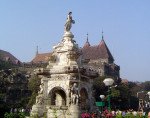
Flora Fountain
Some quick example text to build on the card title and make up the bulk of the card's content.
Go somewherein Other Cities