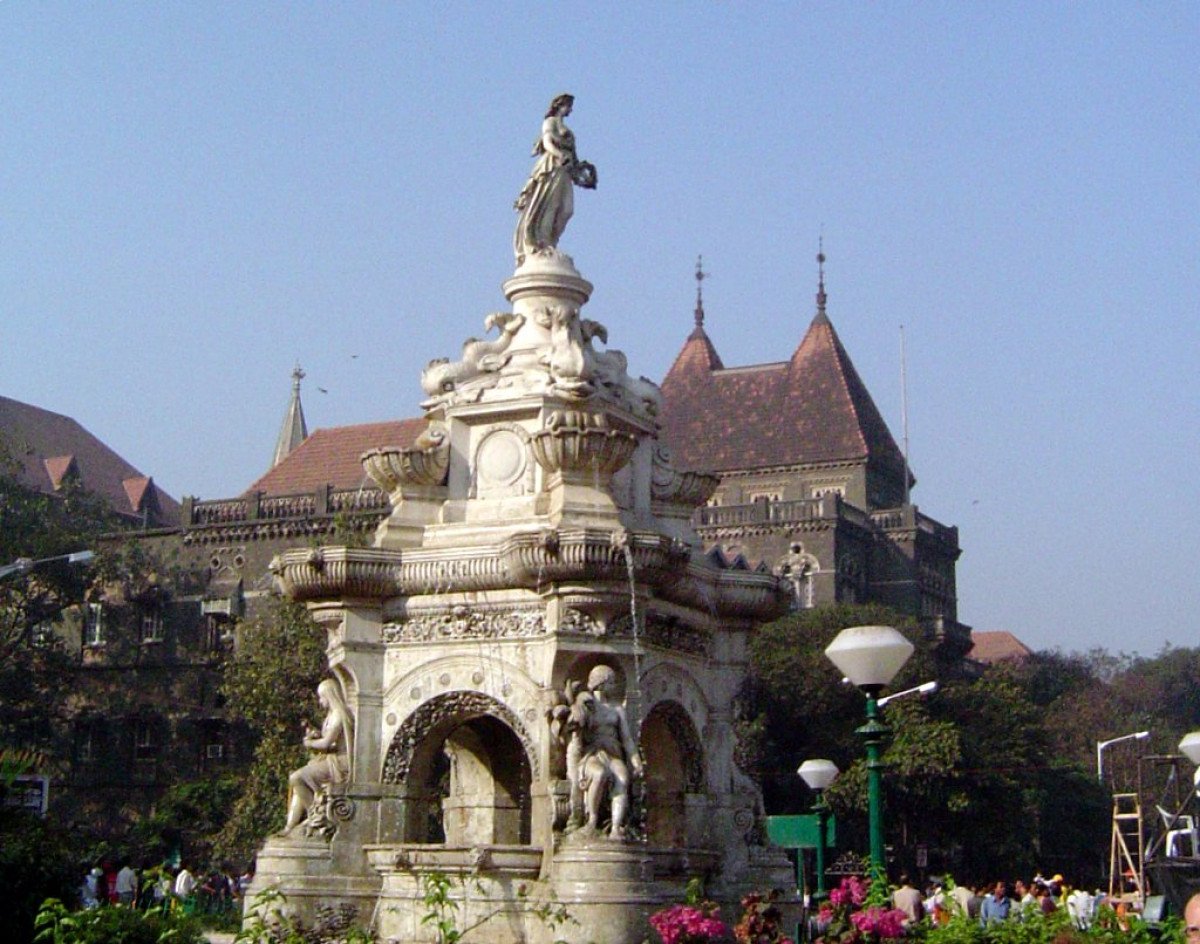
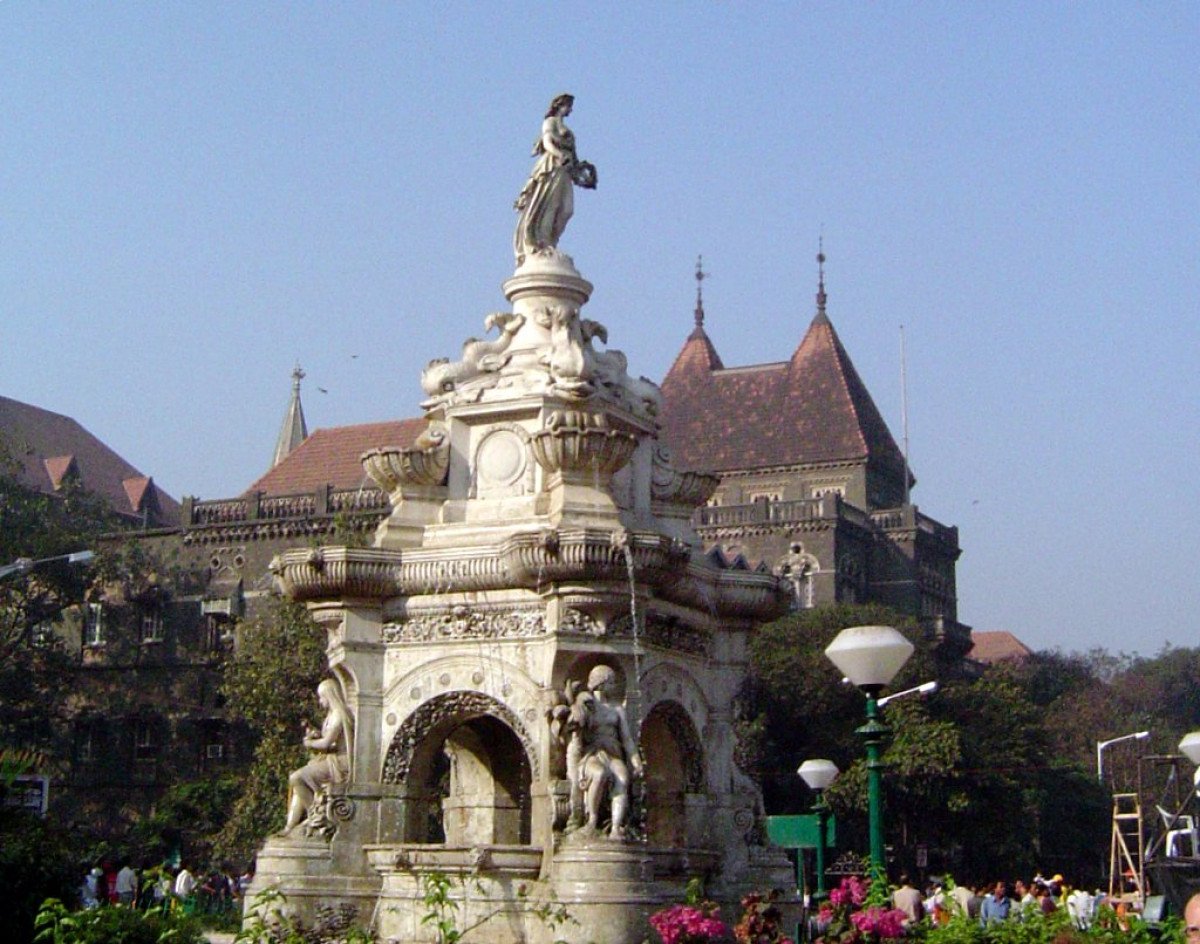
Flora Fountain
General information
-
Ideal Duration:
15 to 30 minutes (for viewing and photography, as it is a traffic junction).Place Type:
Architectural / Heritage / Historical MonumentEntry Fees:
General Viewing (Completely Free): As a public monument situated in the middle of a traffic junction, there is absolutely no entry fee to view, visit, or photograph the Flora Fountain (Hutatma Chowk) or the memorial. It is entirely open and accessible to the public 24/7.General Viewing (Completely Free): As a public monument situated in the middle of a traffic junction, there is absolutely no entry fee to view, visit, or photograph the Flora Fountain (Hutatma Chowk) or the memorial. It is entirely open and accessible to the public 24/7.
Heritage Walk Fees (Optional Cost): While the monument is free, if you choose to join an organized heritage walk tour of the Fort area (often starting or ending here), the walk organizers will charge a fee. This fee covers the cost of the expert guide and the curated experience, not the monument itself.
Photography Fees (Nil): There are no official photography charges. Casual and even serious photography (without professional equipment that disrupts traffic) is freely allowed, which is a major benefit for tourists and photographers.
Donations (Not Applicable): Unlike temples, this is a secular public monument, so there are no donation boxes or expectations for charitable contributions.Timing:
Regular Viewing Timings (24/7 Access): The Flora Fountain (Hutatma Chowk) is a public square and monument, meaning it is accessible 24 hours a day, 7 days a week. There are no gates or opening/closing hours.
Ideal Visit Time (Quiet Morning and ...Regular Viewing Timings (24/7 Access): The Flora Fountain (Hutatma Chowk) is a public square and monument, meaning it is accessible 24 hours a day, 7 days a week. There are no gates or opening/closing hours.
Ideal Visit Time (Quiet Morning and Photography): The ideal visit time is early in the morning, around 7:00 AM to 9:00 AM. This time offers significantly less traffic and fewer office-goers, allowing you to view and photograph the monument in peace. The soft morning light is also excellent for capturing the white Portland stone and the surrounding heritage buildings.
Worst Time:
Peak Rush Hours: The worst time to visit is during the weekday peak traffic rush hours (9:00 AM to 11:00 AM and 5:00 PM to 7:00 PM). The traffic can be intense and noisy, making it difficult to safely stop and appreciate the monument. The evening, however, provides a stunning view of the illuminated heritage buildings.Special Events:
Kala Ghoda Arts Festival (Seasonal Vibrancy): Although the fountain itself is not the event venue, it becomes a focal point and a central navigation point for the annual Kala Ghoda Arts Festival, usually held in February. During this festival, the entire surrounding heritag...Kala Ghoda Arts Festival (Seasonal Vibrancy): Although the fountain itself is not the event venue, it becomes a focal point and a central navigation point for the annual Kala Ghoda Arts Festival, usually held in February. During this festival, the entire surrounding heritage precinct is filled with art installations, performances, and cultural events, and the fountain serves as a grand backdrop to the temporary artistic vibrancy.
Maharashtra Day Celebrations (State History): The area around Hutatma Chowk holds special significance on Maharashtra Day (May 1st), the day the state was formed. While major events happen elsewhere, smaller ceremonies, political speeches, and wreath-laying at the Hutatma memorial often take place here, reinforcing the political and historical importance of the spot.
Diwali Illumination (Festive Lighting): During major festivals like Diwali (Festival of Lights), the Flora Fountain and the surrounding heritage buildings are often beautifully illuminated with decorative lights. This transforms the area into a spectacular, glamorous nighttime photo opportunity, showcasing the city's festive spirit.Best Photo Spots:
The Monument with the Heritage Buildings (The Grand Ensemble): The best photo is a wide-angle shot of the fountain that includes the majestic, colonial-era architecture surrounding Hutatma Chowk, such as the HSBC building or the old government offices. This captures the entire heritage precinct and...The Monument with the Heritage Buildings (The Grand Ensemble): The best photo is a wide-angle shot of the fountain that includes the majestic, colonial-era architecture surrounding Hutatma Chowk, such as the HSBC building or the old government offices. This captures the entire heritage precinct and the fountain's role as the centerpiece.
The Flora Statue (Close-up Detail): Focus on the crowning statue of the Goddess Flora. Take a zoomed-in shot to capture the details of the sculpture, the flow of the drapery, and the classical pose, highlighting the artistry involved in the imported Portland stone carving. The Hutatma Chowk Memorial Contrast (Symbolic Shot): Capture a photo that frames both the Flora Fountain (symbolizing the colonial past) and the Hutatma Memorial (symbolizing independent Maharashtra) in the same shot. This powerful symbolic image captures the historical transition of Mumbai and its political history.
Night-time Illumination (The Golden Glow): Photograph the fountain at night, especially when it is specially illuminated for festivals. The lighting highlights the white stone and the flowing water (when operational), creating a magical, golden glow that enhances the architectural details.Photo Gallery
Things To Do
-
Circumnavigate the Fountain (Visual Appreciation): Since the fountain is in the middle of a major traffic island, the primary activity is to safely walk around the perimeter of the traffic circle (when possible) or view it from the adjacent pavement. Take time to appreciate the Neo-Classical design, the imported Portland stone, and the intricate carvings from all angles. Visit the Hutatma Chowk Memorial (Historical Reflection): Walk a few steps to the nearby Hutatma Chowk memorial statue, which commemorates the martyrs of the Samyukta Maharashtra Movement. Take a moment to reflect on the historical significance of the spot, where the colonial past meets the formation of the modern Indian state, providing a profound contrast to the fountain itself. Photography of the Architectural Ensemble (Heritage Shots): The fountain is an ideal centerpiece for capturing th...Circumnavigate the Fountain (Visual Appreciation): Since the fountain is in the middle of a major traffic island, the primary activity is to safely walk around the perimeter of the traffic circle (when possible) or view it from the adjacent pavement. Take time to appreciate the Neo-Classical design, the imported Portland stone, and the intricate carvings from all angles. Visit the Hutatma Chowk Memorial (Historical Reflection): Walk a few steps to the nearby Hutatma Chowk memorial statue, which commemorates the martyrs of the Samyukta Maharashtra Movement. Take a moment to reflect on the historical significance of the spot, where the colonial past meets the formation of the modern Indian state, providing a profound contrast to the fountain itself. Photography of the Architectural Ensemble (Heritage Shots): The fountain is an ideal centerpiece for capturing the surrounding heritage architecture of the Fort area. Frame the fountain with the impressive, Victorian-era buildings of the HSBC Bank, the Central Telegraph Office, and other structures that define the precinct's unique architectural landscape. Stroll down Dadabhai Naoroji Road (DN Road) (Historical Walk): The fountain marks the southern end of the majestic Dadabhai Naoroji Road, which is famed for its continuous row of heritage buildings, all designed in the Neo-Classical or Gothic style. A walk along this road provides a stunning historical architectural experience. Explore the Book and Stationery Markets (Local Commerce): The area around the fountain is close to the small, famous book stalls and stationery shops near Churchgate and the Fort area. Browsing these older shops, which cater to the adjacent corporate and government offices, offers a glimpse into local commercial life. Visit St.
Thomas Cathedral (Spiritual Contrast): The historic St. Thomas Cathedral, a major architectural landmark, is located very close to the fountain. Visiting the cathedral, one of Mumbai's oldest churches, provides a complementary architectural and spiritual experience to the fountain.
Stop at Kala Ghoda Precinct (Art and Culture): The nearby Kala Ghoda art district, with its galleries, museums, and street art, is easily accessible. You can combine the architectural appreciation of the fountain with a dose of contemporary and historical art and culture in this vibrant area.
Information
-
Why Famous:
Symbol of Colonial Heritage and Indian Nationalism: It is famous for its powerful double identity. It stands as a beautiful, preserved monument of British colonial architecture (Flora Fountain), but it is also the site of a tragic event that gave rise to a new Indian state,...Symbol of Colonial Heritage and Indian Nationalism: It is famous for its powerful double identity. It stands as a beautiful, preserved monument of British colonial architecture (Flora Fountain), but it is also the site of a tragic event that gave rise to a new Indian state, making it a symbol of Indian freedom and the state of Maharashtra (Hutatma Chowk).
Central Landmark in the Financial District: Its location at a major junction in the Fort area—the heart of Mumbai's financial and business district—makes it a universally recognized landmark. The fountain and the square are the focal point for many of the city's oldest and most prestigious heritage buildings, including the Bombay High Court and the Asiatic Library.
Architectural Beauty and Restoration: The exquisite Neo-Classical design, sculpted from imported Portland stone, makes it an object of immense architectural value. Its recent, successful restoration to its original grandeur has further cemented its fame as a must-see heritage site in the city. -
Architecture:
Neo-Classical and Gothic Fusion: The fountain's architecture is a striking fusion, primarily leaning towards the Neo-Classical style, but with decorative elements drawing on Gothic and Indo-Saracenic influences. It was designed by Richard Norman Shaw and sculpted by James F...Neo-Classical and Gothic Fusion: The fountain's architecture is a striking fusion, primarily leaning towards the Neo-Classical style, but with decorative elements drawing on Gothic and Indo-Saracenic influences. It was designed by Richard Norman Shaw and sculpted by James Forsythe. The monument is entirely constructed from light-colored Portland stone imported all the way from England.
The Statue and Height (Dimension): The fountain stands at an impressive total height of 32 feet (approximately 9. 75 meters), including the crowning statue. The statue itself, depicting the Roman Goddess Flora, is approximately 7 feet tall. The figure of Flora stands atop the central column, surrounded by four other mythological figures at the base, representing India's cereal and plant foods, fitting the theme of fertility and abundance.
Intricate Carvings and Basins: The structure features a large basin and a complex arrangement of decorative elements. The base of the fountain includes four corner sculptures. There are often depictions of lion heads and other figures from mythology carved into the stone, all intricately detailed to showcase the high level of craftsmanship prevalent during the British colonial period. -
How To Reach:
By Air (Direct Taxi to Fort): The nearest airport is Chhatrapati Shivaji Maharaj International Airport (BOM), located approximately 25 KMS away. From the airport, a taxi or app-based cab should be hired directly to the Fort area. The journey will take 1 to 1. 5 hours, depe...By Air (Direct Taxi to Fort): The nearest airport is Chhatrapati Shivaji Maharaj International Airport (BOM), located approximately 25 KMS away. From the airport, a taxi or app-based cab should be hired directly to the Fort area. The journey will take 1 to 1. 5 hours, depending on traffic, but the monument is in the most central part of South Mumbai.
By Train (Local Train Network): The fountain is highly accessible via Mumbai's local train network.
The nearest railway stations are:
Churchgate (Western Line): A short walk (5-10 minutes).
Chhatrapati Shivaji Maharaj Terminus (CSMT): A slightly longer walk (15-20 minutes) or a very short taxi/auto-rickshaw ride.
By Road (Best for South Mumbai Travel): Being in the heart of the Fort area, the fountain is well-connected by road. Local Transport like taxis and app-based cabs from any part of South Mumbai (Colaba, Marine Drive, Malabar Hill) can drop you right at the junction. BEST buses ply numerous routes that stop at or near Hutatma Chowk, making it a very economical transport option. Due to its location in a traffic circle, the exact drop-off is convenient. -
Weather and Best Time to Visit:
Best Season: The Dry and Pleasant Winter Months (October to March): The best time to visit is during the cool and dry winter season, from October to March. The temperatures are mild, which is perfect for walking around the surrounding heritage precinct and comfortably viewi...Best Season: The Dry and Pleasant Winter Months (October to March): The best time to visit is during the cool and dry winter season, from October to March. The temperatures are mild, which is perfect for walking around the surrounding heritage precinct and comfortably viewing the fountain in the open air. The monsoon (June to September) can make viewing difficult due to heavy rains and the high humidity of the summer (April to May) is uncomfortable, particularly when standing at a busy intersection.
Ideal Part of the Day:
Early Morning Tranquility: The ideal part of the day is the early morning (before 9:00 AM). The traffic is lighter, and the historical atmosphere of the surrounding heritage buildings is most palpable and serene. The light is also best for photography.
Worst Time:
Midday Rush Hour: The worst time is the peak office lunch hour and the evening rush hour (5:00 PM to 7:00 PM), as the intersection becomes extremely crowded and noisy with vehicular and pedestrian traffic, making a quiet viewing impossible. -
Near Tourist Places:
1.
Hutatma Chowk Memorial: (Adjacent) 2. St.
Thomas Cathedral: (Approx. 0. 2 KMS) 3.
Asiatic Society of Mumbai: (Approx. 0. 5 KMS) 4.
Horniman Circle Gardens: (Approx. 0. 8 KMS) 5.
Chhatrapati Shivaji Maharaj Terminus (CSMT): (Approx. 2 KMS) 6.
Kala Ghoda Art Precinct: (Approx. 1 KM) 7.
Jehangir Art Gallery: (Approx. 1. 5 KMS) 8.
Gateway of India: (Approx. 3 KMS) 9.
Colaba Causeway: (Approx. 3. 5 KMS) 10.
Wankhede Stadium: (Approx. 2 KMS)
Tourism Tips
-
Health & Safety:
Traffic and Road Crossing: Health & Safety is crucial here due to the extremely heavy vehicular traffic at this junction. Always use designated crosswalks and follow traffic signals strictly. Do not attempt to stand in the ...Health & Safety:
Traffic and Road Crossing: Health & Safety is crucial here due to the extremely heavy vehicular traffic at this junction. Always use designated crosswalks and follow traffic signals strictly. Do not attempt to stand in the middle of the road for photos.
Packing:
Light and No Luggage: Carry minimal packing as you'll be on a busy street. Leave large bags at your accommodation. A camera is a must for the excellent architecture.
Accommodation:
South Mumbai Hotels: For Accommodation, staying anywhere in South Mumbai—specifically in the Fort, Colaba, or Churchgate areas—is highly recommended, as the fountain will be within walking distance or a short cab ride from your hotel.
Other Different Topics:
Combine with a Heritage Walk: Since the fountain is the central point of Mumbai's most famous heritage precinct, the best tip is to combine the visit with a formal or self-guided heritage walk of the Fort area, covering Horniman Circle, Asiatic Library, and CSMT. Use the local BEST buses to travel short distances and experience local life.
Reviews
FAQs
Mumbai Itineray And Cost:-
Information about New and Updated Locations() of Maharashtra Has Been Added :-
Card subtitle
Note:-
Information provided here in good Faith and for reference only.
All information and pictures will be updated soon, please keep visiting.
Near Places
Bandra Fort
Some quick example text to build on the card title and make up the bulk of the card's content.
Go somewhere
Bandra-Worli Sea Link
Some quick example text to build on the card title and make up the bulk of the card's content.
Go somewhere
Chhatrapati Shivaji Maharaj Vastu Sangrahalaya
Some quick example text to build on the card title and make up the bulk of the card's content.
Go somewhere
Chhatrapati Shivaji Terminus
Some quick example text to build on the card title and make up the bulk of the card's content.
Go somewhere
Colaba Causeway
Some quick example text to build on the card title and make up the bulk of the card's content.
Go somewhere
Dhobi Ghat
Some quick example text to build on the card title and make up the bulk of the card's content.
Go somewhere
Elephanta Caves
Some quick example text to build on the card title and make up the bulk of the card's content.
Go somewhere
EsselWorld
Some quick example text to build on the card title and make up the bulk of the card's content.
Go somewhere
Film City
Some quick example text to build on the card title and make up the bulk of the card's content.
Go somewhere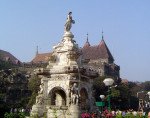
Flora Fountain
Some quick example text to build on the card title and make up the bulk of the card's content.
Go somewherein Other Cities