Dhobi Ghat
General information
-
Ideal Duration:
1 to 1. 5 hours (for viewing from the bridge and a quick tour of the perimeter).Place Type:
Cultural / Social / LandmarkEntry Fees:
Public View (Free of Charge): There is no entry fee to stand on the public bridge near the Mahalaxmi station to view the Dhobi Ghat from above. This is the common way most tourists experience the site and is completely free and accessible.
Guid...Public View (Free of Charge): There is no entry fee to stand on the public bridge near the Mahalaxmi station to view the Dhobi Ghat from above. This is the common way most tourists experience the site and is completely free and accessible.
Guided Tour Fees (Cost for Experience): To go down and walk through the lanes of the Dhobi Ghat perimeter, it is highly recommended to hire a local guide. Guides charge a reasonable, negotiated fee for a detailed tour, which includes permission and access to parts of the operational area, and provides insights into the community's life and the washing process. This fee is for the service and ensures respect for the working environment.
Photography Charges (Optional/Implied Donation): While there is no official, mandatory photography charge for tourists, many Dhobis rely on small tips or implicit payments from photographers, especially those taking close-up or highly detailed shots of the workers. This is an unofficial, voluntary contribution and a way to thank the Dhobis for allowing the intimate access.
Donations (Community Support): Visitors often contribute a small, voluntary donation directly to the Dhobi community fund or via the guide as a gesture of respect and support for this hard-working population.Timing:
Regular Operational Timings: Dhobi Ghat is a continuous, functioning workplace, and the Dhobis generally begin their work very early, around 6:00 AM and continue until late in the evening, sometimes until 10:00 PM. The peak washing activity, however, occurs primarily in the...Regular Operational Timings: Dhobi Ghat is a continuous, functioning workplace, and the Dhobis generally begin their work very early, around 6:00 AM and continue until late in the evening, sometimes until 10:00 PM. The peak washing activity, however, occurs primarily in the morning and early afternoon, generally between 7:00 AM and 2:00 PM.
Ideal Visit Time (Peak Activity and Light): The ideal visit time is in the early to mid-morning, specifically between 8:00 AM and 10:00 AM. This period ensures that you will witness the peak of the manual washing activity and the start of the massive drying process. Furthermore, the morning light is excellent for photography, illuminating the thousands of clothes and their vibrant colors.
Worst Time:
Midday Heat and Evening: Visiting during the midday peak heat (1:00 PM to 4:00 PM) is less comfortable, and while work continues, the activity slows down. Late evening visits offer a view of the washing area winding down, but the famous sight of thousands of clothes drying is missed, as they are typically gathered before sunset.Special Events:
Vishwakarma Puja (The Workman's Festival): The most significant special event for the Dhobi Ghat community is the annual Vishwakarma Puja, a festival dedicated to the Hindu deity of architecture, crafts, and all workmen. This festival, typically celebrated in September, inv...Vishwakarma Puja (The Workman's Festival): The most significant special event for the Dhobi Ghat community is the annual Vishwakarma Puja, a festival dedicated to the Hindu deity of architecture, crafts, and all workmen. This festival, typically celebrated in September, involves the Dhobis ritually worshipping their tools of trade—the flogging stones, irons, washing tubs, and even the clotheslines. The day is marked by colorful decorations, special pujas, and a temporary halt of work to honor the craftsmanship and the dignity of their labor. Anniversaries of Client Accounts (Business Rituals): While not a public spectacle, the Dhobi Ghat community often holds small, internal rituals and pujas to mark the anniversaries of key business contracts or accounts (like major hotels or hospitals). These rituals highlight the deep-seated cultural belief that their business success is tied to divine blessings and are a unique feature of this work-centric community's calendar.
Dharavi Film Shootings (Media Events): While not a pre-planned event, the Ghat is a frequent location for film and documentary shoots. If you are lucky, witnessing a Bollywood or international film crew in action, trying to capture the unique backdrop, can be a surprising and exciting special event during your visit.Best Photo Spots:
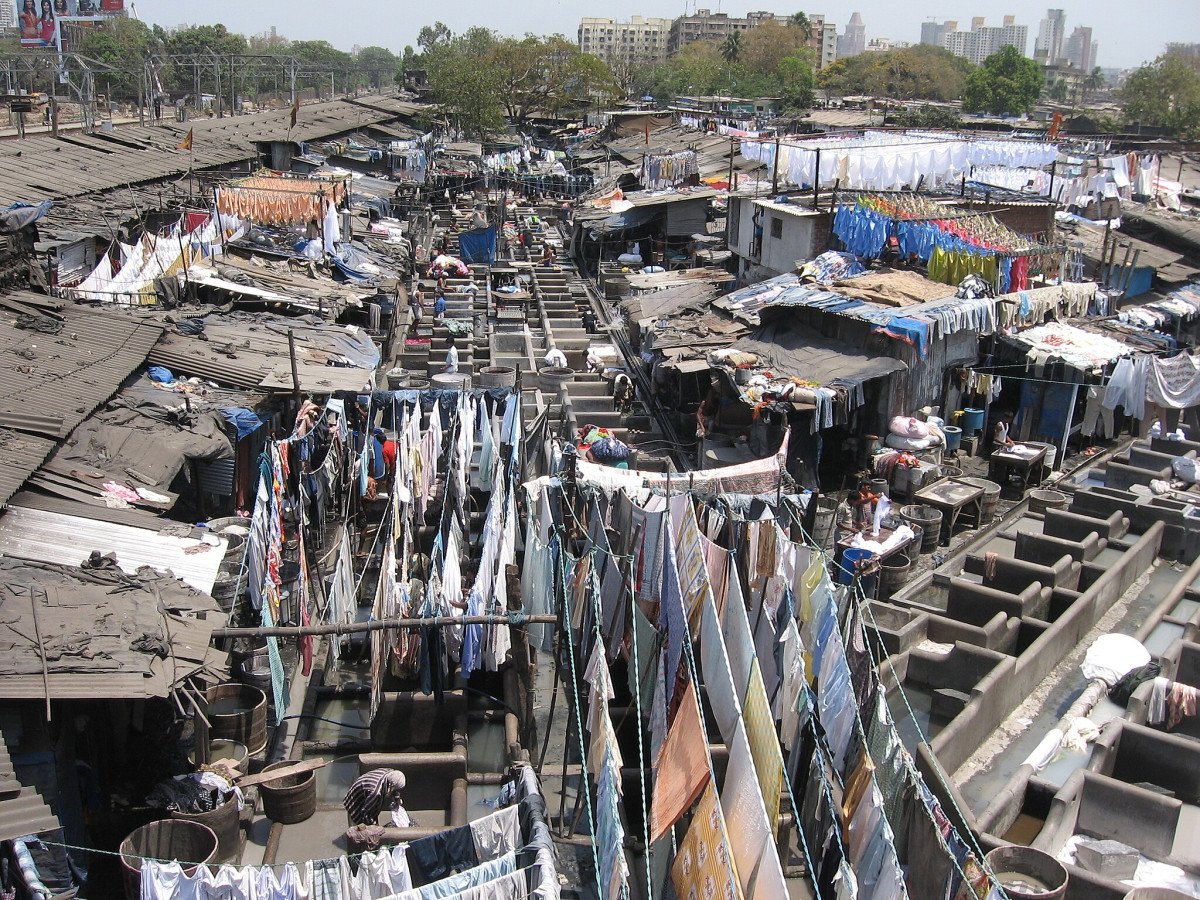
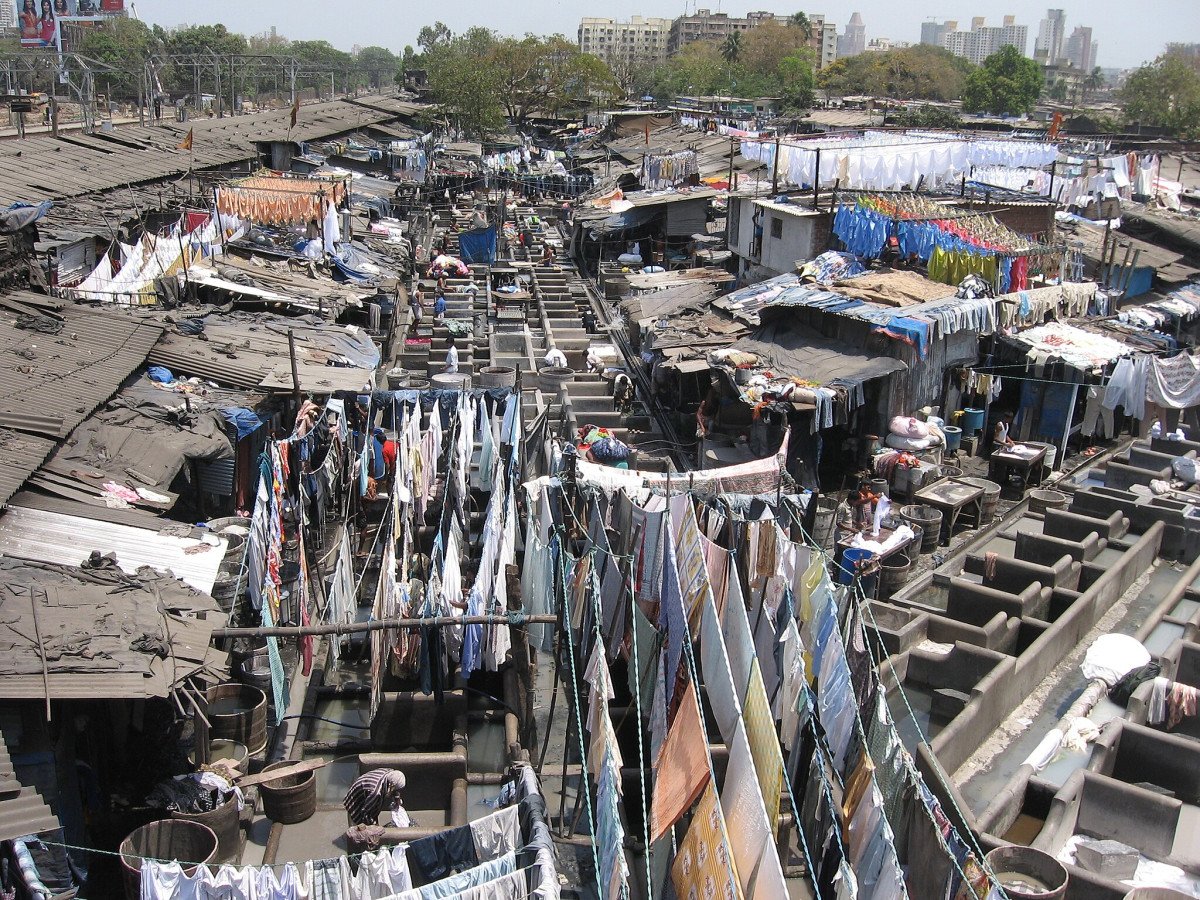
From the Mahalaxmi Railway Bridge (The Wide Iconic View): The quintessential and absolute best spot for photography is the pedestrian bridge that spans the railway lines near the Mahalaxmi station. This elevated position provides a sweeping, panoramic view of the entire Ghat. Shots should capture ...From the Mahalaxmi Railway Bridge (The Wide Iconic View): The quintessential and absolute best spot for photography is the pedestrian bridge that spans the railway lines near the Mahalaxmi station. This elevated position provides a sweeping, panoramic view of the entire Ghat. Shots should capture the grid of concrete wash pens and the vast, colorful tapestry of drying clothes stretching out below, emphasizing the geometric and repetitive nature of the space.
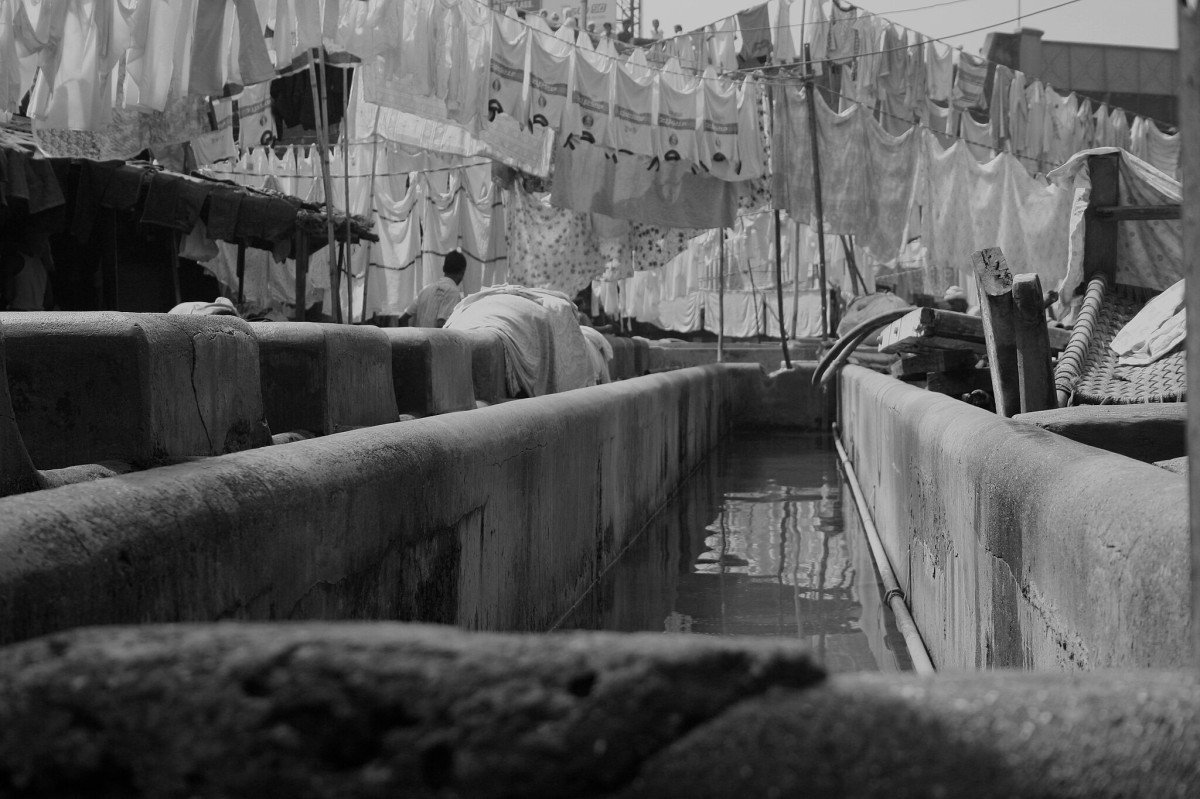
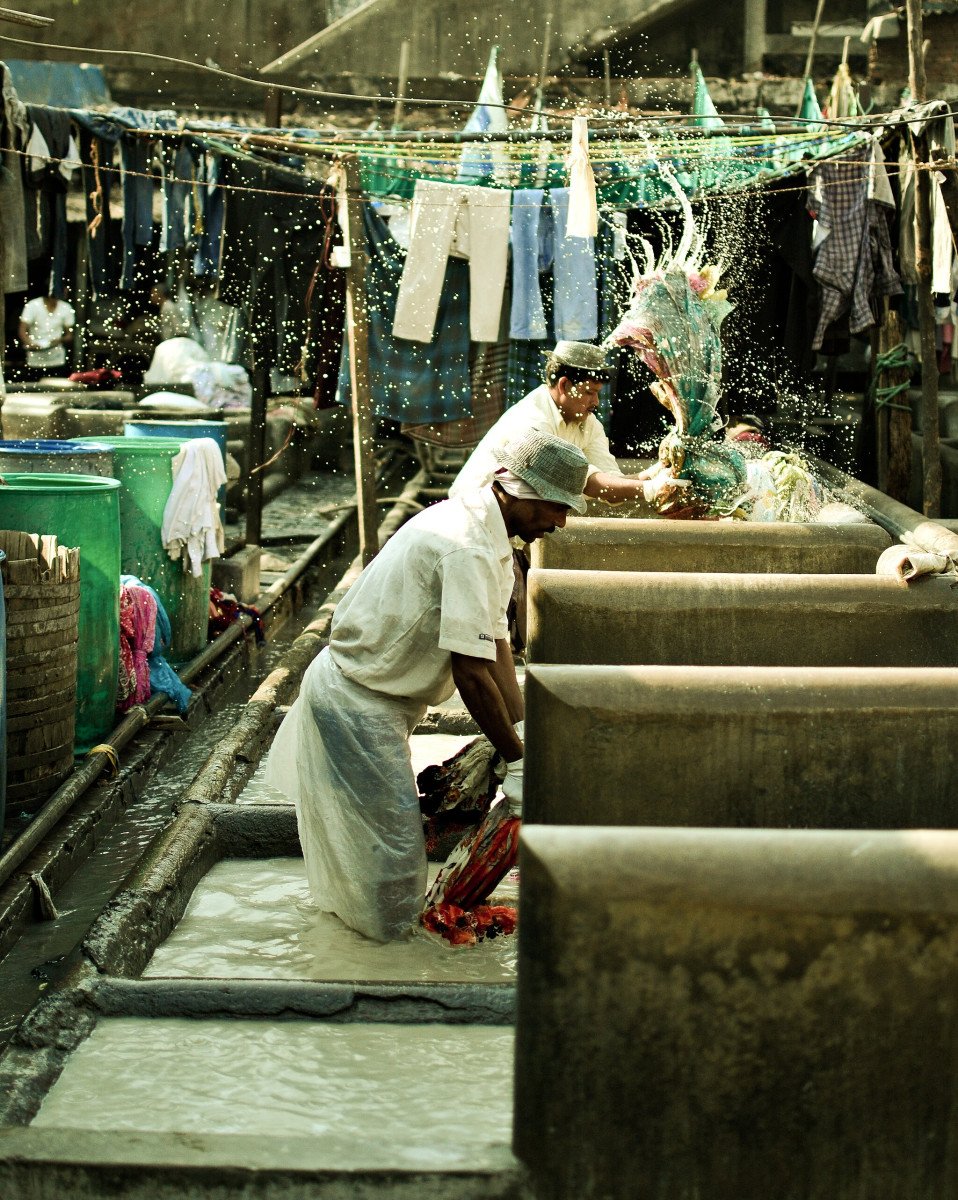
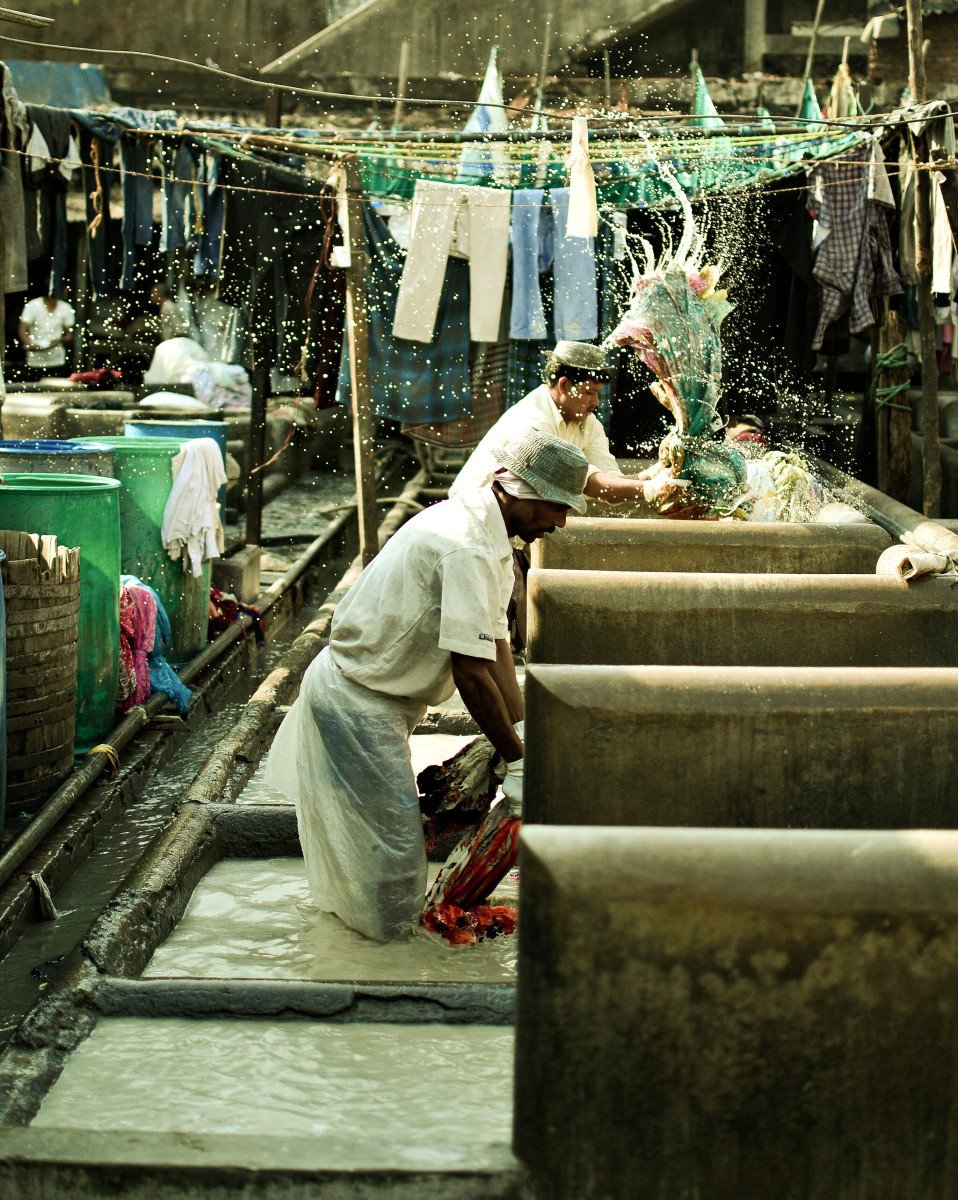
The Entrance Alleyway (The Depth Shot): Standing at the main entrance alleyway, looking into the heart of the Ghat, allows for photos that convey depth and immersion. Frame the shot to include a few Dhobis at work and the layers of clotheslines receding into the distance, conveying the dense, endless activity of the place. The Detail of the Flogging Stone (Close-up and Texture): Venture down into the viewing areas (with permission or a guide) and focus on the details of the washing pens and the flogging stones. Close-up shots of hands thrashing clothes, the water splashing, and the worn texture of the concrete and stone offer powerful, intimate images of the manual labor involved.
Color-Coded Drying Sections (Abstract and Color): Focus on the sections where clothes are hung to dry, often grouped by color (e. g. , all white sheets, all colorful fabrics). This allows for creative, abstract photographs that highlight the vibrant colors and the play of light and shadow on the taut lines of drying fabric.Photo Gallery
Things To Do
-
View from the Mahalaxmi Bridge (The Classic View): The primary activity for most visitors is to gain a bird's-eye view from the public bridge (Mahalaxmi Railway Station bridge) that crosses over the railway lines. This vantage point offers the quintessential, panoramic view of the entire Dhobi Ghat—the rows of washing pens, the Dhobis at work, and the thousands of clothes drying in organized lines. This is the best spot for photography.
Take a Guided Walking Tour (Cultural Immersion): To truly appreciate the site, hiring a local guide (often found near the bridge or station) is highly recommended. A guided tour takes you beyond the bridge view, into the perimeter lanes of the Dhobi Ghat. This allows you to witness the close-up work, understand the traditional washing methods, and learn about the daily lives and the family h...View from the Mahalaxmi Bridge (The Classic View): The primary activity for most visitors is to gain a bird's-eye view from the public bridge (Mahalaxmi Railway Station bridge) that crosses over the railway lines. This vantage point offers the quintessential, panoramic view of the entire Dhobi Ghat—the rows of washing pens, the Dhobis at work, and the thousands of clothes drying in organized lines. This is the best spot for photography.
Take a Guided Walking Tour (Cultural Immersion): To truly appreciate the site, hiring a local guide (often found near the bridge or station) is highly recommended. A guided tour takes you beyond the bridge view, into the perimeter lanes of the Dhobi Ghat. This allows you to witness the close-up work, understand the traditional washing methods, and learn about the daily lives and the family history of the Dhobis.
Observe the Washing Process (Labor Appreciation): Stand near the edge (with respect and permission) and observe the incredible manual labor involved: the soaking, the violent thrashing of clothes on the flogging stones, and the rhythmic movements of the washermen. It is a powerful reminder of traditional, non-mechanized human industry. Witness the Drying and Ironing Stages (Logistics Study): Observe the meticulous arrangement of clothes on the drying lines, often segregated by color, type, or client. If possible, also observe the ironing sheds where clothes are pressed, often using traditional, heavy, charcoal-filled irons. This demonstrates the full logistical cycle from dirty to pristine. Engage with the Dhobi Community (Human Connection): With respect and through a guide, you can briefly interact with the Dhobis. Learning a few basic phrases in Marathi or Hindi and showing genuine interest in their hereditary trade can lead to rewarding interactions, offering a personal connection to this working community.
Street Photography (Documentary Focus): Dhobi Ghat is a paradise for street and documentary photographers.
Focus on the details: the water splashing, the hands at work, the stacks of ironed clothes, the faces of the workers, and the strong, vibrant contrasts of the wet and dry clothes against the urban backdrop.
Explore Mahalaxmi Area (Contextual Visit): The area around the Dhobi Ghat includes the historic Mahalaxmi Temple and the Mahalaxmi Racecourse. Combining your visit with these nearby spots provides a broader context of the Mahalaxmi neighborhood—a mix of spirituality, recreation, and industry.
Information
-
Why Famous:
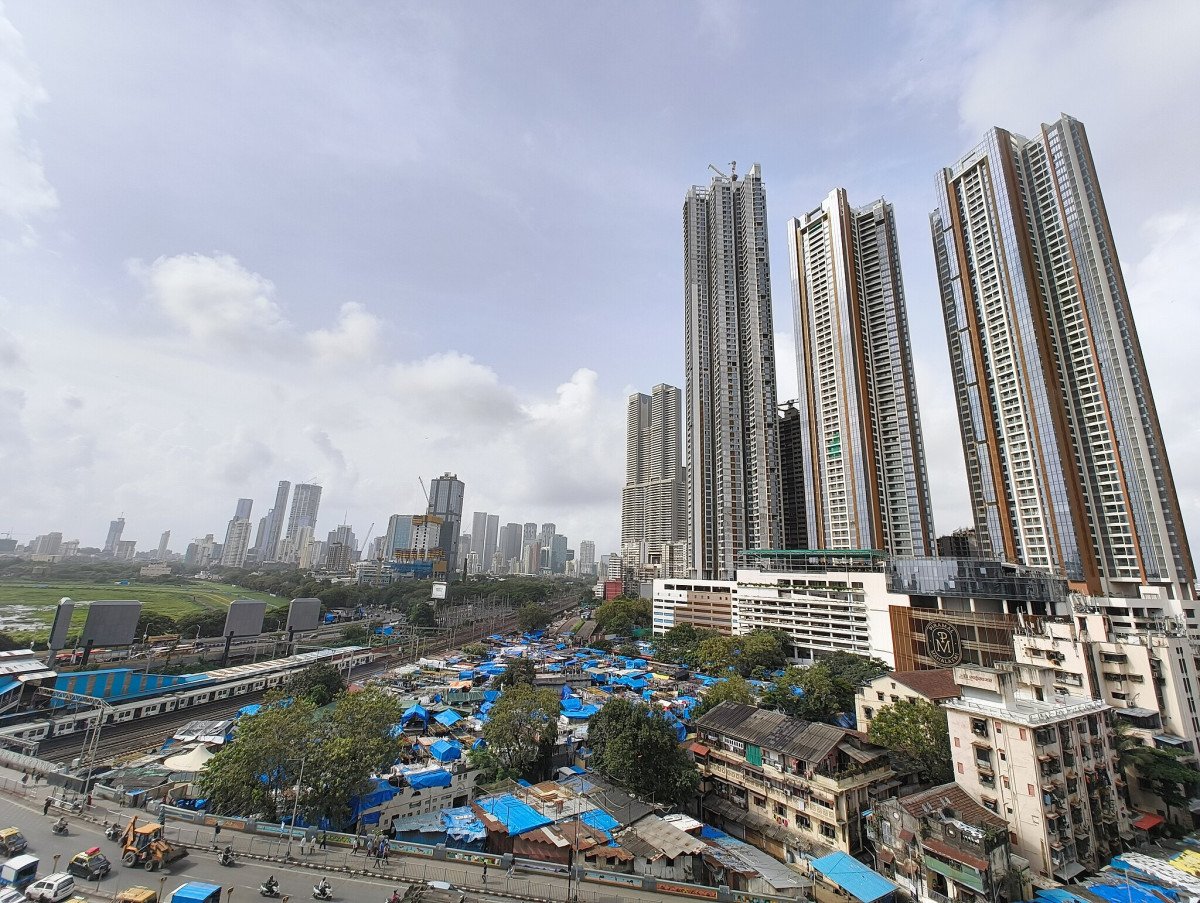
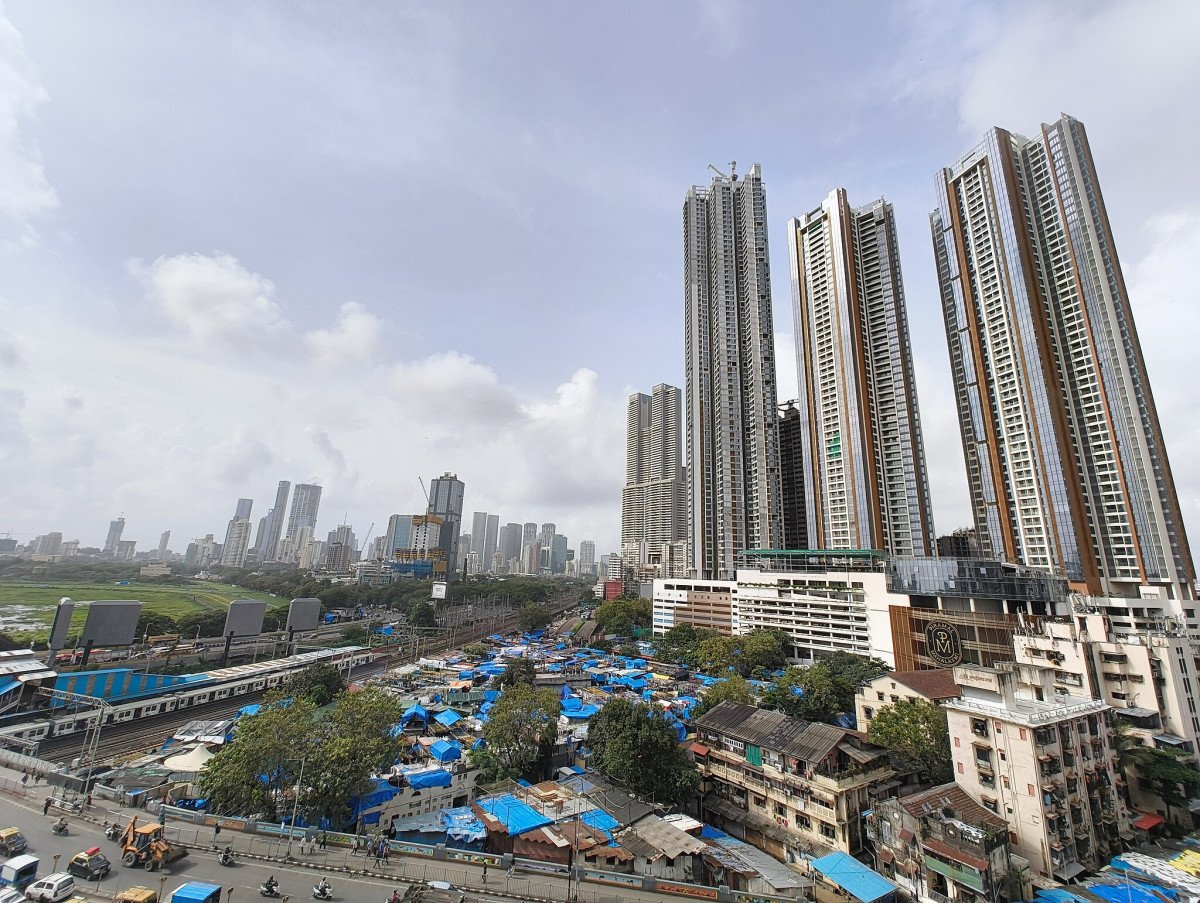
World Record for Open-Air Laundry: Dhobi Ghat is world-famous and holds a Guinness World Record for being the largest open-air laundromat globally. This title alone makes it a major tourist draw, symbolizing a unique, large-scale manual labor industry surviving amidst a hig...World Record for Open-Air Laundry: Dhobi Ghat is world-famous and holds a Guinness World Record for being the largest open-air laundromat globally. This title alone makes it a major tourist draw, symbolizing a unique, large-scale manual labor industry surviving amidst a high-tech modern city.
Iconic Visual and Photo Spot: The vibrant, colorful sight of thousands of clothes, from stark whites to rich hues, drying in geometric patterns from the vantage point of the overhead bridge is instantly recognizable. This striking visual contrast makes it one of the most photographed and iconic sights representing the sheer human industry of Mumbai.
Cultural and Cinematic Relevance: The Ghat has been a backdrop for numerous Bollywood and international films, documentaries, and photo essays, cementing its status as a cultural icon. It represents the gritty, working-class heart of Mumbai, showcasing a traditional trade passed down through generations of Dhobi families. -
Architecture:
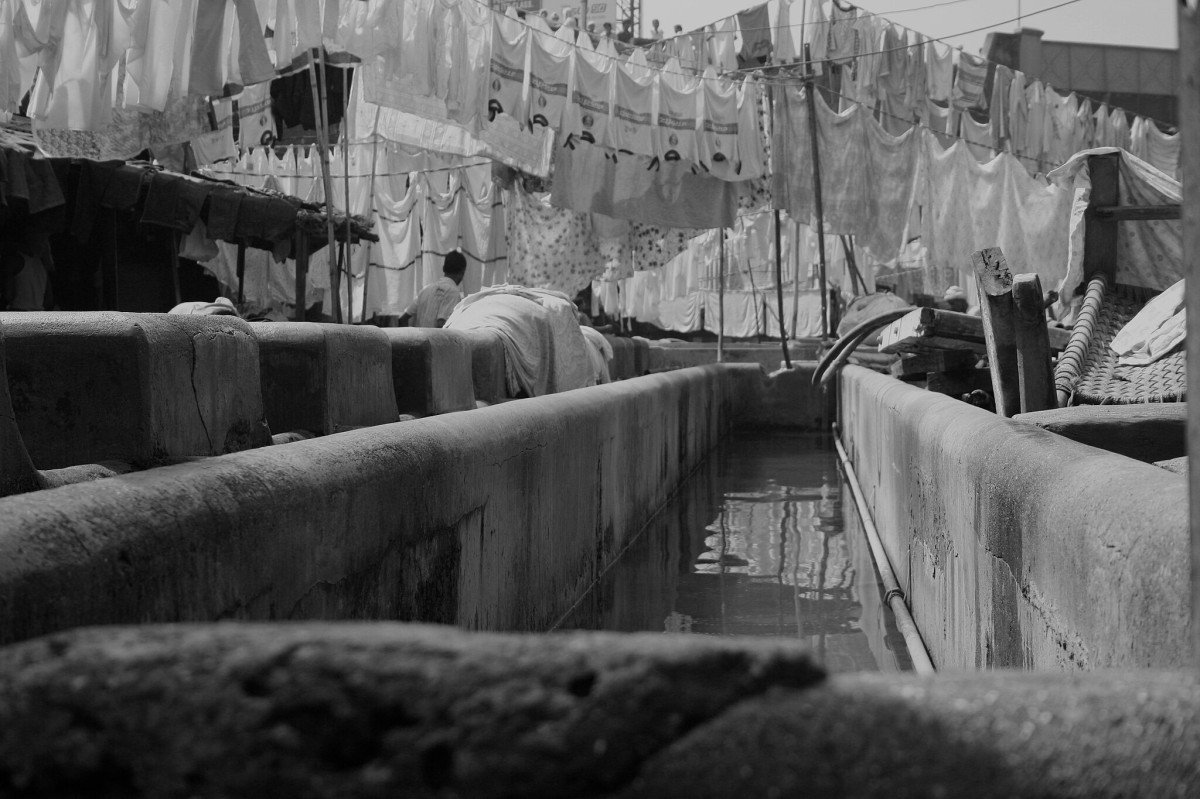
The Concrete Washing Pens (Functional Design): The architectural layout of Dhobi Ghat is purely functional, designed for high-volume manual laundry processing. It consists of hundreds of rectangular, open-air concrete wash pens, each fitted with a central flogging stone. T...The Concrete Washing Pens (Functional Design): The architectural layout of Dhobi Ghat is purely functional, designed for high-volume manual laundry processing. It consists of hundreds of rectangular, open-air concrete wash pens, each fitted with a central flogging stone. The pens are arranged in neat, geometric rows to optimize the workflow and water drainage. The entire operational area covers a large expanse, with some estimates putting the area at over 2900 square meters for the main washing section.
Water and Drainage System: An essential component of the structure is the complex water supply and drainage system. Water is brought in through a network of pipes and sometimes manually, filling the wash pens. The gray water is then efficiently channeled away through a ground-level drainage network. This infrastructure, though rudimentary, is critical for sanitation and continuous operation.
Drying Area and Infrastructure: Above the washing pens, and in adjacent open areas, an intricate network of taut clotheslines crisscrosses the space. This architecture of air is temporary, defined by the thousands of clothes drying. The use of low-rise structures and the flyover provide the iconic overhead perspective, highlighting the vast scale of the operation. The low-rise, single-storey shanties and homes of the Dhobi families form the perimeter, directly connecting their living and working spaces. -
How To Reach:
By Air (International Traveler Access): The nearest airport is Chhatrapati Shivaji Maharaj International Airport (BOM), located approximately 18 KMS away. From the airport, a taxi or app-based cab can be hired directly to Mahalaxmi. The journey can take 1 to 1. 5 hours, de...By Air (International Traveler Access): The nearest airport is Chhatrapati Shivaji Maharaj International Airport (BOM), located approximately 18 KMS away. From the airport, a taxi or app-based cab can be hired directly to Mahalaxmi. The journey can take 1 to 1. 5 hours, depending on the route and traffic.
By Train (The Most Convenient Method): Dhobi Ghat is most conveniently reached by Mumbai's local train network. The nearest station is Mahalaxmi Railway Station on the Western Line.
From Mahalaxmi Station: The famous viewing bridge is directly connected to the station platform, offering an immediate, iconic view upon arrival.
From CSMT/Churchgate: Take a taxi or a local train to Mahalaxmi. The accessibility of the Dhobi Ghat directly from a major railway station makes the train the most straightforward way to get there.
By Road (Bus and Local Transport): The site is well-connected by road, located near the intersection of various key roads in the Mahalaxmi area. Local Transport like taxis, auto-rickshaws (from non-South Mumbai areas), and BEST buses are readily available. However, due to the heavy commercial activity, traffic can be slow, and parking is virtually non-existent, making the local train the preferred method. For direct drop-off, a taxi or app-based cab is the best choice. -
Weather and Best Time to Visit:
Best Season:
The Dry and Clear Seasons (October to March): The best time to visit is during the cool and dry winter and post-monsoon months, from October to March. This period offers clear skies, which are essential for the Dhobis to dry the...Best Season:
The Dry and Clear Seasons (October to March): The best time to visit is during the cool and dry winter and post-monsoon months, from October to March. This period offers clear skies, which are essential for the Dhobis to dry the clothes efficiently, thus ensuring the iconic visual spectacle of thousands of clothes hung up. The pleasant weather also makes standing on the bridge or walking around the area much more comfortable. Monsoon (June to September) makes the entire area muddy, and much of the drying is done indoors or using mechanical dryers, detracting from the iconic outdoor spectacle.
Ideal Part of the Day:
Mid-Morning for Peak Activity: The ideal part of the day is mid-morning, between 8:30 AM and 10:30 AM. This is the peak time when the washing is in full swing, and the maximum volume of clothes is being strung up to dry. The morning light is also soft yet bright, providing excellent conditions for photography.
Worst Time:
Late Evening and Peak Summer: Late evening (after 6:00 PM) is a poor time as the drying clothes are mostly taken down, and the washing activity is winding down. Peak summer midday (April to May) is uncomfortable due to the heat reflecting off the concrete. -
Near Tourist Places:
1.
Mahalaxmi Temple: (Approx. 1. 5 KMS) 2.
Mahalaxmi Racecourse: (Approx. 1 KM) 3.
Haji Ali Dargah: (Approx. 2 KMS) 4.
Worli Sea Face: (Approx. 3 KMS) 5.
Phoenix Palladium Mall (Lower Parel): (Approx. 2 KMS) 6.
Shree Siddhivinayak Temple: (Approx. 5 KMS) 7.
Kamala Nehru Park/Hanging Gardens: (Approx. 6 KMS) 8.
Bandra-Worli Sea Link (Starting Point): (Approx. 6 KMS) 9. Chhatrapati Shivaji Maharaj Vastu Sangrahalaya (Museum): (Approx. 8 KMS) 10.
Mani Bhavan Gandhi Sangrahalaya: (Approx. 5 KMS)
Tourism Tips
-
Health & Safety:
Watch Your Step and Personal Items: Health & Safety demands vigilance, especially if you venture into the Ghat lanes. The ground can be wet and slippery, and the lanes are busy with working people. Be mindful of your surrou...Health & Safety:
Watch Your Step and Personal Items: Health & Safety demands vigilance, especially if you venture into the Ghat lanes. The ground can be wet and slippery, and the lanes are busy with working people. Be mindful of your surroundings. Like any crowded urban area, watch out for potential pickpockets on the bridge and in the narrow streets.
Packing:
Essentials and Small Cash: Carry minimal packing and a small camera. If you plan to hire a guide or tip, carry small denominations of Indian Rupees. Dress in comfortable, casual clothes suitable for walking.
Accommodation:
Central or South Mumbai: For Accommodation, staying in nearby central or South Mumbai areas like Lower Parel, Worli, or Mahalaxmi will give you easy access. The location is central, making transport straightforward from most city areas.
Other Different Topics:
Respectful Photography: If you are taking photographs, especially close-ups of the workers, always be respectful. It is customary to ask permission (a guide can help with this) and offer a small token or tip as a gesture of thanks for their cooperation. Remember that this is a workplace, not just an exhibit, and avoid disrupting the Dhobis' workflow. Do not attempt to climb or touch the washing facilities without explicit permission.
Reviews
FAQs
Mumbai Itineray And Cost:-
Information about New and Updated Locations() of Maharashtra Has Been Added :-
Card subtitle
Note:-
Information provided here in good Faith and for reference only.
All information and pictures will be updated soon, please keep visiting.
Near Places
Bandra Fort
Some quick example text to build on the card title and make up the bulk of the card's content.
Go somewhere
Bandra-Worli Sea Link
Some quick example text to build on the card title and make up the bulk of the card's content.
Go somewhere
Chhatrapati Shivaji Maharaj Vastu Sangrahalaya
Some quick example text to build on the card title and make up the bulk of the card's content.
Go somewhere
Chhatrapati Shivaji Terminus
Some quick example text to build on the card title and make up the bulk of the card's content.
Go somewhere
Colaba Causeway
Some quick example text to build on the card title and make up the bulk of the card's content.
Go somewhere
Dhobi Ghat
Some quick example text to build on the card title and make up the bulk of the card's content.
Go somewhere
Elephanta Caves
Some quick example text to build on the card title and make up the bulk of the card's content.
Go somewhere
EsselWorld
Some quick example text to build on the card title and make up the bulk of the card's content.
Go somewhere
Film City
Some quick example text to build on the card title and make up the bulk of the card's content.
Go somewhere
Flora Fountain
Some quick example text to build on the card title and make up the bulk of the card's content.
Go somewherein Other Cities