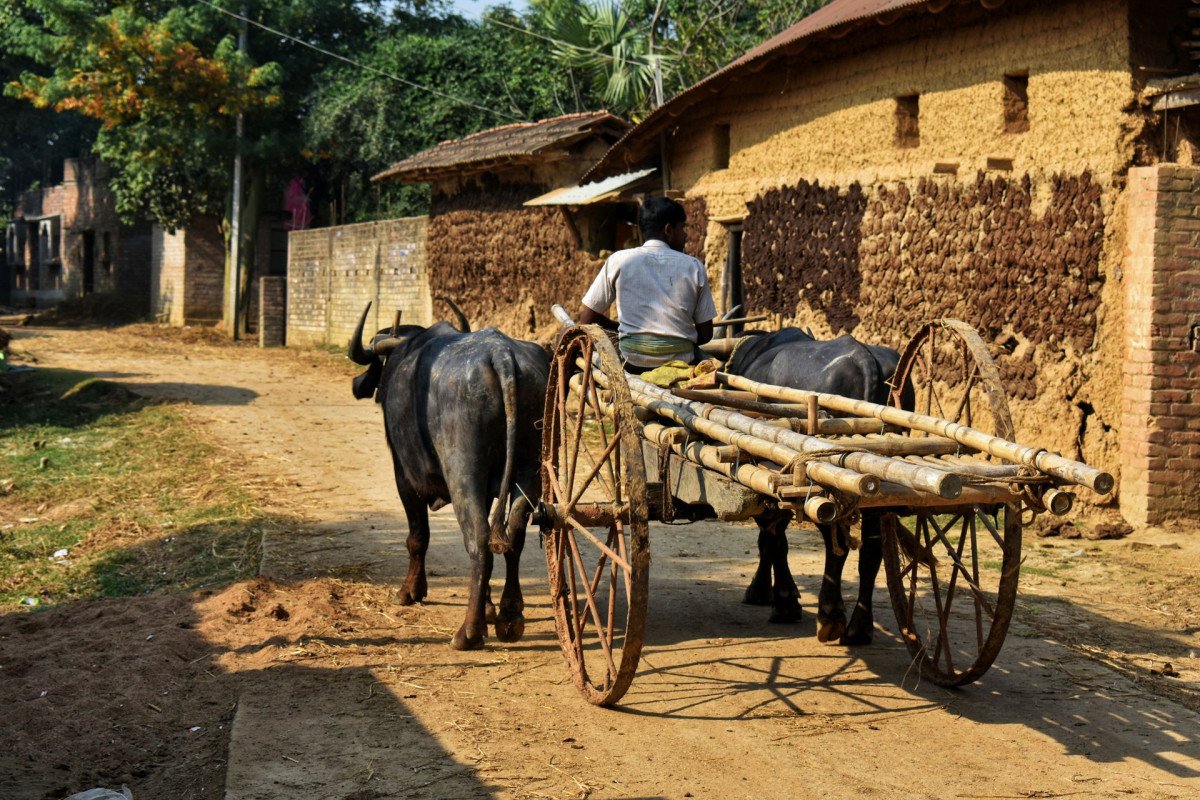
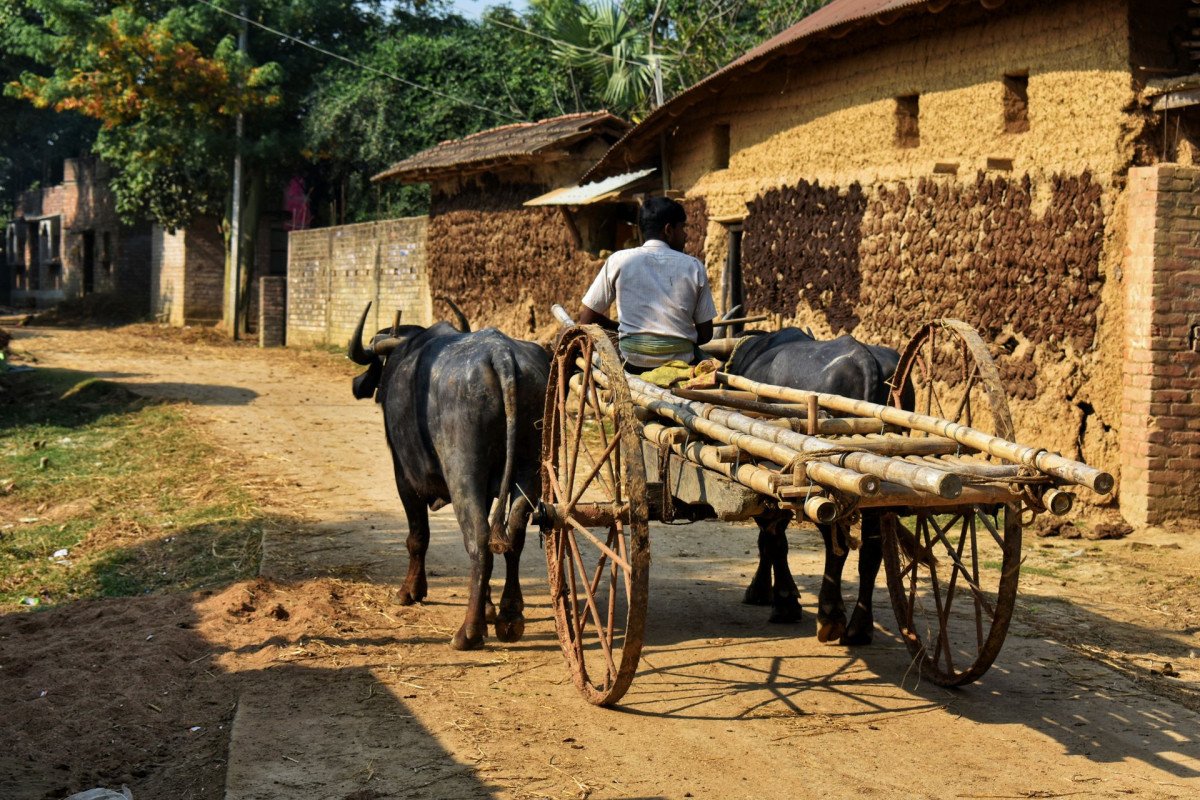
Darap Village
General information
-
Ideal Duration:
1 to 2 hours for a walk; overnight stay recommendedPlace Type:
Village, Culture, Eco-TourismEntry Fees:
No Official Entry Fee: There is generally no entry fee to visit or walk around Darap Village itself, as it is a residential area and an open community. Tourists are encouraged to visit respectfully.
Homestay Contribution: The primary financ...No Official Entry Fee: There is generally no entry fee to visit or walk around Darap Village itself, as it is a residential area and an open community. Tourists are encouraged to visit respectfully.
Homestay Contribution: The primary financial contribution is through booking a stay at one of the village homestays, which typically costs between INR 1,200 to INR 2,500 per person per night, including all meals (which are usually authentic, organic, and delicious). This fee is essential to the local economy.
Local Guide Fee: Hiring a local guide for a guided village walk or nature trail is recommended and costs a nominal fee (around INR 500 to INR 1,000 for a half-day), which is a direct contribution to local employment.
Supporting Local Crafts: Tourists are encouraged to support the local economy by purchasing local crafts, organic produce, or small handmade souvenirs from the villagers, which is an ethical way of tourism contribution.Timing:
Regular Timings: As a living village, it is always 'open' (24 hours), but tourist-related activities and homestay checks-ins typically run from 8:00 AM to 7:00 PM.
Ideal Visit Time: The best time for a relaxed, authentic experience is the ea...Regular Timings: As a living village, it is always 'open' (24 hours), but tourist-related activities and homestay checks-ins typically run from 8:00 AM to 7:00 PM.
Ideal Visit Time: The best time for a relaxed, authentic experience is the early morning (5:00 AM to 8:00 AM) for stunning mountain views and seeing villagers begin their day, or late afternoon (4:00 PM to 6:00 PM) to catch the golden hour light over the terraced fields.
Best Season for Cultural Immersion: The spring (March to May) and autumn (September to November) seasons offer the best weather and visibility for outdoor activities and cultural exchange.Special Events:
Limboo Sewa (Worship) Ceremony: The Limboo community often conducts traditional religious ceremonies and festivals (Teyongsi festival) that are unique to their culture. If your visit coincides with one, it is a rare and enriching experience to witness their rituals and loca...Limboo Sewa (Worship) Ceremony: The Limboo community often conducts traditional religious ceremonies and festivals (Teyongsi festival) that are unique to their culture. If your visit coincides with one, it is a rare and enriching experience to witness their rituals and local religious practices. These are usually community events and are not fixed tourist attractions.
Village Tourism Festival: The local tourism committee occasionally hosts a small village festival, typically in October or November, to showcase local crafts, food, and culture, coinciding with the peak tourist season. This event provides a concentrated glimpse into the life of the village.Best Photo Spots:
The Terraced Fields Frame: The vantage points overlooking the terraced paddy and cardamom fields are stunning, especially in the late afternoon when the sun casts long shadows, perfect for landscape photography of the agricultural life.
Homestay...The Terraced Fields Frame: The vantage points overlooking the terraced paddy and cardamom fields are stunning, especially in the late afternoon when the sun casts long shadows, perfect for landscape photography of the agricultural life.
Homestay Experience Shots: Capture the warmth of the homestay experience—the traditional kitchens, the wooden interiors, and portraits of the welcoming local family—which tell a compelling human-interest story.
The Village Pathway and Kanchenjunga View: The narrow village paths, often lined with prayer flags and traditional houses, offer a great leading line towards the background, which, on a clear day, features the majestic, snow-capped Kanchenjunga peak.
Early Morning Mist: Capture the mystical beauty of the village shrouded in early morning mist, with smoke gently rising from the chimneys, conveying a sense of serenity and quiet rural life.
Traditional Architecture Close-ups: Focus on the details of the older Limboo traditional house, especially the carvings, the mud walls, and the unique construction materials, for architectural and cultural photography.Photo Gallery
Things To Do
-
Experiential Homestay Living: Opt for an overnight stay in a local homestay to truly immerse yourself. Participate in daily chores like milking the cows, gardening in the fields, or learning to prepare traditional Sikkimese food (Thukpa, Momos, Gundruk).
Guided Village Walk and Interaction: Hire a local guide for a walk through the village. Interact with the villagers, learn basic phrases in the local language, and understand their sustainable farming practices, including the cultivation of black cardamom.
Visit the Limboo Traditional House: Spend time at the old traditional house to appreciate the ancestral architecture and way of life. Learn about the Limboo's history and their belief system.
Bird Watching and Nature Walk: The surrounding forests and fields ...Experiential Homestay Living: Opt for an overnight stay in a local homestay to truly immerse yourself. Participate in daily chores like milking the cows, gardening in the fields, or learning to prepare traditional Sikkimese food (Thukpa, Momos, Gundruk).
Guided Village Walk and Interaction: Hire a local guide for a walk through the village. Interact with the villagers, learn basic phrases in the local language, and understand their sustainable farming practices, including the cultivation of black cardamom.
Visit the Limboo Traditional House: Spend time at the old traditional house to appreciate the ancestral architecture and way of life. Learn about the Limboo's history and their belief system.
Bird Watching and Nature Walk: The surrounding forests and fields are rich in avian life. Take an early morning nature walk for bird watching or simply to enjoy the fresh mountain air and the panoramic views of the distant peaks.
Visit Nearby Attractions: Use Darap as a base to visit nearby famous spots like Khecheopalri Lake (approx. 20 KMS) or Rimbi Waterfalls and Rimbi Rock Garden (approx. 10 KMS) on a day trip.
Try Herbal Baths: Some homestays offer traditional herbal baths using local medicinal plants, which is a unique, relaxing, and therapeutic experience.
Attend a Cultural Program: Request your homestay host to arrange a small, informal cultural evening with local music and folk dances to experience the community's vibrant artistic side.
Information
-
Why Famous:
Pioneer of Village Tourism: Darap is famous for being one of the pioneers and most successful examples of community-based village tourism in Sikkim. It offers an authentic, immersive cultural experience rather than a commercialized tourist spot, with homestays run by local ...Pioneer of Village Tourism: Darap is famous for being one of the pioneers and most successful examples of community-based village tourism in Sikkim. It offers an authentic, immersive cultural experience rather than a commercialized tourist spot, with homestays run by local families, directly supporting the village economy.
Limboo Cultural Heritage: The village serves as a stronghold for the Limboo community's culture and tradition. Visitors get to witness and participate in the daily life, learn about their customs, and see the traditional Limboo architecture, like the ancient Limboo Traditional House.
Scenic Beauty and Tranquility: The village's gentle, sloped landscape, surrounded by terraced fields of cardamom, maize, and paddy, offers a calm and visually appealing contrast to the rugged mountains. Its close proximity to Pelling makes it an easily accessible tranquil escape with views of Kanchenjunga. -
Architecture:
Vernacular Architecture and Materials: The architecture of Darap Village is characterized by traditional Limboo and Nepali vernacular styles, primarily featuring structures built from locally sourced materials like wood, stone, mud, and bamboo. The older, ancestral houses, ...Vernacular Architecture and Materials: The architecture of Darap Village is characterized by traditional Limboo and Nepali vernacular styles, primarily featuring structures built from locally sourced materials like wood, stone, mud, and bamboo. The older, ancestral houses, such as the Limboo Traditional House, often have solid mud floors and a roof that may have a tar-encrusted ceiling from years of constantly burning indoor fires.
Homestay Modernization and Dimensions: Contemporary homestays, built for tourists, blend these traditional elements with modern comfort, typically being two-story structures made of stone or concrete with wooden paneling. The architecture emphasizes functionality and warmth. A typical traditional house is compact, with dimensions around 10 meters by 8 meters, often featuring a low-pitched roof and a central hearth. The design is practical for the Himalayan climate, providing natural insulation against the cold. The compounds often include prayer flags and small kitchen gardens. -
How To Reach:
By Air: The nearest airport is Bagdogra Airport (IXB) in West Bengal, approx. 146 KMS away. From IXB, hire a private or shared taxi to Pelling (approx. 5-6 hours). From Pelling, a local taxi can reach Darap in about 30 minutes (8 KMS).
By Tr...By Air: The nearest airport is Bagdogra Airport (IXB) in West Bengal, approx. 146 KMS away. From IXB, hire a private or shared taxi to Pelling (approx. 5-6 hours). From Pelling, a local taxi can reach Darap in about 30 minutes (8 KMS).
By Train: The nearest major railway station is New Jalpaiguri (NJP) in West Bengal, approx. 144 KMS away. Hire a private or shared taxi to Pelling or Geyzing, and then a local taxi for the final short stretch to the village.
By Road: Darap Village is well-connected by road and is a common stop on the Pelling to Khecheopalri Lake route. It is just 8 KMS from Pelling town center. Private taxis are easily available from Pelling.
By Local Transport: Local shared jeeps that ply the route from Pelling to Yuksom or Khecheopalri often pass through Darap and can drop you off there. This is the most cost-effective local transport option. -
Weather and Best Time to Visit:
Ideal Season: March to May (Spring) and September to November (Autumn) are the best times. Spring brings wildflowers and pleasant temperatures (10°C to 20°C), while Autumn offers crystal-clear skies for magnificent Kanchenjunga views and crisp air (8°C to 18°C).Ideal Season: March to May (Spring) and September to November (Autumn) are the best times. Spring brings wildflowers and pleasant temperatures (10°C to 20°C), while Autumn offers crystal-clear skies for magnificent Kanchenjunga views and crisp air (8°C to 18°C).
Monsoon (June to August): Provides lush greenery but involves heavy rainfall, which can restrict outdoor activities and views.
Winter (December to February): The weather is cold and chilly, but the clear blue skies in the daytime still offer good views, perfect for a cozy homestay experience.
Best Part of the Day: Early morning is excellent for photography and mountain viewing, and the late afternoon is perfect for village walks and local interaction. -
Near Tourist Places:
Pelling (8 KMS), Rimbi Waterfalls (10 KMS), Rimbi Rock Garden (10 KMS), Khecheopalri Lake (20 KMS), Kanchenjunga Falls (14 KMS), Pemayangtse Monastery (18 KMS), Rabdentse Ruins (15 KMS), Pelling Skywalk (15 KMS), Singshore Bridge (30 KMS), Yuksom (30 KMS).
Tourism Tips
-
Health and Safety: The village is very safe. Ensure all food consumed at homestays is freshly prepared, and drink boiled or filtered water. Carry basic medication for colds or mountain sickness. Inform your host if you plan a long hike.
Packi...Health and Safety: The village is very safe. Ensure all food consumed at homestays is freshly prepared, and drink boiled or filtered water. Carry basic medication for colds or mountain sickness. Inform your host if you plan a long hike.
Packing Essentials: Carry warm clothes, especially for the evenings, as it can get quite chilly. Pack comfortable walking shoes, a light jacket, and a headlamp or small flashlight. Bring a book for relaxation and a journal for recording your cultural experiences.
Accommodation: Always pre-book your homestay accommodation, especially during the peak season (Autumn). Inform your host of any dietary restrictions in advance. Homestays are basic, clean, and focus on providing authentic local hospitality.
Sustainable Tourism:
Be a responsible traveler: Minimize plastic use (carry a reusable water bottle), respect the privacy of the villagers, and ask permission before taking photographs of people or private property. Support the local economy by eating and buying locally.
Reviews
FAQs
Pelling Itineray And Cost:-
Information about New and Updated Locations() of Sikkim Has Been Added :-
Card subtitle
Note:-
Information provided here in good Faith and for reference only.
All information and pictures will be updated soon, please keep visiting.
Near Places
Changey Waterfalls
Some quick example text to build on the card title and make up the bulk of the card's content.
Go somewhere
Darap Village
Some quick example text to build on the card title and make up the bulk of the card's content.
Go somewhere
Dentam Valley
Some quick example text to build on the card title and make up the bulk of the card's content.
Go somewhere
Dubdi Monastery
Some quick example text to build on the card title and make up the bulk of the card's content.
Go somewhere
Kaluk/Hee-Bermiok
Some quick example text to build on the card title and make up the bulk of the card's content.
Go somewhere
Kanchenjunga Falls
Some quick example text to build on the card title and make up the bulk of the card's content.
Go somewhere
Kanchenjunga National Park Gate
Some quick example text to build on the card title and make up the bulk of the card's content.
Go somewhere
Khecheopalri Lake
Some quick example text to build on the card title and make up the bulk of the card's content.
Go somewhere
Pelling Sky Walk
Some quick example text to build on the card title and make up the bulk of the card's content.
Go somewhere
Pelling Skywalk
Some quick example text to build on the card title and make up the bulk of the card's content.
Go somewherein Other Cities