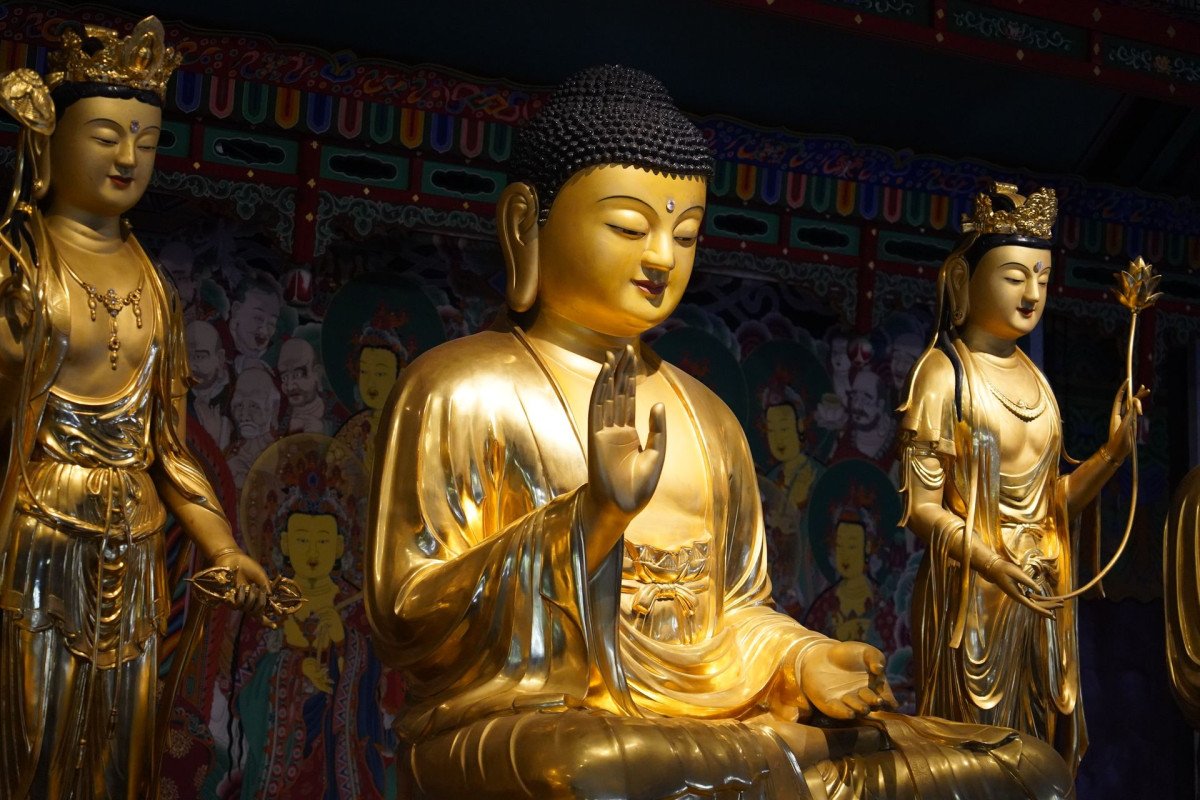
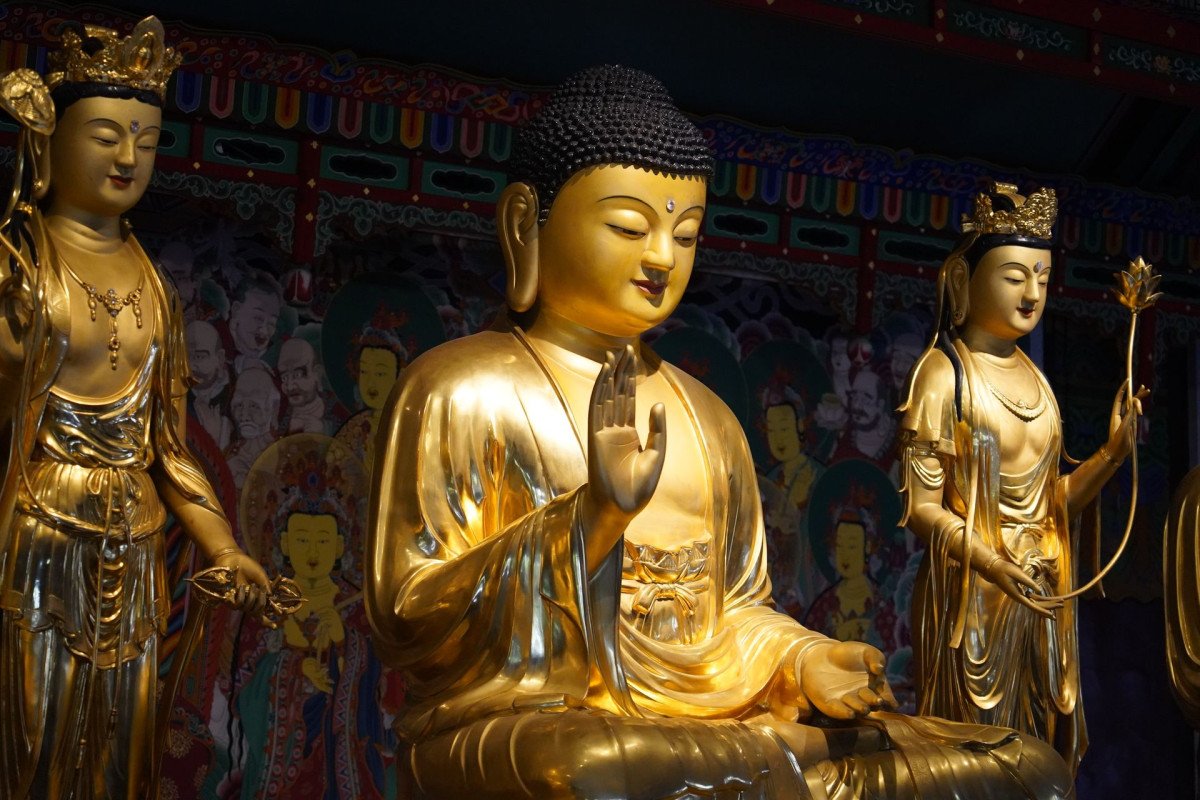
Dubdi Monastery
General information
-
Ideal Duration:
1. 5 to 2 hours (Excluding 2-hour trek time)Place Type:
Monastery, History, TrekkingEntry Fees:
Entry Fee: There is typically no direct entry fee for the Dubdi Monastery itself.
Trek Permit: A nominal permit/entry fee is usually charged by the local authorities at the start of the trek in Yuksom, typically around INR 50 to INR 100 per ...Entry Fee: There is typically no direct entry fee for the Dubdi Monastery itself.
Trek Permit: A nominal permit/entry fee is usually charged by the local authorities at the start of the trek in Yuksom, typically around INR 50 to INR 100 per person, to enter the restricted forest area and contribute to the maintenance of the trail.
Photography Fee: Standard photography is generally free, but taking photos inside the main prayer hall (Gompa) is often prohibited or requires a small donation. Always ask permission from a resident monk before taking any photos inside the structure.
Donation: Visitors are encouraged to offer a small voluntary donation at the monastery's donation box to help with the upkeep and welfare of the monks.Timing:
Regular Timings: The monastery is generally open from 8:00 AM to 5:00 PM daily for visitors, but the trek time should be considered. Start your trek no later than 2:00 PM to ensure a safe return before dark.
Ideal Visit Time: The best time ...Regular Timings: The monastery is generally open from 8:00 AM to 5:00 PM daily for visitors, but the trek time should be considered. Start your trek no later than 2:00 PM to ensure a safe return before dark.
Ideal Visit Time: The best time is during the pleasant seasons of March to May (Spring) or September to November (Autumn). The ideal time of day is the early morning (8:00 AM to 10:00 AM) for the trek up when the weather is cool and the light is best for photography and clear views.Special Events:
Local Monastic Puja (Prayer) Ceremonies: The monastery observes special Puja ceremonies throughout the year, especially during Tibetan/Sikkimese Buddhist festivals like Losar (Tibetan New Year, usually February/March) or Saga Dawa (Buddha's Enlightenment, usually May/June). ...Local Monastic Puja (Prayer) Ceremonies: The monastery observes special Puja ceremonies throughout the year, especially during Tibetan/Sikkimese Buddhist festivals like Losar (Tibetan New Year, usually February/March) or Saga Dawa (Buddha's Enlightenment, usually May/June). These are profoundly spiritual events with chanting and mask dances (when applicable).
The Kagyed Dance: Although primarily performed at larger monasteries like Pemayangtse, the small community often holds minor traditional religious mask dances (Cham) during specific religious dates, providing a rare and intimate cultural spectacle.Best Photo Spots:
The Monastery's Historic Facade: The exterior of the two-story stone building, with its layered roof, vibrant colors, and surrounding prayer flags, provides a stunning subject. The morning light is best to illuminate the colorful details and the gold decorations.The Monastery's Historic Facade: The exterior of the two-story stone building, with its layered roof, vibrant colors, and surrounding prayer flags, provides a stunning subject. The morning light is best to illuminate the colorful details and the gold decorations.
Panoramic View of the Valley: The elevated platform around the monastery offers an excellent spot for sweeping landscape shots of the forested hills and the distant Yuksom valley below, especially during the golden hours of early morning or late afternoon.
The Forest Trek Pathway: The winding, mossy path of the trek itself, often lined with colorful prayer flags (Lungta), offers a great photo opportunity, representing the spiritual journey and the sense of adventure.
Framing with Prayer Flags: Use the multicolored prayer flags fluttering in the foreground to frame the main monastery building or the backdrop of the mountain peaks, adding a characteristic Sikkimese cultural element to the photograph.Photo Gallery
Things To Do
-
The Uphill Trek from Yuksom: The main activity is the mandatory 3-4 KMS uphill trek from Yuksom. This approximately one-hour walk is moderate to challenging and requires sturdy footwear. It is a rewarding experience both spiritually and physically.
Photography and View Appreciation: Upon reaching the top, spend time taking photographs of the monastery's architecture and the magnificent panoramic views of the surrounding hills, especially the view towards Yuksom and the Kanchenjunga range on a clear day.
Quiet Contemplation and Meditation: The secluded environment is perfect for quiet contemplation. Visitors are encouraged to sit peacefully within the monastery complex or in the small courtyard to meditate and absorb the spiritual ambiance.
Observing Monastic Life:...The Uphill Trek from Yuksom: The main activity is the mandatory 3-4 KMS uphill trek from Yuksom. This approximately one-hour walk is moderate to challenging and requires sturdy footwear. It is a rewarding experience both spiritually and physically.
Photography and View Appreciation: Upon reaching the top, spend time taking photographs of the monastery's architecture and the magnificent panoramic views of the surrounding hills, especially the view towards Yuksom and the Kanchenjunga range on a clear day.
Quiet Contemplation and Meditation: The secluded environment is perfect for quiet contemplation. Visitors are encouraged to sit peacefully within the monastery complex or in the small courtyard to meditate and absorb the spiritual ambiance.
Observing Monastic Life: Visitors can respectfully observe the daily life and routines of the resident monks, which might include prayers or chores, offering a glimpse into the monastic tradition. Silence is requested.
Exploring the Architecture: Spend time inside the main Gompa to study the beautiful murals, the traditional altar, and the various statues of divinities and Buddhas. Read the inscriptions and learn about the iconography.
Visit the Coronation Throne in Yuksom: Combine the visit with a stop at the Norbugang Coronation Throne in Yuksom (the base town), where the first Chogyal was consecrated, to complete the historical and spiritual circuit.
Information
-
Why Famous:
The Origin of Sikkim's Monastic Order: Dubdi Monastery is uniquely famous for its historical importance as the very first monastery of Sikkim, founded shortly after the coronation of the first king in Yuksom in 1642. It is a major cornerstone in the religious and political ...The Origin of Sikkim's Monastic Order: Dubdi Monastery is uniquely famous for its historical importance as the very first monastery of Sikkim, founded shortly after the coronation of the first king in Yuksom in 1642. It is a major cornerstone in the religious and political history of the state.
Holy Pilgrimage Site (Beyul): It is an integral part of the Buddhist religious circuit, particularly the concept of Beyul (hidden, sacred land), and is revered by the Nyingma school. The trek itself is considered an act of pilgrimage, adding spiritual merit to the visit.
Seclusion and Panoramic Views: Its isolated location on a densely forested hill spur provides an unparalleled sense of tranquility and a stunning panoramic view of the surrounding mountains and valleys, rewarding the effort of the uphill trek.
Intricate Mural Art: The monastery is home to beautiful and ancient murals and artwork that are significant for their detailed religious iconography and historical value, making it a point of interest for art and history scholars. -
Architecture:
Traditional Sikkimese Buddhist Architecture: Dubdi Monastery is an excellent example of traditional Sikkimese Buddhist architectural style. It is a small, two-storied stone and wooden structure built on a hilltop spur. The walls are typically made of stone, and the roofs a...Traditional Sikkimese Buddhist Architecture: Dubdi Monastery is an excellent example of traditional Sikkimese Buddhist architectural style. It is a small, two-storied stone and wooden structure built on a hilltop spur. The walls are typically made of stone, and the roofs are layered, often featuring intricate carvings and traditional colorful religious paintings.
Interior and Symbolism: The interior is elaborately painted with murals depicting divinities, Buddhist pantheon figures, and symbols of Vajrayana Buddhism. The monastery houses a collection of ancient manuscripts and religious texts. The main Gompa (prayer hall) is relatively compact, perhaps measuring around 8 meters by 6 meters, with low ceilings and a central altar. A metal roof with a traditional gilded cupola (Gyaltshen) and prayer flags on the exterior adds to its religious dimension. The entire complex is elevated at an altitude of approximately 2,100 meters (7,000 ft). -
How To Reach:
By Air: The nearest airport is Bagdogra Airport (IXB) in West Bengal, approx. 170 KMS from Yuksom. Hire a taxi to Yuksom (approx. 6-7 hours). From Yuksom, the monastery is reached via a 3-4 KMS trek.
By Train: The nearest major railway s...By Air: The nearest airport is Bagdogra Airport (IXB) in West Bengal, approx. 170 KMS from Yuksom. Hire a taxi to Yuksom (approx. 6-7 hours). From Yuksom, the monastery is reached via a 3-4 KMS trek.
By Train: The nearest major railway station is New Jalpaiguri (NJP) in West Bengal, approx. 165 KMS from Yuksom. Take a taxi or shared jeep to Yuksom, and then trek to the monastery.
By Road: Yuksom is the base for the monastery and is about 40 KMS from Pelling (approx. 2-hour drive). Private and shared taxis are available from Pelling to Yuksom. The road is scenic but winding.
By Local Transport: From Pelling, hire a private taxi directly to Yuksom. From Yuksom town, you must begin the short, approximately 1-hour uphill trek. Local guides are available for the trek. -
Weather and Best Time to Visit:
Best Season: Autumn (September to November) is the most ideal, with clear skies, minimal rain, moderate temperatures, and excellent visibility for panoramic views. This makes the trek enjoyable.
Spring (March to May): Another good season wi...Best Season: Autumn (September to November) is the most ideal, with clear skies, minimal rain, moderate temperatures, and excellent visibility for panoramic views. This makes the trek enjoyable.
Spring (March to May): Another good season with mild weather. The forests are beautiful with blooms, but visibility can sometimes be hazy in the afternoon.
Monsoon (June to August): Trekking is highly discouraged during the monsoon due to slippery trails and the risk of leeches, although the surrounding greenery is lush.
Best Part of the Day: Mid-morning (10 AM to 12 PM) after the trek, when the sun is up, is the best time to explore the monastery and enjoy the view. -
Near Tourist Places:
Norbugang Coronation Throne (4 KMS from Dubdi base), Tashiding Monastery (35 KMS), Khecheopalri Lake (20 KMS), Kanchenjunga Falls (18 KMS), Yuksom (3 KMS to base), Pelling (40 KMS), Rimbi Waterfalls (15 KMS), Khecheopalri Valley (25 KMS), Phamrong Falls (20 KMS), Rabdentse Ruins (38 KMS).
Tourism Tips
-
Health and Safety: The trek is moderately challenging. Carry a sturdy trekking pole and sufficient drinking water. Start the trek early to avoid the afternoon heat and ensure enough time for the return journey before sunset. Always hire a reliable local guide from Yuksom....Health and Safety: The trek is moderately challenging. Carry a sturdy trekking pole and sufficient drinking water. Start the trek early to avoid the afternoon heat and ensure enough time for the return journey before sunset. Always hire a reliable local guide from Yuksom.
Packing Essentials: Wear sturdy hiking shoes with good grip. Carry warm layers, as the hilltop can be windy and chilly. A small backpack for water, snacks, and a camera is essential.
Accommodation: Accommodation is available in Yuksom, the base town, ranging from homestays to small hotels. Book your stay in advance, as options are more limited than in Pelling.
Monastery Etiquette: Dress modestly (cover shoulders and legs). Remove shoes before entering the prayer hall. Maintain silence and avoid disturbing the monks during their prayers or activities. Ask for permission before taking close-up photos of monks.
Reviews
FAQs
Pelling Itineray And Cost:-
Information about New and Updated Locations() of Sikkim Has Been Added :-
Card subtitle
Note:-
Information provided here in good Faith and for reference only.
All information and pictures will be updated soon, please keep visiting.
Near Places
Changey Waterfalls
Some quick example text to build on the card title and make up the bulk of the card's content.
Go somewhere
Darap Village
Some quick example text to build on the card title and make up the bulk of the card's content.
Go somewhere
Dentam Valley
Some quick example text to build on the card title and make up the bulk of the card's content.
Go somewhere
Dubdi Monastery
Some quick example text to build on the card title and make up the bulk of the card's content.
Go somewhere
Kaluk/Hee-Bermiok
Some quick example text to build on the card title and make up the bulk of the card's content.
Go somewhere
Kanchenjunga Falls
Some quick example text to build on the card title and make up the bulk of the card's content.
Go somewhere
Kanchenjunga National Park Gate
Some quick example text to build on the card title and make up the bulk of the card's content.
Go somewhere
Khecheopalri Lake
Some quick example text to build on the card title and make up the bulk of the card's content.
Go somewhere
Pelling Sky Walk
Some quick example text to build on the card title and make up the bulk of the card's content.
Go somewhere
Pelling Skywalk
Some quick example text to build on the card title and make up the bulk of the card's content.
Go somewherein Other Cities