

Pelling Skywalk
General information
-
Ideal Duration:
2 to 3 Hours (Includes time for photography, walking the skywalk multiple times, ascending the stairs, spinning prayer wheels, and time for spiritual contemplation/meditation in the viewing area. )Place Type:
Religious Site, Viewpoint, Adventure, ArchitecturaEntry Fees:
Fee Structure for Indian Citizens and Foreign Nationals: The Pelling Skywalk complex maintains a clear and reasonable fee structure for entry, contributing to the site's maintenance and development. For Indian citizens, the standard entry fee is typically around INR 50 per person. This relatively ...Fee Structure for Indian Citizens and Foreign Nationals: The Pelling Skywalk complex maintains a clear and reasonable fee structure for entry, contributing to the site's maintenance and development. For Indian citizens, the standard entry fee is typically around INR 50 per person. This relatively low cost makes the experience widely accessible to domestic tourists, encouraging high footfall. The fee grants access to the entire complex, including the monumental Chenrezig Statue, the extensive flight of prayer wheel-lined stairs, and the thrill of walking on the glass skywalk platform itself. For foreign nationals, the entry fee is generally slightly higher, often ranging from INR 100 to INR 150 per person, a common practice at major Indian tourist and heritage sites. This differential pricing helps manage the high maintenance costs associated with the glass structure and the large statue.
Additional Charges and Local Contributions: While the main entry is covered by the ticket, visitors should be aware of potential minor, optional local charges. These may include a small fee for parking vehicles in the designated area near the entrance. In some cases, local associations may charge a nominal fee for the use of public restroom facilities. Furthermore, there are often collection boxes or donation points for those who wish to contribute towards the upkeep of the Chenrezig Statue and the associated temple area. These donations are purely voluntary but are an integral part of the pilgrimage experience for many. Students, especially those on educational tours, may sometimes be eligible for a discounted entry rate upon presentation of a valid student ID, though this should be confirmed upon arrival. It is advisable to carry small change, as the ticket counter may not always have change for large denominations, ensuring a smooth entry process to this major attraction.
Photography and Permit Fees: No separate photography fee is typically levied for casual, non-commercialTiming:
Regular Operating Hours for the Complex: The Pelling Skywalk and Chenrezig Statue complex generally operates for visitors throughout the week, including public holidays. The regular opening time is typically 9:00 AM, and the closing time is around 6:00 PM. However, during ...Regular Operating Hours for the Complex: The Pelling Skywalk and Chenrezig Statue complex generally operates for visitors throughout the week, including public holidays. The regular opening time is typically 9:00 AM, and the closing time is around 6:00 PM. However, during the peak tourist season (pre-winter and pre-monsoon months), the hours might be slightly extended to accommodate the heavy influx of visitors, sometimes opening as early as 8:00 AM and closing at 6:30 PM. Visitors are advised to check local listings or with their hotel for the precise timings on their day of visit, especially since the closing time can be strictly enforced to ensure safety as daylight fades in the mountains.
Ideal Visit Time for Optimal Views and Experience: The absolute Ideal Visit Time is in the very early morning, specifically right at the opening time, between 9:00 AM and 10:30 AM. This period offers several advantages. Firstly, the chances of clear visibility for viewing the majestic Mount Kanchenjunga and the entire Himalayan range are highest at this time before the sun's heat causes atmospheric haze or cloud cover to set in. The light is soft and golden, perfect for photography. Secondly, visiting right after opening helps you beat the midday rush of tour groups, allowing for a more peaceful experience on the skywalk and a more contemplative time near the Chenrezig Statue. The quiet morning hours also enhance the spiritual atmosphere, making the act of spinning the prayer wheels more meditative. Conversely, the least ideal time is the midday period (12:00 PM to 3:00 PM), which sees the highest concentration of tourists and often the haziest weather conditions, making the experience less serene and the glass platform more crowded.Special Events:
The Lhabab Duchen Festival Celebrations: The most significant special event associated with the broader Buddhist pilgrimage circuit that includes this site is the celebration of Lhabab Duchen. This festival, celebrated on the 22nd day of the ninth lunar month of the Tibetan...The Lhabab Duchen Festival Celebrations: The most significant special event associated with the broader Buddhist pilgrimage circuit that includes this site is the celebration of Lhabab Duchen. This festival, celebrated on the 22nd day of the ninth lunar month of the Tibetan calendar (which usually falls in October or November), commemorates the descent of Buddha Shakyamuni from the Trayastrimsa heaven after teaching the Dharma to his mother. The atmosphere at the Chenrezig complex, being a modern spiritual hub, is electric during this time. Special prayer ceremonies and services (Pujas) are conducted by visiting monks, who gather to perform traditional rituals near the great statue. This period offers a unique cultural and spiritual experience, witnessing local Bhutia and Lepcha communities participate in mass prayers and offerings, often involving elaborate ceremonial dress and the continuous, resonant chanting of mantras. The large scale of the statue makes it a powerful focal point for the festival's devotion. Commemoration of the Statue's Consecration Anniversary: While not a traditional festival, the anniversary of the statue's consecration, which took place in November 2018, often sees a special event or small ceremony organized by the local administration and the monastery. This event, which generally falls in the same clear-weather season (November), typically involves a smaller, more intimate gathering of local monks and dignitaries to reaffirm the spiritual significance of the site. It is marked by special offerings of khatas (traditional ceremonial scarves) and lighting of butter lamps. Tourists visiting around this time might find the complex particularly well-decorated with prayer flags and ceremonial adornments, offering unique photo opportunities and a chance to witness localized spiritual observance that honors the recent history of this monumental landmark and its growing role as a modern pilgrimage destination.Best Photo Spots:
The Panoramic Kanchenjunga Viewpoint: The highest point of the skywalk structure, especially the viewing deck immediately above the main glass walkway, is the absolute best spot. From here, one can frame the towering Chenrezig Statue perfectly with the entire snow-clad Kanc...The Panoramic Kanchenjunga Viewpoint: The highest point of the skywalk structure, especially the viewing deck immediately above the main glass walkway, is the absolute best spot. From here, one can frame the towering Chenrezig Statue perfectly with the entire snow-clad Kanchenjunga range filling the background on a clear day. The best time for this shot is the early morning (sunrise) when the peaks are bathed in a golden glow, known as the "golden hour". Use a wide-angle lens to capture the vastness of the mountains and the scale of the statue in a single, dramatic frame, ensuring the colors are vibrant and the sky is a deep, clear blue.
The Thrill Shot on the Glass Floor: The most popular photo spot is the glass floor itself. For this shot, focus on capturing the sense of depth and the dizzying drop beneath the feet. Have a fellow traveler take a low-angle photograph of you walking or standing on the glass, making sure the translucent surface and the valley floor are visible. The best photos are often taken with a slight downward angle, emphasizing the reflection of the sky on the glass. The bright colors of the surrounding temple and prayer wheels can be used as a vibrant foreground or background element, offering a brilliant contrast to the glass and the distant mountains.
The Golden Prayer Wheel Path: The grand flight of stairs leading up to the statue, flanked by hundreds of glittering golden prayer wheels, is another stunning location. A long shot of the entire flight, especially when people are spinning the wheels, creates a powerful sense of spiritual journey and scale. A closer shot of the wheels themselves, showing the intricate carvings and the reflection of light off the gold, provides a beautiful, culturally rich photo opportunity. Try capturing the rhythm of the spinning wheels, perhaps with a slightly slower shutter speed to blur the movement, symbolizing the continuous flow of prayers and compassion into the valley.
Framing the Statue through the Archways: Look for the intricately carved traditional archways and gateways at the entrance of the complex. Using these architectural elements to frame the massive Chenrezig Statue creates a classic and aesthetically pleasing composition that merges the details of local craftsmanship with the monumentality of the statue. These frame shots offer depth and context, moving beyond simple snapshots to create a photograph that tells a story of cultural entry into a sacred space, often best captured from the mid-point of the ascending staircase.Photo Gallery
Things To Do
-
Experience the Thrill of Walking on the Glass Skywalk: The foremost activity is experiencing the thrill of walking on the glass-bottomed walkway. This requires embracing the sensation of vertigo and enjoying the dizzying view of the deep valley below your feet. Walk slowly, pause frequently to look straight down, and observe how the glass reflects the blue sky and the surrounding mountain peaks. This is a unique opportunity to test your fear of heights in a completely safe, controlled, and visually spectacular environment. Take advantage of the various angles the skywalk offers for breathtaking photographs, focusing on the sheer drop, the mountain panorama, and the architectural lines of the structure. Undertake the Spiritual Ascent and Spin the Golden Prayer Wheels: The path leading up to the Chenrezig Statue and the skywalk is lined with hundreds of golden prayer wheels (Mani whee...Experience the Thrill of Walking on the Glass Skywalk: The foremost activity is experiencing the thrill of walking on the glass-bottomed walkway. This requires embracing the sensation of vertigo and enjoying the dizzying view of the deep valley below your feet. Walk slowly, pause frequently to look straight down, and observe how the glass reflects the blue sky and the surrounding mountain peaks. This is a unique opportunity to test your fear of heights in a completely safe, controlled, and visually spectacular environment. Take advantage of the various angles the skywalk offers for breathtaking photographs, focusing on the sheer drop, the mountain panorama, and the architectural lines of the structure. Undertake the Spiritual Ascent and Spin the Golden Prayer Wheels: The path leading up to the Chenrezig Statue and the skywalk is lined with hundreds of golden prayer wheels (Mani wheels). The traditional Buddhist practice is to walk up the stairs and spin each wheel gently with the right hand, reciting the mantra "Om Mani Padme Hum". This act is believed to purify negative karma and accumulate merit. Dedicate time to this ritualistic ascent, not just as a physical climb, but as a moving meditation. The melodic clatter of the wheels turning together creates a soothing, spiritual symphony that enhances the peaceful atmosphere of the complex. Engage in Spiritual Contemplation at the Chenrezig Statue: Spend a significant amount of time observing and contemplating the magnificent 137-foot statue of Chenrezig, the Bodhisattva of Compassion. The sheer scale and serene expression of the deity are designed to inspire awe and reflection. Walk around the statue's base, which often features intricate religious carvings and artwork. Take a moment for quiet meditation or prayer, absorbing the spiritual energy of the site. The area at the statue's feet offers one of the most immediate and profound perspectives on the scale of the monument and its spiritual significance in the Himalayas. Capture the Panoramic Vistas of the Kanchenjunga Range: The site is one of the best viewpoints in West Sikkim for an unobstructed view of Mount Kanchenjunga and its accompanying peaks, such as Mount Pandim and Mount Siniolchu, particularly during the early morning hours on a clear day. Position yourself at the skywalk's edge or the upper viewing deck to capture stunning panoramic photographs of the entire mountain range bathed in the golden light of the sunrise. This is a primary photography goal, so ensure your visit coincides with the best possible visibility, typically in the pre-winter and pre-monsoon seasons.
Explore the Base Temple and Mural Gallery: Seek out the less-trafficked interior of the statue's base. This area often contains a small temple and gallery displaying detailed thangkas and frescos that narrate the Jataka Tales or the spiritual history of Chenrezig. Engaging with this artwork provides a deeper understanding of the Buddhist context and the cultural heritage of the site. This quiet space is an excellent retreat from the outside crowds.
Savor Local Refreshments and Souvenirs: After the walk and the spiritual climb, take time to relax at the small local cafes or stalls located near the complex's entrance. Enjoy a hot cup of local mountain tea, perhaps with some traditional Sikkimese snacks. Browse the small souvenir shops for local handicrafts, prayer flags, and trinkets, which offer a chance to support the local community and take home a tangible memory of your visit to this unique fusion of adventure and spirituality. Look specifically for items featuring the image of Chenrezig or miniature prayer wheels.
Take the Scenic Walk to the Monastery: Combine your visit with the nearby Pemayangtse Monastery (approximately a 2-3 KM distance). Instead of taking a cab, consider a leisurely walk down the hill from the skywalk complex to the monastery. This short trek offers different perspectives of the surrounding pine forests and vall
Information
-
Why Famous:
Modern Landmark and Spiritual Colossus: The primary reason for the immense fame of this site is the groundbreaking combination of India’s first-ever Glass Skywalk and the colossal 137-foot Chenrezig Statue. The skywalk’s unique selling proposition is the thrilling sensa...Modern Landmark and Spiritual Colossus: The primary reason for the immense fame of this site is the groundbreaking combination of India’s first-ever Glass Skywalk and the colossal 137-foot Chenrezig Statue. The skywalk’s unique selling proposition is the thrilling sensation of walking on air, with the Himalayan valley stretching out hundreds of feet below the translucent floor, offering an adrenaline rush married to an unparalleled natural vista, especially the panoramic sight of the Kanchenjunga range on a clear day. The Statue of Chenrezig is famous for being the world's tallest of this compassionate Bodhisattva, turning the modern tourist spot into a major spiritual pilgrimage site for Buddhists across the globe. This dual attraction—adventure tourism meeting spiritual devotion—has made it an instantly recognizable and highly demanded destination in the Northeast, featuring prominently in all travel itineraries for Sikkim.
Iconic Location and Cultural Synthesis: The complex is strategically famous due to its stunning location near Pelling, an already established tourist hub. Its fame is further cemented by its inclusion in the sacred Buddhist religious circuit of Sikkim, which also involves stops at Pemayangtse Monastery and Khecheopalri Lake. The site is viewed as a significant achievement in contemporary Indian architecture, representing a successful synthesis of modern construction techniques with the preservation and promotion of local Bhutia-Lepcha culture and Buddhist faith. The sheer scale of the statue, which dominates the surrounding landscape, is a powerful visual magnet. Its fame is amplified by social media, as images of tourists walking on the glass with the majestic statue in the background go viral, drawing a younger, adventurous demographic. The presence of the thousand golden prayer wheels along the ascending path adds a culturally rich and photogenic element that distinguishes it from other viewpoints. The fame is well-deserved, as the site offers not only a visual feast but a deeply engaging experience that touches upon spirituality, architecture, and adventure, ensuring its status as a top-tier global attraction. -
Architecture:
Modern Engineering Meets Himalayan Devotion: The complex is a fascinating study in integrating monumental modern construction with traditional spiritual architecture. The centerpiece is the towering Chenrezig Statue, which reaches a height of 137 feet (42 meters), making it...Modern Engineering Meets Himalayan Devotion: The complex is a fascinating study in integrating monumental modern construction with traditional spiritual architecture. The centerpiece is the towering Chenrezig Statue, which reaches a height of 137 feet (42 meters), making it one of the tallest statues of this Bodhisattva in the world. The statue is a reinforced concrete structure finished with bright, durable colors and gold leaf accents, designed to withstand the harsh weather conditions of the high altitude. The statue sits upon an elaborately designed pedestal and a temple-like base, which houses murals and an internal gallery. The pedestal features intricate carvings and bas-reliefs depicting aspects of Buddhist teachings and the life of Chenrezig. The overall vertical Dimension and scale were chosen to ensure the statue dominates the ridge and is visible from long distances, serving as a spiritual landmark.
The Glass Skywalk Structure and Material Science: The Pelling Skywalk itself is India's first glass-bottomed structure of this nature, extending out from the cliff face. While its specific horizontal Dimension varies, the path is wide enough for controlled pedestrian flow and features a highly polished surface of multi-layered, tempered glass. This glass is known for its exceptional strength and transparency, allowing for the dizzying view down to the valley floor. The walkway is supported by a robust steel framework anchored securely into the mountainside. The steel structure is painted in vibrant colors, often contrasting with the glass and the surrounding natural greenery. The approach to the statue involves a grand flight of broad stone steps, which are flanked on both sides by long rows of golden Mani (prayer) wheels, providing a strong visual and spiritual axis leading up to the main deity. This processional path is crucial to the site's design, as the act of climbing and spinning the wheels is a ritualistic part of the visit. The meticulous Dimension and spacing of the prayer wheels ensure that the flow of pilgrims and tourists is managed effectively. The architecture successfully merges the modernity of the skywalk structure—a linear, functional element—with the centuries-old tradition of monument-building, symbolized by the massive, curvilinear, and spiritually charged statue of Chenrezig. -
How To Reach:
By Air (The Fastest Route): The nearest functional airport is Bagdogra Airport (IXB) in Siliguri, West Bengal, located approximately 145 to 150 KMs away from Pelling. This airport has excellent connectivity to major Indian cities like Delhi, Kolkata, and Mumbai. Upon landi...By Air (The Fastest Route): The nearest functional airport is Bagdogra Airport (IXB) in Siliguri, West Bengal, located approximately 145 to 150 KMs away from Pelling. This airport has excellent connectivity to major Indian cities like Delhi, Kolkata, and Mumbai. Upon landing at Bagdogra, the onward journey to Pelling is best completed by hiring a private taxi or pre-booked shared cab. The drive takes around 5 to 6 hours, depending on road conditions, and is a spectacular journey through tea gardens and winding mountain roads, ascending sharply towards Pelling. The recently opened Pakyong Airport (PYG) in Sikkim is closer (125 KMs), but its flight frequency and reliability are still limited, so IXB remains the most practical air entry point for most tourists.
By Train (The Most Common Rail Head): The nearest major railway station is New Jalpaiguri (NJP), also located in Siliguri, West Bengal, approximately 140 to 145 KMs from Pelling. NJP is a key railway junction connecting the Northeast with the rest of India and is well-served by express and super-fast trains. From NJP, the final leg to Pelling mirrors the airport route: hire a private taxi, or opt for a shared jeep service (which is more economical but less comfortable and has a fixed departure schedule). The road journey from NJP takes about 5 to 6 hours. The station area is well-equipped with pre-paid taxi booths to ensure fair pricing for the mountain journey to Pelling.
By Road (The Primary Mode of Access): Pelling is excellently connected to other major towns of Sikkim and West Bengal by road. Regular bus services (both state-run and private) and shared taxi services run from Gangtok (120 KMs, approx. 5 hours), Darjeeling (110 KMs, approx. 4-5 hours), and Siliguri (145 KMs, approx. 5 hours). The journey from Pelling to the Skywalk itself is very short (5-7 KMs).
By Local Transport (Reaching the Skywalk): The easiest and most common way to reach the Skywalk from Pelling town is by hiring a local taxi, which operates on a fixed-rate, point-to-point basis or as part of a full-day sightseeing package covering the North/South Pelling circuit. The drive takes about 15 to 20 minutes. Alternatively, if you are staying in Upper Pelling, it might be a scenic and pleasant walk of about 1 hour to the entrance of the complex, passing by the Pemayangtse Monastery. Local shared jeeps, though less frequent on this specific tourist route, can also drop you close to the main gate. The last few hundred meters of the approach is a clear, paved road leading directly to the ticket counter and the beginning of the prayer wheel staircase. -
Weather and Best Time to Visit:
Different Types of Seasons: The Best Time to Visit is Autumn (October to November): This period is universally considered the ideal time. The monsoons have just receded, leaving behind a refreshed, vibrant green landscape. Crucially, the atmosphere is clearest during this ...Different Types of Seasons: The Best Time to Visit is Autumn (October to November): This period is universally considered the ideal time. The monsoons have just receded, leaving behind a refreshed, vibrant green landscape. Crucially, the atmosphere is clearest during this time, offering the highest probability of an unobstructed, magnificent view of the Kanchenjunga and surrounding snow peaks from the skywalk. The weather is cool and pleasant, with average temperatures ranging from 10°C to 20°C, perfect for walking and outdoor activities.
Spring (March to May): This is the second-best time. The weather is warm and pleasant (15°C to 25°C), and the surrounding rhododendrons and other mountain flowers are in bloom, adding a spectacular burst of color to the scenery. Views of Kanchenjunga are generally clear, though haze can sometimes set in by late morning.
Winter (December to February): The weather is severely cold, often dropping to near or below 0°C at night, and very chilly during the day. While the mountain views are often the sharpest during clear winter days, snow or extreme cold can make the skywalk experience less comfortable.
Monsoon (June to September): This is the least ideal time. Heavy and continuous rainfall can cause landslides, leading to road closures. The sky is often completely overcast, resulting in zero visibility of the Kanchenjunga range, nullifying the primary visual reward of the skywalk.
Different Parts of the Day: The Ideal Part of the Day is Early Morning (Right at opening, 9:00 AM to 10:30 AM). As explained, this offers the best chance for the clearest mountain views and allows visitors to avoid the peak crowds that arrive later in the day via organized tours, thus providing a quieter, more profound experience on the skywalk. -
Near Tourist Places:
Kanchenjunga Falls: 24 KMs (Popular, perennial waterfall) Pemayangtse Monastery: 2 KMs (One of Sikkim's oldest and most important monasteries) Rabdentse Ruins: 9 KMs (Second capital of the former Kingdom of Sikkim) Khecheopalri Lake: 25 KMs (Sacred, wish-fulfilling lake) Rimbi Waterfalls: 13 KMs (Scenic waterfall near Rimbi village) Sewaro Rock Garden: 8 KMs (Man-made garden and picnic spot) Darap Village: 10 KMs (A quaint, traditional Lepcha village known for its homestays) Sanga Choeling Monastery: 7 KMs (One of the oldest monasteries in Sikkim, requiring a short uphill trek) Singshore Bridge: 28 KMs (The highest bridge in Sikkim and Asia's second-highest gorge bridge) Yuksom: 40 KMs (The first capital of Sikkim and a historical hub for trekking)
Tourism Tips
-
Health & Safety Considerations: Prepare for High Altitude (Pelling is around 7,200 feet): While not extremely high, some visitors might experience mild altitude effects. Take it easy on the ascent up the prayer wheel stairs. Drink plenty of water and avoid overexertion.Health & Safety Considerations: Prepare for High Altitude (Pelling is around 7,200 feet): While not extremely high, some visitors might experience mild altitude effects. Take it easy on the ascent up the prayer wheel stairs. Drink plenty of water and avoid overexertion.
Wear Appropriate Footwear: The glass skywalk and the surrounding paths, especially the steps, can be slippery, particularly if it has rained or there is morning dew. Always wear sturdy, non-slip walking shoes with good grip to ensure safety while enjoying the glass walk and the steep climb.
Respect the Spiritual Environment: The site is a sacred pilgrimage destination for Buddhists. Dress modestly, remove your shoes before entering the base temple, and maintain silence or speak softly, especially near the statue. Always walk clockwise while spinning the prayer wheels and around the main shrine.
Packing Essentials:
Carry Layered Clothing: The mountain weather can change rapidly. Even on a sunny day, the wind at 7,200 feet can be chilly. Pack thermals, a fleece, and a waterproof/windproof outer jacket, regardless of the season.
Photography Gear: Bring a good camera with a wide-angle lens to capture the vast mountain panorama. A polarizing filter can help reduce glare and reflections off the glass skywalk on a sunny day.
Sun and Rain Protection: Pack sunglasses, a wide-brimmed hat, and high-SPF sunscreen, as the UV radiation is intense at this altitude. A compact umbrella or raincoat is essential, even outside the monsoon season, for unexpected showers.
Accommodation and Logistics:
Stay in Upper Pelling: For the most convenient access and the best chance to reach the skywalk early, consider staying in hotels or homestays located in Upper Pelling, as they are geographically closer to the complex and the Pemayangtse Monastery.
Local Transport Booking: It is highly recommended to book a local taxi for the entire day for a sightseeing circuit (covering the Skywalk, Khecheopalri Lake, Rimbi Waterfalls, etc. ) as point-to-point taxis can be hard to find at specific tourist spots. Negotiate the full-day rate with the driver beforehand.
Other Different Topics Heading:
The Best Time for Photography is Morning: Plan to be on the skywalk between 9:00 AM and 10:00 AM for the best light, minimal crowds, and clearest mountain views.
Carry Cash: While the entry gate accepts cash, local tea stalls and small souvenir shops may not accept digital payments, so ensure you have sufficient Indian Rupees.
Time Management: Allocate at least 2 to 3 hours for a thorough visit to the entire complex, which includes the climb, the skywalk experience, and time for contemplation at the statue.
Reviews
FAQs
Pelling Itineray And Cost:-
Other Places In Pelling :-
Other States In India :-
Information about New and Updated Locations() of Sikkim Has Been Added :-
Card subtitle
Note:-
Information provided here in good Faith and for reference only.
Near Places
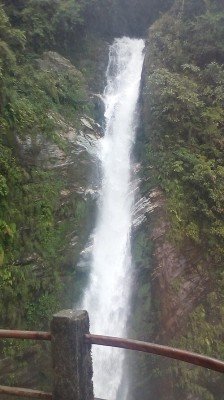
Changey Waterfalls
Some quick example text to build on the card title and make up the bulk of the card's content.
Go somewhere
Darap Village
Some quick example text to build on the card title and make up the bulk of the card's content.
Go somewhere
Dentam Valley
Some quick example text to build on the card title and make up the bulk of the card's content.
Go somewhere
Dubdi Monastery
Some quick example text to build on the card title and make up the bulk of the card's content.
Go somewhere
Kaluk/Hee-Bermiok
Some quick example text to build on the card title and make up the bulk of the card's content.
Go somewhere
Kanchenjunga Falls
Some quick example text to build on the card title and make up the bulk of the card's content.
Go somewhere
Kanchenjunga National Park Gate
Some quick example text to build on the card title and make up the bulk of the card's content.
Go somewhere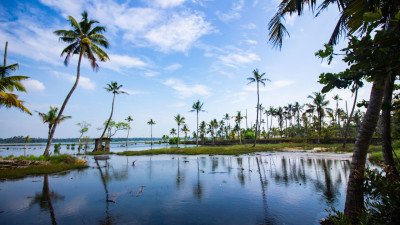
Khecheopalri Lake
Some quick example text to build on the card title and make up the bulk of the card's content.
Go somewhere
Pelling Sky Walk
Some quick example text to build on the card title and make up the bulk of the card's content.
Go somewhere
Pelling Skywalk
Some quick example text to build on the card title and make up the bulk of the card's content.
Go somewhere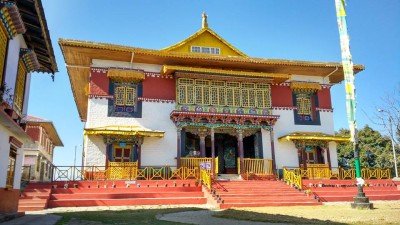
Pemayangtse Monastery
Some quick example text to build on the card title and make up the bulk of the card's content.
Go somewhere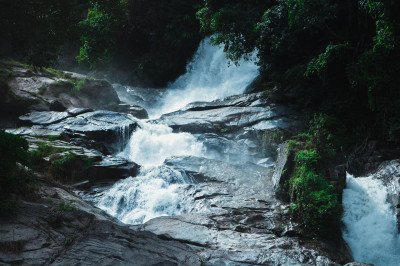
Phamrong Waterfalls
Some quick example text to build on the card title and make up the bulk of the card's content.
Go somewhere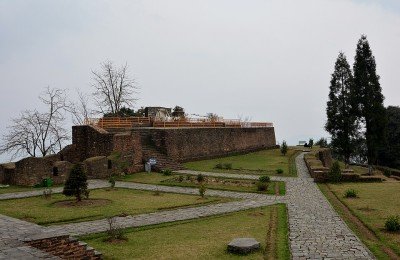
Rabdentse Ruins
Some quick example text to build on the card title and make up the bulk of the card's content.
Go somewhere
Rimbi Orange Garden
Some quick example text to build on the card title and make up the bulk of the card's content.
Go somewhere
Rimbi Waterfalls
Some quick example text to build on the card title and make up the bulk of the card's content.
Go somewhere
Sangachoeling Monastery
Some quick example text to build on the card title and make up the bulk of the card's content.
Go somewherein Other Cities