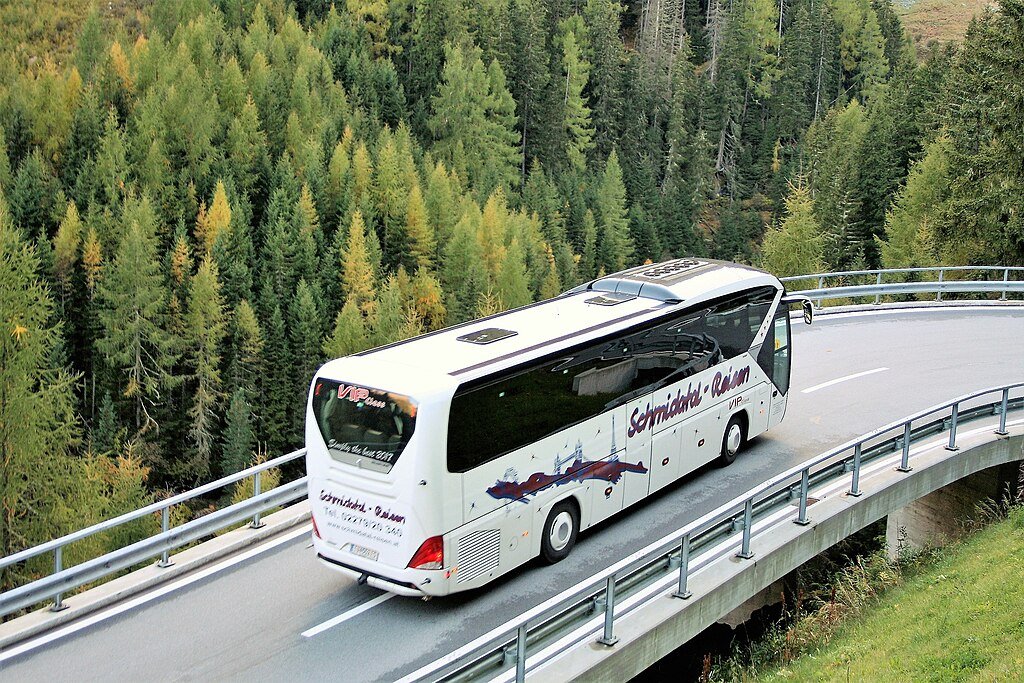
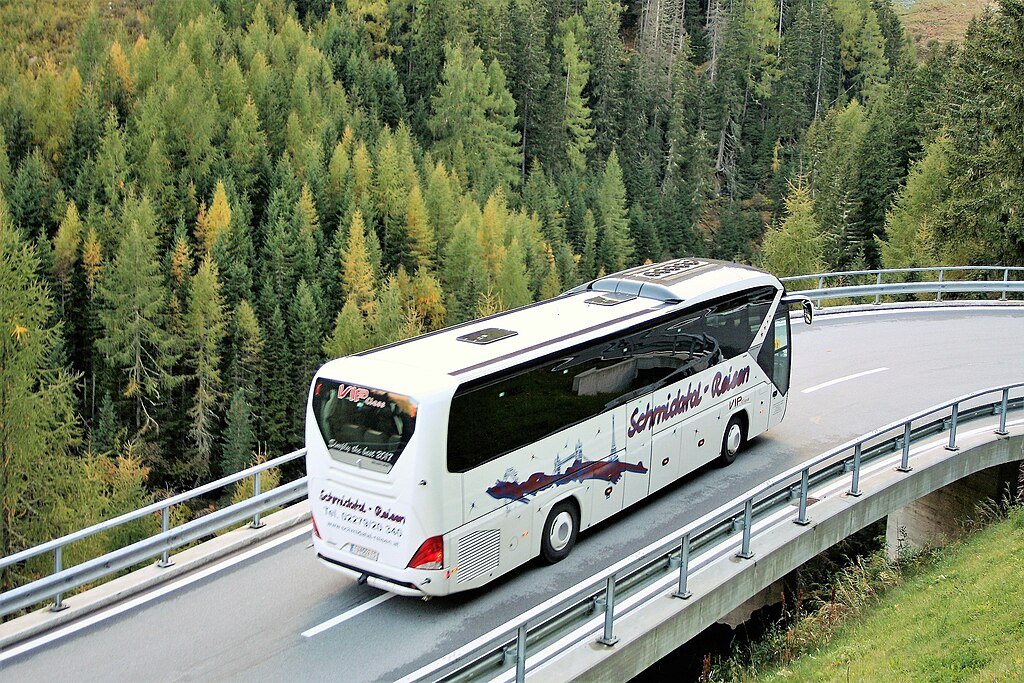
Kanchenjunga National Park Gate
General information
-
Ideal Duration:
1-2 hours for permit and preparation (Days/Weeks for Trek)Place Type:
National Park, Trekking, WildlifeEntry Fees:
Permit Fees (Mandatory): Entering the KNP requires multiple permits. The Inner Line Permit (ILP) is required for foreigners to enter Sikkim. The mandatory Trekking Permit is issued by the Wildlife Warden's office and the local police, costing a substantial fee (e. g. , INR...Permit Fees (Mandatory): Entering the KNP requires multiple permits. The Inner Line Permit (ILP) is required for foreigners to enter Sikkim. The mandatory Trekking Permit is issued by the Wildlife Warden's office and the local police, costing a substantial fee (e. g. , INR 300 to INR 400 per person per day for Indian nationals, and significantly more for foreigners).
Entry Fee to the Park: There is a one-time entry fee to the park (e. g. , INR 50 per person) and a camping fee per tent, per night (e. g. , INR 50 per day) for trekkers.
Porter/Guide Fee: Hiring a mandatory registered guide and/or porters for treks is a major, yet necessary, expense (e. g. , INR 1,000 to INR 2,000 per day per person).
Camera Fee: A small fee may be charged for still cameras (e. g. , INR 50) and a higher fee for video cameras/drones.Timing:
Regular Timings: The permit office is usually open from 9:00 AM to 4:00 PM on weekdays, but trekkers can technically enter the park's initial trails before and after these hours. The core trekking activities are from Sunrise to Sunset.
Ideal Vi...Regular Timings: The permit office is usually open from 9:00 AM to 4:00 PM on weekdays, but trekkers can technically enter the park's initial trails before and after these hours. The core trekking activities are from Sunrise to Sunset.
Ideal Visit Time: The best trekking seasons are April to May (Spring) and September to November (Autumn). The ideal time of day for the best views is the early morning, when the mountains are clearest before the mid-day haze or cloud cover sets in.Special Events:
The Khangchendzonga Tourism Festival: The Sikkim government and local bodies often organize a 'Khangchendzonga Tourism Festival' in the West Sikkim region (usually in November or December) to promote the park and responsible tourism, featuring cultural performances and local...The Khangchendzonga Tourism Festival: The Sikkim government and local bodies often organize a 'Khangchendzonga Tourism Festival' in the West Sikkim region (usually in November or December) to promote the park and responsible tourism, featuring cultural performances and local food stalls.
Local Monastery Festivals: Festivals at the monasteries within the buffer zone (like Tholung or Dubdi) are deeply significant. Pang Lhabsol (worship of Mount Kanchenjunga) is a major festival celebrated in Sikkim that honors the mountain as a guardian deity.Best Photo Spots:
The Permit Office and Gate: A simple photo of the wooden/stone entry gate or the Forest Check Post, framed by a multitude of colorful prayer flags, symbolizes the start of a great Himalayan adventure.
The Kanchenjunga View from the Base: Alt...The Permit Office and Gate: A simple photo of the wooden/stone entry gate or the Forest Check Post, framed by a multitude of colorful prayer flags, symbolizes the start of a great Himalayan adventure.
The Kanchenjunga View from the Base: Although the best views are on the trek, the areas around the Yuksom base on a very clear morning can offer spectacular framed views of the peaks.
Wildlife and Flora Close-ups: Macro photography of the unique rhododendrons, mosses, and high-altitude wildflowers, as well as patient telephoto shots of birds and the elusive Red Panda (if lucky), are prized shots.
The Mani Stone Walls: The ancient Mani stone walls in the Yuksom area, with their carved mantras and symbols, make for excellent cultural and contemplative photography subjects.Photo Gallery
Things To Do
-
Obtain Trekking Permits: The essential activity is visiting the Forest Check Post (usually in Yuksom) to secure the mandatory Inner Line Permits (ILP) and trekking permits needed to enter the core zone or start any major trek like the Goecha La.
Trek Goecha La: Embark on the world-famous Goecha La Trek (a challenging 10-15 day trek) which starts from Yuksom, offering breathtaking close-up views of the Kanchenjunga peaks and glaciers.
Short Nature Walks in the Buffer Zone: For non-trekkers, take short nature walks in the buffer zone forest areas around Yuksom or Tashiding to appreciate the rich lower-altitude Himalayan flora and fauna, including birdwatching.
Visit the Coronation Throne: While at the Yuksom base, visit the historic Norbugang Coronation Throne, whe...Obtain Trekking Permits: The essential activity is visiting the Forest Check Post (usually in Yuksom) to secure the mandatory Inner Line Permits (ILP) and trekking permits needed to enter the core zone or start any major trek like the Goecha La.
Trek Goecha La: Embark on the world-famous Goecha La Trek (a challenging 10-15 day trek) which starts from Yuksom, offering breathtaking close-up views of the Kanchenjunga peaks and glaciers.
Short Nature Walks in the Buffer Zone: For non-trekkers, take short nature walks in the buffer zone forest areas around Yuksom or Tashiding to appreciate the rich lower-altitude Himalayan flora and fauna, including birdwatching.
Visit the Coronation Throne: While at the Yuksom base, visit the historic Norbugang Coronation Throne, where the first Chogyal of Sikkim was consecrated, linking the park's history with the state's political past.
Wildlife and Bird Photography: Dedicate time to discreetly photograph the unique Himalayan wildlife and the plethora of bird species found in the forested areas, especially in the early mornings.
Camping and Stargazing: Engage in high-altitude camping on the trek (with proper permits) to experience the pristine Himalayan night sky, far away from all light pollution.
Information
-
Why Famous:
UNESCO World Heritage Site (Mixed Site): The park's primary fame rests on its designation as a UNESCO World Heritage Site, recognized for both its natural heritage (unique biodiversity, glaciers, peaks) and its cultural heritage (the sacred status of the land, Beyul).UNESCO World Heritage Site (Mixed Site): The park's primary fame rests on its designation as a UNESCO World Heritage Site, recognized for both its natural heritage (unique biodiversity, glaciers, peaks) and its cultural heritage (the sacred status of the land, Beyul).
Home of Mount Kanchenjunga: The park encompasses the massive Kanchenjunga massif, including the world's third-highest peak, making it one of the most geographically and visually spectacular protected areas on earth.
Biodiversity Hotspot: It is highly famous as one of the world's major biodiversity hotspots, hosting an incredible variety of flora and fauna, including flagship species like the endangered Red Panda and Snow Leopard.
Gateway to Goecha La Trek: The gate/base at Yuksom is the internationally famous starting point for the demanding and world-renowned Goecha La Trek, which offers close-up views of Kanchenjunga. -
Architecture:
Trekking Base Camp Structures: The architecture at the Kanchenjunga National Park Gate (primarily the Yuksom Base) is not monumental but functional, consisting of a Forest Check Post/Office—a simple, small administrative building (around 15m x 10m) constructed of wood and ...Trekking Base Camp Structures: The architecture at the Kanchenjunga National Park Gate (primarily the Yuksom Base) is not monumental but functional, consisting of a Forest Check Post/Office—a simple, small administrative building (around 15m x 10m) constructed of wood and concrete, essential for issuing permits.
Trail and Bridge Engineering: The main architectural achievement is the network of well-maintained, but basic, trekking trails, campsites, and wooden/log bridges spanning streams, which have been engineered to allow passage through the rugged high-altitude terrain. These bridges are simple log or cantilever structures (varying in length from 5m to 20m) designed to withstand heavy snow and river flow.
Religious Significance Markers: The gate area is often adorned with numerous, large, and colorful prayer flags (Lungta), Mani stone walls, and small Chortens (Buddhist stupas), which are spiritual markers symbolizing the sacred nature of the park and blending seamlessly with the natural landscape. -
How To Reach:
By Air: The nearest airport is Bagdogra Airport (IXB) in West Bengal, approx. 170 KMS from Yuksom. Hire a taxi to Yuksom (approx. 6-7 hours).
By Train: The nearest major railway station is New Jalpaiguri (NJP) in West Bengal, approx. 165...By Air: The nearest airport is Bagdogra Airport (IXB) in West Bengal, approx. 170 KMS from Yuksom. Hire a taxi to Yuksom (approx. 6-7 hours).
By Train: The nearest major railway station is New Jalpaiguri (NJP) in West Bengal, approx. 165 KMS from Yuksom. Take a taxi or shared jeep to Yuksom.
By Road: The main gateway, Yuksom, is about 45 KMS from Pelling (approx. 2-3 hour drive) via a winding road. Private taxis are available from Pelling to Yuksom.
By Local Transport: Shared jeeps run regularly from Geyzing and Pelling to Yuksom (Dubdi Monastery base), which is the most common way to reach the gate for trekkers. -
Weather and Best Time to Visit:
Best Season: Autumn (September to November) is the prime trekking season, offering stable, dry weather, clear skies, and spectacular mountain views, though it can be very cold at high altitudes.
Spring (April to May): Excellent for trekking,...Best Season: Autumn (September to November) is the prime trekking season, offering stable, dry weather, clear skies, and spectacular mountain views, though it can be very cold at high altitudes.
Spring (April to May): Excellent for trekking, with pleasant weather and the added beauty of rhododendron blooms at lower to mid-altitudes.
Monsoon (June to August): Not recommended for trekking due to heavy rain, slippery trails, and high chances of landslides.
Winter (December to March): Trails are often blocked by heavy snow, and temperatures are extremely low, only suitable for highly experienced, well-equipped mountaineers.
Best Part of the Day: Early morning is the best time for clear, crisp views of the peaks and for starting the day's trek before the sun gets too strong. -
Near Tourist Places:
Yuksom (Base), Norbugang Coronation Throne (1 KM from Base), Dubdi Monastery (3 KMS Trek), Khecheopalri Lake (20 KMS), Kanchenjunga Falls (18 KMS), Tashiding Monastery (20 KMS), Pelling (45 KMS), Rabdentse Ruins (43 KMS), Pemayangtse Monastery (44 KMS), Singshore Bridge (50 KMS).
Tourism Tips
-
Health and Safety: This is a high-altitude area. Read up on Acute Mountain Sickness (AMS) symptoms and acclimatize properly. Carry necessary permits at all times. Trek with a local, licensed guide (mandatory for Goecha La).
Packing Essentials...Health and Safety: This is a high-altitude area. Read up on Acute Mountain Sickness (AMS) symptoms and acclimatize properly. Carry necessary permits at all times. Trek with a local, licensed guide (mandatory for Goecha La).
Packing Essentials: Pack high-quality, cold-weather trekking gear, including waterproof, windproof clothing, thermal layers, sturdy hiking boots, sunglasses, sunscreen, and a first-aid kit with AMS medication.
Accommodation: Homestays and basic lodges are available in the base town of Yuksom. On the trek, accommodation is primarily in camping tents (rented from the guide/operator) at designated sites.
Permit Procedure: Start the permit process (police and forest check-post) in Yuksom the day before your trek. You will need a photo ID, photographs, and sometimes medical fitness certificates.
Environmental Care: Strictly follow the Leave No Trace principle. Do not litter or collect any flora or fauna. The use of plastic bottles is often banned or highly discouraged.
Reviews
FAQs
Pelling Itineray And Cost:-
Kanchenjunga National Park Gate Tourism:-
Other Places In Pelling :-
Other States In India :-
Information about New and Updated Locations() of Sikkim Has Been Added :-
Card subtitle
Note:-
Information provided here in good Faith and for reference only.
Near Places
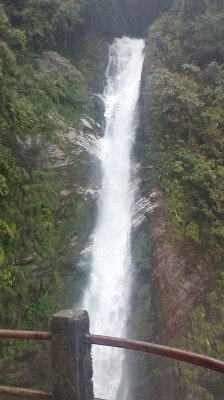
Changey Waterfalls
Some quick example text to build on the card title and make up the bulk of the card's content.
Go somewhere
Darap Village
Some quick example text to build on the card title and make up the bulk of the card's content.
Go somewhere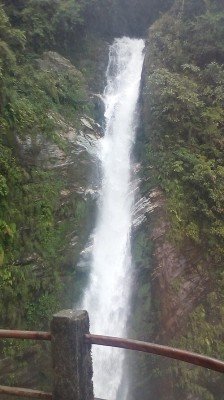
Dentam Valley
Some quick example text to build on the card title and make up the bulk of the card's content.
Go somewhere
Dubdi Monastery
Some quick example text to build on the card title and make up the bulk of the card's content.
Go somewhere
Kaluk/Hee-Bermiok
Some quick example text to build on the card title and make up the bulk of the card's content.
Go somewhere
Kanchenjunga Falls
Some quick example text to build on the card title and make up the bulk of the card's content.
Go somewhere
Kanchenjunga National Park Gate
Some quick example text to build on the card title and make up the bulk of the card's content.
Go somewhere
Khecheopalri Lake
Some quick example text to build on the card title and make up the bulk of the card's content.
Go somewhere
Pelling Sky Walk
Some quick example text to build on the card title and make up the bulk of the card's content.
Go somewhere
Pelling Skywalk
Some quick example text to build on the card title and make up the bulk of the card's content.
Go somewhere
Pemayangtse Monastery
Some quick example text to build on the card title and make up the bulk of the card's content.
Go somewhere
Phamrong Waterfalls
Some quick example text to build on the card title and make up the bulk of the card's content.
Go somewhere
Rabdentse Ruins
Some quick example text to build on the card title and make up the bulk of the card's content.
Go somewhere
Rimbi Orange Garden
Some quick example text to build on the card title and make up the bulk of the card's content.
Go somewhere
Rimbi Waterfalls
Some quick example text to build on the card title and make up the bulk of the card's content.
Go somewhere
Sangachoeling Monastery
Some quick example text to build on the card title and make up the bulk of the card's content.
Go somewherein Other Cities