
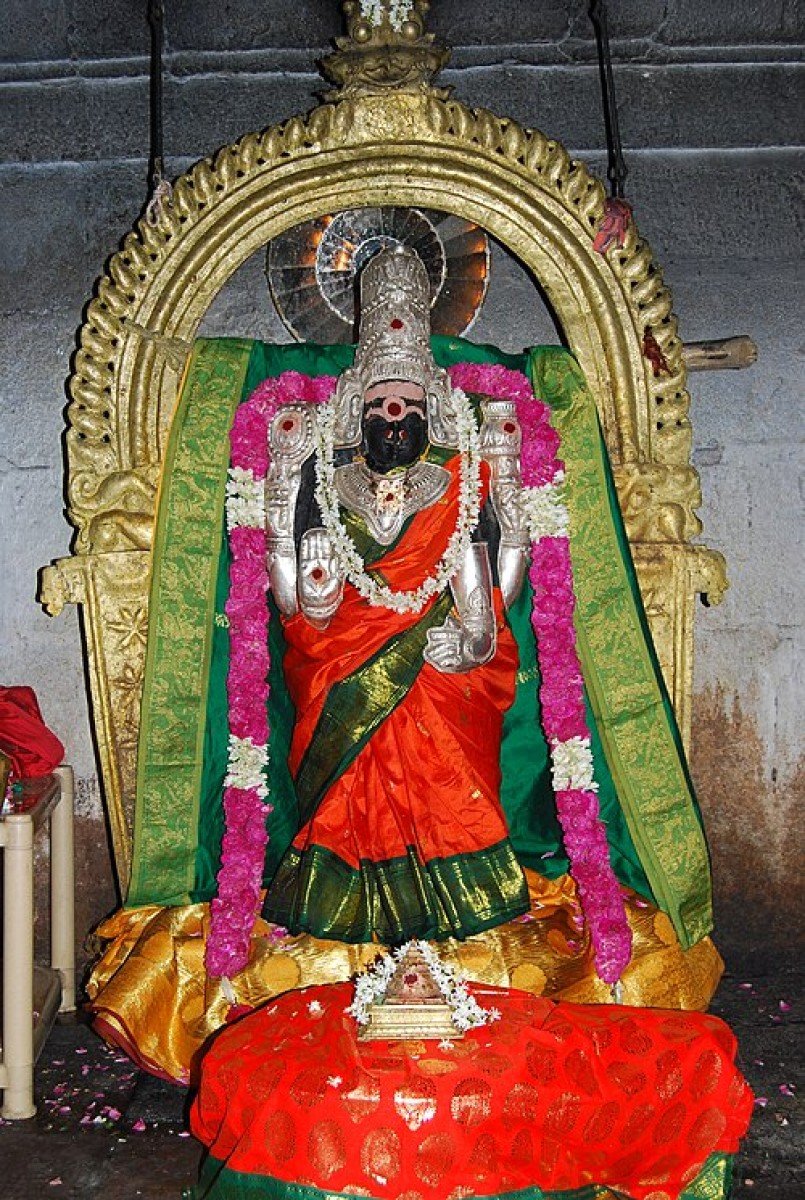

Dindigul
General information
-
Ideal Duration:
1 to 2 DaysPlace Type:
Historical & Heritage CityEntry Fees:
General Entry: Usually free for most public areas; the Dindigul Fort has a nominal fee of Rs.25 for Indians. Foreigners might have to pay Rs.300.
Camera Fees: Small charges of Rs.50 for still cameras and Rs.100 for video might apply at the fort. ...General Entry: Usually free for most public areas; the Dindigul Fort has a nominal fee of Rs.25 for Indians. Foreigners might have to pay Rs.300.
Camera Fees: Small charges of Rs.50 for still cameras and Rs.100 for video might apply at the fort. Most temples do not allow photography inside the sanctum.Timing:
Regular Timings: The Dindigul Fort is open from 8:00 AM to 6:00 PM daily. Temples are usually open from 6:00 AM to 12:30 PM and 4:00 PM to 8:30 PM.
Ideal Visit: Early morning or late afternoon is best to avoid the midday heat. The months f...Regular Timings: The Dindigul Fort is open from 8:00 AM to 6:00 PM daily. Temples are usually open from 6:00 AM to 12:30 PM and 4:00 PM to 8:30 PM.
Ideal Visit: Early morning or late afternoon is best to avoid the midday heat. The months from October to March offer the most pleasant weather.Special Events:
Kanu Festival: Celebrated in January at the Dindigul Fort with cultural programs and local sports. It marks the harvest season celebrations.
Mango Festival: During May, the city celebrates its agricultural bounty with exhibitions. It is a ...Kanu Festival: Celebrated in January at the Dindigul Fort with cultural programs and local sports. It marks the harvest season celebrations.
Mango Festival: During May, the city celebrates its agricultural bounty with exhibitions. It is a great time to taste various local varieties of mangoes.Best Photo Spots:
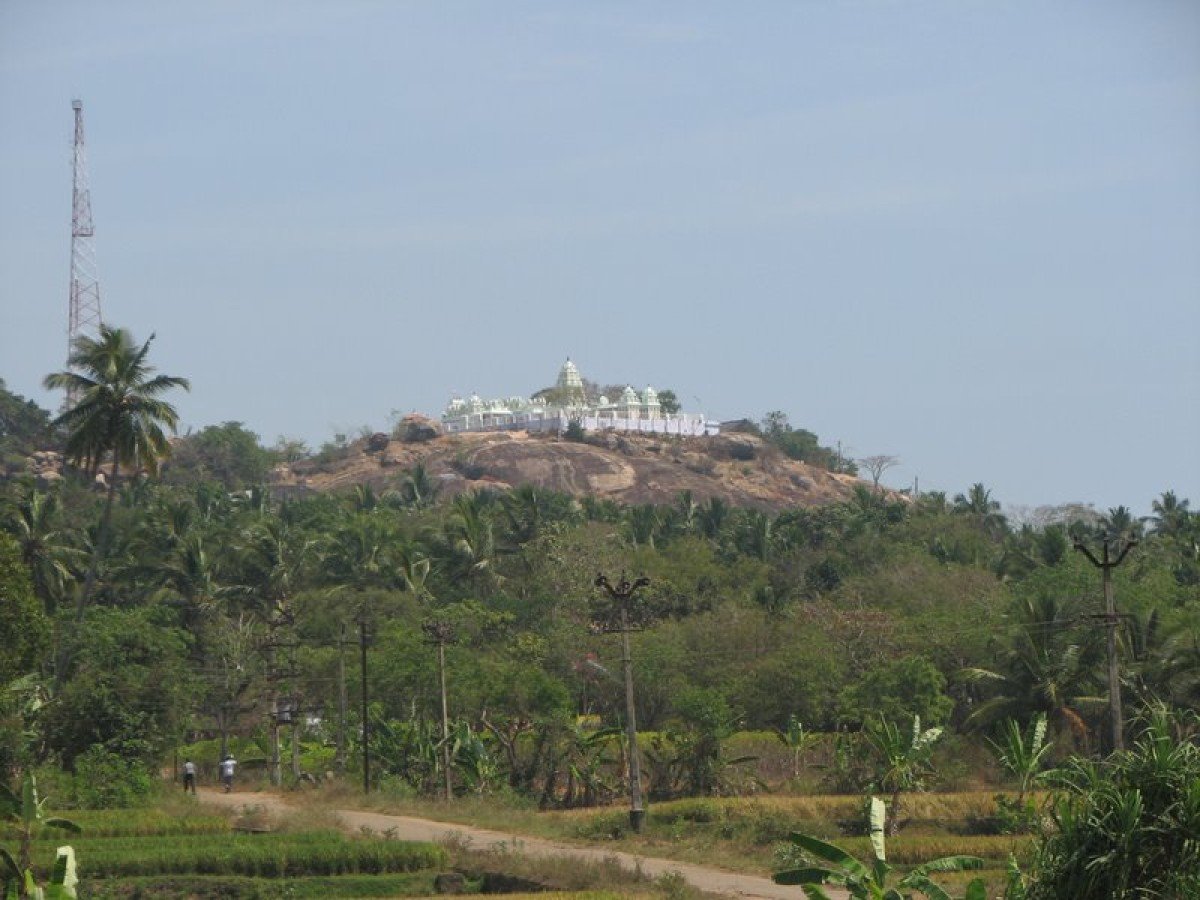
Fort Summit: The top of the Dindigul Rock Fort provides a panoramic view of the entire city skyline. Sunset here is particularly magical for photography.
Sirumalai Viewpoints: The hairpin bends of Sirumalai offer stunning views of the plain...Fort Summit: The top of the Dindigul Rock Fort provides a panoramic view of the entire city skyline. Sunset here is particularly magical for photography.
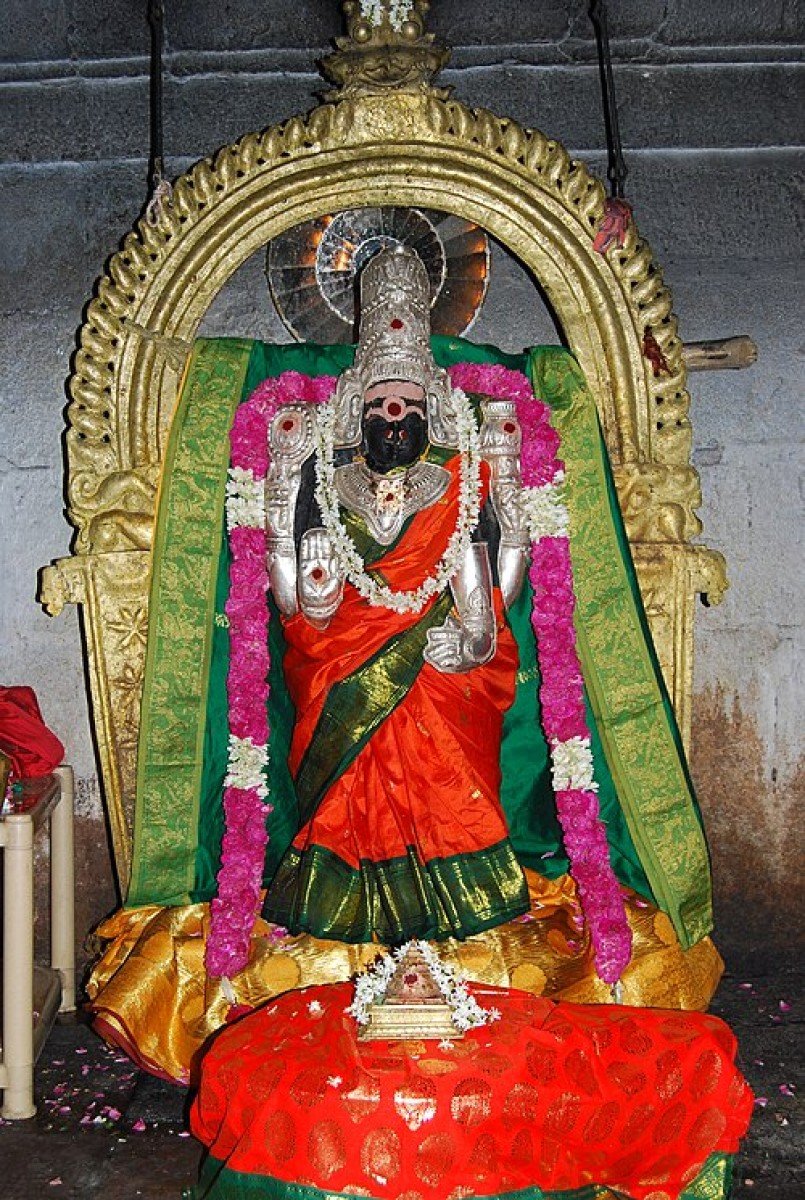
Sirumalai Viewpoints: The hairpin bends of Sirumalai offer stunning views of the plains below. The lush greenery provides a perfect backdrop for nature shots.Photo Gallery



Things To Do
 @@History and Devotion: The Abirami Amman Temple is a highly revered ancient Hindu temple dedicated to Goddess Abirami (a form of Goddess Parvati) and Kalahastheeswarar (Lord Shiva) at the city center of Dindigul. It is a major spiritual center for local residents and pilgrims from across Tamil Nadu. The temple complex is a serene space where devotees come to seek blessings for prosperity and well-being. The name Abirami signifies 'She who is beautiful at every moment', and the temple reflects this divine grace. The inner sanctums house the main deities, and the temple actively preserves traditional Agamic rituals and practices. This temple is central to the city's spiritual identity and serves as a cultural landmark in the Dindigul region.:
 Poombarai View Point offers one of the most picturesque landscapes in all of South India. Located near the hill station of Kodaikanal, this viewpoint overlooks the ancient Poombarai village, which is famous for its terraced farms that look like a giant green staircase. The village is nestled in a deep valley, and the viewpoint provides a 360-degree panoramic view of the colorful houses and the meticulously carved vegetable gardens. The village is well-known for producing high-quality garlic and other hill vegetables. The mist often rolls over the valley, creating a dream-like atmosphere. The view changes with the seasons; it is vibrant green during the monsoon and covered in flowers during the summer. It is a must-visit for photographers and nature lovers who want to see a traditional mountain lifestyle that has remained unchanged for decades. The viewpoint is on the way to Mannavanur Lake, making it a perfect stop for travelers. Standing here, one can feel the cool mountain air and witness the harmony between man and nature in the high-altitude Western Ghats.
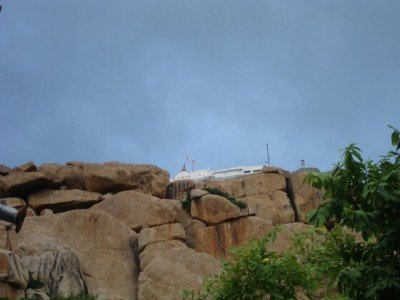 The Anjaneyar Temple in Chinnalapatti is one of the most spiritually vibrant shrines dedicated to Lord Hanuman in the Dindigul district. The temple is famous for its massive 16-foot tall idol of Lord Anjaneyar, which is carved out of a single stone. This deity is shown in a standing posture with folded hands, which symbolizes humility and devotion. The temple attracts thousands of devotees, especially on Saturdays, which is considered an auspicious day for Lord Hanuman. The atmosphere inside the temple is filled with the scent of incense and the chanting of "Ram Nam." The temple complex, though not very large, is impeccably maintained and provides a peaceful environment for meditation and prayer. One of the unique features of this temple is that the idol's eyes are crafted in a way that they seem to follow the devotee from any angle. The temple also has shrines for other deities including Lord Rama and Goddess Sita. The local community of Chinnalapatti, known for their expertise in weaving, takes great pride in this temple and participates actively in all its festivals. Visiting this temple offers a deep sense of peace and spiritual rejuvenation. The intricate carvings on the pillars and the beautifully decorated sanctum sanctorum reflect the rich religious heritage of Tamil Nadu. Devotees often offer "Vada Malai" (a garland made of savory lentil donuts) to the Lord as a mark of gratitude. The temple serves as a cultural hub for the town, hosting various religious discourses and musical performances during festival seasons. It is a place where faith and tradition come together beautifully.
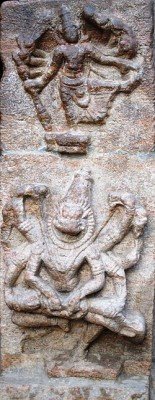 @@Deity and Name: The Arulmigu Soundararaja Perumal Temple, popularly known as Thadikombu Perumal Temple, is a famous Vaishnavite temple dedicated to Lord Soundararaja Perumal (Lord Vishnu). The temple is located in the town of Thadikombu, close to Dindigul. @@Legend and History: Legend says the main deity was brought here from Azhagar Kovil near Madurai. It is believed to have been built by the Madurai Nayak rulers in the 16th century, showcasing their patronage of Vaishnavism. The temple's architecture and traditions are deeply rooted in the Thenkalai tradition. @@Spiritual Importance: It is a respected temple for seeking blessings for wealth, prosperity, and health, attracting a significant number of devotees daily.:
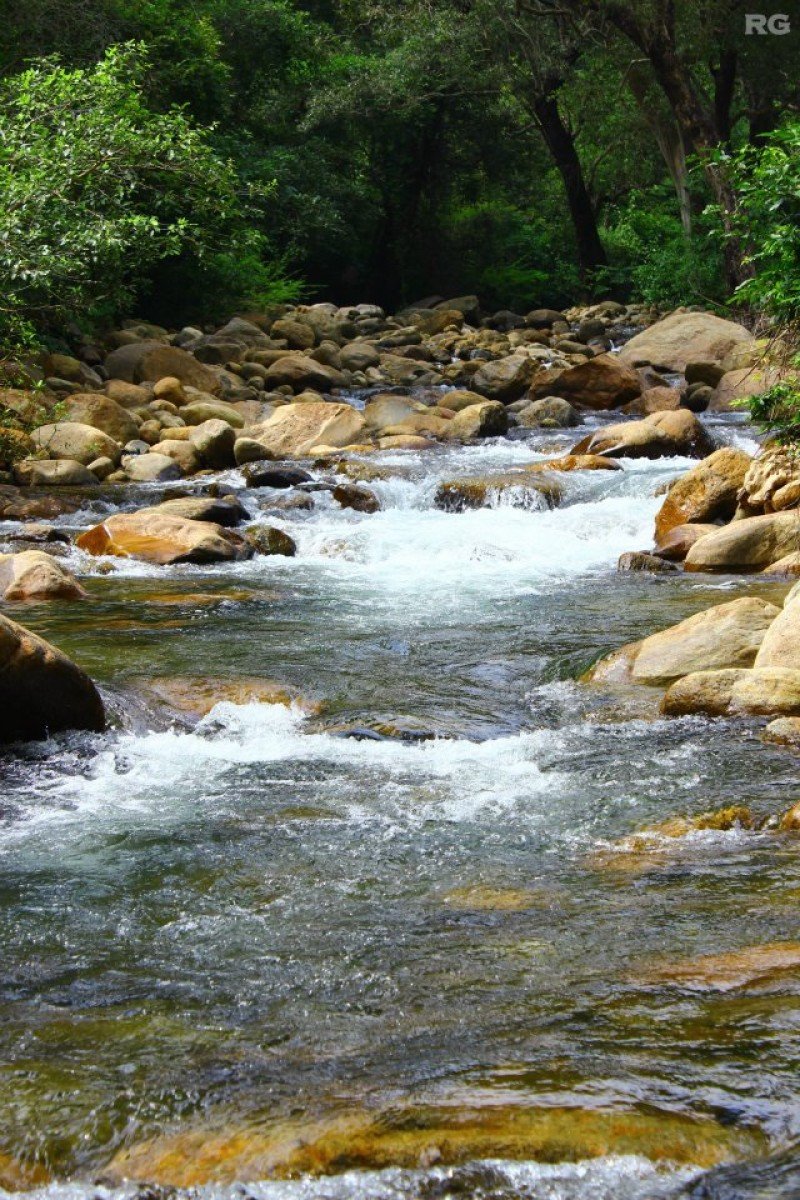
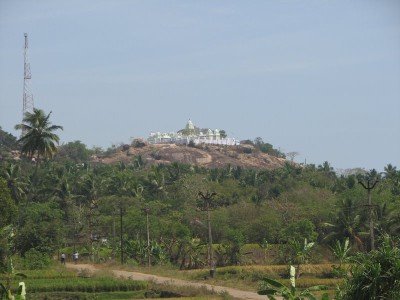 Vellimalai Waterfalls is a serene and relatively unexplored gem tucked away in the Sanarpatti region of the Sirumalai hills. Unlike the more famous falls in the district, Vellimalai offers a quiet, intimate experience with nature. The name "Vellimalai" translates to "Silver Hill," referring to the shimmering appearance of the water as it cascades down the rocky slopes. The waterfall is seasonal and is best experienced immediately after the monsoon rains when the flow is vigorous. It is a popular spot for local families and students from nearby Dindigul who seek a quick getaway. The area surrounding the falls is thick with vegetation, offering a natural canopy that keeps the place cool even during the day. Reaching the falls involves a mild trek through forest paths, which adds a sense of adventure to the visit. The water is known for its purity, as it flows through areas rich in medicinal herbs within the Sirumalai forest range. There are no commercial shops or loud crowds here, making it an ideal spot for soul-searching or a quiet picnic. The rocks near the falls are slippery, so visitors must exercise caution. It serves as a vital water source for the local flora and fauna of the Sanarpatti block. The peaceful gurgle of the water and the chirping of forest birds create a natural symphony that rejuvenates the mind.
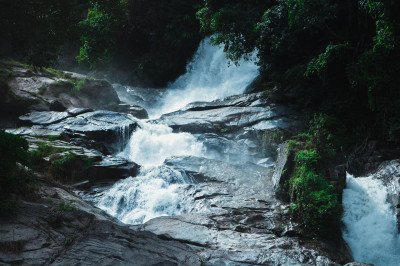 Kuttupatti Falls is a relatively unexplored and pristine waterfall located near the village of Kuttupatti in the Natham region. Unlike more famous falls, this spot offers a raw and rugged experience of nature. The waterfall is part of a stream that flows through the Karanthimalai forest, creating several small cascades before reaching the main drop. The area is surrounded by dense vegetation and rocky terrain, making it a favorite for off-road enthusiasts and trekkers. The trek to the falls is slightly more challenging than Ayyanar Falls, requiring visitors to navigate through rocky paths and narrow forest trails. However, the reward is a secluded spot where you can enjoy the water in near-total privacy. The water is crystal clear and remains cool throughout the year, though the flow is strongest during and after the monsoon season. There are no commercial shops or facilities near the falls, so it remains a truly "wild" destination. Local shepherds and villagers are the only people you might encounter on your way. The silence of the forest is only broken by the sound of the waterfall and the rustling of leaves. It is an excellent place for those who want to experience the "off-the-beaten-path" side of Dindigul. The rocks around the falls provide natural seating areas where one can sit and enjoy the beauty of the jungle. Because it is not a mainstream tourist spot, the area remains clean and peaceful. It is a destination that demands respect for nature, and visitors are encouraged to leave no trace of their visit.
Nilakottai Palace is a historical landmark representing the rich heritage of the Nayakar rule and the local Zamindari system. This palace was once the center of power for the Nilakottai region, which was one of the 72 Palayams of the Madurai Nayak Kingdom. The palace structure showcases a mix of traditional Tamil architecture and later colonial influences. Over the years, the palace has witnessed many historical changes and served as a residence for the royal family of the region. Though some parts of the palace are in ruins, the remaining structures still carry the grandeur of the past. The intricate woodwork, large courtyards, and high ceilings are a testament to the lifestyle of the ancient rulers. History enthusiasts visit this place to understand the local administrative history of Tamil Nadu. The palace is often associated with legends of the local Polygar warriors who fought for their land. It serves as a cultural bridge between the medieval era and the modern day, reminding visitors of the architectural and political history of the Dindigul district.Show All
Kuttupatti Falls is a relatively unexplored and pristine waterfall located near the village of Kuttupatti in the Natham region. Unlike more famous falls, this spot offers a raw and rugged experience of nature. The waterfall is part of a stream that flows through the Karanthimalai forest, creating several small cascades before reaching the main drop. The area is surrounded by dense vegetation and rocky terrain, making it a favorite for off-road enthusiasts and trekkers. The trek to the falls is slightly more challenging than Ayyanar Falls, requiring visitors to navigate through rocky paths and narrow forest trails. However, the reward is a secluded spot where you can enjoy the water in near-total privacy. The water is crystal clear and remains cool throughout the year, though the flow is strongest during and after the monsoon season. There are no commercial shops or facilities near the falls, so it remains a truly "wild" destination. Local shepherds and villagers are the only people you might encounter on your way. The silence of the forest is only broken by the sound of the waterfall and the rustling of leaves. It is an excellent place for those who want to experience the "off-the-beaten-path" side of Dindigul. The rocks around the falls provide natural seating areas where one can sit and enjoy the beauty of the jungle. Because it is not a mainstream tourist spot, the area remains clean and peaceful. It is a destination that demands respect for nature, and visitors are encouraged to leave no trace of their visit.
Nilakottai Palace is a historical landmark representing the rich heritage of the Nayakar rule and the local Zamindari system. This palace was once the center of power for the Nilakottai region, which was one of the 72 Palayams of the Madurai Nayak Kingdom. The palace structure showcases a mix of traditional Tamil architecture and later colonial influences. Over the years, the palace has witnessed many historical changes and served as a residence for the royal family of the region. Though some parts of the palace are in ruins, the remaining structures still carry the grandeur of the past. The intricate woodwork, large courtyards, and high ceilings are a testament to the lifestyle of the ancient rulers. History enthusiasts visit this place to understand the local administrative history of Tamil Nadu. The palace is often associated with legends of the local Polygar warriors who fought for their land. It serves as a cultural bridge between the medieval era and the modern day, reminding visitors of the architectural and political history of the Dindigul district.Show All @@Historical Construction: St. Joseph's Church is a major historical Roman Catholic church in Dindigul, constructed by the British between 1866 and 1872. This period marks a significant time in the region's colonial and religious history. @@Mother Church: It holds great religious importance as the Mother Church (Cathedral) for all Roman Catholic communities within the Dindigul District and is the seat of the Bishop of the Dindigul Diocese. @@Architectural Marvel: The church is noted for its beautiful and imposing architecture, which stands as a prominent landmark in the city center. It has served as a central place of worship and community gathering for well over a century.:
Information
-
Why Famous:
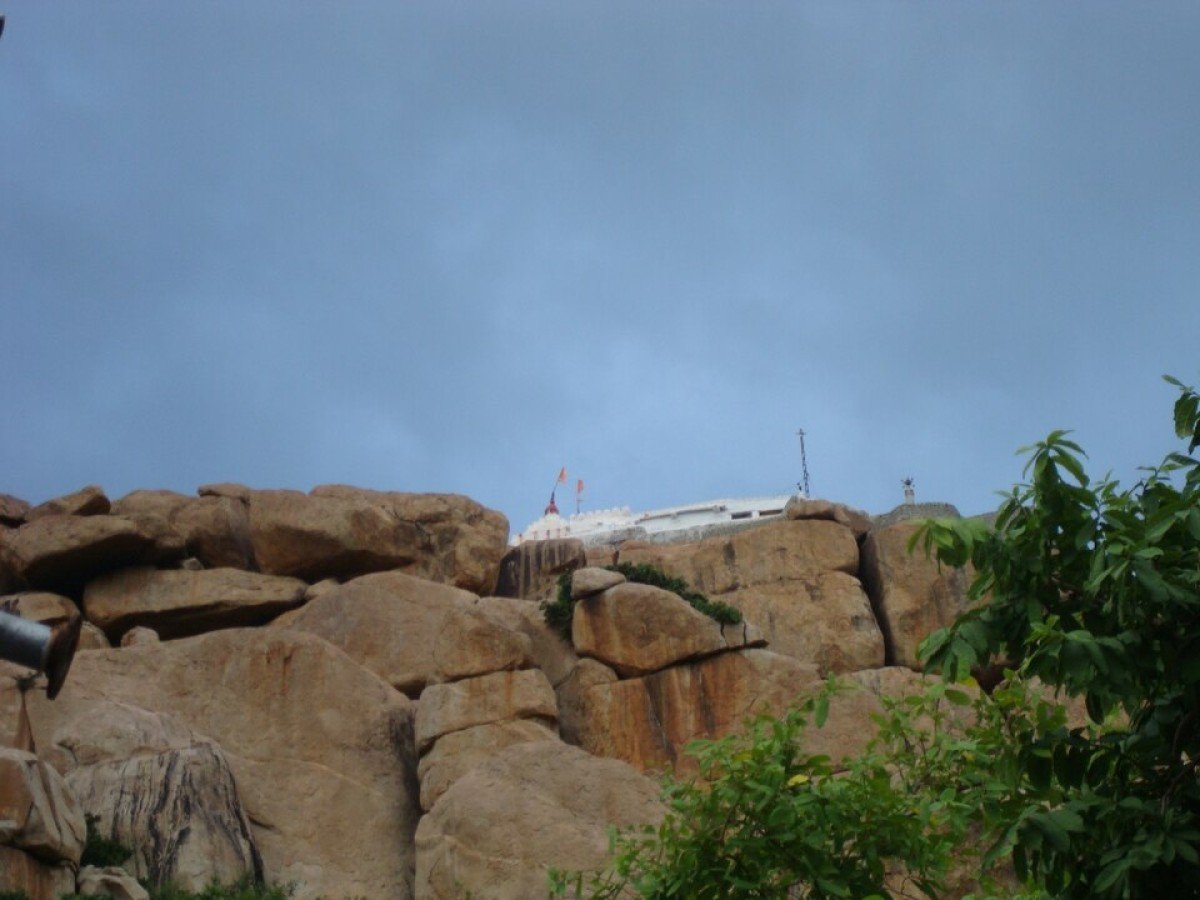
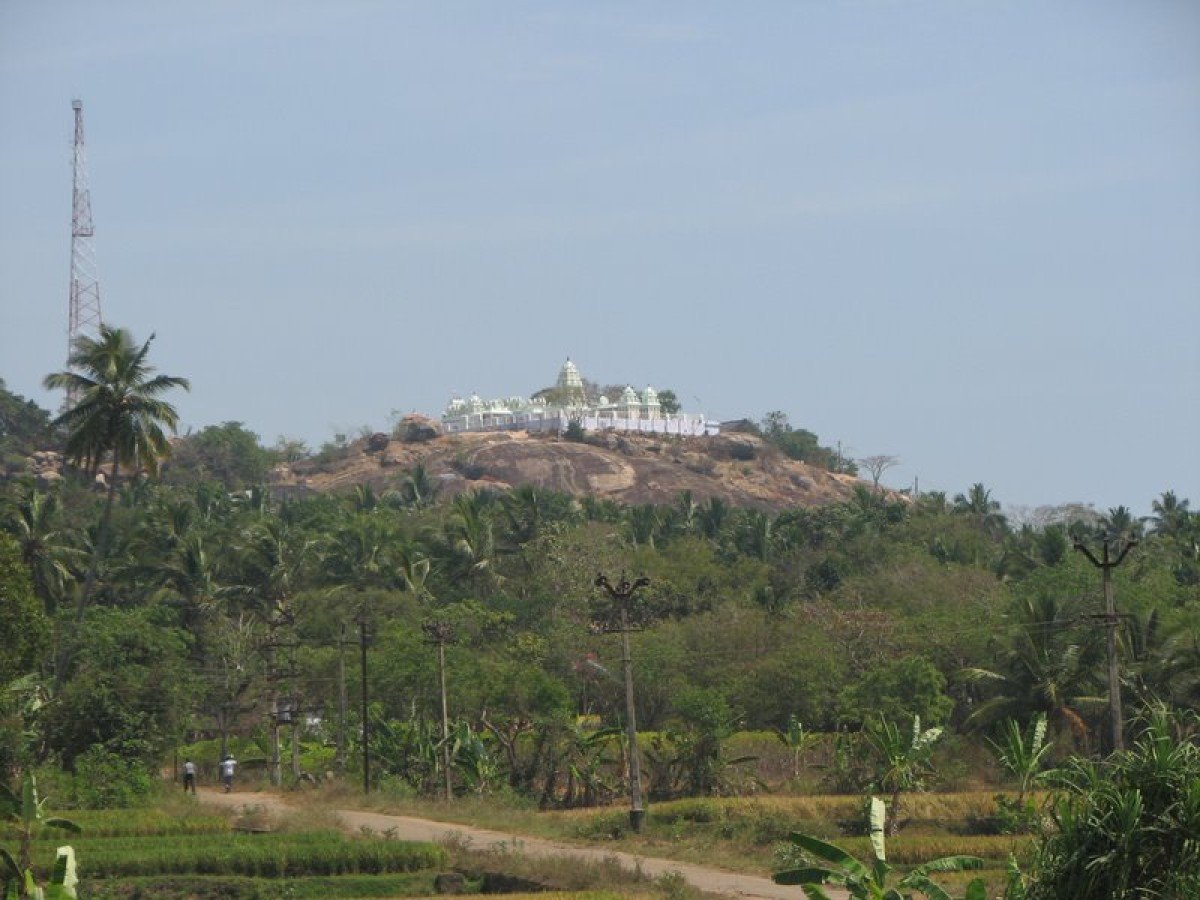
The Rock Fort: The Dindigul Fort is an architectural marvel built on a massive granite hill. It offers a 360-degree view of the city and was a key military post.
Biryani Hub: The city is the birthplace of the legendary Dindigul Thalappakatt...The Rock Fort: The Dindigul Fort is an architectural marvel built on a massive granite hill. It offers a 360-degree view of the city and was a key military post.
Biryani Hub: The city is the birthplace of the legendary Dindigul Thalappakatti Biryani. This culinary delight attracts foodies from all over the world. -
Architecture:
Dravidian Style: The temples in Dindigul feature classic Dravidian architecture with tall gopurams and carved pillars. Dimensions of the Dindigul Fort include a 900-foot-tall rock hill with a circumference of 2. 75 km.
Military Engineering:...Dravidian Style: The temples in Dindigul feature classic Dravidian architecture with tall gopurams and carved pillars. Dimensions of the Dindigul Fort include a 900-foot-tall rock hill with a circumference of 2. 75 km.
Military Engineering: The Dindigul Fort showcases advanced 17th-century military engineering with double walls to withstand heavy artillery. It includes 48 rooms used as cells and spacious horse stables. -
How To Reach:
By Air: The nearest airport is Madurai Airport (IXM), located about 70 km away. From there, taxis and buses are frequently available to reach the city.
By Train: Dindigul Junction is a major railway station well-connected to Chennai, Bangal...By Air: The nearest airport is Madurai Airport (IXM), located about 70 km away. From there, taxis and buses are frequently available to reach the city.
By Train: Dindigul Junction is a major railway station well-connected to Chennai, Bangalore, and Coimbatore. Most express trains have a stop here.
By Road: The city is located on NH-44 and NH-83, making it easily accessible by bus. State-run TNSTC buses operate regular services from all major towns.
Local Transport: Auto-rickshaws and local buses are the primary modes of transport within the city. Taxis can be hired for full-day sightseeing tours. -
Weather and Best Time to Visit:
Winter Season: October to February is the best time with temperatures ranging from 20°C to 30°C. The weather is perfect for exploring the hill fort.
Summer Season: March to May can be very hot, with temperatures reaching 40°C. It is bes...Winter Season: October to February is the best time with temperatures ranging from 20°C to 30°C. The weather is perfect for exploring the hill fort.
Summer Season: March to May can be very hot, with temperatures reaching 40°C. It is best to visit the Sirumalai hills during this time.
Monsoon Season: June to September brings moderate rainfall, making the landscapes lush green. However, trekking on the rock fort might be slippery. -
Near Tourist Places:
Madurai (66 km), Kodaikanal (95 km), Palani (60 km), Sirumalai (25 km), Athoor (20 km), Thadikombu (12 km), Kutladampatti Falls (35 km), Pillar Rocks (98 km), Berijam Lake (115 km), Coaker's Walk (96 km)
Tourism Tips
-
Health and Safety: Stay hydrated as the climb to the fort can be taxing under the sun. Wear comfortable walking shoes with a good grip for the rocky terrain.
Packing: Carry light cotton clothes, a hat, and sunscreen for the daytime. A ligh...Health and Safety: Stay hydrated as the climb to the fort can be taxing under the sun. Wear comfortable walking shoes with a good grip for the rocky terrain.
Packing: Carry light cotton clothes, a hat, and sunscreen for the daytime. A light jacket is recommended if you plan to visit the Sirumalai hills.
Accommodation: There are several budget and mid-range hotels near the railway station and bus stand. For a luxury stay, look for resorts near the foothills.
Local Etiquette: Respect local customs when visiting temples by dressing modestly. Men may need to remove shirts in some traditional temple inner circles.
Reviews
FAQs
Dindigul Itineray And Cost:-
Other Places In Tamil Nadu :-
Other States In India :-
Information about New and Updated Locations() of Tamil Nadu Has Been Added :-
Card subtitle
Note:-
Information provided here in good Faith and for reference only.
Near Places
Chennai
Some quick example text to build on the card title and make up the bulk of the card's content.
Go somewhere
Chidambaram
Some quick example text to build on the card title and make up the bulk of the card's content.
Go somewhere
Coimbatore
Some quick example text to build on the card title and make up the bulk of the card's content.
Go somewhere
Courtallam
Some quick example text to build on the card title and make up the bulk of the card's content.
Go somewhere
Dindigul
Some quick example text to build on the card title and make up the bulk of the card's content.
Go somewhere
Kanchipuram
Some quick example text to build on the card title and make up the bulk of the card's content.
Go somewhere
Kanyakumari
Some quick example text to build on the card title and make up the bulk of the card's content.
Go somewhere
Karaikal
Some quick example text to build on the card title and make up the bulk of the card's content.
Go somewhere
Karaikudi
Some quick example text to build on the card title and make up the bulk of the card's content.
Go somewhere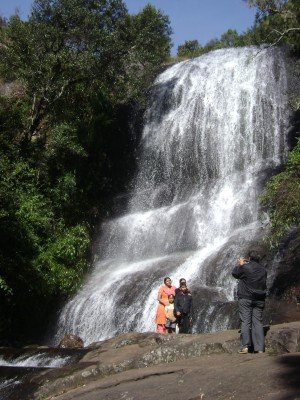
Kodaikanal
Some quick example text to build on the card title and make up the bulk of the card's content.
Go somewhere
Kovalam
Some quick example text to build on the card title and make up the bulk of the card's content.
Go somewhere
Kumbakonam
Some quick example text to build on the card title and make up the bulk of the card's content.
Go somewhere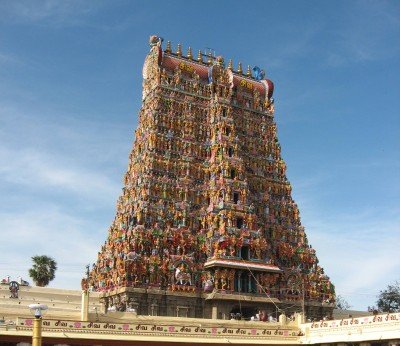
Madurai
Some quick example text to build on the card title and make up the bulk of the card's content.
Go somewhere
Mahabalipuram
Some quick example text to build on the card title and make up the bulk of the card's content.
Go somewhere
Masinagudi
Some quick example text to build on the card title and make up the bulk of the card's content.
Go somewhere
Nagapattinam
Some quick example text to build on the card title and make up the bulk of the card's content.
Go somewherein Other Cities