
...

FAQs On Darjeeling Himalayan Railway

Darjeeling, West Bengal, India
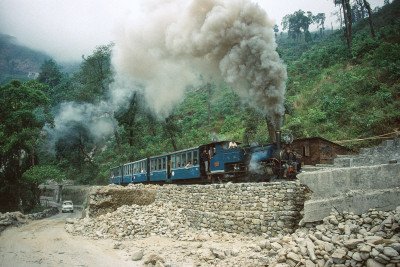
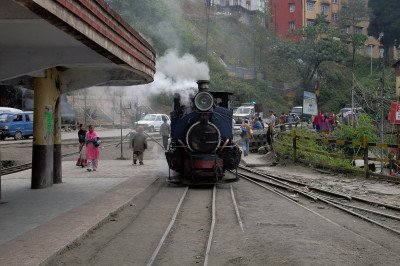
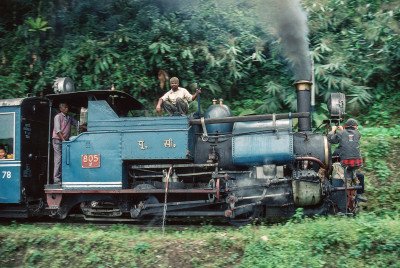
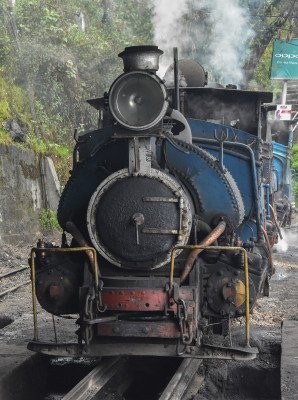
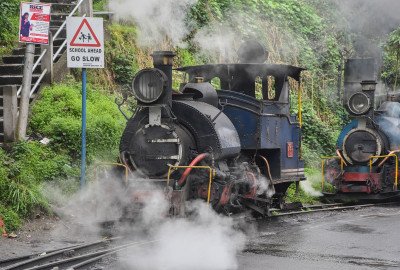
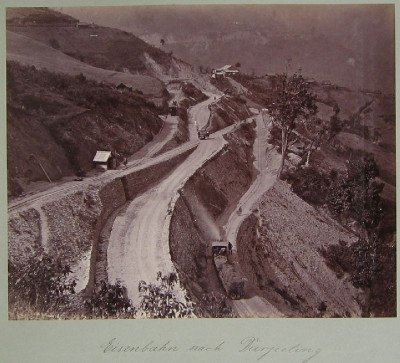
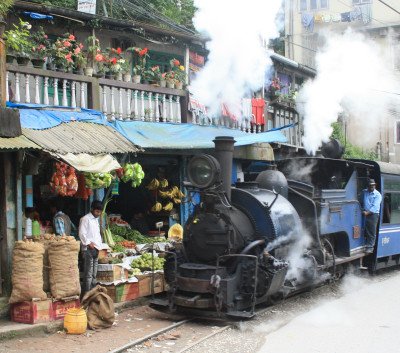
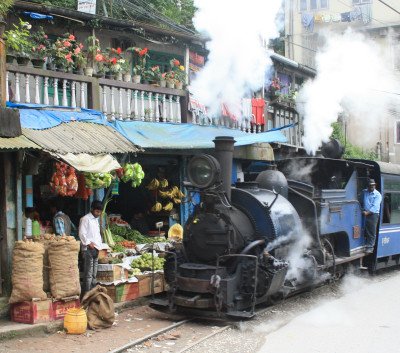
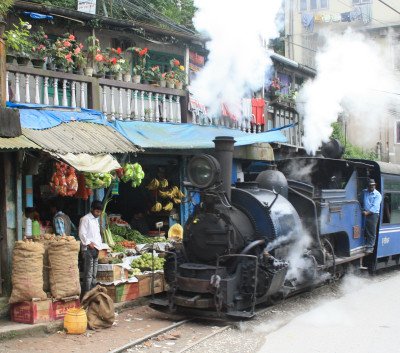
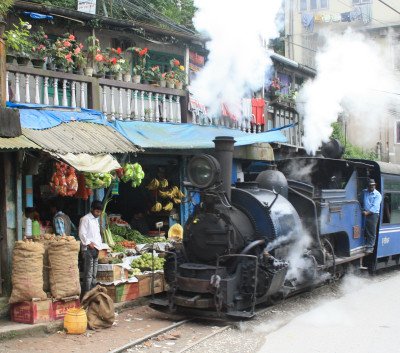
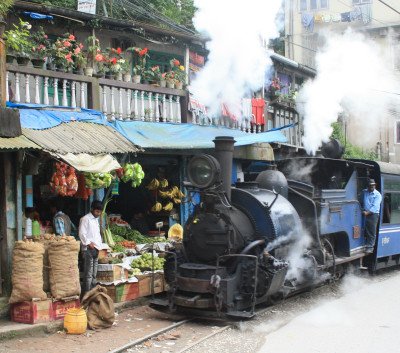
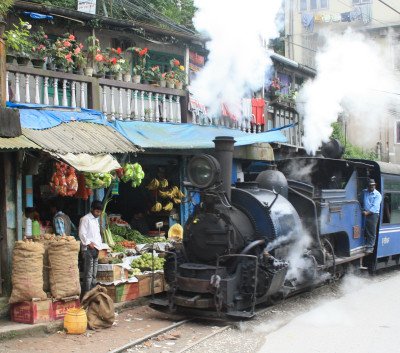
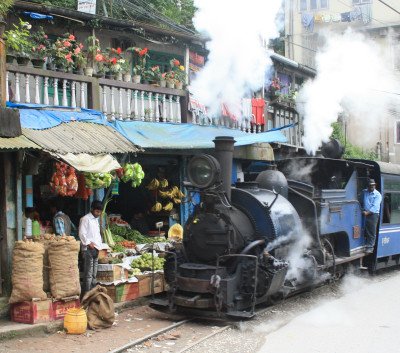
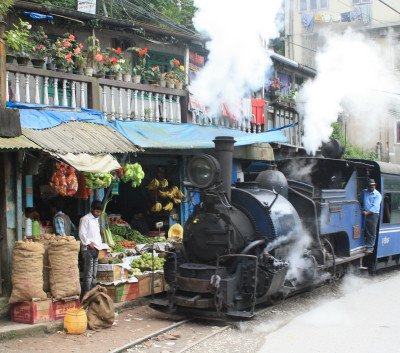
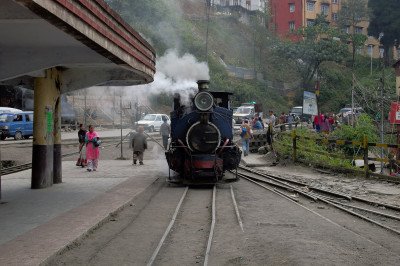
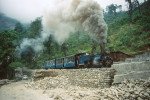
The Darjeeling Himalayan Railway (DHR), affectionately known as the "Toy Train," is a historic narrow-gauge railway that is a symbol of Darjeeling's charm. It was built between 1879 and 1881 and was declared a UNESCO World Heritage Site in 1999, a testament to its engineering marvel and historical s ignificance. The railway runs from New Jalpaiguri to Darjeeling, a total distance of 88 kilometers. The train's small size, with its narrow tracks and charming steam locomotives, is the reason for its "toy train" nickname. The journey is a captivating experience, taking you through a picturesque landscape of rolling hills, lush green tea plantations, and quaint villages. The train winds its way through steep gradients, sharp curves, and a series of loops and zig-zags, which were ingenious engineering solutions to the challenging Himalayan terrain. The most popular part of the journey is the joy ride from Darjeeling to Ghoom and back, which includes a stop at the Batasia Loop and the Ghoom Museum. The train is not just a mode of transport; it is a living part of Darjeeling's history and culture. The rhythmic chugging of the steam engine, the sound of the whistle, and the breathtaking views make the journey a truly magical experience. The DHR is a living testament to the ingenuity and determination of the people who built it. The journey is a perfect way to experience the beauty of the Himalayan foothills and to step back in time.

Ans:- The Darjeeling Himalayan Railway, affectionately known as the Toy Train, is a narrow-gauge railway that connects New Jalpaiguri with Darjeeling. It is a historic railway line that was built between 1879 and 1881 and is now a UNESCO World Heritage Site.

Ans:- The most popular route for tourists is the joy ride from Darjeeling to Ghoom and back. This journey covers a distance of about 14 km and takes approximately two hours. The full journey from New Jalpaiguri to Darjeeling is much longer and less frequent.

Ans:- It's called the "Toy Train" because of its small size, particularly the steam locomotive and the narrow-gauge track (2 ft or 610 mm). This gives it a charming, toy-like appearance as it chugs along the steep hills.

Ans:- The main attractions include the ride itself, passing through beautiful landscapes, tea gardens, and small towns. The train also makes a stop at the famous Batasia Loop and the Ghoom Museum, which are key highlights of the trip.

Ans:- Yes, the Darjeeling Himalayan Railway was designated a UNESCO World Heritage Site in 1999. It was the second railway in the world to receive this honor, recognizing its historical and cultural significance as a prime example of a hill passenger railway.

Ans:- Tickets can be booked online through the Indian Railways website (IRCTC) or at the Darjeeling railway station. It is highly recommended to book in advance, especially during the peak tourist season, as the joy rides are very popular and tickets sell out quickly.

Ans:- The best time to take the ride is from October to May when the weather is pleasant. The months of April and May are particularly good as the weather is mild and the views are clear. The service may be disrupted during the heavy monsoon season.

Ans:- Yes, there is. The steam-powered trains are the classic "Toy Trains" and offer a more nostalgic experience, complete with the chugging sound and smoke. Diesel engines are more common for the longer journeys, but some joy rides also use them. The steam engine ride is generally more sought-after.

Ans:- Ghoom station, located at an altitude of 2,258 meters (7,407 ft), is the highest railway station in India. The station has a museum dedicated to the Darjeeling Himalayan Railway, showcasing its history, locomotives, and other artifacts.

Ans:- The full journey from New Jalpaiguri to Darjeeling takes approximately 8 to 9 hours. This service is much less frequent than the joy ride and is a long, slow journey, but it offers a more authentic and immersive experience of the railway's full route.

Ans:- The short joy ride does not have any dedicated stops for food, but there are vendors at the Ghoom station where you can buy snacks and drinks. The longer journey has several stops at various stations where you can get refreshments.

Ans:- The cost of the joy ride varies depending on whether you choose a steam engine or a diesel engine. The steam engine ride is generally more expensive. It's best to check the official IRCTC website for the most current pricing.

Ans:- Yes, you can. The Darjeeling railway station is a landmark in itself. You can walk around the station premises, see the historic locomotives on display, and soak in the atmosphere of this historic place without purchasing a ticket for the ride.

Ans:- The railway was built to facilitate trade and transport between the plains and the hill station of Darjeeling. It was an engineering marvel of its time, designed to overcome the challenging terrain and steep gradients of the Himalayas using a series of loops and zig-zags.

Ans:- It's a good idea to carry a camera to capture the scenic views. Since the weather can be unpredictable, it's also advisable to have a light jacket. A water bottle and some snacks can be useful, especially on the longer journey. ###
Information about New and Updated Locations() of West Bengal Has Been Added :-
Card subtitle

Note:-

Information provided here in good Faith and for reference only.

Near Places
...
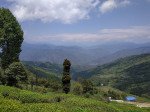
Aloobari Monastery

Some quick example text to build on the card title and make up the bulk of the card's content.

Go somewhere
...
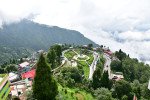
Badamtam Tea Estate

Some quick example text to build on the card title and make up the bulk of the card's content.

Go somewhere
...
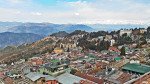
Batasia Loop

Some quick example text to build on the card title and make up the bulk of the card's content.

Go somewhere
...
Bengal Natural History Museum

Some quick example text to build on the card title and make up the bulk of the card's content.

Go somewhere
...
Bhutia Busty Monastery

Some quick example text to build on the card title and make up the bulk of the card's content.

Go somewhere

...
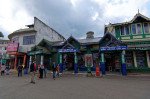
Bijanbari

Some quick example text to build on the card title and make up the bulk of the card's content.

Go somewhere
...
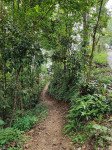
Chauk Bazaar

Some quick example text to build on the card title and make up the bulk of the card's content.

Go somewhere
...
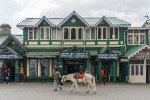
Chota Mangwa

Some quick example text to build on the card title and make up the bulk of the card's content.

Go somewhere
...
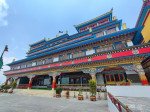
Chowrasta & The Mall

Some quick example text to build on the card title and make up the bulk of the card's content.

Go somewhere
...
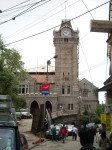
Dali Monastery

Some quick example text to build on the card title and make up the bulk of the card's content.

Go somewhere
...
Darjeeling Clock Tower

Some quick example text to build on the card title and make up the bulk of the card's content.

Go somewhere
...
Darjeeling Himalayan Railway

Some quick example text to build on the card title and make up the bulk of the card's content.

Go somewhere
...
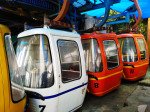
Darjeeling Ropeway

Some quick example text to build on the card title and make up the bulk of the card's content.

Go somewhere
...
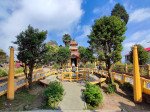
Dawaipani

Some quick example text to build on the card title and make up the bulk of the card's content.

Go somewhere
...
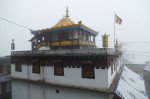
Dhirdham Temple

Some quick example text to build on the card title and make up the bulk of the card's content.

Go somewhere
...
Ghoom Monastery

Some quick example text to build on the card title and make up the bulk of the card's content.

Go somewhere
in Other Cities