...

FAQs On Dhirdham Temple

Darjeeling, West Bengal, India
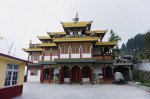
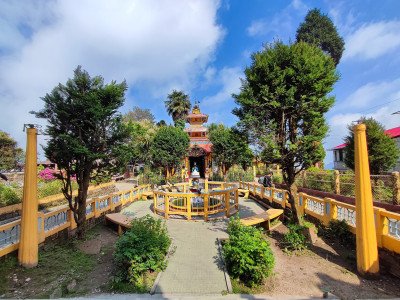
History and Significance: The Dhirdham Temple is a magnificent Hindu shrine dedicated to Lord Shiva, standing as the oldest Hindu temple in the Darjeeling hills. Constructed in 1939 by Rai Saheb Purna Bahadur Pradhan, the temple was envisioned as a spiritual bridge between India and Nepal. It serves as a replica of the famous Pashupatinath Temple in Kathmandu. For over eight decades, it has remained a central pillar of faith for the local Gorkha community and visiting devotees. The temple is famous for its serene atmosphere and the majestic white statue of Lord Shiva that greets visitors at the entrance. This statue, known as "Pancha Bakram Tri Netram," depicts the five faces of Shiva representing different cosmic moods and his all-seeing third eye. Surrounded by lush greenery and offering a panoramic view of the Kanchenjunga range on clear days, the temple provides a perfect escape from the bustling market area. It is not just a place of worship but a historical monument that reflects the deep-rooted cultural ties of the Himalayan region. Visitors often feel a sense of profound peace as soon as they step into the courtyard. The priests here are known for their hospitality, often offering a traditional 'bindi' to every visitor as a mark of blessing. The temple has survived the passage of time and the harsh Himalayan climate, maintaining its structural integrity and spiritual aura. It stands as a testament to the religious harmony of Darjeeling, where Hindu and Buddhist traditions often blend seamlessly. The rhythmic sounds of the morning and evening 'Aarti' resonate through the nearby valleys, creating a divine ambiance. Whether you are a religious seeker or a history enthusiast, the Dhirdham Temple offers a unique glimpse into the spiritual heritage of the West Bengal hills.

Ans:- Answer: Dhirdham Temple is a famous Hindu temple dedicated to Lord Shiva. It is significant for its unique architecture which is a replica of the world-famous Pashupatinath Temple in Kathmandu, Nepal. It serves as a major spiritual center for the Hindu community in Darjeeling and is known for its serene atmosphere.

Ans:- Answer: Dhirdham Temple is located just below the Darjeeling Himalayan Railway (Toy Train) station. It is within walking distance from the main market area and the taxi stand. Its location on a hillside provides a quiet escape from the noise of the train station and the busy roads nearby.

Ans:- Answer: Inside the temple complex, there are three Shiva-lingas that are believed to have manifested naturally. These lingas are said to represent the Hindu trinity of Brahma, Vishnu, and Maheshwar (Shiva). They are highly revered by the local devotees who come daily to offer water and flowers.

Ans:- Answer: Maha Shivaratri is the most important festival celebrated at Dhirdham Temple. During this time, thousands of devotees from Darjeeling and nearby areas visit the temple to offer prayers and milk to Lord Shiva. The temple is beautifully decorated, and special rituals are performed throughout the day and night.

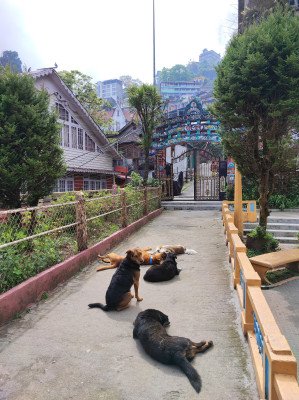
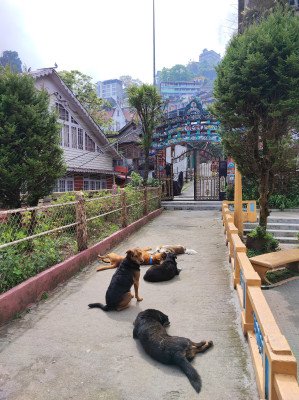
Ans:- Answer: The best way to reach the temple is by walking if you are staying in Darjeeling town center. If you are coming from further away, any taxi heading to the Darjeeling Railway Station will drop you right above the temple. From the station entrance, a small path leads down to the temple.

Ans:- Answer: The temple houses a unique white-colored statue of Lord Shiva. This statue depicts "Pancha Bakram Tri Netram," which represents the five different facial expressions of Lord Shiva in various moods, along with his third eye. This multi-faceted depiction is rare and attracts many devotees and art enthusiasts alike.

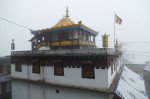
Ans:- Answer: The temple is built in a multi-layered pagoda style, which is characteristic of Nepali Hindu temples. It features intricately carved wooden eaves and a colorful roof. The design incorporates both Hindu and Tibetan stylistic elements, making it an architectural gem that stands out from the traditional North Indian temple styles.

Ans:- Answer: The temple is located slightly below the main road level, so there are some stairs to climb down. However, it is not very strenuous. For those with severe mobility issues, it might be a bit challenging, but most elderly visitors manage to visit with a little assistance.

Ans:- Answer: The temple was built in 1939 by Rai Saheb Purna Bahadur Pradhan. He was a prominent figure in Darjeeling and served as the personal representative of the King of Nepal. The temple was designed by the famous Gorkhali architect Beg Raj Sakya to bring the essence of Nepali religious architecture to Darjeeling.

Ans:- Answer: There is no formal dress code, but visitors are expected to dress modestly as it is a religious site. It is mandatory to remove shoes before entering the main temple platform. Covering your shoulders and knees is appreciated as a mark of respect towards the local culture and traditions.

Ans:- Answer: While photography is permitted in the outer courtyard and the temple premises, it is strictly prohibited inside the main sanctum sanctorum where the idol is placed. Visitors are requested to respect the sanctity of the shrine and follow the instructions of the temple priests regarding camera usage.

Ans:- Answer: Yes, since the temple is close to the railway station and market, there are many small shops nearby. You can find stalls selling flowers, incense sticks, and other offerings for the temple. There are also several small eateries and tea stalls where you can grab a quick bite.
Information about New and Updated Locations(575+) of West Bengal Has Been Added :-
Card subtitle

Note:-

Information provided here in good Faith and for reference only.

All information and pictures will be updated soon, please keep visiting.

Near Places
...
Aloobari Monastery

Some quick example text to build on the card title and make up the bulk of the card's content.

Go somewhere
...
Badamtam Tea Estate

Some quick example text to build on the card title and make up the bulk of the card's content.

Go somewhere
...
Batasia Loop

Some quick example text to build on the card title and make up the bulk of the card's content.

Go somewhere
...
Bengal Natural History Museum

Some quick example text to build on the card title and make up the bulk of the card's content.

Go somewhere
...
Bhutia Busty Monastery

Some quick example text to build on the card title and make up the bulk of the card's content.

Go somewhere

...
Bijanbari

Some quick example text to build on the card title and make up the bulk of the card's content.

Go somewhere
...
Chauk Bazaar

Some quick example text to build on the card title and make up the bulk of the card's content.

Go somewhere
...
Chota Mangwa

Some quick example text to build on the card title and make up the bulk of the card's content.

Go somewhere
...
Chowrasta & The Mall

Some quick example text to build on the card title and make up the bulk of the card's content.

Go somewhere
...
Dali Monastery

Some quick example text to build on the card title and make up the bulk of the card's content.

Go somewhere
in Other Cities