...

FAQs On Ghoom Monastery

Darjeeling, West Bengal, India
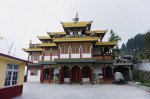
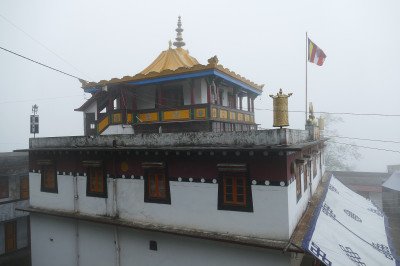
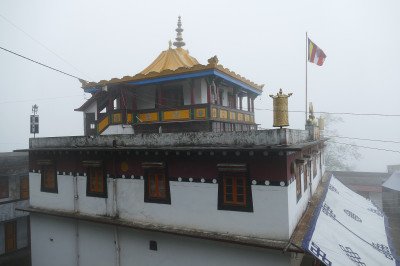
Ghoom Monastery, officially known as Yiga Choeling, is the oldest Tibetan Buddhist monastery in the Darjeeling region. Built in 1850 by the famous Mongolian monk and astrologer Lama Sherab Gyatso, it belongs to the Gelugpa or the Yellow Hat sect. The monastery is a significant spiritual hub and a s torehouse of rare Buddhist manuscripts and Tibetan translations of Sanskrit works like Kalidasa's Meghdoot. The primary attraction of this monastery is the 15-foot tall clay statue of the Maitreya Buddha (the Future Buddha), which is encrusted with gold and precious stones. Two huge lamps in front of the statue burn throughout the year. The walls of the monastery are adorned with beautiful Thangkas (Tibetan scroll paintings) and frescoes depicting various Buddhist deities and life scenes. It is situated at an elevation of 7407 feet, making it one of the highest railway-adjacent monasteries. The atmosphere is filled with the smell of incense and the low hum of monks chanting. The monastery also houses a large collection of Buddhist bells and drums. Outside the main hall, there is a large collection of prayer wheels that devotees spin while circumambulating the structure. The architecture is a blend of traditional Tibetan and local styles. Over the years, it has become a central point for the Buddhist community during festivals. The monastery offers a peaceful retreat from the bustling Ghoom market nearby. It provides a stunning view of the surrounding hills and the Darjeeling Himalayan Railway tracks. A small museum on the premises displays ancient artifacts and manuscripts. It is a must-visit for anyone interested in Himalayan culture and spirituality. :

Ans:- As with any religious site, modest clothing is recommended. Avoid wearing shorts or sleeveless tops. You must remove your shoes before entering the main prayer hall. It is also customary to walk clockwise around the monastery and the prayer wheels as a sign of respect in Buddhist tradition.

Ans:- Built in 1850, Ghoom Monastery (Yiga Choeling) is one of the oldest Tibetan Buddhist monasteries in the Darjeeling region. It was established by the Mongolian monk and astrologer Lama Sherab Gyatso. It belongs to the Gelugpa (Yellow Hat) sect of Tibetan Buddhism and has survived through the colonial and post-colonial eras.

Ans:- Entry to Ghoom Monastery is free for all visitors. However, there is a small fee if you wish to take photographs (around ₹10) or videos (around ₹50) inside the main prayer hall. The proceeds from these fees go towards the maintenance of the monastery and supporting the resident monks.

Ans:- Ghoom Monastery currently accommodates about 60 resident monks who belong to the Gelugpa sect. They spend their time in prayer, meditation, and studying Buddhist scriptures. Visitors can often see them engaged in their daily chores or ritual practices, providing a glimpse into their dedicated spiritual lifestyle.

Ans:- It is located in Ghoom, about 8 kilometers from Darjeeling town. It sits at an altitude of 7,407 feet. To reach it, you take a small side road from the main Hill Cart Road near the Ghoom Railway Station. It is easily accessible by taxi or the famous Toy Train.

Ans:- The monastery celebrates various Buddhist festivals, with the Tibetan New Year (Losar) being a major event. During these times, special prayers and mask dances (Cham) might be performed. Devotees also gather in large numbers on the 15th day of the Tibetan calendar every month for special prayers.

Ans:- The monastery is generally open from 9:00 AM to 6:00 PM daily. Many tourists choose to visit early in the morning on their way back from Tiger Hill sunrise. Visiting during the morning prayer sessions allows you to hear the monks chanting and playing traditional Buddhist musical instruments.

Ans:- The primary attraction is the 15-foot high statue of Maitreya Buddha (the Future Buddha). This majestic statue is painted in gold and encrusted with precious stones. It was built during the tenure of the second head of the monastery using clay brought from Tibet, making it highly sacred.

Ans:- While you can observe the monks, it is best not to disturb them while they are praying or performing rituals. Some monks who are not occupied may be willing to have a short, respectful conversation or answer basic questions about the monastery. Always ask for permission before taking a portrait of a monk.

Ans:- Yes, basic public restroom facilities are available near the monastery premises for visitors. Since it is a high-altitude area, it is always recommended to carry your own hand sanitizer and tissues. There are also small tea stalls nearby if you need to refresh yourself after the visit.

Ans:- Yes, on a clear day, the monastery offers a magnificent view of the Kanchenjunga peak and the surrounding Himalayan range. The courtyard of the monastery provides a peaceful vantage point to admire the snow-capped mountains, adding to the spiritual and tranquil experience of the visit.

Ans:- Yes, there are small stalls outside the monastery entrance and sometimes a small counter inside selling Buddhist items like prayer flags, incense, singing bowls, and postcards. Buying these items helps support the monastery. You can also find local handicrafts and woolen items sold by vendors nearby.

Ans:- Yes, there is another monastery nearby called Samten Choling Monastery, which is sometimes also referred to as "Ghoom Monastery" by local drivers. If you want to visit the historic one with the large Maitreya Buddha, specifically ask for "Old Ghoom Monastery" or "Yiga Choeling Monastery."

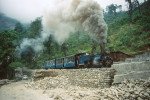
Ans:- You can take a private or shared taxi from Darjeeling town, which takes about 30 minutes. A more scenic option is taking the Toy Train "Joy Ride" from Darjeeling to Ghoom; the monastery is about a 10-12 minute walk from the Ghoom station. This combination is a favorite among tourists.
Information about New and Updated Locations() of West Bengal Has Been Added :-
Card subtitle

Note:-

Information provided here in good Faith and for reference only.

All information and pictures will be updated soon, please keep visiting.

Near Places
...
Aloobari Monastery

Some quick example text to build on the card title and make up the bulk of the card's content.

Go somewhere
...
Badamtam Tea Estate

Some quick example text to build on the card title and make up the bulk of the card's content.

Go somewhere
...
Batasia Loop

Some quick example text to build on the card title and make up the bulk of the card's content.

Go somewhere
...
Bengal Natural History Museum

Some quick example text to build on the card title and make up the bulk of the card's content.

Go somewhere
...
Bhutia Busty Monastery

Some quick example text to build on the card title and make up the bulk of the card's content.

Go somewhere

...
Bijanbari

Some quick example text to build on the card title and make up the bulk of the card's content.

Go somewhere
...
Chauk Bazaar

Some quick example text to build on the card title and make up the bulk of the card's content.

Go somewhere
...
Chota Mangwa

Some quick example text to build on the card title and make up the bulk of the card's content.

Go somewhere
...
Chowrasta & The Mall

Some quick example text to build on the card title and make up the bulk of the card's content.

Go somewhere
...
Dali Monastery

Some quick example text to build on the card title and make up the bulk of the card's content.

Go somewhere
in Other Cities